


Get a Free WorkTrek Demo
Let's show you how WorkTrek can help you optimize your maintenance operation.
Try for freeKey Takeaways:
- An elevator manufacturer and maintenance provider was fined $617,000 for false billing.
- The majority of consumers wish companies were better at addressing their needs.
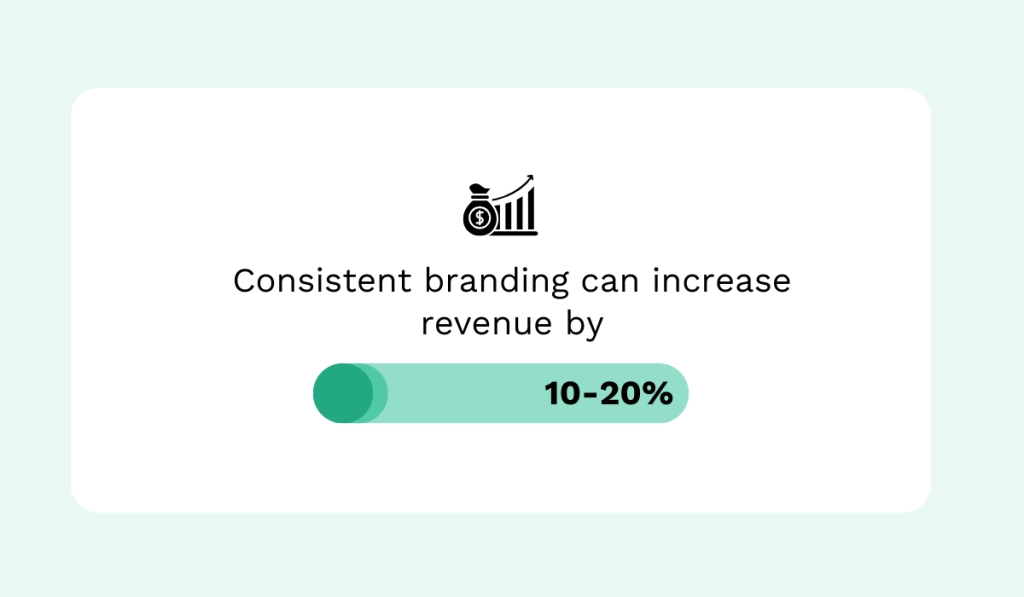
- Brand consistency can boost revenue by 10–20%.
In this quick guide, we cover everything you need to know about maintenance invoices.
You’ll learn about best practices for managing them effectively, the key elements every invoice should include, invoice templates, and tools that can streamline the invoicing process.
Keep reading to discover how these seemingly simple documents can help boost your reputation, profitability, and operational efficiency.
Maintenance Invoice Management Best Practices
First, let’s explore some best practices that will keep your invoice management processes efficient, minimize risk, and improve your customer relationships.
Prioritize Efficient Record-Keeping
Diligent record-keeping is the foundation of effective maintenance invoice management.
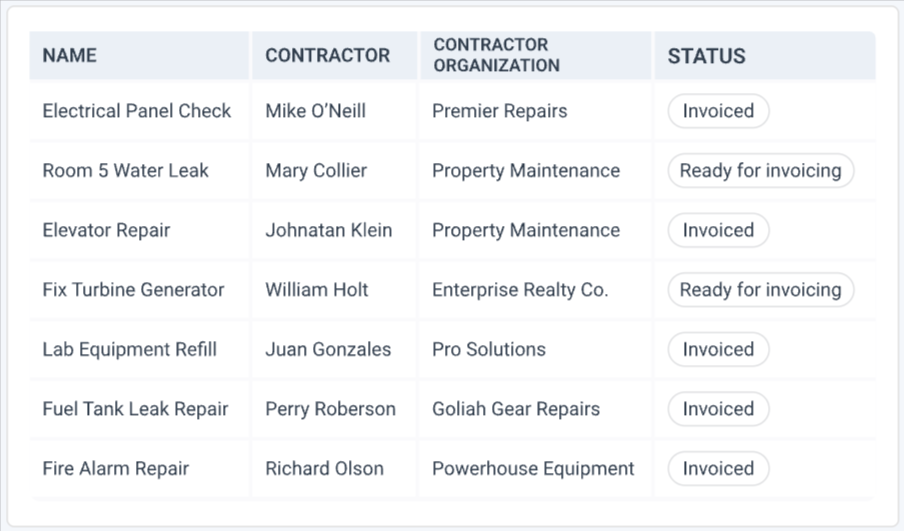
Invoices should be stored consistently, well-organized, and easy to search and retrieve, like in the example below.
You can clearly see key details for each document:
After all, invoices are official proof of services rendered.
They document the work performed, the completion date, who performed the task, and where it took place.
This kind of documentation is essential for tax compliance and serves as evidence if disputes arise with clients over, for instance, the scope of work or claims that a service was not completed.
In other words, having these records can save you from hefty fines.
Take it from Otis Elevator.
This American elevator manufacturer and maintenance provider was recently required to pay $617,000 for false billing after charging a utility company for services it didn’t provide.
Commenting on the case, U.S. Attorney for the Eastern District of Tennessee Francis M. Hamilton III stated:
“This settlement with Otis demonstrates that the United States Attorney’s Office and federal partners like TVA’s Office of the Inspector General are using all tools available to address fraud, waste, and abuse and protect public funds.”
His message is clear: compliance isn’t optional, and misconduct can be costly.
Diligent record-keeping is your first line of defense, as it demonstrates that work wasn’t performed.
However, a critical lesson from the Otis Elevator case is that keeping invoices alone isn’t enough.
They tell only part of the story.
You should ensure you also have all supporting documentation, such as work orders, service reports, photos, and other related records:

If a client disputes an invoice, claiming, for example, that work wasn’t performed, these documents can quickly resolve disagreements and protect your business and reputation.
Leverage Invoice Data for Decision-Making
Once an invoice is paid, don’t just store it and forget about it.
Make a habit of tracking and analyzing the data it contains, and you may be surprised by how much insight these documents can provide.
Among other things, invoices can reveal which clients are the most frequent, high-value, or reliable payers.
This information can help you prioritize client relationships, tailor service offerings, or even develop loyalty programs.
Similarly, invoices can show which services are most in demand, enabling you to allocate resources more strategically to meet customer needs.
A 2022 Accenture survey found that the majority of consumers wish companies were better at addressing their needs.
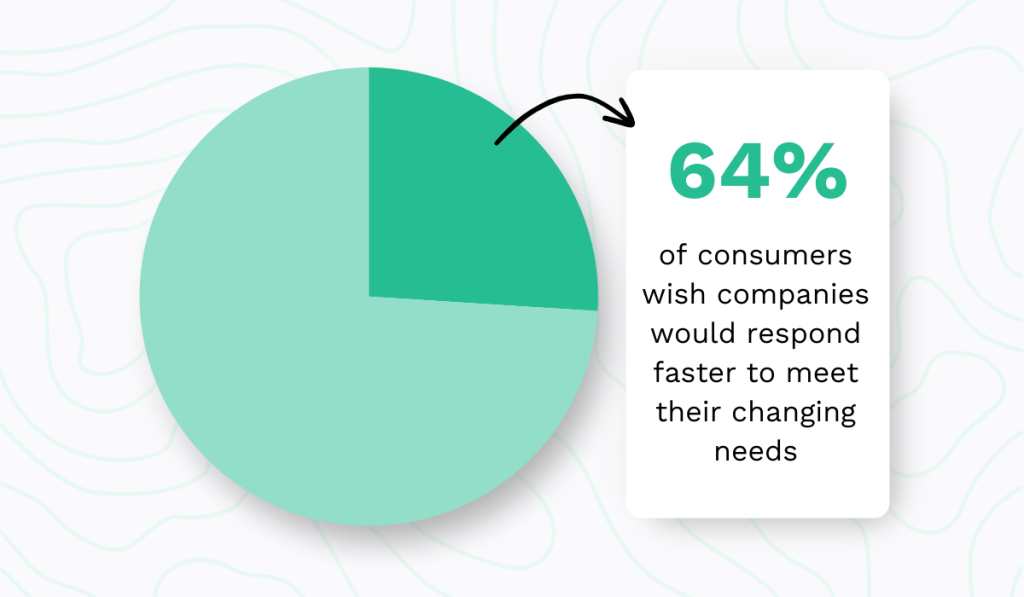
By leveraging your billing data, you can begin doing exactly that, better understanding customer behavior, and creating more relevant experiences that increase their loyalty.
In addition, historical invoice data can help you evaluate whether your pricing is competitive and sustainable.
This enables more informed decisions about rates to maintain or improve profitability.
According to Simon-Kucher, companies that increased profit margins in 2024 used a range of strategies, from raising prices to increasing sales volume or shifting toward higher-margin offerings.
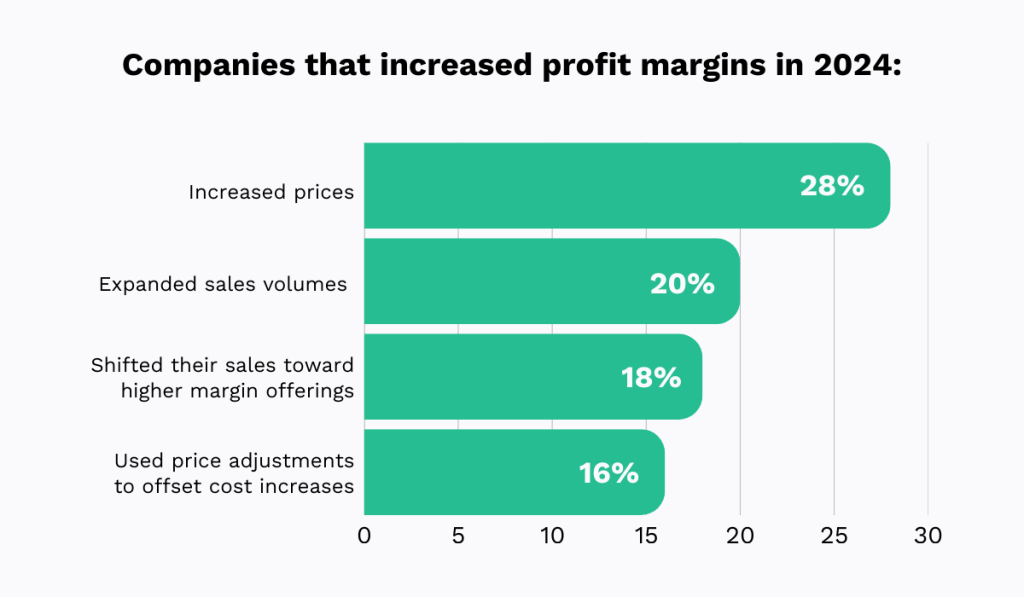
In other words, there is no one-size-fits-all approach. Every business must determine what works best for its specific situation.
To identify what would work best for you, begin by analyzing your invoices.
Review costs, labor hours, and material usage to uncover opportunities to boost profits without pricing yourself out of the market.
For best results, clearly define the metrics you want to track before beginning any analysis.
For example:
| Revenue Metrics | Total revenue per month, quarter, or year; revenue per client or service type |
| Service Metrics | Number of jobs completed per period; breakdown by service type |
| Cost Metrics | Material costs per job; labor costs per job or per technician |
| Payment Metrics | Percentage of invoices paid on time versus overdue; average time to receive payment |
| Operational Metrics | Average job duration; frequency of repeat issues or recurring maintenance needs |
Establishing these KPIs from the get-go ensures focus and consistency in your analysis, rather than reviewing invoices without a clear objective.
Over time, trends and patterns will emerge, helping you identify areas for improvement and develop stronger strategies for future performance.
Align the Invoices With Your Brand
Even though invoices are primarily financial documents, they can also serve as a valuable communication tool that reflects your brand.
That’s why it’s worth ensuring they feature consistent logos, colors, fonts, tone, and layout that match your other customer-facing materials.
This may seem like a minor detail, but it can have a significant impact on your business.
In fact, research from Marq shows that brand consistency can boost revenue by 10–20%.
When you consider the purpose of branding, it makes sense.
Consistent branding communicates reliability and attention to detail, reinforcing professionalism and credibility, and ultimately building customer trust.
Consistent branding also strengthens recognition.
By including the same logos, colors, fonts, and tone in every client interaction, even routine invoices, you make your brand more memorable.
Over time, clients begin to associate your brand with quality, which increases the likelihood of repeat business.
You don’t need to do anything elaborate here.
Simply include your logo and brand colors, and use a clear font consistent with your other documents, like in the example below:
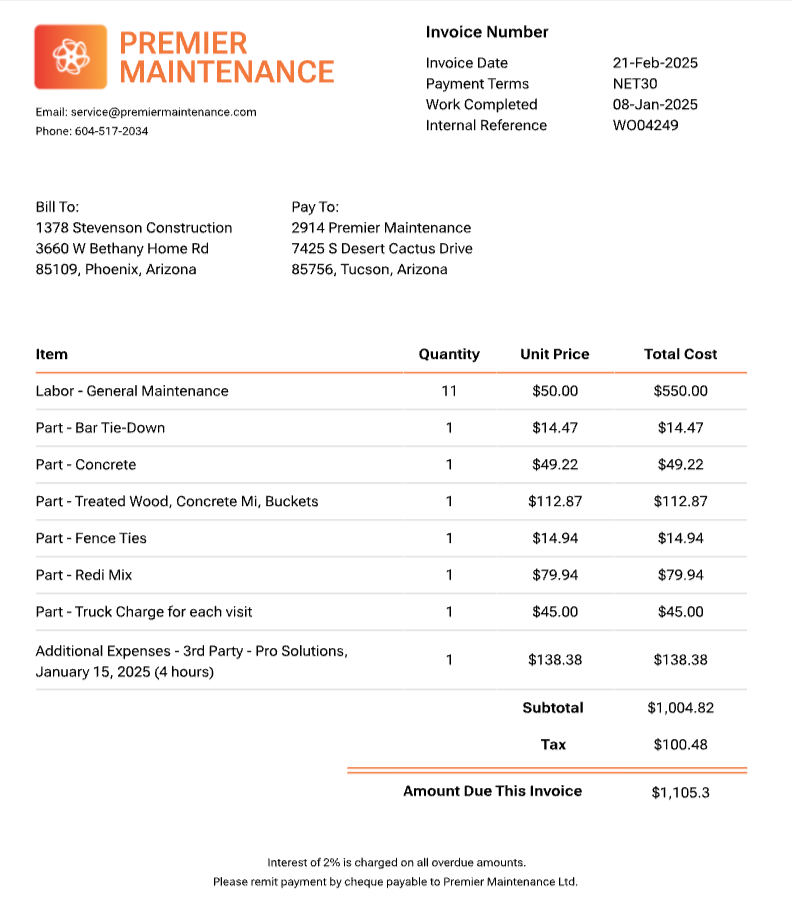
How you present information also plays a role here.
Ensure you add all key details, use professional language, and present information in a well-organized, easy-to-read layout.
These small touches are subtle but highly effective ways to reinforce your brand identity without overwhelming the document.
They signal that you pay attention to detail and care about quality across every part of your operations, from your documents to the service you provide.
Standardize Your Invoices
Ensuring every maintenance invoice follows the same structure and terminology also plays a big role in how clients perceive your business.
When you standardize your invoices, you significantly reduce the risk of missing vital information, which leads to fewer disputes and faster payments.
At the same time, this kind of consistency conveys reliability and attention to detail, improving your brand image and, ultimately, building customer trust.
According to an Adobe survey from 2021, consumers reward that trust in many ways, including increased purchases, recommendations, and positive online reviews.
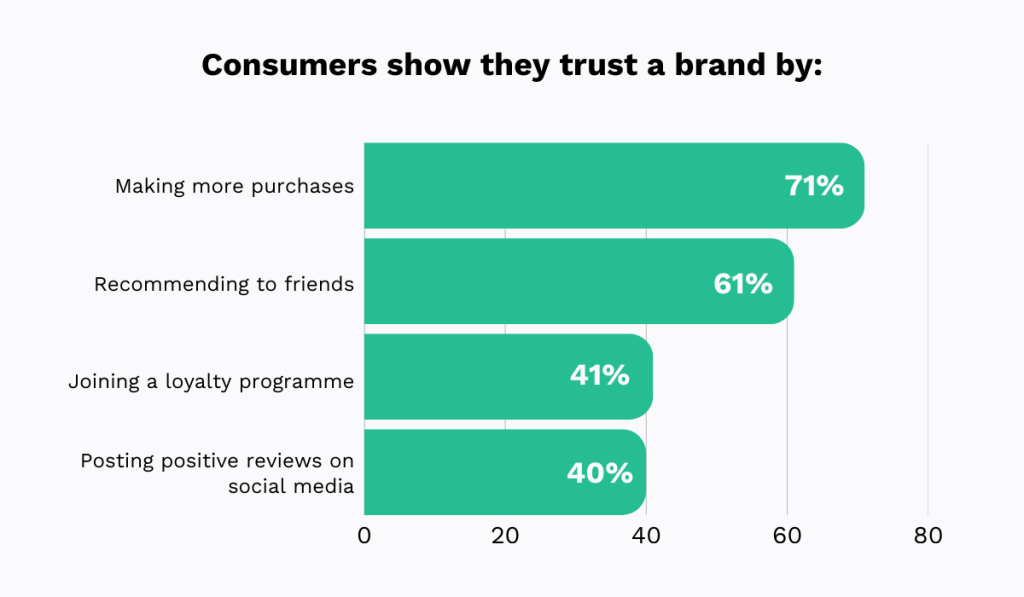
In other words, consistency pays off.
So, to ensure your invoices support you in building client relationships, first define the essential fields every document should include.
The most common ones are:
- Client information
- Payment terms
- Your contact details
- Price breakdown
Once you’ve outlined all necessary information, create a reusable invoice template.
This allows you to quickly fill in details without starting from scratch each time, ultimately saving you time, minimizing mistakes, and ensuring every invoice is professional, on-brand, and complete.
To help you get started, we provide a couple of invoice templates in the next section and explain the key elements every invoice should contain.
Maintenance Invoice Template
Most invoices follow a similar structure, regardless of the specific type of maintenance you provide.
What really matters is that each invoice contains all the important details to prevent confusion, disputes, or non-compliance.
Starting with the header, you should include your company name and logo, along with the invoice title clearly labeled as “Invoice” and a unique invoice number for tracking purposes:
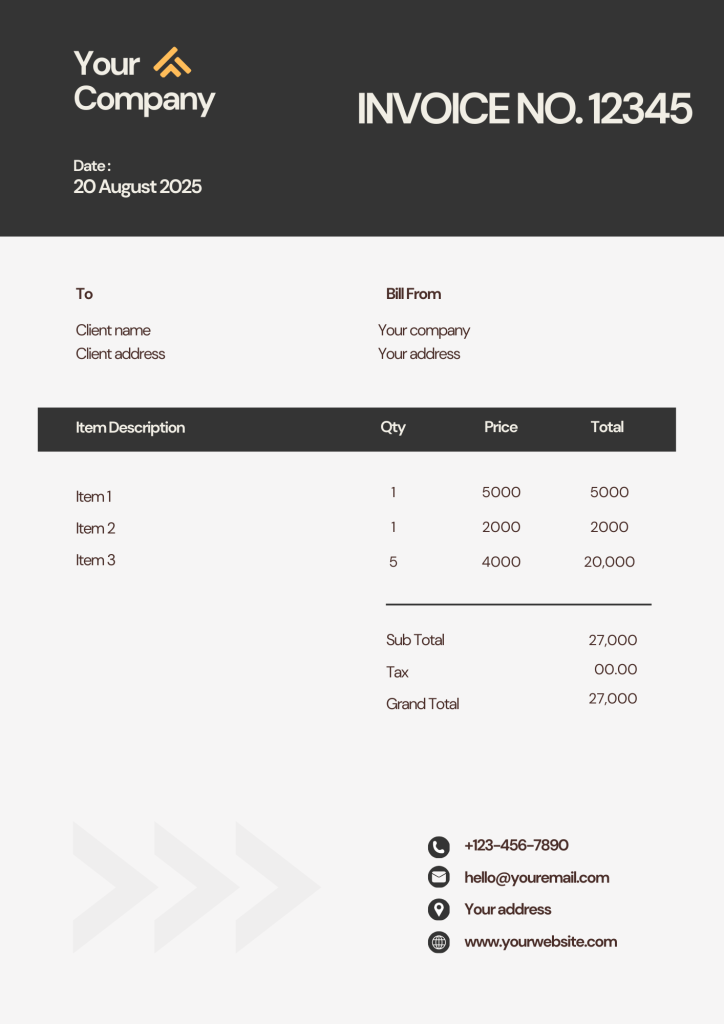
Immediately following the header, add your contact details, the client’s information, the invoice number, and the date.
How you arrange it is up to you, but aim for clean, clear, and easy-to-read. Yes, including all essential details is important, but you should never sacrifice readability.
Next, onto the core of any invoice: the pricing section.
List itemized charges, such as labor, materials, and the name of specific services, along with any additional fees like travel or disposal charges:
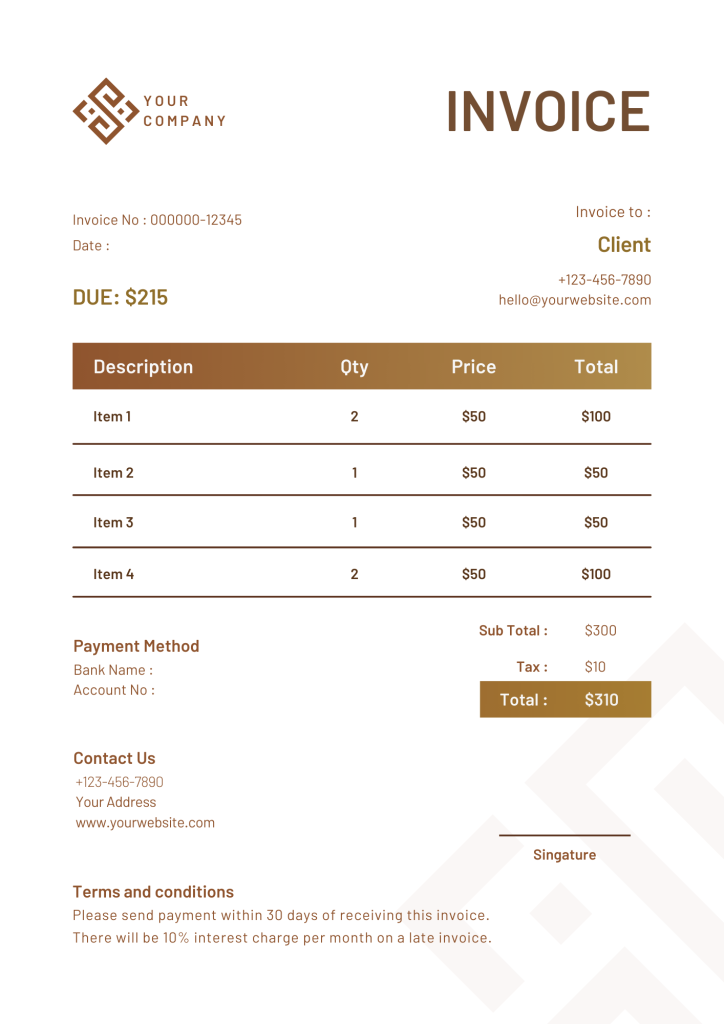
Then, clearly display the subtotal, applicable taxes, any discounts, and the total amount due.
Make sure this section is prominent and easy to spot, and always double-check your figures before sending the invoice.
Additionally, don’t forget to include payment information. This can include your accepted payment methods, bank details if necessary, and payment terms specifying when payment is expected.
Finally, you can also include a brief customer-focused message, such as “Thank you for choosing [Company Name]!”:

This isn’t necessarily a must-have, but it adds personality, reinforces your brand, and can help strengthen client relationships.
In the end, a well-crafted invoice should meet two main criteria: it must include all essential information and present it in a visually appealing, professional way.
Tick those two boxes, and you significantly improve client communication, reinforce brand perception, and streamline internal decision-making.
How WorkTrek Can Help
What if you didn’t have to worry about losing your invoices ever again?
What if you could save time on data entry while minimizing errors?
That’s exactly what WorkTrek makes possible.
WorkTrek is a CMMS designed to give you full control over your maintenance operations, from work requests and orders to spare parts and preventive maintenance schedules.
Naturally, it also streamlines invoice management.
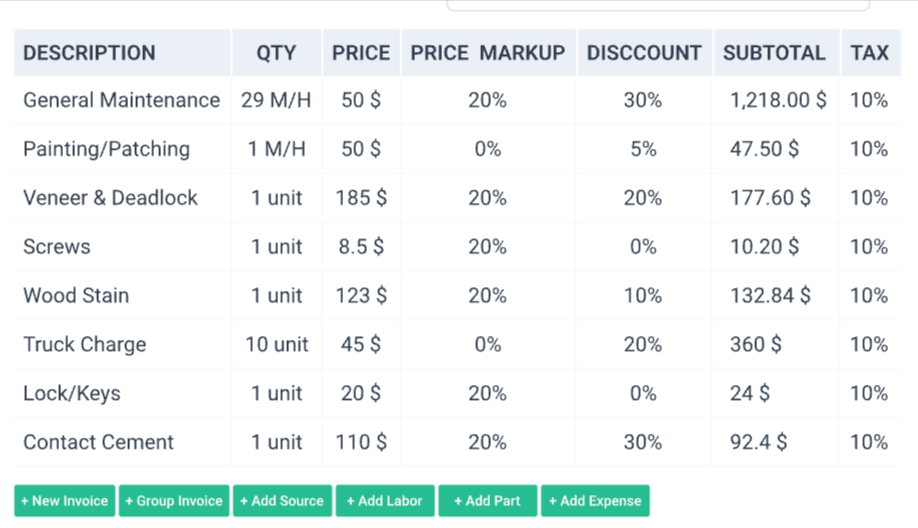
With WorkTrek, you can create invoices in just a few clicks using pre-built templates and data pulled directly from work orders:

This means no more manual copying or re-typing.
Billing information comes straight from the maintenance records you’ve already entered, thereby reducing errors and saving time.
You can also apply predefined price markups, discounts, and tax rates, or use pricing terms from your catalog or contracts to ensure consistency and compliance.
Forget creating and tracking invoices in Word and Excel.
WorkTrek integrates invoicing with the entire maintenance workflow, ultimately improving accuracy, team communication, and efficiency.
All invoices are easily accessible, so you can quickly see which work orders have been invoiced and which are pending.
This level of efficiency doesn’t mean sacrificing your brand identity.
WorkTrek enables you to customize invoice templates with your logo, fonts, and colors, and send them directly from your work email in PDF, Word, or Excel formats.
In short, WorkTrek ensures your invoices are accurate, consistent, traceable, and insightful.
This directly translates into faster billing cycles, fewer disputes, more transparent financials, and stronger customer relationships.
WorkTrek doesn’t just make invoice management easier. It makes it better.
Conclusion
Overall, maintenance invoices deserve far more attention than they often receive.
By replacing manual processes, investing a bit of effort in their design, and actively analyzing the data they provide, businesses can unlock significant benefits thanks to these documents.
When done right, invoices signal professionalism, attention to detail, and a commitment to quality to your clients.
At the same time, they provide your teams with insights into financial performance, the most profitable services, and areas for improvement.
This means maintenance invoicing delivers wins across the entire organization, not just the maintenance function.