


Get a Free WorkTrek Demo
Let's show you how WorkTrek can help you optimize your maintenance operation.
Try for freeKey Takeaways:
- Commercial building maintenance costs range from $10 to $25 per square foot annually.
- 72% of business leaders cite rising litigation as a growing threat in their industries.
- Well-maintained landscapes boost reputation and can even attract new customers.
Did you know that one retail destination in Illinois managed to cut its annual maintenance costs by 20% simply through proactive grounds maintenance?
Yes, how we care for our outdoor spaces has a significant impact on our business’s profitability, operational efficiency, and reputation.
It not only minimizes risks but also improves visual appeal and can even attract new customers.
That’s why, in this article, we’ll cover everything you need to know about grounds maintenance, from why it matters to some of its best practices.
Let’s get started.
Grounds Maintenance: The Definition
Grounds maintenance covers a wide range of tasks designed to preserve and improve outdoor spaces, ensuring they stay safe, functional, and visually appealing year-round.
These tasks can range from straightforward activities such as grass cutting and hedge trimming to more complex work like managing drainage systems.
Here’s a list of some of the most common grounds maintenance activities:
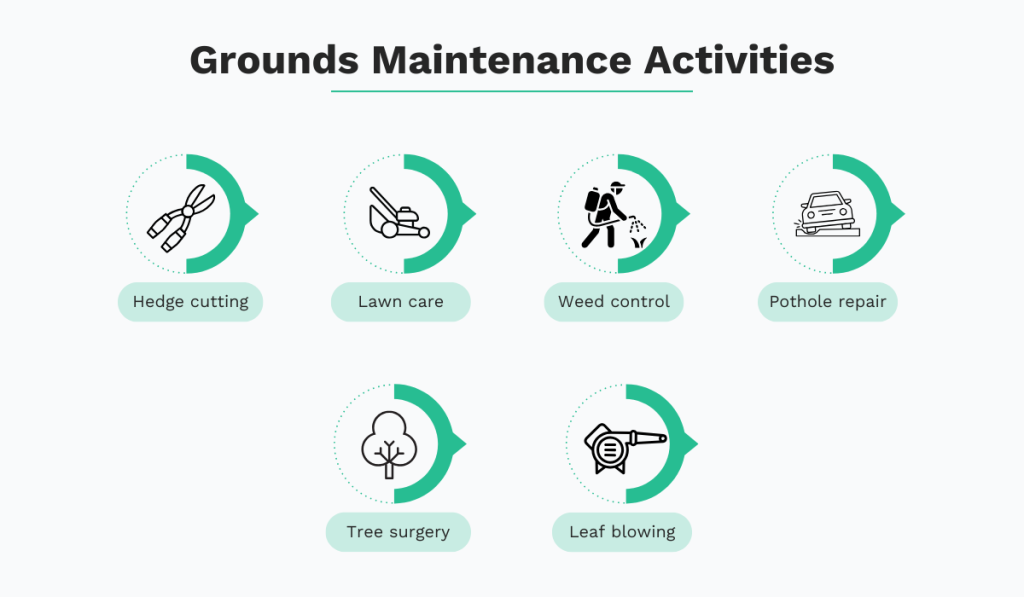
This type of ukpeep is vital across many industries, sectors, and business types.
Any organization with outdoor areas, even something as simple as a walkway or car park, requires regular, high-quality outdoor maintenance.
These are just a few sectors where it makes a real difference:
| Facilities management | Keeping large estates and commercial properties looking their best |
| Rail | Clearing tracksides of debris and overgrowth to ensure safety and visibility |
| Office & industrial | Maintaining tidy, professional environments around business parks and industrial sites |
| Retail | Ensuring car parks, walkways, and outdoor areas are clean and welcoming for customers |
| Education | Creating attractive, safe spaces for students and staff on school and university grounds |
| Public sector | Supporting local authorities in maintaining parks, pathways, and civic spaces for everyone to enjoy |
Regardless of the industry, effective grounds maintenance is vital for creating a safe, attractive, and welcoming environment for visitors, employees, and the community.
Well-kept grounds send the right message: they show you care about quality and first impressions.
Why Grounds Maintenance Matters
Now, let’s explore some specific benefits of effective grounds maintenance.
Reduces Long-Term Costs
The best way for a business to save money is to prevent costly problems before they happen.
That’s exactly what grounds maintenance does.
Seasonal cleanups, pruning, lawn aeration, and irrigation checks all help catch potential issues early, avoiding expensive repairs down the road and saving significant money
According to the landscaping company Boston Landscape Co., commercial building maintenance is one of the largest ongoing expenses for property owners and managers.
It typically ranges from $10 to $25 per square foot annually, depending on location, building type, and service level.
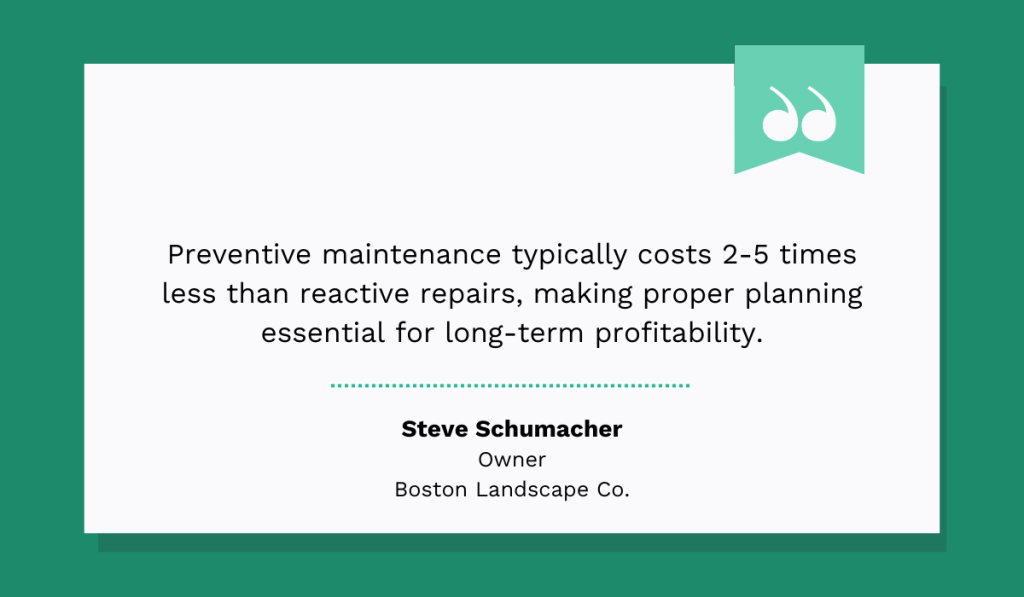
To avoid adding to these already substantial costs, proactive maintenance is key, says Steve Schumacher, Owner of Boston Landscape Co.:
A great example of this in action is Shorewood Crossing, a retail destination in Shorewood, Illinois.
To keep their property appealing to tenants, shoppers, and the local community, they started focusing on proactive retail landscaping and saw real financial benefits almost immediately.
By monitoring plants for diseases, installing annual and biannual mulching, and replacing an outdated irrigation system that was wasting water, they achieved amazing results.
According to Vince Sammartano, Business Development at KD Landscape, the company responsible for the maintenance, Shorewood Crossing experienced:
- Improved tenant satisfaction
- 30% reduction in water usage
- 20% lower annual maintenance costs
- Over 40% fewer reactive service requests
The takeaway is clear: proper grounds maintenance delivers measurable savings and long-term value.
Be proactive, plan strategically, prioritize quality, and the results will speak for themselves.
Improves Safety
Grounds maintenance doesn’t just save you money.
It can also save you from legal trouble and costly fines by ensuring your outdoor spaces are safe and accessible.
For instance, it prevents hazards such as slips, trips, and falls caused by potholes, uneven surfaces, and debris.
Similarly, it addresses overgrown vegetation and pests, which also introduces all kinds of risk.
In short, grounds maintenance keeps your property safe and compliant, which seems to be more important than ever.
According to the 2025 Sentry survey, most business leaders cite rising litigation and multimillion-dollar verdicts as a growing threat in their industries.
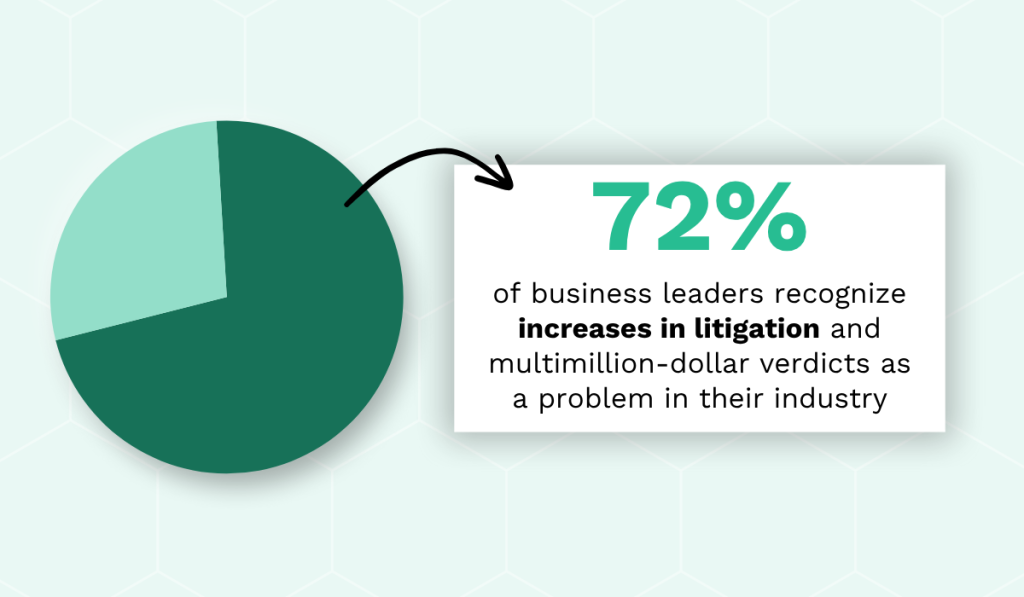
In other words, people don’t shy away from taking organizations to court nowadays, and companies that fail to prioritize safety face increased exposure to costly verdicts.
Grounds maintenance serves as a critical line of defense against such risk.
Take it from The University of New Mexico.
Their campus planners use architecture, landscaping, and urban design to create safe and secure, yet attractive, spaces.
For instance, they avoid overgrown shrubs, dense trees, or hidden areas as they can attract unwanted activity.
Rosie Dudley, their Director of Campus Capital and Space Planning, explains:
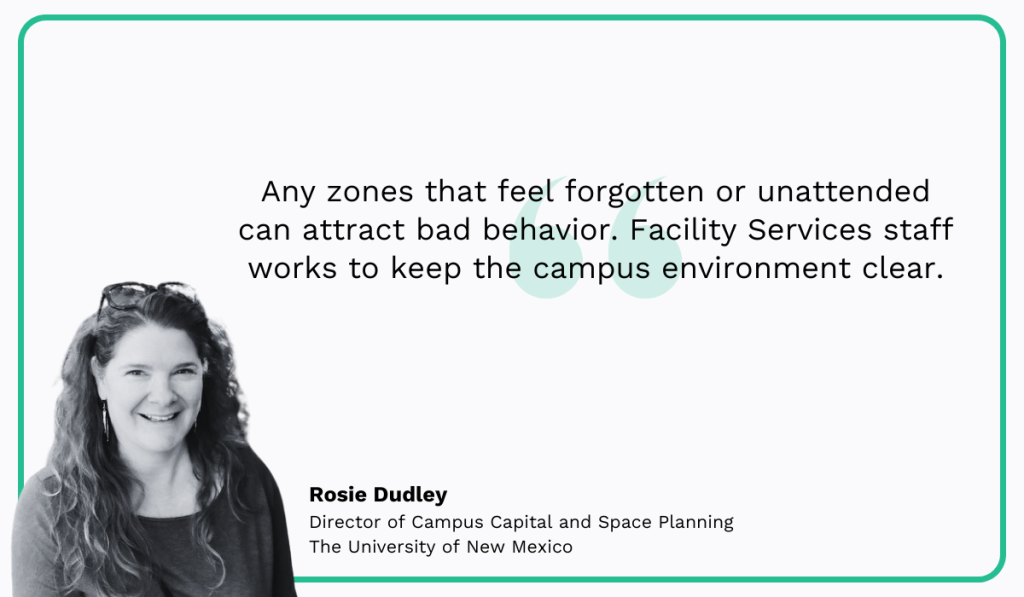
Native landscaping further balances safety, sustainability, and aesthetics.
Dudley notes:
“UNM is using more native plants that are visually permeable, reducing hiding spots while supporting sustainability goals.”
These seemingly small details can have a major impact on overall safety.
Grounds maintenance experts understand these nuances and know how to optimize outdoor spaces to keep them safe without compromising visual appeal.
Increases Curb Appeal
Visual appeal matters.
Clean, attractive, and well-maintained landscapes signal quality and attention to detail, creating strong first impressions for visitors, clients, or potential buyers and tenants alike.
This can unlock a range of benefits.
For example, if you’re trying to sell a property, a well-kept exterior can significantly boost your resale value.
Debbie Mathews, an interior designer in Nashville, Tennessee, explains:
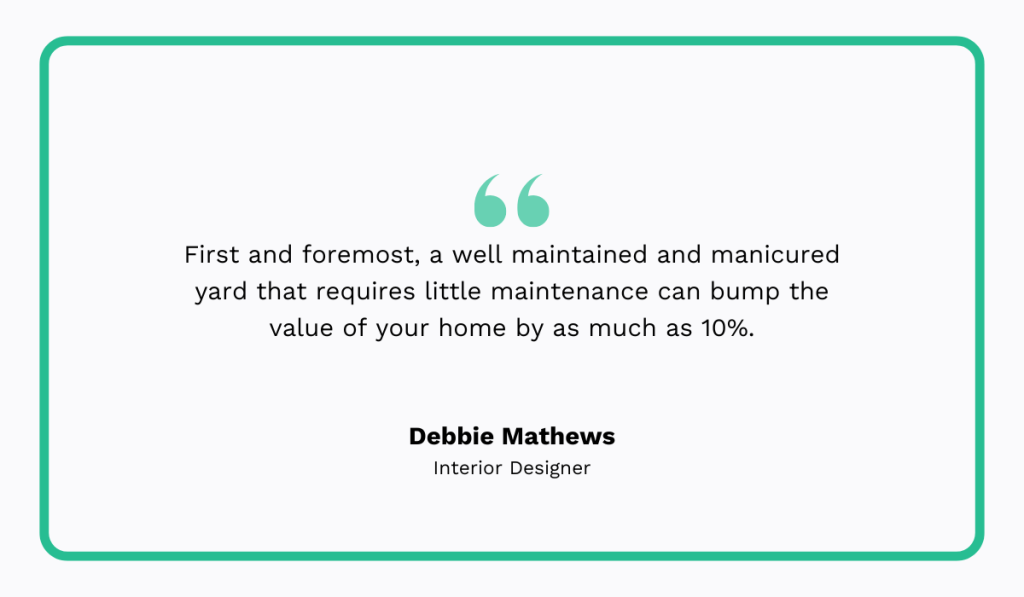
While Mathews is referring to residential properties here, the same applies to commercial spaces.
Buyers and tenants want to feel confident that a property has been well cared for, with healthy and robust planting.
Even if selling isn’t your goal, improved curb appeal can still deliver major benefits by signaling professionalism, quality, and sometimes even attracting new customers.
Businesses in Milton Keynes, England, know this well.
With commercial property values on the rise, many have increased investment in professional grounds maintenance services, and the results are clear.
Mark Ellis, Regional Commercial Director at Morgan Sindall Property Services, notes:
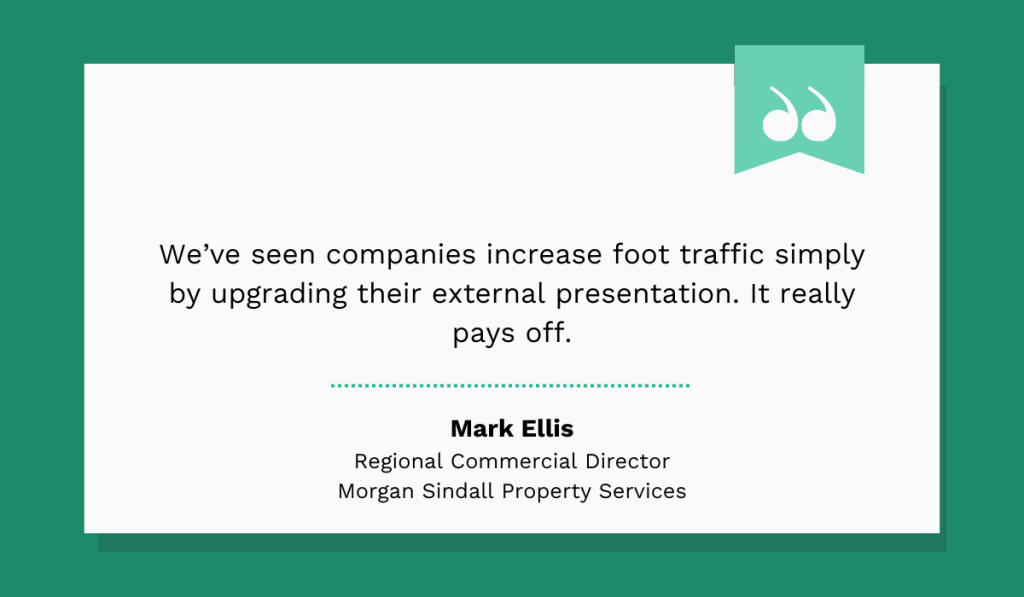
He adds that the condition of a property’s exterior is often a client’s first impression.
A neat, well-kept space isn’t just pleasant to look at. It tells people you care about details, safety, and quality.
Grounds Maintenance Best Practices
Want to unlock these benefits for your business?
Follow these best practices.
Develop a Regular Maintenance Schedule
Creating a structured, consistent plan for all groundskeeping tasks is a must.
It ensures everything gets completed on time, efficiently, and safely, preventing minor issues from becoming major problems.
We already know that preventive maintenance works, but it doesn’t happen on its own.
It must be carefully scheduled, assigned, and tracked to ensure proper execution without disrupting operations.
Using maintenance software is the most efficient way to handle this.
Such solutions automate repetitive, labor-intensive tasks, streamlining operations and reducing errors.
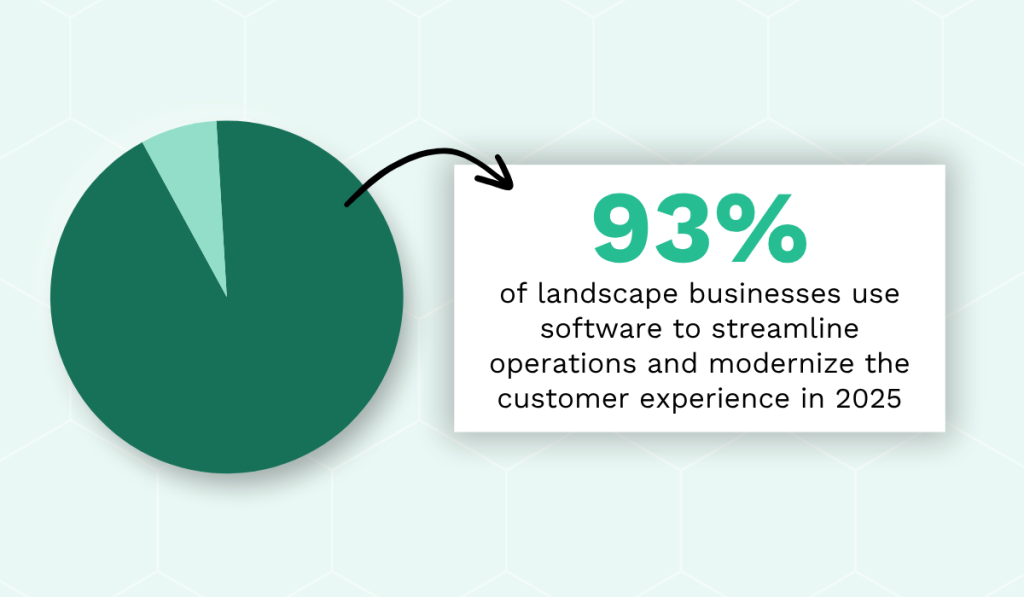
In fact, according to the 2025 Aspire survey, most landscape businesses are already leveraging technology to modernize their operations and elevate the customer experience.
One digital tool worth mentioning is a CMMS, like our own WorkTrek.
Think of a CMMS as your team’s central command center: a place to plan, track, and manage every maintenance activity, team member, and resource.
For example, WorkTrek makes it very easy to schedule repeating tasks.
First, it gives you an overview of everything that’s happening within your operations, enabling you to quickly find available workers and select the best time slot for the task.

Then, whether it’s mowing every Tuesday, weekly irrigation checks, or seasonal fertilization, you can set up a recurring work order in seconds.
Our work orders come with customizable required fields, ensuring all necessary details, like assignees, location, necessary tools, costs, and more, are all captured consistently.
This significantly reduces miscommunication, errors, and rework.
Additionally, we offer automated alerts that ensure important maintenance deadlines are never overlooked.
Overall, WorkTrek increases efficiency and accountability across your maintenance team.
Everyone can see what has been done, what is in progress, what needs attention, and who is responsible.
With this kind of visibility, scheduling future activities becomes much more strategic and effective.
Keep Detailed Records
It’s also important to document all maintenance activities, including work performed, materials used, inspections, and any issues observed.
Accurate records further increase accountability and transparency, which are critical for audits, client reporting, and future planning.

Shane Richards, Landscape Operations and Maintenance Manager at Utah State University, is all for this approach:
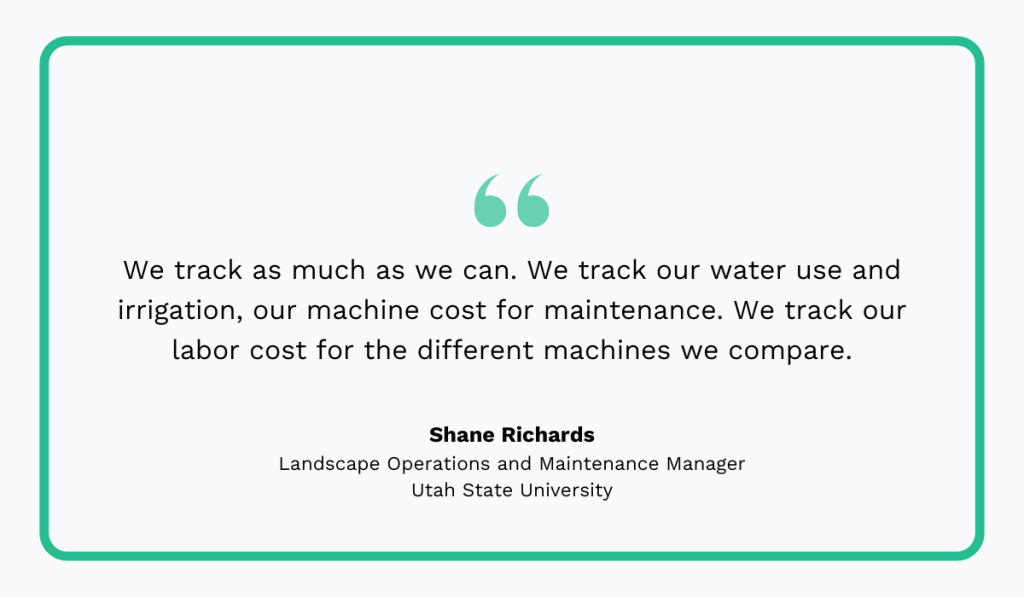
According to Richards, data is what convinces everyone and aligns the team on decisions, such as purchasing new equipment.
It also highlights both strengths and weaknesses in operations, allowing areas that need improvement to be addressed promptly.
As he notes:
“A man without numbers is just another man with an opinion.”
Keeping accurate records transforms opinions into objective, actionable data: data that no inspector, manager, or staff member can dispute.
So, ensure you pay as much attention to record-keeping as you do to scheduling.
Using standardized templates helps.
They ensure that all records follow a consistent format, making it easier for staff to input information correctly and for managers to locate what they need quickly.

They function like checklists, reducing the odds of important details, such as dates, equipment used, chemicals applied, or tasks completed, being overlooked.
In short, standardized templates turn messy, inconsistent notes into structured, reliable records, which are vital for efficiency, safety, and long-term planning in grounds maintenance.
Use Sustainable Landscaping Practices
It’s best to design and maintain grounds in ways that conserve resources, minimize environmental impact, and support ecosystem health.
Often called eco-friendly or green maintenance, this approach reduces water, fertilizer, and pesticide use, saving money while protecting local ecosystems.
It can even boost your business’s reputation and attract new customers, says Kristy Boase from MIL-SPEC Landscaping:

Indeed, more and more consumers want companies to align with their values, and grounds maintenance can be a surprising yet effective way to do so.
The best part is that there’s no one-size-fits-all approach. You can experiment and find a strategy that works for you.
For instance, Whitman College has been removing imported, invasive species from its property and replacing them with native plants.
Senior Rachel Kennedy, founding member and current president of the Native Plant Restoration Coalition (NPRC), explains:
“[Native plants] help to improve the biodiversity of an area.”
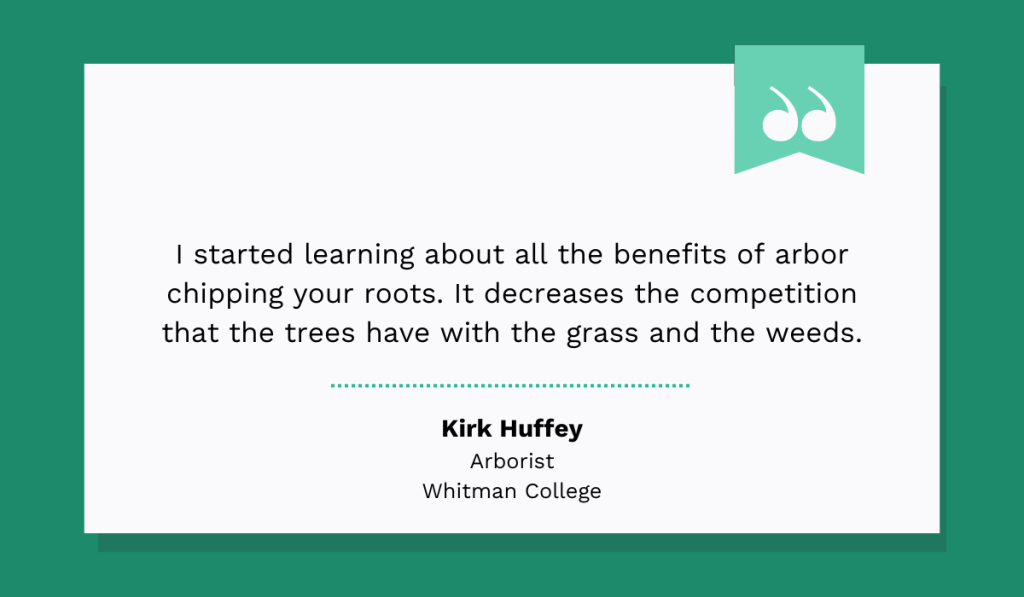
Moreover, Whitman arborist Kirk Huffey has encouraged the groundskeeping crew to reduce herbicide use.
He has been exploring less harmful alternatives, noting:
These are just a few examples of sustainable practices you can try.
You might also implement smart irrigation systems to reduce water waste or nourish soil with organic matter through composting and mulching.
Recycling items such as pots, trays, and wood instead of purchasing new ones is another effective way to practice green maintenance.
Ultimately, no matter which path you take, green maintenance pays off.
Your business wins, the community wins, and the environment wins.
Conclusion
A well-maintained outdoor space says a lot about those who maintain it: that they care, that they plan, and that they’re building something meant to last.
And this care shown outside your walls ultimately signals the standards you uphold inside them.
When grounds maintenance is proactive, organized, and consistent, it shows professionalism, supports safety, and strengthens reputation.
In other words, in a world where first impressions matter more than ever, attention to your surroundings is a strategy definitely worth exploring.