

Get a Free WorkTrek Demo
Let's show you how WorkTrek can help you optimize your maintenance operation.
Try for freeKey Takeaways:
- Digitization simplifies maintenance processes.
- Workers in heavy industry spend only 30–50% of their time with “hands on tools.”
- Training improves employees’ confidence and improves their overall performance.
Join us as we take on six prevalent industrial maintenance myths and finally put them to rest.
These aren’t minor, harmless misconceptions.
At many companies, they’re deeply ingrained in the culture and create real operational, financial, and even safety risks.
So, read on to see which of these myths you might still believe, uncover the truth behind them, and learn how to create more productive, cost-effective, and compliant operations.
Effective Maintenance Programs are Hard to Implement
Many organizations believe that building a structured maintenance program requires major investments, downtime, complex technology, and large teams.
As a result, they either delay implementation and stay stuck in reactive mode or they attempt to roll out these sweeping changes all at once without proper planning, training, or clear goals.
Ultimately, this is why so many maintenance improvement initiatives fail to deliver sustainable results, further reinforcing the myth that effective programs are difficult to implement.
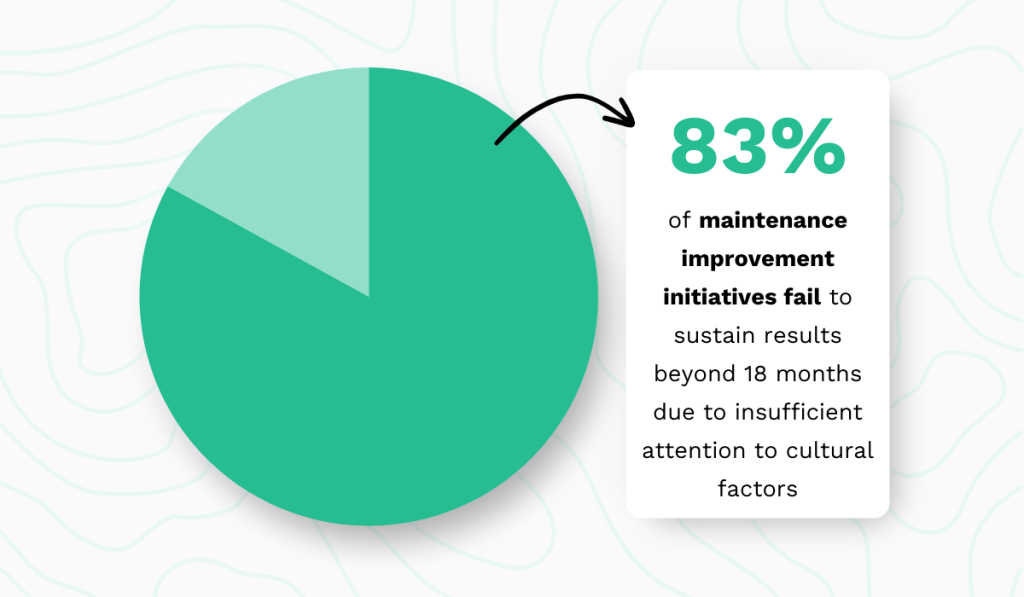
However, they truly don’t have to be.
The key is to remove as much complexity as possible, especially at the beginning, so the transformation doesn’t feel overwhelming.
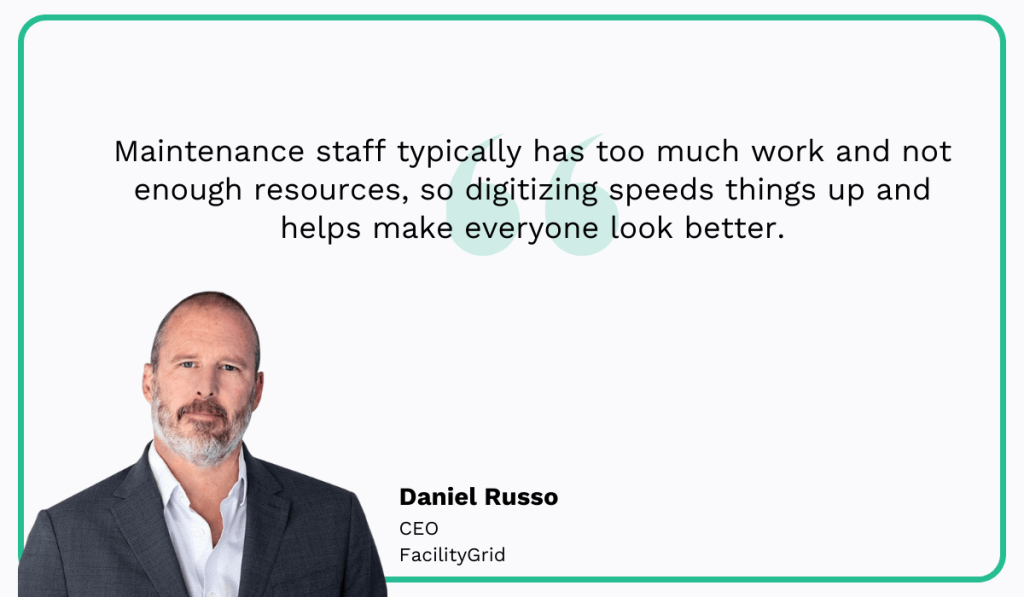
One way to do so is by digitizing maintenance operations.
Daniel Russo, CEO of FacilityGrid, a software for streamlining building commissioning (Cx) and quality assurance/control for construction projects, agrees:
Here, it’s important to note that this doesn’t mean investing in the newest, most advanced AI-driven platforms or expensive condition-monitoring sensors.
A single, intuitive CMMS is often more than enough to get you started.
Take it from Cygnus Manufacturing Company, a manufacturer of industrial components.
They were able to significantly improve their operations without overburdening the team, all thanks to WorkTrek CMMS.
Ashley M. Stadelmaier, Production Planning & Procurement Specialist at Cygnus Manufacturing Company at the time, explains:
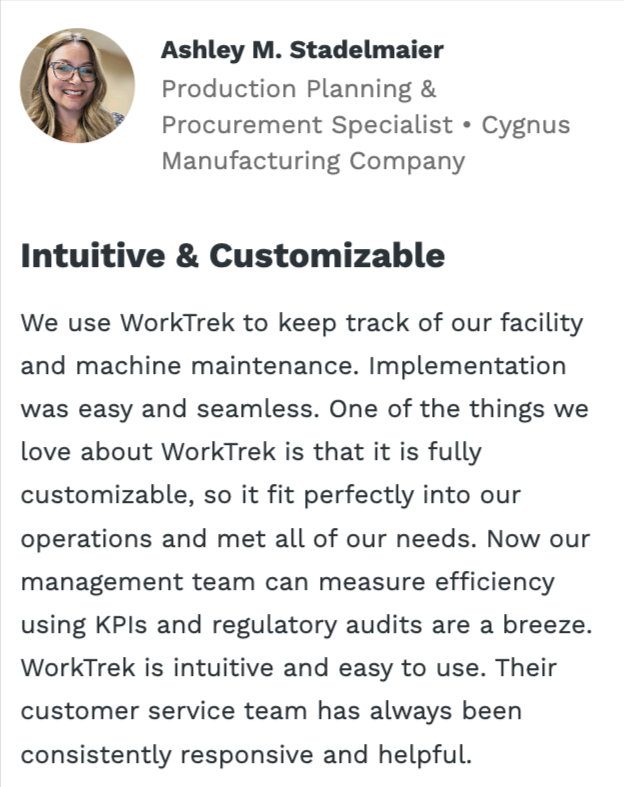
WorkTrek centralizes all maintenance-related information and activities in one easy-to-navigate system, including asset data, spare parts tracking, SOPs, invoices, work orders, and more.
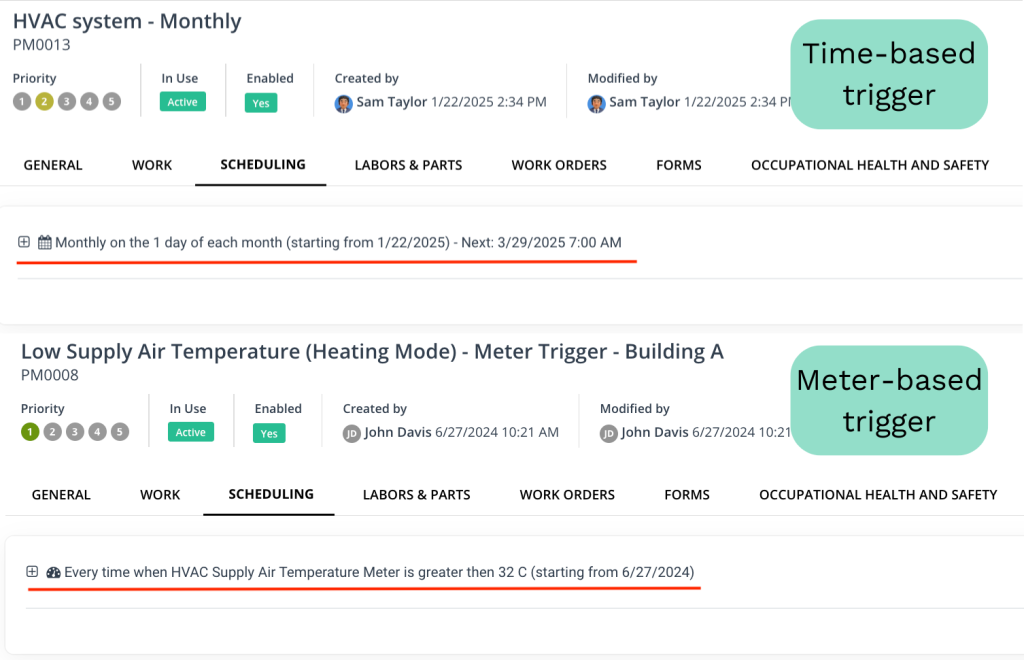
Preventive maintenance, the backbone of any effective maintenance program, becomes easy to track, plan, and manage, too.
You simply create a recurring work order, define triggers (time-based or meter-based), set the planned duration and end rules, and assign it to appropriate personnel.
When it’s time to complete the task, the assigned technician receives a notification.
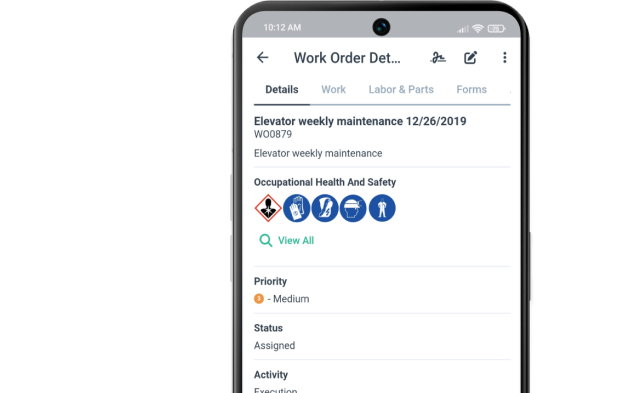
They can access the work order directly from their phone, complete with problem descriptions, locations, required spare parts, PPE requirements, photos, and step-by-step instructions.
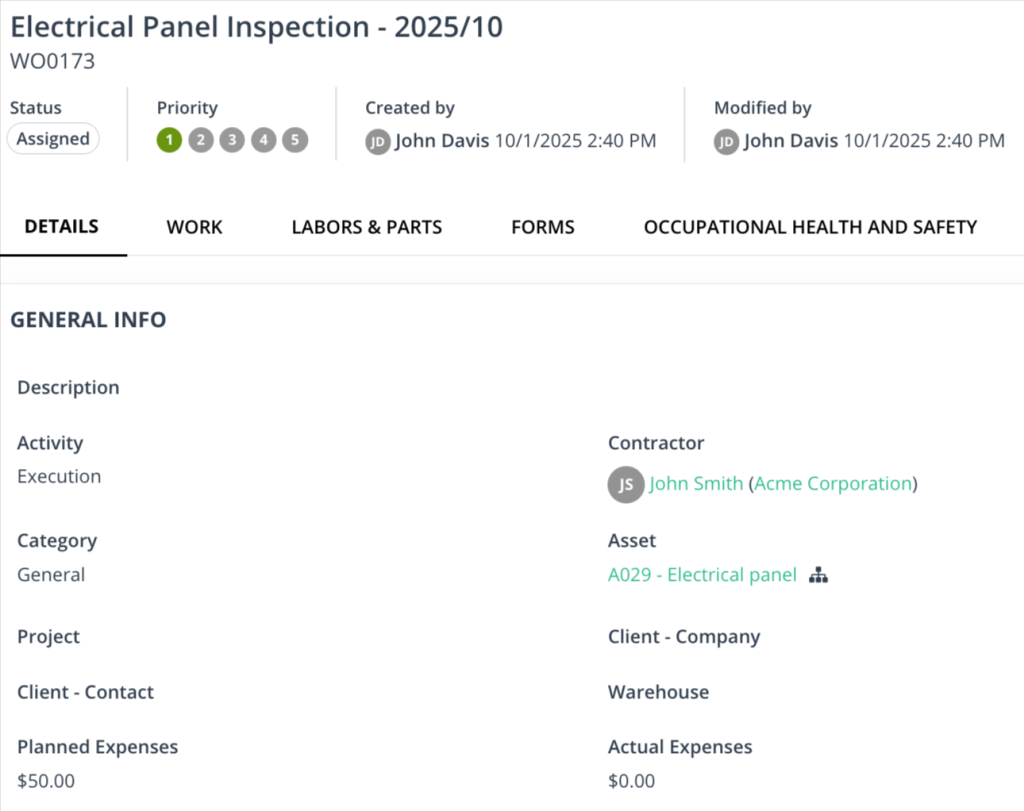
Once the work is complete, they can close the work order on the spot, add comments, sign off, and request feedback.
No paperwork, no unnecessary office trips, and no chasing down vital information.
With WorkTrek, getting started with a solid maintenance program is easy for everyone involved, from supervisors and managers to technicians themselves.
More People Equals Fewer Problems
When downtime increases, backlogs grow, or response times decrease, the instinctive reaction is to add headcount.
At first glance, that makes sense: if work isn’t getting done fast enough, more technicians must be the answer.
Now, debunking this myth is somewhat tricky because there is some truth to it.
After all, manufacturing is currently experiencing a labor shortage and is struggling to find enough workers to keep operations running smoothly.
Chad Moutray, former Director of the Center for Manufacturing Research at The Manufacturing Institute, notes:
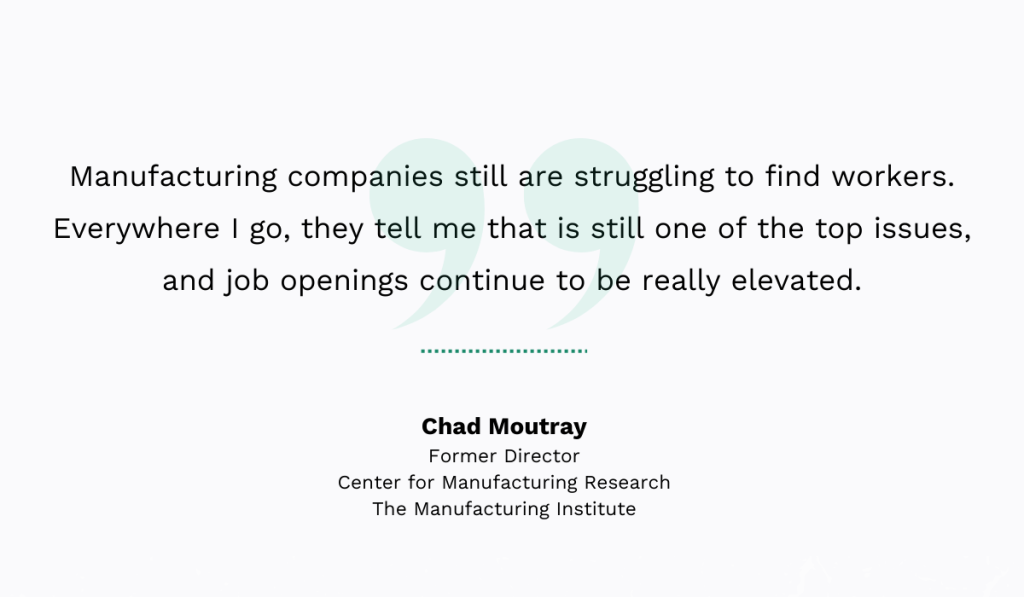
Therefore, for some companies, this isn’t a myth at all. Adding workers would truly solve some of their issues.
The key point, however, is to avoid treating “we need more people” as the default explanation whenever work slows down.
Remember, breakdowns and downtime are obvious, but inefficiencies in planning, scheduling, and coordination are not.
In those cases, hiring more people only treats the symptom rather than the root cause.
Recent McKinsey research even provides some compelling data to support this.
In most heavy-industry companies, workers spend only 30–50% of their time actually performing productive tasks.
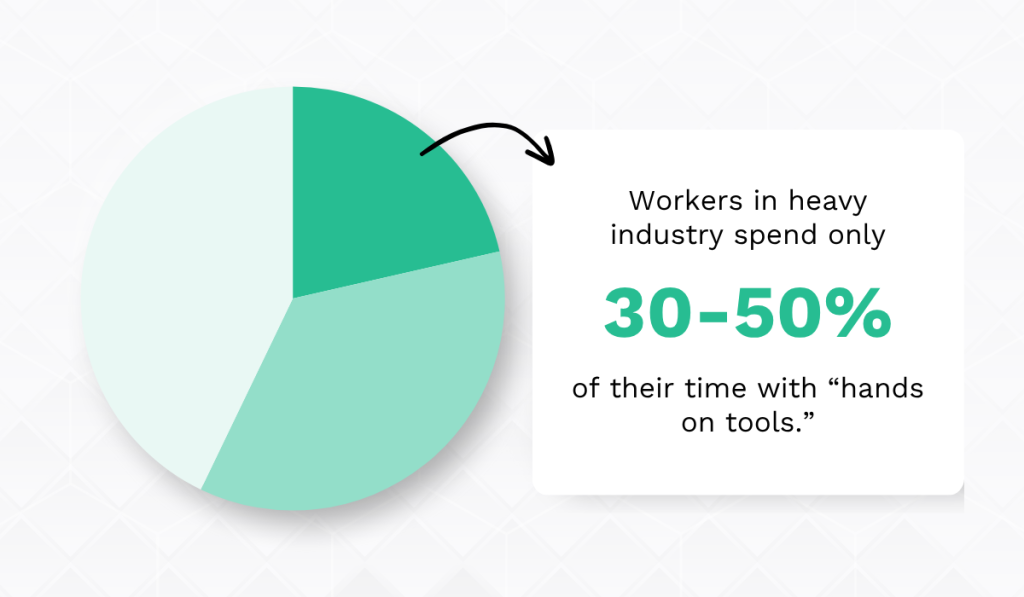
That means labor is often underutilized, and adding more workers can’t solve that problem.
It can only increase costs without improving your operations.
Therefore, before you start hiring, take a hard look at your current operations and see if there are any areas for improvement.

Maybe the work isn’t properly prioritized, or work orders aren’t as easily accessible as you thought.
Maybe spare parts are being underordered, forcing technicians to waste time waiting for them rather than doing the actual work.
The list of potential issues goes on and on.
That’s why it’s so important to, before you decide to add technicians, make sure you’re adding them to a system that already works, rather than using them to compensate for one that doesn’t.
Techs Will Learn It on the Job
In industrial settings, there seems to be a belief that workers will naturally pick things up by being on the floor, watching others, and learning from failures as they happen, so formal training isn’t needed.
Part of the reason this belief exists is that maintenance culture has long relied on tribal knowledge: informal, unwritten know-how held in the heads of experienced employees.
Billy Daniel, Training Supervisor at Holtec International, an American supplier of equipment for the energy industry, explains why relying on this kind of knowledge isn’t sustainable:
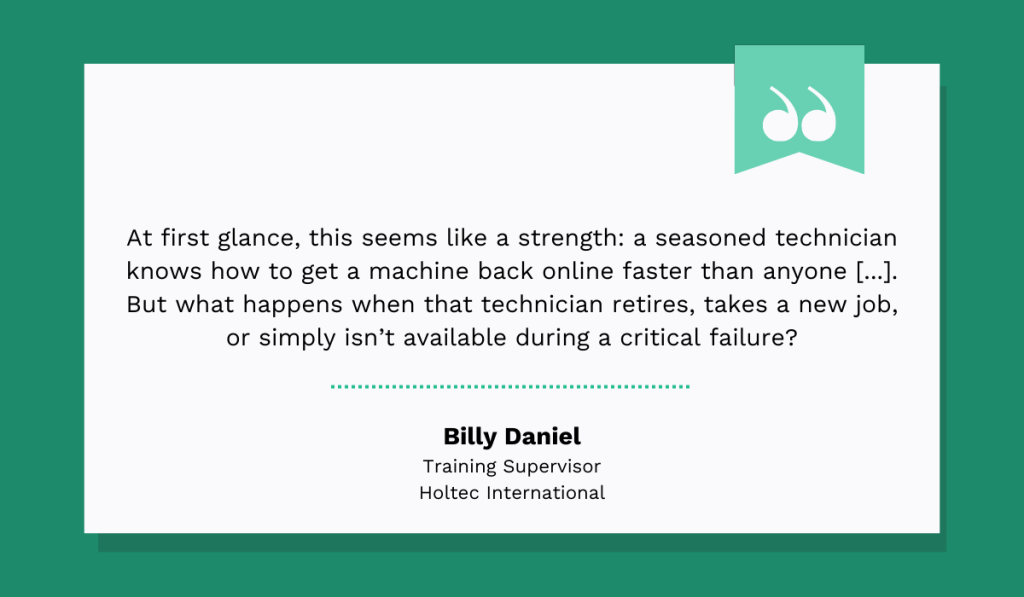
That’s when new technicians are left on their own.
Over time, this creates unsafe habits and can lead to costly mistakes that put critical equipment and everyone’s safety at risk.
That’s why structured training and mentorship beat trial and error any time.
According to SurveyMonkey, employees themselves agree.
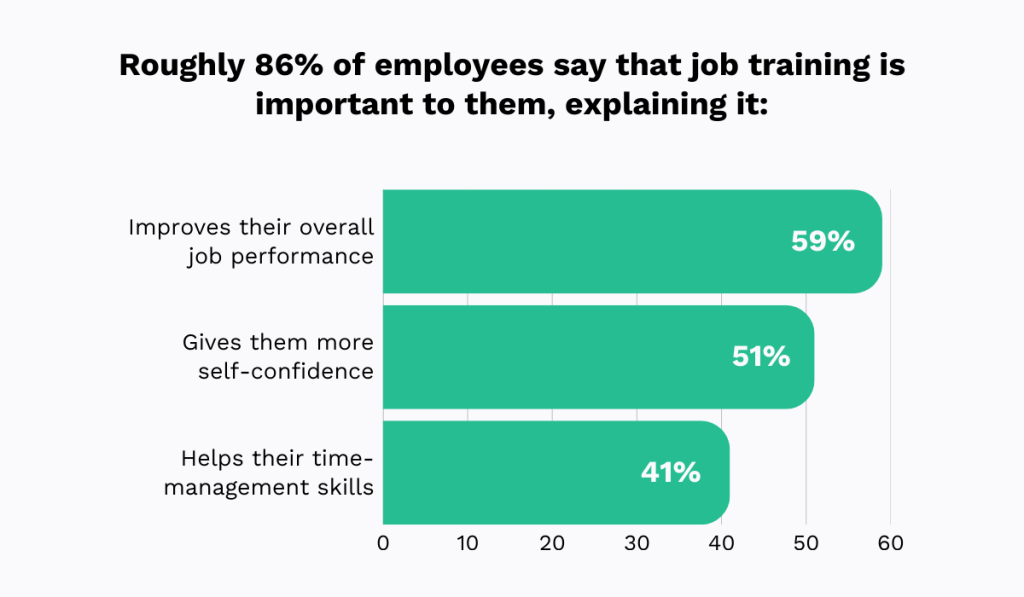
After all, most of them don’t want to do a bad job and understand that learning through experience alone isn’t enough.
What they need is structured training, mentoring, clear documentation, and deliberate practice.
Manufacturing companies that recognize this reap significant rewards.
Deloitte reports that organizations that prioritize skill development are better at anticipating change, retaining top talent, and driving innovation, along with many other benefits.
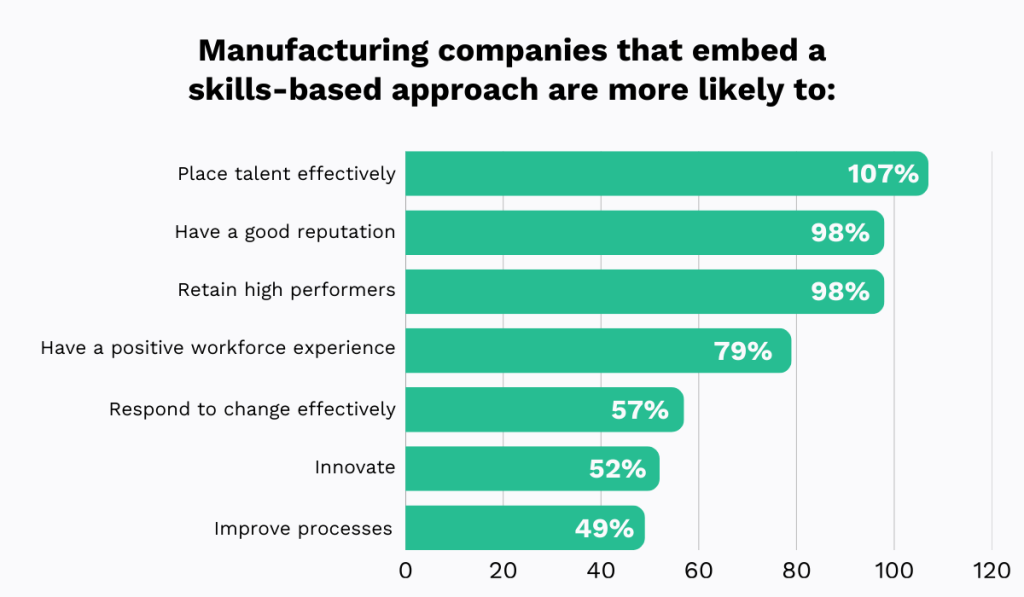
In short, investing in proper training can be a major driver of resilience and long-term success for manufacturing companies.
Yes, tribal knowledge can be valuable, but it works best when it’s supported by structured education.
Cutting Maintenance Costs Will Increase Profitability
Unfortunately, maintenance is still often viewed as just a cost center and a necessary evil, rather than a function that delivers real value to a manufacturing company.
As a result, when financial pressure hits, maintenance budgets are seen as easy targets because the savings are immediate and highly visible.
On paper, that reduced maintenance spending may appear to improve profit margins.
In reality, however, these cuts do cause harm, at first quietly, but eventually in serious and costly ways.
One of the most obvious consequences is unplanned downtime, which can cost industrial businesses an average of $125,000 per hour.
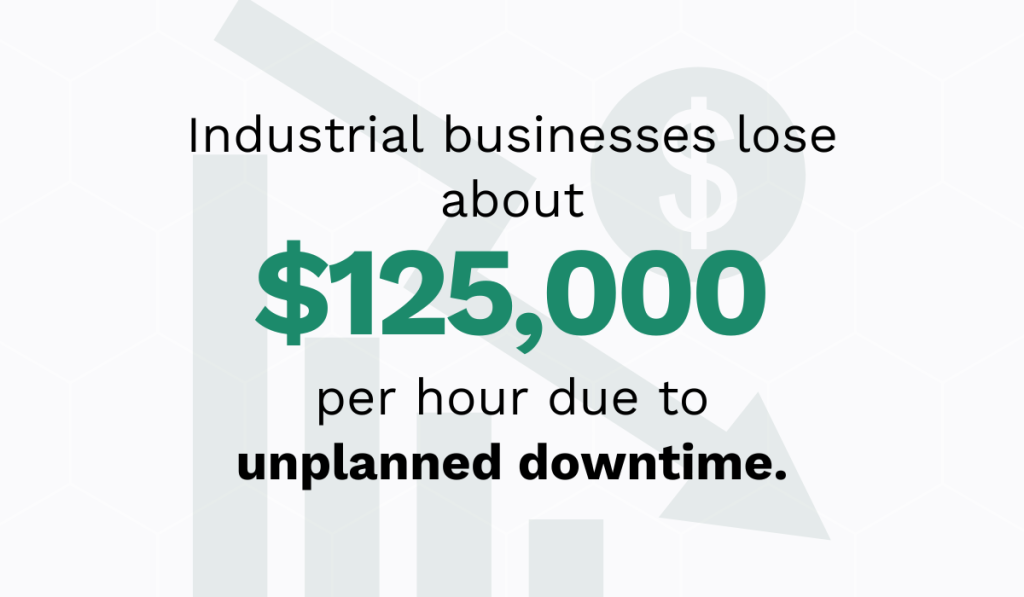
When maintenance teams lack adequate resources, they tend to adopt a reactive culture and are unable to identify minor issues or wear and tear.
These problems then escalate quickly into major, unpredictable machine failures that disrupt operations and cause stoppages in industries where virtually every minute counts.
However, the impact can go even deeper.
Poorly maintained machinery often operates below optimal precision, leading to higher rates of defective, deformed, or substandard products.
In some cases, this can lead to product recalls, which can cost manufacturers anywhere from $10 million to $49.99 million.
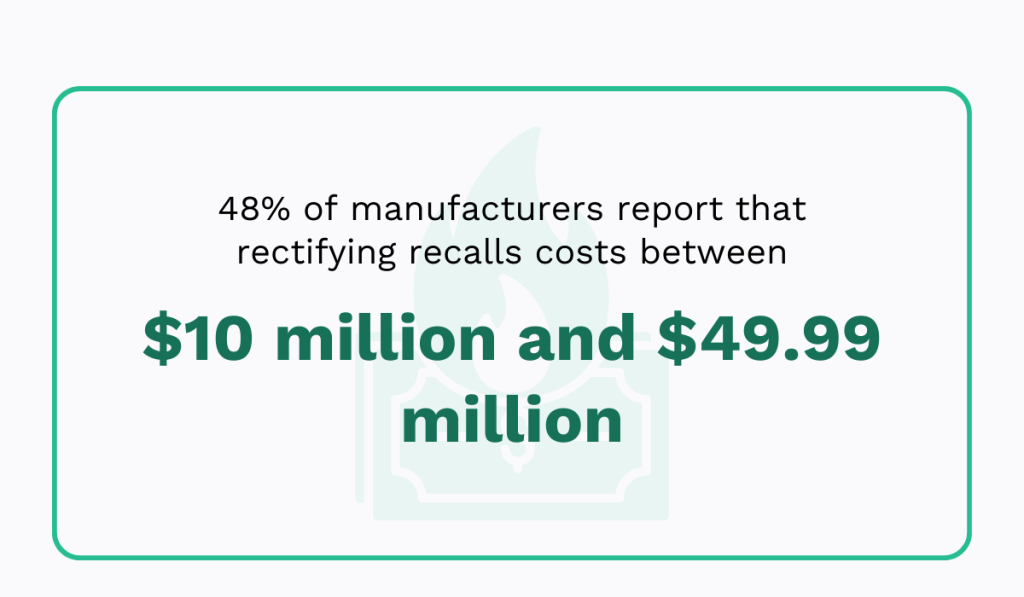
The risk of noncompliance is also significant in heavily regulated industries.
There are now many mandatory standards governing the inspection, repair, and upkeep of assets to ensure safety, efficiency, and environmental protection.
Neglecting maintenance goes against them and can have serious consequences.
As Shawn Knowles, SVP and Director of Risk Engineering at MSIG, a commercial insurance provider, explains:
“[Risks] include loss of competitive advantage in the market, financial penalties […], product recalls […], loss of revenue, and legal ramifications where the manufacturer could face expensive lawsuits by not complying.”
All in all, while cutting maintenance spending may seem appealing at first glance, decision-makers must recognize the risks they are creating by doing so.
Maintenance is a vital part of manufacturing operations and serves as a safeguard against significant operational, financial, and legal issues.
As such, it’s well worth the investment.
Making a Machine Work and Fixing It Is the Same
To some managers, if the machine is running, it’s fixed. And that’s the only thing that matters.
Production is happy, the line is moving, and the pressure is off, so the job must be done.
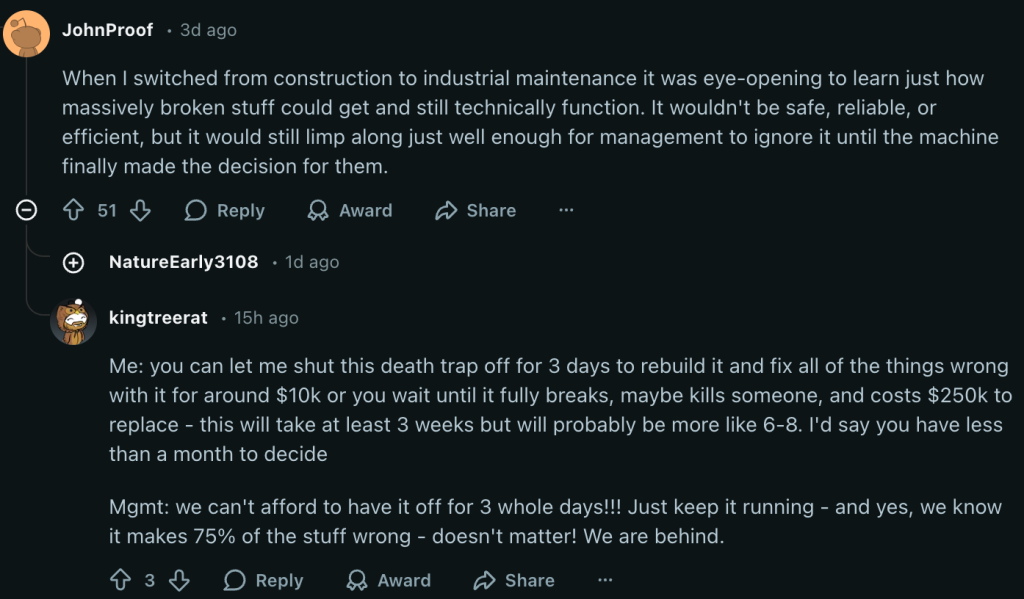
This Reddit thread shows just how prevalent and harmful this mindset really is:
Unfortunately, in manufacturing, speed of repair is often valued far more than quality.
Operations tend to prioritize getting the line running now, hitting today’s targets, and avoiding missed shipments.
This creates an environment where temporary restoration is rewarded more than permanent correction.
The previous myth we covered, that cutting maintenance costs is a great way to save money, plays a role here as well.
As one Redditor put it:
“No matter how detailed I try to sell a needed repair, they always seem to find an outside resource to shoot me down. Management people show that they saved money in budget meetings are considered gods, and the creeps in maintenance are clueless.”
The frustration on the technicians’ side is completely justified.
In a way, they’re being prevented from doing their jobs properly, and they understand exactly how damaging that is to the equipment and to overall operations.
Not to mention the severe impact on safety.
A 2024 Vector Solutions survey showed that many industrial workers believe their equipment is outdated and poorly maintained.
Nearly half also reported experiencing a safety incident at their facility within the previous year.
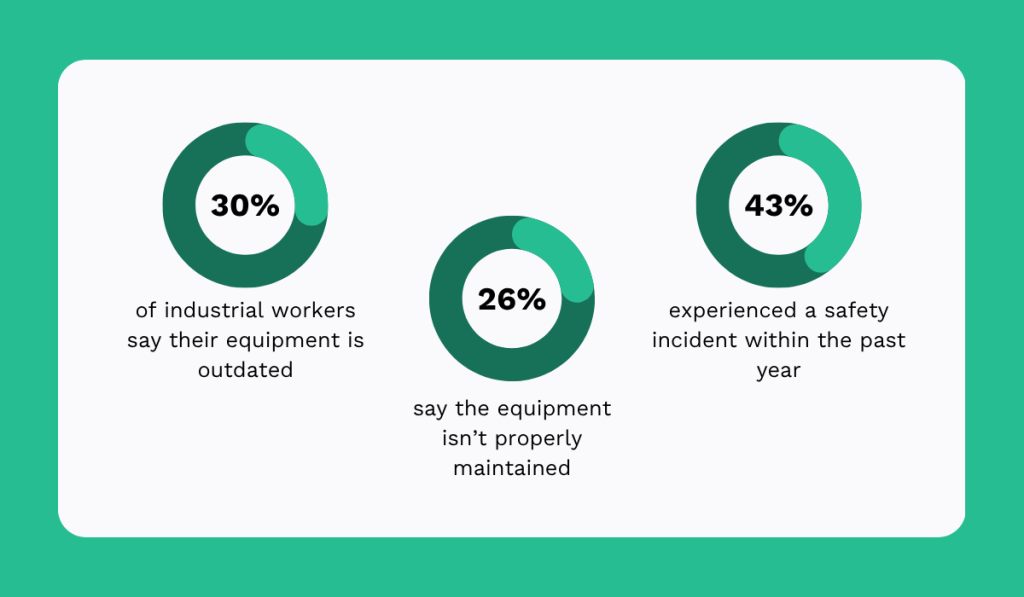
Taken together, these facts form a clear picture: neglecting equipment creates an unsafe, inefficient, and unproductive work environment.
That’s exactly why this myth is so harmful.
More Advanced Machinery Is Always Better
In industrial environments, new, advanced machinery is constantly emerging, promising more speed, quality, and control than ever before.
It’s only natural for some to fall into the trap of thinking these machines will automatically improve performance while requiring less maintenance.
However, they fail to realize that such equipment often demands higher skill levels, specialized parts, and additional training.
In an industry where training is already neglected, as we discussed earlier, these machines can further complicate matters.
Daniel Marchant, Service Manager at Xylem, a large American water technology provider, agrees:
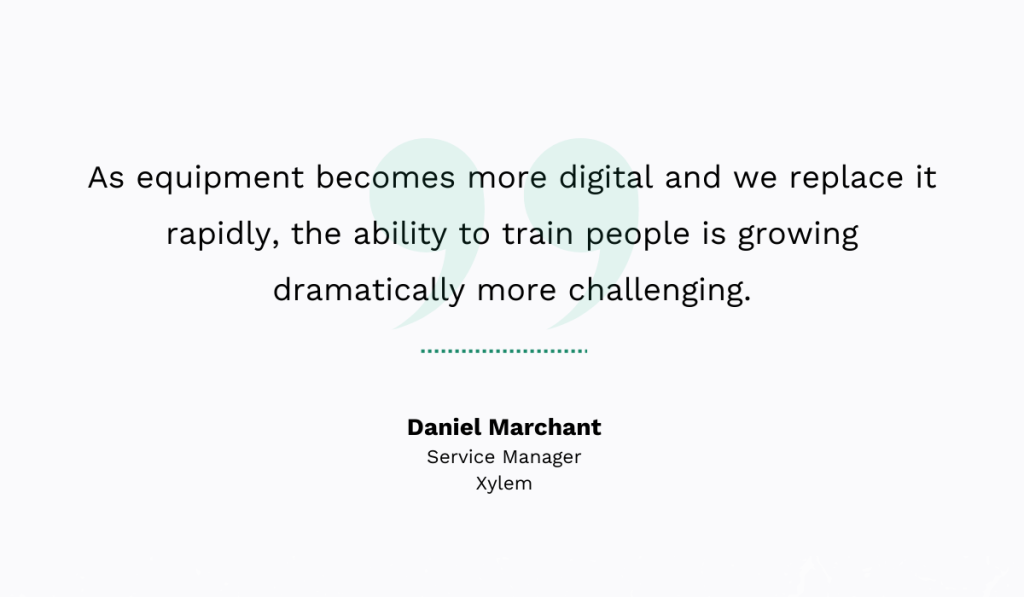
Put simply, without proper training, technicians cannot maintain these assets efficiently.
So, when problems occur with this new equipment, operations slow down, and you experience productivity loss, decreased asset utilization, and even potential difficulties obtaining spare parts.
Not a very good ROI, is it?
McKinsey has done some research on the correlation between productivity losses and task complexity in manufacturing environments, and what they found debunks this myth further.
As it turns out, as task complexity increases, productivity gaps between higher-skilled and lower-skilled performers can grow by up to 800%.
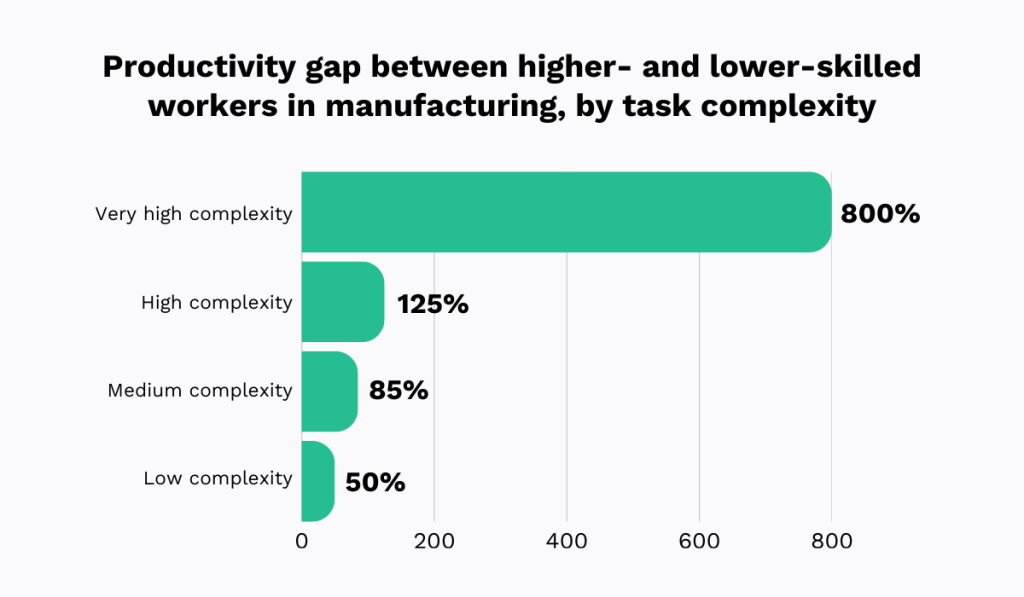
In other words, if your workforce isn’t equipped to handle complex machinery, inefficiencies and losses are inevitable.
So, rather than assuming that the newest or most advanced equipment is always the best, consider focusing on finding the right machines for you.
Those are the ones that align with your processes, workforce capabilities, and budget.
Conclusion
The reason all these maintenance myths persist for so long is that they feel intuitive, almost logical.
Of course, it’s more profitable to cut upkeep costs.
Of course, hiring more people should make us more productive.
But as this article has shown, relying on intuition and guesswork doesn’t always work.
In fact, sometimes it can cause even more damage.
So, before making any final decisions, always evaluate operations objectively, relying on cold, hard data, and try to involve actual technicians in the decision-making process.
They are the ones who understand what’s really happening on the floor and are often best positioned to determine the right course of action for maintaining smooth production and long-lasting, safe assets.