

Blog

Operations & Maintenance
What is Deferred Maintenance
Deferred maintenance occurs when repairs and maintenance are put off due to budget constraints or other reasons. Common causes of deferred maintenance include prioritizing other urgent tasks and the necessity of focusing on critical operations over routine maintenance. This builds up a maintenance backlog, increases future costs, and creates safety hazards. Here, we’ll look at […]
Deferred maintenance occurs when repairs and maintenance are put off due to budget constraints or other reasons. Common causes of deferred maintenance include prioritizing other urgent tasks and the necessity of focusing on critical operations over routine maintenance.
Illustration: WorkTrek / Data: Lambent
This builds up a maintenance backlog, increases future costs, and creates safety hazards. Here, we’ll look at what deferred maintenance is, why it happens, and the risks.
Quick Facts
Deferred maintenance puts off essential repairs, and it gets more expensive and hazardous over time.
Financial constraints and poor planning are the top reasons for deferred maintenance, which affects real estate, infrastructure, and education.
Auditing regularly, funding adequately, and using technology are key to managing and reducing deferred maintenance.
What is Deferred Maintenance?
Illustration: WorkTrek / Quote: AkitaBox
Understanding the complexity of deferred maintenance is key to managing different sectors, including real estate and municipal infrastructure.
What is Deferred Maintenance
Putting off essential maintenance and repair work results in a maintenance backlog. This includes deferred maintenance tasks like a leaky roof, faulty HVAC systems, or peeling paint left unattended over time. As these issues are left unresolved, they are added to the deferred repairs list.
As this goes on the cost and scope of fixing these deferred tasks grows exponentially.
This neglect puts more pressure on financial resources and complicates future budgeting as the cost of more complex repairs that could have been simpler if done earlier.
Reasons for Deferred Maintenance
Financial constraints are a major reason many choose to defer maintenance. They reduce the ability to perform regular maintenance and repairs.
Entities and individuals who own properties often put off maintenance because of a lack of funds or the hope that the issue will be fixed without intervention. This funding shortfall could be due to a constrained maintenance budget, economic downturns, or poor resource allocation.
Poor planning and data management also contribute to deferred maintenance. Inaccurate budgeting and timing often mean necessary repairs get missed, and then the deferred actions snowball.
Regular operations can give way when emergencies arise or resources are scarce, and existing maintenance issues worsen.
Types of Deferred Maintenance
Deferred maintenance comes in two forms: strategic and involuntary.
Strategic Deferred Maintenance
Strategic deferred maintenance involves focusing on high-priority tasks and postponing low-priority ones.
Involuntary Deferred Maintenance
Involuntary deferred maintenance occurs when unexpected events like emergencies or a staff shortage occur.
Both types greatly impact an asset’s lifespan, performance, and reliability.
Risks and Consequences of Deferring Maintenance
Putting off maintenance may initially seem like a cost savings, but it can have serious long-term consequences. These include increased safety risks, higher costs down the line, and reduced asset efficiency.
Increased Safety Hazards
Putting off maintenance tasks can increase safety risks. For example, in city infrastructure, neglecting to maintain roads or bridges can lead to accidents and reduced operational effectiveness.
Potential hazards include structural issues, faulty electrical work, and water leaks, which can have severe consequences if left unattended.
Source: WorkTrek
The consequences go beyond physical injury. Neglected maintenance creates hazardous conditions that can impact health and lead to legal action against responsible parties.
In educational settings, this neglect compromises the physical well-being and learning environment and can lead to big legal problems due to liability.
Higher Future Costs
Putting off maintenance often means higher future maintenance costs. Neglected repairs can compound and grow at 7% per annum and be more expensive than the original fix.
Illustration: WorkTrek / Data: CHT
These costs compound over time with inflation and other economic factors.
Asset Efficiency
Putting off maintenance reduces asset performance over time and results in hidden costs, such as slower production rates and higher energy costs. Deferred maintenance puts organizations in a reactive mode, where they have to respond to breakdowns when they happen instead of preventing them.
Environmental Impact
Deferred maintenance also has an environmental impact. Neglecting maintenance tasks means using more resources and emitting more emissions, which degrades air quality and worsens climate change.
By doing maintenance on time, we maintain not only asset efficiency but also the cause of environmental sustainability.
Examples of Deferred Maintenance
Real-life examples from different sectors show the extent of deferred maintenance.
These examples show how deferred maintenance affects multiple industries.
Municipal Infrastructure
Municipal infrastructure is a classic example of deferred maintenance. In the US infrastructure alone, $1 trillion in deferred maintenance is reported, including neglected roads, bridges, and public buildings.
The National Park Service, for example, has $23 billion in deferred maintenance for bridges, tunnels, and monuments.
Real Estate Properties
In real estate, deferred maintenance can reduce property value due to visible damage and neglect. Common issues include malfunctioning HVAC systems, electrical failures, and neglected landscaping.
Sellers with deferred maintenance should disclose the issues and price the property accordingly.
Educational Institutions
In public-sector schools, a lapse in timely maintenance often leads to deferred maintenance issues that threaten safety and education. Maintenance backlogs are common in these institutions and hamper their ability to deliver quality education.
Illustration: WorkTrek / Data: Ice Cobotics
In Memphis, for example, the situation is dire because the district can only fund part of the maintenance requirements. As of August of 2024, the school district needed $500 Million in funding to fix infrastructure issues.
Combining delayed maintenance and insufficient funding means big problems for learners and educators.
How to Manage and Reduce Deferred Maintenance
To address deferred maintenance, you need a comprehensive approach. This includes regular audits and sufficient funding to control and reduce maintenance backlogs.
Conduct Regular Audits
Regular maintenance audits are key to identifying missed maintenance tasks. By regularly incorporating scheduled maintenance and thorough inspections, you can prevent maintenance work from piling up, which is why a maintenance audit is essential for good management.
Illustration: WorkTrek / Data: inFlow Blog
Routine maintenance is key to business continuity.
Prioritize and address the most critical issues as identified by the audit.
Implement Preventive Maintenance Programs
A preventive maintenance program reduces the likelihood of unexpected breakdowns. By consolidating all maintenance data in a Computerized Maintenance Management System (CMMS), scheduling and refining different maintenance tasks are simplified.
Source: WorkTrek
Taking a proactive approach means early detection of required maintenance, which prevents the escalation of deferred maintenance and reinforces consistent preventive maintenance.
Prioritize Tasks
Task prioritization is key to optimizing resource use and maintaining assets safely and efficiently. By ensuring you perform routine maintenance, maintenance teams can use historical data and real-time analytics to predict breakdowns and schedule maintenance work.
Source: WorkTrek
By prioritizing these tasks in an organized way, you reduce downtime and long-term costs.
Get Sufficient Funding
Getting sufficient funding is key to addressing deferred maintenance, and the maintenance manager plays a crucial role in this process. It would help if you showed the financial impact of deferring maintenance to get more resources.
Documenting data and tracking progress can justify your funding request and get timely repairs.
Technology Solutions to Reduce Deferred Maintenance
Reducing a deferred maintenance backlog requires an asset management plan to reduce deferred maintenance. The plan should include logging maintenance activities, scheduling regular inspections, and coordinating maintenance.
Logging Maintenance Activities
Maintenance managers play a crucial role in keeping records of maintenance activities, which is key to tracking progress and informing decision-making. These records should include what type of maintenance was done and which will give you the historical and current state of the assets.
Source: WorkTrek
Implementing a Computerized Maintenance Management System (CMMS) like WorkTrek will help with precise record keeping and identify and address delayed tasks.
Scheduling Regular Inspections
Source: WorkTrek
Identifying maintenance needs early through regular inspections will prevent more serious problems from arising and reduce the need for urgent and costly repairs.
Coordinating Maintenance
Maintenance and repairs during low usage periods reduce the impact on operations and allow for detailed examination. By informing stakeholders of the maintenance schedule, you minimize any disruptions, as everyone is in sync.
Data-Driven Decision Making
Source: WorkTrek
Using a CMMS allows data-driven decision-making by providing maintenance history, performance indicators, and predictive analytics. This will improve maintenance management, operational efficiency, and work order reduction.
Automation and Predictive Maintenance
Source: WorkTrek
Modern CMMS is integrated with various tools to provide real-time insights throughout operations and improve efficiency. These systems automate the maintenance management process by creating work orders and sending alerts based on triggers.
Conclusion
Addressing and reducing deferred maintenance is key to efficient, safe, and environmentally friendly assets. Institutions can manage and reduce maintenance backlogs through regular audits, preventive maintenance, task prioritization, and technology usage.
This will result in long-term cost savings and improved asset reliability and security.

Operations & Maintenance
Comparing Unplanned vs. Planned Maintenance
If you are running a business, you need to keep your equipment running. There are two main approaches to maintenance: planned and unplanned.
Planned maintenance involves regular, scheduled upkeep.
Unplanned maintenance happens when something breaks unexpectedly. This article compares the differences between unplanned and planned maintenance.
Planned maintenance costs less and is more efficient than unplanned maintenance. It helps prevent breakdowns and extends the life of equipment. On the other hand, unplanned maintenance can lead to costly downtime and rushed repairs.
Companies that use planned maintenance often see better results. They can budget for repairs, schedule work during off-hours, and avoid emergencies.
Illustration: WorkTrek / Data: Contracting Business
Unplanned maintenance can disrupt work and create stress for employees. Both types have their place, but a good balance is key.
Key Takeaways
Regular upkeep prevents costly breakdowns and extends equipment life
Planned maintenance allows for better budgeting and scheduling
A mix of planned and unplanned maintenance strategies optimizes operations
Understanding Maintenance: Definitions and Differences
Maintenance strategies play a crucial role in keeping equipment and systems running smoothly. There are two main approaches: planned and unplanned maintenance.
Each has its characteristics and impacts on operations.
Defining Planned Maintenance
Planned maintenance is a proactive approach based on analyzing equipment's historical performance. It involves scheduled tasks to prevent breakdowns and extend the life of assets.
This is usually when maintenance organizations are diligent about performing preventive maintenance.
Types of planned maintenance include:
Preventive maintenance: Regular checks and repairs
Predictive maintenance: Using data to forecast issues
Scheduled maintenance: Set times for upkeep tasks
Benefits of planned maintenance:
Reduced unexpected failures
Improved equipment lifespan
Better budget control
Minimized production disruptions
Organizations can schedule planned maintenance during off-peak times to limit its impact on operations.
Defining Unplanned Maintenance
Unplanned maintenance refers to repairs or fixes performed after equipment breaks down unexpectedly. It's a reactive approach to address sudden failures.
Types of unplanned maintenance:
Reactive maintenance: Fixing equipment after it fails
Emergency maintenance: Urgent repairs to prevent safety issues or major losses
Corrective maintenance: Addressing problems found during inspections
Illustration: WorkTrek / Data: Williams Comfort Air
Unplanned maintenance often leads to:
Production delays
Higher repair costs
Increased safety risks
Shorter equipment lifespan
While sometimes unavoidable, excessive unplanned maintenance can indicate poor maintenance practices.
Planned vs. Unplanned Maintenance: Key Differences
The main differences between planned and unplanned maintenance lie in timing, approach, and outcomes.
Timing:
Planned: Scheduled in advance
Unplanned: Occurs unexpectedly
Approach:
Planned: Proactive, preventive
Unplanned: Reactive, corrective
Cost:
Planned: Generally lower, more predictable
Unplanned: Often higher, unpredictable
Downtime:
Planned: Shorter, controlled
Unplanned: Longer, disruptive
Resource allocation:
Planned: Efficient use of staff and parts
Unplanned: May require emergency resources
Effective maintenance strategies often combine both approaches, focusing on increasing planned maintenance to reduce unplanned events.
Assessing the Impact of Maintenance Types
Maintenance types have far-reaching effects on business operations. They influence productivity, costs, efficiency, and asset longevity differently.
Impact on Productivity
Unplanned maintenance often leads to sudden equipment breakdowns, which cause unexpected downtime and production losses. Workers may sit idle while repairs are made.
Planned maintenance, on the other hand, can be scheduled during off-hours, minimizing disruptions to normal operations. This type of maintenance is cost-effective and reduces problems in the long run.
It allows for better resource allocation and smoother workflows.
Illustration: WorkTrek / Data: Praxie
Regular upkeep prevents major failures, resulting in more consistent production output. Employees can focus on their core tasks instead of dealing with frequent breakdowns.
Impact on Maintenance Costs
Unplanned maintenance typically costs more than planned maintenance. Emergency repairs often require rush orders for parts, and technicians may need overtime pay.
Planned maintenance allows for bulk purchasing of supplies, saving you money on parts.
Also labor costs are lower as work is done during regular hours.
Preventive measures catch small issues before they become big problems, reducing the need for costly major repairs or replacements.
Impact on Efficiency and Operational Efficiency
Unscheduled maintenance disrupts normal processes. It can cause a ripple effect of delays throughout operations. This leads to decreased overall efficiency.
Planned maintenance improves operational efficiency, allows for better coordination between maintenance and production teams, and allows for more effective resource allocation.
Source: WorkTrek
Regular upkeep ensures equipment runs at optimal levels. This leads to improved energy efficiency and reduced waste. Tracking planned vs. unplanned maintenance helps identify areas for process improvement.
Impact on Asset Life
Reactive maintenance often shortens asset lifespans. Equipment forced to run until failure suffers more wear and tear, which can lead to premature replacement.
Planned maintenance extends asset life. Regular inspections catch issues early. Timely repairs and part replacements prevent major breakdowns.
Proper upkeep ensures equipment operates within design parameters. This reduces stress on components and prolongs useful life. Well-maintained assets often retain higher resale value.
Executing Maintenance Tasks
Source: WorkTrek
Maintenance tasks vary in their timing, approach, and goals. Some are planned, while others happen in response to sudden issues.
Different types of maintenance serve unique purposes in keeping equipment running smoothly.
Conducting Preventive Maintenance
Planned preventive maintenance involves regular, scheduled checks and upkeep. Technicians inspect equipment, replace worn parts, and perform tune-ups, helping to prevent breakdowns before they occur.
Common preventive tasks include:
Lubricating moving parts
Tightening loose components
Cleaning filters and sensors
Updating software
Teams often use checklists to ensure they complete all necessary steps. Depending on equipment needs, they may schedule these tasks daily, weekly, or monthly.
Source: WorkTrek
Preventive maintenance reduces unexpected downtime and extends machine life. It allows companies to plan for maintenance costs and staff time. This approach is key for keeping production lines running smoothly.
Responding to Unplanned Failures
Unplanned maintenance occurs when equipment suddenly breaks down. Teams must act fast to fix the issue and restart production.
Steps in addressing unplanned failures:
Assess the problem
Gather needed tools and parts
Make repairs quickly
Test the fix
Return equipment to service
These events often lead to costly downtime. They may require overtime work or rush-ordered parts. Unplanned repairs can also cause safety risks if not handled properly.
To minimize unplanned failures, companies aim to shift more maintenance to preventive methods. They track failure patterns to predict and prevent future breakdowns.
Incorporating Corrective and Prescriptive Maintenance
Corrective maintenance fixes issues found during inspections or regular use.
It addresses problems before they cause major failures. This might include adjusting settings or replacing minor parts.pers
Prescriptive maintenance uses data to suggest the best fix for a problem. It relies on sensors and AI to analyze equipment performance. This method helps teams make smart choices about repairs.
Both approaches aim to reduce downtime and extend equipment life. They bridge the gap between preventive work and unplanned repairs.
These methods allow companies to catch issues early and better plan for future maintenance needs.
Special Considerations
Maintenance strategies vary across industries and situations. External factors and human elements play key roles in shaping practical approaches.
Maintenance in Different Industries
Planned maintenance is critical for manufacturing, where equipment downtime can be costly. Regular checks on production lines help prevent unexpected breakdowns.
In healthcare, strict schedules ensure medical devices are always ready for use. Hospitals often use a mix of planned and reactive maintenance for critical equipment.
Illustration: WorkTrek / Data: Williams Comfort Air
HVAC systems in commercial buildings need routine care to maintain air quality and energy efficiency. Facility managers typically follow set maintenance schedules for these systems.
Considering Human Error in Maintenance
Human errors can lead to unplanned maintenance needs. Proper training reduces mistakes in equipment operation and repair.
Clear procedures and checklists help technicians avoid oversights. Regular audits can spot common errors and guide improvements.
Some companies use digital tools to guide maintenance tasks, lowering the risk of human error. These systems can prompt specific steps and record actions taken.
Evaluating External Factors Affecting Maintenance
Weather conditions impact outdoor equipment maintenance schedules. Harsh environments may require more frequent checks and repairs.
Supply chain issues can affect spare parts availability, forcing changes to maintenance plans. Having a network of suppliers helps manage this risk.
Illustration: WorkTrek / Data: Innovappative
Regulatory changes may demand updates to maintenance practices. Industries like aviation must adapt quickly to new safety rules.
Economic factors influence maintenance budgets. Companies often adjust their maintenance percentage based on financial conditions.
Comparative Analysis in Various Settings
A study of 100 factories compared planned vs. unplanned maintenance approaches:
Planned maintenance reduced downtime by 30-50%
Unplanned repairs cost 3-5 times more on average
Facilities using planned strategies saw 15-25% higher equipment lifespan
In the transportation sector, airlines with robust inspection schedules had 40% fewer flight delays than those relying on breakdown maintenance.
Retail chains that implemented planned maintenance for refrigeration units saw a 25% drop in food spoilage costs compared to stores using reactive approaches.
Summary
In conclusion, balancing planned and unplanned maintenance is essential for efficient and cost-effective operations.
With its proactive approach, planned maintenance minimizes unexpected failures, reduces costs, and extends equipment lifespan. It allows businesses to optimize resource allocation, schedule repairs during off-hours, and maintain smooth workflows.
Conversely, unplanned maintenance, while sometimes unavoidable, can disrupt productivity and lead to higher expenses. Companies should strive to prioritize planned strategies while incorporating flexibility for unforeseen events.
By leveraging preventive and predictive maintenance techniques, organizations can reduce downtime, enhance operational efficiency, and ensure the longevity of their assets. A thoughtful maintenance strategy is key to long-term success.
Operations & Maintenance
What is Unplanned Maintenance
Many businesses face unplanned and unscheduled maintenance. Unplanned maintenance happens when equipment breaks down unexpectedly, disrupting normal operations.
Unscheduled maintenance, or corrective maintenance, is reactive maintenance performed to address unforeseen equipment issues and restore assets to their optimal functioning state.
While it is costly and time-consuming for most organizations, this type of maintenance cannot always be avoided.
Illustration: WorkTrek / Data: Infraspeak Blog
It often delays production and can impact a company’s bottom line. While preventing all unexpected breakdowns is impossible, there are ways to reduce their frequency and impact.
Businesses can take steps to minimize unplanned maintenance. Regular inspections, preventive maintenance, and modern technology can help predict and prevent equipment failures. By being proactive, companies can save money and keep their operations running smoothly.
Key Takeaways
Unplanned maintenance occurs when equipment unexpectedly breaks down
It can lead to costly downtime and production delays
Proactive strategies can help reduce the frequency of unplanned maintenance
Understanding Unplanned Maintenance
Unplanned maintenance, sometimes called reactive maintenance, is part of a broader maintenance strategy that addresses unexpected equipment failures.
It involves quick responses to breakdowns and emergency repairs to minimize downtime. Examples of unplanned maintenance include when a belt breaks or a motor breaks.
Definition and Characteristics
Unplanned maintenance, also called breakdown maintenance, is a reactive approach to fixing equipment failures that occur without warning. It's often called corrective or emergency maintenance.
Illustration: WorkTrek / Data: Fingent
This type of maintenance happens when something breaks suddenly or stops working correctly.
Key characteristics include:
Unexpected nature
Urgent response required
Potential for increased costs
Disruption to normal operations
Unplanned maintenance can lead to more extended downtimes and higher repair costs than planned maintenance activities.
Comparison with Planned Maintenance
Planned maintenance involves plans and structured documents detailing preventive maintenance schedules based on regular intervals and equipment history. It aims to prevent breakdowns before they happen.
Source: WorkTrek
Differences between planned and unplanned maintenance:
Timing: Planned is scheduled, unplanned is reactive
Cost: Planned is often more cost-effective long-term
Efficiency: Planned allows for better resource allocation
Downtime: Unplanned typically results in longer, unexpected downtimes
Planned maintenance helps extend equipment life and improve overall reliability.
Types of Maintenance
Several types of maintenance can be employed to ensure the optimal functioning of equipment and assets. These types of maintenance can be broadly categorized into two main groups: planned and unplanned maintenance.
Unexpected Failures and Emergency Repairs
Unexpected failures leading to unplanned corrective maintenance can occur due to various reasons, such as:
Wear and tear
Improper use of equipment
Lack of regular inspections
Environmental factors
Emergency repairs are a key part of unplanned maintenance. They require quick action to fix critical issues and restore operations.
Illustration: WorkTrek / Data: Dynamox
Steps in the emergency repair process include:
Identify the problem
Assess the situation
Gather necessary tools and parts
Perform repairs quickly
Test and return equipment to service
Proper training and preparation can help teams respond more effectively to these situations.
Examples of Unplanned Maintenance
Manufacturing Equipment Breakdown
Consider a manufacturing facility that uses a high-speed packaging machine. During a routine production run, the machine suddenly starts making unusual noises and stops operating.
Upon inspection, technicians discover that a critical bearing has failed due to unexpected wear. This situation requires immediate unplanned maintenance because:
Production has completely halted
The issue wasn't detected during routine inspections
The part wasn't scheduled for replacement for another six months
In this case, the maintenance team needs to quickly source the bearing, disassemble the machine, replace the component, and verify proper operation before resuming production.
This type of unexpected failure often results in longer downtime than planned maintenance would have required.
HVAC System Emergency
Picture a commercial building during peak summer where the central air conditioning system suddenly stops working. An investigation revealed that the compressor had burned out due to an electrical surge. This represents unplanned maintenance because:
The failure occurred without warning
The building's temperature is rapidly rising
Occupant comfort and safety are at risk
Business operations could be affected
The maintenance team must respond by assessing the damage, determining if the compressor can be repaired or needs replacement, and coordinating with HVAC specialists for emergency service. This scenario often increases costs due to emergency service rates and potential business disruption.
Industrial Pump Failure
Consider a chemical processing plant where a crucial transfer pump develops a severe leak due to an unexpected seal failure. This unplanned maintenance scenario is particularly challenging because:
The leak poses potential safety and environmental risks
Production processes dependent on the pump must be suspended
Other connected systems might need to be shut down
Specialized cleanup procedures may be required
Illustration: WorkTrek / Data: ATS
The maintenance response involves securing the area, implementing proper safety protocols, diagnosing the exact cause of the seal failure, and performing necessary repairs or replacement. This type of unplanned maintenance often reveals opportunities to improve preventive maintenance procedures.
Each of these examples demonstrates key characteristics of unplanned maintenance:
The failures occur unexpectedly and often at inopportune times
They typically result in more significant disruption than planned maintenance
The repairs often cost more due to emergency response requirements
They frequently reveal opportunities to improve preventive maintenance programs
They can lead to cascading effects on related systems or processes
Organizations can learn from these unplanned maintenance events by:
Analyzing the root causes of the failures
Updating preventive maintenance schedules and procedures
Implementing better condition monitoring systems
Improving spare parts inventory management
Developing more robust emergency response procedures
Understanding these real-world examples helps maintenance teams better prepare for unexpected failures and continuously improve their maintenance strategies to reduce the frequency and impact of unplanned maintenance events.
The Impact of Unplanned Maintenance
Unplanned maintenance events are inevitable in equipment operations and facilities management. They disrupt operations, increase costs, and affect equipment reliability.
Operational Efficiency and Downtime
Unplanned maintenance often leads to unexpected downtime. This disrupts production schedules and can cause missed deadlines. Maintenance teams must address these sudden issues, causing workers to sit idle and wait for repairs to finish.
Efficiency drops as resources are diverted to fix sudden issues. Regular tasks get delayed, creating a backlog of work.
This can lead to a domino effect, impacting other departments and processes and potentially increasing unplanned failure.
If orders are delayed, customer satisfaction may suffer. In some cases, businesses might lose clients due to repeated disruptions.
Maintenance Costs and Downtime Costs
Unplanned maintenance costs are often higher than planned maintenance. Emergency repairs may require rush orders for parts at premium prices, and technician overtime pay can add up quickly.
Illustration: WorkTrek / Data: Aberdeen
The true cost goes beyond repairs. Lost production time means lost revenue; even short downtimes can result in significant financial losses for some industries.
Indirect costs can include:
Wasted materials
Spoiled products
Penalties for missed deadlines
Damage to company reputation
Equipment Operation and Reliability
Frequent unplanned repairs can shorten equipment lifespan. Parts may wear out faster due to sudden stresses from breakdowns.
Equipment reliability suffers when maintenance is reactive rather than proactive. Small issues may go unnoticed until they cause major failures.
Inconsistent equipment performance can lead to:
Quality control problems
Safety risks for operators
Increased energy consumption
Regular operation becomes unpredictable, making it hard to plan production schedules effectively.
Strategies to Minimize Unplanned Maintenance
https://youtu.be/oS_PpyQWB90
Companies can take several steps to reduce unexpected equipment failures and downtime. These strategies focus on planning, using advanced tools, and regularly checking equipment health.
Preventive Maintenance Planning
Performing preventive maintenance aims to stop problems before they happen. Companies should make a clear schedule for upkeep tasks. This plan lists what needs to be done and when.
Regular checks and part replacements keep machines running well. A good plan tracks past issues to spot patterns and help fix equipment weaknesses.
Teams should update the plan as they learn more. They can add new tasks or change how often they do specific jobs. A solid preventive plan can reduce surprise breakdowns.
Proactive and Predictive Approaches
Proactive maintenance looks for minor issues before they grow. Workers fix these problems early to avoid more considerable trouble later.
Predictive maintenance uses data and analytics to guess when things might break.In addition, using modern IoT devices can significantly improve predictive maintenance. Some of those tools include:
Vibration levels
Temperature
Oil quality
Noise levels
Illustration: WorkTrek / Data: pwc
This info helps teams know when to fix things before they break. It's smarter than just waiting for something to go wrong.
Adopting these methods can save money and keep machines running longer.
Utilizing CMMS for Maintenance Management
A Computerized Maintenance Management System (CMMS) is a powerful tool for tracking all aspects of maintenance work.
Key features of a good CMMS include:
Scheduling maintenance tasks
Tracking inventory
Managing work orders
Storing equipment history
Illustration: WorkTrek / Data: Plant Engineering
CMMS software makes it easier to plan and perform maintenance work. It keeps all information in one place, allowing teams to make better choices.
Using a CMMS can improve maintenance. It helps catch problems early and keeps everything running smoothly.
Regular Maintenance Audits and Equipment Reviews
Regular checks on equipment and maintenance work are crucial. These audits assess how well current plans are working.
During a review, teams should:
Check equipment condition
Look at maintenance records
Talk to operators about any issues
Test safety systems
These checks help find gaps in the maintenance plan. They also show which machines might need more care.
Teams should update their plans after each audit. This keeps the maintenance strategy fresh and effective, and regular reviews ensure that maintenance efforts stay on track.
Developing a Comprehensive Maintenance Plan
A well-structured maintenance plan helps prevent unplanned downtime and extends asset life. Understanding the types of unplanned maintenance, which include reactive, corrective, and opportunistic maintenance, is essential to being prepared for unexpected events in equipment operations and facilities management.
The plan combines different maintenance strategies and optimizes schedules to keep equipment running smoothly.
Incorporating Opportunistic Maintenance
Opportunistic maintenance takes advantage of planned downtime to perform extra tasks. This approach saves time and reduces overall maintenance costs.
Key benefits include:
Fewer equipment shutdowns
Improved efficiency
Better use of maintenance resources
To implement opportunistic maintenance:
List potential tasks for each asset
Train staff to spot maintenance opportunities
Create flexible work orders
Track and analyze results
This strategy helps catch small issues before they become big problems.
Maintenance Schedule Optimization
A good maintenance schedule balances preventive and corrective actions. It aims to minimize downtime while maximizing equipment life.
Source: WorkTrek
Steps to optimize schedules:
Gather equipment data
Analyze failure patterns
Set maintenance intervals
Use software to track and adjust plans
Regular reviews help fine-tune the schedule, ensuring maintenance happens at the right time, not too early or too late.
Teams should be ready to adjust plans as needed. Flexibility is key to handling unexpected issues while sticking to the overall schedule.
Asset Life Extension Strategies
Extending asset life reduces replacement costs and improves return on investment. It requires a mix of proactive maintenance and smart operational practices.
Effective strategies include:
Regular inspections and cleaning
Proper lubrication and calibration
Monitoring equipment performance
Replacing worn parts before failure
Developing a comprehensive maintenance plan is crucial for asset longevity. It should cover all equipment lifecycles, from installation to retirement.
Training operators on proper equipment use also helps extend asset life. This reduces wear and tear from misuse or poor practices.
Role of Maintenance Team and Training
A skilled maintenance team is vital for plan success. They need the right knowledge and tools to carry out tasks effectively.
Key aspects of team development:
Ongoing technical training
Cross-training for flexibility
Safety and compliance education
Soft skills development
Teams should understand both unplanned and planned maintenance. This helps them respond to unexpected outages and prevent future issues by scheduling and expecting maintenance tasks.
Illustration: WorkTrek / Data: Machine Metrics
Good communication is essential. Teams need to share information about equipment status and maintenance needs.
Regular meetings help keep everyone aligned with maintenance goals and provide a chance to discuss challenges and improvements.
Technological Advancements in Maintenance
Modern technology has transformed how businesses approach maintenance. New tools and systems help companies prevent breakdowns, save money, and keep equipment running smoothly.
The Role of CMMS in Maintenance Processes
A Computerized Maintenance Management System (CMMS) like WorkTrek is key for effective maintenance. It helps track equipment, schedule work, and manage inventory.
With a CMMS, teams can easily see what needs fixing and when. This helps prevent small issues from becoming big problems. The system also records all repairs, making it easier to spot patterns.
Illustration: WorkTrek / Data: Camcode
Many CMMS tools can now be accessed on mobile devices. This means technicians can update information immediately, no matter where they work.
CMMS software also helps with planning. It can show which parts are running low and need to be ordered, keeping maintenance work moving forward without delays.
Automation in Maintenance Tasks
Automation is changing how maintenance tasks get done. Robots and smart machines can now do some of the work people used to do.
For example, drones can inspect tall buildings or hard-to-reach places. This is safer and faster than sending someone to climb up and look. Some factories use robots to clean and oil machines automatically.
AI-powered systems can also help. They can monitor machine performance and alert technicians if something seems off. This helps catch problems early before they cause breakdowns.
Automated systems can also handle routine tasks like ordering supplies and freeing maintenance staff to focus on more complex work.
Data Analytics for Predictive Maintenance
Data analytics is a powerful tool for predicting when equipment might fail. By analyzing data patterns, companies can fix problems before they occur.
Sensors on machines collect information constantly. This data shows how the equipment is working. Computer programs then look for signs that something might go wrong soon.
This approach, called predictive maintenance, can save a lot of money. It helps avoid surprise breakdowns that stop work and cost time and money to fix.
Companies can also use this data to decide when to replace old equipment. They can see which machines break down most often and plan to buy new ones.
Best Practices for Maintenance Management
Good maintenance management helps reduce downtime and costs. It keeps equipment running smoothly and prevents unexpected breakdowns. These practices focus on planning, organizing, and improving maintenance activities.
Effective Work Order Management
Work orders are key to good maintenance. They track tasks, assign staff, and set priorities. A clear work order system helps teams finish jobs faster.
Digital work order systems make things easier. They let staff see job details on phones or tablets, reducing paperwork and saving time.
Source: WorkTrek
Regular reviews of work orders show what's working well and point out areas for improvement. Tracking metrics like completion time helps measure success.
Training staff on work order procedures is important. It ensures everyone follows the same steps. This leads to more consistent results.
Asset Management and Inventory Control
Keeping track of assets and parts is crucial. It helps prevent repair delays. A good system shows what's in stock and what needs ordering.
Regular audits of inventory keep records accurate. This prevents overstocking or running out of parts and helps control costs.
Source: WorkTrek
Asset management software can make this easier. It tracks equipment life cycles and maintenance history, which helps plan for replacements and upgrades.
Setting reorder points for critical parts is smart. It ensures you always have what you need on hand. This cuts down on emergency orders and rush fees.
Cultivating a Culture of Maintenance Excellence
Creating a culture that values maintenance is vital. It starts with leadership showing its importance. Regular training keeps skills sharp and demonstrates a commitment to improvement.
Encouraging staff to report issues early helps catch problems. This can prevent minor issues from becoming big breakdowns. Reward programs for sound maintenance practices can boost motivation.
Clear communication between maintenance and other teams is key. It helps everyone understand how maintenance impacts the whole operation. Regular meetings to share updates and concerns can improve teamwork.
Safety should always be a top priority in maintenance work. Proper safety training and equipment protect workers and assets and help build trust and respect within the team.
Conclusion
Unplanned maintenance poses challenges for businesses. It disrupts operations and can be costly. Companies need to take steps to reduce unexpected breakdowns.
Developing a good maintenance strategy is key to reducing unplanned maintenance. This includes regular inspections and preventive care. It helps catch issues before they become big problems.
Training maintenance staff can help improve maintenance operations. They need to know how to spot potential issues early, and quick response times can minimize downtime when breakdowns occur.
Using technology can improve maintenance operations. Sensors and monitoring systems help track equipment health. This data allows for better planning and fewer surprises.
By focusing on these areas, companies can reduce unplanned maintenance. This leads to smoother operations and better overall performance.
Operations & Maintenance
8 Tips for Heavy Machinery Maintenance
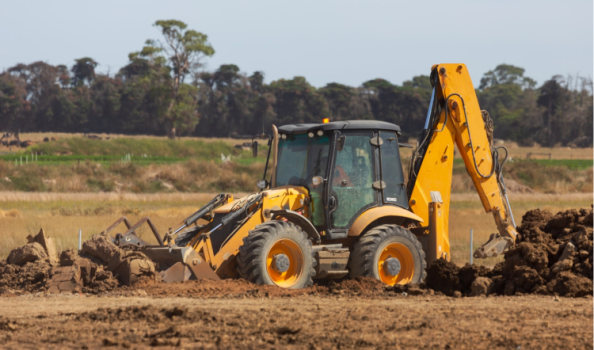
Heavy machinery is essential for many industries but requires proper care to function safely and efficiently. Regular maintenance helps prevent costly breakdowns and extends equipment lifespan. This article covers tips for heavy machinery maintenance.
Proactive maintenance can predict when failures might occur, allowing you to fix problems before they happen.
Illustration: WorkTrek / Data: PTC
Heavy machinery is usually used in harsh environments, which makes maintenance critical. Let’s explore some important tips for maintaining heavy machinery effectively.
Key Takeaways
Regular inspections and preventive care extend equipment life and reduce costly breakdowns
A clean work environment and well-trained staff improve machinery performance and safety
Tracking maintenance activities helps evaluate and improve overall equipment effectiveness
Understanding Machinery Maintenance Essentials
Like any critical equipment, heavy equipment's maintenance process keeps it running smoothly and safely.
It prevents costly breakdowns and extends the life of machines.
Key Principles of Machine Health
Planned maintenance schedules are important for machine health and reduce reactive maintenance and major breakdowns.
These schedules should include daily inspections and routine service.
Equipment operators must check fluid levels, tire pressure, and controls before each use. They should look for leaks, cracks, or loose parts.
Illustration: WorkTrek / Data: GoCodes
Regular oil changes and filter replacements keep engines clean and efficient. Greasing moving parts reduces wear and tear.
Keeping machines clean prevents dirt buildup that can cause damage. Washing equipment after use removes harmful debris.
Proper storage protects machines when not used—indoor storage shields construction equipment from weather damage.
The Impact of Regular Maintenance
Performing maintenance ensures that equipment lasts longer and performs better. Regular upkeep catches minor issues before they become big problems.
Maintained machines use less fuel, emit fewer emissions, and operate at peak performance, which saves money and helps the environment.
Safety improves with good maintenance. Properly working brakes, lights, and controls prevent accidents.
Illustration: WorkTrek / Data: Micromain
Breakdowns decrease when equipment gets regular care. This means less downtime and more productivity.
The resale value stays higher for well-kept machines. Detailed maintenance records attract buyers and boost resale prices.
Maintenance costs are lower than repair costs. Fixing small problems early prevents expensive repairs later.
Understanding Heavy Equipment
Heavy equipment is important to various industries, including construction, mining, and agriculture.
These machines are designed to perform specific tasks, such as excavation, lifting, and hauling, and are often the backbone of a company’s operations.
Understanding the intricacies of heavy equipment is essential for effective maintenance and operation. This includes knowledge of the machine’s components, systems, and functions, as well as its limitations and capabilities.
Knowing how each part of the machine works and interacts with others can help operators and maintenance teams identify potential issues before they lead to equipment failures.
For instance, understanding the hydraulic system’s role in an excavator can help diagnose problems related to lifting and digging performance.
Similarly, knowing the importance of proper tire pressure in loaders can prevent premature wear and tear, ensuring the machine operates efficiently.
Illustration: WorkTrek / Data: FinancesOnline
Moreover, being aware of the machine’s limitations and capabilities allows operators to use the equipment within its designed parameters, reducing the risk of overloading and subsequent damage.
This knowledge is crucial for maintaining heavy equipment, optimizing its performance, and extending its lifespan.
Establishing a Maintenance Schedule
https://youtu.be/ceakJ1ZJK2s
A well-planned maintenance schedule and preventive maintenance programs keep heavy machinery running smoothly and prevent costly breakdowns.
They also help catch issues early and extend equipment life.
Creating a Preventive Maintenance Plan
A good heavy equipment maintenance checklist can be part of your preventive maintenance plan. Start with the manufacturer's recommendations to meet each machine's needs.
Review equipment manuals for suggested service intervals and tasks.
List all maintenance tasks for each piece of machinery. Include daily checks, weekly inspections, and monthly or quarterly services.
Source: WorkTrek
Assign responsibilities to specific team members. Make sure they’re trained on proper procedures.
Use a maintenance management system to track schedules, tasks, and equipment history. This helps spot trends and adjust the plan as needed.
Set up reminders for upcoming maintenance. Consider using software that sends automatic notifications to staff.
Maintenance Frequency for Different Machinery
Maintenance needs vary depending on equipment type and usage. Heavy equipment needs more frequent care to be maintained effectively, while lesser-used equipment can follow a routine maintenance program.
Excavators and loaders often need daily hydraulic fluid checks, air filters, and greasing. Inspect tracks or tires weekly.
Bulldozers require regular undercarriage inspections and proper tire inflation. Track tension and wear should be checked every 50-100 hours of use.
Illustration: WorkTrek / Data: ConEquip
Cranes need thorough inspections before each use. Conduct more detailed checks monthly or quarterly.
Adjust maintenance schedules based on real-world data. If a machine shows early wear, service frequency will increase.
Keep detailed service records. Use this info to refine your maintenance plan over time.
Conducting Thorough Inspections
Heavy equipment maintenance checklists are key to keeping heavy machinery in top shape. They help spot issues early and prevent costly breakdowns.
Let’s look at how to make effective checklists and spot common problems.
Inspection Checklist Creation
A good checklist is the backbone of any inspection. Start with the basics:
Check oil and coolant levels
Look at fuel levels and quality
Inspect belts and hoses for wear
Test lights and safety features
Check tire pressure and tread depth
Source: WorkTrek
Customize your checklist for each piece of equipment. Include items from the maker's manual. Update the list as you learn more about your machines.
Add spots to note dates, times, and who did the check. This will help you track issues over time and adhere to a preventive maintenance program.
Make the heavy equipment maintenance checklist easy to use with clear steps and checkboxes.
Identifying Common Wear and Tear
Knowing what to look for helps catch problems early. Here are key areas to watch:
Metal parts: Check for cracks, bends, or rust.
Moving parts: Listen for odd noises or vibrations.
Hydraulic systems: Look for leaks or slow movement.
Electrical systems: Test all switches and gauges.
Train your team to spot these issues.
They should know how parts typically look and work, which helps them notice changes quickly.
Keep detailed records of what you find.
This can help you see if problems are worsening and which parts need replacing soon.
Implementing Proactive Maintenance Techniques
Preventative maintenance helps prevent breakdowns and extends equipment life. It uses data and technology to spot issues before they cause problems.
Predictive Maintenance Strategies
Predictive maintenance uses tools to check equipment health. It spots signs of wear before parts break, cutting downtime and repair costs.
Key strategies include:
Oil analysis to check for metal particles
Vibration monitoring to detect loose parts
Thermal imaging to find hot spots
Ultrasonic testing to find cracks or leaks
Checking battery connections
Keeping diagnostic equipment on hand
These tests help schedule repairs at the right time. They avoid both fixing things too early and waiting until they break.
Regular inspections also play a significant role. Trained staff can often spot issues during daily checks.
Utilizing Technology for Maintenance
New tech makes proactive maintenance easier and more effective. Smart sensors and software track machine health in real time.
Some helpful tools include:
IoT sensors that send data to central systems
AI that predicts when parts will fail
Mobile apps for easy equipment checks
Digital twins to model machine performance
These technologies clearly show equipment status. They help teams plan work and order parts ahead of time.
Illustration: WorkTrek / Data: Coast
Computerized maintenance systems track all this data, create schedules, and keep records.
This makes it easy to spot trends and improve processes over time.
Essential Maintenance Tasks
Regular maintenance is vital to extend the life of heavy equipment, prevent equipment failures, and ensure optimal performance. Essential maintenance tasks include:
Daily Inspections: Operators should conduct daily inspections to identify potential issues before they become significant proheavymends to prevent contamination and wear on the machine. Clean filters ensure that the engine and other systems receive clean air and fluids, which is crucial for optimal performance.
Lubrication: Regularly lubricate moving parts to reduce wear and tear. Proper lubrication minimizes friction between components, preventing premature wear and extending the machine’s life.
Tire Maintenance: Check tire pressure and tread depth and look for signs of damage or wear. Proper tire maintenance ensures the machine has good traction and stability, which is essential for safe and efficient operation.
By incorporating these essential maintenance tasks into your routine, you can significantly reduce the risk of equipment failures and ensure that your heavy equipment remains in top working condition.
Fluid Management and Filter Maintenance
Fluid management and filter maintenance are critical components of heavy equipment maintenance. Fluids like engine oil, hydraulic fluid, and coolant lubricate and cool the machine’s components.
Regularly checking and maintaining fluid levels can help prevent equipment failures and extend the machine's life.
For instance, engine oil lubricates the engine’s moving parts, reducing friction and preventing overheating. Hydraulic fluid is essential for operating hydraulic systems, providing the necessary pressure to lift and move heavy loads.
Illustration: WorkTrek / Data: ConEquip
Coolant helps regulate the engine’s temperature, preventing it from overheating during operation.
Filter maintenance is also essential to prevent contamination and wear on the machine. Air, fuel, and hydraulic filters should be replaced as the manufacturer recommends to ensure optimal performance and avoid damage to the machine.
Clean filters ensure that the engine and other systems receive clean air and fluids, which is crucial for optimal performance.
By prioritizing fluid management and filter maintenance, you can prevent equipment failures, reduce downtime, and extend the life of your heavy equipment.
Maintaining a Clean Work Environment
A clean work environment is crucial for heavy machinery maintenance to prevent equipment failure. It affects machine performance and prevents contamination. Proper cleaning protocols help extend equipment life and improve safety.
The Role of Cleanliness in Machine Performance
Clean machinery runs better. Dirt and debris can cause wear on moving parts, leading to breakdowns and costly repairs.
Regular cleaning helps spot small issues before they become big problems.
Clean equipment also runs cooler. Dust and grime act as insulation, trapping heat. This can cause overheating and damage to sensitive components.
Pressure washing and steam cleaning are effective for deep cleaning heavy machinery. These methods remove tough grime and built-up residues.
Regular cleaning also improves safety. It reduces fire hazards from oil and grease buildup. Clean surfaces also provide better traction, reducing slip-and-fall risks.
Contamination Prevention Protocols
Preventing contamination can improve machine health.
Set up cleaning stations near work areas and stock them with appropriate cleaning supplies and tools.
Implement a "clean as you go" policy. Train workers to wipe down equipment after each use. This prevents the buildup of dirt and grime over time.
Use sealed containers for fluids and lubricants. This prevents spills and keeps contaminants out. Label containers clearly to avoid mix-ups.
Install filtration systems on equipment. These catch particles before they can cause damage. Change filters regularly according to manufacturer guidelines.
Create designated clean zones for sensitive tasks. Use air filtration in these areas to maintain a dust-free environment.
Training and Safety Procedures
Maintain your heavy equipment with proper training and up-to-date safety procedures to keep heavy machinery maintenance safe and effective. These elements help prevent accidents and ensure compliance with industry standards.
Developing Comprehensive Training Programs
Operator training programs for heavy equipment maintenance should cover technical skills and safety protocols and be tailored to specific machinery and job roles.
Key components include hands-on practice, safety simulations, and regular refresher courses.
Don't forget to include programs addressing emergency procedures and proper use of personal protective equipment (PPE).
Certification tracks can help ensure all staff meet minimum competency levels. These may include specialized certifications for different types of equipment or maintenance tasks.
Regular assessments help identify areas for improvement in both individual skills and overall training effectiveness.
Emerging Safety Standards and Compliance
Safety standards for heavy machinery maintenance evolve as technology and best practices advance. Staying current with these changes is crucial for workplace safety and legal compliance.
New safety procedures often focus on lockout/tagout protocols, which prevent accidental equipment start-up during maintenance. These procedures are essential for protecting workers from serious injuries.
Digital safety management systems are becoming more common. They can help track maintenance schedules, worker certifications, and incident reports.
Regular safety audits help identify potential hazards and ensure compliance with current standards. These audits should cover equipment conditions, work practices, and documentation.
Handling Repairs and Replacement Parts
Proper repair procedures and smart parts replacement are key for keeping heavy machinery running smoothly. These practices help cut costs and extend equipment life.
Best Practices for Effective Repairs
Regular inspections are crucial for catching issues early. Check fluids, belts, and hoses often. Listen for odd noises and watch for leaks.
Train machine operators to spot problems. They use the machines daily and can notice changes quickly.
Keep detailed maintenance records. This helps track recurring issues and plan future maintenance.
Illustration: WorkTrek / Data: dynaway
Use high-quality replacement parts to ensure reliability. Cheap parts may save money upfront but can lead to more breakdowns.
Clean the work area before starting repairs. This prevents dirt from getting into systems and causing more problems.
Navigating Parts Replacement and Suppliers
Choose suppliers carefully. Look for those with a wide range of parts and good customer service.
Consider total ownership costs when buying parts. Cheaper isn't always better if it means more frequent replacements.
Keep common wear items in stock. This reduces downtime when repairs are needed.
When possible, use original equipment manufacturer (OEM) parts. They're made to fit and work with your specific machines.
Build relationships with multiple suppliers. This ensures you can get parts quickly when needed.
Consider refurbished parts for older machines. They can be a cost-effective option for less critical components.
Outsourcing Heavy Equipment Maintenance
Outsourcing heavy equipment maintenance can be a cost-effective and efficient way to manage specific maintenance tasks. However, carefully consider the pros and cons before deciding./
Benefits of Outsourcing Maintenance
Access to Specialized Expertise:
Organizations gain immediate access to technicians with extensive experience across different types of equipment and manufacturers. These specialists often have advanced certifications and training that would be costly and time-consuming to develop in-house.
Illustration: WorkTrek / Data: Limble
For example, a specialized technician might have deep expertise in hydraulic systems and electronic controls across multiple equipment brands, providing comprehensive maintenance solutions requiring multiple in-house specialists.
Reduced Labor Management Burden
Outsourcing eliminates the complex challenges of recruiting, training, and managing maintenance staff. Organizations no longer need to handle scheduling, vacation coverage, certifications, ongoing training, or performance management for maintenance personnel.
This reduction in administrative overhead allows management to focus more on core business operations and strategic initiatives.
Predictable Maintenance Costs
Service contracts typically operate on fixed-fee arrangements, making it easier for organizations to budget and forecast maintenance expenses.
Companies can rely on predetermined monthly or annual costs instead of dealing with fluctuating labor costs, overtime pay, benefits, and unexpected equipment repairs. This predictability helps with financial planning and cash flow management.
Access to Advanced Tools and Technology
External maintenance providers often invest heavily in specialized diagnostic equipment, advanced maintenance tools, and cutting-edge technology that might be too expensive for individual organizations to purchase.
This access to superior equipment can lead to more accurate diagnoses, faster repairs, and improved maintenance outcomes without requiring capital investment from the organization.
Cost Savings
Outsourcing maintenance can reduce labor costs and minimize the need for in-house personnel. This can be particularly beneficial for smaller companies that may not have the resources to maintain a full-time maintenance team.
Improved Expertise
Vendors may have access to the latest technology and techniques, ensuring that maintenance is performed to the highest standards. This can result in better maintenance outcomes and longer equipment life.
Evaluating Maintenance Performance
Checking how well maintenance works is key to keeping heavy machines running smoothly. It helps find ways to improve and save money.
Measurement and Analysis of Maintenance Efforts
To evaluate maintenance, track key numbers. Look at how often machines break down and how long they stay broken. Check how much time and money go into fixing them.
Collect this data using CMMS software like WorkTrek. It will help you spot trends and issues. Then, compare your numbers to industry standards to see how you're doing.
Illustration: WorkTrek / Data: Reliable Plant
Look at which parts break most often. This can show where to focus your efforts. Also, check if preventive maintenance works by seeing if breakdowns happen less.
Continuous Improvement in Machinery Maintenance
Always try to improve your maintenance. Use what you learn from your measurements to make changes. Train your team on new methods and tools.
Try out new tech sensors and IoT devices that warn you before things break. This can help you fix problems before they become major ones.
Have regular meetings to talk about what's working and what's not. Get ideas from the people who work with the machines every day. They often know best what needs to change.
Keep up with new maintenance methods. What works for other companies might work for you, too. But always test new ideas carefully before using them on all your machines.
Summary
In conclusion, maintaining heavy machinery is essential for optimal performance and safety, as regular maintenance prevents costly breakdowns and extends equipment life.
Implementing a preventive maintenance program is crucial. It should include routine checks, fluid management, and filter replacements. Using technology for predictive maintenance can further enhance efficiency and reduce downtime.
Customized heavy equipment maintenance checklists ensure all tasks are covered. Proper training and safety protocols for equipment operators are vital for safe operation. Consider the pros and cons of outsourcing maintenance to decide what works best for your organization.
Remember, well-maintained heavy equipment is the backbone of successful operations. Stay proactive and prioritize maintenance to ensure your machines run smoothly and efficiently for years.

Operations & Maintenance
Best Practices for Efficient Asset Maintenance
Key Takeaways:
Root cause analysis turns reactive maintenance into proactive maintenance.
Many companies experience data collection challenges.
CMMS automates asset management and organizes asset data in one place.
Digital checklists save time and increase technicians’ efficiency.
Costly downtime, premature equipment replacements, and lost profits are too familiar outcomes of poor asset maintenance.
But there’s another hidden cost—constant pressure on your team to keep things running.
To avoid this and ensure your assets work as hard as possible, efficient maintenance is the key.
In this article, we’ll explore five best practices for keeping your assets in peak condition while streamlining your maintenance efforts.
Let’s get started.
Collect As Much Data as Possible
Efficient asset maintenance begins with good data.
The more detailed and accurate asset data you collect, the better your maintenance strategy will be.
Asset data includes everything from basic information like the make, model, and serial number to detailed maintenance history, usage patterns, and real-time sensor data.
Source: WorkTrek
However, the real power of this data is in what it allows you to do.
For example, a detailed maintenance history for each asset lets you quickly identify recurring issues and estimate how frequently each asset requires attention.
If a specific pump fails every six months, you can schedule maintenance before another breakdown.
This way, you can achieve three key things:
plan your workload more effectively,
allocate resources properly, and
avoid unexpected downtime.
Detailed data shows you exactly what’s needed for each maintenance task.
If you know the time it takes to replace a part, the materials required, the tools needed, and even the technician's PPE, you can plan maintenance tasks down to the smallest detail.
This detailed planning reduces errors, minimizes downtime, and ensures technicians have the necessary tools and parts when needed.
Data isn’t just useful for scheduling maintenance, though. It is also important for managing costs.
For instance, if you track labor and parts expenses over time through reports like the one below, you can clearly understand your maintenance costs and make better budgeting decisions.
Source: WorkTrek
If a particular asset demands frequent repairs and incurs high labor and spare parts costs, you can present this data to management to justify replacing it.
Moreover, knowing the expenses associated with planned and unplanned downtime allows you to learn which assets need attention first.
However, managing all this asset data seems challenging for many companies.
Many maintenance teams need help with data accuracy, analysis time, and knowing what actions to take based on the information they have.
A recent study by Augury confirms this, revealing that 39% of organizations cite data accuracy as a major obstacle, and 36% say the time it takes to analyze data is a barrier.
Illustration: WorkTrek / Data: Augury
If you struggle with the same, adopting specialized software is best.
But—more on that later.
Conduct Root Cause Analysis (RCA)
You have probably heard of the famous root cause analysis (RCA), but do your teams regularly conduct it?
They certainly should as this is another best practice for efficient asset maintenance.
Rather than addressing symptoms, RCA uncovers root causes, enabling long-term solutions and preventing recurring failures.
RCA's ultimate goal is to move from reactive to proactive maintenance, reducing downtime and improving asset reliability along the way.
RCA has a few steps you need to follow, and here they are briefly explained:
Identify the issueRecognize and document recurring problems or asset failuresCollect dataGather all relevant asset data (maintenance logs, sensor readings, performance history)Analyze the dataIdentify patterns that reveal the root cause (you can use 5 Whys, Pareto charts, fishbone diagrams, and other tools and methods)Develop solutionsBased on the root cause, develop and implement corrective actions (e.g., part replacement) or preventive measures (better maintenance scheduling)MonitorTrack the asset to ensure the issue is resolved and to prevent future issues
For example, if a motor repeatedly fails after a specific period of operation, analyzing maintenance records and performance data could reveal that overheating is a recurring issue due to poor ventilation.
By addressing this root cause, you can significantly reduce future failures.
While RCA sounds excellent in theory, many maintenance teams struggle to apply it in practice.They are often so focused on immediate fixes that they rarely have time to investigate root causes.
According to the same study by Augury, 74% of companies claim to use preventive maintenance (PM), but much of it is still reactive and manual.Moreover, 37% of respondents wait for machines to break.
Illustration: WorkTrek / Data: Augury
Data collection is another reason why companies struggle with this.
Naturally, successful RCA requires accurate, up-to-date data, as Tim Davison, Asset CARE Planner at Molson Coors (formerly MillerCoors), explains:
Illustration: WorkTrek / Quote: Reliable Plant
He continues that maintenance planners need data to prepare better maintenance plans.
Overall, if the necessary data isn’t readily available, it’s difficult to conduct any analysis, let alone the RCA.
Luckily, a smart way to get the data you need is by automating asset maintenance with a CMMS.
Automate Your Asset Maintenance
Automating asset maintenance with a software solution like CMMS can improve your maintenance processes and overall asset management.
CMMS automates workflows, and triggers maintenance tasks, preventive maintenance schedules, and approval processes.
Instead of relying on manual tasks that cause delays or missed maintenance windows, the system sends automatic alerts when inspecting or servicing a machine.
Take WorkTrek as an example.
This solution transforms your workflows from manual, time-consuming processes to a faster, more efficient system, and customers recognize this:
Illustration: WorkTrek / Quote: Software Suggests
Our user also mentions that the system’s design is intuitive, allowing them to create and assign work orders with little effort quickly.
Let’s see how WorkTrek achieves this.
For starters, all your asset data is stored in one place. You can access historical data, maintenance logs, and spare parts lists.
Source: WorkTrek
Next, when it comes to maintenance scheduling, WorkTrek allows you to view the schedule in a calendar format, which makes everything more organized.
Source: WorkTrek
Additionally, the system helps you track asset locations and usage.
With a map-based interface, you can visualize where assets are, who uses them, and what condition they’re in.
Source: WorkTrek
Meter readings can even track asset performance over time, allowing you to schedule maintenance based on real usage data.
And for assets that need simple weekly or monthly checks, you can schedule that easily, too.
Source: WorkTrek
Technicians also benefit from this automation.
While on-site, they can scan asset barcodes or QR codes with their smartphones to access information such as repair history or instructions.
Source: WorkTrek
All these automated features save significant time and money.
Office staff can avoid manual scheduling, and technicians can complete tasks more efficiently.
These time savings translate directly into cost savings.
Standardize Maintenance Processes
Standardizing your maintenance processes is just as crucial as automating them, and a CMMS is the perfect tool to help you achieve both.
Creating standard operating procedures (SOPs) for frequent, high-risk, or complex tasks ensures that every maintenance activity is performed consistently.
One of the best ways to standardize maintenance is by using checklists.
With CMMS like WorkTrek, you can create digital checklists for every work order, outlining the necessary steps, schedules, and responsibilities for each task.
Source: WorkTrek
This standardizes the maintenance process and ensures that all work is done consistently, no matter who performs the task.
We don’t need to overemphasize how much time this saves.
Siu Loon Khuu from the Swiss railway company BLS explains it well by describing how digital checklists increased the efficiency of their asset maintenance:
Illustration: WorkTrek / Quote: SAP on YouTube
Preparing inspections took one day, and transferring the results in Excel manually took another.
Apart from saving all this time, he explained that such digital checklists simplify the technicians' work and provide compliance documentation which is so important in the railway industry.
Another big plus is that digital checklists, like those from WorkTrek, automatically generate follow-up work orders for failed inspections or flagged issues.
Source: WorkTrek
This is where standardization and automation work in tandem.
But the benefits don’t stop at saving time.
Standardizing maintenance processes can also significantly impact the technicians’ safety.
The right CMMS will allow you to predefine hazards and risks for every asset, set requirements for necessary personal protective equipment (PPE), and establish lockout/tagout procedures for each piece.
Source: WorkTrek
When this information is in your CMMS, technicians can access it anytime and follow the correct safety procedures.
That’s a big plus since you can rest assured that you did everything possible to keep your team safe.
Lastly, standardized procedures make training, evaluating, and certifying your maintenance team much easier.
When everyone follows the same processes, you can provide clear training materials, ensure all your technicians are updated with the required standards, and assess performance more effectively.
Track Asset Maintenance KPIs
How will you know if all these best practices are yielding results in your maintenance strategy?
By tracking asset maintenance KPIs.
After all, you can only improve what you measure.
To ensure you're getting the most out of your maintenance, you should track the following KPIs:
Work order resolution time to track how long it takes to complete work orders.
Maintenance backlog to measure the number of unresolved maintenance tasks.
Overtime, indicating whether the maintenance team is overburdened.
Percentage of planned maintenance (PMP) to track how much of your maintenance work is planned rather than reactive.
Monitoring these KPIs helps identify bottlenecks, inefficiencies, and opportunities for improvement.
These lead metrics translate into lag (asset) metrics, which you can also track.
KPIWhat it tracksWhat it meansMean time between failures (MTBF)the average time between asset failuresa higher MTBF means your assets are more reliableMean time to repair (MTTR)the average time it takes to repair a failed assetthe lower the MTTR, the quicker you can get back to productionOverall equipment effectiveness (OEE)combines availability, performance, and quality to measure the effectiveness of your assetsa higher OEE means better asset use and fewer issuesEquipment downtimehow much time an asset is down due to failures or maintenancehigh downtime means frequent breakdowns or inefficient maintenance practices
The key is doing it regularly.
Only by consistently tracking these KPIs can you ensure that you're always improving your processes and making the best use of your resources.
They did that at Molson Coors (formerly MillerCoors) in the early 2000s.
Bobby McCall, the maintenance manager for packaging operations, explained at the time how tracking and adjusting the preventive maintenance frequencies helped them improve.
Illustration: WorkTrek / Quote: Reliable Plant
Their goal was to focus on the work that needed to be done and to optimize time and resources.
Of course, by reviewing maintenance regularly, Molson Coors achieved significant improvements.
For example, planned and scheduled maintenance now makes up over 60% of their maintenance workload, compared to less than 30% in the past.
Illustration: WorkTrek / Data: Reliable Plant
They also increased their preventive maintenance completion rates, with forklift maintenance rising from 31% to 82% in under 18 months.
All in all, these changes led to cost savings, improved reliability, better decision-making, and greater operational stability.
This proves that tracking the right KPIs can make all the difference in achieving more efficient asset maintenance.
Conclusion
Adopting these five best practices for asset maintenance will undoubtedly transform your operations, drive efficiency, reduce costs, and improve asset reliability.
The benefits are clear: extended asset lifespans, reduced breakdowns, and lower operational costs.
To replicate this success, ensure your team adopts these best practices and begins implementing them today.
Operations & Maintenance
Benefits of Maintaining Your Machine Regularly
Equipment that you depend on for your business needs regular maintenance to thrive. By maintaining machines regularly, companies can reduce unexpected breakdowns, ensure smooth operations, and minimize downtime. Understanding the benefits of machine maintenance is important. This article will answer the following questions: Why is it important to maintain your machines and equipment regularly?
This proactive approach not only safeguards investments but also enhances the performance and efficiency of equipment.
Illustration: WorkTrek / Data: CleanLink
Keeping machines in top condition helps extend their lifespan, providing better returns on investment.
Regular checks and servicing can also maximize product quality by preventing issues that may lead to defects or inconsistencies in production.
Ignoring regular maintenance work can lead to higher repair costs and significant downtime, impacting profitability.
Moreover, adhering to safety standards becomes easier when machines are well-maintained, thus reducing risks in the workplace.
Consistent maintenance ultimately supports a more sustainable and efficient operation.
Key Takeaways
Regular maintenance reduces breakdowns and downtime.
Proper upkeep extends machine lifespan and boosts quality.
Maintenance ensures safety and cuts long-term costs.
The Fundamentals of Machine Maintenance
Machine maintenance ensures equipment functions efficiently. It involves different activities designed to keep machines in top condition.
Routine Inspections: Regular checks can catch small issues before they become big problems. Inspections look at wear and tear, oil levels, and mechanical performance.
Cleaning and Lubricating: Machines should be cleaned and lubricated to reduce friction. This prevents damage and keeps them running smoothly.
Parts Replacement: Old or worn-out parts must be replaced to avoid unexpected breakdowns. It's important to use quality parts to maintain performance.
Proactive vs. Reactive Maintenance: Proactive maintenance plans in advance to prevent potential issues, while reactive maintenance deals with problems after they occur. Proactive methods, such as preventive maintenance, help avoid costly downtime and reduce emergency repairs.
Illustration: WorkTrek / Data: ServiceChannel
Schedule and Frequency: Maintenance should be scheduled based on how often machines are used. A time-based approach ensures regular check-ups.
Common Tools: Use the right tools, from wrenches to CMMS software like WorkTrek for precise maintenance tasks.
This fundamental approach to machine maintenance helps increase lifespan, boost efficiency, and reduce the risk of unexpected failures. Regular attention to these fundamentals ensures machinery remains reliable and productive.
Extending Machine Lifespan
Regular maintenance is key to extending machinery's lifespan. Focusing on preventing wear and tear and being consistent with regular inspection and lubrication can significantly improve machines' durability and functionality.
Preventing Wear and Tear
Machines in constant use are prone to wear and tear, which can lead to breakdowns.
By investing time in daily checks, operators can spot issues before they escalate. Steps like tightening loose parts or replacing worn components early can help maintain the machine's health.
Illustration: WorkTrek / Data: Fenner Dunlop
Keeping machines clean is also crucial. Dust and debris can cause significant harm over time. Ensuring a clean environment can prevent damage and maintain efficiency. Regular cleaning schedules make a big difference in machine performance.
Operators should also follow operating guidelines. Overloading a machine or misusing it can shorten its lifespan. Training sessions to ensure operators understand the correct use of equipment are highly beneficial.
Regular Inspection and Lubrication
Inspections help identify minor issues before they become costly problems. It's important to check for unusual noises, vibrations, or leaks during inspections.
A detailed inspection log can help track the machine's condition over time.
Illustration: WorkTrek / Data: CBM Connect
Lubrication reduces friction between moving parts, essential in preventing unnecessary wear. It is vital to use the right lubricant for each specific component.
Each machine part might need a different oil or grease, and using the wrong kind can cause damage. Use the manufacturer's recommendation and only use high-quality lubricants.
Maintenance technicians should schedule regular lubrication sessions to ensure effective operation. It is advisable to follow the manufacturer's guidelines for lubrication intervals.
A property lubricated machine will last longer and reduce energy usage, saving you money.
Enhancing Performance and Efficiency
Machines need regular maintenance to perform at their best. It focuses on precise calibration and alignment while optimizing operational parameters to boost efficiency.
Calibration and Alignment
Calibration ensures that machines operate with the highest accuracy possible. It involves adjusting machinery to meet specified standards defined by the manufacturers.
Regular calibration can prevent errors leading to product defects, thus saving time and costs.
For example, a well-calibrated machine minimizes deviations, ensuring precise measurements and outputs.
Illustration: WorkTrek / Data: API
Alignment, however, ensures all parts of the machine are correctly positioned. Similar to when your car is out of alignment, misalignment can cause vibrations and excessive wear. This can reduce the machine’s lifespan.
Properly calibrated and aligned machines are less likely to break down, ensuring continuous productivity.
Optimizing Operation Parameters
Optimizing operation parameters is fine-tuning the machine's settings to match its tasks. This includes adjusting speed, temperature, and pressure for optimal performance.
By doing so, machines can operate more efficiently, using energy wisely and minimizing waste.
Data analysis can help identify ideal operating conditions. When machines are set up with precision, they produce higher-quality outputs with less material loss.
Operators play a key role in observing and adjusting these parameters.
Consistently reviewing and optimizing can significantly improve machine efficiency and reduce maintenance costs.
Keeping a close eye on these settings is essential for achieving peak performance and reducing machine downtime.
Ensuring Safety Standards
Safety is another important reason to maintain your machinery regularly.
It helps in pinpointing potential hazards before they become major issues and ensures compliance with safety regulations, thus maintaining a safe work environment.
Identifying Potential Hazards
Routine inspections and maintenance help in spotting potential dangers early on. This includes checking for worn-out parts, loose connections, and other issues that could lead to malfunction.
By addressing these problems promptly, the risk of accidents can be minimized.
Using maintenance checklists can be effective in identifying hazards.
Source: WorkTrek
These maintenance checklists should cover all critical components of the equipment's life, ensuring nothing is overlooked.
Make safety training part of your regular training regiment for maintenance personnel.
Compliance with Safety Regulations
Adhering to safety regulations is essential for any organization operating machinery.
Regulations like those from the Occupational Safety and Health Administration (OSHA) set the standards for workplace safety.
Source: WorkTrek
Regular maintenance helps comply with these standards.
Don't forget to be diligent about record keeping. It serves as proof of compliance and can be helpful during safety audits.
If you are still keeping manual paper records, consider WorkTrek CMMS, which can help you digitize and automate your records.
Companies protect their employees and avoid potential legal issues and fines by ensuring that equipment meets all regulatory requirements.
Reducing Costs and Downtime
Regular machine maintenance can significantly decrease repair expenses and reduce downtime. Businesses can improve efficiency and save money by minimizing repair costs, scheduling maintenance properly, and selecting the right maintenance strategy.
Minimizing Repair Expenses
Businesses should focus on proactive maintenance strategies to minimize repair expenses. Regular inspections help identify potential issues before they escalate into costly repairs, and addressing problems early on can reduce unexpected breakdowns.
Training staff to handle basic equipment checks can also lower costs. Skilled employees can perform routine tasks and identify problems without needing external technicians. Implementing a computerized maintenance management system (CMMS) keeps track of past maintenance activities and predicts future needs, ensuring that machines are serviced promptly.
Source: WorkTrek
Investing in high-quality spare parts is another way to reduce expenses. Maintaining an organized inventory ensures that necessary parts are available when needed, preventing delays that might otherwise lead to increased costs. Keeping spare parts on hand helps maintain consistent production efficiency and minimizes costly downtimes.
Planning Maintenance Schedules
Properly planning maintenance schedules can reduce downtime. Scheduling maintenance during off-peak hours ensures minimal disruption to operations.
Source: WorkTrek
By aligning maintenance activities with production schedules, businesses can avoid unnecessary interruptions.
Predictive maintenance techniques allow businesses to forecast when equipment might need attention. This technique uses data analysis to predict potential failures, allowing for timely interventions.
Tracking metrics like the mean time between failures (MTBF) provides insight into machine reliability and helps plan maintenance accordingly.
Establishing clear maintenance procedures and documenting them guarantees consistency and adherence to schedules. Regularly reviewing and updating these plans helps adapt to any changes in operations or equipment needs, ensuring continued efficiency and minimized downtime.
Maximizing Product Quality
Proper machine maintenance can create high product quality. Consistent routines help achieve stable production rates and lower defect rates, which are crucial for maintaining a reliable output.
This helps businesses meet customer expectations and regulatory standards.
Consistency in Production
Regularly serviced machines maintain a steady performance, directly impacting production consistency.
Well-maintained equipment operates smoothly, reducing unexpected breakdowns. This minimizes downtime and keeps the production line running efficiently.
For example, ensuring machinery like mixers and pasteurizers are in top condition in the dairy industry can prevent texture or taste variations.
This consistency is vital for maintaining brand trust and customer satisfaction. Regular checks and timely repairs help achieve this.
Furthermore, maintaining a stable production environment helps prevent product size or weight variability. Consistent calibration and cleaning procedures ensure each product meets the set standards without deviation.
Reduction of Defect Rates
Regular maintenance significantly reduces defect rates by identifying issues before they lead to failures.
When components such as filters, belts, and seals are checked routinely, they are less likely to cause product defects due to wear and tear.
Defects can lead to serious compliance issues in sectors like pharmaceuticals. Ensuring machines like tablet presses and coating machines are in excellent condition minimizes the risk of faulty products reaching the market.
Routine maintenance helps spot problems, reducing waste from defective batches.
Investing in preventative measures reduces the need for costly recalls or batch rejections. This proactive approach to maintenance ensures high-quality standards are consistently met, benefiting both production processes and end-users.
Environmental Considerations
Regular maintenance of machinery plays can minimize environmental impact. It enhances energy efficiency and reduces waste, both of which are significant contributors to a more sustainable operation.
Energy Efficiency
Proper maintenance ensures that machinery runs at optimal efficiency, reducing the amount of energy consumed during operation.
For instance, well-maintained industrial gearboxes can significantly decrease their environmental impact using less energy.
When machines are energy efficient, less fuel or electricity is required, reducing emissions and a smaller carbon footprint.
Illustration: WorkTrek / Data: Rockwell Automation
A neglected machine often works harder to perform the same tasks, consuming more energy. This increased energy use raises operating costs and increases greenhouse gas emissions.
By routinely checking and servicing machines, companies can identify and correct inefficiencies. This leads to smoother operations and enhances the lifespan of the equipment.
Waste Reduction
Maintenance also plays a key role in waste reduction. Regular inspections and adjustments can prevent part breakdowns and reduce the need for unnecessary replacements.
Fewer parts end up as waste, which, in turn, decreases the demand for raw materials.
Moreover, failing to maintain equipment can result in complete shutdowns or malfunctions, causing spoilage and increased waste production.
Companies can ensure continuous operation by keeping machines in good condition, minimizing production halts and material wastage.
Preventive maintenance strategies focus on repairing and adjusting components before they fail. This approach conserves resources and supports a more environmentally friendly operation.
Leveraging Technological Advancements
Modern technology offers a wealth of solutions for maintaining machinery more efficiently. Smart monitoring systems and predictive maintenance tools reduce downtime and improve performance.
Adoption of Smart Monitoring Systems
Smart monitoring systems provide real-time data about equipment conditions. These systems use sensors to track temperature, vibration, and other vital indicators.
Source: WorkTrek
When anomalies are detected, alerts can be sent immediately, allowing for quick action to prevent potential issues.
Implementing smart systems helps maintain consistent operation and extends the machinery's lifespan.
Data collected over time can help identify patterns of wear and tear. This insight enables more informed decisions about equipment use and maintenance scheduling, ultimately enhancing overall efficiency and safety.
Integration with Predictive Maintenance
Predictive maintenance uses data analytics and machine learning to foresee when a machine might fail.
By analyzing historical and real-time data, predictive tools calculate the optimal time for maintenance before a breakdown occurs.
Integrating these technologies into maintenance schedules can result in significant cost savings. Addressing issues before they escalate reduces unexpected downtime and minimizes repair costs.
This approach also allows businesses to schedule maintenance during non-peak times, ensuring production remains uninterrupted and efficient.
These technological advancements enable a more proactive approach, reducing the stress and costs of unexpected machinery failures.
Workforce Skill Development
Focusing on training and fostering proactive habits enables efficient upkeep and minimizes downtime.
Training for Maintenance Procedures
Training empowers maintenance workers with the skills needed for tasks.
Programs that include classroom instruction and hands-on practice help workers understand various maintenance techniques.
For example, operator maintenance skills development often emphasizes learning through doing, which can help employees quickly identify and fix equipment issues.
Offering certifications and regular workshops ensures the team stays updated on the latest technology and practices.
Cross-training employees also provides backup for critical roles. By investing in comprehensive training, organizations can maintain high standards of equipment reliability and ensure safety.
Fostering a Culture of Proactivity
Creating a proactive workforce culture encourages employees to address issues before they escalate.
Encouraging regular maintenance checks and open communication helps identify potential problems early.
Employees should feel empowered to report irregularities, knowing their input contributes to overall efficiency.
Rewarding proactive behavior reinforces the importance of this approach. Teams that regularly perform preventative maintenance, such as routine equipment checks, help reduce unexpected breakdowns.
Adopting a culture where proactive measures are valued leads to a more reliable and efficient operation, benefiting the entire organization.
Concluding Thoughts on Regular Maintenance
As this article outlines, regular maintenance is vital for keeping machinery in top condition. By servicing machines frequently, businesses can avoid unexpected breakdowns, reduce repair costs, and minimize downtime.
A well-maintained machine has a longer lifespan. It operates more efficiently, leading to better productivity and reduced wastage. Regular checks include inspections, testing, and adjustments.
These steps ensure that any small issues are dealt with before they become major problems.
Benefits of Regular Maintenance:
Extended lifespan
Increased efficiency
Reduced repair costs
Minimized safety risks
It's important to schedule these maintenance routines and stick to the schedule. Consistency is key in preventing significant problems.
When conducted properly, maintenance helps machines run at optimal levels, leading to savings in both time and resources.
Operations & Maintenance
10 Proven Ways to Improve Machine Maintenance
Let's face it—keeping machines running smoothly is like trying to juggle while riding a unicycle. As maintenance managers, we constantly balance preventive care, emergency fixes, budget constraints, and the ever-present pressure to keep production flowing.
But here's the good news: you can master this juggling act with the right approach. This article covers 10 proven ways to improve machine maintenance.
Picture this: It's 3 AM, and your phone rings with that dreaded emergency call. Another critical machine is down, production has ground to a halt, and the pressure is mounting by the minute. As maintenance managers, we've all been there.
The stress of running complex equipment smoothly while juggling limited resources, tight budgets, and ever-increasing production demands can feel overwhelming.
But many of us don't realize that maintenance excellence isn't just about fixing things faster or having the latest predictive tools.
It's about building a comprehensive system that prevents those 3 AM calls from happening in the first place. Think of it like maintaining your health: You could wait until you're sick to see a doctor or exercise regularly, eat well, and get regular check-ups.
These tips can help businesses of all sizes keep their equipment running smoothly and avoid costly surprises.
Key Takeaways
Regular maintenance checks and repairs boost machine efficiency and safety
Preventive and predictive techniques help avoid costly breakdowns
Staff training and standardized procedures improve overall maintenance quality
Listen to this Article
Understanding Machine Maintenance Fundamentals
Machine maintenance is the practice of keeping equipment in good working order. It involves regular checks, repairs, and part replacements. Good machine maintenance can save money and time.
There are several types of maintenance:
Preventive maintenance is done on a schedule to prevent breakdowns
Corrective maintenance fixes issues after they occur
Predictive maintenance uses data to forecast when repairs are needed
Condition-based maintenance monitors equipment in real-time
Illustration: WorkTrek / Data: Reliable Plant
Regular inspections are key to effective maintenance. They help spot problems early, and consistent inspections are your eyes on your machinery's health.
Like your car's engine, proper lubrication is crucial for machine longevity.
It reduces friction and wear on moving parts. Each machine has specific lubrication needs.
Keeping accurate maintenance records is important. These records help track repair history and plan future maintenance.
Training staff in proper machine operation and maintenance is essential. Well-trained operators can spot issues early and prevent damage.
By understanding these fundamentals, companies can keep their equipment running efficiently. This leads to increased productivity and reduced downtime.
Implementing a Preventive Maintenance Program
A successful preventive maintenance program requires careful planning and execution. Two key elements are developing a schedule and training personnel.
Developing a Maintenance Schedule
Creating an effective maintenance schedule is crucial for preventing equipment breakdowns.
Start by listing all machines and assets that need regular maintenance. Assign priority levels based on how critical each asset is to operations.
Next, determine the ideal maintenance frequency for each item. This may be based on manufacturer recommendations or historical data.
Always follow the manufacturer's recommendations until you have enough data and experience to use historical data for maintenance decisions. This approach will extend equipment life.
Source: WorkTrek
Build a calendar that spreads out maintenance tasks to avoid overloading the team and manage maintenance costs.
Use a computerized maintenance management system (CMMS) like WorkTrek to track schedules and send automatic reminders. This helps ensure no tasks slip through the cracks. The system should be flexible enough to adjust for unexpected issues or changes in production schedules.
Training Maintenance Personnel
The right maintenance strategy always starts with properly trained staff. A trained staff can effectively implement preventive maintenance plans and optimize machine maintenance.
This can improve equipment reliability, improve maintenance practices, and save on costs.
Develop a formal training program that covers maintenance procedures, safety protocols, and the use of tools and equipment.
Illustration: WorkTrek / Data: SC training
Training should include both classroom learning and hands-on practice. Cover topics like:
Reading technical manuals and schematics
Proper use of diagnostic tools
Safe work practices
Documenting maintenance history and activities
Regular refresher courses help keep skills sharp. Consider implementing a mentoring system where experienced technicians guide newer staff members.
Invest in ongoing education to keep the team updated on new technologies and best practices in machine maintenance. This continuous learning approach helps improve overall program effectiveness.
Adopting Predictive Maintenance Techniques
Predictive maintenance uses data and analytics to spot equipment issues before they cause breakdowns. This approach helps companies save money and avoid unplanned downtime.
Utilizing IoT for Predictive Analytics
The Internet of Things (IoT) is key in predictive maintenance.
Machine sensors collect temperature, vibration, and performance data, which is sent to a central system for analysis.
A proper maintenance approach should include IoT devices that can track machine health 24/7.
They pick up on small changes that humans might miss. For example, a slight increase in motor temperature could signal a coming failure.
Illustration: WorkTrek / Quote: SC training
Companies use IoT data to create maintenance schedules based on actual machine conditions. This is better than fixing things on a set schedule or waiting for breakdowns.
AI-driven anomaly detection through IoT can boost machine runtime by 10-20% and cut maintenance costs by up to 10%.
Leveraging AI & Machine Learning for Prediction Accuracy
Machine learning takes predictive maintenance to the next level. It spots patterns in data that show when a machine might fail.
ML models improve over time as they learn from more data. They can predict issues weeks or months in advance, giving crews time to plan repairs during slow periods.
Some benefits of ML in maintenance include:
Fewer surprise breakdowns
Longer machine life
Lower repair costs
Less wasted inventory
Machine learning in predictive maintenance helps with tasks like safety checks, warranty claims, and plant monitoring. It's becoming standard in manufacturing and transportation.
Ensuring Regular Cleaning and Lubrication
Clean and well-lubricated machines work better, last longer, and perform optimally. These practices reduce wear and tear, keeping equipment running smoothly.
Selecting the Right Cleaning Agents
The right cleaning agents are key for effective machine maintenance and your maintenance operation.
Choose cleaners that match your machine's materials and dirt types. For metal parts, use degreasers or solvents. Plastic components need milder cleaners to avoid damage.
Always check the manufacturer's guidelines before using any cleaner. Some machines need special products to protect sensitive parts.
Create a cleaning plan for each machine. Set up a schedule based on use and environment. High-traffic areas may need daily cleaning, while others can go longer between cleanings.
Remember to wear protective gear when handling cleaning agents, such as gloves, goggles, and masks. Proper safety measures protect both workers and machines.
Choosing Appropriate Lubricants
Picking the right lubricant is crucial for machine health. Different parts often need different types of lubricants. When selecting, consider factors like temperature, speed, and load.
Use lightweight oils for high-speed parts. Heavy-duty gears need thicker greases.
Always match the lubricant to the specific machine part.
Illustration: WorkTrek / Quote: CBM Connect
Check the manufacturer's recommendations for lubricant types and amounts. Using too much can be as harmful as using too little.
Set up a lubrication schedule based on machine use. Some parts need daily oiling, while others can go weeks or months. Keep detailed records of when each part was last lubricated.
Store lubricants properly to prevent contamination. Use clean tools for application to avoid introducing dirt into the machine.
Performing Regular Machine Inspections
Regular machine inspections are key to keeping equipment in top shape. They help catch issues early and prevent costly breakdowns. Proper training and detailed checklists are vital for effective inspections.
Creating Inspection Checklists
A good inspection checklist covers all the important parts of a machine. It should list specific items to check, like fluid levels, wear points, and safety features. Checklists need to be clear and easy to follow.
Key elements of an effective checklist:
Machine-specific items
Safety checks
Fluid level checks
Visual inspections for wear or damage
Functional tests
Source: WorkTrek
Update checklists regularly based on machine history and manufacturer recommendations. This keeps them relevant and useful.
Digital checklists on tablets or smartphones can make the process faster and more accurate and improve machinery maintenance.
Training for Defect Identification
Proper training helps inspectors spot problems quickly and optimize maintenance. They need to know what normal looks like to catch abnormal conditions, and hands-on practice with real equipment is crucial.
Training should cover:
Common defects for each type of machine
How to use inspection tools correctly
Safety procedures during inspections
Proper documentation of findings
Use photos and videos to show examples of defects. This helps inspectors recognize issues in the field. Regular refresher courses keep skills sharp and introduce new inspection techniques.
Encourage inspectors to ask questions and share their experiences. This builds a culture of continuous learning and improvement in the maintenance team.
Optimizing Spare Parts Inventory Management
Keeping the right amount of spare parts is key to smooth machine maintenance. Too few parts can lead to long downtimes, and too many can waste money and space.
A good system tracks the often-used parts and knows when to order more.
Computerized maintenance management systems (CMMS) like WorkTrek can help with this task.
Source: WorkTrek
Regular inventory checks are important. This helps catch errors and adjust stock levels.
It's also smart to group similar parts for easy finding.
Some tips for better spare parts management:
Label parts clearly
Use barcodes for quick scanning
Keep a clean, organized storage area
Train staff on proper handling
Working with suppliers can also improve inventory. They might offer deals on bulk orders or faster shipping for urgent needs.
It's helpful to set reorder points for each part. When stock drops to this level, it's time to buy more, preventing the runout of critical items.
Tracking part life cycles is also useful.
As machines are upgraded, some parts may become obsolete. Phasing out old parts can free up space and cut costs.
By fine-tuning spare parts management, companies can save money and reduce machine downtime, leading to more efficient operations.
Standardizing Maintenance Procedures
Standardizing maintenance procedures boosts efficiency and consistency in machine upkeep. It creates clear guidelines for all maintenance tasks and helps prevent errors.
Documentation of Maintenance Workflows
Creating standard operating procedures (SOPs) is key to documenting maintenance workflows. These SOPs should cover all routine tasks and significant repairs.
Key elements of effective SOPs include:
• Step-by-step instructions
• Safety precautions
• Required tools and parts
• Estimated completion times
Illustration: WorkTrek / Data: Guidde's
SOPs ensure all technicians follow the same process, reducing mistakes and improving quality. They also make training new staff easier and faster.
Continuously update your SOPs. As equipment or processes change, the documentation must reflect these updates to stay relevant and useful.
Utilization of Maintenance Management Systems
Maintenance management systems help organize and track all maintenance activities. These digital tools streamline work orders, asset tracking, and inventory management.
Benefits of using maintenance management systems:
• Real-time equipment status updates
• Automated scheduling of preventive maintenance
• Easy access to repair histories
• Improved data analysis for decision-making
Source: WorkTrek
These systems allow teams to spot patterns and improve procedures over time. They also help prioritize tasks and allocate resources more effectively.
Integration with other business systems can further enhance efficiency. This connection allows for better planning and budgeting across departments.
Emphasizing Quality Control in Machine Repair
Quality control plays a key role in effective machine repair. It ensures repairs meet high standards and machines operate reliably after maintenance.
Sourcing High-Quality Repair Materials
Using top-notch repair materials is crucial for machine longevity. Quality control in maintenance starts with selecting the right parts and components, which might not always be the cheapest.
Choose materials from trusted suppliers with proven track records. Look for parts that meet or exceed original equipment specifications. This helps maintain machine performance and safety standards.
Source: WorkTrek
Keep an up-to-date inventory of everyday repair items.
This prevents rushed purchases of subpar materials during emergencies. Regular audits of repair stock can identify any counterfeit or defective parts before use.
Train staff to spot signs of low-quality materials, such as unusual wear patterns, incorrect dimensions, or off-color components.
Reject any suspicious items immediately.
Adhering to Manufacturers' Repair Guidelines
Following manufacturer guidelines is essential for proper repairs. These instructions are based on extensive testing and design knowledge.
Create a library of repair manuals for all machines. Keep these easily accessible to technicians. Update the library regularly as manufacturers release new information.
Train repair staff on correct procedures for each machine type. This includes proper tool usage, torque specifications, and safety precautions. Regular refresher courses help maintain high repair standards.
Use checklists based on manufacturer guidelines for each repair job. This ensures that no critical steps are missed. Document and justify any deviations from standard procedures.
Implement a review process for completed repairs. This helps catch any mistakes before machines return to service.
Upgrading to Energy-Efficient Machines
Upgrading to energy-efficient machines is a smart way to improve maintenance and cut costs. New equipment often uses less power while working better.
To start, assess which machines use too much energy. Look for old or worn-out equipment that might be wasting power.
Modern machines are built to save energy. They can do the same job with less electricity. This means lower bills and less strain on the power grid.
Some benefits of upgrading include:
Lower energy costs
Better performance
Less downtime
Fewer repairs
When choosing new machines, look for energy ratings. Pick ones with high-efficiency scores. These may cost more upfront but save money over time.
Upgrading equipment can lead to big drops in energy use. It might take longer to pay off than other changes, but the savings add up.
Don't forget about smaller parts. Swapping old parts for more efficient ones can help, too. This can be a good step if you can't replace whole machines.
Track how much energy you save after upgrades. This will help you demonstrate the value of the changes and plan future improvements.
Investing in Maintenance Training and Skill Development
Training and skill development are key to improving machine maintenance. These efforts boost worker competence and enhance equipment uptime.
Offering Certification Programs
Maintenance certification programs provide workers with specialized knowledge and skills. They cover topics such as preventive maintenance, troubleshooting, and safety protocols.
Certifications increase worker confidence and expertise. They also help companies meet industry standards and regulations.
Many organizations partner with technical schools or equipment manufacturers to offer certifications. This ensures workers learn up-to-date techniques on relevant equipment.
Certified technicians often command higher salaries. This incentivizes workers to pursue additional training and stay current in their field.
Incorporating On-the-Job Training Modules
On-the-job training allows maintenance workers to learn in real-world settings. This hands-on approach reinforces classroom learning and builds practical skills.
Illustration: WorkTrek / Quote: Continu
Companies can create structured training modules for different maintenance tasks. These might include equipment-specific procedures or general best practices.
Experienced technicians often serve as mentors in on-the-job training programs. They guide newer workers through complex tasks and share valuable insights.
Regular practice sessions help workers stay sharp on infrequently used skills. This preparedness is crucial for handling unexpected breakdowns efficiently.
Establishing Performance Monitoring and KPIs
Setting up a system to track machine performance is key for better maintenance. This means choosing the right metrics to measure.
Maintenance KPIs help keep costs low and avoid unplanned downtime. They give insights into how well the equipment is running.
Some important KPIs to track include:
• Mean Time Between Failures (MTBF)
• Overall Equipment Effectiveness (OEE)
• Maintenance Backlog
• Planned Maintenance Percentage (PMP)
Source: WorkTrek
MTBF measures how long machines run between breakdowns. A higher MTBF means better reliability.
OEE looks at availability, performance, and quality. It gives a full picture of equipment health.
Tracking maintenance backlog shows if work is piling up. A growing backlog may mean more resources are needed.
The planned maintenance percentage tracks how much work is scheduled vs. reactive. A higher percentage often means fewer emergency repairs.
The software makes tracking these metrics easier. Computerized Maintenance Management Systems (CMMS) can collect and analyze data automatically.
Regular review of KPIs helps spot trends. This allows teams to make smart choices about maintenance strategies.
Setting targets for each KPI gives clear goals to work towards. These targets should be realistic but push for improvement.
Summary
Adopting an extensive preventive maintenance program that incorporates condition-based and predictive maintenance approaches, good record-keeping for all maintenance tasks, and educating machine operators in fundamental maintenance procedures maximizes machine maintenance efficiency.
Investing in advanced CMMS software, opting for premium components, and emphasizing safety during all maintenance operations can boost equipment dependability while prolonging its operational life span and curbing overall upkeep costs.
By embracing these strategies within your company’s routine system checks, you will elevate your approach to asset maintenance.

Enterprise Asset Management
The Ultimate Guide to Asset Maintenance
Keeping assets in good mechanical health is critical for the smooth operation of any facility, in any industry.
By investing in regular inspections, cleaning, and servicing of your assets, you can avoid unexpected breakdowns that lead to downtime and delays, ultimately harming your bottom line.
Yet, many facilities either fail to recognize the importance of proper maintenance or want to improve their approach but don’t know where to start.
We’re here to help.
In this article, we’re going to explain what asset maintenance is, why it’s so important, and share some actionable tips to help you optimize your maintenance strategy.
Let’s get into it!
Asset Maintenance vs Asset Repair
Oftentimes, the terms maintenance” and repair” are used synonymously.
After all, maintenance is all about fixing assets, right?
Well, not exactly.
Asset maintenance is a proactive process to keep your assets in optimal condition and prevent unplanned downtime.
There are several maintenance strategies to choose from:
Source: WorkTrek
Maintenance activities typically include:
scheduled inspections to identify potential problems,
proactive measures such as cleaning, lubrication, calibration, and adjustments,
running diagnostics to ensure the proper functioning of assets,
replenishing consumables, and
conducting safety checks.
In other words, it’s all about avoiding the need for repairs.
Asset repair, on the other hand, is reactive work.
It refers to fixing assets that have already been damaged or experienced failure.
Asset repair entails:
identifying the cause of failure or malfunction,
replacing the damaged or failed components,
fixing faulty parts and
running diagnostics to confirm the repair was successful.
Asset maintenance is meant to prevent issues, while repair is about correcting them.
And facilities are slowly recognizing that an ounce of prevention is worth a pound of cure.
According to Augury’s 2024 Plant Services Report, proactive maintenance is becoming more widely adopted.
Illustration: WorkTrek / Data: Augury
Facilities increasingly notice the value of preventing issues before they arise, so they’re doubling down on maintenance.
But what benefits are they reaping from this effort, exactly?
Keep reading to find out.
Why Is Asset Maintenance Important
In 2023, ABL reported that 43.44% of facilities planned to increase their maintenance budgets.
This number proves that even if consistent asset maintenance requires an investment, it’s still more affordable than fixing a disaster after it has already struck.
But that’s not the only benefit of this proactive approach.
Proper maintenance extends the useful life of your assets, ensures safety at your facility, and makes your operations more efficient.
Let’s explore each of these benefits in more detail.
Prolonging Asset Life
The unfortunate truth about your assets is that no matter how hard you try, you can’t completely stop them from becoming old and outdated.
As technology advances, the old versions of your trusty equipment are bound to become obsolete, and the machines you’ve been using for years will eventually need to be replaced.
However, replacing them might not always be viable, explains Amfab Steel’s Equipment Tech Manager Jeremiah Dotson.
In such scenarios, prioritizing consistent and thorough asset maintenance becomes crucial to extending equipment lifespan.
Illustration: WorkTrek / Quote: MaintainX
But even if you can afford to replace aging assets, you should not neglect their maintenance.
In fact, you should do the opposite.
That is certainly the mindset of maintenance professionals surveyed for Limble’s State of Maintenance in Manufacturing and Facilities report.
While 69% stated they were planning to combat aging infrastructure by investing in new equipment, 72% favored proactive maintenance as their strategy.
Illustration: WorkTrek / Data: Limble
These maintenance professionals are determined to evolve their maintenance strategies and keep their assets operational for as long as possible.
Following in their footsteps can save you more than the money you would have otherwise spent on expensive new machinery.
It also prevents the costs that come with unplanned downtime as you achieve greater operational efficiency.
Improving Operational Efficiency
Good maintenance practices can make a huge difference to your day-to-day operations, in addition to prolonging your assets' useful life in the long term.
Namely, well-maintained assets perform at their peak, minimizing inefficiencies and ensuring smooth operations.
Sensemore, a company specializing in machinery performance and reliability optimization, agrees and advocates for predictive maintenance.
Illustration: WorkTrek / Quote: Operations Engineer
Let’s say you’re in charge of maintenance operations at a facility that heavily relies on a conveyor belt to move items down the production line.
If you don’t regularly inspect, clean, and lubricate this essential asset, it will wear out and ultimately break down.
This creates a domino effect: production slows, unfinished goods pile up, and workers are left unproductive as the entire production line is disrupted.
Conversely, with a good maintenance plan and schedule, you can be sure that any minor issues will be resolved before they escalate.
Planned shutdowns are a vital part of this.
Yet, the Augury report we mentioned earlier has uncovered that 3 in 10 plants never perform them.
Source: Augury
This presents a significant issue, increasing the likelihood of unexpected equipment failures that cascade into costly downtime and emergency repairs.
While planned shutdowns and maintenance may seem inconvenient in the short term, their benefits far outweigh the drawbacks.
Ensuring safety is one of those benefits.
Ensuring Safety at Your Facility
A solid maintenance strategy plays a huge role in keeping your personnel safe, as it helps identify potential hazards and ensures equipment works in line with regulations.
Given that workplace injuries are so common in industries like manufacturing, doing everything you can to prevent them is that much more important.
Just look at Eurostat's statistics on accidents at work within the EU in 2022.
Manufacturing takes a high third place, accounting for 15.2% of fatal and 18% of non-fatal workplace accidents.
Source: Eurostat
So, how do you ensure your facility doesn’t become part of these undesirable numbers?
Implementing a robust asset maintenance plan is vital, in addition to the obvious—training your personnel to operate equipment safely and identify potential dangers.
This involves making inspections, cleaning, and servicing the equipment at your facility according to a defined schedule a routine.
If you need more motivation, think about some well-known disasters in asset-intensive industries.
Poor maintenance or complete absence of it is what often causes such tragedies.
One such example is the 1988 Piper Alpha disaster, in which the oil platform exploded and collapsed, killing 167 people.
Source: The Guardian
It took more than 3 weeks to extinguish the horrific fire, and due to a lack of physical evidence, it was difficult to establish the cause of the incident.
However, subsequent investigation concluded that the initial leak was caused by simultaneous maintenance on a pump and a safety valve.
It also faulted the rig's operator, Occidental, for inadequate maintenance protocols and safety procedures, though no criminal charges were filed.
This tragedy teaches an important lesson:
Not only is it crucial to reduce the risk of workplace accidents by performing regular and thorough maintenance—it’s just as important to ensure proper protocols are followed.
Signs You Need a Better Asset Maintenance Plan
Now that you know why regular asset maintenance should be non-negotiable, it’s time to ask yourself:
Are the maintenance practices at my facility the best they can be?”
If you’re not sure how to answer this question, look at some signs indicating there’s room for improvement.
Frequent Unplanned Downtime
Unexpected downtime is a clear indicator that there isn’t enough regular monitoring and preventive maintenance in place.
You can calculate your downtime using one of our free maintenance calculators.
Source: WorkTrek
Unfortunately, this is a common issue among various facilities.
Almost 30% of plant facilities say unplanned downtime is their biggest operational challenge.
Since one-third of them rely on run-to-failure as their approach to maintenance, this figure is not surprising.
Illustration: WorkTrek / Data: Augury
If you’ve ever experienced unplanned downtime, it’s more than just a small inconvenience.
It brings a cascade of disruptions and delays that impact your productivity and profits.
As Erik Schmidt, Resource Development Manager at Johnson Crushers International, Inc., puts it:
Illustration: WorkTrek / Quote: Supply Post
If this scenario resonates, it may be time to reevaluate your maintenance strategy and adopt new practices.
Whichever maintenance strategy you choose, prioritizing proactive measures will undoubtedly minimize unplanned downtime.
Increased Repair Costs
If repair costs at your facility start increasing, this is another red flag to pay attention to.
It could be a sign that your assets are not being maintained properly, so minor issues have room to evolve into major problems that require costly repairs.
Take vacuum pumps, for example.
They are critical in industries where air or gas removal is necessary, and their repair can get pretty expensive.
Gene Ligman, Senior Account Manager at Leybold, an industrial vacuum equipment supplier, breaks down the cost:
Illustration: WorkTrek / Quote: Leybold
This puts things in perspective and underscores the importance of being proactive with your maintenance.
While consistently facing high repair costs is bound to eat into your profits, maintenance can nip many issues in the bud and protect your bottom line.
Luckily, more and more maintenance professionals recognize this, with cost reduction being the biggest priority in 2024 for almost 30% of them.
Illustration: WorkTrek / Data: Upkeep
At the same time, facilities are increasing their maintenance budgets.
This suggests that they see the value in investing in maintenance upfront rather than spending huge amounts of money on repairs down the line.
So, if you’re noticing repairs costing you more money than you’re comfortable with, consider following in their footsteps.
What Is the Role of CMMS In Asset Maintenance?
Implementing good maintenance practices is easier said than done, as it requires a shift in mindset and resources.
This is something many maintenance teams struggle with.
Research shows that, for 33.46% of them, planning and scheduling maintenance activities is the biggest challenge.
This raises the question of whether there is a tool that can make the whole process easier and more streamlined.
The answer is: yes, a robust CMMS like WorkTrek.
Source: WorkTrek
WorkTrek is a feature-rich maintenance management solution that serves as the central nervous system of your operations.
It consolidates the scheduling, tracking, and documentation of all your maintenance activities, making all asset and maintenance data easily accessible to the relevant personnel.
What particularly stands out in this context are WorkTrek’s preventive maintenance capabilities.
Our easy-to-use system allows you to schedule preventive maintenance, complete with SOPs, checklists, photos, and instructions for maintenance workers.
That way, you can be sure that all your assets receive maintenance according to standardized procedures.
Source: WorkTrek
You can also schedule maintenance tasks at regular intervals and generate preventive maintenance work orders based on meter readings.
You no longer have to waste time scheduling tasks manually, allowing you to focus on more strategic initiatives.
And our users’ experiences reflect that:
WorkTrek has been a huge asset to our company. We used to rely on manual processes for task management, service reporting, and work order management but with Worktrek we can now do all of this quickly and efficiently. The software is easy to use and has saved us time & money. I'd highly recommend it!” — Anne Garcia
Overall, a good CMMS will help you improve efficiency, reduce unplanned asset downtime, and ensure that your assets are always properly maintained.
This makes it an indispensable solution for any facility to streamline its maintenance processes.
Conclusion
Asset maintenance is a process essential for the proper functioning of any facility across different industries.
It helps you make the most of your machinery, keep your operations running smoothly, and create a safe environment for your personnel.
Developing a thorough strategy and investing in the right tools is key to implementing good maintenance practices.
So, take a moment to review your current asset maintenance approach, pinpoint improvement areas, and take the leap.
It will be worth it.
Operations & Maintenance
Machine Maintenance Types & When to Use Them
Businesses that depend on machinery need to keep them in top shape. Different types of maintenance can help prevent breakdowns, extend machine life, and boost productivity. This article covers machine maintenance types and when to use them.
Machine maintenance strategies include preventive, predictive, and corrective approaches, each suited for specific situations and equipment needs.
Choosing the right maintenance type depends on the machine's age, usage, and criticality. Some methods focus on fixing issues as they happen, while others aim to stop problems before they start.
Preventive maintenance involves regular check-ups and part replacements to avoid unexpected failures. Predictive maintenance uses data and sensors to spot potential issues early.
Picking the best maintenance plan can cut costs, improve safety, and keep operations running smoothly.
Key Takeaways
Maintenance strategies help prevent breakdowns and extend machine life
Different types of maintenance suit various equipment and business needs
Choosing the right approach can improve efficiency and reduce costs
Understanding Machine Maintenance
Machine maintenance is essential for keeping equipment running smoothly and efficiently.
Regular upkeep, repairs, and inspections are involved to prevent breakdowns and extend machine life.
Proper maintenance helps businesses avoid costly downtime and safety issues.
Definition of Machine Maintenance
Machine maintenance refers to the work done to keep machines functioning well. It includes:
Regular inspections
Cleaning and lubricating parts
Replacing worn components
Adjusting and calibrating equipment
These tasks aim to prevent problems before they occur. Maintenance can be planned or unplanned, depending on the situation.
Importance of Maintenance
Good machine maintenance plan and practices are important for several reasons:
Increased productivity
Improved safety
Lower repair costs
Extended equipment lifespan
Regular upkeep helps catch minor issues before they become big problems. This reduces unexpected breakdowns and keeps production running smoothly.
Well-maintained machines also use less energy and produce higher-quality output, which leads to better overall efficiency and customer satisfaction.
Goals of Effective Maintenance
The main goals of effective maintenance are:
Minimize downtime
Optimize machine performance
Ensure worker safety
Reduce repair and replacement costs
Illustration: WorkTrek / Data: ATS
So which one should you choose? Successful companies often use various maintenance types to achieve these goals, including preventive, predictive, and corrective approaches.
A good maintenance plan balances cost and effectiveness. It aims to keep machines running at peak performance without overspending on unnecessary work.
Regular training for maintenance staff is also important. This ensures they can handle various issues and use the latest maintenance techniques.
Types of Machine Maintenance
Machine maintenance comes in several forms. Each type serves a specific purpose and helps keep equipment running smoothly.
The most effective approaches are preventive and predictive maintenance, while corrective and condition-based maintenance also play an important role.
The main types include preventive, predictive, corrective, and condition-based maintenance.
Preventive Maintenance
Preventive maintenance aims to prevent problems before they start. It involves regular, scheduled upkeep of machines, including cleaning, lubricating, and replacing parts on a set timetable.
Illustration: WorkTrek / Data: workwize
Preventive maintenance helps extend machine life and reduce unexpected breakdowns. It's like getting regular oil changes for a car.
Tasks might include:
Inspecting equipment weekly
Changing filters monthly
Calibrating instruments quarterly
This approach can save money in the long run by avoiding costly repairs. It also helps maintain consistent production quality.
Predictive Maintenance
Predictive maintenance uses accurate data to forecast when a machine might fail. It relies on sensors and analytics to spot potential issues early.
This method can be more cost-effective than preventive maintenance. It allows repairs only when needed rather than on a fixed schedule.
Illustration: WorkTrek / Data: mecalux
Predictive maintenance often uses techniques like:
Vibration analysis
Oil analysis
Thermal imaging
By catching problems early, it can prevent unexpected downtime. This leads to smoother operations and better maintenance activity planning.
Corrective Maintenance
Corrective maintenance, also called reactive maintenance, occurs after a machine breaks down. This approach fixes problems as they occur rather than attempting to prevent them.
Illustration: WorkTrrek / Data: Camcode
Basic maintenance tasks include replacing light bulbs and changing HVAC filters.
While it might seem cheaper at first, corrective maintenance can lead to:
Longer downtime
Higher repair costs
Unexpected production delays
Corrective maintenance is sometimes used for less critical equipment and is the right maintenance strategy for less critical equipment.
It can be suitable when the cost of failure is low, and repairs are quick and easy.
Condition-Based Maintenance
Condition-based maintenance monitors the actual state of equipment and evaluates the actual condition before performing repairs.
This method is similar to predictive maintenance but focuses more on current conditions. It can involve:
Continuous monitoring systems
Regular equipment inspections
Performance data analysis
Source: WorkTrek
Condition-based maintenance helps catch issues that scheduled checks might miss. It can benefit critical equipment where failures could be dangerous or costly.
This approach allows for more precise maintenance timing. It can help balance the need for equipment uptime with the cost of maintenance activities.
Preventive Maintenance Strategies
Preventive maintenance aims to keep machines running smoothly and avoid breakdowns. It involves regular upkeep, planned service intervals, and smart parts management.
Routine Maintenance Tasks
Preventive maintenance includes daily, weekly, and monthly tasks. Daily checks might involve inspecting fluid levels, belts, and filters. Weekly tasks often cover lubrication, cleaning, and minor adjustments.
Monthly routines may include more detailed inspections and replacements. These tasks help catch minor issues before they become big problems. Operators play a key role in spotting early signs of wear or damage.
Source: WorkTrek
Checklists are useful tools for tracking routine tasks. They ensure nothing gets missed and create a record of work done. Digital checklists on mobile devices make this process even easier.
Scheduled Maintenance Intervals
Time-based maintenance follows set schedules, which might be based on calendar time or equipment run hours.
For example, an oil change every three months or every 5,000 hours of use.
Illustration: WorkTrrek / Data: FinanceBuzz
Usage-based schedules fit equipment that runs irregularly. They focus on actual wear rather than time passed. This approach can save money by avoiding unnecessary service.
Condition-based maintenance uses sensors to track equipment health. It allows for more precise timing of maintenance tasks. This can extend part life and reduce downtime.
Spare Parts Management
Good parts management is crucial for quick repairs. It involves keeping the right parts on hand without overstocking. A parts inventory system helps track what's available and what needs ordering.
Critical spares should always be in stock. If not replaced quickly, they could cause long downtimes. Less critical parts can be ordered as needed or kept in smaller quantities.
Source: WorkTrek
Regular audits of the parts inventory ensure accuracy and help identify slow-moving parts that might be unnecessary.
Proper parts storage is important to keep them in good condition until needed.
Predictive Maintenance Techniques
Illustration: WorkTrrek / Data: Reliable Plant
Predictive maintenance uses advanced tools to spot potential equipment issues before they cause problems. These methods help companies save money and avoid unexpected breakdowns.
Vibration Analysis
Vibration analysis is a key predictive maintenance technique. It involves measuring and analyzing machine vibrations to detect problems.
Sensors are attached to equipment to track vibration patterns. Changes in these patterns can signal issues like:
Loose parts
Misalignment
Bearing wear
Vibration analysis works well for rotating machinery, including motors, pumps, and turbines. It can find problems early, giving maintenance teams time to plan repairs.
Special software analyzes the data from vibration sensors. This software compares current readings to normal levels. When vibrations exceed set limits, the system alerts technicians.
Infrared Thermography
Infrared thermography uses heat-sensing cameras to spot equipment issues. These cameras detect temperature differences that might indicate problems.
Common applications include:
Electrical systems
Mechanical equipment
Building inspections
The cameras create thermal images showing hot and cold spots. Unusually hot areas often mean equipment is working too hard or failing.
For example, a hot electrical connection might signal a loose wire. Excess heat could mean low lubricant levels or bearing problems in mechanical systems.
Infrared scans are quick and don't require equipment shutdowns, making them useful for regular checks without disrupting operations.
Oil Analysis
Oil analysis involves testing oil samples from machinery to check its condition. This method can reveal a lot about equipment health without taking it apart.
Technicians look for:
Metal particles (signs of wear)
Contaminants (dirt, water)
Chemical changes in the oil
Regular oil tests can:
Extend oil change intervals
Catch problems early
Reduce unplanned downtime
Oil analysis works well for engines, gearboxes, and hydraulic systems. It helps companies save money on oil changes and avoid major repairs.
The tests are done in labs using special equipment. Results show trends over time, helping predict when maintenance is needed.
Ultrasonic Testing
Ultrasonic testing uses high-frequency sound waves to detect equipment issues. It can find problems that other methods might miss.
This technique is good for:
Detecting air or gas leaks
Checking electrical systems
Finding bearing problems
Ultrasonic tools pick up sounds humans can't hear. These sounds can indicate issues like air leaks or electrical arcing.
For bearings, ultrasonic testing can spot problems earlier than vibration analysis. It detects subtle changes in sound that show early wear.
Technicians use handheld devices to scan equipment. The devices convert ultrasonic waves into audible sounds or visual displays for easy interpretation.
Implementing Maintenance Programs
Setting up effective maintenance programs takes planning and effort. Good programs use schedules, training, and metrics to keep machines running smoothly.
Maintenance Planning and Scheduling
Maintenance planning involves determining what work needs to be done and when. It starts with a list of all equipment that needs upkeep and preventive measures.
Planners decide on the right type of maintenance for each machine, which could be preventive, predictive, or corrective.
Source: WorkTrek
Next, they create a schedule. This sets times for inspections, part replacements, and repairs. Good schedules balance machine needs with available staff and resources.
Digital tools help track maintenance tasks. These systems send alerts when work is due and record what's been done.
Maintenance Training Programs
Well-trained staff are key to good maintenance. Training programs teach workers how to:
Spot signs of wear and damage
Use diagnostic tools
Follow safety rules
Fix common problems
Work with new technology
Illustration: WorkTrrek / Data: Alison
Training can happen in classrooms, on the job, or through online courses. It should cover both theory and hands-on practice.
Regular refresher courses keep skills up to date. This is important as machines and methods change over time.
Some companies bring in experts to teach special skills. Others send workers to learn from equipment makers.
Maintenance Performance Metrics
Metrics help track how well maintenance programs are working. Common measures include:
Downtime: How long machines are out of service
Mean Time Between Failures (MTBF): Average time a machine runs before breaking down
Maintenance costs: Money spent on repairs and upkeep
Work order completion rate: Percent of planned tasks finished on time
Companies use these numbers to spot problems and make improvements. They might adjust schedules or training based on what the data shows.
Regular assessment of these metrics helps refine maintenance approaches. This could mean changing strategies for some equipment or tweaking maintenance timing.
Good metric tracking requires clear records and analysis. Many firms use software to collect and study this data.
Challenges in Machine Maintenance
Keeping machines running smoothly is not without its hurdles. Companies face several key issues when picking the right maintenance strategy. These include balancing resources, adopting new technologies, and following safety rules.
Resource Allocation
Deciding how to use time, money, and people for machine upkeep can be tricky. Companies must figure out:
How often to check and fix machines
When to replace old parts
How many workers to assign to maintenance tasks
It's a balancing act. Too little maintenance can lead to breakdowns, and too much can waste money. Managers need to find the sweet spot.
Some businesses struggle to attract enough skilled workers. Equipment failures and downtime can cause big problems if not fixed quickly, so having the right people on hand is crucial.
Buying spare parts and tools also requires careful planning. Keeping too many parts in stock ties up cash, but not having parts when needed can stop work.
Technological Integration
New tech can make maintenance more manageable and help detect potential problems. but it's not always straightforward.
Some challenges are:
Picking the right software for tracking repairs
Training workers to use new tools
Making sure old and new systems work together
CMMS Software like WorkTrek can help you centralize and organize your maintenance plans in a single platform.
Source: WorkTrek
Smart sensors can spot problems early. However, setting them up and understanding the data takes time and skill.
AI and machine learning offer new ways to predict when machines will break. But these systems need a lot of good data to work well, and getting that data can be difficult.
Mobile apps can help workers do their jobs better. But not everyone finds them easy to use at first.
Safety and Compliance
Keeping workers safe while fixing machines is very important. Some key issues are:
Following all safety rules
Giving workers the proper safety gear
Training everyone on safe ways to work
Source: WorkTrek
Safety rules change often, and staying up to date can be difficult. But it's crucial to avoid accidents and fines.
Some machines have special safety needs. Workers must know how to handle dangerous parts or chemicals.
Companies also need to keep good records. This helps prove they're following all the rules, but it can also mean more paperwork and time spent on reports.
Environmental rules are getting stricter, too. Businesses must be careful about how they dispose of old parts and fluids.
Emerging Trends in Machine Maintenance
Machine maintenance is evolving rapidly. New technologies such as artificial intelligence (AI) and machine learning are changing how companies care for their equipment. These advances aim to make maintenance more efficient and prevent breakdowns.
Internet of Things (IoT) and Maintenance
IoT devices are transforming machine maintenance. Equipment sensors collect real-time data, helping predict when parts might fail. Companies can fix issues before they cause problems.
Illustration: WorkTrrek / Data: Fores Interactive
Smart factories are using IoT to track machine health. Sensors measure things like temperature, vibration, and power use. When a machine acts oddly, the system alerts technicians, allowing them to fix small issues quickly.
Illustration: WorkTrek / Data: facilio
IoT also helps with inventory. It can track spare parts and automatically order new ones, ensuring they are always on hand when needed.
Automation in Maintenance Processes
Automated systems are taking over routine maintenance tasks. Robots can now do jobs that were once done by hand, freeing up workers for more complex tasks.
Some examples of automation in maintenance:
Drones that inspect hard-to-reach areas
Robots that clean and lubricate machinery
Software that schedules maintenance tasks
These tools make maintenance faster and more accurate. They can work around the clock without getting tired.
3D printing is also changing how companies make spare parts. They can print parts on-site instead of waiting for deliveries.
Data Analytics in Machine Maintenance
Big data helps companies make smarter maintenance decisions, which can result in reduced downtime. They collect information from many sources to spot patterns, which helps predict when machines need care.
Key benefits of data analytics in maintenance:
Predicting failures before they happen
Optimizing maintenance schedules
Reducing downtime and costs
Advanced condition monitoring uses data to track machine health. It can tell when a part is wearing out, letting companies replace parts at the right time—not too early and not too late.
Data also helps companies understand why machines fail, which can help them make better machines in the future.
Selecting the Right Maintenance Approach
Picking the best maintenance strategy is key to keeping machines running well. Companies must consider several factors when deciding.
Equipment type matters a lot. Simple machines might only need basic upkeep, while complex ones often require more advanced care.
Another big factor is the cost of breakdowns.
If failures are costly, predictive maintenance may be worth the investment.
How critical the equipment is also counts. Vital machines need more attention than less important ones.
Here's a quick guide to help choose:
Source: WorkTrek
Budget plays a role, too. Some methods cost more upfront but save money over time.
Maintenance teams should consider their staff's skills. Complex strategies need trained workers to be effective.
Data helps pick a strategy. Looking at past breakdowns can show what's needed.
Many companies use more than one method. They might do basic checks on all machines and detailed work on key ones.
The goal is to find a balance. Good maintenance keeps machines running without wasting money.
Summary
Keeping machines running smoothly is super important for any business that relies on equipment. The article broke down the different ways to care for machines - some fix problems before they happen, while others deal with issues as they pop up.
Think of it like caring for your car - you can wait for it to break down or do regular checkups.
Companies need to pick the right approach based on their equipment and budget. Sometimes, the best strategy is a mix of different methods. The bottom line? Good maintenance saves money, keeps workers safe, and helps businesses run without unexpected shutdowns.
Make your work easier.
Try for free.
Book a demo