

Blog

Operations & Maintenance
10 Compelling Statistics About Manufacturing Maintenance
In this article, we’re exploring ten statistics about the state of manufacturing maintenance, uncovering the trends they point to and what they could mean for the overall efficiency of plant operations. Understanding these insights can make all the difference in your decision-making, potentially helping you streamline processes and even unlock significant cost savings. So, let’s […]
In this article, we’re exploring ten statistics about the state of manufacturing maintenance, uncovering the trends they point to and what they could mean for the overall efficiency of plant operations.
Understanding these insights can make all the difference in your decision-making, potentially helping you streamline processes and even unlock significant cost savings.
So, let’s get started and go over some compelling data about this critical process.
In 2018, 57% of Manufacturing Facilities Used a Run-To-Failure Maintenance Method
A Maintenance Report from Plant Engineering and ATS offers an insightful snapshot of how equipment upkeep was handled just a few years ago.
One particularly interesting data point is that over half (57%) of manufacturing businesses relied on run-to-failure (RTF) maintenance at the time.
Illustration: WorkTrek / Data: Plant Engineering
Essentially, it means they didn’t have any maintenance strategy but used assets until they failed and needed repair.
Companies often choose this reactive approach because it requires minimal to no planning and has lower initial costs, making it the easiest to implement.
Plus, maintenance only happens when necessary, so it tends to interrupt production less frequently and reduces planned downtime.
However, the irony is that this approach is often cited as a major contributor to unplanned downtime.
This is because it overlooks proactive asset care, allowing smaller issues to escalate unexpectedly and disrupt operations.
But is that really the case?
Is run-to-failure maintenance truly the leading cause of unscheduled downtime?
The next statistic may offer some insight.
At 44%, Aging Equipment Was the Leading Cause of Unscheduled Downtime in Manufacturing Facilities In 2018
According to the same survey, aging equipment is the leading cause of unplanned downtime, surpassing issues like operator errors, lack of time for maintenance, and neglect of upkeep.
Illustration: WorkTrek / Data: Plant Engineering
Does reactive maintenance play a role in this?
To some extent.
After all, older assets tend to break down more frequently. If you rely solely on run-to-failure maintenance, you will inevitably face more frequent production stoppages for unexpected repairs.
However, we can't place all the blame on RTF.
The truth is aging equipment is a big problem itself. Even with a preventive approach, it can still cause disruptions.
Older machines might require no longer manufactured parts, be difficult to handle for younger operators or those that haven’t gotten used to their quirks, or simply be nearing the end of their lifespan.
No asset is built to last forever, no matter how effective the maintenance strategy.
That's why upgrading machinery was the number one solution survey respondents chose for addressing unscheduled downtime, with proactive upkeep coming in third.
Illustration: WorkTrek / Data: Plant Engineering
Here’s the bottom line: if you want to minimize downtime, you need reliable machinery running at its best.
Aging equipment doesn't really meet that standard, especially if you only use reactive maintenance for its upkeep.
So, to improve reliability across operations, invest in preventive upkeep strategies or get new machines, depending on what your budget allows for.
The next statistic shows us that the former option is more realistic.
For 69% of Maintenance Teams, Proactive Maintenance Is the Solution to Aging Infrastructure
The new 2024 Limble report highlights an interesting shift in how we tackle the challenges of aging assets.
Back in 2018, we saw that the focus was primarily on upgrading equipment, but now proactive maintenance has taken center stage.
Illustration: WorkTrek / Data: Limble
That’s because, although it’s completely natural for equipment to degrade over time, preventive upkeep can still significantly slow this process down.
And, by addressing minor issues such as leaks, rust, and weakening components through regular checkups and repairs, we can at least postpone those costly replacements.
This is why proactive maintenance is the number one strategy for older infrastructure care, while replacements and upgrades are seen as last resort.
They are reserved for when there are truly no other options.
After all, who wouldn’t prefer to just keep fixing their old, trusted assets rather than having to shell out money for new purchases constantly?
A Manufacturing Facility Allocates Approximately 9.7% of Its Annual Operating Budget to Maintenance Processes
On average, manufacturing facilities allocated 9.7% of their annual operating budgets to upkeep in 2018.
Illustration: WorkTrek / Data: Plant Engineering
This is definitely a significant amount, but is it a surprising one?
Not really. Maintenance is a costly endeavor.
Keeping equipment in top shape demands real investment, from labor and spare parts to tools and downtime costs.
What's fascinating, though, is how little this has changed over time.
Fast forward to 2024, and a new MaintainX survey shows that most manufacturers spend 5-10% of their annual budgets on upkeep.
Illustration: WorkTrek / Data: MaintainX
This is close to the 2018 figures.
But with inflation and ongoing material and labor shortages, how have plants stuck to these percentages?
Have innovations in technology and process efficiency allowed us to achieve more with less, or have companies simply had to raise their overall budgets to keep up with rising costs?
The truth is: a bit of both.
While technological advances help streamline operations, maintenance still requires a serious financial investment.
That much is unlikely to change any time soon.
But it’s not just about money—allocating enough time to this vital process is also a must.
31% of Facilities Spend 30 Hours or More Each Week on Scheduled Maintenance
The Engineering Plant and ATS survey reveals that nearly a third of plants spend thirty or more hours per week on maintenance.
For a factory operating two 8-hour shifts daily, five days a week, that's a significant chunk of total working hours.
In fact, according to the survey, it's 11 hours longer than the industry average at the time, which is 19 hours.
Illustration: WorkTrek / Data: Plant Engineering
While maintenance is undoubtedly important, you don’t want to spend too much time on it.
Yes, although that may not necessarily be the case with these survey respondents, there is such a thing as too much maintenance—which can spell trouble.
It can lead to delays in production, labor cost increases, and even premature wear of certain components.
It’s an easy way to lose time and money without realizing it.
So, if you are also allocating more hours to maintenance than the industry standard, ask yourself if this maintenance level is necessary for your operations or if you could be missing out on more efficient practices.
Use these maintenance calculators to determine whether you’re spending adequate time on planned maintenance.
In 2024, 67% of Manufacturing Companies Are Using Preventive Maintenance to Address Machine Downtime
A 2024 Limble report on maintenance in manufacturing and facilities highlights that, for many manufacturing companies (67%), preventive maintenance is the top strategy for preventing downtime.
Illustration: WorkTrek / Data: Limble
It’s easy to see why.
Preventive maintenance focuses on performing regular checkups and smaller repairs to prevent minor issues from escalating into larger, more detrimental ones.
As a result, equipment becomes more reliable, longer-lasting, and safer, directly translating to fewer operational disruptions.
Previously, one of the main criticisms of this method was its complexity in scheduling and planning, especially when compared to reactive strategies.
However, that is no longer the case thanks to advanced CMMS solutions like WorkTrek.
These solutions simplify various plant upkeep tasks, making the process more well-timed, efficient, and cost-effective.
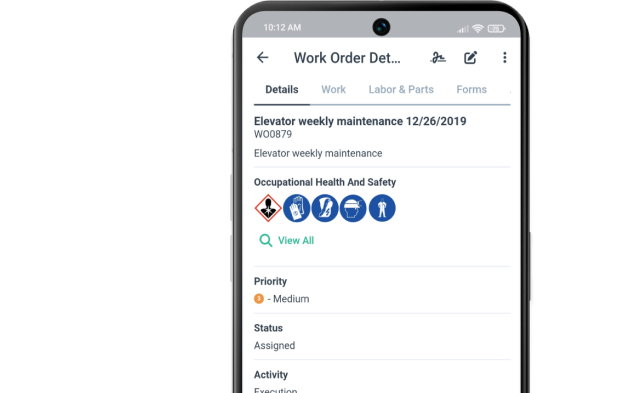
WorkTrek, for example, enables you to schedule service using predetermined intervals, assign tasks to specific workers, generate detailed work orders, and set up alerts for upcoming or overdue maintenance.
As depicted below, the software also documents all these activities, allowing you to see the whole upkeep history at a glance.
Source: WorkTrek
In other words, preventive maintenance is highly effective and has become much easier to implement.
It’s no surprise that so many organizations choose precisely this approach to avoid that dreaded unscheduled downtime.
51% of Maintenance Professionals Say That Machine Downtime and Breakdowns Are One of Their Top Challenges
Equipment uptime is one of the most valuable assets for manufacturing companies but, according to the 2024 Limble survey, they seem to have a hard time increasing it.
As it turns out, 51% of maintenance professionals agree that downtime is one of their top three biggest challenges.
Illustration: WorkTrek / Data: Limble
But why is downtime such a big issue?
Because it can seriously impact every facet of business operations.
It causes production lines to grind to a halt, crippling productivity and cutting into profits, all while damaging the company’s reputation due to delays.
On top of that, operational costs soar, particularly as overtime becomes a necessity to compensate for lost time.
In an attempt to catch up, manufacturers may even rush production, inviting a host of quality issues into the mix as well.
No matter how you look at it, downtime spells all kinds of trouble, which explains why so many plants highlight it as a critical concern in their facilities.
But just how often do they have to deal with it?
The Average Manufacturing Facility Suffers 20 Downtime Incidents a Month
The 2022 Siemens survey titled The True Cost of Downtime offers more detailed insights into this persistent problem, revealing that, on average, unplanned downtime occurs about 20 times a month.
Illustration: WorkTrek / Data: Siemens
The silver lining, the study emphasizes, is that this figure represents six fewer instances than two years prior.
So, does this mean that things are looking better for manufacturing maintenance?
Not exactly.
Although the number of incidents has decreased, the same research shows that recovery times are still alarmingly high.
Namely, the average plant loses more than a full day of production—25 hours to be exact—each month due to unplanned downtime.
According to the study, this issue persists because, while dedicated maintenance technology is improving, supply chains face serious challenges.
As a result, emergency repairs are often put on hold because it’s impossible to procure critical parts amidst all the material and component shortages.
To make matters worse, the industry is grappling with labor shortages, too. There simply aren’t enough skilled workers available to handle these repairs.
When you put it all together, downtime costs too much, and our next statistic reveals how much.
The Cost of an Hour’s Downtime in an Automotive Manufacturing Plant Was More Than $2M In 2021-2022
In the automotive industry, for example, just one hour of downtime costs a shocking $2 million.
In other sectors, such as oil and gas, the figure is around $500,000 per hour.
Illustration: WorkTrek / Data: Siemens
These expenses are reflected in lost revenue, the cost of emergency spare parts, increased labor costs, and other unnecessary costs.
But, what's even more alarming is that, across all industries, the cost of downtime increased by 50% from 2020 to 2022 due to inflation and production lines running at higher capacity.
That means today, the cost of downtime could be even higher.
It’s no surprise that more and more companies are adopting proactive maintenance strategies and advanced technologies to avoid these costly disruptions.
With profits at stake, there’s just no room for error.
91% of Manufacturing Maintenance Professionals Are Prioritizing the Improvement of Their Data Collection and Analysis Capabilities
With 91% of manufacturing companies working towards improving their data collection and analysis, it's quite clear that data truly is king, even within the realm of maintenance.
Illustration: WorkTrek / Data: Limble
We have already mentioned that today, so many different technological and process innovations are emerging, all with the goal of making our maintenance efforts more efficient.
But guess what?
None of these innovations are effective without accurate data.
Take predictive maintenance, for example.
Its main objective is to forecast asset failures and schedule maintenance to address potential problems without the risk of over-maintaining proactively.
It achieves that through data.
Predictive maintenance leverages real-time data gathered from a network of sensors on your machines.
This data is then fed into software armed with advanced analytical capabilities that identify patterns and provide users with actionable insights.
Many experts, such as Ankush Malhotra, Group CEO at Element Logic, a company providing warehouse optimization tech, believe that this type of maintenance will soon become the norm:
Predictive maintenance is becoming a need, not a want, especially as skilled labor is hard to come by and retain. AI offers a clear pathway, and there is a strong belief within the industry that manufacturers who don’t adapt to the benefits are likely to be left behind.
Rather than relying on guesswork or ineffective schedules, it focuses exclusively on data to develop better maintenance strategies and plans.
It’s natural that manufacturing facilities want to implement these predictive capabilities in their operations, which is why we see so many of them boosting their data collection and analysis efforts.
Conclusion
Overall, these statistics reveal a significant shift toward proactive, data-driven maintenance.
More than ever, companies prioritize upkeep based on real-time asset conditions, moving away from the outdated approaches of simply reacting to breakdowns or sticking to rigid time-based schedules.
This is because the consequences of both under- and over-maintenance can be steep, often leading to costly downtime.
Looking ahead, we’re likely to see an even greater push toward predictive—and even prescriptive—maintenance models, which will help maintenance professionals ensure assets get exactly the care they need, when they need it.

Operations & Maintenance
What is DFMEA
DFMEA stands for Design Failure Mode and Effects Analysis. Engineers and product developers use it to find and fix potential design problems before they become real issues.
DFMEA is a systematic approach to identify, evaluate, and prevent possible failures in product designs. This process helps companies make safer, more reliable products. It examines each part of a design and asks "What could go wrong here?" and "How bad would it be if it did?"
Illustration: WorkTrek / Quote: Coast
DFMEA is part of the larger FMEA family of risk management techniques. While FMEA can be used for many things, DFMEA focuses on product design. It's often used in automotive, aerospace, and electronics industries, where product failures could have serious consequences.
[ez-toc]
Overview of DFMEA
DFMEA stands for Design Failure Mode and Effects Analysis. It's a key tool in product development and quality control.
DFMEA is a type of Failure Modes and Effects Analysis (FMEA) that focuses on identifying potential failures in product design before they occur.
The main goal of DFMEA is to improve product safety and reliability. It does this by finding weak points in the design early on.
DFMEA follows a step-by-step process:
Define the scope
Identify potential failure modes
Assess the effects of failures
Rate the severity of the issues
Determine the likelihood of failures
Evaluate detection methods
Companies use DFMEA to manage risk in their product designs. It helps them spot problems that could lead to safety issues or product recalls.
DFMEA can be done at different levels. It can look at a whole system or focus on individual components.
Source: WorkTrek
The process involves teamwork. Engineers, designers, and quality experts often work together on DFMEA.
DFMEA can help companies save money and protect their reputation. It also helps prevent costly mistakes and ensures better product quality.
Objectives and Benefits of DFMEA
DFMEA aims to identify potential failure modes in a product's design before it reaches production. This proactive approach helps catch issues early.
A key objective is to improve product quality. By spotting problems in advance, companies can make design changes to prevent failures.
DFMEA also focuses on customer satisfaction. It helps create more reliable products that meet user needs and expectations.
Risk mitigation is another important goal. The process evaluates the severity, occurrence, and detection of potential failures, allowing teams to prioritize the most critical risks.
Some benefits of DFMEA include:
• Reduced warranty costs
• Fewer design changes late in development
• Improved safety and reliability
• Better compliance with regulations
DFMEA uses a Risk Priority Number (RPN) to rank failure modes. This helps teams decide where to focus their efforts for maximum impact.
Source: WorkTrek
Effective risk management is a significant advantage of DFMEA. It provides a structured way to address potential issues before they become real problems.
Prevention is at the heart of DFMEA. By considering possible failures, teams can design safeguards and controls to prevent issues from occurring.
Components of DFMEA
How does DFMEA work? DFMEA consists of several key elements that identify and assess potential design failures. These components help teams analyze risks and prioritize improvement efforts.
Severity, Occurrence, and Detection
Source: WorkTrek
Severity measures how serious the effects of a failure could be. It's usually rated on a scale of 1 to 10, with ten being the most severe.
Occurrence measures how often a failure might occur. Like severity, the scale is set from 1 to 10.
Detection rates how easy it is to spot a failure before it reaches the customer. This is also measured on a 1-10 scale.
These three factors help teams understand the overall risk of each potential failure mode. They form the basis for calculating the Risk Priority Number.
Risk Priority Number (RPN)
The Risk Priority Number (RPN) is a key metric in DFMEA. It's calculated by multiplying Severity, Occurrence, and Detection scores.
RPN = Severity × Occurrence × Detection
A higher RPN suggests a more critical issue that needs attention. For example:
Low RPN (1-100): Lower priority
Medium RPN (101-500): Moderate priority
High RPN (501-1000): High priority
Teams use the RPN to prioritize which issues to address first. This helps focus resources on the most critical problems.
Potential Failure Modes
Potential failure modes are how a design could fail to meet its intended function. These might include:
Component breakage
Software glitches
Electrical short circuits
Material degradation
Teams brainstorm and list all possible ways the design could fail. This step requires creativity and a deep understanding of the product.
It's important to consider both obvious and less obvious failure modes. Sometimes, seemingly minor issues can lead to significant problems later on.
Potential Effects of Failure
This component examines what could happen if a failure occurs. The effects can range from minor inconveniences to serious safety hazards.
Examples of potential effects include:
Product malfunction
Customer dissatisfaction
Safety risks
Regulatory non-compliance
Source: WorkTrek
Teams rate the severity of each effect. This helps prioritize which failures need the most attention.
Understanding the potential consequences helps teams make informed decisions about design improvements.
Potential Causes of Failure
Identifying potential failure modes is crucial for prevention. Common causes might include:
Poor material selection
Manufacturing defects
Environmental factors
Design flaws
Teams analyze each failure mode to determine its root causes. This often involves asking "why" multiple times to investigate the issue further.
Understanding causes helps teams develop effective preventive actions. It also aids in risk reduction and improving detection methods for similar issues in the future.
By addressing root causes, teams can significantly reduce the likelihood of failures occurring.
Executing the DFMEA Process
The DFMEA process involves several key steps to identify potential design failures. A systematic approach and cross-functional collaboration are essential for effective risk assessment and mitigation.
Cross-Functional Team Formation
A diverse team is crucial for a successful DFMEA. It typically includes engineers, quality specialists, and representatives from production and service departments.
The team brings together varied expertise and perspectives, which helps identify a wide range of potential issues.
Regular meetings and clear communication channels are established. These ensure that all team members can contribute effectively throughout the process.
Identification of Potential Risks
The team reviews the design thoroughly. They consider all components, functions, and interactions within the system to help reduce system failure.
Source: WorkTrek
Brainstorming sessions are conducted to identify possible failure modes. These sessions encourage open discussion and creative thinking.
Each potential failure is documented, along with its possible causes and effects. This creates a comprehensive list of risks to be evaluated.
Historical data and lessons from previous projects are also considered. This helps identify risks that may not be immediately apparent.
Evaluation and Prioritization of Risks
Each identified risk is assessed based on three factors:
severity
Occurrence
Detection.These factors are typically rated on a scale of 1 to 10.
The Risk Priority Number (RPN) is calculated by multiplying these three factors. This provides a quantitative measure for prioritizing risks.
Risks with higher RPNs are given priority for mitigation. However, the team also considers the severity of consequences independently.
A matrix or table is often used to visualize the risk assessment results. This helps quickly identify the most critical areas for improvement.
Risk Control Measures
For each prioritized risk, the team develops control measures. These include both prevention and detection controls.
Prevention controls aim to reduce the likelihood of failure occurrence. They may involve design changes, material improvements, or process modifications.
Detection controls focus on identifying failures before they reach the customer. These may include inspection methods, testing procedures, or monitoring systems.
The team considers the feasibility and effectiveness of each proposed measure. Cost-benefit analysis is often performed to ensure efficient resource allocation.
Implementation and Monitoring of Corrective Actions
An action plan for implementing the chosen control measures is developed. This plan includes responsibilities, timelines, and resource requirements.
The team regularly tracks implementation progress and uses CMMS tools like WorkTrek to ensure timely task completion.
Illustration: WorkTrek / Data: Pinterest
After implementation, the effectiveness of the control measures is evaluated. This may involve testing, data collection, and analysis.
If necessary, the team adjusts the control measures based on the results. This iterative process ensures continuous improvement in design reliability.
The DFMEA document has been updated to reflect the implemented changes. This document serves as a valuable reference for future projects and continuous improvement efforts.
DFMEA in Different Industries
Design Failure Mode and Effects Analysis (DFMEA) is used across various industries to improve product safety and reliability. Its application varies based on industry-specific needs and regulations.
In the automotive industry, DFMEA is crucial for producing safer vehicles. Car manufacturers use it to analyze brake systems, engines, and other critical components, helping prevent potential failures that could lead to accidents.
The aerospace sector relies on DFMEA to ensure aircraft safety. Engineers analyze every part, from wings to landing gear, to identify possible failures. This thorough approach helps maintain high safety standards in aviation.
Healthcare uses DFMEA to design medical devices and equipment. It helps identify risks in devices like pacemakers or X-ray machines. This process is vital for patient safety and meeting strict medical regulations.
In the defense industry, DFMEA is used to develop reliable military equipment. It helps analyze potential failures in weapons systems, vehicles, and communication devices.
Illustration: WorkTrek / Quote: Agilian
This ensures equipment performs well in challenging conditions.
Industrial applications of DFMEA include:
Manufacturing machinery
Chemical processing plants
Power generation systems
By using DFMEA, these industries can create safer, more efficient products and processes.
DFMEA Throughout the Product Lifecycle
Design Failure Mode and Effects Analysis (DFMEA) plays a key role in every stage of a product's life. It helps catch issues early, boosts quality, and cuts costs. Let's look at how DFMEA works in different phases.
Product Design and Development
In this phase, DFMEA is crucial for identifying potential failure modes before they become real problems. Engineers use it to spot weak points in the design.
They look at each part and ask:
How might this fail?
What would happen if it did?
How likely is it to fail?
This helps them make the product safer and more reliable. They can fix issues on paper, which is much cheaper than fixing them later.
DFMEA also guides testing plans. It shows which parts need extra checks, saving time and money by focusing efforts where they matter most.
Manufacturing and Assembly Processes
As the product moves to production, DFMEA shifts focus. Now, it examines how the manufacturing process might cause failures.
Teams check:
If parts fit together right
If assembly steps might damage components
If variations in the process could lead to defects
This helps improve productivity and product quality. It can lead to changes in how things are made or put together.
DFMEA also helps pick the right equipment. It shows where precision matters most, guiding choices about machines and tools.
Post-Market Surveillance
DFMEA doesn't stop when the product ships. It's a key tool for tracking real-world performance.
Teams use it to:
Analyze customer complaints
Spot trends in product returns
Guide updates and fixes
This ongoing review helps improve each product version and feeds back into the design process for new products.
DFMEA, in this phase, can catch issues that slipped through earlier checks. It's a vital part of continual improvement and maintaining product safety.
Integrating DFMEA with Other Quality Tools
Illustration: WorkTrek / Data: EZO CMMS
DFMEA works best when combined with other quality management tools. This approach creates a more robust quality assurance system.
One key tool to pair with DFMEA is design review. Design reviews allow teams to evaluate DFMEA findings and make improvements before production begins.
Design verification is another important integration process. It helps confirm that DFMEA recommendations have been properly implemented.
DFMEA results can inform quality control measures. Teams can focus QC efforts on areas identified as high-risk during the DFMEA process.
Corrective and preventive actions often stem from DFMEA findings. These actions address potential failures before they occur in real-world use.
When guided by DFMEA, reliability testing becomes more targeted. Engineers can design tests to evaluate specific failure modes identified in the analysis.
Regularly updating the DFMEA enhances continuous improvement. As new information emerges, teams can refine their analysis and mitigation strategies.
By combining DFMEA with these tools, organizations create a comprehensive approach to quality management. This integration helps ensure safer, more reliable products.
Common Challenges and Best Practices
Design Failure Mode and Effects Analysis (DFMEA) involves several key challenges. Teams must avoid common mistakes, implement effective prevention and detection strategies, and foster collaboration to maximize results.
Avoiding Common Mistakes
Several pitfalls can hinder DFMEA implementation. One frequent error is focusing too narrowly on known issues while overlooking potential new failure modes. This can lead to incomplete risk assessments.
Another mistake is assigning unrealistic severity ratings. Teams may underestimate or exaggerate the impact of certain failures, skewing the analysis.
Inadequate root cause analysis is also problematic. Failure to dig deep enough into underlying causes can result in ineffective prevention measures.
Teams should use clear, specific language when describing failure modes and effects. Vague descriptions make it difficult to develop targeted solutions.
Incorporating Prevention and Detection Strategies
Effective DFMEA processes emphasize both prevention and detection controls. Prevention controls aim to prevent failures from occurring. These may include design changes, material upgrades, or improved manufacturing processes.
Detection controls help identify failures quickly if they do occur. Examples include sensors, quality checks, and testing procedures.
Teams should prioritize prevention over detection when possible. It's better to avoid failures than to catch them after the fact.
A balanced approach is key. Robust prevention and detection strategies work together to minimize risks and improve product reliability.
Maximizing Team Collaboration
Illustration: WorkTrek / Data: UC Today
Cross-functional teams are essential for effective DFMEA. Including members from design, manufacturing, quality, and service departments provides diverse perspectives on potential failures.
Clear communication is crucial. Team members must share information openly and listen to different viewpoints.
Regular meetings help keep everyone aligned. These sessions allow for updates on progress and discussion of new insights.
Assigning clear roles and responsibilities ensures all aspects of the analysis are covered. This prevents important tasks from falling through the cracks.
Decision-making should be collaborative. Encouraging input from all team members leads to more comprehensive risk assessments and mitigation strategies.
DFMEA Documentation and Reporting
Proper documentation and reporting are crucial for an effective DFMEA process. Clear records help teams track issues, prioritize actions, and make informed decisions to improve product designs.
DFMEA Template Usage
A well-structured DFMEA template is essential for consistent documentation. The template typically includes columns for:
Item/Function
Potential Failure Mode
Potential Effects
Severity Score
Potential Causes
Occurrence Rating
Current Controls
Detection Score
Risk Priority Number (RPN)
Teams fill out each column systematically, ensuring all potential failure modes are captured and evaluated. A standardized template helps maintain consistency across different projects and facilitates easier comparison and analysis.
Generating Action Items
Action items are concrete steps to address identified risks. They emerge from the DFMEA analysis and focus on high-risk areas.
To generate effective action items:
Prioritize based on RPN scores
Focus on failure modes with high severity or occurrence ratings
Consider detection improvements for hard-to-detect issues
Assign responsible team members and deadlines
Regular reviews of action items ensure progress and help update the DFMEA as designs evolve.
Making High-Priority Recommendations
High-priority recommendations target the most critical risks identified in the DFMEA. These recommendations should:
Address failure modes with the highest RPN scores
Focus on reducing the severity or occurrence of potential failures
Suggest improved detection methods for critical issues
Consider the cost-effectiveness and feasibility of implementation
Teams should present these recommendations clearly, backed by data from the DFMEA analysis. Prioritizing recommendations helps decision-makers allocate resources effectively and tackle the most pressing design concerns first.
Advanced DFMEA Topics
Software tools, systematic risk assessment, and regulatory compliance can enhance design failure mode and effects analysis (DFMEA), which helps improve product design and reliability.
Leveraging Software Tools
Software tools streamline the DFMEA process and boost efficiency. These programs offer templates, databases, and automated calculations. They help teams track changes, collaborate remotely, and generate reports quickly.
Many DFMEA software options integrate with other design tools. This integration allows for real-time updates as designs change and helps maintain consistency across different analyses.
Illustration: WorkTrek / Data: SelectHub
Some advanced features include:
Customizable risk matrices
Automatic risk priority number (RPN) calculations
Failure mode libraries
Visual mapping of system functions
These tools often provide data analytics capabilities. Teams can spot trends and focus on high-risk areas more easily.
Adopting a Systematic Approach to Risk Assessment
A systematic approach to risk assessment in DFMEA ensures thorough analysis. It starts with breaking down the product into its components and system functions.
Teams then identify potential failure modes for each function. They assess the severity, occurrence, and detection of each failure mode. This assessment leads to calculated risk priority numbers (RPNs).
Key steps in systematic risk assessment include:
Function analysis
Failure mode identification
Effect analysis
Cause analysis
Control evaluation
Teams prioritize actions based on RPNs and other factors. They develop and implement risk mitigation strategies, and regular reviews ensure the effectiveness of these actions.
Standards and Regulatory Compliance
DFMEA plays a crucial role in meeting industry standards and regulatory compliance. Many sectors have specific DFMEA requirements or guidelines.
For example, the automotive industry uses the AIAG-VDA FMEA standard, and medical device manufacturers must comply with ISO 14971 for risk management.
Compliance often involves:
Documenting the DFMEA process
Using standardized severity and occurrence ratings
Implementing traceability measures
Conducting regular reviews and updates
Teams should stay updated on relevant standards and adapt their DFMEA processes to meet changing regulations. This approach ensures products meet safety and quality requirements.

Enterprise Asset Management
Why Spare Parts Management Matters
Spare parts management may not be the glamorous part of running a business, but it’s one of the most critical. Every industry that relies on machinery—manufacturing, transportation, energy, or construction—needs a smooth and efficient way to manage its spare parts inventory.
Illustration: WorkTrek / Data: MARK-PILOT
Imagine your business grinding to a halt because you couldn’t find a small yet crucial part in time. It's a scenario no one wants to face, yet without proper spare parts inventory management, this is a daily risk.
In this blog, we’ll discuss why having a solid system to manage your spare parts can be a game changer. By the end, you'll understand how it can reduce downtime, save money, and improve efficiency and customer satisfaction.
Understanding the Basics of Spare Parts Management
Spare parts management involves overseeing, tracking, and controlling an organization’s inventory of spare components needed for equipment repair and maintenance. This should be part of any inventory control process for critical spare parts.
It’s about more than just keeping parts on a shelf. You need the right parts at the right time without overstocking or understocking.
Many organizations fail here. They don’t give enough thought to managing their spare parts until something breaks down. Then, they’re left scrambling to find what they need, which costs them dearly.
So, why is spare parts management critical? Let’s break it down.
Downtime Costs More Than You Think
We’ve all been there: A critical piece of equipment breaks down, and the whole operation comes to a standstill. This downtime doesn’t just affect productivity. It hits your bottom line in more ways than one.
Let’s take a manufacturing example. If a production line stops for even one hour, you can expect significant financial losses.
Illustration: WorkTrek / Data: Sparrow
According to The International Society of Automation, equipment downtime in the manufacturing industry can cost between $20,000 and $30,000 per hour. It can be even higher for sectors like oil and gas, reaching up to $88,000 per hour!
The scary part? Much of this downtime could be avoided if spare parts were appropriately managed. A well-organized system can significantly reduce the time needed to get equipment back up and running.
The Ripple Effect of Downtime
When you experience downtime, it doesn’t just impact the immediate area where the failure occurred. Think of it as a ripple effect. Here’s what can happen:
1. Production Halts:
Equipment breakdowns can cause a bottleneck in your production process. As a result, you may miss deadlines, disappoint customers, and potentially lose contracts.
ff2. Labor Inefficiencies:
While your machines are down, employees may be left waiting for repairs to be completed. You're paying for that time without getting any work done.
3. Customer Dissatisfaction:
Your reputation will suffer if you can’t deliver products or services on time due to equipment failure. Customers will not only get frustrated but also take their business elsewhere.
4. Unplanned Overtime:
When equipment is finally repaired, your team might need to work overtime to compensate for lost production time, adding additional costs to your budget.
Implementing a robust spare parts management system minimizes these costly ripple effects. Downtime is reduced, and your entire operation can continue functioning smoothly.
Avoiding the Overstocking and Understocking Dilemma
Effective spare parts management is about finding the perfect balance between having enough parts to meet demand and not having so many that you're wasting money on excess inventory. This is known as avoiding the overstocking and understocking dilemma.
When you overstock, you’re tying up valuable capital in parts that may sit on the shelf for months—or even years—without use. Worse, they might become obsolete as newer machinery models come into play.
Illustration: WorkTrek / Data: Fin Models Lab
On the flip side, understocking leaves you vulnerable when critical equipment breaks down. If you don’t have the part available, you’re forced to scramble for an emergency procurement, which leads to rush fees, shipping costs, and inflated prices from suppliers who know you’re in a pinch.
So, how do you avoid both scenarios? Technology plays a huge role.
Using Technology to Optimize Inventory
Modern technology allows companies to manage their spare parts inventory without relying on manual processes or gut feelings. Today, advanced systems can track usage patterns, monitor stock levels in real-time, and even predict when certain parts are likely to fail based on historical data.
Here are some of the top tools to help you manage spare parts effectively:
1. CMMS (Computerized Maintenance Management Systems):
A CMMS system like WorkTrek tracks maintenance tasks and schedules. It also allows you to manage spare parts by keeping a record of your inventory, flagging low stock levels, and automating reordering processes.
Illustration: WorkTrek / Data: SM Global
2. ERP (Enterprise Resource Planning):
ERP systems go a step further by integrating spare parts management with other areas of your business, like finance, procurement, and logistics. This gives you a complete view of how spare parts inventory impacts other parts of the business.
3. Barcoding and RFID:
You can track each part's movement through your warehouse or facility by tagging each part with a barcode or RFID tag. This eliminates the guesswork and human error involved in manual inventory tracking. Scanning technology helps you instantly update stock levels, ensuring accuracy at all times.
4. Predictive Analytics:
With the help of data analytics, businesses can forecast the demand for specific spare parts. This means you can anticipate when a part will be needed based on factors like machine age, usage patterns, and past breakdowns.
These technologies save time, increase efficiency, and reduce the risk of running out of critical parts.
Preventive Maintenance: Your Secret Weapon
One of the biggest benefits of having an organized spare parts management system is that it allows you to stay ahead of the game regarding preventive maintenance.
Instead of waiting for something to break, preventive maintenance allows you to service your equipment regularly before issues arise. This reduces the chances of major equipment failure, which can be far more expensive.
Illustration: WorkTrek / Data: Milliken
Preventive maintenance depends heavily on having the right spare parts available when needed. If you’re missing a part, the whole plan can fall apart. A well-managed spare parts inventory ensures you’re always ready for scheduled maintenance, which keeps your equipment in peak condition and prevents unexpected downtime.
Financial Impact of Effective Spare Parts Management
Beyond reducing downtime, efficient spare parts management directly impacts your financial performance.
Let’s break it down:
1. Reduced Holding Costs:
Excess inventory ties up capital that could be used elsewhere. By managing your inventory more effectively, you can reduce holding costs and free up funds for other investments.
2. Lower Procurement Costs:
With a reliable system, you can avoid last-minute, emergency purchases, which are typically much more expensive. Planning allows you to purchase parts in bulk, take advantage of discounts, and negotiate better deals with suppliers.
3. Fewer Production Delays:
The production runs smoothly when equipment is maintained correctly, and spare parts are readily available. This means you can meet customer demand, increase output, and improve profitability.
4. Improved Cash Flow:
You improve your company's cash flow by not overstocking and tying up cash in unnecessary parts. This allows you to reinvest in growth, innovation, or other critical business areas.
Building Strong Relationships with Suppliers
Another overlooked benefit of good spare parts management is building strong, long-term supplier relationships.
When you clearly understand your spare parts needs, you can work more closely with suppliers to ensure timely deliveries, negotiate better pricing, and even secure priority service in case of emergencies.
Source: WorkTrek
A good supplier relationship isn’t just about getting parts on time—it’s about being proactive. Communicating your needs ahead of time helps suppliers better anticipate demand, avoiding shortages and delays.
Plus, if you're seen as a reliable, long-term partner, you’re more likely to get preferential treatment, like discounted rates or access to new technologies.
Enhancing Operational Efficiency
A streamlined spare parts management system doesn’t just save money—it improves operational efficiency across the board. When parts are readily available, and maintenance processes are efficient, your employees can focus on their primary tasks instead of wasting time searching for parts or waiting for repairs.
This is particularly important for industries that rely on continuous operations, such as manufacturing, utilities, or healthcare. Even minor delays can have major consequences in these sectors.
Automating parts management reduces human error, speeds up repair times, and ensures that your machinery is always running at its best. This boosts productivity and reduces the stress on your maintenance teams, allowing them to focus on preventing problems rather than reacting to them.
The Role of Security in Spare Parts Management
You might not think of spare parts as a high-security item, but they can be a target for theft or mismanagement. High-value parts are especially vulnerable; losing just one critical component can be costly.
That’s why it's so important to incorporate security measures into spare parts management. Surveillance cameras, restricted access areas, and inventory audits are just a few ways to secure your parts.
Ensuring that only authorized personnel can access your parts inventory reduces the theft risk and improves accountability.
Extending the Lifespan of Your Equipment
Ultimately, proper spare parts management contributes to the longer lifespan of your equipment. When you have the parts needed to perform maintenance promptly, you’re extending the usable life of your machinery.
Illustration: WorkTrek / Quote: SCMDOJO
Regular maintenance and timely repairs prevent minor issues from turning into major problems. This reduces wear and tear on your equipment and helps you get more value from your investment.
And it’s not just about keeping things running for the sake of it. Extending the life of your equipment also means you can delay costly replacements and avoid unnecessary capital expenditures. This is a win for your bottom line.
Conclusion: The Real Value of Spare Parts Management
At its core, effective spare parts management is about being prepared. When you’re prepared, you avoid unnecessary downtime, save money, improve efficiency, and keep your team and customers happy.
It’s a simple concept, but its impact is far-reaching. By investing in a robust spare parts management system, you can ensure the smooth operation of your business, enhance your financial performance, and maintain a competitive edge.
So, if you haven’t already, now’s the time to examine your spare parts management. Implementing the right strategies today can set you up for long-term success tomorrow.

Enterprise Asset Management
What is MRO Inventory?
Maintenance organizations often struggle with unexpected equipment failures and delays due to missing or insufficient parts, leading to costly downtime and operational inefficiencies.
When critical components aren't readily available, repair timelines extend, equipment stays offline longer, and productivity suffers. The impact can ripple across the entire operation, resulting in missed deadlines, frustrated employees, and increased operational costs.
Illustration: WorkTrek / Data: Verusen
Effective MRO inventory management ensures that essential parts and tools are always on hand, enabling maintenance teams to quickly respond to issues, minimize downtime, and keep operations running smoothly.
It can include tools, spare parts, safety gear, and cleaning supplies. This leads to improved operational efficiency, cost savings, and greater reliability across the organization.
Understanding MRO Inventory
MRO inventory can help your business run smoothly. It covers a wide range of items used to support daily operations and maintain equipment.
Definition of MRO
MRO stands for Maintenance, Repair, and Operations. This inventory includes supplies and materials companies need to keep their facilities and equipment in good working order.
Illustration: WorkTrek / Data: MRP Easy
MRO items are not part of the final product sold to customers. Instead, they support the production process and daily business activities. Examples include tools, spare parts, safety gear, and cleaning supplies.
Companies use MRO inventory to fix broken machinery, perform routine maintenance, and keep workspaces clean and safe.
Components of MRO Inventory
MRO inventory consists of several key categories:
Maintenance supplies: Lubricants, filters, and replacement parts
Repair tools: Wrenches, screwdrivers, and diagnostic equipment
Safety equipment: Hard hats, gloves, and fire extinguishers
Office supplies: Paper, pens, and printer ink
Cleaning supplies: Mops, detergents, and trash bags
Illustration: WorkTrek / Data: SupplyChain247
These items help keep operations running smoothly and safely. They prevent equipment breakdowns and ensure a clean, organized workspace.
Importance of MRO in Business Operations
MRO inventory is vital for operational efficiency. It helps companies avoid costly downtime and maintain productivity.
When machines break down, having the right repair parts can save valuable time. This reduces production delays and keeps customers satisfied.
Illustration: WorkTrek / Data: Quality Digest
Proper MRO management also improves safety. Well-maintained equipment is less likely to malfunction and cause accidents, and safety gear protects workers from potential hazards.
MRO inventory helps control costs by preventing emergency purchases at higher prices. Regular maintenance also extends the life of equipment, saving money in the long run.
MRO Inventory Management
Managing MRO inventory effectively can reduce costs and improve operational efficiency. Proper management involves strategic approaches, control techniques, and technology leveraging.
Key Strategies for Effective Management
MRO inventory management starts with clear categorization and organization. Companies should group items by type, usage frequency, and criticality.
Implementing ABC analysis helps prioritize inventory based on value and importance. This method groups items into A (high-value), B (medium-value), and C (low-value) categories.
Regular audits ensure accuracy and identify obsolete items. Setting par levels for each item prevents stockouts and overstocking.
Standardizing parts across equipment reduces inventory variety and simplifies ordering. Establishing strong supplier relationships can lead to better pricing and faster deliveries.
MRO Inventory Control Techniques
Effective control begins with accurate tracking. Using barcodes or RFID tags improves data accuracy and speeds up processes.
Just-in-time ordering reduces carrying costs by maintaining minimal stock levels. This approach works well for non-critical, easily obtainable items.
Source: WorkTrek
Consignment inventory arrangements with suppliers can lower upfront costs. The supplier owns the inventory until it's used, reducing the financial burden.
Implementing a centralized storage system improves organization and accessibility. This setup allows better control over stock levels and usage patterns.
Technology and MRO
Inventory management software streamlines processes and provides real-time data. These systems can track stock levels, automate reordering, and generate reports.
Mobile devices and apps allow for instant updates and access to inventory data. This mobility improves efficiency in large facilities.
Source: WorkTrek
Data analytics helps identify trends, optimize stock levels, and forecast future needs. By analyzing historical data, companies can make informed decisions about inventory management.
Cloud-based systems offer accessibility and scalability. They allow multiple users to access data from various locations, improving collaboration and decision-making.
Inventory Optimization
Optimizing MRO inventory involves balancing stock levels, forecasting demand, and aligning with maintenance needs. These strategies help companies reduce costs while ensuring critical parts are available when needed.
Balancing Safety Stock and Overstocking
MRO inventory optimization aims to find the right balance between safety stock and overstocking. Safety stock prevents stockouts during unexpected demand spikes or supply chain disruptions.
Illustration: WorkTrek / Data: Comparesoft
Too little safety stock can lead to costly downtime. Too much ties up capital and increases storage costs.
Companies use data analysis to set optimal safety stock levels. They consider factors like:
• Lead times
• Demand variability
• Criticality of parts
• Storage costs
Reorder points are set to trigger new orders before stock runs out. This helps maintain efficiency while avoiding excess inventory.
Forecasting and Demand Planning
Accurate forecasting is key to inventory optimization. It helps predict future needs and adjust stock levels.
Demand forecasting uses historical data and trends. It accounts for factors like:
• Seasonal patterns
• Equipment lifecycles
• Planned maintenance schedules
Advanced analytics and machine learning improve forecast accuracy. This leads to better inventory decisions and reduced waste.
Companies also use collaborative forecasting. They work with suppliers and maintenance teams to align predictions and plans.
Maintenance Schedules and Predictive Analysis
Aligning inventory with maintenance needs is crucial for efficiency. Predictive maintenance uses data to forecast when equipment will need service.
This approach helps:
• Reduce unexpected breakdowns
• Optimize parts ordering
• Minimize excess inventory
Companies use sensors and IoT devices to monitor equipment health. This data feeds into predictive models.
The maintenance schedules are then adjusted based on the actual equipment condition. This prevents premature part replacements and unexpected failures.
Inventory levels are synced with these schedules. This ensures parts are available when needed without overstocking.
Procurement and Supply Chain
MRO inventory management is closely tied to procurement and supply chain processes. Effective strategies can lead to cost savings, improved efficiency, and better inventory control.
Improving Supplier Relationships
Strong supplier relationships are important to effective MRO procurement. Regular communication helps ensure timely deliveries and quality products. Suppliers can offer insights on new technologies and market trends.
Illustration: WorkTrek / Data: Logistics Management
Vendor-managed inventory (VMI) is a useful approach. In this model, suppliers take responsibility for maintaining agreed-upon stock levels. This can reduce administrative burden and improve inventory accuracy.
Long-term contracts with preferred suppliers often lead to better pricing and service. However, it is important to regularly review these agreements to ensure they remain competitive.
Impact of MRO on Supply Chain Management
MRO inventory directly affects supply chain performance. Proper management helps prevent production delays and equipment downtime, leading to smoother operations and improved customer satisfaction.
Illustration: WorkTrek / Data: McKinsey&Companu
Accurate forecasting of MRO needs can help optimize stock levels and reduce the risk of stockouts or excess inventory. Advanced analytics tools can improve forecasting accuracy.
Integration of MRO processes with broader supply chain systems is beneficial. This allows for better visibility and control over inventory levels and spending.
Centralized Versus Decentralized Inventory
The choice between centralized and decentralized MRO inventory affects procurement and supply chain strategies.
Centralized inventory:
Allows for bulk purchasing and better negotiation power
Improves inventory visibility and control
This may lead to longer lead times for remote locations
Decentralized inventory:
Provides faster access to parts for individual facilities
This can result in higher overall inventory levels
This may lead to inconsistent practices across locations
Many organizations opt for a hybrid approach. This combines the benefits of centralized purchasing with strategically placed local inventories for critical items.
Financial Implications
MRO inventory has significant effects on a company's bottom line. It impacts costs, profitability, and equipment performance in various ways.
Reducing Costs and Enhancing Profitability
Effective MRO inventory management can lead to significant cost savings. Companies can cut expenses by avoiding overstocking and reducing waste. Smart procurement strategies help negotiate better prices with suppliers.
Tracking usage patterns allows businesses to order only what they need. This frees up cash that would otherwise be tied up in excess inventory.
Improved inventory control also reduces downtime. When parts are available, repairs happen faster, keeping production running smoothly and boosting profits.
Analyzing MRO Expenditures
Regular analysis of MRO spending reveals areas for improvement. Companies should track costs for different categories, such as spare parts, tools, and safety gear.
Identifying high-cost items helps prioritize cost-cutting efforts. It's also important to look at spending trends over time.
MRO inventory typically makes up 6 to 10 percent of a company's total procurement spend. Minor improvements can have a big impact on the overall budget.
Data analytics can uncover hidden costs and inefficiencies, leading to smarter purchasing decisions and better inventory management.
Impact on Equipment Lifespan and Maintenance
Good MRO practices extend equipment life and reduce repair costs. Having the right parts on hand means faster repairs and less downtime.
Regular maintenance, made possible by proper MRO inventory, prevents small issues from becoming big problems, saving money on major repairs or replacements.
For example, timely forklift repair using stocked parts keeps the machine running longer and avoids costly rush orders for emergency repairs.
Tracking maintenance history helps predict future needs, allowing for better planning and more efficient use of MRO inventory.
MRO Inventory in Various Industries
MRO inventory can play a different role across different sectors, each with its unique challenges and requirements. Companies must adapt their MRO practices to fit their industry needs and size.
Industry-Specific MRO Challenges
Manufacturing plants face high demands for machine parts and industrial equipment. They must balance having enough spare parts on hand without tying up too much capital in inventory.
Source: Insights by worldref
Healthcare facilities require a steady supply of medical devices and laboratory equipment. Hospitals must maintain sterile environments, so janitorial supplies are critical MRO items.
Construction companies deal with tool management and equipment maintenance. They often struggle with tracking MRO items across multiple job sites.
The aviation industry has strict regulations for airplane parts. Airlines must keep detailed records of all MRO materials used in aircraft maintenance.
MRO Examples Across Sectors
In manufacturing, MRO inventory includes lubricants, safety gear, and machine components. Factories stock items like bearings, belts, and pneumatic fittings.
Hospitals maintain stocks of medical supplies, cleaning products, and repair tools. Common MRO items include syringes, disinfectants, and HVAC filters.
IT companies keep spare computer parts, networking cables, and software licenses as MRO inventory. Data centers stock backup power supplies and cooling system components.
Retail stores manage MRO goods like light bulbs, shopping carts, and price tag guns. They also stock cleaning supplies and maintenance tools for store upkeep.
Adapting MRO Practices for Small Businesses
Small businesses can also benefit from MRO best practices. They should start by identifying critical items that could cause downtime if they are not available.
A small auto repair shop might focus on stocking common replacement parts and specialized tools. This helps reduce repair delays and improves customer satisfaction.
Local restaurants can manage their MRO inventory by tracking kitchen equipment parts and cleaning supplies. This prevents unexpected stockouts that could disrupt service.
Illustration: WorkTrek / Quote: Net Suit
Small manufacturers can use CMMS software like WorkTrek to track MRO items. This helps them avoid overstocking while ensuring they have the necessary repair components.
Key Performance Indicators for MRO
Measuring and improving MRO inventory management requires tracking specific metrics. These indicators help businesses optimize their maintenance, repair, and operations processes.
Selecting Relevant KPIs
Key performance indicators for MRO inventory focus on costs, efficiency, and demand fulfillment. Common KPIs include inventory turnover ratio, stockout rate, and carrying costs.
Inventory turnover measures how quickly MRO items are used. A higher ratio often indicates better inventory management.
Stockout rate tracks the frequency of inventory shortages. Lower rates suggest improved operational continuity.
Carrying costs reflect the expenses of holding MRO inventory. This includes storage, insurance, and depreciation.
Other useful KPIs are:
Order accuracy rate
Supplier lead time
Emergency order frequency
Tracking and Improving MRO Metrics
Effective MRO supply chain management relies on robust data collection and analysis. Regular monitoring of KPIs helps identify trends and areas for improvement.
Illustration: WorkTrek / Data: Reliabilityweb
To enhance MRO inventory performance:
Implement inventory tracking software
Train staff on proper data entry
Set target values for each KPI
Review metrics regularly
Continuous improvement strategies include:
Optimizing reorder points
Negotiating with suppliers for better lead times
Streamlining the procurement process
Businesses can reduce costs, minimize downtime, and improve overall operational efficiency by focusing on these metrics.
Summary
By keeping essential supplies and tools readily available, businesses can avoid costly delays, improve productivity, and enhance equipment lifespan. Effective management involves strategic categorization, forecasting, and technology to optimize stock levels and streamline processes.
Whether in manufacturing, healthcare, or small businesses, a well-managed MRO inventory contributes to smoother operations, better safety, and long-term cost savings. Investing in proper MRO practices ultimately leads to more reliable and profitable operations.
Enterprise Asset Management
Ultimate Guide to Spare Parts Management
Poor spare parts management can cause organizations to struggle with operational inefficiencies and costly downtime. Production delays, extended equipment outages, and increased maintenance costs can severely impact business performance without the right parts available when needed.
Illustration: WorkTrek / Data: Sparrow
Imagine equipment failing during a critical production cycle; the necessary part isn't readily available. Every minute of downtime translates to lost revenue, frustrated customers, and strained maintenance teams. Additionally, overstocking parts can lead to excess costs, wasted resources, and storage inefficiencies.
Implementing an effective spare parts management system ensures the right parts are on hand when needed, reducing downtime and keeping operations running smoothly. This approach improves asset reliability, controls inventory costs, and supports a proactive maintenance strategy, ultimately optimizing overall operational efficiency and enhancing profitability.
Understanding Spare Parts Management
Spare parts management can keep equipment running smoothly. It involves stocking and tracking replacement components to fix broken machines quickly.
Importance of Spare Parts in Maintenance
You need working spare parts to fix equipment quickly. Having the right parts on hand lets maintenance teams make repairs immediately, keeping production going and saving money.
Source: WorkTrek
Critical spare parts need special attention. These are components that will shut down operations if they fail. Stocking them is a must to avoid costly delays.
Regular parts are also important. They prevent minor issues from turning into big problems. A good stock of common parts helps maintenance run smoothly.
Challenges in Spare Parts Management
Spare part management can be tricky. One big issue is deciding what to stock and how much.
Too few parts can lead to long repair delays, but too many waste money and space. It is important to find the right balance.
Tracking parts is another challenge. Organizing the spare parts area is crucial. Parts must be easy to find when needed.
Keeping data up to date is also challenging. Part numbers, locations, and quantities change often, and good systems are needed to keep information correct.
Predicting part needs is tough, too. Usage patterns can shift with equipment age and conditions.
Inventory Management Fundamentals
Effective spare parts management relies on solid inventory control practices. Balancing stock levels with costs is key to optimizing operations.
Stock Levels and Lead Times
Computerized systems help track and manage parts inventory. These tools monitor stock levels and reorder points. They alert managers when supplies run low.
Source: WorkTrek
Lead times affect inventory decisions. Parts with long lead times may need higher stock levels. This prevents stockouts during critical repairs.
Safety stock acts as a buffer against demand spikes. It protects against supply chain disruptions. The right amount depends on part criticality and usage patterns.
Demand forecasting improves inventory accuracy. It uses historical data and trends to predict future needs.
This helps prevent overstocking or understocking of spare parts.
Inventory Cost Considerations
Holding costs include storage, insurance, and depreciation. These increase with larger inventories. Managers must balance holding costs against stockout risks.
Source: WorkTrek
Ordering costs cover purchasing and receiving parts. Frequent small orders increase these costs. Bulk orders may reduce per-unit costs but tie up more capital.
Centralized storage can lower overall inventory costs. It improves accuracy and accessibility. This approach often reduces duplicate stock across locations.
Obsolescence is a major cost risk for spare parts. Slow-moving items may become outdated before use. Regular inventory turnover reviews help identify at-risk parts.
Spare Parts Inventory Strategies
Managing spare parts inventory requires careful planning and smart tactics. The right approach can save money and keep operations running smoothly. Three key strategies help businesses optimize their spare parts management.
Economic Order Quantity (EOQ)
EOQ helps find the ideal order size for spare parts. It balances ordering and holding costs to minimize total inventory costs.
To calculate EOQ, you need annual demand, ordering cost per order, and holding cost per unit per year. The formula is:
EOQ = √[(2 x Annual Demand x Ordering Cost) / Holding Cost]
Using EOQ can lead to big savings. It reduces excess stock and frequent orders. This method works well for parts with steady demand.
CMMS Systems can help track inventory and calculate EOQ, making it easier to keep the right amount of parts on hand.
Just-In-Time (JIT) Inventory
JIT aims to have parts arrive precisely when needed. This cuts storage costs and reduces waste. It works well for expensive parts or those with short shelf lives.
JIT requires close ties with suppliers. You need fast, reliable delivery. Good forecasting is also key. Without it, you risk running out of critical parts.
Detailed maintenance records help with JIT. They show patterns in part usage. This info helps predict when you'll need new parts.
JIT can be risky. A single delay can halt production. But when done right, it greatly improves efficiency.
ABC Analysis for Inventory Control
ABC analysis groups spare parts by value and importance. It helps focus management efforts where they matter most.
A items: These are high-value, critical-to-operations items. They get the most attention because they are for critical equipment. These items are well suited for JIT.
B items: Moderate value and importance.
C items: These are low-value and many in number. You can use simpler controls for these items and keep higher inventory counts due to the lower cost of the material.
Illustration: WorkTrek / Data: MarktPilot
Use proper labeling and organization for ABC analysis. Each part should be easy to find and track, making the whole system more effective.
ABC analysis can cut costs and improve service. It ensures that you focus on the aspects of your business that matter most.
Maintenance Management and Planning
Effective maintenance management and planning are key to keeping spare parts in check. Good practices help reduce downtime and costs while boosting equipment reliability.
Preventive and Predictive Maintenance
Preventive maintenance involves regular, scheduled upkeep to prevent breakdowns. This can include tasks like cleaning, lubricating, and replacing worn parts. It helps catch small issues before they become big problems.
Predictive maintenance uses data and sensors to spot potential failures. By tracking things like vibration, temperature, and oil quality, teams can fix issues just in time, reducing unnecessary repairs and parts use.
Both methods help plan spare parts needs better. They make it easier to know what parts to stock and when to order them, leading to less waste and fewer surprise shortages.
Maintenance Processes and Work Orders
A clear work order process is vital for smooth maintenance. It starts when someone spots an issue, or it's time for scheduled upkeep. The work order should list the problem, needed parts, and steps to fix it.
Source: WorkTrek
A computerized system to manage work orders helps track repairs and parts use. This data shows which parts are used most and how often, and it also helps plan future maintenance and parts orders.
Good processes ensure the right parts are on hand when needed. They also help avoid overstocking or running out of critical items. Clear steps for ordering, using, and restocking parts keep everything running smoothly.
Leveraging Technology in Spare Parts Management
Implementing modern technologies can help simplify spare parts management. It helps companies track inventory, plan maintenance, and make smart decisions about parts.
Computerized Maintenance Management System (CMMS)
CMMS software is a powerful tool for spare parts management. It helps track parts, schedule maintenance, and manage work orders.
Source: WorkTrek
CMMS systems store data on:
Part numbers and names
Quantities in stock
Locations of parts
Costs and suppliers
Usage history
This data helps managers:
Order parts at the right time
Avoid stockouts and excess inventory
Plan maintenance tasks better
CMMS also tracks equipment history. This lets teams see which parts fail often and plan.
Inventory Tracking Technologies
New tech makes tracking spare parts easier and more exact. Automated systems like barcode scanners and RFID tags help count and locate parts fast.
Barcode systems:
Speed up part check-in and check-out
Reduce human errors in data entry
Update inventory counts in real-time
RFID tags go further:
Track parts without line-of-sight
Monitor part movements automatically
Work well in harsh settings like warehouses
These tools give a clear view of stock levels. Managers can set alerts for low stock and track part usage trends. This leads to better forecasting and less waste.
Critical Spare Parts Management
Managing critical spare efficiency can help keep operations running smoothly. Properly managing these components can also prevent costly downtime and production losses.
Identifying and Managing Critical Components
Critical spares are parts needed to fix equipment quickly and avoid extended shutdowns. Common examples include bearings, motors, circuit boards, and valves. To identify critical spares, companies should:
• Review equipment failure history
• Consult with maintenance staff
• Consider lead times for replacements
• Assess impact on operations
Once identified, critical spares need proper management. This involves:
• Tracking inventory levels
• Setting reorder points
• Storing parts correctly
• Regular inspections
Using maintenance management systems can help organize and monitor critical spare parts. These tools provide real-time visibility into inventory and automate reordering processes.
Optimizing Critical Spare Parts Inventory
Balancing inventory levels is key for effective critical spare parts management. Keeping too many parts ties up capital, while too few risk downtime. To optimize inventory:
• Analyze usage patterns
• Use data to forecast demand
• Set minimum and maximum stock levels
• Consider pooling parts across facilities
Critical spare parts management may also involve:
• Partnering with suppliers for quick deliveries
• Exploring refurbishment options
• Using predictive maintenance to reduce part needs
Regular audits help ensure the correct parts are on hand. This protects against obsolescence and identifies opportunities to reduce excess stock.
Procurement and Logistics
Implementing an efficient procurement and logistics of critical spare parts can lead to better outcomes. These processes ensure parts are available when needed while keeping costs down.
Effective Procurement Processes
Companies need clear processes to identify, order, and track parts. Regular audits help maintain optimal stock levels.
Digital systems streamline ordering. They can automate reorders when stock gets low, preventing shortages of crucial parts.
Supplier relationships matter, too. Good ties with vendors can lead to better prices and faster deliveries, so companies should review supplier performance often.
Bulk buying can cut costs for high-use items, but it may not work for all parts. Balance is key to avoiding excess inventory.
Logistics and Supply Chain Considerations
Spare parts logistics involves moving parts from suppliers to where they're needed. Fast, reliable transport is crucial.
Warehousing is a big part of logistics. Parts must be stored safely and easy to find. Good warehouse management keeps stock organized.
Illustration: WorkTrek / Data: Deloitte
Some companies use regional hubs, which can speed up deliveries to different areas. This is a way to balance central control with local access.
Just-in-time strategies can reduce storage costs. However, they require very reliable suppliers and transport, which is risky for critical parts.
Tech helps track parts through the supply chain. This improves visibility and helps plan better. It can also spot delays early.
Operational and Financial Performance
Good spare parts management impacts a company's bottom line and daily operations. It affects inventory costs, equipment uptime, and overall asset performance.
Analyzing Inventory and Equipment Performance
Companies should track parts usage and equipment downtime. This data helps predict future needs and identify problem areas.
Regular analysis of inventory turnover rates is crucial. It shows which parts move quickly and which ones sit on shelves. Fast-moving parts may need higher stock levels, while slow movers might be candidates for reduction or elimination.
Source: WorkTrek
Equipment performance metrics are also important. These include:
Mean time between failures (MTBF)
Mean time to repair (MTTR)
Overall equipment effectiveness (OEE)
These numbers help teams spot trends and make smart maintenance and part-stocking decisions.
Reducing Inventory Costs and Minimizing Downtime
Optimizing spare parts inventory can significantly cut costs. Companies should aim to stock only what's needed. Too much inventory ties up cash, and too little risks expensive downtime.
Source: WorkTrek
Some strategies to reduce costs include:
Just-in-time ordering for non-critical parts
Vendor-managed inventory programs
Sharing inventory across multiple locations
Businesses must focus on critical spare parts to minimize downtime. These are essential items to keep operations running, and they should always be in stock, even if they are rarely used.
Predictive maintenance also helps prevent unexpected breakdowns. It uses data to forecast when parts might fail, allowing for planned replacements during scheduled downtimes.
Best Practices and Compliance
Good spare parts management keeps equipment running smoothly and helps companies follow important rules. Let's look at key ways to manage spare parts well and stay compliant.
Spare Parts Management Best Practices
Using software to track parts is a top practice. A Computerized Maintenance Management System (CMMS) helps monitor inventory. It shows what parts are in stock and when to order more.
Source: WorkTrek
Having a clear work order process is crucial. This means deciding who starts work orders and how to label parts. It also includes getting supervisor approval when jobs are done.
Controlling inventory is key. Companies should:
Keep only needed parts on hand
Store parts in a clean, organized space
Check stock levels often
Use data to predict when parts will be needed
Training staff on proper parts handling improves quality. It helps avoid damage and ensures parts work when needed.
Compliance with Industry Regulations
Following rules keeps operations safe and legal. Companies must know which regulations apply to their industry. Common areas include:
Safety standards for storing and handling parts
Environmental rules for disposing of old parts
Quality control measures for critical components
Source: WorkTrek
Regular audits help ensure compliance. These checks can find issues before they become big problem
Proper documentation is a must. This includes keeping records of:
Parts purchases and usage
Maintenance activities
Safety inspections
Companies should stay up-to-date on changing regulations. This might mean joining industry groups or working with compliance experts.
Concluding Thoughts on Spare Parts Management
Proper inventory storage prevents damage and makes parts easily accessible when needed. This ensures quick repairs and minimizes equipment downtime.
Balancing stocking levels is key. Too little inventory can lead to costly delays, while excess inventory ties up capital and storage space. Regular analysis helps determine the right balance.
Effective spare parts management contributes to extended equipment lifespan. Regular maintenance and timely repairs, facilitated by readily available parts, keep the machinery running smoothly for longer.
Compliance & Control
6 Reasons Why your Organization Needs a SOP
Standard Operating Procedures (SOPs) are key tools for businesses. They help teams work better and get more done. Many companies don't know why SOPs matter so much.
This article covers the reasons why your organization needs a SOP.
SOPs make work easier and faster, reduce mistakes, and maintain quality. They also ensure consistency and reliability in delivering products and services, which means happy customers and a strong brand.
Illustration: WorkTrek / Data: MaintainX
Good SOPs also save money and time, simplify training new staff, and help keep important information safe when people leave. Smart leaders know SOPs are vital for growth and success.
Essential Role of SOPs in Organizational Consistency
Standard Operating Procedures (SOPs) are vital for maintaining consistency across an organization. They provide a framework for clear communication, accountability, and standardized processes.
Defining SOPs and Their Importance
SOP documentation is detailed, written instructions outlining how to perform specific organizational tasks or processes. They serve as a blueprint for consistent operations.
Source: WorkTrek
These documents ensure that all new and existing employees follow the same steps when completing tasks. This uniformity is crucial for maintaining quality and efficiency.
SOPs also act as a reference point for training new employees. SOP documents provide a clear guide for learning job responsibilities and expectations.
Building Blocks for Consistency
SOPs create a foundation for consistent performance across an organization. By providing step-by-step instructions, they eliminate guesswork and reduce errors.
By following SOPs, employees can produce reliable results regardless of who performs the task. This consistency is important in industries with strict regulatory requirements.
SOPs also help organizations:
Maintain quality standards
Improve efficiency
Reduce training time
Ensure compliance with regulations for routine tasks
Enhancing Peer Accountability
When SOPs are in place, it becomes easier for team members to hold each other accountable. Clear expectations are set for how tasks should be performed.
Illustration: WorkTrek / Data: DeskDirector
Employees can refer to SOPs when they notice deviations from standard practices. This allows for constructive feedback and improvement.
SOPs also make it easier to identify the source of errors or inefficiencies, enabling targeted training and process improvements.
By promoting accountability, SOPs contribute to a culture of continuous improvement within the organization.
Facilitating Clear Communication
SOPs serve as a common language within an organization. They provide clear, step-by-step guidelines that everyone can understand and follow.
This clarity reduces misunderstandings and improves communication between departments. Collaboration becomes smoother when everyone uses the same terminology and processes.
SOPs also make it easier to:
Onboard new employees
Transfer knowledge between team members
Communicate changes in processes
SOPs help create a more cohesive and efficient work environment by standardizing communication.
Elevating Productivity with Effective SOP Implementation
Standard Operating Procedures boost productivity by streamlining processes, setting clear benchmarks, and enhancing quality management. These tools help organizations achieve consistent results and improve efficiency across all levels.
Streamlining Business Processes
Standard Operating Procedures (SOPs) act as a roadmap for employees, guiding them through tasks step-by-step. This clarity reduces confusion and minimizes errors, leading to smoother workflows.
Illustration: WorkTrek / Data: Speach
SOPs help new employees learn their roles faster. They clearly outline responsibilities and expectations, cutting down on training time and costs.
SOPs document best practices and ensure that all team members follow the most efficient methods. This consistency leads to improved productivity across the organization.
SOPs also make it easier to identify bottlenecks and inefficiencies. When processes are clearly defined, it becomes simpler to spot areas for improvement and make necessary adjustments.
Setting Benchmarks for Performance Evaluation
SOPs establish clear standards for job performance. This clarity helps both employees and managers understand what constitutes good work.
With SOPs in place, performance evaluation becomes more objective. Managers can compare an employee's work against the documented procedures, ensuring fair and consistent assessments.
SOPs also help in setting realistic goals. By analyzing the time and resources required for each task, organizations can create achievable targets for their teams.
Illustration: WorkTrek / Data: Collato
These benchmarks foster a culture of continuous improvement. Employees can see where they stand and work towards enhancing their skills and efficiency.
Optimizing Quality Management
SOPs play a crucial role in maintaining consistent quality across products and services. They ensure that every task is performed to the same high standard, regardless of who carries it out.
By following SOPs, organizations can reduce errors and defects. This leads to fewer customer complaints and increased satisfaction.
SOPs also make it easier to comply with industry regulations and standards. They provide a clear record of processes, which is invaluable during audits or inspections.
SOPs help quickly identify the source of quality issues. This allows for faster resolution and prevents similar issues in the future.
Compliance and Legal Liability: Navigating Through SOPs
Standard Operating Procedures (SOPs) are key to meeting legal requirements and reducing legal risks. They help businesses follow industry rules and avoid costly mistakes.
Ensuring Industry Compliance
SOPs are vital tools for complying with regulations in many fields. They spell out exactly how to do tasks the right way, helping staff follow the rules without confusion.
Companies use SOPs to:
Track changes in laws
Train workers on new rules
Show proof of compliance to auditors
Regular SOP reviews are a must. Laws change often, and SOPs need to change too. This keeps the business in line with current standards.
Some industries have strict rules about SOPs. For example, food companies must have clear safety steps, and tech firms need strict data privacy measures.
Mitigating Legal Risks
Well-written SOPs can protect a company from legal trouble. They show that the business follows laws and best practices.
SOPs help in several ways:
Set clear job duties
Create paper trails for actions taken
Guide proper handling of sensitive info
If a legal issue arises, SOPs can prove good faith efforts. They show the company tried to do things right.
Internal audits using SOPs can catch problems early. This allows fixes before they become big legal headaches.
SOPs also help in court. They can show a company's standard practices and safety measures.
Fostering a Culture of Safety and Quality Control
SOPs are key in creating a safer workplace, reducing accidents, and upholding quality standards. They provide clear guidelines for employees to follow, ensuring consistency and minimizing risks.
Creating a Safer Workplace
SOPs help build a safety culture by setting clear expectations for safe work practices. They outline proper procedures for handling equipment, materials, and potentially hazardous situations.
Regular SOP reviews and updates keep safety measures current with industry best practices. This proactive approach helps identify and address potential risks before accidents occur.
Illustration: WorkTrek / Data: DuraPlas
SOPs also support safety training programs. New employees can learn proper techniques quickly, while experienced workers can refresh their knowledge. This consistent training helps reduce workplace injuries and creates a more secure environment.
Preventing Accidents and Errors
Well-written SOPs safeguard against common mistakes and oversights. They provide step-by-step instructions for critical tasks, reducing the chance of human error.
SOPs are crucial for accident prevention in high-risk industries. They outline emergency procedures and safety protocols, ensuring quick and effective responses to potential dangers.
SOPs also support accident investigations. When incidents occur, comparing actual events to established procedures helps identify where breakdowns happened and how to prevent future occurrences.
Maintaining High Standards of Quality
SOPs ensure consistency in product or service quality. By following standardized processes, organizations can deliver reliable results every time.
Quality control measures are often built into SOPs. These might include checkpoints, testing procedures, or approval processes that catch defects before they reach customers.
SOPs also facilitate continuous improvement. As teams follow set procedures, they can identify inefficiencies or areas for enhancement. This feedback loop leads to refined processes and higher-quality outputs over time.
Regular SOP audits help maintain quality standards. They ensure that procedures remain relevant and effective as technology and industry standards evolve.
The Influence of SOPs on Customer and Employee Satisfaction
Standard Operating Procedures (SOPs) are key to keeping customers happy and employees engaged. They set clear expectations for service quality and job duties.
Enhancing the Customer Experience
SOPs help create a consistent customer experience across all interactions. They outline steps for handling common issues and requests, allowing staff to respond quickly and accurately.
Illustration: WorkTrek / Quote: Hyken
Well-designed SOPs ensure that every customer receives the same high level of service. They reduce errors and misunderstandings that can frustrate customers.
SOPs also enable companies to track and improve their service over time. By following set procedures, businesses can identify areas for improvement, leading to higher customer satisfaction scores.
Role of SOPs in Employee Training and Motivation
SOPs serve as valuable training tools for new hires. They provide a clear roadmap for job duties and expectations, helping employees feel confident in their roles from day one.
Clear instructions in SOPs boost productivity and reduce stress. Employees know exactly what to do in different situations. This empowers them to work independently and make decisions.
Illustration: WorkTrek / Data: Devlin Peck
SOPs also create a fair work environment. All employees follow the same rules and procedures. This reduces confusion and promotes teamwork.
Regular updates to SOPs show employees that the company values growth and improvement. This can increase motivation and job satisfaction.
Knowledge Management: SOPs as Tools for Institutional Memory
Standard Operating Procedures (SOPs) can help preserve and share organizational knowledge. They capture important information and make it accessible to all employees.
Curtailing Tribal Knowledge
Tribal knowledge refers to information known only by a select few in an organization. When key employees leave, this can be risky for companies. SOPs help capture institutional memory and spread it throughout the organization.
By documenting processes in SOPs, companies can:
Reduce dependence on individual employees
Ensure consistency in operations
Preserve critical know-how
A standard operating procedure checklist can help new employees learn tasks quickly and help current staff remember necessary steps in complex processes.
Facilitating Cross-Training and Knowledge Transfer
SOPs are valuable tools for cross-training employees. They provide a clear guide for teaching and learning new organizational skills.
Benefits of using SOPs for knowledge transfer include:
Faster onboarding of new employees
Easier skill development for existing staff
Improved backup coverage for key roles
When employees leave, SOPs ensure their knowledge isn't lost. New team members can quickly get up to speed by following documented procedures.
SOPs also make it easier to update and improve processes over time. As staff members gain experience, they can suggest updates to keep procedures current and effective.
Compliance & Control
What is Reliability Centered Maintenance (RCM)
Reliability-centered maintenance (RCM) is key to keeping equipment running smoothly. It focuses on making sure machines and tools work well and stay reliable. RCM is a process where companies identify important assets and create plans to keep them working at their best.
Source: Reliabilityweb
This approach helps businesses avoid breakdowns and cut costs. RCM examines each piece of equipment independently. It determines what could go wrong and how to prevent problems before they start.
RCM is not just about fixing things when they break. It's about smart planning to prevent issues. This method can improve performance, reduce downtime, and be more cost-effective for maintenance. Companies that use RCM often see significant improvements in how their equipment works.
[ez-toc]
Listen to a Podcast on RCM
Fundamentals of Reliability-Centered Maintenance
Reliability-centered maintenance (RCM) is a method for helping organizations keep their equipment running smoothly. It focuses on finding the best ways to prevent breakdowns and keep things working well.
Defining RCM
RCM is a process that identifies important assets and creates plans to keep them working. It examines each piece of equipment and determines the best way to maintain it. The goal is to ensure that everything keeps running without wasting time or money on unnecessary maintenance.
Source: WorkTrek
RCM asks questions like:
What does this equipment do?
How can it fail?
What happens if it fails?
How can we prevent failures?
By answering these questions, RCM helps create a smart maintenance plan.
History and Evolution in the Aviation Industry
RCM started in the aviation industry in the 1960s. United Airlines first developed it to improve airplane safety and reliability. They wanted to find better ways to maintain planes without doing unnecessary work.
The success in aviation led other industries to adopt RCM. In the 1980s, the U.S. military began using RCM. Soon after, power plants, factories, and other businesses started using it too.
As RCM grew, groups like the Society of Automotive Engineers created standards. The SAE JA1011 standard helps ensure correct RCM across different industries.
Principles of RCM
RCM follows key principles to guide maintenance decisions:
Focus on system function, not just equipment
Identify failure modes that matter most
Prioritize important equipment
Use a variety of maintenance tactics
Accept that some failures will happen
Use data to make decisions
Continuously improve the process
Illustration: WorkTrek / Data: WBDG
These principles help teams make smart choices about maintaining their equipment. They focus on what's most important and use the right tools for each job.
Process of RCM Analysis
The RCM analysis process follows these steps:
Choose a system to analyze
Define system functions
Identify functional failures
Determine failure modes
Assess failure effects
Select maintenance tasks
Implement and review
Teams work through each step carefully. They examine how equipment can fail and what those failures mean. Then, they choose the best ways to prevent or deal with those failures.
RCM isn't just about fixing things. It's about understanding equipment deeply and making smart choices. This process helps keep systems running reliably and efficiently.
Maintenance Strategies Influenced by RCM
Reliability Centered Maintenance (RCM) shapes various maintenance approaches. These strategies aim to boost equipment reliability and reduce downtime. Each method targets specific maintenance needs and asset conditions.
Preventive Maintenance
Preventive maintenance is a key strategy in RCM. It involves regular, scheduled upkeep to prevent breakdowns. This approach helps extend equipment life and avoid unexpected failures.
Illustration: WorkTrek / Data: Reliability Centered Maintenance: Case Study
Tasks may include:
Lubrication
Cleaning
Adjustments
Parts replacement
Preventive maintenance can lower repair costs and improve safety. It works best for assets with predictable wear patterns. Companies often use software to track schedules and tasks.
Predictive Maintenance
Predictive maintenance uses data to forecast when equipment might fail. It relies on condition-monitoring tools and techniques. These may include:
Vibration analysis
Oil analysis
Thermal imaging
Ultrasonic testing
This strategy helps prevent unplanned downtime and reduce unnecessary maintenance. Predictive maintenance can save money by addressing issues before they become serious.
Companies can plan repairs at convenient times. This minimizes disruption to operations.
Proactive Maintenance
Proactive maintenance aims to prevent failures before they start. It focuses on finding and fixing the root causes of equipment problems. This strategy often involves:
Design improvements
Better operating procedures
Enhanced training for operators
Proactive maintenance can extend equipment life by addressing underlying issues. It also helps reduce the frequency of breakdowns and repairs. This approach requires a deep understanding of how assets work and fail.
Proactive maintenance can lead to long-term cost savings. It also improves overall system reliability.
Reactive Maintenance
Reactive maintenance, also called run-to-failure, is a simple strategy. Equipment is fixed only when it breaks down. This approach can work for:
Low-cost assets
Non-critical equipment
Items with unpredictable failure patterns
Illustration: WorkTrek / Data: Facilio
Reactive maintenance requires less planning. It can save money on unnecessary preventive tasks. But it can lead to:
Higher repair costs
Longer downtimes
Unexpected failures
In some cases, RCM analysis may show reactive maintenance as the best choice for certain assets.
Condition-Based Maintenance
Condition-based maintenance relies on real-time monitoring of equipment. It uses sensors and data analysis to track asset health. Maintenance is performed when indicators show a decline in performance.
Illustration: WorkTrek / Data: ReliabilityAcademy
This strategy can include:
Continuous monitoring systems
Regular inspections
Performance data analysis
Condition-based maintenance helps optimize maintenance timing. It can reduce unnecessary work and catch problems early. This approach works well for critical assets with variable usage patterns.
Run-to-Failure
Run-to-failure is a deliberate strategy for some equipment. It's used when:
Replacement is cheaper than maintenance
Failure won't cause safety issues
Downtime won't significantly impact operations
This approach can save money on maintenance costs. It works for low-cost items like light bulbs or specific electrical components. Run-to-failure requires having spare parts on hand for quick replacement.
It's important to choose which assets to use this strategy carefully. RCM analysis helps identify where run-to-failure makes sense.
RCM Implementation and Planning
Implementing reliability-centered maintenance requires careful planning and ongoing efforts. The process involves several key steps to ensure success and maximize an organization's benefits.
Maintenance Schedule Development
Creating effective maintenance schedules is crucial for RCM. These schedules outline when and how to perform maintenance tasks on critical assets. They should be based on equipment data, failure histories, and manufacturer recommendations.
Source: WorkTrek
Organizations need to prioritize tasks based on asset importance and failure risks. Schedules may include daily checks, monthly inspections, and yearly overhauls. The goal is to prevent breakdowns while avoiding unnecessary maintenance.
Digital tools can help track and optimize schedules. These systems alert technicians when tasks are due and log completed work. This data helps refine schedules over time for better results.
Criticality Analysis
Criticality analysis is a key part of RCM planning. It helps identify which assets are most important to operations. Teams assess each asset's impact on safety, production, and costs if it fails.
High-criticality assets receive more attention and resources, while lower-priority items may have more straightforward maintenance plans. This focus ensures efforts go where they're most needed.
Illustration: WorkTrek / Quote: RealiablePlant
The analysis often uses a scoring system. Factors like failure frequency, downtime costs, and safety risks are considered. The results guide maintenance strategies and resource allocation.
Regular reviews keep the analysis current as business needs change.
Cost-effectiveness and ROI
RCM aims to balance maintenance costs with equipment reliability. It seeks to find the sweet spot between too little and too much maintenance.
To measure cost-effectiveness, teams track metrics like:
Maintenance costs per asset
Downtime reduction
Energy efficiency improvements
Extended equipment life
These factors help calculate the return on investment (ROI) for RCM efforts. A successful program should show clear financial benefits over time.
It's important to consider both short-term costs and long-term savings. While the initial RCM setup may be expensive, it often leads to significant savings later.
Aligning RCM with Business Goals
To be truly effective, RCM must support overall business objectives. This means linking maintenance strategies to key performance indicators (KPIs).
For example, if a company aims to increase production, RCM efforts should focus on boosting equipment uptime. If safety is a top priority, maintenance plans should emphasize risk reduction.
Regular meetings between maintenance teams and business leaders help ensure alignment. This keeps RCM efforts focused on what matters most to the organization.
Performance standards should be set to reflect these business goals. These standards guide maintenance decisions and help measure success.
Continuous Improvement and Feedback
RCM is not a one-time effort. It requires ongoing refinement to stay effective, and this process relies on constant feedback and data analysis.
Teams should regularly review:
Equipment performance data
Maintenance task effectiveness
New technologies or methods
Changes in business needs
This information helps identify areas for improvement. It may lead to updates in maintenance schedules, task procedures, or even equipment designs.
Employee feedback is also valuable. Technicians often have insights into better ways to maintain equipment, and it's important to create channels for sharing this knowledge.
Regular training keeps staff up-to-date on best practices and new techniques. This supports the continuous improvement cycle.
Reliability and Performance
Reliability-centered maintenance focuses on keeping equipment running smoothly and safely. It uses data to make smart choices about upkeep and repairs.
Equipment Reliability and Uptime
Reliability-centered maintenance (RCM) aims to boost equipment reliability and uptime. It examines each machine or tool and determines the best way to keep it working well.
RCM uses a mix of different maintenance types. These include fixing things when they break, checking equipment on a set schedule, and watching for signs of wear.
Illustration: WorkTrek / Data: Pruftechnick
The goal is to stop problems before they happen. This helps avoid surprise breakdowns that can reduce work or cause safety issues.
RCM helps companies make products more consistently by keeping machines in good shape. It also saves money by reducing repairs and lost work time.
Measuring Effectiveness and KPIs
Companies need to track the right things to determine whether RCM is working. These are called key performance indicators (KPIs).
Some important KPIs for RCM include:
Equipment uptime percentage
Mean time between failures
Repair costs
Production output
Companies can use these numbers to spot trends and make better choices. They can see which machines need more attention and which maintenance tasks work best.
By watching these KPIs, managers can fine-tune their maintenance plans. This helps them get the most out of their equipment while keeping costs down.
Impact on Safety and Risk Management
RCM plays a big role in keeping workers safe and managing risks. Keeping equipment in good shape helps prevent accidents and failures that could hurt people.
Illustration: WorkTrek / Data: 360training
RCM considers the possible ways each piece of equipment could fail. It then plans how to prevent these failures or deal with them safely if they do happen.
This careful planning helps companies:
Spot safety risks before they cause problems
Create better training for workers
Make smarter choices about when to replace old equipment
RCM also helps companies meet safety rules and standards. By showing that they take care of their equipment, companies can avoid fines and legal issues.
Analytical Techniques in RCM
RCM uses several methods to analyze and prevent equipment failures. These techniques help identify potential issues and determine the best maintenance strategies.
Failure Modes and Effects Analysis (FMEA)
FMEA is a core technique in RCM. It examines how equipment might fail and what effects those failures could have.
Illustration: WorkTrek / Data: Reliability Centered Maintenance - Implementation and Benefits
The process involves:
Listing potential failure modes
Identifying the causes of each failure
Evaluating the effects of failures
Ranking the severity of effects
FMEA helps prioritize maintenance tasks. It focuses on critical failures impacting safety, operations, or costs.
Teams use FMEA to create detailed failure scenarios. This allows them to develop targeted prevention strategies.
Condition Monitoring
Condition monitoring tracks equipment health in real time. It uses sensors and data analysis to detect early signs of problems.
Common monitoring methods include:
Vibration analysis
Oil analysis
Thermography
Ultrasonic testing
Illustration: WorkTrek / Source: Icon
These techniques can spot issues before they cause functional failures. This allows for timely repairs and prevents unexpected breakdowns.
Condition monitoring supports predictive maintenance. It helps schedule repairs based on actual equipment conditions rather than fixed time intervals.
Failure Finding and Detective Maintenance
Failure-finding tasks check for hidden problems in standby equipment. Since these items don't run constantly, failures may go unnoticed.
Examples include:
Testing backup generators
Checking emergency systems
Inspecting fire suppression equipment
Detective maintenance aims to find and fix issues before they're needed in an emergency. It's crucial for safety-critical systems.
Regular checks ensure standby equipment will work when required. This improves overall system reliability.
Time-Based Maintenance
Time-based maintenance involves regular, scheduled tasks. It's used when wear is predictable or when regulations require fixed intervals.
Examples include:
Oil changes every 5,000 miles
Annual safety inspections
Monthly lubrication of bearings
This approach works well for simple, non-critical components. It's less effective for complex systems with multiple failure modes.
Time-based tasks are often combined with other RCM techniques to create a comprehensive maintenance strategy tailored to each asset's needs.
Summary
In summary, Reliability-Centered Maintenance (RCM) is a powerful tool to get the most out of your equipment.
Based on a deep understanding of how each asset works and what causes it to fail, RCM enables you to make data-driven decisions that extend equipment life and safety. RCM improves operational efficiency and aligns with your business goals for long-term success when implemented correctly.
Whether in aviation, manufacturing, or energy, RCM is a must-have tool for companies that want to optimize their maintenance and continuous improvement.
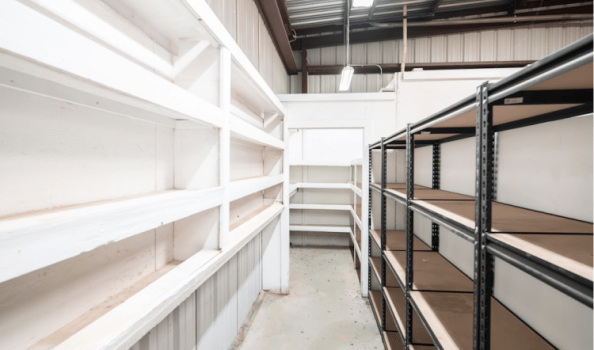
Compliance & Control
What is 5S Principal for Maintenance
The 5S principle is a key part of lean manufacturing and maintenance practices. It helps create clean, organized workspaces that boost safety and efficiency. The 5S system stands for Sort, Set in Order, Shine, Standardize, and Sustain - five steps that improve workplace organization and productivity.
This method can make a big difference in maintenance work. Technicians save time and avoid mistakes by keeping tools and parts tidy and easy to find.
A well-organized workspace also helps catch small issues before they become big problems, leading to less downtime and better-quality work.
The 5S approach pairs well with other systems like Total Productive Maintenance (TPM). Together, they create a culture of ongoing improvement in maintenance teams. This helps companies stay competitive and meet high standards for safety and quality.
Listen to this Article
History and Evolution of 5S
The 5S system, which has its roots in post-World War II Japan, has spread globally as a key part of lean manufacturing. It has changed how companies organize workspaces and maintain equipment.
Origins in Toyota Production System
The 5S method began at Toyota in the 1950s. It was part of the Toyota Production System, which aimed to boost efficiency and quality.
Source: Lean Construction
The system's five steps all start with "S" in Japanese:
Seiri (Sort)
Seiton (Set in order)
Seiso (Shine)
Seiketsu (Standardize)
Shitsuke (Sustain)
These steps helped Toyota cut waste and improve production. Workers kept their areas clean and organized. This made finding tools easier and spotting problems quicker.
Adoption in Lean Manufacturing
In the 1980s, 5S became a key part of lean manufacturing. Western companies saw how it helped Japanese firms and started using it, too.
5S fits well with lean ideas like cutting waste and constant improvement (kaizen). It made workplaces safer and more productive, and workers took pride in their clean, organized spaces.
Companies found 5S easy to start but hard to keep up with. It required everyone to change their habits, and managers had to lead by example and train staff well.
Global Influence
By the 1990s, 5S had spread worldwide. It moved beyond factories to offices, hospitals, and schools, and each industry adapted the system to fit its needs.
The service sector started using 5S later than manufacturing. However, it found a valuable method for organizing paperwork and digital files.
5S became a foundation for other improvement methods. It often comes before more complex systems are implemented, and many see it as a first step in changing workplace culture.
Today, 5S remains popular. It's taught in business schools and used by companies of all sizes. Its simple ideas continue to help organizations work better and safer.
The Five Pillars of 5S
The First Pillar: Sort (Seiri)
Sort, or Seiri in Japanese, is the foundation of the 5S system. It involves identifying and removing unnecessary items from the workspace, which helps reduce clutter and improve efficiency.
Eliminating Unnecessary Items
Sorting begins with a thorough review of all items in the work area. Workers separate necessary from unnecessary items. They remove anything that's not needed for current operations.
This process often reveals hidden problems. It exposes excess inventory, broken tools, and outdated materials. Teams use red tags to mark items for removal or evaluation.
Removing unneeded items frees up valuable space. It also makes finding and accessing essential tools and materials easier, leading to improved productivity and reduced waste.
Best Practices for Sorting
To sort effectively, teams should:
Set clear criteria for keeping items
Involve all team members in the process
Be ruthless in eliminating waste
It's important to sort items into categories:
Keep: Essential for daily work
Store: Needed occasionally
Sell/Transfer: Useful elsewhere
Scrap: No longer needed
Regular sorting sessions help maintain an organized workspace. Teams should schedule these sessions weekly or monthly to ensure the workplace stays clutter-free and efficient.
The Second Pillar: Set in Order (Seiton)
Set in Order, or Seiton, is about creating an organized workspace where everything has a designated place. This pillar focuses on efficient item arrangement and visual management to boost productivity.
Organizing Tools and Equipment
Set in Order aims to create a logical layout for tools and equipment. Each item gets a specific spot based on how often it's used. Frequently used tools are placed within easy reach, and less common items go in less accessible areas.
A key part of organizing is using clear labels and markings. This helps workers quickly find what they need. Color coding is another helpful method. It can group similar items or show where things belong.
Source: WorkTrek
Storage solutions play a big role in Set in Order. Examples include:
Tool cabinets
Pegboards
Drawer organizers
Shelving units
These keep items tidy and easy to locate.
Use of Visual Management
Visual management makes the workspace more efficient. It uses visual cues to convey information quickly, reducing errors and saving time.
A popular visual management tool is the shadow board. It shows the outline of each tool, making it clear where items should be returned. This ensures tools are always in their proper place.
Other visual management techniques include:
Floor markings to show walkways and work areas
Colored bins for different types of materials
Visual displays of work instructions or safety rules
These visual aids help maintain order and improve workflow efficiency.
The Third Pillar: Shine (Seiso)
Shine (Seiso) focuses on keeping the workplace clean and tidy. It promotes a safe, efficient environment and helps spot potential issues early.
Routine Cleaning and Maintenance
Shine involves regular cleaning of workspaces, tools, and equipment. This step goes beyond simple tidying. It includes deep cleaning and inspection of all areas.
Workers should clean their areas daily. This habit creates pride in the workspace. It also helps them spot problems quickly.
Source: WorkTrek
A cleaning checklist can be useful. It ensures no area is missed. The list might include:
Sweeping floors
Wiping down machines
Cleaning windows
Emptying trash bins
Regular cleaning makes the workplace safer. It reduces accidents from spills or clutter.
The Role of Cleaning in Preventive Maintenance
Cleaning is a key part of preventive maintenance. As workers clean, they can check for signs of wear or damage. This helps catch issues before they become big problems.
For example, wiping down a machine might reveal a small oil leak. Finding this early can prevent a major breakdown later.
Cleaning also extends equipment life. Dust and dirt can cause parts to wear faster, and regular cleaning helps machines run smoothly for longer.
A clean workspace makes it easier to spot when something is wrong. If a tool is missing or out of place, it's more noticeable in a tidy area.
The Fourth Pillar: Standardize (Seiketsu)
Standardize (Seiketsu) builds on the first three pillars to create lasting change. It sets clear rules and expectations for maintaining a clean, organized workspace.
Developing Standard Operating Procedures
Standard operating procedures (SOPs) are key to the Standardize pillar. They spell out the best ways to do tasks and keep things in order.
SOPs ensure everyone follows the same steps, reducing mistakes and wasted time. Good SOPs are clear and easy to follow.
To make SOPs:
Watch how tasks are done now
Find the quickest, safest way
Write down each step
Test the steps and fix any issues
Train workers on the new SOPs
Update SOPs when better ways are found. This helps a company keep getting better over time.
Visual Controls and Shadow Boards
Visual controls make it easy to see if things are where they should be. They help keep the workplace tidy without much effort.
Shadow boards are a great visual control. They show the outline of each tool, so it's clear where everything goes.
Other visual controls include:
Color-coding for different areas or tasks
Floor markings to show where things belong
Signs that explain procedures or safety rules
These tools make it simple to spot when something is out of place. Workers can quickly fix minor issues before they become big problems.
Visual controls also help new workers learn the system quickly. They can see how things should look at a glance.
The Fifth Pillar: Sustain (Shitsuke)
Sustain, or Shitsuke in Japanese is the final step in the 5S process. It focuses on keeping the other 4S practices going strong. This pillar aims to make 5S a normal part of daily work.
Creating a Culture of Discipline
Sustain means making 5S a habit. Workers must follow the new rules without being told, which takes time and effort. Leaders should set a good example by following 5S practices themselves.
Illustration: WorkTrek / Quote: Lean Construction
Training is key. Regular classes help workers remember the 5S steps. Clear signs and posters can serve as reminders. Rewards for good 5S habits can boost employee morale.
Teams should meet often to discuss 5S. This keeps everyone on the same page and shows that 5S is important to the company.
Continuous Monitoring and Improvement
To keep 5S going, teams need to check their work. Regular audits help spot areas that need work, and these checks should happen on a set schedule.
Using key performance indicators (KPIs) can show if 5S is working. Some KPIs might be:
Time saved
Fewer accidents
Less waste
Higher output
Teams should set goals for these KPIs. They can then work to beat their old scores. This creates a spirit of friendly competition.
It's vital to act on audit results. Quick fixes show that the company takes 5S seriously, helping create a culture of continuous improvement.
Implementing 5S in Maintenance
Implementing 5S in maintenance involves a structured approach to workplace organization and efficiency. This process includes assessing current conditions, planning the implementation, taking practical steps, and training employees.
Initial Assessment
To start implementing 5S in maintenance, a thorough evaluation of the current workplace is crucial. This assessment helps identify areas that need improvement.
Teams should examine tool storage, equipment layout, and overall workspace organization. They can create a checklist to document issues like clutter, inefficient storage, or safety hazards.
Taking photos of problem areas can provide visual references for before-and-after comparisons. This step establishes a baseline for measuring future progress.
Strategizing the Implementation Process
After the assessment, maintenance teams need to develop a clear strategy for 5S implementation. This plan should outline specific goals, timelines, and responsibilities.
Key steps include:
Defining roles for team members
Setting measurable targets
Creating a timeline for each 5S phase
Allocating resources for necessary changes
Implementing 5S principles requires careful planning to ensure success. Teams should prioritize areas that will have the most significant impact on efficiency and safety.
Practical Steps for Implementation
Implementing 5S in maintenance involves concrete actions for each of the five steps:
Sort: Remove unnecessary items from the workspace.
Set in Order: Organize tools and equipment for easy access.
Shine: Clean the area and maintain cleanliness.
Standardize: Create procedures for maintaining the first three S's.
Sustain: Develop habits to keep the system in place.
Teams should start with one area or department as a pilot project. This approach allows for testing and refining the process before expanding to other areas.
Regular audits help track progress and identify areas for improvement. Using visual aids like color-coding or labels can reinforce the new organization system.
Training and Engaging the Workforce
Employee training is vital for successful 5S implementation in maintenance. All staff should understand the principles and benefits of 5S.
Illustration: WorkTrek / Source: Forbes
Training programs should cover:
Basic 5S concepts
Specific roles and responsibilities
Proper use of new organization systems
Importance of sustaining the changes
Engaging employees in the process fosters ownership and commitment. Encourage suggestions for improvement and recognize team members who contribute to the 5S efforts.
Regular meetings and updates keep everyone informed about progress and upcoming changes. This ongoing communication helps maintain momentum and enthusiasm for the 5S system.
Benefits of Integrating 5S
The 5S system brings many advantages to maintenance operations. It enhances safety, boosts efficiency, and drives operational excellence.
Enhanced Safety and Reduced Hazards
5S practices lead to safer workplaces. Proper organization removes clutter that can cause trips and falls.
Clear labeling of tools and equipment prevents misuse and accidents. Regular cleaning helps spot potential dangers early.
5S creates a culture of safety awareness. Workers become more mindful of their surroundings. They take an active role in keeping the workspace safe.
Reduced clutter means fewer fire hazards. It also improves emergency response times, as clear pathways allow for quick evacuations if needed.
Improved Workspace Efficiency
A well-organized workspace boosts productivity. Workers spend less time searching for tools and materials, and everything has a designated place.
5S streamlines processes by removing unnecessary items. This creates more space for value-adding activities.
Visual management techniques make work easier. Color-coding and clear labels speed up task completion.
Standardized work areas reduce errors. They also train new staff more quickly and effectively.
Regular cleaning and organizing become part of the routine. This ongoing effort maintains efficiency gains over time.
Operational Excellence
5S forms a foundation for broader operational improvements. It instills discipline and attention to detail in the workforce.
The system promotes a culture of continuous improvement. Workers are encouraged to spot and solve problems.
5S supports other lean initiatives like Total Productive Maintenance (TPM). It creates a clean, organized base for implementing advanced techniques.
Illustration: WorkTrek / Data: Lean Manufacturing Implentation and Progress Measurement
Quality improves as errors and defects become more visible. Clean, orderly workspaces make it easier to spot issues early.
The 5S system also boosts employee morale. A well-maintained workplace shows respect for workers and their efforts.
Challenges and Solutions in 5S
Implementing 5S in maintenance faces several roadblocks. These issues range from employee resistance to lack of leadership support. Effective strategies can help overcome these challenges and lead to successful 5S adoption.
Common Roadblocks to Successful Implementation
Many organizations struggle with employee engagement when introducing 5S. Workers may resist change or fail to see the new system's benefits. A lack of consistent leadership support can also hinder progress.
Time constraints often pose a challenge. Daily tasks may overwhelm maintenance teams, leaving little time for 5S activities. This can lead to incomplete implementation or backsliding into old habits.
Source: WorkTrek
Inadequate training is another common issue. Without proper education, staff may misunderstand 5S principles or apply them incorrectly. This can result in ineffective practices and frustration.
Budget limitations can also impede 5S efforts. Proper storage solutions and cleaning supplies require investment, which some organizations may be reluctant to make.
Strategies to Overcome Challenges
Clear communication is key to overcoming resistance. Leaders should explain the benefits of 5S and how it will improve work conditions. Regular updates on progress can help maintain momentum.
Creating a dedicated 5S team can address time constraints. This group can focus on implementation and support other staff members. Setting aside specific time for 5S activities also helps prioritize the process.
Comprehensive training programs are essential. These should cover both the theory and practical application of 5S principles. Hands-on workshops can reinforce learning and build confidence.
Start with small, high-impact projects to demonstrate value. This can help justify further investment in 5S initiatives. Gradual implementation also allows for budget allocation over time.
Regular audits and recognition programs can sustain engagement. Celebrating successes, big and small, encourages continued participation and improvement.
Measuring 5S Performance
Tracking 5S performance is crucial for maintenance teams. It helps identify areas for improvement and ensures the system works well. Regular checks and clear goals are key parts of this process.
Defining Key Performance Indicators
Key Performance Indicators (KPIs) are vital for measuring 5S success. These metrics show how well a team follows 5S rules. Common KPIs include:
• Time saved in finding tools
• Reduced accident
• Increased productivity
• Improved quality of work
Source: WorkTrek
Teams should pick KPIs that fit their goals. For example, a factory might track how long it takes to find specific parts, or an office could measure desk cleanliness scores.
It's best to start with a few key metrics. This makes it easier to focus on what matters most. As the 5S system grows, teams can add more KPIs.
Regular Audits and Assessments
Audits help maintain 5S standards over time. They should happen often, such as weekly or monthly. During an audit, a team checks each area against a set list.
A good audit form includes:
• Scores for each 5S step (Sort, Set, Shine, Standardize, Sustain)
• Space for comments
• Photos of good and bad examples
• Action items for improvement
Audits support continuous improvement by finding weak spots and showing which areas are doing well. This information helps teams know where to focus their efforts.
It's important to share audit results with all workers. This keeps everyone informed and motivated to keep up good 5S habits.
5S Beyond Maintenance
The 5S principles extend far beyond just maintenance. These lean practices can improve many areas of an organization and help build a culture of continuous improvement.
Application in Other Organizational Areas
5S can benefit many departments outside of maintenance. In offices, 5S helps organize workspaces and digital files. This boosts productivity and reduces wasted time searching for documents.
Manufacturing areas use 5S to streamline production lines and reduce waste. Warehouses apply 5S to improve inventory management and order fulfillment.
Even customer-facing areas like retail stores use 5S. It keeps shelves stocked and organized, improving the shopping experience.
Healthcare facilities implement 5S to maintain cleanliness and efficiency. This is crucial for patient safety and care quality.
Building a Lean Culture
5S serves as a foundation for creating a lean organizational culture. It instills discipline and standardization across all levels.
Regular 5S audits keep everyone accountable. This builds habits that support continuous improvement efforts.
Visual management tools from 5S, like color coding and labels, make problems visible. Employees can quickly spot and fix issues.
5S encourages employee engagement. Workers take ownership of their work areas and suggest improvements. This bottom-up approach drives innovation and efficiency.
Leaders must model 5S behaviors to reinforce their importance. When management commits to 5S, it shows the entire organization its value.
Advanced 5S Tools and Techniques
Two key approaches help take 5S to the next level in maintenance settings. These methods use data and teamwork to boost equipment reliability and streamline maintenance tasks.
Total Productive Maintenance (TPM)
TPM is a system that aims to maximize equipment effectiveness. It involves operators and maintenance staff working together to keep machines running smoothly.
Illustration: WorkTrek / Data: Dynaway
TPM has eight pillars:
Autonomous maintenance
Planned maintenance
Quality maintenance
Focused improvement
Early equipment management
Training and education
Safety, health, and environment
TPM in administration
Source: WorkTrek
These pillars help reduce equipment failures and boost productivity. TPM empowers operators to handle basic upkeep tasks, freeing up maintenance teams for more complex work.
Computerized Maintenance Management Systems (CMMS)
CMMS software helps track and manage maintenance activities. It stores data on equipment, spare parts, and work orders. This digital tool makes it easier to plan and schedule maintenance tasks.
Key features of CMMS include:
Asset tracking
Source: WorkTrek
Work order management
Source: WorkTrek
Preventive maintenance scheduling
Source: WorkTrek
Inventory control
Source: WorkTrek
Reporting and analytics
Source: WorkTrek
CMMS helps maintenance teams work more efficiently. It reduces downtime by catching issues early. The system also provides data to make better equipment care and replacement decisions.
Future Trends in 5S and Maintenance
Innovation and technology shape the future of 5S and maintenance. These advancements aim to boost efficiency and streamline processes in workplaces.
Innovation and Evolving Practices
New approaches to 5S are emerging to meet changing workplace needs. Companies are adapting 5S principles to fit remote and hybrid work models, including digital organization tools and virtual workplace standards.
Lean maintenance practices are evolving to reduce costs and improve quality. Predictive maintenance, which uses data to forecast equipment needs before problems occur, is gaining traction.
Sustainability is becoming a key focus in 5S practices. Companies integrate eco-friendly methods into their sorting, setting, and shining processes.
The Role of Technology in 5S
Technology is transforming how organizations implement and maintain 5S principles. Smart sensors and Internet of Things (IoT) devices are being used to monitor workplace conditions and equipment status in real time.
Artificial intelligence and machine learning algorithms are helping to optimize maintenance schedules and identify areas for improvement in 5S practices.
Virtual and augmented reality tools are used for 5S training and to visualize optimal workplace layouts. These technologies make it easier for employees to understand and apply 5S concepts.
Mobile apps and cloud-based platforms are streamlining 5S audits and documentation processes, allowing for quicker issue identification and resolution.
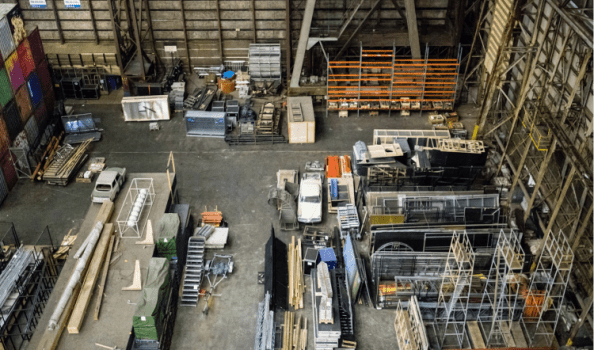
Operations & Maintenance
Best Practices for Maintenance Shop Layouts
Designing effective maintenance shop layouts can enhance efficiency and productivity. This guide covers linear, U-shaped, and Cellular layouts and offers key considerations and best practices for creating an optimal workspace for your needs.
[ez-toc]
Listen to this Article
Choosing the Right Layout for Your Maintenance Shop
Selecting the ideal configuration for your maintenance shop can significantly impact your team's productivity and efficiency.
Illustration: WorkTrek / Quote: HP Reliability
Customize this setup based on your industry's particular demands and the nature of the tasks at hand. A practical layout maximizes space utilization, facilitates workflow management, and promotes a safe working environment.
Layout Types
Various layouts are utilized in maintenance shops, each offering distinct benefits. This segment will delve into three widespread arrangements: linear, U-shaped, and Cellular configurations.
Comprehending their strengths and limitations lets you choose a design that effectively complements your facility’s maintenance operations.
Choosing an appropriate layout entails assessing several factors, such as available space within your shop, equipment being operated by staff members, and routine tasks performed there.
A closer look at individual layouts’ specifics is instrumental in pinpointing which one best suits your organization.
1. Linear Layout
A linear layout suits maintenance shops that carry out tasks in sequence well. It fosters a direct and efficient workflow, letting maintenance personnel proceed from one task to the subsequent ones without retracing their steps.
Source: International Journal of Advanced Robotic Systems
The arrangement of workstations in a straight line helps utilize vertical space optimally while keeping tools and equipment within easy reach.
Such an arrangement is especially beneficial for shops dealing with repetitive tasks that need an uninterrupted pathway for conducting maintenance work efficiently.
2. U-Shaped Layout
A U-shaped configuration is ideal for small to medium maintenance shops. It offers a compact and efficient design. Tools and equipment are placed in a central position, making them easily accessible from various locations within the shop.
Source: Webstaurant Store
This arrangement enables staff to transition swiftly between workstations, increasing flexibility and quick response capabilities.
This layout enhances teamwork by promoting improved communication among personnel. With tools and equipment readily available at a moment’s notice for everyone involved in maintenance activities, efficiency is heightened, leading to less downtime and an uptick in overall productivity.
3. Cellular Layout
The design of a cellular layout is particularly tailored to meet the unique needs of maintenance shops. It ensures that specific tasks and equipment are accommodated for maximum operational agility.
This configuration reduces extraneous movement and improves the efficiency of work processes by assembling related operations into dedicated cells within the workspace.
By strategically arranging workstations and machinery into distinct zones, workers can concentrate on tasks with fewer disturbances. This organization fosters an environment where maintenance activities can be carried out more smoothly and proficiently.
Considerations for Maintenance Shop Layouts
Creating a practical shop layout requires addressing several critical factors that influence the functionality and productivity of your business operations.
Focusing on efficient space utilization, streamlining workflow processes, and implementing safety protocols can significantly bolster a work environment that promotes proficient task execution by staff.
Optimizing available space can ensure your shop has ample capacity for housing all essential tools, equipment, and inventory without appearing overcrowded. Efficient organization minimizes the time spent searching and enhances overall orderliness.
Refine Workflows
Refining workflow efficiency involves structuring a floor plan conducive to seamless activity transitions. Situating storage centrally and categorizing components according to how often they are used helps reduce unnecessary movement while improving item reachability.
Source: WorkTrek
Finally, prioritizing safety precautions is critical in safeguarding employees and maintaining a secure operational setting.
Thorough risk evaluations should be performed regularly to reduce potential risks. Clear signage and labels should be maintained throughout the premises, and rigorous standard operating procedures should be implemented.
Space Utilization
Leveraging vertical space offers a practical approach to boosting storage efficiency while preserving essential ground areas.
High-density storage options like stackable bins and modular cabinets can significantly improve the capacity within constrained storage zones.
Assessing cubic space's three-dimensional aspects lets you maximize your available storage region.
Implementing streamlined modular storage solutions helps arrange inventory in a well-ordered fashion, facilitating the process for staff members when they need to find and retrieve tools and equipment for maintenance tasks.
Workflow Efficiency
Create an efficient workflow. This can lead to a logical arrangement that facilitates the smooth transition from receiving parts to dispatching them after task completion.
A centralized stock room is beneficial for efficiency as it simplifies access and reduces travel time within the shop. This setup aids staff in quickly locating and obtaining essential tools and components required for maintenance.
The strategic organization of specialized equipment can significantly streamline shop operations.
Stock Position
Positioning items regularly near the stock room's entrance reduces unnecessary movement throughout the space, leading to considerable time savings.
Inviting employee input about workflow can help pinpoint areas for improvement and cultivate an environment committed to ongoing refinement.
Safety Measures
Illustration: WorkTrek / Quote: Safeopedia
Safety should not be ignored. Before determining the final storage setup, it’s crucial to perform an in-depth risk assessment to uncover potential dangers and allow for the integration of necessary precautions.
Maintaining clear identification and proper organization through signage helps staff quickly find equipment and tools while informing them about potential safety hazards.
The application of cautionary labels on cabinets containing hazardous materials and prominent 5S directional signs dramatically improves security within the storage area.
Organizing Workstations and Storage Solutions
Focus on creating an organized working environment. Such an environment enables maintenance staff to carry out their duties more efficiently, reducing unnecessary operational halts and boosting overall productivity.
Discussions will center on organizing tools, managing spare parts inventory effectively, and strategically positioning specialized equipment within the shop.
The arrangement of tools so that they are readily identifiable and accessible by maintenance personnel can significantly streamline tasks. Implementing uniform labeling systems and consistent inventory tracking strategies increases this aspect’s efficacy.
Spare Parts Management
Manage spare parts through orderly storage practices. Implementing technological advancements such as barcoding systems helps preserve the ready availability of necessary components.
Routine audits support keeping precise records of all items stored within the inventory.
Access to Protective Gear
Lastly, thoughtful space allocation for specialized machinery improves workflow dynamics while ensuring essential personal protective gear remains easily accessible for staff members in various upkeep activities throughout the shop.
Tool Organization
Just like in your garage, organize tools in the storeroom so they are easy to find. Clear inventory and clearly labeled tools allow staff to identify and access the necessary tools quickly.
Adopting uniform inventory tracking methods simplifies the inclusion of new items while maintaining record accuracy.
Utilizing storage solutions such as small parts bins and adaptable systems enables efficient use of storage space by organizing tools to reduce time spent searching for them.
By adopting labeling best practices and standardization, you maintain an orderly shop environment, translating into less time spent looking for equipment and more time dedicated to carrying out maintenance tasks.
Barcodes
Source: WorkTrek
Integrating a barcoding system diminishes the likelihood of retrieving an incorrect part, streamlining the inventory process and ensuring that the right parts are readily available. To achieve optimal results, this should be paired with proficient management techniques.
Ordering Spare Parts
Position items needed frequently nearest to the retrieval area. This reduces the time required to search for components.
Implementing a robust spare parts system featuring organized storage solutions and a well-structured method of tracking inventory data guarantees quick accessibility and neat organization.
Conducting regular audits helps keep inventory records precise, which assists in managing large quantities of spare parts linked with work orders without causing any disarray.
Continuously evaluating and refining your inventory procedures permits adjustments that align with operational shifts while preventing outdated methods from impeding efficiency levels.
Specialized Equipment Placement
If you are using specialized equipment, place them strategically within the workplace. This allows maintenance technicians easy access to the equipment.
By categorizing bearings and related parts according to type and size, coupled with clear identification of Bill of Materials (BOMs), the selection is expedited, minimizing the required inventory.
Correct equipment labeling and deliberate placement result in more streamlined maintenance activities and an orderly shop environment.
Training Maintenance Personnel
Frequent training workshops help employees become well-acquainted with the protocols and are reminded of optimal methods. Random inspections pinpoint areas that require enhancement and remedy any deficiencies in understanding or execution.
Maintaining a steady education schedule fosters a culture of perpetual advancement and compliance with established norms. This approach boosts efficiency while securing safe and effective operational performance, diminishing the likelihood of mistakes and mishaps.
Enhancing Inventory Management and Control
Implementing a secured storage area alongside inventory management software substantially improves stock oversight and regulation. This segment focuses on computerized systems that handle inventories, periodic cycle counting practices, and administering vital spare parts.
CMMS systems like WorkTrek, designated for handling inventory, provide instantaneous updates regarding stock levels and their allocation, facilitating strategic decisions while avoiding excesses or shortages in supply.Source: WorkTrek
Regular cycle counts help promptly identify discrepancies in inventory records, ensuring accuracy in record-keeping and consistent control over inventory scheduling.
The organization of critical spares by how frequently they’re used, coupled with routine audits, helps guarantee the accessibility of necessary components when required without delay.
Digital Inventory Systems
Modern maintenance shops heavily rely on digital inventory systems for effective operation. These centralized systems facilitate the immediate tracking of inventory movements and stock quantities, which supports decision-making in managing inventories adeptly.
Most organizations integrate an inventory module within their Computerized Maintenance Management System (CMMS) to bolster management efficiency and oversight.
Source: WorkTrek
Adopting methods such as barcode scanning coupled with consistent updates is essential to maintaining accurate stock levels.
These practices help ensure that purchasing personnel receive prompt alerts when the quantity of items dips below pre-established minimums to trigger restocking activities.
Cycle Counting
Cycle counting can help keep inventory records accurate. Its objective is to identify and rectify any inconsistencies within the inventory, guaranteeing that the information accurately reflects the current status.
Source: WorkTrek
The rate at which cycle counts are performed should align with the significance and cost of specific items, meaning those more vital components may be counted more regularly.
This method ensures that a company’s inventory remains correct by consistently verifying and refreshing data on stock levels. Such diligence fosters streamlined maintenance operations by relying on dependable record-keeping for effective resource management.
Managing Critical Spares
Managing critical spare parts should be a high priority on your list. You should also keep accurate counts and log all items.
Before maintenance personnel can remove an item, it must be accurately logged into the stock system for precise inventory control and record-keeping. A CMMS system can automate this process.
Source: WorkTrek
Preparing necessary parts for scheduled preventive maintenance enables the maintenance team to operate more effectively while diminishing the likelihood of equipment failure.
Continuous Improvement
Establish a culture that promotes ongoing enhancement of the process.
Establish specific Standard Operating Procedures (SOPs) to meet your shop's unique needs.
Ensuring that all maintenance personnel receive thorough training, guaranteeing uniformity in procedure execution.
Routinely assessing and refreshing SOPs to ensure their continued efficacy and alignment with changing operational demands.
Listen to feedback from maintenance team members and implement suggestions.
Motivating team members to take an active role in pinpointing areas for advancement and applying upgrades to improve operational effectiveness.
Summary
In summary, the design of the maintenance shop is key to utilizing the space, workflow, and safety. A strategic layout that uses every inch and has workstations alongside storage solutions will give your maintenance team a safe and productive environment.
Following standard operating procedures and maintaining organization through regular upkeep, incremental improvements, and monitoring will keep your maintenance standards high.
Remember that a streamlined maintenance shop is an ongoing process—regular reviews are needed as new requirements or best practices change. Having a culture of continuous improvement and involving your maintenance team in this will help them work together to manage the workshop area safely, putting any business on the road to long-term success.
Make your work easier.
Try for free.
Book a demo