

Blog

Operations & Maintenance
How to Maintain an Effective Equipment Maintenance Log
In this article, we’ll share five best practices for maintaining a good equipment maintenance log and help you nip inefficiencies in the bud.
Key Takeaways:
86% of employees say job training is important to them.
Workers spend 2 hours a day looking for information they need to do their job.
Maintenance managers are digitizing their operations to increase efficiency.
If you’ve been struggling with poor PM schedule compliance, unexpected cost increases, or unplanned downtime, it may be time to take a closer look at how you manage your maintenance logs.
These records are easy to overlook, yet they quietly shape every maintenance decision you make.
Small errors, typos, and inconsistencies may not raise alarms at first, but over time, they blur the truth, leading to misguided strategies and costly mistakes.
That’s why, in this article, we’ll share five best practices to help you nip any inefficiencies in the bud and ensure accurate data that supports smarter, proactive decisions.
Digitize Your Maintenance Log
Moving maintenance records from paper or spreadsheets into a digital maintenance management system is the foundation of effective logging.
With this single change, you can eliminate many errors, inconsistencies, and repetitive tasks, ultimately increasing the reliability of your maintenance log.
That’s precisely why so many organizations are currently digitizing their maintenance operations.
According to Gartner, users of manual and non-specialized tools are frustrated by functional limitations, inefficiency, and poor user experience, and are seeking a better alternative.
Illustration: WorkTrek / Data: Gartner
Many report spending hours sorting through data across multiple platforms or chasing technicians for updates.
In the end, they spend more time managing data than managing maintenance.
CMMS tools are the most widely used solution to this issue.
Daniel Golub, Sales and Marketing Leader specializing in SaaS businesses, specifically in CMMS, explains why:
Illustration: WorkTrek / Quote: MRO Magazine
Unlike manual record-keeping methods, CMMS platforms centralize all vital data, serving as a single source of truth for asset history, maintenance activities, and performance trends.
Everything your team needs is easy to access and can be updated on the go.
Take our own CMMS, WorkTrek, as an example.
WorkTrek enables users to record and track:
Work requests
Work orders
Preventive maintenance
Inventory
Asset details, and more.
WorkTrek offers built-in templates with customizable required fields, which enable you to define which information must be entered for each of these documents.
Documents cannot be submitted until all required fields are completed, ensuring your maintenance log remains complete and consistent at all times:
Source: WorkTrek
No need to worry about missing data ever again.
Retrieving this information later is just as easy as recording it.
Everything lives in one intuitive, easy-to-navigate system, rather than being scattered across stacks of paper or countless spreadsheets.
With just a few clicks, you can check a work order’s status, a spare part's availability, an asset’s location, and so much more.
Source: WorkTrek
With WorkTrek, your maintenance log is always accurate, always up to date, and always ready to support smarter decisions.
Train Technicians on Proper Logging
It’s also important to ensure technicians understand what to record, how to record it, and why detailed, accurate logging matters in the first place.
Without this kind of training, even the best CMMS won’t make a difference, says Baron Brown, Senior Project Engineer at FST Technical Services, a provider of TICC services:
"I can have a CMMS in my building all day long, but it goes back to personnel. You have to have the proper people there to maintain, to keep things updated, to track it, to check it on a daily basis."
In maintenance, the importance of safety training or proper equipment handling is well understood, but information management training often takes a back seat.
That’s a mistake.
Record-keeping is foundational to safe, efficient, and reliable maintenance operations, which is why teams must learn about it, too.
Research from SurveyMonkey shows that employees want training, recognizing that it boosts their performance and confidence.
Illustration: WorkTrek / Data: SurveyMonkey
That’s why, when they do receive it, they are more engaged at work and meet or even exceed expectations.
Therefore, if you’re struggling with poor logging despite having a solid system in place, the missing piece may be training, not technology.
When teaching your team maintenance logging best practices, ensure that guidance is always accessible and not delivered as a one-time event.
This is where clear, easy-to-access standard operating procedures (SOPs) come in.
An effective SOP should document all correct steps and record-keeping requirements in a simple, easy-to-follow format, covering areas such as the following:
PurposeExplains why the logging SOP exists and clarifies expectations, eliminating ambiguityDefinitions and TerminologyDefines standard terms (e.g., downtime, corrective maintenance, root cause) and document naming conventions to ensure consistent data entry and reportingWhen Logging Is RequiredLists all events and activities that must be logged, ensuring no maintenance work goes undocumentedQuality RequirementsSpecifies the required level of detail and prohibited entries (e.g., “OK,” “fixed,” or “N/A” without explanation) to improve clarity and consistencyTimeliness RequirementsDefines logging deadlines (real-time, end of task, same shift) to prevent the loss of critical informationRecord RetentionStates how long logs must be retained to ensure long-term traceability and compliance
To take your SOP one step further, consider including real examples.
The Federal Aviation Administration does this exceptionally well, showing how to properly record data through multiple examples.
The document even shows the process of voiding and correcting a log entry:
Source: The Federal Aviation Administration
Including examples like these in your own SOPs helps your team understand exactly what’s required, accelerates learning, and, ultimately, improves compliance with logging standards.
Set Clear Responsibilities
It’s particularly important to clearly define who on your team is responsible for creating, updating, reviewing, and approving maintenance log entries.
Doing so eliminates confusion, increases accountability, and reduces data gaps and inaccuracies.
Tamra Chandler, Founder and CEO of PeopleWyze, a human resources and organizational development consultancy, sums it up well:
“Most of us work in teams and are closely connected to our team’s work. When people clearly understand their team’s objectives and their role in achieving them, they become more motivated to contribute and engage.”
Setting clear responsibilities ensures that every aspect of the maintenance logging process is owned and accountable across the entire team, from technicians to supervisors and accountants.
As a result, your maintenance data is more likely to remain accurate, complete, and up to date.
According to a Glean survey, workers often encounter situations where they create a work item only to discover that it already exists.
Illustration: WorkTrek / Data: Glean
Clearly defined roles and responsibilities help eliminate issues like these.
When it’s obvious who should do what, duplicate entries or missed tasks become a thing of the past.
While this information should be documented in your SOPs, digital maintenance management systems offer an even more effective way to reinforce ownership.
These systems typically allow you to create user profiles that include names, job titles, certifications, and contact information, along with role-based access rights:
Source: WorkTrek
For example, technicians may be able to enter work details but not modify logs once they’re submitted, while supervisors can review, edit, and approve entries.
This automates ownership.
Each team member stays focused on their assigned responsibilities without worrying about tasks outside their role, saving time and improving overall efficiency.
Therefore, if you use a CMMS or another similar tool, be sure to take advantage of this useful feature.
Keep the Log Up-to-Date
Technicians need to record maintenance activities as they happen or immediately afterward, rather than days or weeks later.
The longer they wait, the greater the risk of forgetting or misremembering critical details, which can compromise the overall reliability of the maintenance log.
However, this is often easier said than done, particularly when companies struggle with inefficient record-keeping processes.
According to the aforementioned Glean survey, American workers spend an average of two hours a day, or 25% of their workweek, searching for documents, information, or colleagues needed to complete tasks.
Illustration: WorkTrek / Data: Glean
When finding the right document is so time-consuming, it’s no surprise that many put it off or abandon it entirely.
Fortunately, the solution to this issue is quite straightforward: make it easy to access and update the equipment maintenance log.
Technicians spend most of their day in the field, so they need a system that travels with them.
A mobile app connected to a centralized CMMS or other maintenance platform lets them view and edit data and request additional information on the go.
Source: WorkTrek
Many such systems now enable users to also attach photos, documents, comments, or signatures for even more context, all from their smartphones or tablets.
Marc Knight, Product Manager at RTA, a fleet management software provider, notes that mobile technology is perfect for maintenance:
Illustration: WorkTrek / Quote: Fleet Equipment Magazine
In the end, with mobile solutions, logging maintenance stops being a chore and starts being effortless.
Technicians spend less time on paperwork and more time on actual work, while managers get accurate, up-to-date records.
It’s a system where everyone wins.
Perform Periodic Log Audits
Even with the best training, tools, and workflows, mistakes happen.
That’s why it’s vital to regularly review maintenance logs to ensure their accuracy, completeness, and consistency.
This is the most effective way to identify gaps, errors, or non-compliance before they become the norm and start harming your decision-making.
Christopher Risher, CTO and Senior Director of Consulting and Digital Innovation at RedHelm, an IT management services provider, explains why such due diligence is important:
Illustration: WorkTrek / Quote: Business.com
Your operations depend on the reliability of your data. If you don’t monitor its quality closely, errors will slip through the cracks.
To prevent this, consider establishing a data audit schedule.
You can audit your data weekly, monthly, or quarterly, based on your operational needs, log volume, and available time.
In fact, if time is limited, you don’t even need to review every single piece of information.
Instead, select a random sample for inspection.
Whatever approach you choose, always use a checklist to stay consistent and ensure nothing important gets overlooked.
For example:
Verify all completed work orders are closed and signed
Confirm preventive maintenance tasks are completed on schedule
Check that tasks are correctly prioritized
Ensure all mandatory fields are filled out
Review issue descriptions for clarity
Equally important is sharing your findings and feedback with the team, ensuring you always highlight both positive behaviors and areas that need improvement.
Research by eLeaP shows that organizations with continuous feedback systems see significant benefits, from reduced employee turnover to higher goal achievement rates.
Illustration: WorkTrek / Data: eLeaP
In other words, don’t wait for those monthly meetings or annual performance reviews.
Address issues and recognize good work as soon as you identify them.
When your team sees what’s working and what isn’t in real time, they understand expectations better and take ownership of their work.
Conclusion
As you can see, maintaining an effective maintenance log requires far more effort than many people assume.
That’s why they often fail to invest in the right tools, develop effective workflows, or properly train their employees, thereby missing out on significant opportunities.
You, however, now have the tools to avoid that mistake.
So, work on building a culture of diligent record-keeping and always prioritize data quality.
In no time, you’ll unlock new levels of operational efficiency that your competition can only dream about.

Operations & Maintenance
What is an Equipment Maintenance Log?
Key Takeaways:
Maintenance cost and schedule control are the biggest challenges in fleet management.
Maintenance costs will rise by 17% by 2029.
95% of companies have had a data quality issue that affected business outcomes.
In this article, we explore everything you need to know about equipment maintenance logs.
These documents are the foundation of successful maintenance operations, helping you cut costs, reduce downtime, and extend asset lifespans.
Yet, surprisingly, many teams fail to recognize their value.
And that’s good news for you.
By improving just this one aspect of your operations, you can outpace competitors without them even realizing why. What a powerful weapon, hiding in plain sight.
Let’s take a closer look at what maintenance logs are, what to include in them, and how to manage them effectively.
What Is an Equipment Maintenance Log?
An equipment maintenance log is a document that records all maintenance activities performed on a specific piece of machinery.
It typically includes two main components: essential asset information (like the name, model, serial number, and location) and a chronological history of every repair or service performed.
This tool is used in all industries that depend on reliable assets, from manufacturing to IT, to track upkeep and make better-informed decisions.
Tyler Smith, Product Manager at Volvo Construction Equipment, puts it this way:
Illustration: WorkTrek / Quote: CON/AGG
Just as a doctor uses medical history to make accurate diagnoses, maintenance teams use equipment logs to identify inefficiencies, reduce downtime, and lower operational costs.
According to the 2025 Teletrac Navman survey, many challenges modern fleets face are directly tied to maintenance, particularly in managing schedules and controlling costs.
Illustration: WorkTrek / Data: Teletrac Navman
Fleets, just like any other asset-heavy sector, currently find themselves in a difficult situation: machinery is becoming more advanced, repairs are getting pricier, and teams are expected to do more with less.
That’s where an equipment maintenance log proves invaluable.
It provides the visibility and transparency needed to plan better, react faster, and ultimately take back control of maintenance operations.
Important Components of an Equipment Maintenance Log
Here’s what data to collect to unlock this kind of visibility and transparency for yourself.
Equipment Details
This is the core information that uniquely identifies each piece of equipment.
It typically includes data like the equipment name, make, model number, serial number, manufacturer, purchase date, and location:
Source: WorkTrek
You may also include warranty details, insurance information, and any certificates to create a more complete picture of your assets.
While basic, this information is vital for accurately tracking maintenance history for each unit, particularly in facilities with multiple similar machines.
Without it, upkeep records can easily get mixed up and attributed to the wrong equipment, limiting visibility and leading to inefficiencies and unnecessary downtime.
Insurance and warranty claims can also get chaotic.
The 2025 Cheqroom survey backs this up, revealing that many asset managers admit they’re missing this kind of foundational data and want more of it.
Illustration: WorkTrek / Data: Cheqroom
It’s easy to see why.
Without a strong data foundation, it’s nearly impossible to reliably track warranties, costs, maintenance schedules, or total cost of ownership.
In short, rich equipment profiles are where all successful maintenance and asset management processes begin.
No maintenance log is complete without them.
Maintenance Schedules
It’s also important to diligently track all maintenance activities.
This is where many teams fall short; they only record what was done, when it was done, and perhaps add a vague description of the actions taken.
High-quality maintenance records should provide much more than that.
They should include detailed task descriptions, responsible personnel, supervisors, planned costs, spare parts, and due dates.
Task frequency or intervals, SOPs, and safety information should be included, too, particularly for recurring (preventive) tasks and critical assets:
Source: WorkTrek
This information serves two important purposes.
First, it ensures technicians have everything they need to perform their work efficiently and safely.
With a detailed log, they can easily confirm exactly how to complete a task and understand potential hazards or any special quirks of the equipment.
No more unnecessary calls or guesswork. No more preventable safety incidents and wasted time.
Second, it enables supervisors to more accurately plan future maintenance.
When every task is documented thoroughly, a maintenance history develops over time, complete with all the past issues, costs, and spare parts used.
This allows supervisors to monitor compliance with PM schedules, compare planned versus actual costs, and identify inefficiencies.
Users of digital maintenance management systems can also get these analyses automatically, like this:
Source: WorkTrek
That way, they can allocate resources more strategically and make timely adjustments to protect operational efficiency, equipment reliability, and, ultimately, the bottom line.
Usage Information
Usage Information records how, when, and by whom equipment is being used.
This includes operational data, environmental conditions, and workload metrics like the number of cycles, units produced, or load weight:
Source: WorkTrek
Any deviations from normal operation should also be documented here.
Tracking this information is important because it helps maintenance teams understand the real-world stresses on equipment.
This is a key component of condition-based maintenance, which adjusts schedules based on actual asset usage and, as the name implies, condition.
So, instead of relying on calendar-based intervals, which can lead to under- or over-maintenance, work is scheduled only when it is truly needed.
India Gibson, Launch Leader at Schneider Electric, a French corporation that specializes in digital automation and energy management, explains the benefits of such an approach:
“Rather than spending time and money and having downtime to do a reactive approach or check the box on a typical maintenance protocol, we can respond quicker to changes that require immediate attention.”
She adds that condition-based maintenance focuses efforts on areas that need them most, making maintenance activities both efficient and effective.
That’s why usage data is so valuable. It gives you a more complete picture of your assets’ needs, making your upkeep planning more precise and cost-effective.
Cost Tracking Data
Your maintenance log should also include all expenses associated with a piece of equipment throughout its life.
This covers repairs, labor, spare parts, downtime costs, and potentially depreciation or miscellaneous costs, such as PPE used during maintenance:
Source: WorkTrek
The reason for tracking this kind of information is straightforward.
It enables more accurate cost forecasting and budget planning, helping you determine the total cost of ownership and whether it’s more cost-effective to repair or replace equipment.
In short, it supports more cost-effective maintenance management decisions.
And those are more important than ever.
The 2025 BCIS Facilities Management Forecast predicts that maintenance costs, as measured by the BCIS All-in Maintenance Cost Indices, will rise by 17% by Q4 2029.
Illustration: WorkTrek / Data: BCIS
Various factors drive this increase.
On one hand, there are labor shortages, rising wages, and broader economic uncertainty plaguing all sectors and industries.
On the other hand, safety regulations are tightening, and the fines for noncompliance are only increasing.
Managing maintenance under these conditions is becoming more challenging every day, leaving little room for error, particularly when it comes to spending.
The only way to stay ahead of these growing risks is to diligently track all costs and use this data to plan more strategically.
Spare Parts Usage
Lastly, ensure your maintenance log includes detailed information about parts replaced or consumed during maintenance.
Record the part name, number, quantity, cost, date of replacement, supplier, and, if applicable, installation instructions:
Source: WorkTrek
This creates a clear picture of your inventory usage, helping you optimize inventory management.
Instead of overordering and wasting money and space, or underordering and causing costly downtime, you’ll know exactly what to order, how much, and when.
That way, you ensure your team has the tools and materials they need without putting unnecessary pressure on the budget.
Jim Owens, President at Marrad, a sustainable materials management solutions provider, agrees that parts management is no easy feat.
Its biggest issue is, he notes, the lack of ownership, which often leads to a tangled web of competing priorities:
Illustration: WorkTrek / Quote: Modern Materials Holding
Logging parts usage solves this problem by providing everyone with cold, hard data on what is actually needed and its cost.
It can also show if a cheaper option ends up being more expensive due to more frequent replacements or serious malfunctions.
No more endless debates, guesswork, or finger-pointing among different departments.
All the evidence is right there, laid out clearly for everyone to see.
Equipment Maintenance Log Common Mistakes
Now, that’s a lot of data to manage. It’s only natural that some mistakes will be made along the way.
Here are some of the most common ones and how to fix them.
Failing to Document All Relevant Details
Often, technicians fail to record all relevant details, whether it’s parts replaced, task descriptions, or signatures, without realizing the impact of this mistake.
But in reality, incomplete data can be worse than no data at all.
It misrepresents the state of your operations, leading to misinformed decisions.
It causes you to miss cost-saving opportunities, overlook important tasks, and, ultimately, harm equipment reliability.
The 2024 Anomalo research shows how damaging poor data can actually be.
Nearly every company has experienced a data quality issue that directly affected business outcomes.
Many even admit they won’t make data-driven decisions if they don’t trust their data.
Illustration: WorkTrek / Data: Anomalo
To solve this problem, you need to first understand what causes it.
Most of the time, the answer is the lack of a standardized data entry system.
There are simply too many different data points to track. Technicians can’t be expected to stay on top of it all without any guidance.
CMMS solutions like WorkTrek provide that guidance, offering pre-built templates for all the documents your team creates daily.
That includes work requests and orders, invoices, PM schedules, and more.
As you can see below, each template features customizable required fields that must be filled in before submission, making it impossible to submit incomplete forms.
Source: WorkTrek
This ensures your workers will capture every piece of critical information. No exceptions.
Over time, diligent record-keeping becomes routine, and incomplete logs become a thing of the past.
Not Recording Maintenance Immediately
Similarly, technicians don’t always record their work immediately.
The longer they wait, the greater the risk of misremembering or forgetting vital details, which, yet again, undermines the reliability of your maintenance log.
The 2021 EDH Technology study identifies both the possible cause and a solution to this very problem.
Most manufacturing professionals agree that their jobs would be easier if they could quickly and easily access the data they need.
Yet, nearly half report that they cannot access important documents via mobile devices.
Illustration: WorkTrek / Data: EDH Technology
This is a significant missed opportunity.
Mobile accessibility allows technicians to find, access, and update equipment logs in the field, instead of having to drive to and from the office just to complete and collect paperwork.
When recording information is that simple, technicians are far more likely to do it immediately.
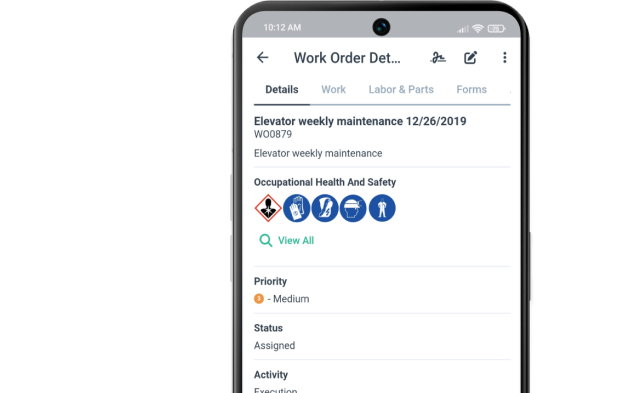
With just a few taps on a phone, they can log work, sign documents, take photos, and close out the work order:
Source: WorkTrek
It’s a system that benefits everyone.
It simplifies the data-entry process for technicians, allows supervisors to track progress in real time, and ensures data is captured accurately and consistently.
Undervaluing the Importance of a Maintenance Log
Many record-keeping inefficiencies and mistakes stem from technicians not understanding the full value of accurate, complete maintenance logs.
It makes sense. With so many other tasks that seem more urgent, it’s easy for administrative work to feel like something to push to the bottom of the list.
As Aaron Zimmerman, a Partner at the construction defect law firm Berding & Weil, explains, frontline personnel often aren’t even thinking about the bigger picture issues, such as compliance:
“People who are documenting these issues, the people who are actually keeping the records – the plant engineers, maintenance personnel, even the janitors – they're not thinking that six years from now we’re going to be in a lawsuit.”
And realistically, it isn’t their job to do so.
However, it is the leadership’s responsibility to educate staff on the strategic value of accurate maintenance logs.
You can do that by providing case studies and real-world examples where poor documentation led to financial loss or reputational damage.
If your organization has internal examples, share those.
Explain what happened and the costs to the organization and the individuals involved.
Ruth Edge, Records and Information Management Specialist at Intech Records and Information, a data management firm, offers some additional advice:
Illustration: WorkTrek / Quote: LinkedIn
These real-life case studies will make the impact of good (and bad) record-keeping more tangible and easy to understand.
With that context, your team will be much more likely to comply with your maintenance log requirements and avoid cutting corners.
Conclusion
Once your entire team internalizes good maintenance log practices, you’ll finally have a strong foundation for smarter decision-making, greater agility, and more effective risk management.
This will take some time, effort, and the right tools, but you’ll get there.
And when you do, you’ll see that every bit of trouble was worth it.
Because, in the end, without transparency and accountability, you can’t have the control you need to take your maintenance operations to the next level.

Operations & Maintenance
10 Essential Tips for Farm Equipment Maintenance
Key Takeaways:
Farm equipment repair costs have spiked 41% since 2020, nearly doubling in the past two decades.
Preventive maintenance reduces unplanned downtime by 30% and can resolve 25% of service issues remotely.
Unplanned breakdowns cost farmers approximately $3,348 per season in lost productivity and emergency repairs.
Picture this: It's 5 p.m. on a Friday during harvest season. Your fields are ready, the weather forecast shows rain coming tomorrow, and you're prepared to work through the night if necessary. But your combine refuses to start, your tractor needs a critical part, and your harvest equipment sits idle.
This scenario plays out on farms across the country every season, and the consequences extend far beyond a simple repair bill.
Farm equipment is one of the largest capital investments in modern agriculture, and proper maintenance is essential to protect that investment.
Source: WorkTrek
In this guide, we'll explore ten essential tips for farm equipment maintenance that successful farmers use to maximize equipment reliability, minimize repair costs, and avoid unexpected breakdowns during critical operations.
1. Follow Manufacturer's Maintenance Schedules
Your farm equipment comes with detailed maintenance procedures outlined in the operator's manual, and there's a compelling reason to follow them closely.
Manufacturers spend millions developing these maintenance procedures based on extensive testing and real-world performance data. These schedules account for the specific engineering tolerances, component wear patterns, and operational stresses your equipment faces.
Ignoring manufacturer's recommendations can void warranties and lead to catastrophic failures that could have been prevented through routine maintenance.
Modern agricultural equipment features complex hydraulic systems, electronic components, and precision-engineered moving parts that require specific maintenance intervals. What worked for older, simpler machinery won't keep today's sophisticated farm machinery operating at peak performance.
Keep all equipment manuals organized and accessible, whether in a home office, workshop, or digital format on your phone.
Create a farm equipment maintenance checklist based on these schedules, noting daily tasks, weekly inspections, and seasonal maintenance requirements. For further guidance, review an effective maintenance plan with 10 key tips.
Source: WorkTrek
According to the American Society of Agricultural and Biological Engineers, following proper maintenance schedules keeps annual repair costs in the 2-4% range of original equipment cost, significantly lower than reactive maintenance approaches.
2. Perform Daily Pre-Operation Inspections
Before starting any piece of equipment, successful farmers conduct visual inspections that take just minutes but prevent hours of downtime.
Daily inspections catch early signs of wear, leaks, or damage before minor issues escalate into major problems.
Illustration: WorkTrek / Data: Minnuo
During critical operations like planting or harvest season, these quick checks ensure the equipment's reliable performance when you need it most.
Your daily inspection routine should include:
Walking around each piece of equipment to check for obvious damage
Inspecting hoses and hydraulic systems for leaks or wear
Checking fluid levels, including engine oil, hydraulic fluid, and coolant
Examining belts and chains for proper tension and wear
Verifying tire pressure on all equipment
Testing all lights and safety features
Looking for loose belts, damaged wiring, or accumulated dirt
Pay special attention to critical components that experience the most stress. On tractors, check engine oil levels and look for oil leaks. On harvest equipment and combines, inspect the header, belts, and cleaning systems.
These routine maintenance activities become second nature with practice, taking only 5-10 minutes per machine while providing invaluable peace of mind that your equipment is ready for efficient operation.
3. Change Fluids and Filters Regularly
Engine oil, hydraulic fluid, transmission fluid, and filters are the lifeblood of farm machinery, yet they're often neglected until problems arise.
Regular oil changes dramatically extend equipment lifespan and prevent engine wear.
Dirty oil causes friction between moving parts, accelerates component wear, and reduces fuel efficiency. The cost of routine oil changes pales in comparison to the cost of engine rebuilds or premature equipment failure.
Don't forget the filters. Air filters, fuel filters, oil filters, and hydraulic filters all require regular attention:
Replace air filters when they show signs of restriction or when the manufacturer recommends it. Clean air filters ensure proper combustion and fuel economy.
Change fuel filters to prevent contaminants from reaching fuel injectors and other critical components.
Replace oil filters with every oil change to maintain proper lubrication.
Service hydraulic filters to protect expensive hydraulic systems from damage.
The Bureau of Labor Statistics reports that farm equipment repair costs have increased 41% since 2020. Regular fluid and filter changes represent a small investment that prevents the costly repairs this data reflects.
Consider implementing an oil analysis program. This simple test analyzes a small oil sample to detect early signs of engine wear, contamination, or other issues before they cause equipment to break down.
4. Lubricate All Moving Parts
Proper lubrication is a no-brainer, and one of the simplest yet most effective maintenance tasks you can perform to extend the lifespan of your agricultural equipment.
Farm machinery contains countless moving parts. This includes bearings, chains, hinges, pivot points, and gearboxes.
All of these parts require regular greasing to prevent friction and wear. Without adequate lubrication, these components generate excessive heat, wear prematurely, and eventually fail.
Illustration: WorkTrek / Quote: Farmers Review Africa
Use the right grease for each application. Consult your equipment manual to identify the correct lubricant type and grade for different components.
Using the wrong lubricant can be as harmful as using none at all.
Establish a regular lubrication schedule based on equipment use:
Grease all lube points before and after heavy use periods
Inspect chains and sprockets for proper lubrication
Check gearbox oil levels regularly
Lubricate pivot points on implements and attachments
Grease wheel bearings according to the manufacturer's intervals
Pay special attention to harvest machinery during busy seasons.
The combination of dust, chaff, and extended operating hours can quickly degrade lubrication, making frequent greasing essential for keeping your farm running smoothly.
Keep a well-organized supply of essential tools and the right grease types in your workshop. A few minutes spent greasing critical components can prevent hours of downtime and thousands in repair costs.
5. Monitor and Maintain Tire Pressure
This is one of the simplest maintenance tasks that you can perform regularly - check the tire pressure.
Tire pressure might seem like a minor detail, but it significantly impacts equipment performance, fuel efficiency, and operational costs.
Properly inflated tires on tractors, combines, and harvest equipment provide better traction, reduce soil compaction, and improve fuel economy.
Under-inflated tires increase rolling resistance, waste fuel, and accelerate tire wear. Over-inflation reduces the contact patch, decreasing traction and potentially damaging tires on rough terrain.
Check tire pressure weekly during active seasons and monthly during storage periods. Temperature changes affect pressure, so verify readings when tires are cold for accuracy.
The benefits of proper tire maintenance extend beyond the tires themselves:
Improved fuel efficiency: Properly inflated tires can reduce fuel consumption by 3-5%
Better traction: Correct pressure maximizes the contact patch for optimal grip
Reduced soil compaction: Proper inflation distributes weight more evenly
Extended tire life: Correct pressure prevents irregular wear patterns
Higher resale value: Well-maintained equipment commands premium prices
Don't forget spare parts inventory. Keep spare tires or at least tire repair supplies on hand to avoid delays during critical operations.
A flat tire during harvest season can cost more in lost productivity than years of tire maintenance.
Inspect tire treads regularly for excessive wear, cuts, or damage. Replace worn tires before they fail in the field, and consider rotating tires on equipment to ensure even wear across all positions.
6. Keep Equipment Clean
Keeping farm machinery clean might seem counterintuitive given the nature of agricultural work, but regular cleaning is a crucial maintenance procedure that pays significant dividends.
Accumulated dirt, mud, crop residue, and chemical buildup accelerate corrosion, hide damage, obstruct cooling systems, and attract moisture that promotes rust. What starts as harmless debris becomes a maintenance issue that shortens equipment lifespan.
Source: WorkTrek
Develop a cleaning routine that fits your operation:
Remove crop residue, chaff, and plant material after each use
Wash equipment thoroughly at season's end before proper storage
Pay extra attention to moving parts where debris can interfere with operation
Clean under covers and shields where moisture and debris collect
Remove fertilizer and chemical residue that can corrode metal surfaces
For harvest equipment, thorough cleaning between crops prevents contamination and removes abrasive materials that accelerate wear.
On tractors and general farm equipment, keeping the engine bay clean helps prevent overheating and makes leak detection easier during daily inspections.
Use a pressure washer for efficient cleaning, but avoid directing high-pressure water at electrical components, bearings, or other sensitive areas. A soft brush works well for removing stubborn residue from delicate parts.
Clean equipment also makes maintenance easier. When you can clearly see components, identifying worn parts, detecting leaks, and performing routine maintenance becomes much simpler and more effective.
7. Store Farm Machinery Properly
How you store equipment between seasons dramatically affects its condition and longevity. Exposure to sun, rain, snow, and temperature extremes accelerates wear and deterioration.
Indoor storage under a roof or in a dedicated shed provides the best protection. If indoor storage isn't available for all equipment, prioritize protecting the most valuable pieces and those with sensitive electrical components.
Illustration: WorkTrek / Data: SteelPRO PEB
For equipment that must remain outside:
Use quality waterproof tarps to protect from precipitation
Park on level, well-drained ground to prevent moisture accumulation
Block or support equipment to take the weight off the tires and prevent flat spots
Remove batteries and store them indoors in temperature-controlled conditions
Drain fluids from sprayers and other systems that could freeze
Proper storage extends beyond just parking equipment. Take these additional steps before storage:
Change oil and filters so the equipment isn't sitting with contaminated fluids
Fill fuel tanks to prevent condensation
Apply rust preventative to exposed metal surfaces
Disconnect batteries or use trickle chargers
Cover exhaust and air intake openings to prevent pest intrusion
According to agricultural industry research, proper storage and preventive maintenance can reduce unexpected breakdowns significantly, avoiding the $3,348 average seasonal cost of equipment failures.
8. Inspect and Replace Worn Components
Proactive parts replacement prevents unexpected breakdowns at the worst possible times. Waiting for complete failure wastes time, increases repair costs, and risks damaging other components.
Regular inspections help identify parts nearing the end of their service life. Look for early signs of wear on belts, hoses, chains, bearings, and other high-wear components. These items have predictable lifespans and should be replaced on schedule, not after failure.
Key components requiring regular inspection include:
Belts: Check for cracks, fraying, glazing, or improper tension
Hoses: Inspect for cracks, bulges, leaks, or deterioration
Chains: Look for stretch, worn pins, or damaged links
Bearings: Listen for unusual noises indicating wear
Cutting edges and blades: Replace when dull to maintain efficient operation
Electrical components: Check wiring for damage or corrosion
Keep commonly needed spare parts in stock. During harvest season or other critical periods, having parts on hand eliminates the downtime associated with emergency ordering and shipping.
When you inspect hoses and other components, don't just look at visible sections. Many critical hoses and belts are partially hidden, making thorough inspection important.
Use a flashlight and a mirror to examine hard-to-reach areas.
Document when parts are replaced to track component lifespan and predict future replacement needs. This data helps you stock the right spare parts and budget accurately for maintenance costs.
9. Document All Maintenance Activities
Focus on transforming reactive maintenance into proactive asset management. Detailed documentation helps track costs, identify patterns, predict failures, and maintain warranty coverage.
Source: WorkTrek
This process is greatly simplified if you implement a Computerized Maintenance Management System (CMMS) like WorkTrek.
Create a maintenance logbook for each piece of equipment that records:
Date and hours of operation for all service
Specific maintenance tasks performed
Parts replaced with part numbers
Fluids used and amounts
Issues discovered during inspections
Repair costs and labor hours
Preventative maintenance completed
This information becomes invaluable when:
Troubleshooting recurring problems
Planning annual maintenance budgets
Determining optimal replacement timing
Negotiating trade-in values with dealers
Providing documentation for warranty claims
Training new operators on maintenance procedures
Digital maintenance software offers significant advantages over paper records. Modern CMMS solutions automatically track maintenance activities, send reminders for scheduled tasks, and generate reports showing equipment performance and cost trends.
Illustration: WorkTrek / Data: DataCalculus
Industry data shows that annual repair costs typically range from 2-4% of the original machine cost. Good records help you track whether specific equipment falls within this range or requires more frequent attention.
Historical data also helps identify whether equipment has become unreliable enough to justify replacement. When repair costs exceed a certain threshold relative to replacement cost, it's time to consider upgrading to newer, more reliable machinery.
10. Train Operators on Equipment Use
Operator error causes a significant percentage of equipment failures. Improper operation accelerates wear, causes damage, and voids warranties.
All of which is preventable through proper training.
Illustration: WorkTrek / Data: Rutgers University
Every person who operates your farm equipment should receive thorough training on:
Proper starting and shutdown procedures
Daily inspection requirements
Normal operating parameters
Warning signs of problems
Emergency shutdown protocols
Basic troubleshooting techniques
Safe operating practices
Many operators assume they know how to run equipment without reading the manual. This attitude leads to costly mistakes. New technology, updated safety features, and model-specific operational requirements make manual reading essential, not optional.
Encourage operators to report unusual sounds, vibrations, or performance changes immediately. These early warnings often indicate minor issues that can be addressed before causing equipment failure.
Create standard operating procedures for complex equipment. Written checklists ensure consistency and prevent operators from skipping important steps. Laminated checklists mounted in operator cabs provide a ready reference during operation.
For seasonal or temporary workers, invest time in proper training before turning them loose on expensive equipment. The few hours spent on training prevent thousands of dollars in damage from improper operation.
Remember that even experienced operators benefit from refresher training when manufacturers introduce new features or technologies.
Modern agricultural equipment includes sophisticated electronics and automated systems that require a thorough understanding to operate correctly and be adequately maintained.
Conclusion
Farm equipment maintenance isn't just about preventing breakdowns. The goal is to protect your farm's most valuable assets and ensure reliable operations during critical windows.
The ten essential tips covered in this guide provide a comprehensive framework for maintaining agricultural equipment at peak performance. From following manufacturer's recommendations to implementing digital maintenance tracking, each strategy contributes to reduced repair costs, improved equipment reliability, and extended machinery lifespan.
With equipment repair costs rising 41% since 2020 and unplanned breakdowns costing thousands per season, the importance of preventive maintenance has never been clearer.
Successful farmers understand that time invested in routine maintenance activities saves far more time and money than constantly fighting equipment failures.
Start implementing these practices today, beginning with daily inspections and proper documentation. As your maintenance program matures, consider adding CMMS software to streamline processes and maximize efficiency.

Operations & Maintenance
Guide to Wind Turbine Maintenance
Key Takeaways:
O&M costs for wind turbines represent 20-35% of the total levelized cost per kWh over a turbine's lifetime
Wind turbines experience an average of 2-4 failures per turbine per year, with gearbox failures causing the longest downtimes
Proper maintenance can extend turbine lifespan to 20-30 years, maximizing renewable energy production
The global wind turbine maintenance market is valued at over $20 billion annually
Wind turbines are among the world's most vital renewable energy sources, converting wind power into clean electricity across wind farms worldwide. However, maintaining these massive structures requires specialized knowledge, careful planning, and consistent execution.
Without proper maintenance, wind turbines face costly repairs, extended turbine downtime, and reduced energy production. That's why understanding the fundamentals of wind turbine maintenance is essential for wind farm operators and wind turbine technicians alike.
Source: WorkTrek
In this guide, we'll explore everything you need to know about keeping wind turbines running at peak performance, from routine maintenance tasks to advanced predictive maintenance strategies.
Understanding Wind Turbine Maintenance
Wind turbine maintenance involves inspecting, servicing, and repairing components to ensure optimal performance and longevity.
It includes:
Routine inspections
Turbine cleaning
Proper lubrication
Addressing both minor and major repairs in a timely manner
According to industry data, maintenance costs typically range from 1.2 to 1.5 eurocents per kWh of wind power produced over the turbine's lifespan. For a new turbine, these costs may initially constitute 10-15% of total expenses, but can increase to 20-35% by the end of the turbine's lifespan.
The importance of proactive maintenance cannot be overstated. Most wind turbines are designed to operate for 20-30 years, but achieving this lifespan requires consistent care and attention to critical components.
Research shows that wind turbines typically experience 2-4 failures per turbine per year, with offshore turbines facing even higher failure rates due to extreme weather conditions and environmental factors.
Regular maintenance ensures:
Consistent energy production without unexpected breakdowns
Prevention of costly repairs through early detection
Extended component life and overall turbine lifespan
Enhanced safety for wind turbine technicians and surrounding communities
Optimal performance under varying wind speed conditions
Essential Wind Turbine Components Requiring Maintenance
To effectively maintain wind turbines, it's crucial to understand the key components that require regular attention. Each plays a vital role in turbine operation and energy production.
Wind Turbine Blades and Rotor System
The rotor blades are perhaps the most visible turbine components, capturing kinetic energy from the wind. These massive structures face constant exposure to harsh environmental conditions, from lightning strikes to extreme temperatures.
Illustration: WorkTrek / Data: Windtech International
Common issues include:
Leading-edge erosion from rain, hail, and debris impact
Surface cracks due to fatigue and UV exposure
Lightning damage requiring immediate repairs
Ice accumulation affecting aerodynamic efficiency
Studies indicate that approximately 10-15% of wind turbines experience blade cracking during their lifetime, with blade failures causing an average downtime of 15-30 days per incident.
Gearbox and Drive Train
The gearbox converts the low-speed rotation of the rotor blades into the high-speed rotation required by the generator. It's one of the most maintenance-intensive components in a wind turbine operation.
Illustration: WorkTrek / Data: Soar
Research from multiple databases identifies the gearbox as particularly critical because downtime per failure is high compared to other turbine components.
Gearbox failures account for approximately 10-15% of all wind turbine failures, with an average downtime of around 15 days per incident.
Generator and Electrical Systems
The generator converts mechanical energy into electrical energy. According to IRENA statistics, generators account for about 30% of total maintenance costs and 5.5% of downtime.
Generator failures represent roughly 15% of all turbine failure causes, with older turbines (over 10 years) experiencing failure rates of 7-10% annually.
The electrical systems, including cables, control panels, and electrical connections, require regular inspection to prevent electrical faults that could lead to system failures.
Yaw System and Tower Structure
The yaw system positions the turbine nacelle to face the wind, optimizing energy capture. Yaw system failures are among the most common causes of turbine shutdowns, accounting for approximately 12% of total failures.
The tower structure and foundation bear enormous static and dynamic loads.
Regular inspection of structural integrity, including bolts, welds, and the foundation, is essential to prevent catastrophic failures. Tower failures, while representing only about 4% of all failures, can have severe consequences.
Hydraulic and Lubrication Systems
Proper lubrication is vital for reducing friction and extending component life. The hydraulic system controls blade pitch and braking mechanisms, making it critical for turbine safety and performance.
Illustration: WorkTrek / Data: zipdo
Research indicates that up to 25% of wind turbines fail prematurely due to inadequate lubrication in gearboxes. Oil leaks and contamination can lead to bearing damage and eventual system failure.
Wind Turbine Maintenance Checklist: Essential Tasks
A comprehensive wind turbine maintenance checklist should systematically address all critical components. Here are the essential maintenance tasks that wind farm operators need to incorporate into their maintenance schedule.
Routine Inspections
Visual inspections form the foundation of any maintenance program. Wind turbine technicians should regularly inspect:
Rotor blades for cracks, erosion, and surface damage
Tower and foundation for structural issues
Electrical components, including cables and connectors
Oil levels and quality in the gearbox and hydraulic systems
Control systems and sensors for accurate operation
Most turbines need servicing at least once every two years, though some models require more frequent maintenance depending on turbine age, location, and operating conditions.
Turbine Cleaning and Lubrication
Turbine cleaning involves removing dirt, debris, and contaminants from critical areas. The nacelle, blades, and generator all accumulate dust that can impact performance and create safety hazards.
Illustration: WorkTrek / Data: MDPI
Lubrication schedules should address:
Yaw and pitch bearings for smooth rotation
Main shaft bearings to prevent premature wear
Gearbox components according to the original equipment manufacturer's specifications
Generator bearings for continuous operation
Electrical System Maintenance
Source: WorkTrek
The electrical systems require specialized attention to prevent failures. Regular tasks include:
Testing and cleaning electrical connections
Inspecting control panels for signs of overheating or damage
Verifying proper operation of lightning protection systems
Checking sensor calibration and control system functionality
Monitoring transformer and converter performance
Blade Inspection and Repair
Given the critical role of turbine blades in energy production, blade maintenance deserves special attention. Advanced inspection techniques include:
Ultrasonic testing for internal damage detection
Thermal imaging to identify delamination
Visual inspection using drones or rope access
Leading-edge protection system verification
Industry statistics indicate that blade fatigue accounts for approximately 20-25% of blade-related failures, underscoring the importance of proactive inspection and repair.
Predictive Maintenance Technologies
Modern wind farms increasingly employ predictive maintenance approaches using condition monitoring systems. These technologies include:
Vibration analysis to detect bearing and gearbox issues
Motor current analysis for electric motor fault detection
Oil analysis for contamination and wear particle detection
Thermal monitoring for electrical component health
SCADA system data analysis for performance trends
Illustration: WorkTrek / Data: Gitnux
According to recent studies, predictive maintenance using advanced oil analysis and condition monitoring can reduce the median levelized cost of energy by 1-2% across the U.S. fleet, with cumulative savings estimated at approximately $6 billion by 2050.
Wind Turbine Maintenance Schedule and Frequency
A good maintenance schedule can balance thoroughness with cost efficiency.
Maintenance frequency varies based on several factors. Those include turbine type, environmental conditions, and manufacturer recommendations.
Standard Maintenance Intervals
Industry best practices recommend the following general schedule:
Semi-annual inspections (every 6 months): Basic visual checks, oil level verification, minor adjustments
Annual maintenance (every 12 months): Comprehensive inspection, lubrication service, minor component replacement
Major service (every 5 years): Extensive inspection, major component overhaul, complete system testing
Offshore turbines typically require more careful maintenance planning due to limited accessibility during extreme weather conditions.
Weather windows for offshore maintenance work must be carefully planned to ensure safe working conditions.
Condition-Based Scheduling
Rather than following a strictly time-based schedule, many operators now implement condition-based maintenance. This approach uses real-time monitoring data to schedule maintenance only when performance indicators suggest the need.
Advantages include:
Reduced unnecessary maintenance activities
Prevention of unexpected breakdowns through early warning
Optimized maintenance crew deployment
Lower overall maintenance costs while maintaining reliability
Seasonal Considerations
Environmental factors play a significant role in maintenance scheduling:
Winter maintenance: Ice detection systems monitoring, blade de-icing, cold-weather lubrication
Spring/Fall: Ideal for comprehensive inspections and major repairs
Summer: Lightning protection system verification, cooling system maintenance
Storm season: Pre and post-storm inspections, emergency preparedness
Common Wind Turbine Maintenance Costs and Challenges
Understanding the cost structure and challenges of wind turbine maintenance helps operators plan budgets and resources effectively.
Maintenance Cost Breakdown
According to Thunder Said Energy analysis, wind power operating costs average $40/kW-year, with approximately $25/kW dedicated to maintenance activities. This translates to a global maintenance market worth over $20 billion annually.
Costs typically include:
Labor costs for scheduled and unscheduled maintenance
Spare parts and replacement components
Equipment rental (cranes, specialized tools)
Transportation and logistics
Insurance and safety equipment
Emergency repairs and expedited services
The average cost of wind turbine repair after failure is approximately $150,000, though this varies significantly based on failure type and component complexity.
Common Maintenance Challenges
Wind farm operators face several persistent challenges:
Accessibility Issues
Offshore turbines and remote onshore locations create logistical difficulties. Weather conditions can prevent access for extended periods, delaying critical maintenance and extending turbine downtime.
Component Lead Times
Many turbine components require long procurement cycles. When major components fail, obtaining replacements can take weeks or months, particularly for older turbine models.
Skilled Technician Shortage
Illustration: WorkTrek / Data: Global Wind Safety
The specialized nature of wind turbine maintenance creates demand for highly trained technicians. The industry faces ongoing challenges in recruiting and retaining qualified personnel.
Unpredictable Failures
Data show that approximately 70% of wind turbine failures occur within the first 10 years of operation. These early-life failures often result from manufacturing defects or installation issues that aren't always predictable.
Environmental Stressors
Illustration: WorkTrek / Data: ScienceDaily
Continuous improvement in turbine design hasn't eliminated vulnerability to environmental factors:
Lightning strikes, causing electrical and blade damage
Extreme temperatures affect lubrication and component expansion
High wind speeds create excessive loads on structural components
Salt exposure in offshore and coastal environments causes corrosion
Cost Management Strategies
Cost management requires a balanced approach:
Implementing preventive maintenance to avoid emergency repairs
Maintaining adequate spare parts inventory for critical components
Using quality components from original equipment manufacturers - don't skimp
Training in-house maintenance teams to reduce contractor dependency
Leveraging data analytics to optimize maintenance schedules
Conclusion
Wind turbines represent a significant investment in renewable energy infrastructure. This makes proper maintenance an essential investment to protect wind turbines.
Illustration: WorkTrek / Data: Sherwood
The challenges are real.
From the physical demands of working at extreme heights to managing complex maintenance schedules across distributed assets. Environmental factors, component complexity, and the critical importance of minimizing downtime all demand sophisticated approaches to maintenance management.
However, modern CMMS platforms like WorkTrek provide the tools needed to overcome these challenges.
By centralizing asset information, automating preventive maintenance, enabling mobile access, and delivering data-driven insights, these systems transform maintenance from a reactive cost center into a strategic advantage.
The future of wind energy depends on well-maintained turbines operating at peak efficiency. With the right approach to maintenance and the support of advanced CMMS platforms, wind farm operators can confidently meet this challenge while contributing to a sustainable energy future.

Operations & Maintenance
8 Tips for Wind Turbine Maintenance
Key Takeaways:
Wind turbines require maintenance 2-3 times per year, with proper preventive maintenance reducing operational costs by up to 18%.
Blade damage accounts for the leading cause of turbine failure, with leading-edge erosion threatening structural integrity and energy production.
Companies using CMMS for wind turbine maintenance report a 25-50% reduction in unplanned downtime and a 200-400% improvement in ROI.
Wind energy has become a cornerstone of the global transition to clean energy, with wind turbines transforming how we generate power across residential, commercial, and utility-scale operations.
Illustration: WorkTrek / Data: Sherwood
However, maintaining these sophisticated machines requires more than just occasional check-ups.
From horizontal-axis wind turbines dominating commercial wind farms to vertical-axis wind turbines serving specialized applications, proper maintenance is the difference between optimal performance and costly failures.
In this guide, we'll explore eight essential tips for wind turbine maintenance that wind farm operators and wind technicians use to maximize efficiency, prevent costly repairs, and ensure their assets deliver peak performance year after year.
1. Establish a Comprehensive Preventive Maintenance Schedule
Reactive maintenance might seem like a cost-saving strategy, but when it comes to wind turbines, waiting for parts to fail is a recipe for disaster.
Preventive maintenance is the foundation of any successful wind energy operation.
According to the U.S. Department of Energy, small wind systems should undergo annual maintenance at a minimum. At the same time, larger commercial turbines typically follow maintenance schedules at predetermined intervals of 4, 6, 12, 24, and 48 months.
Wind turbine maintenance procedures should cover essential maintenance tasks including:
Routine inspections of turbine blades, tower structure, and nacelle components
Lubrication schedules for bearings, gearbox, and yaw system
Electrical systems checks, including control panels and SCADA systems
Structural integrity assessments ofthe tower and foundation
Source: WorkTrek
The maintenance frequency depends on several factors: turbine age, operating conditions, and whether you're managing onshore or offshore installations.
Carsten Andersen, CEO of the Danish Wind Power Academy, emphasizes the importance of timing:
"Preplanning and organization can result in significant benefits. Servicing should not just be about fixing a machine – it should be about looking after it so that you can achieve maximum uptime and efficiency."
By scheduling maintenance during low-wind periods, you avoid losing valuable energy production during peak performance times.
This proactive approach helps wind farm operators control maintenance costs while ensuring turbines operate correctly throughout their operational life.
2. Prioritize Turbine Blade Maintenance and Inspection
Rotor blades are among the most critical components of any wind turbine, directly impacting aerodynamic efficiency and power generation.
These massive structures face constant assault from extreme weather conditions, lightning strikes, and environmental wear.
Research published in the National Center for Biotechnology Information identifies blade damage as a leading cause of turbine failure, with several failure modes requiring close attention:
Leading edge erosion: Constant exposure to rain, hail, and airborne debris weakens blade surfaces, creating cracks and compromising structural integrity
Blade tip damage: High-speed operation makes tips vulnerable to erosion, cracking, and lightning strike damage
Trailing edge failures: Debonding and buckling from stress loads can lead to premature failure
Wind turbine technicians should regularly inspect blades for these issues, focusing on visual inspections to catch problems before they escalate.
Small cracks may seem minor, but they can quickly progress to major damage that requires expensive repairs or complete blade replacement.
When you clean blades regularly—removing dirt, debris, and biological growth—you maintain the aerodynamic efficiency that drives energy production.
Illustration: WorkTrek / Data: Zipdo
Even seemingly insignificant buildup can alter blade performance, reducing the turbine's ability to capture wind energy effectively—a challenge best addressed with robust maintenance management software solutions.
For wind techs working hundreds of feet in the air, blade inspections also represent a critical safety concern.
Damaged blades operating at high speeds pose risks not just to equipment but to personnel and nearby structures.
3. Monitor and Maintain Critical Components
Beyond the blades, wind turbines contain numerous turbine components that require regular attention to prevent costly breakdowns.
The gearbox, generator, and bearings form the heart of wind turbine operation, converting mechanical energy from rotating blades into electrical power.
According to Enerpac's analysis of wind turbine maintenance, at least 62.9% of all failure causes are internal engineering-related failure modes, making component monitoring essential.
Key components requiring regular inspection include:
Gearbox maintenance
Check oil levels, monitor for leaks, and watch for signs of wear. Gearbox failures can cause weeks of downtime and cost $200,000-$500,000 to replace.
Generator maintenance
Inspect electrical connections, test insulation, and ensure proper cooling system function. Generator issues can halt power generation entirely.
Bearing inspection
Proper lubrication reduces friction and prevents overheating. Bearings support massive loads and high rotational speeds, making them vulnerable to failure without adequate care.
Source: WorkTrek
Yaw system
This mechanism keeps turbines aligned with the wind direction. Regular checks ensure smooth operation and prevent misalignment that reduces efficiency.
Wind turbine parts fail at different rates depending on operating conditions and maintenance quality.
The more proactive your approach to monitoring these critical elements, the better you can prevent unexpected breakdowns that lead to costly failures and lost revenue.
Condition monitoring systems using sensors provide real-time data on vibration, temperature, and other performance indicators, allowing maintenance scheduling based on actual equipment condition rather than arbitrary timelines.
4. Implement Predictive Maintenance Technology
While preventive maintenance follows fixed schedules, predictive maintenance takes a smarter approach by using data to anticipate when wind turbine parts fail before catastrophic breakdowns occur.
This strategy represents the future of wind turbine maintenance and is increasingly becoming standard practice at advanced wind farms.
Predictive maintenance leverages SCADA systems, IoT sensors, and advanced analytics to monitor turbine performance in real-time.
According to Deloitte's research on predictive maintenance, this approach can:
Increase equipment uptime by 10-20%
Reduce overall maintenance costs by 5-10%
Decrease maintenance planning time by up to 50%
How does it work in practice?
Sensors placed on key components continuously collect data on:
Vibration levels in bearings and gearboxes
Temperature fluctuations in electrical systems
Lubrication levels and oil quality
Foundation displacement and structural stress
Wind speed and turbine performance correlation
This monitoring data flows into maintenance management software that uses machine learning algorithms to identify patterns indicating impending failure.
When the system detects anomalies—such as unusual vibration signatures in a bearing or temperature spikes in the generator—it triggers alerts allowing wind techs to schedule maintenance before complete failure occurs.
The BMW Group's Regensburg plant provides a compelling example from industrial maintenance that applies equally to wind energy operations.
Their AI-powered predictive system prevents approximately 500 minutes of production disruption annually by catching potential failures early.
Illustration: WorkTrek / Data: Gitnux
For wind farm operators, this translates to fewer emergency repairs, better parts inventory management, and significantly improved turbine availability during high-wind periods when revenue potential is greatest.
5. Maintain Proper Lubrication Throughout the System
Proper lubrication might sound basic, but it's one of the most critical and most commonly neglected aspects of wind turbine maintenance.
Moving parts operating under extreme loads and high speeds generate tremendous friction and heat, highlighting the importance of maintenance strategies.
Without adequate lubrication, components wear rapidly, leading to minor repairs escalating into major component failures.
The lubrication requirements for wind turbines are extensive:
Gearbox oil
Maintains smooth gear operation and heat dissipation. Regular oil changes prevent contamination and degradation that accelerates wear, and are a fundamental aspect of predictive maintenance strategies.
Bearing grease
Applied to main shaft bearings, pitch bearings, and yaw bearings. These components support massive loads and require high-quality lubricants formulated for extreme conditions, making predictive maintenance an increasingly valuable approach.
Illustration: WorkTrek / Data: MDPI
Pitch system lubrication
Ensures blade angle adjustments occur smoothly, optimizing turbine performance across varying wind speeds.
Yaw drive grease
Keeps the turbine rotation mechanism functioning correctly, allowing the nacelle to track wind direction efficiently.
Wind turbine manufacturers provide specific lubrication schedules and specifications in their maintenance manuals.
Following these guidelines isn't optional. It's essential for maintaining warranty coverage and preventing premature wear.
According to wind farm management best practices, inadequate lubrication accounts for a significant share of bearing failures, one of the most common and costly turbine problems.
Modern turbines may incorporate automated lubrication systems that deliver grease at scheduled intervals, reducing manual labor and ensuring consistent application.
For turbines without automated systems, wind technicians must manually apply lubricants during routine maintenance visits, verify proper distribution, and identify any components showing signs of inadequate lubrication.
Temperature monitoring helps identify lubrication issues. When that happens, components running hotter than normal often indicate lubrication problems requiring immediate attention.
6. Conduct Regular Electrical Systems Inspection
While mechanical components often get the most attention, electrical systems are equally critical to wind turbine operation and maintenance.
From the generator that converts mechanical energy into electricity to the control panels that manage turbine operation, electrical components require systematic inspection and maintenance.
Essential electrical maintenance tasks include:
Control panel inspection
Verify all connections are secure, check for signs of corrosion or overheating, and ensure proper grounding. Control panels coordinate all turbine functions and must operate flawlessly.
Wiring assessment
Examine cables for fraying, rodent or weather damage, and proper insulation. Wind turbines operate in harsh environments where electrical systems are constantly exposed to moisture, extreme temperatures, and physical stress.
Lightning protection verification
Wind turbines are prime targets for lightning strikes. Regular inspection of lightning protection systems prevents catastrophic damage from electrical surges.
Generator testing
Beyond mechanical inspection, electrical testing ensures the generator produces clean power at the proper voltage and frequency.
SCADA system verification
These monitoring tools provide the data essential for both immediate operational control and long-term predictive maintenance. Any malfunction in SCADA systems leaves operators blind to turbine performance issues.
Source: WorkTrek
According to the U.S. Department of Energy, electrical system failures contribute significantly to unplanned downtime, making regular inspection a priority for maintaining turbine availability.
For offshore wind installations, electrical system maintenance becomes even more critical due to the additional challenges posed by saltwater corrosion and limited access during severe weather.
Wind technicians working on electrical systems must follow strict safety protocols, as the combination of high voltage, elevated work environments, and potentially explosive conditions in the nacelle creates significant hazards.
7. Address Environmental and Weather-Related Challenges
Wind turbines operate 24/7 in some of the harshest environmental conditions imaginable. This obviously means that the environment takes a toll on every component.
From coastal installations battling salt spray and humidity to inland turbines enduring temperature extremes and dust storms, environmental factors significantly impact maintenance requirements and turbine lifespan.
Strong winds and extreme weather conditions
While wind is obviously essential for power generation, excessive wind speeds force turbines into shutdown mode to prevent damage. Regular inspection after extreme weather events helps identify stress damage before it becomes critical.
Salt corrosion for offshore and coastal turbines
Marine environments accelerate corrosion of metal components, requiring more frequent inspections and protective coating applications. Offshore wind turbines face particularly aggressive corrosive conditions.
Temperature extremes
Both intense heat and extreme cold affect lubrication viscosity, material expansion/contraction, and component stress. Maintenance scheduling should account for seasonal variations in operating conditions.
Ice accumulation
In cold climates, ice buildup on blades disrupts aerodynamic efficiency and adds dangerous weight loads. Some advanced turbines include heating systems to prevent ice formation, but these require their own maintenance.
Illustration: WorkTrek / Data: ScienceDaily
UV degradation
Constant sun exposure, especially on composite blade materials, can weaken structural integrity over time. Regular blade coating inspection and maintenance help prevent this gradual degradation.
Debris and biological fouling
Birds, insects, and airborne debris can accumulate on blades and in nacelle ventilation systems, reducing efficiency and potentially causing component damage.
Industry data shows that external weather-related effects account for approximately 37.1% of failure causes, underscoring the importance of environmental considerations in maintenance planning.
Effective maintenance schedules account for local environmental conditions, increasing inspection frequency, and adjusting maintenance tasks based on the specific challenges each wind farm faces.
Wind farm operators in harsh environments may need more frequent blade cleaning, more aggressive corrosion prevention measures, and specialized equipment to handle region-specific challenges.
8. Train and Equip Your Maintenance Team Properly
Even the best maintenance schedule means nothing without skilled wind technicians who can execute it safely and effectively.
The wind energy industry faces a growing need for qualified professionals who understand both the mechanical complexity of modern turbines and the safety requirements of working at extreme heights in challenging conditions.
Illustration: WorkTrek / Data: Global Wind Safety
According to Universal Technical Institute's wind turbine maintenance guide, professional wind technicians, often called "wind techs", require specialized training covering:
Mechanical systems, including gearboxes, bearings, and hydraulic components
Electrical systems and power generation equipment
Climb and rescue procedures for working safely at heights exceeding 300 feet
Confined space safety for nacelle work
First aid and emergency response
Equipment-specific knowledge for various turbine models and manufacturers
The complexity of modern wind turbines means general mechanical knowledge isn't sufficient.
As Carsten Andersen of the Danish Wind Power Academy notes:
"You have to be realistic about what your service engineers can achieve. While they may be specialized in one area or understand one platform well, there are very different approaches to different technologies. Many engineers simply don't receive the additional training they need for new platforms."
Beyond training, proper equipment is essential.
Advanced tools for wind turbine maintenance now include:
Drone inspections: Unmanned aerial systems with thermal imaging and high-resolution cameras can inspect blades and tower structures without requiring technicians to climb, improving both safety and efficiency
Vibration analysis equipment: Portable devices that detect bearing problems and other mechanical issues through vibration signature analysis
Thermographic cameras: Identify electrical hot spots and insulation problems before they cause failures
Torque tools: Ensure bolts are properly tightened to manufacturer specifications—critical given that turbines may contain up to 25,000 bolts
Investing in continuous training and modern diagnostic tools pays dividends through improved turbine performance, reduced safety incidents, and lower long-term maintenance costs.
How CMMS Can Transform Wind Turbine Maintenance
Modern wind energy operations require more than just skilled technicians and proper tools—they need intelligent systems that coordinate, track, and optimize every aspect of turbine maintenance.
This is where Computerized Maintenance Management System (CMMS) software like WorkTrek becomes invaluable for wind farm operators seeking maximum efficiency and uptime.
Source: WorkTrek
According to UpKeep's State of Maintenance Report, organizations using CMMS platforms report significant improvements including:
Better visibility into completed work and overall maintenance operations
25-50% reduction in unplanned downtime
Enhanced team communication and collaboration
Improved resource allocation and parts inventory management
These benefits directly address the most pressing challenges in wind turbine maintenance, where downtime costs can reach $695 million annually at large automotive-scale operations, according to Siemens' research.
The WorkTrek Advantage in Wind Energy
While many CMMS platforms exist, WorkTrek's combination of user-friendly design, powerful automation, and industry-specific features makes it the ideal choice for wind energy operations.
The platform scales effortlessly from small wind installations to large commercial wind farms, managing hundreds of turbines across multiple locations.
Wind farm operators report dramatic improvements after implementing WorkTrek:
200-400% return on investment through reduced downtime and optimized maintenance costs
Elimination of missed preventive maintenance tasks
Faster emergency response through better parts availability and technician coordination
Improved turbine reliability and energy production
Reduced administrative burden through automation
Whether you're managing a single wind turbine or an entire wind farm, WorkTrek provides the tools, insights, and automation necessary to achieve optimal performance, minimize maintenance costs, and ensure your wind energy operations deliver maximum value throughout their operational life.
Conclusion
Wind turbine maintenance is more than just preventing breakdowns. It's about maximizing the return on your clean energy investment while ensuring safe, reliable operation over decades of service.
The eight tips covered in this guide represent the foundation of successful wind energy operations, from establishing comprehensive preventive maintenance schedules to investing in skilled technicians and modern diagnostic tools.
As wind energy continues expanding globally, the importance of proactive maintenance only grows.
The difference between reactive and preventive approaches can mean millions in avoided downtime costs, extended equipment life, and consistent energy production, making wind power economically viable.
Modern CMMS platforms like WorkTrek transform wind turbine maintenance from a reactive scramble into a strategic, data-driven operation that consistently delivers peak performance.
Whether you're managing horizontal-axis wind turbines at a utility-scale wind farm or maintaining small vertical-axis wind turbines for distributed generation, the principles remain the same: prevent problems before they occur, monitor critical components continuously, and leverage technology to work smarter rather than harder.
Your wind turbines represent a significant investment in renewable energy infrastructure. maintenance operations
Give them the maintenance they deserve, and they'll deliver clean, sustainable power for decades to come.

Operations & Maintenance
Top 6 Conveyor Maintenance Mistakes to Avoid
Key Takeaways:
Unplanned conveyor downtime costs manufacturing facilities between $10,000-$260,000 per hour depending on operation size
82% of companies have experienced unplanned equipment downtime in the past three years, with average outages lasting four hours and costing $2 million
Emergency repairs cost 3-4 times more than routine preventive maintenance, yet 70% of facilities aren't fully aware of when equipment needs servicing
Implementing a structured CMMS-based preventive maintenance program can reduce unexpected downtime by 30-50% and extend equipment lifespan by 20-40%
Conveyor belt systems are essential to material handling operations across manufacturing facilities, distribution centers, and assembly lines across many industries. These systems move everything from bulk materials to finished products, making them critical to operational efficiency and productivity.
However, even the most robust conveyor systems require regular attention to maintain optimal performance.
The good news?
Most conveyor issues are preventable. By understanding and avoiding the top conveyor maintenance mistakes, facility managers can significantly reduce downtime, extend equipment life, and protect their bottom line.
In this comprehensive guide, we'll explore the top conveyor maintenance mistakes to avoid, along with proven strategies to avoid them.
1. Neglecting Preventive Maintenance Plans
One of the biggest mistakes facility managers make is treating conveyor maintenance as a reactive task rather than a proactive strategy. The "run it until it breaks" mentality might seem cost-effective in the short term, but it's a recipe for major failures and expensive emergency repairs down the line.
Without a structured preventative maintenance plan, small issues go unnoticed until they become significant problems. A worn roller that could have been replaced during scheduled maintenance instead causes belt damage, material spillage, and eventually complete system failure during peak production hours.
Source: WorkTrek
The financial impact of this reactive approach is staggering.
Research shows that emergency conveyor repairs and downtime cost between $10,000 to $100,000 per incident, while routine preventive maintenance averages just $7,500 to $20,000 annually, depending on system size. That's a 3-4x difference in costs, not even accounting for lost orders, damaged reputation, or overtime expenses.
Consider the real-world example from a GE study, which found that manufacturing operations with reactive repair strategies experienced 58% more downtime per year than businesses that invested in planned maintenance.
How to Avoid This Mistake
Develop a comprehensive preventive maintenance program that includes:
Daily Inspections:
Visual checks for belt wear, tracking issues, and unusual noises
Debris removal from belt surfaces, pulleys, and rollers
Quick assessment of belt tension and proper alignment
Verification that safety guards and emergency stops function properly
Weekly Maintenance Tasks:
Detailed inspection of idlers and rollers for wear, corrosion, or seizure
Examination of pulleys for misalignment or lagging deterioration
Checking drive systems for overheating, vibrations, or leaks
Testing belt cleaners and scrapers for effectiveness
Lubrication of bearings and moving parts per manufacturer specifications
Monthly Deep Inspections:
Source: WorkTrek
Comprehensive belt system examination (with conveyor shut down and locked out)
Structural alignment checks of the conveyor frame
Motor and gearbox inspection for abnormal temperature or vibration
Review of maintenance logs to identify recurring issues
Testing of all safety systems and sensors
Quarterly and Annual Reviews:
Complete system audit, including all components
Bearing and mounting bolt inspections alongthe entire length
Replacement of worn components before they fail
Review and update of maintenance procedures
Analysis of maintenance costs vs. system performance
A structured maintenance plan not only prevents breakdown but also creates predictability.
Some strategies include scheduling downtime during slow periods rather than dealing with unexpected failures during your busiest hours. This level of control is essential for maintaining productivity and meeting customer commitments.
2. Ignoring Material Buildup and Carryback
Material carryback, which is the residual material that sticks to conveyor belts after discharge, is one of the most common yet overlooked maintenance issues.
When material clings to the belt and is carried back on the return side, it causes a cascade of problems that affect system efficiency, safety, and operational costs.
This seemingly minor issue creates significant challenges.
Illustration: WorkTrek / Data: Flexco
Material spillage occurs when carryback falls off the belt, creating cleanup costs and potential slip hazards. The accumulated material adds weight to the return side, causing premature wear on return rollers and increasing energy consumption.
Studies show that carryback leads to roller build-up, increased belt wear, and long-term inefficiency that compounds over time.
The problem extends beyond just the belt itself. Material buildup on pulleys creates uneven surfaces that can cause belt mistracking.
Debris accumulating on sensors and photo eyes disrupts automated systems. In manufacturing facilities handling bulk materials, the lost product from spillage directly impacts material costs and productivity.
What makes carryback particularly insidious is that it often starts small. A little material sticking here and there doesn't seem worth addressing.
But as carryback accumulates, it accelerates wear on multiple conveyor components, eventually requiring expensive repairs or complete belt replacement far sooner than expected.
How to Avoid This Mistake
Implement a comprehensive material containment and cleaning strategy:
Install Effective Belt Cleaners:
Primary scrapers at the discharge point to remove bulk material
Secondary cleaners on the return side for the remaining carryback
Tungsten carbide or polyurethane belt scrapers are designed for your specific material type
Proper installation at manufacturer-recommended angles and tension
Regular Cleaning Procedures:
Daily inspection and cleaning of belt scrapers
Removal of material buildup from return rollers, pulleys, and idlers
Cleaning of chute areas and transfer points where spillage commonly occurs
Use of proper cleaning tools that won't damage belt surfaces
System Design Improvements:
Install dust containment systems in areas where fine materials create carryback
Add skirting systems at loading points to prevent spillage
Consider belt cleaners with automatic tension adjustment for consistent performance
Implement wash-down stations for belts handling sticky materials
Material Handling Considerations:
Ensure proper loading techniques to minimize material scatter
Control material moisture content when possible
Use appropriate belt surface types (smooth, rough top, cleated) for the material being conveyed
Maintain proper belt speed for the product being handled
By proactively addressing material buildup, you reduce cleanup labor, extend component life, and maintain system efficiency. The investment in quality belt cleaners typically pays for itself within months through reduced maintenance costs and improved uptime.
3. Improper Belt Tensioning
Belt tension might seem like a simple concept. However, getting it is critical for conveyor system performance.
Too much tension causes excessive strain on motors, bearings, and the belt itself, leading to premature failure. Too little tension results in belt slippage, inconsistent material flow, and tracking problems.
The challenge with belt tensioning is that it's not a "set it and forget it" task.
Conveyor belts naturally stretch during operation, particularly when new. Temperature fluctuations, load variations, and everyday wear all affect tension over time.
According to conveyor maintenance experts, improper tension is one of the leading causes of belt slippage and tracking issues.
Illustration: WorkTrek / Data: Scops.ai
When tension is too high, the entire system suffers. Excessive force accelerates wear on pulley lagging, strains drive motors, and can even cause structural damage to the conveyor frame.
The belt itself experiences increased internal stress, leading to premature cracking or failure. Energy consumption rises as motors work harder to overcome the unnecessary resistance.
Conversely, insufficient tension allows the belt to slip around the drive pulley, especially under varying loads.
This slippage creates loud squealing noises, causes hot spots on the belt surface, and prevents proper material transport. Over time, repeated slipping damages both the belt and pulley surfaces, requiring costly repairs.
How to Avoid This Mistake
Develop a systematic approach to belt tensioning:
Initial Tensioning:
Follow manufacturer specifications for your specific belt type and width
Use proper tensioning equipment—never guess or eyeball tension
Account for the new belt stretch during the break-in period
Document initial tension settings for future reference
Regular Tension Monitoring:
Check tension at least monthly during routine maintenance
Inspect more frequently after belt installation or replacement
Monitor for seasonal variations—ambient temperature affects belt tension
Watch for visible signs like excessive sag in the return side or slip marks on pulleys
Proper Adjustment Techniques:
Use adjustable tensioning systems or take-up assemblies
Make small, incremental adjustments and test system operation
Ensure equal tension across the entire belt width
Recheck tension after adjustments and during operation
System Components:
Inspect pulley lagging condition—worn lagging reduces grip
Check take-up bearings and slides for smooth operation
Verify that counterweights or springs in gravity take-ups function properly
Monitor motor amperage—changes can indicate tension problems
Environmental Considerations:
Account for temperature changes in facilities without climate control
Adjust tension seasonally if needed
Consider automatic tensioning systems for critical applications
Document any correlation between ecological conditions and tension issues
Many facilities benefit from installing tension monitoring sensors that provide real-time data on belt tension.
These sensors integrate with CMMS platforms like WorkTrek to alert maintenance teams when tension falls outside acceptable parameters, enabling proactive adjustments before problems occur.
4. Poor Belt Tracking and Alignment
Belt tracking refers to how the conveyor belt travels along its intended path.
When a belt "mistracks" or runs off-center, it creates a host of problems that compromise system performance, damage equipment, and pose serious safety hazards.
Mistracking is one of the most visible signs of conveyor trouble. Industry data shows that belt tracking problems often stem from misaligned components, but the consequences extend far beyond simple aesthetics.
A belt running off-center rubs against the conveyor frame, causing premature edge wear. Material spillage increases as the belt no longer properly contains the load. In severe cases, the belt can completely derail, requiring emergency shutdown and extensive repairs.
The root causes of tracking issues are numerous. Misaligned idlers or rollers create uneven support, causing the belt to shift to one side. Debris lodged in pulleys creates false crowns that redistribute weight incorrectly. Worn or damaged components no longer provide even support. Even poor splice quality or uneven loading can contribute to tracking problems.
What makes tracking issues particularly frustrating is their progressive nature. A slight misalignment might initially seem tolerable, but it accelerates wear on that section of the belt.
As wear increases, tracking worsens, creating a downward spiral that eventually demands costly belt replacement months or even years before the belt's expected lifespan.
The safety implications can't be overlooked either.
A mistracking belt poses pinch point hazards. Material spillage creates slip hazards on the floor. In extreme cases, a completely derailed belt can injure nearby workers or damage surrounding equipment.
How to Avoid This Mistake
Source: WorkTrek
Implement comprehensive tracking and alignment procedures:
Regular Alignment Checks:
Visually inspect belt travel during daily walkthroughs
Use laser alignment tools or string lines for precision measurements
Check idler alignment along the entire conveyor length
Verify that pulleys are square to the frame and parallel to each other
Proactive Adjustments:
Make small, incremental corrections when tracking issues first appear
Adjust only one component at a time and observe results
Use the conveyor's built-in adjustment mechanisms (take-up screws, adjustable idlers)
Document adjustments made and their effects
Component Maintenance:
Keep pulleys free of material buildup that creates false crowns
Replace worn or damaged idlers promptly
Ensure all rollers rotate freely without binding
Inspect and maintain proper alignment of loading points and skirting
Belt Considerations:
Verify proper belt installation with straight splices
Check for even load distribution across the belt width
Ensure belt cleaners don't contact belt edges incorrectly
Monitor belt condition for uneven wear patterns, indicating misalignment
Advanced Solutions:
Install automatic belt tracking devices for critical conveyors
Use training idlers at strategic points to correct minor tracking issues
Consider remote monitoring systems that detect tracking problems early
Implement routine belt tracking as part of scheduled maintenance
For conveyors handling bulk materials or operating at high speeds, proper alignment from installation through operation helps prevent a cascade of downstream issues. The time spent on routine tracking checks is minimal compared to the cost of emergency repairs, material loss, and production delays from tracking failures.
5. Using Inferior or Incorrect Replacement Parts
When conveyor components need replacement, the temptation to save money with cheaper aftermarket parts can be strong.
However, using inferior quality or incorrect replacement components is a false economy that often leads to greater expenses down the road.
Illustration: WorkTrek / Data: Linkedin
High-quality replacement parts are engineered specifically for your conveyor system's design parameters. They're manufactured to precise tolerances, tested for durability, and guaranteed to perform under your operating conditions.
In contrast, cheap alternatives may fit physically but fail to meet performance requirements, leading to premature failure, safety issues, and potential warranty avoidance.
Industry experts emphasize that using OEM (Original Equipment Manufacturer) parts ensures compatibility, reliability, and optimal performance. OEM suppliers provide technical support, proper installation instructions, and documentation that aftermarket vendors often can't match. This support becomes invaluable when troubleshooting issues or optimizing system performance.
The hidden costs of inferior parts extend beyond the component itself. A cheap roller that fails prematurely might damage the belt, incurring repair costs many times the original savings.
Low-quality bearings that seize can cause catastrophic motor failure. Incorrect belt specifications lead to poor performance, increased energy consumption, and shortened system lifespan.
Consider the total cost implications: A quality replacement roller might cost $200, while a cheap alternative costs $80. But if the cheap roller fails in 6 months instead of 3 years, you'll replace it 6 times over the quality roller's lifespan, costing $480 versus $200—plus the labor and downtime for each replacement. The math clearly favors quality components.
How to Avoid This Mistake
Develop a strategic approach to parts replacement:
Component Sourcing:
Prioritize OEM parts for critical conveyor components
Maintain relationships with authorized distributors
Verify part specifications match manufacturer recommendations
Be cautious of deals that seem too good to be true
Quality Standards:
Use high-quality replacement parts from reputable suppliers
Verify certifications and material specifications
Check warranty coverage—quality parts come with meaningful warranties
Review supplier reputation and industry standing
Parts Inventory Management:
Stock critical wear items based on maintenance history
Maintain adequate inventory of fast-wearing components (belts, rollers, bearings)
Store parts properly to prevent deterioration
Use CMMS software to track part usage, costs, and performance
Set reorder points to avoid emergency purchases at premium prices
Documentation and Tracking:
Record all part replacements with part numbers and suppliers
Track component lifespan and failure patterns
Compare OEM versus aftermarket performance when alternatives are used
Maintain equipment manuals and parts lists for quick reference
Strategic Decisions:
Evaluate the total cost of ownership, not just the initial purchase price
Consider downtime costs when choosing between quality and price
Factor in warranty coverage and supplier support
Account for energy efficiency differences between components
Supplier Relationships:
Work with suppliers who provide technical support
Engage manufacturers for critical applications
Seek suppliers who stock emergency parts for rapid delivery
Value suppliers who offer training on proper installation
For truly critical conveyors in your facility—those whose downtime has the most significant operational impact—using anything less than OEM- or equivalent-quality parts is an unacceptable risk.
The small savings on individual components pale in comparison to the costs of unexpected failures during production runs.
6. Failing to Train Maintenance Staff Properly
Even the best maintenance plans and quality replacement parts can't overcome inadequately trained personnel. Proper training is fundamental to effective conveyor maintenance, yet many businesses overlook this critical investment in their maintenance program.
Untrained or inadequately trained staff make costly mistakes. They might over-tighten bolts, causing fastener failure.
They may incorrectly tension belts, creating the problems discussed earlier. They could misdiagnose issues, leading to unnecessary repairs or overlooking the actual problem. In the worst cases, improper maintenance procedures create safety hazards that put workers at risk.
The complexity of modern conveyor systems demands specialized knowledge.
Today's conveyors often incorporate advanced sensors, automated controls, and sophisticated drive systems. Maintenance personnel need to understand not only mechanical components but also electrical systems, programmable logic controllers, and condition-monitoring technologies.
Training deficiencies reveal themselves in multiple ways.
Research indicates that human error causes 18% of unscheduled downtime on average. This includes obvious mistakes, such as equipment damage, but also subtle errors, such as failing to recognize early warning signs of impending failure. When technicians don't know what regular operation looks like, they can't identify abnormal conditions until problems become critical.
Illustration: WorkTrek / Data: Martin Engineering Learning Center
The costs extend beyond just downtime.
Improperly maintained equipment consumes more energy, experiences accelerated wear, and requires more frequent repairs.
Documentation suffers when technicians don't understand the importance of accurate record-keeping.
Safety incidents increase when personnel don't follow proper lockout/tagout procedures or work around energized equipment incorrectly.
How to Avoid This Mistake
Invest in comprehensive training and development:
Initial Training:
Provide manufacturer-specific training for all conveyor systems
Cover proper maintenance procedures for each component type
Include both mechanical and electrical system fundamentals
Emphasize safety procedures, including lockout/tagout protocols
Train on the proper use of maintenance tools and testing equipment
Specialized Skills Development:
Belt splicing techniques appropriate for your belt types
Proper alignment and tracking adjustment procedures
Bearing installation and lubrication best practices
Troubleshooting methodologies for common issues
Emergency repair procedures for minimizing downtime
Ongoing Education:
Regular refresher training on critical procedures
Updates on new equipment or system modifications
Cross-training to build depth in maintenance capabilities
Industry certification programs, where applicable
Vendor-provided training on new products or technologies
Knowledge Transfer:
Document tribal knowledge from experienced technicians
Create standard operating procedures for routine tasks
Develop troubleshooting guides based on common issues
Use photos and videos to illustrate proper techniques
Establish mentorship programs pairing experienced and new personnel
Safety Emphasis:
Comprehensive safety training for all maintenance activities
Regular safety refreshers and hazard recognition exercises
Proper personal protective equipment use and selection
Emergency response procedures
Incident investigation and root cause analysis training
Documentation Training:
CMMS data entry procedures and importance
Work order completion best practices
Parts tracking and inventory management
Maintenance metrics and reporting
Use of mobile devices for real-time data capture
Continuous Improvement:
Regular skills assessments to identify gaps
Industry conference attendance for leading personnel
Manufacturer training updates when equipment changes
Internal knowledge sharing sessions
Root cause analysis of maintenance failures to identify training needs
Training isn't just about preventing mistakes; it's about building a maintenance culture where personnel take pride in their work and understand how their efforts impact overall operations.
Well-trained technicians spot potential issues earlier, make better decisions, and work more efficiently, ultimately reducing maintenance costs while improving system reliability.
How CMMS Software Supports Successful Preventive Maintenance
The conveyor maintenance mistakes we've discussed share a common thread: they're all easier to prevent with proper organization, documentation, and systematic approaches.
This is precisely where Computerized Maintenance Management System (CMMS) software delivers tremendous value.
Source: WorkTrek
Modern CMMS platforms transform maintenance from a reactive, paper-based process into a proactive, data-driven operation.
By centralizing asset information, automating routine tasks, and providing real-time visibility into maintenance activities, CMMS software addresses the root causes of most conveyor maintenance mistakes.
Benefits of a CMMS include:
Preventive Maintenance Scheduling
Work Order Management
Asset Management
Detailed Documentation
Spare Parts Inventory
Key Performance Indicators (KPI's) and reporting and analytics
Training and Knowledge Management
Mobile Access for Real-Time Updates
Extensive Integration with ERP and other critical systems
Conclusion
Conveyor belt maintenance mistakes cost manufacturing facilities and distribution centers millions of dollars annually in unplanned downtime, emergency repairs, and lost productivity.
Yet these expenses are largely preventable with proper maintenance strategies and the right tools.
The six mistakes covered in this guide—neglecting preventive maintenance, ignoring material buildup, improper tensioning, poor tracking, using inferior parts, and inadequate training—share common solutions.
They all improve dramatically when facilities adopt systematic approaches, clear documentation, and proactive management enabled by CMMS technology.
The data is clear: routine preventive maintenance costs 3-4 times less than emergency repairs, reduces downtime by 30-50%, and extends equipment life by 20-40%.
Facilities that invest in proper maintenance programs, quality parts, trained personnel, and CMMS systems like WorkTrek consistently outperform those that don't.
Start addressing these mistakes today, and your conveyors will reliably support your operations for years to come.

Operations & Maintenance
6 Biggest Challenges of Wind Turbine Maintenance
Key Takeaways:
Operation and maintenance costs for wind turbines can account for 20-35% of the total levelized cost per kWh over the turbine's lifetime.
75% of asset owners rate new wind turbines as only "fair" or "poor" for reliability, with widespread early-life failures in blades, gearboxes, and main bearings.
Predictive maintenance powered by IoT and AI can reduce unplanned downtime by 25-30% and significantly lower repair costs across wind farms.
Wind energy is one of the fastest-growing renewable energy sources globally, and for good reason. Predictive maintenance is playing an increasingly vital role in maximizing its efficiency and reliability.
Illustration: WorkTrek / Data: Praxie
It's clean, increasingly cost-effective, and has massive potential to meet the world's energy demands. In 2022, wind turbines operating across all 50 U.S. states generated more than 10% of the country's total energy, adding $20 billion to the economy.
However, maintaining wind turbines presents unique challenges that can significantly impact energy production, operational costs, and overall efficiency.
From remote locations and extreme weather conditions to complex mechanical systems and aging infrastructure, wind farm operators face a constant battle to keep turbines spinning reliably.
In this article, we'll explore the six biggest challenges of wind turbine maintenance and examine how modern solutions, including advanced CMMS platforms, are helping the wind energy industry overcome these obstacles.
1. Working at Height in Remote Locations
One of the most fundamental challenges in wind turbine maintenance is simply getting to the equipment that needs servicing.
Wind turbines are typically installed in remote locations where wind resources are strongest—on offshore platforms, mountain ridges, or in isolated rural areas. This geographic isolation creates significant logistical hurdles for maintenance teams.
Source: WorkTrek
Wind turbine service technicians, often called "windtechs" or "skyworkers," must regularly climb towers that can exceed 300 feet in height to perform inspections, repairs, and routine maintenance. This work requires specialized skills, physical fitness, and strict adherence to safety protocols.
The Bureau of Labor Statistics recognizes wind turbine service technicians as the fastest-growing U.S. job of the decade, with nearly 150,000 (2023) people currently working in the wind industry across all 50 states. This growth reflects the expanding wind energy sector, but it also highlights the increasing demand for skilled workers willing to take on this challenging role.
The combination of height and remote locations means that even routine maintenance tasks become complex operations. Technicians must transport tools, spare parts, and equipment to sites that may lack proper road access. Weather windows for safe climbing are limited, and emergency repairs can be delayed for days or weeks, depending on conditions and accessibility.
Many wind farms are located in areas where routine checkups require workers to travel long distances, so inspections don't happen as frequently as they should. This infrequency can lead to small problems escalating into major failures, increasing both downtime and repair costs.
The challenge is particularly acute for offshore wind turbines, where maintenance visits can cost upwards of $20,000 each, and weather conditions often restrict access to just a few days per month.
Proper planning and scheduling become essential to maximize the efficiency of each site visit and reduce the number of trips required.
2. Harsh Environmental Conditions and Weather Extremes
Wind turbines are designed to operate in the very conditions that make them productive. This is high winds, exposed locations, and variable weather. However, these same environmental factors accelerate wear and tear on turbine components, creating ongoing maintenance challenges.
Temperature Swings
Temperature fluctuations are a significant concern. Turbines in colder climates face issues with ice accumulation on blades, which reduces aerodynamic efficiency and can create dangerous imbalances. The weight of ice buildup can also damage turbine blades and other components, requiring specialized de-icing systems and more frequent inspections during winter months.
Salt
In coastal and offshore environments, salt spray and moisture create corrosive conditions that attack metal components, electrical systems, and protective coatings.
Sand and Debris
Blade erosion from wind-blown sand, rain, and debris is a constant battle, with even small imperfections in blade surfaces reducing energy output and potentially leading to larger structural problems.
Lightning
Lightning strikes pose another serious threat to wind turbines, particularly taller structures that naturally attract electrical discharges.
Illustration: WorkTrek / Data: Windtech International
A single lightning event can damage control systems, sensors, and other electronics, leading to costly repairs and extended downtime. Wind turbine maintenance costs can skyrocket when turbines are constantly damaged by lightning strikes, making proper lightning protection systems essential.
General Component Fatigue
According to research, aging turbines naturally experience component fatigue, with the likelihood of failures increasing significantly after around six to seven years of operation.
Harsh offshore environments can include exposure to saltwater, high winds, storms, and lightning strikes, which accelerate wear and increase failure rates compared to onshore installations.
The challenge of environmental stress is compounded by the fact that wind turbines are expected to be in motion for approximately 66% of their lifespan.
Considering that the average lifespan of a wind turbine today is about 20 to 25 years this means turbines are expected to be in motion for 13.2 years or almost 80,000 hours. This is clearly an enormous amount of operational stress on moving parts and components.
Faulty sensors are another common issue, particularly in extreme environments. Temperature sensors, vibration monitors, and other diagnostic equipment can fail or provide inaccurate readings, making it difficult for maintenance teams to assess actual turbine conditions and plan appropriate interventions.
3. Complex Mechanical Systems and Component Failures
Wind turbines contain hundreds of moving parts working in concert to convert wind energy into electricity. This mechanical complexity creates numerous potential failure points, with some components proving more problematic than others.
Gearbox Failures
Gearboxes are among the most critical and failure-prone components in wind turbines. They're responsible for increasing the rotor's relatively slow rotation (typically 10-20 RPM) to the high speeds needed for efficient power generation (around 1,500-1,800 RPM for many generators).
Research shows that gearboxes are replaced at a rate of about 5% during the first 10 years of operation, making them "the most common and most critical failure" in wind turbines. Gearbox failures, along with generator failures, cause the most downtime and greatest economic losses of all failure types.
Illustration: WorkTrek / Data: Soar
Most gearboxes don't make it past ten years of operation, falling short of their 20-year design lifespan.
The bearings and gears account for 96% of the failing components in the gearbox. Contributing factors include dirty or water-contaminated lubrication, improper bearing settings, significant temperature fluctuations, infrequent or improper maintenance, and transient loads that cause sudden accelerations.
When a gearbox fails, it's an expensive incident.
Typically, the gearbox accounts for 13% of the turbine's overall cost and requires specialized equipment. This often requires a heavy-lift vessel (HLV) for offshore installations to replace it.
During replacement, the turbine may be offline for anywhere from a few days to several months, depending on parts availability and weather conditions. Every day the turbine isn't spinning means lost revenue for wind farm operators.
Blade Damage and Maintenance
Turbine blades are the face of wind energy, but they're also vulnerable to a wide range of problems. As the wind industry pushes for greater energy output, rotor blades are growing larger, some of which are now reaching arcs of up to 262 feet (80 meters).
While larger blades produce more power, they also present greater maintenance challenges.
Blade defects from manufacturing, transport damage, and excessive loading during operation are driving higher downtime and spiraling maintenance costs, often far beyond what project models originally anticipated.
Even small imperfections in blade surfaces can grow over time, compromising structural integrity and aerodynamic performance.
Blade erosion is particularly problematic on the leading edges, where wind-blown particles constantly strike the surface at high speeds. This erosion creates rough spots that disrupt airflow, reducing efficiency and potentially creating stress concentrations that can lead to cracks or other structural damage.
Source: WorkTrek
Regular blade inspections are difficult due to the size and height of modern turbines.
Traditional visual inspections require technicians to rappel down blade surfaces, a time-consuming and dangerous process.
Thankfully, new technologies like drone inspections are becoming more common, but they still require skilled operators and favorable weather conditions.
Blade repairs and replacements are among the most expensive maintenance activities in wind energy.
For example, an average blade repair can cost upwards of $30,000, while replacing a single blade might cost around $200,000.
Crane mobilization for major blade repairs can add up to $350,000 per week, making it crucial to detect and address blade issues early before they escalate.
Generator and Electrical System Issues
The generator is the heart of any wind turbine. It converts mechanical energy from the rotating shaft into electrical energy, making it essential for power production. When the generator fails, no power is produced, costing wind farm operators valuable revenue.
Several factors can cause generator failures, including wind loading, weather extremes, and thermal cycling.
Mechanical or electrical failure of the bearings, excessive vibration, voltage irregularities, and cooling system failures can lead to excessive heat and even fire. Additional risk factors include manufacturing or design faults, improper installation, lubricant contamination, and inadequate electrical insulation.
Research covering 44.2 GW of wind turbine data shows that generator failures involve multiple failure modes and contributing causes.
Common issues include:
Rotor winding interconnection problems (particularly in doubly-fed induction generators)
Slip ring scoring
Magnetic slot wedge failures
Electrical equipment is the most common cause of stoppages, with approximately 5.5 incidents per 10 machine-years, according to German Wind Energy Measurement Programme data. While electrical failures may be more frequent, they typically result in shorter downtime compared to major mechanical failures.
Hydraulic and Yaw System Problems
Hydraulic systems control various functions in wind turbines, including blade pitch adjustment and braking. These systems must operate reliably under varying conditions and loads.
Hydraulic fluid leaks, contamination, and component wear can all lead to system failures that affect turbine operation.
Illustration: WorkTrek / Data: zipdo
Yaw systems are particularly challenging to maintain. The yaw component of a wind turbine facilitates the orientation of the rotor towards the wind, ensuring optimal energy capture. Yaw brakes secure the position of the nacelle after re-orientation.
The difference in yaw brake caliper weight can range from 60 to 200kg, and some turbines feature up to 20 yaw brakes to control their position.
This places substantial strain on maintenance personnel, especially given the scale of modern wind farms and the fact that many turbines lack built-in elevators.
Yaw brake dust is another concern. Braking systems produce harmful dust that contaminates the local environment and poses health risks to maintenance personnel who come into close contact with it during servicing.
Large installations with multiple turbines require careful selection of environmentally-friendly brake pad materials and proper disposal procedures.
A phenomenon known as "glazing" can result in noisy yaw brakes. When there is no wind and low usage, yaw brake discs collect dirt, rust, and moisture as temperatures fluctuate.
When the wind returns and braking resumes, this detritus is collected by the brake pad and pressed into the pad and disc surfaces under high braking force, creating glazing. This reduces braking performance, compromises safety, and creates excessive noise that can disturb both local residents and wildlife.
4. High Maintenance Costs and Budget Constraints
The financial impact of wind turbine maintenance is substantial and often underestimated in initial project planning.
Understanding the true cost structure is essential for wind farm operators who want to maximize their return on investment while ensuring reliable power generation.
For a new turbine, operation and maintenance costs may account for 20-25% of the total levelized cost per kWh over the turbine's lifetime.
If the turbine is fairly new, this share may only be 10-15%, but it can increase to 20-35% by the end of the turbine's lifetime as components age and failures become more frequent.
Wind Turbine O&M Market
The wind turbine operations and maintenance market was valued at $23.8 billion in 2024 and is expected to grow at a CAGR of 8.2% from 2025 to 2035. This growth reflects both the expansion of installed capacity and the increasing sophistication of maintenance practices.
Corrective Maintenance
Corrective maintenance accounted for approximately 35% of the market share in 2024, driven by mechanical wear, environmental stress, and unplanned failures.
These reactive interventions are significantly more expensive than planned preventive maintenance, with emergency repair costs including premium labor rates, expedited parts shipping, and extended downtime.
Offshore Turbine Costs
Offshore wind turbines cost about three times as much to operate and maintain as their onshore counterparts. The cost of operating and maintaining an offshore wind farm accounts for around 40% of the project's total life-cycle cost.
Illustration: WorkTrek / Data: Wind Turbine Operations & Maintenance Market
The difficulty and expense of offshore maintenance have increased with the advent of large-capacity turbines that require specialized vessels and equipment.
Cost of Poor Maintenance
Poor maintenance strategies can cost $800- $1,600 per day in unnecessary downtime for offshore wind operations. For offshore wind farms where a maintenance visit runs $20,000 or more, every inspection needs to count. Gearboxes and blades now account for over two-thirds of scheduled O&M costs, underscoring why these components are so often flagged in reliability assessments.
Raising Cost of Material
Rising material and labor costs compound the challenge. Components are becoming more expensive to procure, and the specialized skills required for wind turbine maintenance command premium wages. Turbine technicians must be trained in electrical systems, mechanical repair, hydraulics, and advanced safety procedures—all while working at extreme heights in challenging conditions.
Cost Increase of Wind Turbines
Original equipment manufacturers (wroktrek-wind-turbine-maintenance-aging-equipment) have been raising turbine prices due to cost increases and rising interest rates. In 2022, Nordex raised its prices by approximately 12%, and other manufacturers followed suit. These price increases affect both new installations and replacement parts, putting additional pressure on maintenance budgets.
Some costs are less obvious but equally important. Insurance premiums, land rental fees, administrative overhead, and the cost of holding spare parts inventory all contribute to the total cost picture. When these hidden costs are factored in, the true financial burden of wind turbine maintenance becomes clear.
5. Aging Infrastructure and Limited OEM Support
As the wind energy industry matures, a significant challenge is emerging: aging infrastructure and declining support from original equipment manufacturers for older turbine models.
Illustration: WorkTrek / Data: GoCodes
Recent findings from industry reports show that 75% of asset owners rate their new turbines as only "fair" or "poor" for reliability.
Early Failures
Performance data confirm widespread early-life failures, particularly in critical components such as blades, gearboxes, and main bearings. Many of these failures stem from the fast pace of turbine innovation, as OEMs push for bigger, lighter, more efficient designs that often cut safety margins thin.
Support for Aging Equipment
At the same time, OEM support for older platforms is declining. Mature turbines—those between five and fifteen years old—are being deprioritized, even though they remain stable, well-understood machines.
With the right approach, these assets could deliver significant value. However, without access to spare parts or engineering support, many are becoming harder and more expensive to maintain.
Parts Availability
This creates a challenging situation for wind farm operators managing mixed fleets of different turbine models and ages. Parts availability becomes unpredictable, and when components do fail, finding suitable replacements can require extensive lead times or expensive custom fabrication.
The problem is particularly acute in regions where the offshore wind industry is still developing and supply chains are immature. Wind farm operators in these areas may struggle to source even common replacement parts, leading to extended downtime and lost revenue.
Comprehensive Maintenance Schedule
Maintenance schedules become more critical as turbines age. Without proactive intervention, aging turbines experience accelerated degradation. Component fatigue becomes more likely after about six to seven years of operation, making regular inspections and condition monitoring essential.
The challenge extends beyond physical parts. Many older turbines use control systems, software, and monitoring equipment that is no longer supported by manufacturers.
Cybersecurity Concerns
Cybersecurity vulnerabilities in outdated systems can't be patched, and integration with modern predictive maintenance tools may be difficult or impossible.
For wind farm operators looking to maximize the value of aging assets, the path forward often involves working with independent service providers who specialize in legacy equipment maintenance. These companies can often source or fabricate replacement parts, retrofit modern monitoring systems onto older turbines, and provide engineering support that OEMs no longer offer.
However, this approach requires careful planning and often higher maintenance budgets. The trade-off is that keeping older turbines operational can still be more cost-effective than premature decommissioning and replacement, particularly for wind farms in good locations with otherwise sound infrastructure.
6. Safety Risks and Technician Shortages
Safety, like in any maintenance operation, is paramount in wind turbine maintenance.
However, the nature of the work creates inherent risks that must be carefully managed. Working at heights of 300 feet or more, often in adverse weather, with heavy equipment and electrical systems demands constant vigilance and rigorous safety protocols.
Potential Falls
Falls from height are the most obvious danger, but they're far from the only concern.
Technicians face risks from electrical shock, arc flash, confined spaces, rotating machinery, heavy lifting, extreme weather, and the physical demands of climbing ladders that can extend for hundreds of feet.
The European Agency for Safety and Health at Work has published comprehensive guidance on occupational safety and health in the wind energy sector, covering hazards throughout a turbine's life cycle from manufacturing and installation through operation, maintenance, and decommissioning.
This reflects the industry's recognition that safety must be built into every aspect of wind energy operations.
Labor Shortage
Despite growing awareness and improving safety practices, the wind industry faces a critical challenge: a shortage of qualified technicians. The U.S. Bureau of Labor Statistics projects that wind turbine service technicians will be the fastest-growing job in the decade, but the current workforce can't keep pace with industry expansion.
Training Technicians
Training new technicians is time-consuming and expensive. They need technical skills in mechanics, hydraulics, and electrical systems, plus specialized training in working at height, confined space entry, and emergency rescue procedures.
Many training programs take 12-18 months to complete, and even then, newly certified technicians need several years of field experience before they can work independently on complex repairs.
High Physical Demands
The physical demands of the job also limit the pool of potential workers. Climbing hundreds of feet multiple times per day, working in cramped nacelles, and handling heavy tools and parts requires excellent physical fitness. Many experienced technicians eventually move into supervisory or planning roles as the physical toll becomes unsustainable.
Staff Retention
Retaining skilled workers is challenging when they can earn similar or better wages in other industries without the risks and physical demands of wind turbine work.
Some companies are addressing this by improving compensation packages, offering career development opportunities, and optimizing scheduling to improve work-life balance.
Technologies to Improve Safety
The wind energy industry is also investing in technologies that can reduce safety risks and labor requirements. Remote monitoring systems enable some diagnostics and troubleshooting without site visits.
Automated inspection technologies, such as drones, can perform visual blade inspections without requiring technicians to work at height. Robotic systems are being developed for some maintenance tasks in hazardous or difficult-to-reach areas.
However, these technologies complement rather than replace skilled technicians. The human expertise to interpret diagnostic data, make repair decisions, and perform complex maintenance tasks remains essential.
The challenge is to ensure there are enough trained, qualified, and motivated workers available to meet the growing demands of the wind energy sector.
Conclusion
The biggest challenges of wind turbine maintenance are: remote locations, harsh environments, complex mechanical systems, high costs, aging infrastructure, and safety concerns. These issues are not going away.
As wind energy continues its rapid growth, these challenges will only become more critical to address.
What's changing is how the wind industry approaches these challenges. Modern maintenance practices emphasize early detection, predictive analytics, and proactive intervention rather than running equipment to failure.
Advanced technologies like condition monitoring, drone inspections, and AI-powered diagnostics are providing unprecedented insight into turbine health.
Illustration: WorkTrek / Data: Cornell University
Digital tools, particularly CMMS platforms like WorkTrek, are transforming how maintenance teams plan, execute, and optimize their work.
By centralizing information, automating routine tasks, and providing data-driven insights, these systems help wind farm operators get the most value from every maintenance dollar while maximizing energy production and turbine availability.
With proper planning, modern tools, and a commitment to continuous improvement, wind farm operators can keep their turbines spinning reliably for decades, delivering clean energy and strong returns on investment.

Operations & Maintenance
6 Best Practices for Successful Conveyor Maintenance
Key Takeaways:
Unplanned downtime from conveyor failures can cost manufacturers up to $250,000 per hour.
IoT-enabled predictive maintenance systems can reduce unplanned downtime by up to 32%.
Companies using CMMS for conveyor maintenance report 65% better visibility into maintenance operations and reduced unexpected breakdowns.
When your conveyor system goes down, everything stops. Production halts, deadlines get missed, and costs spiral out of control.
Yet despite the critical role conveyor systems play in material handling processes, many facilities still treat conveyor maintenance as an afterthought rather than a strategic priority.
That's a costly mistake.
According to the National Institute of Standards and Technology, unplanned downtime can cost manufacturers upwards of $250,000 per hour. For operations running 24/7, even a single conveyor belt failure can eat into profits faster than most realize.
Illustration: WorkTrek / Data: Scops.ai
The good news is that most conveyor-related accidents and costly breakdowns are preventable with the right maintenance approach.
In this article, we'll walk you through six essential best practices for successful conveyor maintenance that will help you minimize downtime and extend equipment life.
Best Practice 1: Implement Regular Visual Inspections
Start with visual inspection, which is the foundation of effective conveyor belt maintenance. It's simple, cost-effective, and catches problems before they escalate into expensive failures.
During routine inspections, maintenance teams should check belt and conveyor systems for visible signs of damage, including cuts, cracks, fraying, or excessive wear. These daily visual checks take just a few minutes but can prevent hours or even days of unexpected downtime.
Source: WorkTrek
What should you be looking for during regular maintenance tasks? Focus on these critical areas:
Belt misalignment
Belt slippage
Unusual wear patterns that indicate improper belt tension
Misaligned belts
Belt tracking issues are particularly common
When belts drift off-center, they create uneven wear and can eventually lead to belt splices failing or the entire belt coming off the system. Catching belt alignment problems early through visual inspection prevents these more serious failures.
Material buildup is another critical aspect to monitor
Excessive material buildup or accumulated debris on the belt, pulleys, and rollers reduces efficiency and can interfere with proper belt tracking. Regular cleaning during inspections prevents these buildups from becoming problematic.
Electrical components also require attention
Check for loose connections, frayed wiring, or any signs of overheating in motors and control panels. These issues may not be immediately obvious, but can cause sudden failures during normal conveyor operation.
Listen for unusual noise during inspections
Strange sounds often indicate worn components, misalignment, or insufficient lubrication. A well-maintained conveyor system should operate relatively quietly, so any grinding, squealing, or rattling should be investigated.
Document inspection findings
Creating a maintenance log helps track patterns over time and provides valuable data for optimizing maintenance schedules.
Source: WorkTrek
According to Aberdeen Research, over 70% of companies aren't fully aware of when their equipment is due for maintenance, upgrade, or replacement.
Regular visual inspections create that awareness and establish a baseline for normal conveyor operation, making it easier to spot deviations.
The frequency of visual inspections depends on your operation. High-speed conveyors handling heavy loads may require daily checks, while lighter-duty systems might be fine with weekly inspections. The key is consistency.
Best Practice 2: Maintain Proper Belt Tension and Alignment
Proper belt tension and belt alignment are fundamental to conveyor system maintenance. When either is off, even slightly, it creates a cascade of problems that reduce efficiency and accelerate wear.
Belt tension directly affects how your conveyor belt systems perform
Too much tension puts excessive stress on the belt, causing premature wear and potentially damaging bearings and motor components. Too little tension leads to belt slippage, preventing materials from moving smoothly and causing the belt to wander off track.
The signs of improper tension are usually visible
If you notice belt slippage where the belt moves but the materials don't, that's a clear indicator of insufficient tension. On the other hand, if you see excessive wear on belt edges, stretched belts, or hear unusual noise from strain on the drive system, you're probably dealing with over-tensioning.
Check belt tension regularly as part of your preventive maintenance program
Most manufacturers provide specific tension requirements in their documentation, typically specified as deflection over a set distance or measured with a tension meter. Following these specifications ensures optimal performance without causing unnecessary wear and tear.
Belt alignment is equally critical for smooth operation
Properly aligned belts run straight down the center of the conveyor frame, making even contact with pulleys and rollers. When belt misalignment occurs, the belt drifts to one side, causing uneven wear that significantly shortens belt life.
Misaligned belts also create operational headaches beyond just wear
Material spillage increases as products fall off the sides of a wandering belt. This creates cleanup issues, potential safety hazards from slippery floors, and wasted product. In food processing or pharmaceutical applications, material spillage can also create contamination risks.
Several factors contribute to belt tracking issues
Pulley alignment problems are common culprits—if pulleys aren't perpendicular to the belt's direction of travel, they'll push the belt off-center. Worn pulleys with uneven surfaces or material buildup can also cause tracking problems.
The conveyor frame itself needs to be level and square
If the frame has shifted or wasn't installed correctly, even perfect belt tension and pulley alignment won't prevent tracking issues. Check that all frame components are properly secured and aligned during maintenance procedures.
Tension adjustment should be part of your regular maintenance plan
Many conveyor systems include take-up units that allow for easy tension adjustment. These can be gravity-powered, screw-driven, or hydraulic. Understanding your system's tension adjustment method helps your maintenance team make corrections quickly and accurately.
Source: WorkTrek
When adjusting tension, make changes gradually
Small adjustments followed by a test run let you fine-tune tension without overshooting the target. Document the settings that work best for your specific application—this knowledge saves time during future adjustments.
For belt alignment corrections, start by checking pulley alignment
Use a straight edge or laser alignment tool to ensure pulleys are properly positioned. If pulleys are aligned but tracking is still off, small adjustments to the steering pulley or snub pulley can often correct the problem.
Remember that proper tension and alignment work together. You can't properly align a belt that's incorrectly tensioned, and perfect tension won't help if the belt is running off-center. Address both as part of your comprehensive maintenance activities.
Best Practice 3: Establish a Proactive Maintenance Strategy
Reactive maintenance, when you only fix things when they break, is the most expensive maintenance approach you can take. A proactive maintenance strategy flips this script, addressing potential issues before they cause costly downtime.
Preventive maintenance involves regularly scheduled maintenance tasks based on time intervals or usage metrics.
Source: WorkTrek
This might include monthly lubrication, quarterly belt inspections, or annual motor servicing. These routine inspections and maintenance procedures catch wear before it leads to failure.
But modern best practices for conveyor systems go beyond simple preventive maintenance. Leading facilities are adopting predictive approaches that use data to forecast when maintenance is actually needed.
According to Deloitte's 2024 Future of Manufacturing report, predictive maintenance using IoT-enabled sensors can reduce unplanned downtime by up to 30%.
These smart sensors monitor critical parameters such as vibration, temperature, and belt speed in real time, detecting anomalies before they cause failures.
Consider the difference in cost. Lafayette Engineering reports that routine conveyor maintenance typically costs $7,500 to $20,000 annually, depending on system size.
Emergency repairs and downtime? That can run $10,000 to $100,000+ per incident—and that doesn't account for lost orders or damaged customer relationships.
A comprehensive proactive maintenance strategy includes several components.
Develop a maintenance plan
Start with a detailed maintenance plan that documents every maintenance task required for your conveyor components. This should specify what needs to be done, how often, and by whom.
Source: WorkTrek
Your maintenance plan should cover all critical conveyor components, including belts, pulleys, rollers, bearings, motors, and electrical components.
Each component has its own maintenance requirements and lifecycle, so your plan needs to address them individually.
Schedule Maintenance During Planned Downtime
Whenever possible, schedule maintenance during planned downtime. For operations that run around the clock, coordination with production schedules is required to minimize impact. Some facilities schedule maintenance during shift changes or weekends to avoid disrupting peak production times.
Keep critical parts on hand
Stock critical spare parts to minimize repair time when issues do occur. Effective spare parts management and knowing which components fail most frequently in your operation helps you maintain an appropriate inventory without tying up excessive capital in parts that rarely need replacement.
Analyze component lifecycle
Consider component lifecycles when planning replacements. Rather than waiting for a bearing to fail, replace it when it reaches 80% of its expected lifespan. This prevents unexpected breakdowns while maximizing component use.
Train the maintenance team
Training is essential for a successful proactive maintenance strategy. Your maintenance team needs to understand proper maintenance procedures, safety protocols, and how to identify early warning signs of problems. Well-trained technicians catch issues during routine inspections that less experienced workers might miss.
Document everything
Documentation plays a crucial role in proactive maintenance. Maintain detailed maintenance logs that track every inspection, repair, and component replacement. If you use a CMMS like WorkTrek, this process can be significantly simplified. For more guidance, check out these 10 tips for an effective maintenance plan.
Modern maintenance teams increasingly rely on technology to support their proactive strategies. A Computerized Maintenance Management System (CMMS) like WorkTrek can automate scheduling, track maintenance history, manage spare parts inventory, and generate reports that demonstrate the value of your maintenance program.
Best Practice 4: Prioritize Proper Lubrication and Cleaning
Proper lubrication and thorough cleaning might seem like basic maintenance tasks, but they are critical for conveyor belt systems.
Neglecting either leads to premature component failure and costly repairs.
Lubrication reduces friction between moving parts, minimizing wear and preventing overheating. Without proper lubrication, bearings seize, motors strain, and components fail long before their expected lifespan.
Use the right schedule
Bearings typically need regular greasing, with the frequency depending on operating conditions. In this scenario, monthly lubrication is common for continuously running systems. Motors and gearboxes have specific oil requirements detailed in manufacturer documentation.
Use the correct lubricant
Using appropriate lubricants is essential. The wrong lubricant can cause as many problems as no lubrication at all. In food processing applications, food-grade lubricants are mandatory. High-temperature environments require lubricants rated for those conditions. Consult manufacturer guidelines or work with a lubrication specialist to ensure you're using the right products.
Illustration: WorkTrek / Data: Noria
Over-lubrication can be just as problematic as under-lubrication. Excess grease attracts dirt and debris, creating an abrasive paste that accelerates wear. It can also cause seals to fail and contaminate products in food or pharmaceutical applications. Follow manufacturer specifications for lubrication quantities.
Cleaning equipment
Cleaning complements lubrication in maintaining optimal performance. Material buildup on belts, pulleys, and rollers interferes with smooth operation and can lead to belt tracking issues, increased wear, and even safety hazards.
The type of cleaning required depends on what your conveyor handles. Systems moving dry, non-sticky materials might only need periodic brushing or compressed air cleaning. Conveyors handling wet, sticky, or oily products require more aggressive cleaning methods.
Regular cleaning prevents excessive buildup of material, which becomes increasingly complex to remove over time. A quick daily cleaning takes minutes, while eliminating hardened buildup can take hours and potentially damage components in the process.
Focus on material accumulation
Pay particular attention to areas where material tends to accumulate. Return rollers under the belt often collect material that falls through. Pulleys can build up material in grooves or on surfaces. Belt scrapers and cleaning systems need regular inspection and cleaning to function effectively.
Cleaning also provides an opportunity for inspection. When you clean a component, you get a close look at its condition. This helps identify wear, damage, or other issues that might not be visible under a layer of material buildup.
Regulatory requirements
In some industries, sanitation is a regulatory requirement rather than just a best practice. Food processing facilities must follow strict cleaning protocols to prevent contamination. Pharmaceutical operations have similar requirements. Understanding and following industry-specific cleaning standards is essential for compliance and product safety.
Best Practice 5: Train Your Maintenance Team and Operators
Even the most sophisticated conveyor belt system won't run smoothly without skilled people maintaining and operating it. Employee training is one of the most overlooked yet impactful best practices for conveyor maintenance.
Your maintenance team forms the front line of defense against conveyor failures. Their ability to spot early warning signs, perform routine maintenance correctly, and troubleshoot problems effectively determines how well your maintenance program performs.
Comprehensive training should cover both the technical and safety aspects of conveyor maintenance. Technicians need to understand how conveyor systems work, what regular operation looks like, and how to identify deviations that signal developing problems.
Take advantage of manufacturer training
Many manufacturers offer training programs specific to their equipment. Taking advantage of these opportunities ensures your team understands the particular requirements and quirks of your conveyor systems.
Safety Training
Safety training is equally critical. Conveyor systems have numerous pinch points, rotating components, and electrical hazards that can cause serious injuries if proper safety protocols aren't followed. Lockout/tagout procedures, proper use of personal protective equipment, and awareness of common safety hazards should be regularly reinforced.
Source: WorkTrek
According to Martin Engineering, a wise mining leader once said: "If we're not running, we're training." This mindset recognizes that investing in team development during downtime pays dividends in operational success.
Cross Training
Cross-training provides additional benefits. When multiple team members can perform critical maintenance tasks, you're not dependent on a single person. This includes coverage during vacations, illnesses, or departures while also giving team members broader skills and career development opportunities.
Staggered expertise
Consider establishing different levels of training expertise. Entry-level training covers basic safety and simple maintenance tasks. Intermediate training might include more complex repairs and diagnostics. Advanced training could focus on specialized systems or predictive maintenance technologies.
Mentoring
Illustration: WorkTrek / Data: Keevee
Mentoring programs pair experienced technicians with newer team members. This hands-on learning complements formal training and helps transfer knowledge about your specific systems, operating conditions, and maintenance challenges that may not be covered in generic training programs.
Best Practice 6: Monitor and Track Maintenance Data
What gets measured gets managed. Monitoring and tracking maintenance data transforms maintenance from guesswork into a data-driven operation that continuously improves.
Maintenance Logs
Maintenance logs provide the foundation for data-driven maintenance. These records document every inspection, repair, component replacement, and maintenance task performed on your conveyor belt systems. Over time, this data reveals patterns and insights that optimize maintenance effectiveness.
Track Costs
Tracking costs provides valuable insights into maintenance efficiency. When you know that a particular conveyor section requires significantly more maintenance than others, you can investigate why. Perhaps that section handles heavier loads, operates at higher speeds, or has environmental factors that accelerate wear.
Comparing maintenance costs against downtime costs demonstrates the value of preventive maintenance. When you can show that a $15,000 annual preventive maintenance program prevents $100,000 in emergency repairs and downtime, justifying that expense to management becomes much easier.
Optimize Schedules
Data also helps optimize maintenance schedules. If you've been changing belts every six months based on manufacturer recommendations, but your data shows they consistently last nine months in your application, you can extend the interval and save money. Conversely, if components are failing before their scheduled replacement, you can shorten intervals to prevent unexpected breakdowns.
Implement IoT
Modern maintenance practices increasingly rely on real-time monitoring through sensors and IoT technology. According to Markets and Markets, more than 26,000 conveyor systems were equipped with IoT-enabled diagnostics in 2024, reducing unplanned downtimes by up to 32%.
These smart sensors continuously monitor conditions like vibration, temperature, belt speed, and load. When parameters drift outside normal ranges, the system alerts maintenance teams before a failure occurs. This predictive approach catches problems early when they're easier and less expensive to fix.
Vibration analysis identifies imbalances, misalignment, loose components, and bearing wear. The vibration signature of a properly functioning conveyor differs distinctly from that of one with developing problems. Monitoring these patterns enables early intervention.
Belt monitoring systems can detect rips, tears, or splice failures before they cause belt failure. Some advanced systems use imaging or embedded sensors to monitor belt condition continuously, providing early warning of damage that visual inspections might miss.
Implement a CMMS
A Computerized Maintenance Management System (CMMS) like WorkTrek brings all this data together in one platform. Rather than tracking information in spreadsheets, paper logs, or tribal knowledge, a CMMS centralizes maintenance data and makes it accessible and actionable.
According to UpKeep's 2024 State of Maintenance Report, 65% of companies now use a CMMS to manage maintenance activities and optimize costs. Users report better visibility into completed work, reduced unplanned downtime, and improved team communication.
Data analytics capabilities help identify trends that might not be obvious from individual maintenance events. Maybe belt failures cluster in summer months when temperatures are higher, or perhaps failures increase during production peaks when conveyor systems run longer hours.
Benchmark
Benchmarking your maintenance performance against industry standards provides context. Are you experiencing more failures than similar operations? Do your maintenance costs align with industry averages? This comparative data highlights areas for improvement.
The key to successful data monitoring is making it actionable. Collecting data is pointless if no one analyzes it or acts on the insights it provides. Regular review of maintenance metrics should be built into your management processes, with clear accountability for addressing identified issues.
Conclusion
Successful conveyor maintenance isn't complicated, but it does require commitment and consistency.
The six best practices we've covered: regular visual inspections, maintaining proper belt tension and alignment, implementing a proactive maintenance strategy, prioritizing lubrication and cleaning, training your team, and monitoring maintenance data, work together to create a comprehensive maintenance program.
Source: WorkTrek
Each practice reinforces the others. Visual inspections catch problems that proper tension and alignment would prevent. Proactive scheduling ensures lubrication and cleaning happen consistently. Training helps technicians spot issues during inspections. Data monitoring shows whether your practices are effective and where improvements are needed.
Modern tools make these best practices easier to implement and sustain. A CMMS like WorkTrek automates scheduling, tracks data, manages inventory, and provides the visibility needed to improve continuously. It transforms maintenance from a reactive, administrative burden into a strategic, data-driven operation that directly contributes to your facility's success.
The question isn't whether you can afford to implement these best practices. It's whether you can afford not to.
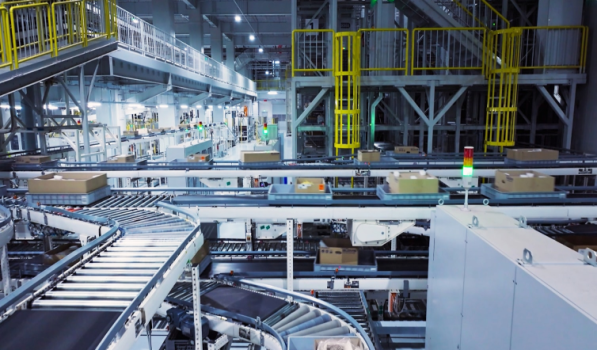
Operations & Maintenance
Conveyor Maintenance: What You Need to Know
Key Takeaways:
Reactive maintenance costs 3-4 times as much as preventive maintenance over the equipment's lifespan, and unplanned downtime costs industrial manufacturers an estimated $50 billion annually, according to the U.S. Department of Energy.
Most conveyor failures are preventable through consistent visual inspections that take just 10-15 minutes per shift
Proper belt tension can extend belt life by up to 50% while reducing energy consumption, and even small misalignments cause significant wear, leading to premature failure and unexpected downtime.
Conveyor systems are the backbone of modern manufacturing and distribution operations. When your conveyor belt stops running, so does your production line. Yet many facilities treat conveyor maintenance as an afterthought, waiting for breakdowns to happen before taking action.
Illustration: WorkTrek / Data: Business Research Insights
That reactive approach is costing manufacturers billions in lost productivity. According to research from the U.S. Department of Energy, unplanned downtime costs industrial manufacturers an estimated $50 billion annually, with conveyor failures ranking among the most common culprits.
The good news? Most conveyor problems are entirely preventable. With the right maintenance approach, you can keep your belt and conveyor system running smoothly while extending equipment lifespan and reducing unexpected downtime.
This guide walks you through everything you need to know about conveyor maintenance, from daily inspections to advanced preventative maintenance strategies that actually work.
Understanding Your Conveyor System Components
Before diving into maintenance procedures, you need to understand what makes your conveyor system tick.
A typical belt-and-conveyor system consists of several critical components that work together to move materials efficiently.
The conveyor belt itself is the most visible part, but it's just one piece of the puzzle. Drive motors provide the power, while pulleys and rollers support the belt and control its movement. Bearings reduce friction at connection points, and idlers support the belt along its length.
Source: WorkTrek
Electrical components control the entire operation, from motor speed to emergency stops. The gearbox transfers power from the motor to the drive pulley, and proper tension mechanisms keep everything aligned and prevent belt slippage.
Each component plays a specific role in normal conveyor operation. When one element fails or operates inefficiently, it creates a cascade effect that impacts the entire system. That's why comprehensive conveyor maintenance requires attention to every part, not just the obvious ones.
The Real Cost of Poor Conveyor Maintenance
The numbers tell a sobering story.
For a mid-sized manufacturing facility operating 24/7, a single conveyor breakdown lasting just four hours can cost $25,000 or more in lost production. That doesn't even account for emergency repair costs, overtime labor, or the ripple effects throughout your supply chain.
Illustration: WorkTrek / Data: Noreside Engineering Group
Material buildup alone causes significant problems. When debris accumulates on rollers, pulleys, or the belt surface, it creates uneven load distribution and increased wear. This seemingly minor issue leads to belt misalignment, unusual noise, and eventually, complete system failure.
Reactive maintenance costs three to four times as much as preventive maintenance over the equipment's lifespan. Yet many facilities still operate in reactive mode, essentially throwing money away on problems they could have prevented.
Daily Visual Inspection Checklist
It all starts with consistent daily visual inspections. Your maintenance team should complete these checks at the start of each shift, taking just 10-15 minutes to spot potential problems before they escalate.
Start by watching the conveyor belt during operation. Look for any wobbling, swaying, or irregular movement that indicates alignment issues.
The belt should track straight and centered on the pulleys without drifting to either side.
Check for material buildup on the belt surface, rollers, and pulleys. Even small accumulations of debris can throw off belt alignment and create uneven wear patterns. Note any areas where product spillage occurs regularly, as these spots need more frequent cleaning.
Source: WorkTrek
Listen carefully during the operation. Unusual noise often signals problems with bearings, misalignment, or loose connections. A healthy conveyor system produces a consistent, steady sound. Any squealing, grinding, or rattling deserves immediate attention.
Inspect the belt surface for cuts, tears, or excessive wear. Check belt tension by pressing down on the slack side of the belt between pulleys. It should give slightly but feel firm and resilient. If it feels loose or sags excessively, you'll need to adjust belt tension soon.
Look at drive motors and electrical components for signs of overheating, unusual vibration, or loose connections.
Check that all safety guards remain in place and functioning correctly. These simple daily checks catch most problems while they're still minor and inexpensive to fix.
Essential Weekly Maintenance Tasks
Weekly maintenance goes beyond daily visual inspection, targeting components that require regular attention but don't require daily service. Schedule these tasks for slower production periods or during planned downtime.
Belt Alignment and Tracking
Belt alignment is important for smooth operation and preventing increased wear. Misaligned belts create uneven load distribution, cause edge damage, and significantly shorten belt life.
To check alignment, let the conveyor run empty and observe the belt's tracking. It should remain centered on all pulleys and idlers without contacting the frame or guards. If the belt drifts to one side, you'll need to adjust pulley alignment.
Most conveyor systems use adjustable take-up pulleys to correct tracking. Small adjustments go a long way.
Turn the adjustment bolt on the side where the belt is moving away from in quarter-turn increments, allowing the belt to complete several revolutions between adjustments.
Roller and Idler Inspection
Rollers and idlers support your conveyor belt and ensure smooth operation. When they fail, they create flat spots on the belt and cause irregular motion.
Check each roller by spinning it by hand during shutdown. It should rotate freely without grinding, squealing, or resistance. Sticky or seized rollers need immediate replacement before they damage the belt.
Look for material buildup around roller bearings and idlers. This debris restricts rotation and creates hot spots that accelerate wear. Clean thoroughly with appropriate tools and solvents based on your material type.
Lubrication Schedule
Proper lubrication reduces friction and extends bearing life throughout your conveyor system. Different components require different lubricants and frequencies.
Source: WorkTrek
Bearings typically need greasing every 500-1000 operating hours, though this varies by manufacturer and operating conditions.
Use the lubricant type specified in your equipment manual and recommended by the manufacturer.
Over-lubrication causes as many problems as under-lubrication, so follow recommended quantities precisely.
Chain-driven conveyors need regular chain lubrication to prevent slippage and wear. Apply lubricant to the inside of the chain while it's running slowly, allowing it to penetrate all contact points.
Gearbox oil levels need weekly checks. Low oil causes overheating and premature gear failure. Check for leaks around seals and gaskets, as these indicate maintenance needs before they become major repairs.
Monthly Comprehensive Inspections
Monthly inspections provide opportunities to examine components that wear gradually and need systematic tracking. These deeper dives catch developing problems before they cause unexpected downtime.
Belt Tension Assessment
Belt tension directly affects conveyor performance and component life. Too loose, and you get belt slippage. Too tight, and you create excessive load on bearings and motors, shortening their lifespan.
According to research from the Conveyor Equipment Manufacturers Association, proper belt tension can extend belt life by up to 50% while reducing energy consumption.
Most belt and conveyor systems use one of three tensioning methods: gravity take-up, screw take-up, or automatic tensioning systems. Check your manufacturer's specifications for the correct tension measurement for your specific belt type and width.
For manual systems, adjust belt tension when slack exceeds 2-3% of the center span between pulleys. Make small adjustments and allow the belt to run for several hours before rechecking, as tension changes with temperature and belt stretch.
Electrical System Checks
Electrical components control your entire conveyor operation but are often overlooked during maintenance rounds. Monthly inspections should include thorough reviews of the electrical system.
Check all electrical connections for tightness, corrosion, or damage. Loose connections create resistance, generate heat, and eventually fail. Tighten any loose terminals and clean corroded connections.
Inspect motor wiring for fraying, cracking, or exposure. Damaged insulation creates short circuit risks and safety hazards for your team. Replace damaged wiring immediately rather than waiting for failure.
Test emergency stop functionality monthly. Every e-stop button and pull cord should bring the conveyor to an immediate halt. Non-functioning safety systems create liability risks and violate OSHA requirements in most jurisdictions.
Pulley Examination
Pulleys guide your conveyor belt and transfer drive force from the motor. When pulleys wear unevenly or develop coating buildup, they cause belt slippage and tracking problems.
Inspect the drive pulley for worn lagging or coating. The pulley surface should feel slightly tacky with even texture. Smooth, glazed areas indicate wear that reduces traction and leads to prevent slippage problems.
Source: WorkTrek
Check tail and snub pulley alignment using a laser alignment tool or straightedge. Pulleys out of parallel by even 1/4 inch create significant belt wear and tracking issues. Adjust mounting bolts to bring pulleys into proper alignment.
Look for material build up on pulley faces. Debris creates uneven surfaces that throw off belt tracking. Clean pulleys thoroughly during shutdown, taking care not to damage lagging or coatings.
Seasonal and Quarterly Deep Maintenance
Some conveyor maintenance tasks need less frequent attention but require more extensive work. Schedule these during planned shutdowns or slower production periods.
Complete Belt Inspection
Every three to six months, conduct a comprehensive belt inspection. This means running the empty conveyor slowly while examining every inch of belt surface for damage.
Look for longitudinal cracks, gouges, tears, or areas where plies have separated. These defects weaken the belt and lead to catastrophic failure if left unchecked. Mark damaged areas with chalk and photograph them for documentation.
Measure belt thickness at multiple points to track wear patterns. Uneven wear indicates alignment or loading issues that need correction. Most belts should be replaced when they've lost 20-30% of their original thickness, though this varies by application.
Check splices carefully for signs of separation or weakness. Most belt failures occur at splices, so this inspection is critical. Watch for gaps between plies, adhesive failure, or mechanical fastener looseness.
Bearing Replacement Schedule
Bearings are wear items that need periodic replacement regardless of apparent condition. Studies show that scheduled bearing replacement reduces unexpected failures by up to 70% compared to run-to-failure approaches.
Track bearing operating hours for each critical location in your system. Replace high-load bearings (drive pulley, high-tension idlers) every 15,000-20,000 hours of operation. Less critical bearings can often run 25,000-30,000 hours before replacement.
When replacing bearings, always replace seals simultaneously. Old seals allow contaminant entry and lubricant escape, negating the benefits of new bearings.
Consider upgrading to sealed bearings in harsh environments. Though initially more expensive, sealed bearings last longer and reduce maintenance frequency in dusty or wet conditions.
Drive Motor Maintenance
Drive motors power your entire conveyor system, yet they're often neglected until they fail. Quarterly maintenance keeps motors running efficiently and prevents unexpected downtime.
Check motor mounting bolts for tightness. Vibration loosens mounting hardware over time, allowing motors to shift position and throw off belt alignment.
Source: WorkTrek
Measure motor current draw during normal operation. Compare readings to nameplate specifications. Current draw significantly above rating indicates motor problems or excessive system load.
Inspect motor cooling fans and vents for debris accumulation. Blocked cooling passages cause overheating and premature motor failure. Clean thoroughly with compressed air, being careful not to damage fan blades.
Test motor insulation resistance annually using a megohmmeter. Readings below one megohm per 1,000 volts of motor rating indicate insulation breakdown and impending failure. Address low readings immediately to prevent unplanned motor replacement.
Common Conveyor Problems and Solutions
Even with excellent preventative maintenance, problems occasionally arise. Recognizing symptoms quickly and knowing how to respond minimizes downtime and repair costs.
Belt Slippage Issues
Belt slippage occurs when the drive pulley can't grip the belt sufficiently to move the load. You'll notice the motor running, but the belt moving slowly or intermittently.
The most common cause is inadequate belt tension. Adjust the belt tension according to the manufacturer's specifications. Remember that new belts stretch during initial operation and need retensioning after the first few weeks.
Worn or contaminated pulley lagging also causes slippage. Oil, grease, or product buildup on the drive pulley creates a slippery surface. Clean the pulley thoroughly and consider relagging if wear is excessive.
Overloading causes slippage even with proper tension. Review your system's rated capacity and ensure loads don't exceed design specifications. If increased capacity is needed, you may need a larger drive motor or gearbox upgrade.
Mistracking and Alignment Problems
Mistracking happens when the belt drifts to one side instead of running centered on the pulleys. This creates edge wear, increases friction, and can cause the belt to rub against the frame.
Start by checking pulley alignment. Use a laser alignment tool or straightedge to verify all pulleys are parallel. Adjust mounting bolts to correct misalignment, making small changes and checking results.
Uneven loading causes mistracking even with perfect pulley alignment. Ensure material feeds onto the belt center, not off to one side. Adjust chutes, hoppers, or loading points to center material properly.
Check for buildup on rollers or idlers. Material accumulation makes one side higher than the other, pushing the belt off-center. Clean all rollers thoroughly and inspect for damaged or seized units.
Excessive Noise and Vibration
Unusual noise signals a problem that needs immediate attention. Different sounds indicate different issues, so learning to distinguish them helps diagnose problems quickly.
Squealing typically indicates bearing failure or belt slippage. Check all bearings for roughness when spinning by hand. Test belt tension and adjust if needed. Inspect for debris that could cause the belt to rub against guards or frames.
Grinding sounds usually mean bearing failure or foreign objects caught in moving parts. Shut down immediately to prevent additional damage. Locate the noise source precisely and inspect for failed bearings or trapped debris.
Rhythmic thumping or knocking often indicates damaged splices, flat spots on rollers, or loose mechanical connections. Inspect the belt for splice separation. Check all rollers for flat spots or rough rotation. Tighten loose bolts and mounting hardware.
Excessive vibration points to imbalance, misalignment, or looseness somewhere in the system. Check motor and pulley mountings for tightness. Verify pulley alignment and balance. Inspect for eccentric rotation in pulleys or rollers.
How CMMS Transforms Conveyor Maintenance
Traditional paper-based or spreadsheet maintenance tracking falls apart quickly in real-world operations. Technicians miss scheduled tasks during busy periods, inspection data gets lost, and you have no visibility into emerging patterns that signal developing problems. Learn how predictive maintenance tools can help prevent these issues.
Automated Maintenance Scheduling
CMMS software automatically generates work orders based on time intervals, operating hours, or meter readings. Your daily visual inspections, weekly lubrication tasks, and quarterly deep maintenance all appear on technician schedules without manual tracking.
Source: WorkTrek
The system can be configured to send reminders before tasks come due, preventing the "oops, we forgot" scenarios that lead to equipment failure.
Complete Maintenance History Tracking
Every inspection, repair, and part replacement gets documented in your CMMS. This historical data becomes invaluable for troubleshooting recurring problems and optimizing maintenance frequencies.
When a conveyor belt fails prematurely, you can review maintenance records to identify root causes. Was lubrication performed on schedule? Did inspection note developing cracks? Has this belt location failed multiple times?
These insights help you move from reactive repairs to proactive improvements.
Inventory Management Integration
CMMS tracks spare parts inventory and alerts you when stock levels run low. For conveyor maintenance, this means having belts, bearings, pulleys, and other critical components on hand when needed.
According to a study by Reliable Plant, unplanned parts procurement adds an average of 4-6 hours to repair times, extending downtime and increasing costs. CMMS prevents these delays by ensuring parts availability.
The system also tracks part usage patterns, helping optimize inventory levels. You'll know which components fail most frequently and ensure adequate stock without tying up excess capital in slow-moving parts.
Mobile Accessibility for Technicians
Source: WorkTrek
Modern CMMS platforms offer mobile apps that put maintenance information in technicians' hands wherever they work. Your team can access work orders, equipment manuals, and inspection checklists right at the conveyor location.
Performance Analytics and Reporting
Source: WorkTrek
CMMS aggregates maintenance data into dashboards and reports that reveal system performance trends. You can track key metrics like mean time between failures, maintenance costs per conveyor, and planned versus unplanned maintenance ratios.
Why WorkTrek is the Ideal CMMS for Conveyor Maintenance
WorkTrek delivers CMMS capabilities specifically designed for manufacturing operations. The intuitive platform enables maintenance teams to achieve productivity within days, with a straightforward mobile app requiring minimal training.
Customizable checklists adapt to conveyor maintenance needs—from daily inspections to monthly reviews. The asset hierarchy organizes maintenance by conveyor line while tracking individual components. Real-time dashboards display compliance rates and emerging issues across all systems.
Integration capabilities connect with existing inventory and SCADA controls. WorkTrek scales effortlessly from five conveyor lines to fifty, supporting increasingly sophisticated strategies as programs mature.
Manufacturing facilities report significant improvements in conveyor reliability and maintenance efficiency.
Conclusion: From Reactive to Proactive
Conveyor maintenance doesn't have to be complicated, but it must be systematic. The difference between smooth operation and costly, unexpected downtime comes down to consistently executing fundamental practices.
Your conveyor system will tell you what it needs if you listen—unusual noise, irregular movement, and gradually declining performance all signal developing problems. Catching them early through regular inspections and preventative maintenance is always cheaper than dealing with catastrophic failures.
The facilities that excel at conveyor maintenance share common characteristics:
They schedule maintenance based on data rather than waiting for problems to arise.
They empower technicians with proper tools, training, and information.
They use technology such as WorkTrek CMMS to automate scheduling and track results.
Additionally, they treat maintenance as an investment rather than an expense.
Take control of your conveyor maintenance today. Your production schedule, your maintenance budget, and your sanity will all benefit.
Make your work easier.
Try for free.
Book a demo