


Get a Free WorkTrek Demo
Let's show you how WorkTrek can help you optimize your maintenance operation.
Try for freeKey Takeaways:
- The world’s 500 largest companies lose $1.4 trillion annually due to unplanned downtime — equal to 11% of total revenues.
- Not all equipment carries the same risk. Criticality analysis helps you concentrate maintenance where it delivers the most value.
- A structured criticality assessment covers two core factors: probability of failure and consequences of failure.
- A CMMS like WorkTrek turns equipment criticality ratings into actionable, data-driven maintenance strategies that reduce downtime and cut operating costs.
Not all equipment is created equal. Some assets are mission-critical. Others can fail without halting production for more than an hour. The real challenge is knowing which is which and designing your maintenance strategy around that knowledge.
That is exactly what equipment criticality analysis helps you do.
This guide explains what equipment criticality is, why it matters, and how to perform a criticality analysis step by step. You will also learn how a modern CMMS like WorkTrek turns criticality data into smarter maintenance decisions.
What Is Equipment Criticality?
Equipment criticality refers to the relative importance of a piece of equipment to your operation’s continued functioning. It is a measure of what happens when that asset fails, and how severe the impact is, and how likely it is to occur.
A high-criticality asset is one whose failure causes significant losses: production downtime, safety hazards, environmental damage, or steep repair costs.
A low-criticality asset, by contrast, can fail with minimal operational impact.
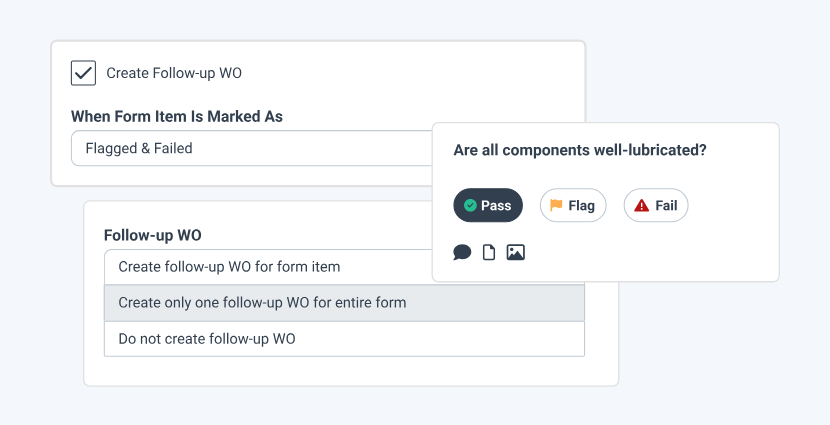
Assigning a criticality ranking to every asset allows maintenance managers to allocate resources where they matter most. Without a clear ranking, maintenance teams risk spreading efforts too thin and end up overmaintaining low-risk assets while neglecting the critical ones.
Why Equipment Criticality Matters
The impact of equipment failure extends far beyond a single broken machine. According to a 2024 Siemens report, unplanned downtime costs the world’s 500 largest companies $1.4 trillion annually. That equals 11% of total revenues.
In the automotive sector alone, one idle production line costs up to $2.3 million per hour. In heavy industry, the figure reaches $59 million per hour.
These are extreme examples. But the lesson applies to facilities of every size. Unplanned downtime drains budgets, disrupts production schedules, harms product quality, and erodes customer trust. When equipment fails unexpectedly, the ripple effects are rarely contained.
Equipment criticality assessment helps you get ahead of these consequences. By identifying your most critical assets and applying the right maintenance strategy to each, you reduce the risk of failure for the equipment carrying the highest operational risk.
Research from ABB’s Value of Reliability report, which surveyed more than 3,200 global plant maintenance leaders, found that two-thirds of industrial companies cite unplanned downtime as one of their biggest operational challenges.
Those that address it through structured maintenance planning consistently outperform those that do not.
What Does an Equipment Criticality Assessment Evaluate?
An equipment criticality assessment evaluates each asset based on two core factors.
1. Probability of failure
How likely is this piece of equipment to fail within a given period? Historical maintenance data, failure records, and expert judgment all inform this score. Assets that run continuously under harsh conditions carry a higher probability of failure than those used intermittently.
2. Consequences of failure
If this asset fails, what happens? The evaluation process looks at several areas:
- Production losses and downtime duration
- Safety implications for maintenance personnel and plant workers
- Environmental impact and potential regulatory penalties
- Repair costs and spare parts availability
- Impact on product quality and customer commitments
These two factors are typically plotted on a risk matrix. Assets that score high on both axes receive the highest criticality ranking and become the focus of the most intensive maintenance tasks and monitoring programs.
How to Perform a Criticality Analysis: Step by Step
Step 1: Assemble a Cross-Functional Team
Do not limit the assessment to maintenance personnel alone. The process benefits from input across operations, safety, procurement, and finance. Each department experiences equipment failure differently.
Broadening the team prevents blind spots and produces more accurate criticality rankings. Operations knows which equipment directly throttles production output. Safety knows which assets create the greatest hazard exposure. Finance understands the full cost impact of downtime.
Step 2: Define Your Risk Matrix
Your team must agree on a consistent scoring framework before evaluating any asset.
Define what constitutes a major consequence versus a minor one. Establish clear probability ratings. These definitions must reflect your specific facility’s context.
A common approach uses a 1-to-5 scale for both factors. A score of 5 represents the most severe consequence or the highest probability of failure. Multiply the two scores to produce a criticality number.
For example:
- Consequence score: 5 (plant-wide downtime for 24+ hours)
- Probability score: 4 (likely to fail within the year)
- Criticality number: 20 (high risk, top priority for intensive maintenance)
Step 3: Identify the Assets to Evaluate
Focus on your most important assets first.
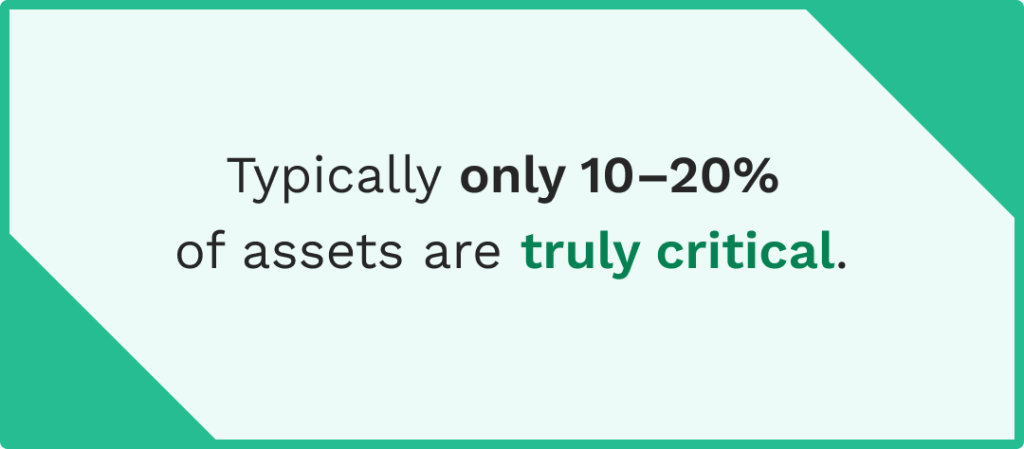
Many organizations recommend beginning with the top 10% to 20% of their total asset base. Trying to evaluate every component at once becomes unmanageable and delays results.
Start with production-critical equipment, safety-related systems, and assets with a known failure history. These are the equipment items most likely to carry a high criticality ranking.
Step 4: Gather Historical Maintenance Data
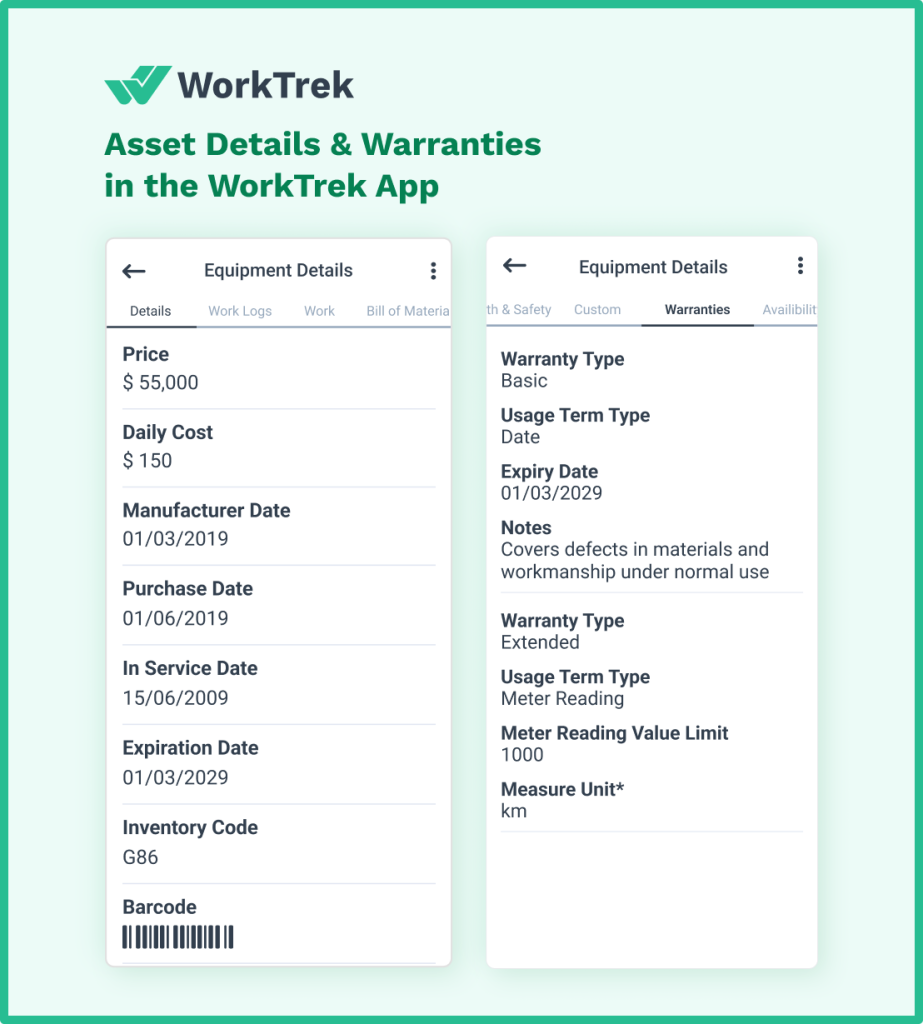
Pull records from your maintenance management system. Review work order history, failure modes, repair costs, and downtime frequency.
This historical maintenance data removes subjectivity from the evaluation process. Assets with frequent breakdowns, high repair costs, or long downtime durations are strong candidates for a higher criticality ranking.
Step 5: Score and Rank Each Asset
Using your risk matrix and the data collected, score each piece of equipment on both factors. Calculate the criticality number, then rank all assets from highest to lowest.
This priority ranking becomes your guide for allocating maintenance efforts, scheduling preventive maintenance tasks, and managing your spare parts inventory.
Step 6: Assign a Maintenance Strategy to Each Tier
Once your criticality ranking is in place, assign the appropriate maintenance strategy to each tier.
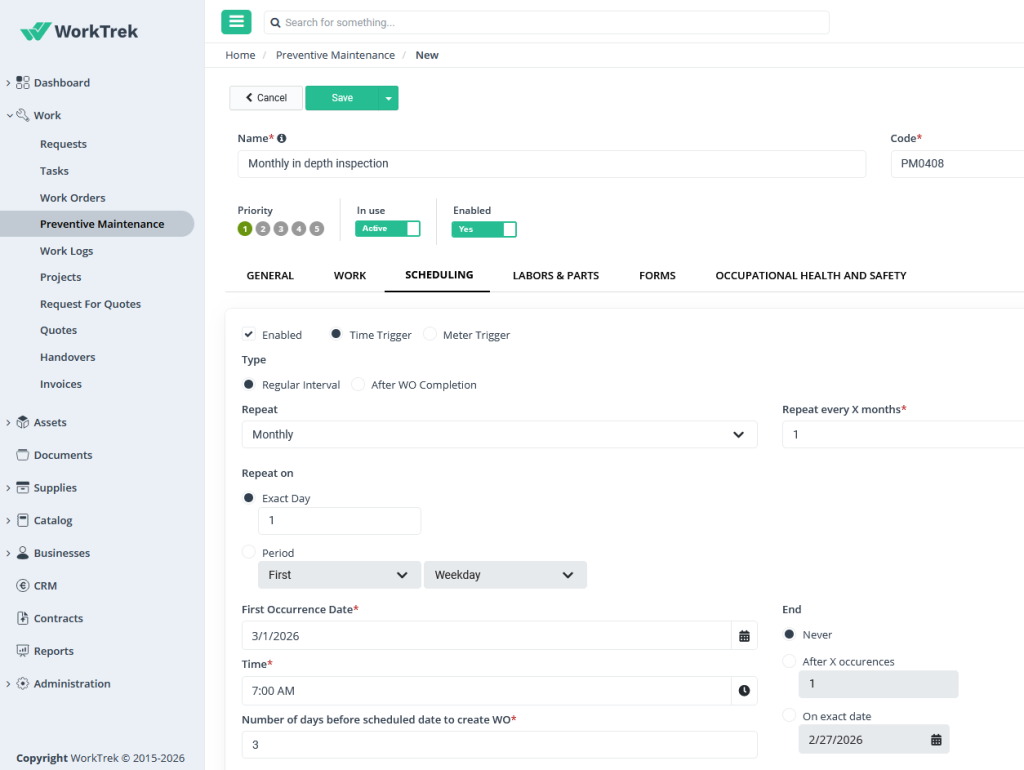
High-criticality assets warrant predictive maintenance, condition-based monitoring, and strict preventive maintenance schedules.
Medium-criticality assets can be managed with standard preventive maintenance programs.
Low-criticality assets may be candidates for run-to-failure maintenance, depending on their replacement cost and availability.
The goal is not to maintain everything equally. It is to concentrate maintenance activities on the assets that carry the greatest risk to continued operation.
Step 7: Review and Update Regularly
Equipment criticality is not static. A supplier discontinuing a critical spare part can raise an asset’s criticality ranking overnight. New redundancies built into a production line can lower it.
Schedule regular reviews biannually to keep your criticality ratings current. Many organizations revisit them whenever a significant failure occurs or production layouts change.
Common Criticality Categories
Most criticality assessment frameworks use three to four tiers. Here is how they typically break down.
Critical (High) — Failure causes significant production losses, safety hazards, or major environmental impact. These assets demand the most intensive maintenance strategy, the tightest preventive maintenance schedules, and the most carefully managed spare parts inventory.
Essential (Medium-High) — Failure has a meaningful impact, but the business can absorb it for a short period. Consistent preventive maintenance is necessary.
Standard (Medium-Low) — Failure causes minor disruptions. These assets can tolerate a less intensive maintenance approach without significantly affecting operational efficiency.
Non-Critical (Low) — Failure has minimal impact on operations. These assets are often managed with a run-to-failure strategy as a deliberate choice to reduce operating costs.
How CMMS Supports Equipment Criticality
A structured criticality analysis is only as good as the data behind it and the system used to act on the results. That is where a CMMS becomes a valuable tool for any maintenance team.
WorkTrek is a modern CMMS platform built to make maintenance management smarter, more structured, and more data-driven. It supports every stage of the criticality analysis and helps teams act on the results consistently.
Centralized Historical Maintenance Data
A CMMS centralizes all maintenance records, work order histories, failure logs, and repair costs in one place. When assessing equipment criticality, managers can quickly pull accurate historical data. No need to piece together information from spreadsheets or outdated paper records.
Asset Management and Criticality Tracking
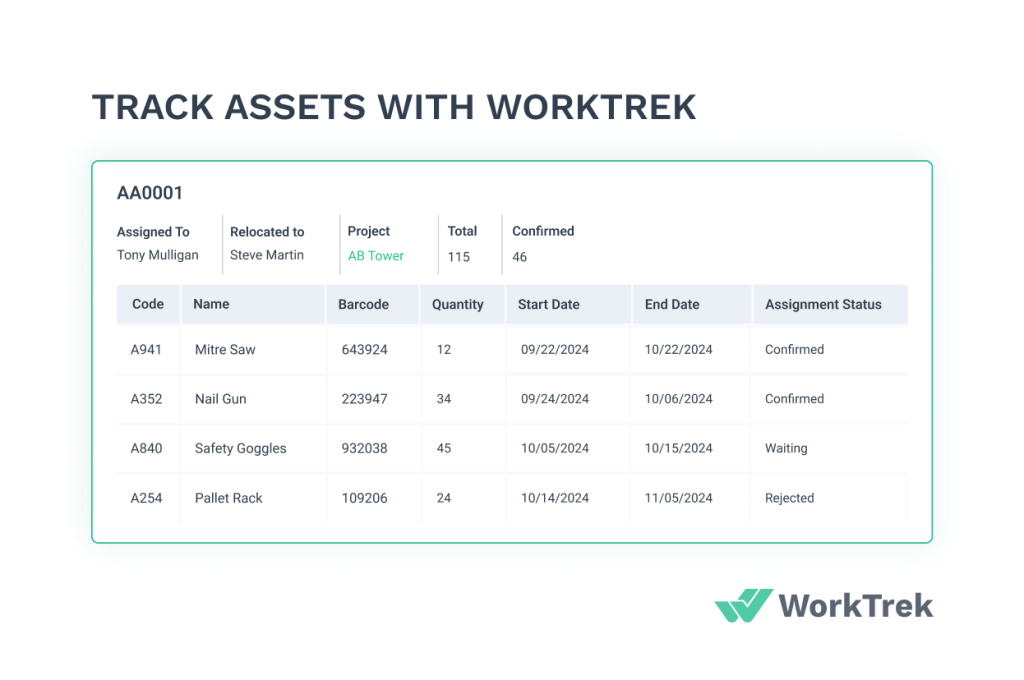
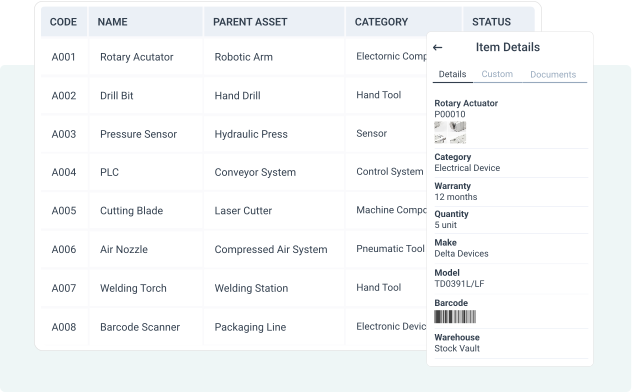
With a modern CMMS asset management module, you can create detailed profiles for every piece of equipment. These profiles store maintenance history, failure modes, and current condition. This makes it easy to record and track criticality scores directly within the platform.
Automated Preventive Maintenance Scheduling
Once your criticality rankings are set, a CMMS like WorkTrek can help you implement the right maintenance strategy.
The preventive maintenance tools allow you to automate task scheduling based on each asset’s criticality tier. High-risk assets receive more frequent inspections and tighter intervals. Lower-risk assets are maintained appropriately without consuming excess resources.
Work Order Prioritization
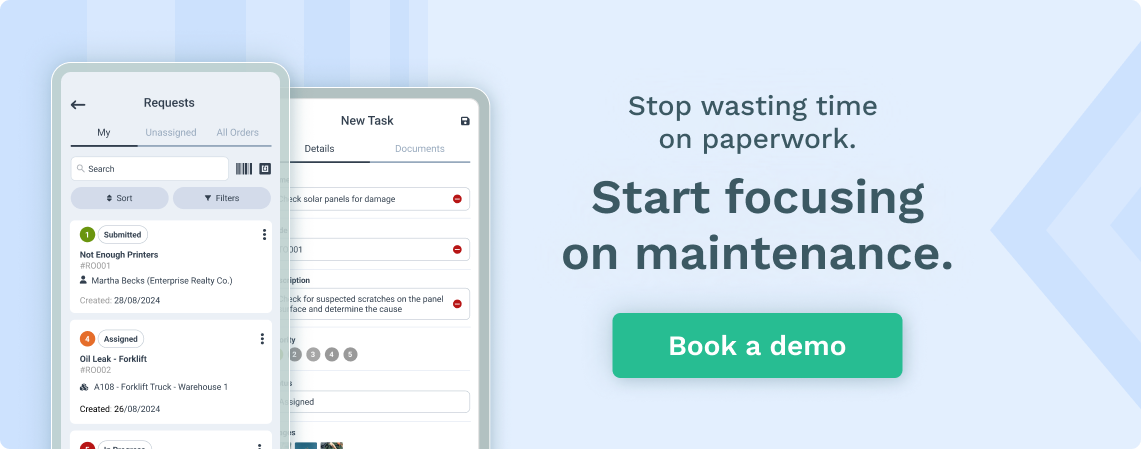
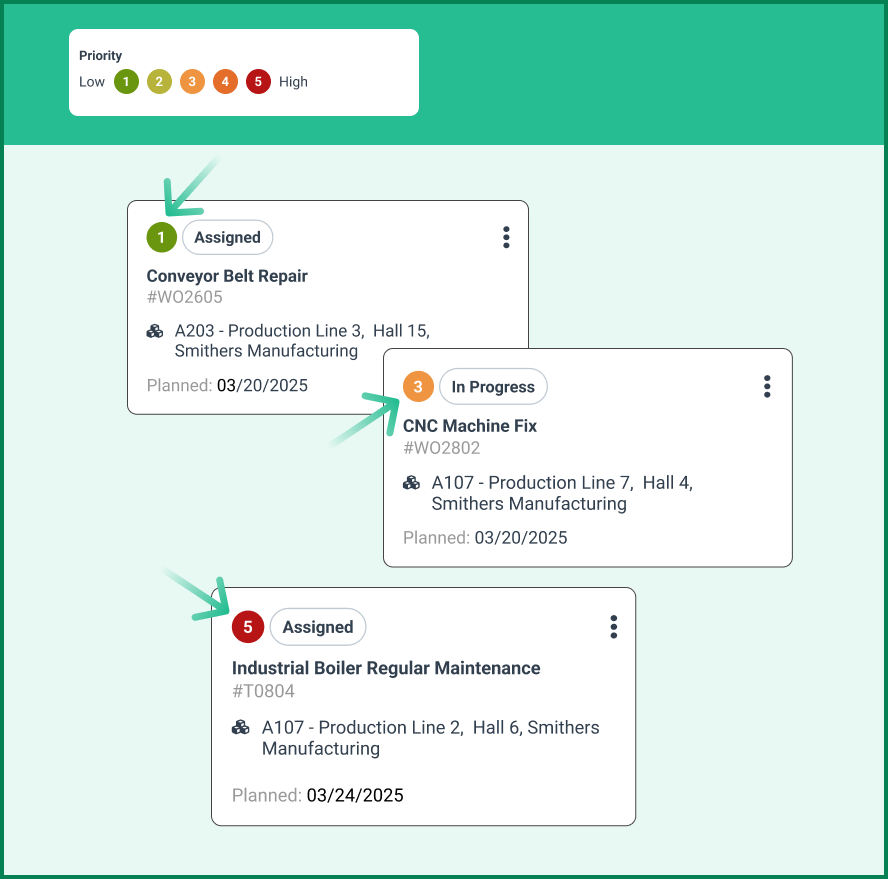
Not all work orders carry the same urgency. A CMMS allows maintenance managers to prioritize tasks based on asset criticality. When equipment fails, the team immediately knows which repairs take precedence and which can be scheduled.
Spare Parts Inventory Management
For critical assets, having the right spare parts on hand can mean the difference between a two-hour repair and a two-day shutdown. WorkTrek’s parts and inventory management feature tracks stock levels and alerts teams when critical components fall below minimum thresholds.
Performance Monitoring and Ongoing Improvement
Over time, WorkTrek captures the data needed to validate and refine criticality rankings. Managers can review failure frequency, repair costs, and downtime trends to determine whether current maintenance strategies are effective and, most importantly, adjust them if they are not.
CMMS enables faster, smarter decisions at every level of the maintenance operation. And when it comes to equipment criticality, that translates to fewer surprises, better resource allocation, and significantly less unplanned downtime for your most important assets.
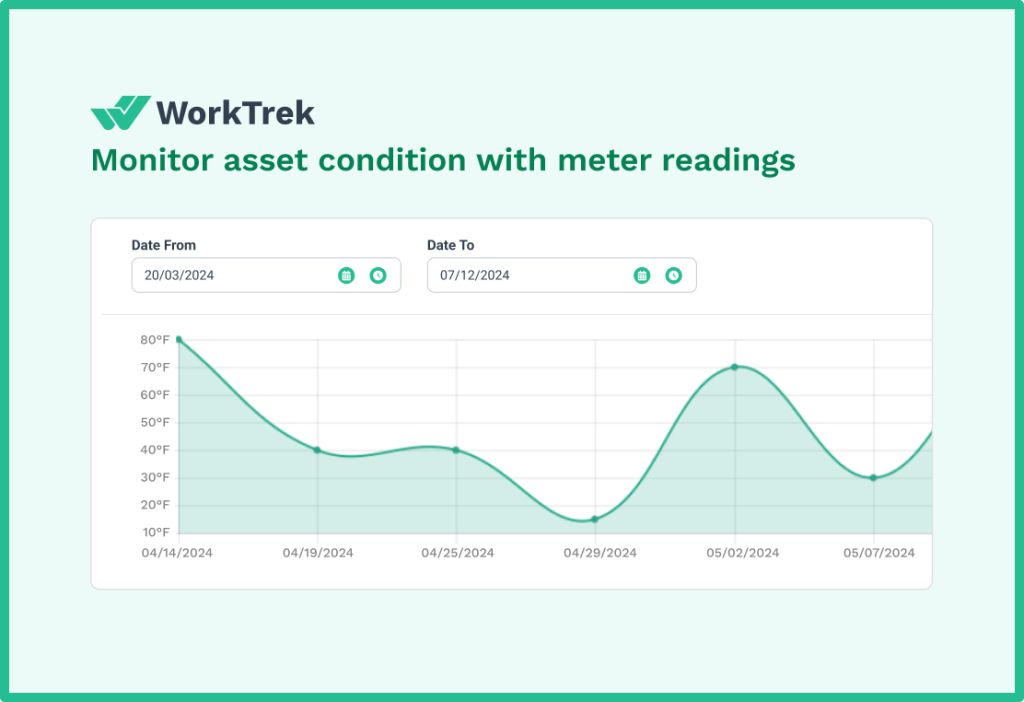
According to a recent survey, teams using CMMS platforms report better visibility into completed work, reduced unplanned downtime, and improved team communication. All of this directly supports a more effective criticality-based maintenance strategy.
Equipment Criticality and Your Broader Maintenance Strategy
Equipment criticality assessment does not exist in isolation. It is the foundation of an effective maintenance strategy and a prerequisite for smarter maintenance planning.
Without it, teams end up in one of two traps: over-maintaining low-risk assets while neglecting critical ones, or applying the same maintenance frequency to everything regardless of risk. Both outcomes drain budgets and reduce overall maintenance efficiency.
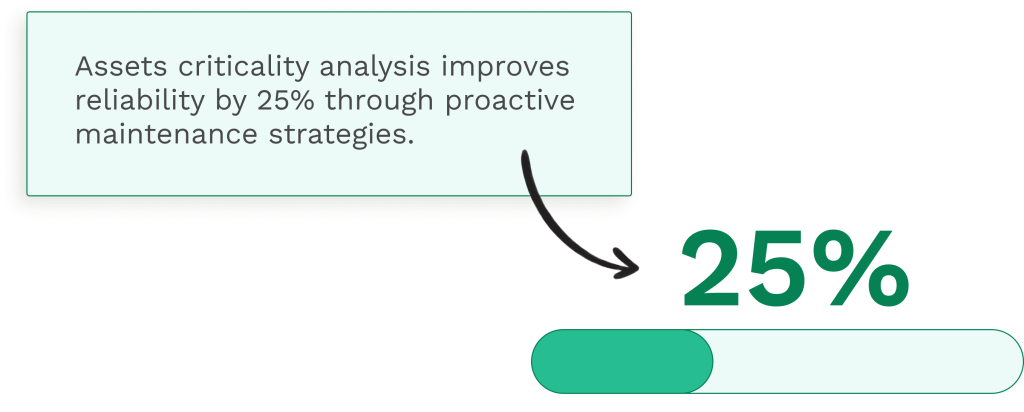
With a solid criticality ranking in place, maintenance managers can make informed decisions about budget allocation, staffing, and scheduling. They can build a preventive maintenance program genuinely tied to operational risk, not just based on assumptions or outdated habits.
Conclusion
Equipment criticality is not a one-time exercise. It is an ongoing process that keeps your maintenance team focused on what matters most.
By identifying your most critical assets, understanding the potential consequences of failure, and applying the right maintenance approach to each tier, you reduce downtime, protect production, and make smarter use of limited resources.
Start with your top assets. Assemble a cross-functional team, define your scoring criteria, and build your risk matrix. Then use a CMMS like WorkTrek to act on your findings, track equipment performance over time, and keep your criticality rankings current as your operation evolves.
The difference between a reactive maintenance department and a proactive one often comes down to this: knowing which assets deserve your attention first.