

Blog

Facility Management
Why is Commercial Property Maintenance Important?
After ten years working with property management companies, we’ve learned that commercial property maintenance isn’t just about keeping buildings pretty. It’s the difference between a thriving investment and a money pit that keeps you awake at night. The question “why is commercial property maintenance important” comes up constantly in our industry, and honestly, the answer […]
After ten years working with property management companies, we've learned that commercial property maintenance isn't just about keeping buildings pretty. It's the difference between a thriving investment and a money pit that keeps you awake at night.
The question "why is commercial property maintenance important" comes up constantly in our industry, and honestly, the answer goes way deeper than most people realize.
Illustration: WorkTrek / Data: Grand View Research
Commercial property maintenance encompasses everything from daily janitorial services to major system overhauls, and getting it right can make or break your investment.
What do property managers deal with?
When property managers discuss maintenance, they are not just talking about someone sweeping the floors. Managing a property requires a comprehensive maintenance plan that should cover all building components that keep your commercial property running smoothly.
As a seasoned property manager, you already know that proper maintenance affects everything from tenant retention to market value.
Illustration: WorkTrek / Data: WiFi Talents
Commercial buildings that consistently perform well all have one thing in common: Owners and maintenance managers who understand the importance of preventative maintenance.
Your property maintenance plan needs to address:
Daily maintenance tasks like cleaning and basic monitoring
Preventive maintenance tasks, such as regular inspections of major systems
Emergency repairs when building components fail unexpectedly
Major repairs and system replacements that protect long-term value
Different types of commercial buildings have their own unique challenges.
Office properties focus on accessible and comfortable environments with quality climate control and energy-efficient lighting.
Retail spaces need attractive exteriors and safe areas for tenants and visitors.
Industrial facilities prioritize the functionality of their equipment, easy access to loading docks, and compliance with local building codes.
How to increase property values
There are various tactics that experienced facility managers use to separate successful properties from struggling ones.
A lot of these tactics ensure that your property can retain and increase its value.
Your Commercial Property Remains Valuable
We've watched identical buildings in the same market follow completely different paths based solely on their maintenance approach.
For example, a well-maintained property typically sees 10-15% higher market value compared to neglected competitors. That's not just theory, that's real money in your pocket.
The proactive approach always wins.
Illustration: WorkTrek / Data: Arrow Masonry
Implementing a preventive maintenance plan will help improve your equipment's lifespan and keep your building in top shape.
For example, a well maintained HVAC systems can last 20-25 years instead of 15-20 years with neglect.
When you're talking about $100,000+ replacement costs, that extra lifespan represents serious cost savings.
Tenant Satisfaction Drives Everything
As a building owner, you already know that happy tenants mean stable cash flow.
When your building is clean and inviting, has properly working systems, and issues get resolved quickly, tenant retention soars.
Property management becomes streamlined when you're not constantly dealing with complaints and putting out fires.
Illustration: WorkTrek / Data: Horizontal Insights
Most commercial leases require a response to maintenance requests within 24-48 hours. Properties that consistently meet these deadlines through efficient maintenance efforts see dramatically lower vacancy rates.
Tenant satisfaction also depends on factors such as energy efficiency standards compliance, proper security systems operation, and maintaining comfortable environments.
When tenants and visitors experience consistent quality, it reflects positively on their businesses too.
The Math on Cost Savings
This might sound backwards, but spending money on ongoing maintenance actually helps you save money long-term.
Industry data consistently shows that every dollar invested in preventive maintenance programs saves $3-5 in emergency repairs.
Consider these real numbers from my experience:
Regular HVAC filter changes: $30-60 per visit
Emergency system replacement: $18,000-30,000
Routine plumbing inspections: $200-400 quarterly
Emergency water damage repairs: $15,000-50,000+
Predictive Maintenance for Buildings
Illustration: WorkTrek / Data: Big Data Analytics News
Predictive maintenance has started to change property maintenance. Smart sensors embedded in variety of equipment types such as HVAC systems, Chillers and various pumps can detect minor issues that most humans might miss.
This data can then be sent to maintenance teams for further testing and validation.
Legal Requirements
Commercial property managers deal with various regulatory issues.
Fire safety systems, local building codes, ADA compliance, —these aren't suggestions, they're legal requirements that can shut down your building if ignored.
Performing regular inspections helps ensure compliance with safety standards. You don't want to get on a building inspector's bad side by missing simple compliance requirements.
Fire safety systems need constant attention. Sprinkler systems, emergency lighting, and evacuation routes must be tested regularly.
Ignoring compliance and legal maintenance can lead to substantial liability risk.
Poor maintenance can lead to accidents involving tenants and visitors, resulting in expensive lawsuits. Insurance companies routinely deny claims when they determine incidents resulted from negligent maintenance practices.
Create Your Maintenance Strategy
Any successful property management starts with planning. The first step in the process is to create a commercial property maintenance checklist that covers every critical system.
Developing Your Comprehensive Maintenance Plan — Learn more about the importance of maintainability when creating effective maintenance strategies.
It is nearly impossible to track all of your maintenance needs without good documentation. A typical plan should specify precisely what needs attention and when.
Some examples include:
HVAC systems: Monthly filter changes, quarterly inspections
Electrical systems: Quarterly safety checks, annual panel evaluations
Plumbing systems: Bi-annual comprehensive assessments
Roofing systems: Annual structural integrity inspections
Security systems: Monthly testing, quarterly updates
Don't forget about sustainable practices either.
A typical property maintenance program now include recycling programs and energy-efficient upgrades that can reduce overall operational costs.
Creating Your Regular Maintenance Schedule
Different building components need attention at different intervals. Facility managers who get this right create schedules that prevent problems before they start.
Source: WorkTrek
Routine inspections should cover:
Daily: Basic building operations, janitorial services quality
Weekly: Common areas, exterior inspections for obvious issues
Monthly: Major systems performance, pest control effectiveness
Quarterly: Safety systems, detailed building components assessment
Annually: Comprehensive evaluations, irrigation systems, major equipment
The key is to stay consistent.
A regular commercial property maintenance program works because it catches minor repairs before they become major headaches.
Budget Planning That Works
Setting realistic budgets doesn't have to be a chore. A good rule of thumb for the industry is to plan to spend 1-3% of your property's value annually on maintenance costs.
It is helpful to create separate budget categories to help with tracking:
Routine preventive maintenance tasks
Emergency response plans and repairs
Major systems replacements and upgrades
Compliance-related safety inspections
Also, consider tracking spending by system type to identify patterns.
For instance, if your HVAC costs consistently exceed projections, it may be time to consider replacement rather than continuous repairs.
Managing Daily Operations
Strategic planning is clearly important, but a successful facility manager knows that managing and executing daily tasks is equally important.
Cleaning and Professional Appearance
As the famous saying goes, "You never get a second chance to make a good first impression".
Prospective tenants and visitors can quickly develop a negative view of your property if it is not well-maintained.
Maintaining professional janitorial services maintains clean, healthy environments that support tenant and visitor satisfaction.
A typical commercial property maintenance services typically include daily cleaning, weekly deep cleaning, and monthly specialized tasks like carpet shampooing and window cleaning.
Critical Building Systems
For most facilities, major systems include HVAC, electrical, and plumbing. All of these systems require specialized attention from qualified professionals.
If you neglect these building components, then there is a chance for a much costlier repair.
Don't forget that energy-efficient lighting upgrades deserve special mention.
LED systems paired with automated controls and motion detectors significantly reduce operational costs while improving tenant comfort.
The initial investment typically pays for itself within 2-3 years through energy savings.
Managing Problems When They Arise
Maintenance professionals know that despite the best preventive maintenance program, emergencies will happen.
The challenge is how quickly and effectively you respond. That is what makes the difference between a minor inconvenience and a major disaster.
Emergency Response Plans
Define and establish protocols for handling urgent maintenance issues.
Work with your contractors and establish response time requirements.
Emergency priorities should focus on:
Life safety issues (gas leaks, electrical hazards)
Property damage prevention (water leaks, roof failures)
Business operation continuity (HVAC failures, power outages)
Security system malfunctions
Routine Maintenance Issues
There are day-to-day maintenance requests that also need to be addressed.
Computerized Maintenance Management Systems like WorkTrek can simplify request tracking from submission to completion.
Minor repairs like fixture replacements, door adjustments, and basic plumbing fixes should be handled quickly to maintain tenant satisfaction.
How Technology Can Transform Your Maintenance Game
Implementing the right CMMS. Specifically, WorkTrek CMMS has revolutionized how property managers handle everything from routine inspections to emergency response plans.
Before we dive into the long-term strategies, let us discuss a CMMS can streamline every aspect of commerical property maintenance.
If you're still managing maintenance with spreadsheets and sticky notes, you're making your job harder than it needs to be.
Streamlining Your Comprehensive Maintenance Schedule
Here's what sets workTrek CMMS part: it takes all those maintenance tasks we've been talking about and puts them into one organized system.
Source: WorkTrek
You can automate your comprehensive maintenance schedule, so you're not constantly wondering if someone remembered to check the HVAC filters.
The system sends automatic reminders for preventive maintenance tasks, tracks work orders from start to finish, and maintains detailed records of every building component.
When a tenant calls about a maintenance issue, you can instantly see the history of that equipment, when it was last serviced, and what parts might be needed.
For facility managers and property owners juggling multiple commercial buildings, this kind of organization is invaluable.
Instead of trying to remember which property needs what attention when, the system manages your entire maintenance schedule across all locations and maintenance teams.
Boosting Tenant Satisfaction Through Better Response
One of my property management company clients saw their tenant satisfaction scores jump 40% after implementing workTrek CMMS.
Here's why: tenants can submit maintenance requests directly through the system. What is more impressive is that they get real-time updates on the status of their requests.
Source: WorkTrek
No more "I'll look into it" responses that leave tenants wondering if you forgot about their problem.
The system tracks response times, ensures nothing falls through the cracks, and provides transparency that tenants appreciate.
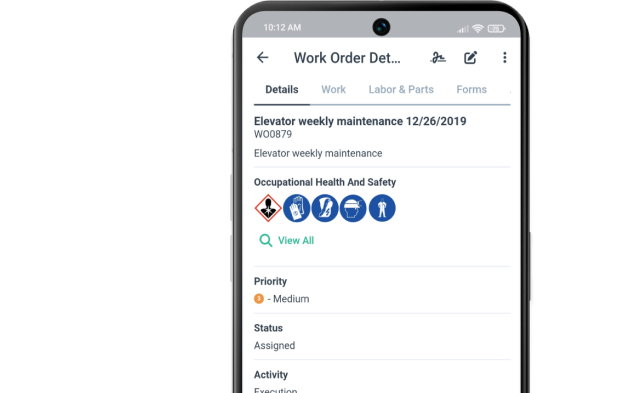
WorkTrek's mobile app means your maintenance team can update work orders in real-time, take photos of issues, and communicate directly with both property managers and tenants.
When someone reports a plumbing problem, you can track the entire process from initial report to final resolution.
Making Cost Savings Visible
Remember those cost savings we talked about from preventive maintenance? WorkTrek CMMS actually helps you track and prove those savings.
The system maintains detailed cost records for every repair, allowing you to compare preventive maintenance costs against emergency repair expenses.
We've seen property managers use this data to justify maintenance budgets to ownership groups.
When you can show property owners that spending $500 on preventive HVAC maintenance prevented a $15,000 emergency replacement, those budget conversations become much easier.
Illustration: WorkTrek / Data: Priority Comfort
The system also helps identify patterns.
If certain building components are requiring frequent minor repairs, the data might indicate it's time for replacement rather than continued patch jobs.
Ensuring Compliance and Safety
For those safety inspections and compliance requirements we discussed, WorkTrek CMMS maintains detailed audit trails.
When inspectors ask for documentation of fire safety system testing or elevator maintenance records, all records are organized and easily accessible.
The system can easily be configured to ensure compliance with local building codes by automatically scheduling required inspections and maintaining certification records.
For property managers dealing with multiple jurisdictions, this standardization is incredibly valuable.
Supporting Your Maintenance Team
Your maintenance staff will thank you for implementing a proper CMMS.
Instead of juggling paperwork, orders, and trying to remember equipment specifications, they have instant access to manufacturer information, maintenance histories, and step-by-step procedures right on their mobile devices.
The system also supports predictive maintenance by tracking equipment performance data over time.
This helps identify when major systems might need attention before they fail, supporting that proactive approach that saves money and prevents tenant disruptions.
Long-Term Success Strategies
The most successful commercial property managers think and plan beyond just simple fixes.
They invest in technology and improvements that will optimize their operations.
Smart Technology Integration
There are a number of smart technology systems that help provide real-time monitoring of major systems' performance.
Illustration: WorkTrek / Data: zipdo
Some smart technology examples include:
HVAC sensors for temperature and air quality monitoring
Water leak detection systems
Electrical monitoring for power consumption tracking
Occupancy sensors for usage optimization
Vibration sensors for mechanical equipment monitoring
Strategic Improvement Planning
Plan major upgrades during low-occupancy periods to minimize tenant disruption.
A comprehensive maintenance plan should include 5-year capital improvement schedules that address system replacements before failures occur.
Consider sustainable practices in all improvement decisions.
Energy-efficient equipment, water-saving fixtures, and environmentally friendly materials appeal to modern tenants while reducing operational costs.
Conclusion
Commercial property maintenance isn't glamorous work, but it's essential for long-term success.
Properties that conduct inspections regularly, maintain comprehensive maintenance schedules, and address maintenance issues promptly consistently outperform their neglected competitors.
Start with a solid property maintenance plan, budget realistically for both routine and emergency needs, and don't cut corners on professional services. Implement a CMMS system like WorkTrek to help optimize your operations.

Operations & Maintenance
6 Myths About Manufacturing Equipment Maintenance
Key Takeaways:
Unplanned downtime is the leading cause of lost productivity in plants.
BMW Group's plant avoids 500 minutes of production disruption annually due to PdM.
Teams using CMMS report fewer instances of unplanned downtime and increased team collaboration.
Understanding the distinction between fact and fiction in manufacturing maintenance can have a direct impact on your plant’s productivity, safety, and profitability.
So, to help you make informed, data-driven decisions, we’re debunking six common myths about maintaining manufacturing equipment.
Backed by recent data and expert insights, we’ll show you why these myths don’t hold up and what smart, high-performing teams are doing instead.
Maintenance Is Only Needed When Something Breaks
Unfortunately, some still cling to the old saying, “If it isn’t broken, don’t fix it.”
However, when it comes to manufacturing equipment, waiting for failure—known as reactive maintenance—can lead to costly disruptions, safety hazards, and avoidable damage.
It’s far from an ideal strategy.
A 2022 survey found that sudden equipment breakdowns causing unplanned downtime had the greatest negative impact on plant productivity.
Illustration: WorkTrek / Data: ATS
These unexpected failures are a result of the reactive mindset prevalent in manufacturing plants.
Therefore, to avoid asset reliability issues and maintain plant efficiency, manufacturers should adopt a more proactive strategy, such as preventive maintenance.
Instead of waiting for assets to break, preventive maintenance prioritizes regular inspections and smaller repairs to keep valuable machinery and tools operational and reliable.
Zach Williams, Engineering Manager at Kito Crosby Australia, an industrial equipment supplier specializing in custom hoists and lifting solutions, explains the benefits:
Illustration: WorkTrek / Quote: Manufacturers’ Monthly
Williams adds that proactive maintenance doesn’t just help prevent breakdowns and keep plants running efficiently.
It’s also nearly three times more cost-effective than reactive maintenance.
Perhaps that’s why 66% of manufacturing businesses are moving away from reactive maintenance and express a willingness to embrace a more proactive mindset.
Illustration: WorkTrek / Data: Limble
Slowly but surely, companies are realizing that fixing assets only when they break simply doesn’t cut it anymore.
It’s inefficient, expensive, and damaging to both equipment and overall productivity.
Preventive Maintenance Stops All Failures
Of course, preventive maintenance isn't a perfect solution that guarantees protection from all future breakdowns.
While it significantly reduces risk, it can’t eliminate every potential issue.
Unexpected failures may still occur due to wear and tear, human error, or various external factors.
Adding to the challenge, manufacturing equipment is becoming increasingly complex, as are its upkeep needs.
Nilam Ruparelia, an AI Segment Leader at semiconductor maker Microchip Technology, points to robotic systems as an example:
Illustration: WorkTrek / Quote: BizTech Magazine
In other words, advanced equipment requires an advanced maintenance strategy, such as predictive maintenance (PdM).
Rather than relying on rigid time-based schedules that can lead to overmaintaining or undermaintaining assets, PdM uses historical and real-time data to predict when failures are likely to occur.
This enables more precise and effective maintenance planning.
According to a 2023 Siemens survey, the benefits of PdM can be enormous.
Respondents reported improvements in downtime forecasting accuracy, a reduction in unplanned downtime, an increase in staff productivity, and a reduction in maintenance costs.
Illustration: WorkTrek / Data: Siemens
Unsurprisingly, many large manufacturers are adopting predictive maintenance because of these significant advantages.
Take BMW’s Regensburg plant, for example.
They utilize an AI-powered system to monitor conveyor systems during vehicle assembly, enabling them to detect potential faults proactively.
Project manager Oliver Mrasek explains:
Illustration: WorkTrek / Quote: BMW Group
As a result, the plant avoids an average of around 500 minutes of production disruption per year.
Achieving this level of precision would be challenging without relying on preventive maintenance alone.
That’s why we’ll likely see manufacturing maintenance focus more on prediction rather than prevention in the future.
New Equipment Doesn’t Need Maintenance
It’s a common misconception that new manufacturing equipment doesn’t require regular maintenance.
In reality, even the latest assets need proper care from day one to stay efficient, safe, and compliant with warranty requirements.
Jaime Miller, SQF Consultant at Kellerman Consulting, which specializes in food safety, quality & ISO, agrees:
Illustration: WorkTrek / Quote: Kellerman Consulting on YouTube
That’s right: to ensure long-term reliability, maintenance should begin before the asset even arrives on-site.
Some tasks to complete during this early stage include:
Creating an asset number and entering the equipment into the CMMS
Identifying all recommended maintenance tasks (inspections, measurements, adjustments, etc.)
Scheduling maintenance according to the manufacturer’s guidelines
Assessing necessary resources, such as training and tools
Assigning personnel or teams to handle required maintenance
Performing recommended maintenance during start-up to establish baseline data
Following the manufacturer’s recommendations is particularly important.
Miller advises speaking to the manufacturer directly when possible and documenting all their advice and suggestions:
“If it is a large enough piece of equipment, the manufacturer may send a representative to help with installation and training. If so, make sure to document preventive maintenance and sanitation recommendations during that visit.”
Remember, your equipment is a major investment.
Taking the right steps from day one helps ensure its longevity and reliability. So, don’t let the “it’s new, it’s fine” mindset shorten its lifespan.
Any Spare Part Will Do the Job
Using aftermarket parts instead of OEM ones might save you some money upfront, but it’s not always the wisest choice.
While the lower price may be tempting, it often comes with trade-offs in quality, compatibility, reliability, and performance.
In some cases, opting for aftermarket components can even void equipment warranties.
Jorge Abelho, Director of Technical Support at Pilot Crushtec International, a manufacturer of mobile and static crushing solutions, shares an OEM perspective on the matter:
Illustration: WorkTrek / Quote: Engineering News
In general, when you choose an OEM part, you’re not just purchasing a part. You’re also purchasing long-term support.
That means expert installation instructions, usage recommendations, technical advice, and peace of mind during the part’s entire lifecycle.
In some cases, OEMs are also directly involved in the maintenance process.
Fernando Mejia, Former Aftermarket Director at Automated Handling Solutions (AHS), shared how his team approached it:
Illustration: WorkTrek / Quote: Processing Magazine
Overall, when comparing OEM and aftermarket parts side by side, the advantages of OEM options become clear.
Therefore, next time you purchase replacement parts, especially for critical assets, consider not just the price tag but also the long-term value and reliability that OEM components offer.
Cutting corners now will cut into your productivity later.
The Manual Is Optional
Maintenance technicians, especially those with years of experience, can sometimes fall into the trap of thinking they can handle equipment upkeep without ever opening a manual.
However, that assumption can be a costly mistake.
Jaime Miller from Kellerman Consulting, whom we mentioned earlier, explains why:
“User manuals for the equipment typically specify upkeep activities for the equipment, and it is recommended to perform all manufacturer-specified maintenance items to maintain any warranties and comply with best practices.”
In other words, the manufacturer is best equipped to understand the equipment, and their guidelines are in place for a reason.
Take Haas Automation, a U.S.-based machine tool manufacturer, as an example.
Their lathe manuals include detailed upkeep schedules, outlining the upkeep frequency and specific tasks required for each component:
Source: Haas Automation
This type of information is crucial for effective preventive maintenance, enabling you to deliver the right care at the right time.
No need for guesswork or relying on your intuition.
But manuals offer more than just schedule recommendations.
For instance, ABB’s frequency converter manuals provide detailed lists of possible faults, their potential causes, and troubleshooting steps:
Source: ABB
They even include flowcharts with step-by-step repair instructions to ensure issues are fixed correctly, minimizing the risk of accidental damage:
Source: ABB
In short, equipment manuals are a goldmine of information: from safety procedures and troubleshooting guides to recommended spare parts.
Ignoring them puts your assets, workers, and operations at unnecessary risk.
Digital Maintenance Systems Are Just a Waste of Money
CMMS solutions and other digital maintenance systems have repeatedly proven their value; yet, some still view them as an unnecessary expense.
They are certainly missing out.
A recent survey found that teams using CMMS platforms report significant improvements, including better visibility into completed work, reduced unplanned downtime, and enhanced team communication.
Illustration: WorkTrek / Data: UpKeep
In manufacturing, where inefficiencies are costly, these benefits can have a major impact on your bottom line.
For instance, according to a 2024 Siemens survey, automotive plants incur approximately $695 million in annual losses due to unplanned downtime.
Illustration: WorkTrek / Data: Siemens
So, doesn’t it make sense to invest in a tool specifically designed to reduce that?
CMMS solutions streamline a significant portion of time-consuming, error-prone tasks and log vital maintenance data, providing you with greater transparency and control over your operations.
Take our CMMS platform, WorkTrek, for example.
It automates tasks like:
Preventive maintenance scheduling
Routine work order creation
Task management
Inventory tracking
Invoicing
As such, it significantly reduces errors, increases data accuracy, and ensures your maintenance program is data-driven and well-executed.
Technicians can easily access their upcoming tasks, step-by-step instructions, issue descriptions, and more, which allows them to walk into any job with confidence:
Source: WorkTrek
At the same time, supervisors can monitor their progress, planned/unplanned costs, inventory levels, and the overall effectiveness of the maintenance efforts to identify inefficiencies proactively:
Source: WorkTrek
In short, WorkTrek makes every part of maintenance easier, more accurate, and more efficient.
No more miscommunication, wasted time fixing errors, or chasing down missing information.
Instead, your team can focus on doing maintenance the right way, on time, and with the right resources.
And over time, that efficiency turns into real savings: fewer maintenance issues, longer asset life, and dramatically reduced downtime.
Conclusion
Now that you have all the facts, it’s time to apply what you’ve learned in the real world.
Leverage digital tools, adopt a proactive mindset, trust the guidance of OEM recommendations, and watch your maintenance program transform.
When maintenance is done right, your equipment pays you back with increased reliability, safer operations, and minimal unexpected downtime.
It’s the most efficient way to unlock your manufacturing plant’s full potential.

Product Updates
WorkTrek Monthly Updates: July 2025
July has been an exciting month at WorkTrek, with powerful updates aimed at making your maintenance and fieldwork operations even smoother and more secure. Here’s what’s new:
1. Multi-Factor Authentication (MFA) – Flexible Configuration
Security remains a top priority, and we’ve enhanced MFA to give you more control:
Tenant-level settings: Administrators can now decide whether MFA via email is mandatory for all users or optional per user.
Cross-platform support: The new MFA settings work seamlessly on both the WorkTrek web and mobile applications.
Source: WorkTrek
2. Documents Module Now on Mobile
The Documents module, previously available only on the web, is now fully integrated into the WorkTrek mobile app.
Organize with folders: Easily manage and structure your documents into folders, just like on the web..
Mobile-first workflow: Access, view, and upload documents while on the go, enabling your team to stay productive from anywhere.
Source: WorkTrek
3. Request for Quote (RFQ) – Simplified and Enhanced
The RFQ module has been improved for a more streamlined experience:
Optional email notifications: You can now create and manage RFQs without sending email notifications to vendors.
Upload on behalf of vendors: Save time by uploading vendor quotes directly, allowing for a faster decision-making process.
Source: WorkTrek
Looking to take your maintenance to the next level?
These features are now available for all WorkTrek users. Sign in to check them out, or just reply if you’d like a quick demo from our team.

Operations & Maintenance
6 Building Maintenance Procedures That Benefit from Automation
Key Takeaways:
Automation improves accuracy and efficiency in building maintenance tasks.
HVAC monitoring benefits from remote control and predictive alerts.
Leak detection sensors reduce water damage and waste.
Drones enable faster and safer roof and façade inspections.
By 2025, 84% of businesses plan to expand their use of robotic automation.
Many building maintenance tasks are repetitive, time-sensitive, and resource-intensive.
However, automating them can significantly reduce manual workload, improve task accuracy, and ensure timely intervention.
From HVAC upkeep to floor cleaning, automation is transforming how facility teams operate.
It improves consistency, minimizes delays, and enables staff to focus on more complex responsibilities.
This article outlines six key building maintenance procedures that benefit most from automation.
It also highlights how modern tools, ranging from cloud-based software to robotics, are delivering measurable results in building maintenance.
HVAC Systems Monitoring
Heating, ventilation, and air conditioning (HVAC) systems are among the most critical and energy-demanding components of any building.
When they malfunction, issues such as uneven airflow, unexpected noise, or unstable temperatures can affect comfort and productivity almost immediately.
Traditionally, HVAC maintenance involves:
The staff adjusting controls manually
Visiting multiple locations to troubleshoot
Relying on multi-step inspections
Delays in part orders, unclear fault origins, and a lack of consumption data often prolong resolution times and drive up costs.
These challenges were familiar to the maintenance team at Rockpool Songbird Oxley, an aged care facility managed by Rockpool Residential Care.
To improve HVAC control and response times, they partnered with NRG Services to implement a smart automation system.
Using CoolAutomation’s smart gateways, NRG connected the facility’s entire HVAC network to a centralized, cloud-based Predictive Maintenance Suite.
The new system enables staff to remotely control HVAC units via desktop or mobile devices, and malfunctions now trigger automatic alerts, allowing for faster interventions.
The suite’s energy monitoring tools also provide insights down to the level of individual indoor units.
Facility managers receive routine reports on inefficiencies, which helps them identify wasteful usage patterns and set operational rules based on actual needs.
Below is a summary of the benefits Rockpool Songbird Oxley now experiences:
Source: Cool Automation
In other facilities, automation may begin with less complex tools.
Computerized Maintenance Management Systems (CMMS) are often the first choice.
These platforms automate routine maintenance scheduling, track service history, and centralize task assignment.
With a CMMS like WorkTrek, teams can automate time-based or meter-based maintenance, assign tasks to technicians, and maintain full maintenance records in one place.
Source: WorkTrek
On the other hand, residents or building users can also submit maintenance requests via a mobile app, a request portal, or a branded mobile platform, like in the example below.
Source: WorkTrek
This ensures issues like poor airflow or inconsistent heating are reported and resolved faster.
Tomislav Matković, Maintenance Manager at TRIUS, an organization focused on leasing and managing its own and rented properties, uses WorkTrek precisely for this:
“We use WorkTrek to help us maintain our building. Before the app, our staff would often be overwhelmed with calls and messages from our tenants, often leading to missed work.”
Now, maintenance requests are submitted through the app and immediately converted into structured work orders.
Managers can attach instructions, assign tasks, and set priorities.
Source: WorkTrek
Meanwhile, technicians access everything through their phones, clock in, follow directions, and close work orders upon completion.
By combining automated system monitoring with streamlined communication, maintenance teams can improve HVAC reliability, reduce downtime, and extend equipment lifespan, all while enhancing tenant satisfaction.
Plumbing and Water Leak Detection
Leaks and water damage can escalate quickly and often go unnoticed until significant damage has already occurred.
According to Moen, water damage in buildings is eight times more common than fire, underscoring the importance of early detection and rapid response.
Source: Moen
Automated leak detection systems address this by using smart sensors placed near high-risk areas such as pipes, water heaters, and mechanical rooms.
These sensors track changes in moisture or water flow and trigger instant alerts when anomalies are detected.
Some systems, like Phyn, take it a step further by using high-definition pressure sensors and AI-driven analysis to monitor water usage patterns and automatically shut off the main water valve in the event of a serious leak.
As Ryan Kim, CEO and Lead Engineer of Phyn, explains:
“What makes me proudest about Phyn Plus is its ability to go beyond just detection—it learns and automatically takes action when it matters most. In the event of a catastrophic leak, it can shut off the water in seconds, preventing costly damage before it starts.”
While primarily marketed to homeowners, the underlying technology—real-time detection, automated response, and remote control—is also increasingly relevant for larger residential and commercial properties.
For facility managers, these systems offer more than just damage prevention.
Real-time alerts sent via mobile apps enable faster response, while collected usage data helps teams detect inefficiencies, reduce waste, and plan maintenance proactively.
Even simple setups can make a meaningful difference.
One Reddit user described how placing leak sensors on the floor near air handlers in mechanical rooms helped their team prevent two major floods.
Source: Reddit
In another example, maintenance staff were notified via email when moisture was detected in a vacant unit, enabling a timely intervention before further damage occurred.
Source: Reddit
It’s clear that incorporating automated leak detection into plumbing maintenance procedures protects properties.
But beyond that, it supports sustainable maintenance by minimizing water waste and reducing the need for emergency repairs.
Fire Safety System Testing
Fire protection systems, including sprinklers, alarms, extinguishers, and emergency lighting, must be regularly inspected and maintained to remain effective.
However, many failures are caused by avoidable oversights.
According to the National Fire Protection Association (NFPA), 59% of sprinkler systems that failed during fires had simply been turned off.
Illustration: WorkTrek / Data: NFPA
Automation helps eliminate these risks by ensuring systems are continuously monitored, properly maintained, and operational.
Smart fire safety platforms, such as Honeywell’s Connected Life Safety Services (CLSS), integrate IoT sensors and smart control panels to track system health in real time.
These platforms can run self-diagnostics, detect low batteries or faults, and generate alerts when systems fall out of compliance.
They also maintain digital logs of inspections, which improves documentation and reduces the risk of human error during manual checks.
As one technician noted on Reddit, CLSS can also assist less experienced staff during inspections by enabling remote supervisors to verify their work in real time and provide immediate guidance:
Illustration: WorkTrek / Quote: Reddit
AI can also flag overdue maintenance, detect blocked exits, or recommend service based on usage patterns, thereby reducing manual error and improving safety.
By automating key aspects of fire safety maintenance, facility teams can ensure greater compliance, reduce the risk of oversight, and maintain higher levels of occupant safety.
Elevator and Escalator Checks
Elevators and escalators are mission-critical assets in most buildings, especially in high-rises, hospitals, and public facilities.
When maintenance is neglected, the consequences can be severe.
In one tragic example from 2011, a woman died in a New York elevator accident after the system abruptly moved with its doors still open.
Source: The Guardian
An investigation found that maintenance workers had bypassed the door safety circuit using a jumper wire and failed to follow basic safety protocols, including alerting the city to a reinspection before putting the elevator back into service.
The incident underscored how poor or rushed maintenance can lead to fatal outcomes.
Unfortunately, this case is not an isolated incident.
Across industries and geographies, elevator accidents often stem from skipped inspections, overdue part replacements, or overlooked system faults—all of which can be prevented with proper monitoring and maintenance.
Source: Google
Traditionally, elevator maintenance has been conducted according to fixed schedules based on calendar intervals, regardless of actual usage.
However, this approach can lead to both over-servicing and missed failure risks.
Today, automation is enabling a smarter, usage-based model.
IoT sensors installed in elevator systems now track metrics like door cycles, vibration levels, motor current, and braking patterns.
These data points are analyzed in real time by AI-powered platforms to detect unusual wear or performance degradation.
As a result, teams can identify components approaching failure and schedule maintenance proactively.
One example is N2 Infotech, which recently launched an AI-driven predictive maintenance system explicitly designed for elevators.
Boeun Nam, CTO of N2 Infotech, explains:
“In the past, there was no way to measure elevator usage quantitatively, so maintenance schedules mostly relied on engineer experience and intuition. With our system, we overcome these limitations using sensors and AI analysis to enable more systematic and precise maintenance.”
This shift from intuition to data-backed decision-making leads to fewer unnecessary service visits, lower maintenance costs, and, most importantly, enhanced passenger safety.
These predictive platforms can also integrate with CMMS software, automatically generating tasks based on actual usage data and eliminating the need for manual tracking or paper logs.
As a result, maintenance teams gain clearer visibility into asset health and can prioritize their work based on actual risk, rather than just routine.
Ultimately, automated elevator and escalator monitoring creates more efficient workflows, helps prevent downtime, and ensures that safety standards are consistently met.
Roof and Facade Inspections
Inspecting roofs, gutters, and building facades is a vital part of building maintenance.
These checks help identify early signs of wear—such as cracks, clogged drainage, water damage, or material degradation—before they escalate into costly repairs or structural issues.
Traditionally, however, these inspections are time-consuming, expensive, and often risky.
They typically require scaffolding, aerial lifts, or rope-access technicians, especially for high-rise or complex structures.
Depending on the building’s size and layout, a full inspection might take several days.
The cost of equipment is high, and the safety risk is even higher, as working at height remains one of the leading causes of injuries and fatalities across industries.
In construction, for example, 50% of work-related fatalities in 2023 and 2024 were caused by falls from height.
Illustration: WorkTrek / Data: HSE
Automated drone inspections are changing that.
Equipped with high-resolution cameras and thermal imaging, drones can capture detailed visuals of rooftops and facades quickly, safely, and without disrupting daily operations.
This reduces both the time and risk associated with traditional inspections, while delivering more comprehensive data.
For example, in Chesterfield County, Virginia, a drone was used to inspect the roof of a fire station.
It captured 268 images in a single session and identified seven significant defects that had gone unnoticed in prior inspections.
With this information, the maintenance team was able to intervene early, potentially extending the roof’s lifespan by up to 10 years.
In another case from Australia, a large commercial building’s facade was inspected via drone in just 1.5 days, a task that would have taken up to two weeks with rope-access teams.
Illustration: WorkTrek / Data: Avian
Obstacle avoidance sensors helped the drone maintain a consistent flight path, capturing each square meter in 3–4 images.
The result was not only higher image clarity, but also a faster and more efficient desktop review process.
Source: Avian
By automating roof and facade inspections, facilities teams gain quicker access to actionable insights, reduce downtime, and eliminate many of the risks associated with working at height.
The data also supports more accurate reporting, long-term planning, and capital budgeting, making drones an increasingly valuable asset in modern maintenance strategies.
Floor Cleaning and Disinfection
Cleaning may not be the most glamorous aspect of building maintenance, but it’s essential for safety, hygiene, and occupant satisfaction, particularly in large commercial, healthcare, or educational facilities.
Traditionally handled by janitorial staff, cleaning is a time-consuming and labor-intensive task, often scheduled after hours to avoid disrupting operations.
As staff shortages and cost pressures grow, automating this routine task has become a priority.
According to ABB’s 2025 survey, 84% of businesses plan to expand robotic automation, and floor cleaning is one of the clearest areas of opportunity.
Illustration: WorkTrek / Data: ABB
Autonomous cleaning robots such as the Avidbots Neo and SoftBank Robotics’ Whiz are already being used in offices, airports, hospitals, and schools.
They can map and navigate large spaces, avoid obstacles, disinfect high-touch surfaces, and record when and where cleaning took place, improving both efficiency and accountability.
For the Thief River Falls School District in Minnesota, automation became a necessity.
Ongoing labor shortages had reduced a once 30-person janitorial team to less than half its original size.
Naturally, that affected the quality of work, as Building and Grounds Supervisor Jason Hruby explains:
Illustration: WorkTrek / Quote: Avidbots
Administrators began to notice the decline, and extracurricular events turned into “all hands on deck” cleanups involving maintenance staff, teachers, and even students.
The tipping point was when only two staff members were available to clean 200,000 square feet overnight.
That’s when the district adopted the Avidbots Neo.
Source: Avidbots
With support from Avidbots technicians, the facilities team configured Neo to suit the school’s layout and needs, mapping cleaning paths, setting no-go zones, and adjusting water flow and brush pressure for different floor types.
During the evening shift, Neo now handles surface disinfection and cleaning around lockers, trash bins, water fountains, and railings.
By automating routine cleaning and disinfection, the district regained control over hygiene standards and freed up limited staff to focus on more specialized tasks.
For facilities teams facing similar pressures, robotic floor cleaners offer a scalable, consistent, and data-driven solution to one of maintenance’s most foundational challenges.
Conclusion
Maintenance automation is transforming the way buildings are managed, enabling easier problem prevention, enhanced safety, and increased productivity with fewer resources.
From leak sensors to cleaning robots, today’s tools help facility teams stay ahead of issues instead of constantly reacting to them.
As buildings get smarter, so should maintenance.
Now’s the time to invest in technologies that make everyday tasks faster, safer, and more reliable.
A CMMS solution is the ideal starting point.

Operations & Maintenance
Key Services for Commercial Property Maintenance
Commercial property owners face a constant challenge in maintaining their buildings to protect their investment and keep tenants satisfied. From HVAC systems breaking down unexpectedly to parking lots needing repairs, the demands never stop. The seven key services for commercial property maintenance include HVAC system care, electrical maintenance, plumbing services, structural repairs, exterior upkeep, cleaning services, and emergency response capabilities.
Commercial property maintenance services cover critical building systems, including electrical, plumbing, and HVAC components that require regular attention to prevent costly breakdowns. Property managers who understand these essential services can reduce emergency repair costs by up to 40% while extending the lifespan of their building systems.
Illustration: WorkTrek / Data: 99firms
So at this point, you might be asking, what exactly is the difference between reactive and proactive maintenance?
This guide examines each service area in detail, providing property owners with a comprehensive approach to developing a maintenance strategy that safeguards their investment while ensuring tenant satisfaction and regulatory compliance.
Key Takeaways
Regular maintenance of building systems prevents costly emergency repairs and extends the life of equipment.
Professional services, including cleaning, landscaping, and structural care, maintain property value and tenant satisfaction.
Proactive maintenance task planning reduces costs while ensuring safety compliance and operational efficiency.
Understanding Commercial Property Maintenance
Commercial property maintenance is the care and upkeep of building systems, structures, and grounds. It is performed to ensure safety, functionality, and visual appeal.
Source: WorkTrek
Property managers coordinate these activities with the commercial property maintenance teams to protect investments and maintain tenant satisfaction.
Core Components of Maintenance
Typically, professional property maintenance covers HVAC systems, electrical systems, plumbing, building exteriors, and parking lots. These components work together to create a safe and functional environment for tenants and visitors.
Source: WorkTrek
HVAC maintenance involves filter replacement, coil cleaning, and system monitoring.
Regular servicing prevents breakdowns during peak seasons and significantly reduces energy costs.
Electrical Systems
Includes panel inspections, wiring checks, and equipment updates. Licensed professionals identify potential fire hazards and ensure compliance with relevant codes.
Plumbing
Plumbing maintenance encompasses leak repairs, pipe winterization, and the upkeep of drainage systems. Preventive care prevents water damage and costly emergency repairs.
Exterior maintenance
Can include roofing inspections, parking lot repairs, and facade cleaning. These tasks preserve property value and create positive first impressions.
Illustration: WorkTrek / Data: zipdo
Safety systems
Regularly test fire detectors, security equipment, and emergency exits. Property managers must maintain first aid supplies and ensure that clear evacuation routes are available.
Role in Property Management
A commercial property maintenance strategy relies on regular maintenance to preserve asset value and ensure tenant retention. Regular preventative maintenance reduces emergency repair risks and enhances tenant satisfaction.
Property managers schedule routine inspections to identify issues before they escalate and become more severe.
This proactive approach minimizes downtime and maintains consistent rental income streams.
Tenant satisfaction improves when maintenance issues are addressed quickly. Happy tenants provide positive reviews and referrals, attracting new renters to the property.
Property values remain stable through consistent upkeep of building systems and appearance. Well-maintained properties command higher rental rates and resale values.
Regulatory compliance requires knowledge of local building codes and safety requirements. Professional maintenance providers ensure properties meet all legal standards and avoid costly violations.
Commercial property maintenance has a direct impact on operational efficiency and long-term profitability for property owners and managers.
Routine Maintenance and Upkeep
The backbone of facility management is regular maintenance.
The goal of routine maintenance tasks is to prevent costly repairs while maintaining the safety and functionality of buildings.
Scheduled Inspections
Using a preventive maintenance checklist and schedule can help you organize and catch problems early.
Source: WorkTrek
HVAC servicing and plumbing inspections should occur quarterly, while electrical systems need annual reviews.
Maintenance technicians check key systems during these visits:
HVAC maintenance: Filter replacement, coil cleaning, and control monitoring
Plumbing: Leak detection, pipe winterization, and drain maintenance
Electrical: Panel inspections, wiring checks, and connection repairs
Safety equipment: Fire detectors, extinguishers, and emergency exits
Regular inspections can identify minor issues.
Additionally, professional technicians use specialized equipment to test system performance. They document findings and create repair schedules based on priority levels.
General Repairs
Routine repairs address wear and tear before systems fail.
Common repair tasks include:
Interior systems: Fixing leaks, replacing worn components, and updating outdated equipment
Exterior work: Roof repairs, facade maintenance, and parking lot crack filling
Emergency responses: Burst pipes, gas leaks, and power outages
Preventative maintenance reduces the risk of expensive emergency repairs. Maintenance technicians can schedule these fixes during convenient times.
Quick response times minimize tenant disruption. Professional crews have the tools and expertise to complete repairs efficiently.
Daily Facility Tasks
You need daily maintenance to keep buildings clean and operational. These tasks support tenant satisfaction and property value.
Cleaning and sanitation
Includes shared area maintenance and pest control. Regular cleaning helps prevent health issues and maintains a professional appearance.
Groundskeeping
Involves lawn care, hedge trimming, pruning, and leaf removal. Well-maintained exteriors create positive first impressions for visitors and tenants.
Security and safety
Checks ensure door locks function properly and emergency equipment remains accessible. Daily monitoring prevents security gaps.
Cleaning, pest control, and groundskeeping should be scheduled biweekly or more frequently. This frequency maintains consistent building standards throughout the year.
Preventive Maintenance and Planning
If you want an efficient building, consider implementing a preventive maintenance plan.
Preventive maintenance can reduce the need for emergency repairs and extend the lifespan of their assets.
Developing a Maintenance Plan
Start by creating a comprehensive asset inventory. This process involves documenting all equipment, systems, and components that require regular attention.
Utilizing a Computerized Maintenance Management System (CMMS) like WorkTrek can automate this process.
Illustration: WorkTrek / Data: repairist
Key Asset Categories:
HVAC systems and components
Electrical panels and wiring
Plumbing fixtures and pipes
Fire safety equipment
Elevators and mechanical systems
Start with manufacturer guidelines to better understand requirements and schedules.
Following these specifications helps maintain warranties and prevents premature equipment failure.
A good commercial property maintenance checklist prioritizes assets based on their criticality to operations.
Maintenance Strategy and Scheduling
Effective maintenance scheduling requires determining specific tasks and frequencies for each asset. Property owners must balance manufacturer recommendations with operational demands.
Preventative maintenance schedules can help commercial properties remain in good condition and run smoothly. Having a structured plan determines what needs to be done and when.
Common Maintenance Frequencies:
Daily: Basic inspections and cleaning
Weekly: HVAC filter checks and system monitoring
Monthly: Deep cleaning and minor repairs
Quarterly: Comprehensive system testing
Annually: Major inspections and equipment overhauls
Maintenance team task assignment can be time-consuming. Using a CMMS system, you can automate a lot of that process.
Long-Term Cost Savings
All maintenance teams want to save money. What is the easiest way to do this?
Implement a preventive maintenance plan.
Regular maintenance extends the lifespan of equipment and reduces the need for emergency service calls.
Illustration: WorkTrek / Data: ResearchGate
Some studies show that property owners typically save 12-18% on maintenance costs through preventive programs.
These savings come from reduced emergency repairs, less overtime hours, extended equipment life, and improved energy efficiency.
Cost Reduction Benefits:
Lower emergency repair expenses
Reduced equipment replacement costs
Improved energy efficiency
Decreased business disruption
Extended warranty coverage
Lower labor costs
Your tenants also appreciate a well-maintained building. Well-maintained buildings attract quality tenants and command higher rental rates.
Emergency Repairs and Rapid Response
As a maintenance professional, you want to reduce instances of emergency repairs. While this is not always avoidable, there are strategies you can implement to improve the process.
Types of Emergency Services
Emergency repairs are when a critical system in your building fails.
24/7 emergency repairs can include HVAC, plumbing, and electrical systems that require immediate attention.
Below
Plumbing Emergencies
Burst pipes and major water leaks
Sewage backups and drainage failures
Water heater malfunctions
Flooding incidents
Electrical Failures
Power outages and circuit breaker issues
Exposed wiring and sparking outlets
Emergency lighting system failures
Fire alarm system malfunctions
Security systems
HVAC System Breakdowns
Complete heating or cooling system failures
Gas leaks and ventilation problems
Refrigeration unit breakdowns in commercial kitchens
Air quality emergencies
Structural Damages
Roof leaks during severe weather
Broken windows and security breaches
Foundation issues and water intrusion
Elevator and escalator failures
24/7 Response Protocols
Professional emergency response services monitor operations continuously to handle urgent situations promptly. Response protocols ensure quick resolution while maintaining safety standards.
Immediate Response Steps
Emergency assessment and safety evaluation
Temporary containment measures
Contractor dispatch and coordination
Progress monitoring and updates
Most emergency services are time-sensitive.
Depending on your internal response policies and Service Level Agreements (SLAs), critical safety issues receive responses within one to two hours.
Non-critical emergencies typically get addressed within 4-6 hours.
Communication Protocols
Develop clear communication channels for reporting emergencies. Give tenants visibility through a customer portal which is usually part of a CMMS system.
Vendor Coordination
Depending on the emergency, you might have to use an outside service provider.
Establish clear service level response times to ensure repairs are completed within agreed-upon timeframes while maintaining quality standards.
Risk Mitigation Strategies
As a maintenance manager, your goal is to reduce risks. Here are a few ways to do that:
Proactive Inspection Programs
Monthly system checks for critical equipment
Seasonal weatherproofing assessments
Regular safety equipment testing, including lighting maintenance
Documentation of potential problem areas
Emergency Preparedness Plans
Property managers should develop a comprehensive action plan for different emergency scenarios that is shared with the entire team.
These plans include contact information for emergency services, utility providers, and specialized contractors.
Technology Integration
Modern emergency management uses digital tools for faster response coordination. Centralized maintenance platforms streamline emergency processes and improve overall efficiency.
Staff Training
On-site personnel receive training to safely handle initial emergency responses. They learn to assess situations, implement temporary safety measures, and coordinate effectively with emergency services.
Illustration: WorkTrek / Data: Sockeye Technologies
Vendor Relationships
It is really important to build strong relationships with reliable contractors. You never know when you need them for specific tasks.
Exterior and Grounds Maintenance
The exterior and grounds are what your visitors first see. Regular maintenance can keep buildings safe, attractive, and valuable through landscaping care, parking lot maintenance, clean windows, and overall structural upkeep.
Landscaping Solutions
Well-maintained landscapes boost property value, can attract quality tenants, and improve curb appeal.
Professional grounds maintenance encompasses essential services that maintain the health and appeal of outdoor spaces.
Lawn Care
This forms the foundation of landscape maintenance - keeping the grass looking good. Keep a consistent schedule to keep up a professional appearance.
Seasonal plantings
Keep the property's look fresh and up to date all year. Spring flowers, summer annuals, and fall decorations create visual interest.
Tree and shrub care
Keep trees and shrubs pruned and remove any dead branches to reduce safety hazards. Implementing a regular trimming process also prevents overgrowth.
Irrigation systems
Regularly check the irrigation system to ensure plants receive adequate water without waste.
Structural Repairs and Renovations
Building exteriors require ongoing maintenance to prevent small problems from becoming expensive repairs.
Concrete and masonry
Repairs fix cracks, chips, and weathering damage. Water can cause a lot of damage, so make sure to stay on top of these issues.
Roofing maintenance
Regularly inspect major roof areas like gutters and shingles. Hire a professional annually to do a thorough inspection.
Exterior painting
Inspect, repaint, and repair areas as necessary. Depending on the weather conditions, you might need to repaint buildings every 5-7 years.
Pressure washing
Can removes built-up dirt, mold, and mildew from building surfaces. Schedule annual pressure washing for critical areas.
Conclusion
Commercial property maintenance necessitates a comprehensive approach that strikes a balance between proactive planning and responsive emergency services.
Illustration: WorkTrek / Data: Kentley Insights
The seven key service areas—HVAC systems, electrical maintenance, plumbing, structural repairs, exterior upkeep, cleaning, and emergency response—work together to protect your investment while ensuring tenant satisfaction.
Implementing a preventive maintenance strategy can deliver measurable returns through reduced emergency repair costs, extended equipment lifespan, and improved energy efficiency.
Studies consistently show that property owners can achieve 12-18% cost savings while reducing emergency repairs by up to 40%.

Operations & Maintenance
How To Measure Maintenance Costs
Key Takeaways:
Maintenance costs must include both direct and indirect expenses for accurate analysis.
Downtime, safety risks, and lost productivity represent major hidden costs.
A CMMS standardizes the recording of labor, parts, and service costs.
Comparing planned vs. actual costs improves budgeting and forecasting.
Maintenance costs are more than the numbers in the budget.
They are a direct reflection of how efficiently your facility runs and how effectively your assets are managed.
Yet, many maintenance teams still struggle to measure these costs in a consistent, actionable way.
What should be included as a maintenance expense? How do you track and categorize it? And how can you use that data to improve operational performance?
This guide is here to help you answer these questions and more.
From defining your cost categories to leveraging a CMMS and analyzing asset-level spending, you’ll learn how to measure maintenance costs in a way that strengthens budgeting, reporting, and long-term planning.
1. Define the Scope of Your Maintenance Costs
The first step in measuring maintenance costs is to define exactly what will be included.
Without clear boundaries, your analysis can quickly become inconsistent or misleading.
Begin by separating costs into two categories: direct and indirect.
Direct maintenance costs are linked to maintenance work.
They typically include:
Technician labor
Replacement parts
Contractor fees
Tools and consumables
These are relatively straightforward to track since they appear in work orders, invoices, time sheets, and purchase records.
As Eric Woltz, Garage Management System Liaison at Holman, notes, these costs may seem simple when viewed individually, but can be substantial when aggregated across all activities.
Illustration: WorkTrek / Quote: Fleet Owner
If some of your maintenance work is outsourced, be sure to include external vendor costs, service agreements, and support contracts in your direct cost calculations.
These services directly support your maintenance program and must be accounted for.
Indirect maintenance costs are less visible but equally important.
They include:
Lost production due to unplanned downtime
Health and safety incidents
Emergency part shipments
Reputational damage due to delays
These costs may not be immediately apparent in a maintenance report, but they impact overall business performance and increase your total cost of ownership.
And the scale of indirect costs is growing.
In 2024, 31% of companies reported increasing downtime costs, highlighting how much is at stake when equipment reliability is compromised.
Illustration: WorkTrek / Data: MaintainX
Including both direct and indirect costs in cost calculations gives you a more accurate view of your maintenance spending.
Without that, you risk underestimating the value of preventive maintenance or missing the true cost of system failures.
2. Capture Maintenance Data Consistently With a CMMS
The next critical step in measuring maintenance costs is to capture maintenance data in a consistent, structured format.
The most effective way to do this is by using a computerized maintenance management system (CMMS).
According to recent industry data, 72% of maintenance professionals use a CMMS primarily to organize maintenance activities and data in one place.
Illustration: WorkTrek / Data: UpKeep
But its value goes far beyond maintenance planning and scheduling.
It plays a central role in accurately measuring costs.
A modern CMMS records the key data needed to analyze maintenance expenses, including:
Technician labor hours
Parts and materials used
Contractor or vendor services
Additional task-related expenses
Each work order becomes a structured record of time, materials, and effort, enabling maintenance managers to see where resources are going.
Source: WorkTrek
However, a CMMS is only as reliable as the data entered into it.
That’s why it’s essential to build strong habits across your team.
Technicians must:
Open and close work orders systematically
Log time spent on tasks
Select parts used from the inventory
Attach receipts or notes for any non-standard costs
A CMMS like WorkTrek streamlines this process.
Technicians can clock in and out of tasks on their phones, upload photos, leave comments, and sign off on completed work, creating a full digital trail of each job:
Source: WorkTrek
You can also link parts and labor to each job, enabling the CMMS to automatically calculate the labor cost based on technician rates and the time spent.
Source: WorkTrek
Each inventory item is assigned a cost, making the financial impact of every work order visible in real-time.
The result is a centralized, reliable dataset that eliminates the guesswork.
In other words, there’s no need to dig through spreadsheets or manually cross-reference invoices.
Your cost data is clean, complete, and ready to use for planning, reporting, and financial control.
Once this data is in place, WorkTrek allows you to generate detailed reports that go beyond raw numbers.
You can filter expenses by project, asset, or site, and visualize spending trends across the organization:
Source: WorkTrek
With structured reports, it becomes much easier to identify cost drivers, monitor performance, and support data-driven maintenance decisions.
3. Calculate Total and Asset-Level Maintenance Costs
When you have cost information gathered and organized in your CMMS, calculating maintenance costs is relatively easy.
Start with the total maintenance cost.
That’s the sum of all direct and indirect expenses over a defined period, as seen in this simple formula:
“Total Maintenance Cost = Labor + Materials + External Services + Other Expenses”
Labor costs are calculated by multiplying technician work hours by their respective hourly rates.
Materials and parts are tracked through usage logs and inventory data.
External services include vendor invoices, service contracts, and specialist repairs.
Other expenses may include permits, rentals, or one-time vendor charges.
By calculating these totals on a monthly, quarterly, or annual basis, you can track how maintenance spending evolves and compare it across sites or departments.
Understanding total costs is undoubtedly important.
But asset-level cost data is what reveals how individual machines or systems contribute to your overall maintenance spending.
This allows you to answer key questions:
Which assets require the most maintenance resources?
Are certain machines repeatedly exceeding the budget?
Does the maintenance cost justify continued operation, or is replacement a more cost-effective option?
To answer these, use your CMMS to break down expenses by asset.
This illustrates the amount of labor, materials, and vendor support required by each machine over time.
Some platforms even allow you to set estimated costs at the work order level and then compare them to actual costs once work is complete:
Source: WorkTrek
These comparisons help identify recurring cost overruns, inefficiencies, and misaligned estimates.
They also support more accurate forecasting and long-term financial planning.
With complete cost data in place, you can calculate key performance indicators such as:
Maintenance cost per unit of production
Maintenance cost as a percentage of asset replacement value
These KPIs—especially when combined with reliability metrics like MTTR or MTBF—provide a more comprehensive view of asset performance and effectiveness of your maintenance strategy.
You should also quantify less obvious costs, like the cost of unplanned downtime, the number of emergency repairs, or the costs of expedited shipping.
These calculations reveal the full financial impact of delays and supply chain gaps—insights that are often missed in high-level budgeting.
4. Turn Cost Data Into Actionable Improvements
Collecting maintenance cost data is only valuable if it leads to better decisions.
With accurate cost reports, maintenance managers can identify trends and inefficiencies that are often obscured in day-to-day operations.
For example, if reactive tasks are consuming a growing share of the budget, it may indicate that preventive work has been missed or that scheduled maintenance has been delayed.
If one asset repeatedly requires more labor and parts than similar equipment, it may indicate poor condition, excessive wear, or even incorrect technician assignments.
By surfacing these patterns, cost data allows teams to take corrective action, such as:
Adjusting preventive maintenance schedules
Rebalancing workloads across teams
Improving spare parts availability
Renegotiating vendor rates
This level of financial visibility also supports broader planning.
Comparing actual spending to budgeted forecasts helps refine future budgets, set realistic performance targets, and justify investment in training, inventory, or new equipment.
These improvements are significant because maintenance is a major operational expense in most facilities.
A recent report found that 64.4% of plants allocate between 5% and 20% of their annual operating budget to maintenance, and nearly 1 in 5 facilities dedicate over 20% of their total budget to it.
Illustration: WorkTrek / Data: MaintainX
Even small improvements in cost control can translate into a significant financial impact.
For example, if frequent equipment failures lead to costly emergency part shipments, it may be more economical to stock critical spares.
If certain repairs consistently go over budget, it may be time to revisit supplier agreements or retrain staff.
On top of that, cost reports improve communication with leadership.
Instead of requesting additional resources based on assumptions, you can demonstrate precisely where funds are allocated, where overruns occur, and what return is anticipated from improvements.
WorkTrek simplifies this with dashboards and reports that break down costs by asset, location, project, or period.
Below is a report that highlights the top five projects by asset-level expenses:
Source: WorkTrek
This level of clarity strengthens internal discussions, performance reviews, and audit preparation.
Ultimately, the goal isn’t just to track maintenance costs, but to gain control over them too.
With reliable data and clear reports, your team can move from reactive budgeting to proactive cost management.
This leads to smarter scheduling, fewer breakdowns, and more efficient use of labor and materials, building a stronger foundation for long-term reliability and lower total cost of ownership.
Conclusion
Labor hours, spare parts, and lost production time all contribute to maintenance costs.
Measuring these costs accurately requires clear definitions, appropriate categories, and consistent tracking methods.
A CMMS provides the necessary tools to record detailed data, analyze spending by asset, and convert numbers into actionable insights.
Rather than viewing maintenance as a fixed monthly expense, it should be understood as a strategic investment in uptime, reliability, and the long-term performance of assets.
When maintenance costs are accurately measured and used to inform decisions, maintenance becomes a source of operational improvement and business value, rather than merely a line item on the budget.
Operations & Maintenance
7 Trends in Maintenance Automation Happening Right Now
Key Takeaways:
CMMS adoption increases every year.
84% of businesses plan to introduce or expand the usage of robots.
IoT allows companies to shift from time-based to condition-based maintenance.
Maintenance isn’t the first thing that comes to mind when most people think of cutting-edge technology.
It’s often seen as routine, behind-the-scenes, and firmly rooted in the physical world of tools, checklists, and elbow grease.
Nevertheless, maintenance is undergoing a quiet revolution, full of exciting new technologies and upkeep strategies.
In this article, we will explore seven trends that are redefining what maintenance looks like in the age of automation and why each of these advancements matters.
Smarter CMMS Solutions
Computerized Maintenance Management Systems (CMMS) have existed for decades, but their capabilities have advanced significantly.
Today’s CMMS platforms differ significantly from the early systems of the 1960s, which lacked screens and relied on punch cards processed by IBM mainframes.
Now, they automate nearly every aspect of maintenance, including:
Work order management
Inventory tracking
Preventive maintenance scheduling
Invoicing
Purchase order analytics
This shift helps explain why 62% of organizations reported using a CMMS in 2024, up from 49% the previous year.
Illustration: WorkTrek / Data: Institution of Mechanical Engineers
The increase is expected.
CMMS solutions have become essential due to the efficiency they bring to maintenance operations.
Consider our platform, WorkTrek.
It not only streamlines work order processes but also functions as a maintenance command center.
Every time a work request is submitted, a WO is completed, a spare part is used, or a task is scheduled, WorkTrek records the activity automatically in one centralized system accessible from any location.
It doesn’t matter if you’re on a laptop in the office or out in the field using a mobile phone.
The result is improved visibility across all operations.
With WorkTrek’s intuitive dashboard, you can monitor everything from outstanding tasks to unexpected expenses:
Source: WorkTrek
When deeper analysis is needed, our analytics feature offers over 50 pre-built reports and more than 20 KPIs, giving you the insights you need to plan and coordinate more effectively.
The benefits are measurable:
Source: WorkTrek
At InterEnergo, an international energy company based in Ljubljana, the team experienced the advantages of WorkTrek directly.
Matjaž Valenčič, Operations and Maintenance Manager, explains:
Source: WorkTrek
At the end of the day, the future of maintenance is undeniably data-driven.
That’s why CMMS solutions aren’t just a trend but mission-critical tools for maintenance teams of all sizes and industries.
Their capabilities will continue to expand.
Digital Twins for Real-Time Insights
A digital twin is a virtual replica of a physical asset or system.
It uses real-time data from sensors and operational systems to simulate, monitor, and analyze asset behavior.
This provides a comprehensive view of an asset’s condition, enabling the early detection of anomalies or potential issues.
According to a 2023 report by ABB, the value of digital twin technology is already widely acknowledged.
When asked which trends would influence their future maintenance strategies, 47% of respondents chose digital twins.
Illustration: WorkTrek / Data: ABB
One organization that has adopted this technology is ConocoPhillips Canada, the Canadian division of the global exploration and production company.
The company implemented digital twin systems at two key facilities: Surmont’s Central Processing Facility 2, and Montney’s C-11-K central processing plant.
The impact was significant.
According to Rune Tufta, their Operations Support and Optimization Manager, the technology is driving improvements in safety, cost, efficiency, and production performance:
Illustration: WorkTrek / Quote: ConocoPhillips
One of the strengths of digital twin technology lies in its versatility.
As the team at ConocoPhillips Canada notes, the range of potential applications continues to expand. New use cases are still being discovered.
Their technicians now use the system to locate misplaced equipment, leave maintenance notes (as shown below), plan scaffolding, and estimate heights and distances for crane operations.
Source: ConocoPhillips
In practice, digital twins place a detailed virtual model of the facility at the user’s fingertips.
This level of visibility enables faster decision-making, supports proactive maintenance, and improves resource management across all levels of operation.
Remote Monitoring with IoT
The Internet of Things (IoT), particularly IoT sensors, complements digital twin technology by enabling continuous, real-time monitoring of equipment.
When installed on assets, these sensors track key performance indicators and equipment health without requiring manual checks.
Below are some practical examples of how sensors support condition monitoring:
Vibration AnalysisDetect abnormal vibrations in rotating machinery, indicating issues like misalignment, imbalance, or worn-out components.Temperature MonitoringTrack temperature fluctuations that may signal overheating or impending mechanical failures in motors, pumps, and similar equipment.Pressure/Flow MonitoringIdentify leaks, blockages, or wear by monitoring pressure and flow rates in systems involving pumps, compressors, or hydraulics.
Access to these insights without manual inspection supports quicker responses and helps shift maintenance strategies from reactive to proactive.
Andrew Kunzmann, Chief of Technology at Tracsis US, a leading provider of technology solutions to the world’s railroad industry, agrees:
Illustration: WorkTrek / Quote: Railway-News
This technology enables early detection of wear, damage, or system failures, forming the basis for condition-based maintenance (CBM).
Unlike traditional time-based maintenance, where service is performed at regular intervals regardless of an asset’s condition, CBM allows intervention only when it is needed.
This targeted and data-driven approach reduces downtime, increases asset longevity, and improves cost-efficiency across operations.
Predictive Maintenance Powered by AI
Combining IoT sensors with artificial intelligence creates a maintenance approach more advanced than condition-based maintenance: predictive maintenance (PdM).
PdM applies machine learning and AI algorithms to predict when equipment is likely to fail, allowing maintenance to be performed just in time.
According to Siemens' 2023 report, predictive maintenance is rapidly becoming mainstream among global manufacturers.
Interest in PdM has increased by 275% over the past seven years.
Illustration: WorkTrek / Data: Siemens
This growth reflects the clear benefits of PdM.
A 2022 study by Deloitte highlights measurable results.
Companies that utilize predictive maintenance report a 5–15% reduction in facility downtime, a 5–20% increase in labor productivity, and a 3–5% decrease in new equipment costs.
Illustration: WorkTrek / Data: Deloitte
These improvements represent a significant competitive advantage.
Sachsenmilch, one of Europe’s largest dairy producers, experienced these benefits firsthand.
The company recently implemented AI-driven predictive maintenance to monitor its complex production infrastructure.
The result has been higher equipment availability, reduced maintenance effort, and considerable cost savings.
Roland Ziepel, Head of Engineering and Project Execution at Sachsenmilch's Leppersdorf site, shares a concrete example:
Illustration: WorkTrek / Quote: Siemens
By identifying the end of a pump’s service life in advance, the company saved a low six-figure sum, according to Ziepel.
Looking at all the data and real-world results, it’s easy to see why predictive maintenance is gaining significant momentum.
It removes the guesswork of fixed maintenance schedules, replacing them with intelligent, condition-based insights that help prevent failures before they occur.
No other maintenance strategy can match this level of efficiency.
Augmented Reality for Real-Time Guidance
Augmented Reality (AR) overlays digital information onto the physical environment using smartphones, tablets, or AR glasses.
To illustrate this, consider the popular 2016 game Pokémon Go.
However, AR is not limited to gaming. It also has practical applications in maintenance.
As shown in the video below, AR enables technicians to view asset schematics during work and receive real-time support from remote experts.
https://www.youtube.com/watch?v=kjhnB-UmOaY&t=29s
Source: AVL on YouTube
This significantly speeds up repairs and reduces the risk of errors.
For example, five U.S. Navy ships recently adopted AR technology for this purpose.
Sailors now wear a simplified AR headset that allows remote experts to see and hear from their point of view.
While wearing the headset, sailors can also access technical manual excerpts, maintenance requirement cards, 3D images, design models, or schematics—all while receiving live guidance from SMEs.
NSWC PHD Commanding Officer Capt. Anthony Holmes praised the innovation:
Illustration: WorkTrek / Quote: US Navy
Remote assistance of this kind enables sailors to resolve issues more quickly and independently, saving time and resources.
There’s no more need for SME travel. Technicians can connect with anyone, anywhere in the world, almost instantly.
AR—and its closely related counterpart, virtual reality—are unlocking new frontiers in maintenance that were once unimaginable.
They make maintenance faster, smarter, and safer.
It will be interesting to observe how this technology develops further.
Virtual Reality for More Efficient Training
Unlike AR, which overlays digital elements onto the real world, virtual reality (VR) creates a fully immersive digital environment that completely engages the human senses.
In the field of maintenance, this opens up many opportunities, especially in training.
In these interactive virtual environments, technicians can practice various procedures without needing physical equipment, minimizing the risks of safety incidents and asset damage.
The video below demonstrates a VR training program for conducting a pre-flight inspection.
https://www.youtube.com/watch?v=D-3Vapzl5yw
Source: The DiSTI Corporation on YouTube
This technology can be applied across many other scenarios, especially those involving high safety risks.
For FL Technics, a Lithuanian company specializing in aircraft maintenance, repair, and overhaul, the safety gains are the most valuable benefits of VR.
Ramunas Paškevičius, IT Project Manager at FL Technics, says they use VR to prepare mechanics for potentially dangerous tasks:
Illustration: WorkTrek / Quote: Flight Safety Australia
At best, incidents cause financial loss. At worst, they can seriously injure the mechanic or others nearby.
That’s why proper training is essential.
According to Paškevičius:
“Virtual reality can show mechanics that event—and even allow them to feel it.”
That is the real power of VR in maintenance.
It provides a safe and cost-effective environment where technicians can make mistakes, learn, and improve without incurring risk.
This ultimately prepares them to walk into real-life tasks with confidence and all the necessary knowledge.
Increased Use of Cobots
Collaborative robots, also known as cobots, are designed to work safely alongside humans, assisting with repetitive, hazardous, or precision-driven tasks.
This technology improves maintenance efficiency, reduces physical strain on workers, and increases overall safety.
ABB’s 2025 survey shows that robots are no longer just science fiction.
84% of businesses plan to introduce or expand the use of robotic automation across their operations in the coming decade.
Illustration: WorkTrek / Data: ABB
Maintenance is no exception.
Although cobots have traditionally been used in production, their use in maintenance is growing quickly.
For example, Lam Research’s Dextro™ is the first collaborative robot built specifically for maintaining semiconductor manufacturing equipment:
https://www.youtube.com/watch?v=XkmLamh5ZX8
Source: Lam Research on YouTube
Dextro is mobile and works alongside engineers and technicians in fabrication facilities, taking on tasks that are time-consuming, prone to error, or dangerous.
Russell Dover, General Manager, Service Product Line at Lam Research, explains Dextro’s potential impact:
“A single application could take up to 30 minutes, including docking and undocking time. Done manually, it can typically take two to four times longer.”
He adds that a single Dextro unit can service up to 100 Lam Flex chambers at a maintenance frequency of once per month.
Cobots like Dextro are just the beginning.
With their precision, efficiency, and ability to improve safety and uptime, collaborative robots will likely become even more prevalent within maintenance operations across all industries.
Conclusion
Now that you know what technologies are available, you can explore each trend further.
You don’t have to rush to implement everything immediately, but knowing what’s happening and what’s possible will give you an advantage.
Undoubtedly, these tools will become increasingly integrated into maintenance practices.
However, only maintenance experts who are prepared will be able to use them effectively.

Operations & Maintenance
8 Types of Corrective Maintenance Explained
No matter how well equipment is maintained, breakdowns are inevitable. Corrective maintenance addresses these failures directly, enabling teams to restore operations quickly and minimize disruptions.
Understanding the eight types of corrective maintenance can improve response times, reduce costs, and keep systems running smoothly.
Key Takeaways
There are different types of corrective maintenance for different situations.
Knowing each type helps improve repair decisions and resource use.
Choosing the right approach can lead to better equipment performance.
Understanding Corrective Maintenance
Corrective maintenance refers to any action taken after equipment exhibits signs of failure or ceases to function properly.
Illustration: WorkTrek / Data: Camcode
Unlike preventive maintenance, which is performed on a schedule, the corrective maintenance process is inherently reactive.
But they’re not always unplanned. Some are scheduled once an issue is identified, but it isn’t urgent.
Role in Maintenance Strategies
Corrective maintenance stands out as a distinct type of maintenance. Some people refer to it as "breakdown" or "reactive" maintenance.
Maintenance teams often mix corrective work with preventive and predictive tasks. That way, they save money and limit disruptions.
Planned corrective maintenance refers to teams addressing non-urgent issues identified during inspections.
Unplanned corrective maintenance kicks in when something breaks unexpectedly and requires emergency repairs.
Using both allows teams to react quickly while still keeping things organized.
On its own, corrective maintenance isn't always the most cost-effective option or the best maintenance strategy, but it helps round out a comprehensive maintenance plan.
Comparison With Preventive And Predictive Maintenance
Corrective maintenance isn't the same as preventive maintenance or predictive maintenance.
Preventive maintenance involves performing tasks at regular intervals to prevent problems before they occur. Predictive maintenance utilizes IoT sensors and data to identify issues before they become significant.
Illustration: WorkTrek / Data: IndustryWeek
What is the main benefit of corrective maintenance? You only act when something breaks, so you skip a lot of extra work.
However, waiting for things to fail can result in larger repair bills and more downtime compared to the other two options.
Preventive maintenance reduces the risk of breakdowns by addressing issues early, although it may require additional labor and parts.
Predictive maintenance tries to fix stuff only when the data says it’s needed, but you do have to invest in tech.
Combining these methods enables companies to achieve improved reliability and more effective maintenance management.
1. Planned Corrective Maintenance
Planned corrective maintenance involves fixing equipment or assets according to a schedule, rather than waiting for a total breakdown.
Teams follow clear steps and use the right tools to complete repairs at the optimal time and in the most effective manner.
Process and Procedures
Planned corrective maintenance begins when teams identify signs of trouble before a complete failure occurs.
They use inspections, sensors, or reports to catch problems early and then plan repairs for a time that causes the least hassle.
Standard operating procedures (SOPs) keep the work safe and effective. Teams document every step, from the first sign of trouble to the final repair check.
Illustration: WorkTrek / Data: Touchpoint
Maintenance management software, like a computerized maintenance management system (CMMS), helps track work orders and schedules.
The software organizes tasks, assigns work, and stores repair history for later.
Good documentation, which can be electronically managed within a CMMS platform, also helps new team members learn the ropes and prevents mistakes.
Benefits and Limitations
Planned corrective maintenance reduces the likelihood of unexpected breakdowns and machine failure.
Repairs are scheduled during slow periods, so operations are not disrupted.
SOPs and a CMMS make the whole thing smoother and save time.
Teams can identify which assets fail most frequently and adjust their plans accordingly.
However, this method still responds to problems after they occur, not before.
If teams miss early warning signs, breakdowns can still sneak up. Compared to preventive maintenance, planned corrective maintenance may allow some issues to grow before they are detected.
2. Unplanned Corrective Maintenance
Unplanned corrective maintenance is all about responding to unexpected equipment failures or breakdowns.
This type of maintenance is crucial for keeping systems running smoothly and minimizing downtime.
Illustration: WorkTrek / Data: EZO CMMS
Typical Scenarios
Unplanned corrective maintenance, also known as unscheduled maintenance, occurs when equipment fails unexpectedly. Teams need to move fast to fix the issue and get things back online.
Picture a conveyor belt motor malfunctioning in the middle of production, or an HVAC unit failing during a heatwave. Maintenance personnel perform these corrective maintenance tasks only after a complete failure occurs.
This approach is closely connected to run-to-failure maintenance, where only repairs are made after a component stops functioning. Technicians troubleshoot, disassemble equipment, and replace the broken part as quickly as possible.
Impact on Operations
Unplanned corrective maintenance can throw a wrench into operations fast.
Production lines may stop, and key services may get delayed, resulting in lost time and higher costs.
When a critical asset fails, work starts piling up and deadlines slip. Emergency repairs typically cost more than planned work, since it might require overtime, rush shipping, and sometimes outside assistance.
The risk of workplace accidents climbs during rushed repairs. Sudden equipment shutdowns without notice can leave people confused or even create unsafe conditions.
Reliability drops, and planning workloads or hitting targets becomes a headache. If run-to-failure maintenance becomes the norm, long-term costs go up. Unplanned fixes put more wear and tear on equipment, so things break down more often and need replacing sooner.
3. Emergency Maintenance
Emergency maintenance addresses sudden equipment failures that can result in unplanned downtime and safety risks. This type of maintenance is pretty much the opposite of performing preventive maintenance tasks.
It requires quick action and clear procedures to restore normal operations and protect people and assets.
Emergency Repairs
Based on our experience working with various maintenance organizations, most maintenance technicians tend to dislike performing emergency repairs.
These tasks are usually urgent, require a scramble for parts, and are usually required after total equipment failure. They also happen outside the regular maintenance schedule.
Source: WorkTrek
Some examples include a leaking pipe in a hospital or a conveyor belt that stops in a factory. Emergency repairs often cost more than planned fixes and require additional resources, such as overtime hours or specialized parts.
According to NEXGEN Asset Management, emergency maintenance tends to be the most expensive because repairs happen under pressure, sometimes with limited information or tools.
Safety Protocols
It is important to follow safety protocols for emergency maintenance. This helps lower the chance of accidents while working on urgent repairs.
Before starting any emergency repair, teams should follow strict lockout/tagout procedures to stop machines from powering on accidentally.
Illustration: WorkTrek / Data: ResearchGate
Maintenance technicians must wear personal protective equipment (PPE), such as gloves, goggles, or helmets, to prevent injury.
They should also track who is in the affected area to prevent unauthorized entry and confusion. If hazardous materials or high voltages are involved, teams must isolate them before any work can begin.
4. Deferred Maintenance
When budgets and resources are limited, deferred maintenance happens. These delays can lead to higher costs and bigger problems for equipment or facilities.
Risks and Consequences
When repairs are postponed, asset performance can decrease over time. Equipment may break down more frequently or operate less efficiently.
This can cause unexpected downtime or even necessitate emergency repairs, which can be more expensive.
Source: WorkTrek
If you rely too heavily on deferred maintenance, it can lead to safety hazards. For example, a worn-out machine part may eventually fail, putting workers at risk of injury.
Regular delays often result in higher maintenance costs later, as the damage typically worsens the longer it is left unaddressed.
Resource allocation becomes increasingly challenging as more repairs accumulate. Teams may struggle to prioritize which jobs are most urgent, making scheduling even more difficult.
In critical environments such as hospitals or factories, even small delays can create significant problems for productivity and safety.
Decision Criteria
Deferred maintenance can be an effective maintenance strategy for non-critical equipment.
The key is to decide which maintenance tasks can be safely delayed without creating extra risk. Managers often consider factors such as budget constraints, staff availability, and the frequency of asset use.
They may also look at the potential impact on asset performance and future maintenance costs. High-priority equipment that plays a big role in daily operations should rarely be delayed.
On the other hand, non-essential repairs may wait until resources are available.
5. Condition-Based Corrective Maintenance
Condition-based corrective maintenance utilizes real-time data to identify issues and perform repairs only when necessary. This approach saves resources by focusing on equipment health rather than a strict schedule.
Role of Condition Monitoring
Condition monitoring is the process of measuring specific signs that show a machine's condition, such as vibrations, temperature, or noise.
When these levels move outside of normal operating conditions, the system signals a possible fault.
Instead of guessing or following a calendar-based schedule, maintenance teams rely on these signals to decide when to take action. This helps prevent unexpected failures and reduces downtime.
Source: WorkTrek
Common examples include monitoring the oil quality in engines, checking motor vibrations, or tracking electrical current in machines.
Many factories use condition-based maintenance methods, targeting their efforts to repair equipment only when necessary.
Diagnostic and Monitoring Tools
To employ condition-based corrective maintenance, you need good diagnostic tools. They help track data from machines in real time and identify problems early.
Popular tools include vibration analyzers, thermal cameras, and ultrasonic sensors.
IoT sensors can collect data continuously and send alerts to maintenance teams as soon as a problem is detected.
These sensors are placed on machines to watch for early warning signs, such as increased noise, heat, or abnormal movements.
Using a CMMS platform like WorkTrek allows teams to review data, predict failures, and schedule repairs at the best time.
6. Reactive Maintenance
As the term implies, reactive maintenance is done when equipment fails and immediate action is needed.
Problem Identification
The first step in reactive maintenance is identifying the problem. Maintenance technicians need to assess the situation, review maintenance history and decide what spare parts are needed for the repair.
They may use visual checks, listen for strange noises, or look for warning lights. Some companies keep logs of past issues to help spot patterns.
Illustration: WorkTrek / Data: IndustryWeek
The primary goal is to identify the source of failure quickly. This allows teams to prepare the right repair tools and replacement parts.
Accurate problem detection helps reduce downtime and ensures that the right fix is made the first time. Early identification can sometimes prevent minor issues from escalating into major failures.
Response Time
Speed is critical in reactive maintenance work. Once a problem is identified, the team acts promptly to minimize damage and reduce costly downtime.
Many companies have procedures in place for responding to emergencies and addressing urgent maintenance activities.
Response time depends on several factors:
How easily can the broken equipment be reached
The availability of spare parts and repair tools.
The size and skills of the maintenance crew.
Time taken for approvals or access in secured areas.
7. Scheduled Corrective Maintenance
Scheduled corrective maintenance is a planned process that addresses known issues before they cause equipment failure. This approach helps reduce downtime and supports safer, smoother operations.
Scheduling Techniques
Scheduling for corrective maintenance involves careful planning and coordination to minimize production interruptions.
Maintenance teams use tools like work order systems, maintenance calendars, and CMMS Software to organize tasks.
For example, a machine that shows signs of wear during a routine inspection can be flagged for repair during a scheduled downtime window.
Technicians often create a priority list that ranks repairs based on urgency and impact.
Scheduled inspections and maintenance inspections are used to identify faults early so that they can be resolved before turning into emergency repairs. Coordination with production schedules is essential to make sure maintenance does not disrupt key activities.
Integration With Other Maintenance Types
Scheduled corrective maintenance can often be combined with other maintenance types to enhance the effectiveness of maintenance programs.
It is common to combine scheduled corrective actions with regular scheduled maintenance and preventive strategies.
For example, during scheduled downtime for regular servicing, corrective repairs discovered during past inspections may also be completed.
Maintenance teams can use data from maintenance inspections and routine inspections to update their schedules.
If a problem is found during a scheduled inspection and is minor, it might be added to a future maintenance plan instead of being fixed immediately.
This integration enhances resource utilization and reduces overall costs.
Tracking trends from scheduled corrective work also helps companies design better preventive programs in the future.
8. Routine And Run-To-Failure Maintenance
Routine maintenance involves scheduled tasks to keep equipment working efficiently. Run-to-failure maintenance waits until something breaks before attempting to repair it.
Both approaches play important roles, but their objectives and methods differ.
Routine Maintenance Practices
Routine maintenance is a planned activity. Workers perform inspections, cleaning, lubrication, and minor repairs at scheduled intervals or after a specified amount of use.
This helps keep equipment running smoothly and identifies problems early.
A checklist is used to track the tasks that need to be done and when they are due. Most companies use checklists for tasks such as oil changes, filter replacements, and safety checks.
Tracking work history and following a clear schedule are considered best practices for maintenance.
Routine work can reduce the likelihood of sudden breakdowns, enhance safety, and prolong the life of equipment. It enables teams to address minor issues before they escalate into significant, costly failures.
Run-To-Failure Maintenance Methods
Run-to-failure maintenance is a strategy where equipment is used until it stops working. When a breakdown occurs, the team then repairs or replaces the failed part.
This approach is most effective for items that are not critical to safety or production.
Source: WorkTrek
Examples include light bulbs, small motors, or pumps that are easy and quick to replace. There is no routine inspecting or servicing for this equipment unless a problem is noticed.
The main benefit is reduced planning and lower routine costs. However, running to failure can lead to unexpected downtime and higher costs if not managed properly.
Conclusion
Understanding the eight types of corrective maintenance is important for developing an effective maintenance strategy that strikes a balance between cost, efficiency, and operational reliability.
From planned corrective maintenance that addresses issues before total failure to emergency repairs that require immediate action, each approach serves a specific purpose in maintaining equipment performance.
While reactive and run-to-failure methods may seem cost-effective initially, they often result in higher long-term expenses and increased downtime. The key to successful maintenance management lies in combining these corrective approaches with preventive and predictive strategies, utilizing modern tools like CMMS platforms and condition monitoring systems.
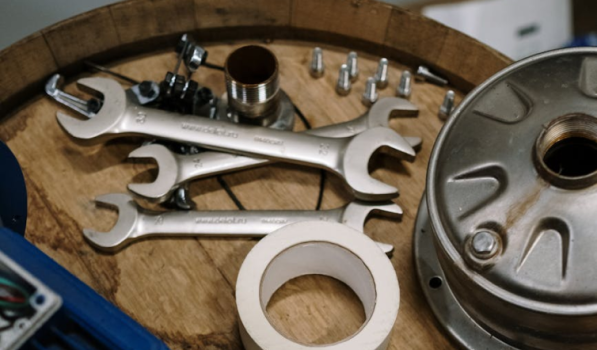
Operations & Maintenance
What Are the Pros and Cons of Corrective Maintenance?
Your production line just ground to a halt. The critical machine that was running perfectly yesterday is now silent, and your team is scrambling to figure out what went wrong. Meanwhile, orders are backing up, customers are waiting, and every minute of downtime is costing you money.
This scenario plays out in facilities across the country every day. When you're caught off guard by equipment failure, the real costs start piling up quickly: emergency repair bills, overtime wages, missed deadlines, and frustrated customers who might take their business elsewhere.
Source: WorkTrek
The stress of unexpected breakdowns doesn't just hurt your bottom line; it disrupts your entire operation and puts enormous pressure on your maintenance team to fix things under crisis conditions.
Understanding corrective maintenance, the strategy of fixing equipment only after it fails, can help you make more informed decisions about when this approach is suitable for your business and when it might be setting you up for costly surprises.
While corrective maintenance may not be the right approach for every situation, understanding its pros and cons will help you develop a maintenance strategy that protects your operations while managing costs effectively.
Key Takeaways
Corrective maintenance repairs equipment after it fails.
This approach saves short-term costs but risks sudden breakdowns.
Choosing the right maintenance strategy depends on the business's specific needs.
What Is Corrective Maintenance?
Corrective maintenance refers to fixing equipment after a problem arises, rather than before.
It's got its types, steps, and some important differences from other maintenance methods.
Definition and Key Concepts
Corrective maintenance refers to taking action to repair or restore machinery, equipment, or systems only when a fault, failure, or defect is identified.
The primary goal is to get the broken equipment running again so it can perform its intended function.
This approach is also known as reactive maintenance because it only begins once a failure has occurred.
You don’t replace parts or do repairs until you notice an issue.
That’s different from preventive maintenance, where the goal is to avoid breakdowns by performing regular checks or maintenance before issues arise.
Once a fault is identified, technicians investigate the cause, repair the issue, and test the equipment to ensure it’s functioning correctly.
Corrective maintenance is commonly used in manufacturing and other industries, generally with non-critical assets.
Types of Corrective Maintenance
You can break the corrective maintenance process into two main types: planned and unplanned.
With planned corrective maintenance, repairs are scheduled after a problem is found, but it’s not causing an immediate crisis. This can be part of your preventive maintenance schedule and can reduce long unexpected downtime.
Illustration: WorkTrek / Data: Camcode
Both approaches have their advantages and disadvantages.
One benefit of planned corrective maintenance is that it allows teams to prepare, gather necessary parts, and make repairs at a scheduled time. It is also well-suited for critical equipment.
Then there’s unplanned corrective maintenance, sometimes referred to as emergency maintenance, which is used when equipment fails without warning.
Teams need to react quickly due to a work stoppage and potential safety risks.
Corrective vs. Preventive Maintenance
Corrective and preventive maintenance practices are essentially opposites in terms of timing and approach.
Corrective maintenance tasks are reactive—fix it after it breaks. Preventive maintenance tasks are all about being proactive, with regular checks to avoid sudden breakdowns.
Comparison Table:
Source: WorkTrek
The right choice depends on business needs and equipment requirements.
How does Corrective Maintenance Work?
As described earlier in this blog, corrective maintenance happens after someone notices equipment failure. This can happen during regularly scheduled inspections, but it is more likely to happen without warning.
Waiting to address equipment issues after failure occurs can lead to increased maintenance costs, safety concerns, and reduced operational efficiency.
Identifying Equipment Failure
All problem resolutions start with first identifying the failure. This can be anything from strange noises and leaks to warning lights or the machine simply shutting down.
Some machines have alarms or sensors that indicate when something is wrong. Reviewing logbooks and maintenance records can help identify patterns or recurring issues.
Workers often compare the current breakdown to past ones, which accelerates the process of identifying the root cause.
By tracking failures, businesses can identify machines with a history of problems and plan either upgrades or the procurement of spare parts.
Servicing and Replacement
Once they identify the fault, the maintenance staff decides whether to repair, service, adjust, or replace the part. Servicing can involve tasks such as cleaning, adding oil, or tightening connections.
If something is too damaged, replacing it is the only viable option to reduce costly downtime. Checklists help make sure nothing gets missed.
Selecting the right fix ensures equipment operates safely and to standard.
Advantages of Corrective Maintenance
There are some benefits to corrective maintenance.
It can save organizations operational costs, reduce planning headaches, and enable teams to respond quickly when something breaks.
Lower Short-Term Costs
One big plus is keeping upfront costs low. Since you only repair or replace items after a problem arises, you avoid spending on regular inspections or replacing parts that might not need it.
This works well for assets that aren’t mission-critical or rarely fail. You don’t need to buy pricey monitoring systems or special tools either.
Labor only gets used when there’s something to fix. For companies on a tight budget, these lower short-term costs are a significant benefit.
Spending can be more predictable, as you only pay when something requires attention. That makes managing cash flow a little easier.
Reduced Planning Overhead
Another advantage? Less hassle with planning and scheduling.
Preventive and predictive maintenance strategy typically involves numerous plans, checklists, and regular inspections.
Corrective maintenance mostly skips all that. There’s less need to coordinate schedules or juggle different departments.
Teams can focus on what’s broken instead of sticking to a rigid timeline for every piece of equipment.
This makes management simpler and reduces paperwork.
Smaller businesses or places with fewer staff especially appreciate the time and admin savings.
Disadvantages of Corrective Maintenance
Corrective maintenance can lead to unpredictable schedules, higher expenses, safety hazards, service interruptions, and shortened asset lifespan.
Waiting until equipment breaks means more interruptions and less reliable equipment over time.
Unplanned Downtime
Unplanned downtime is a big drawback of corrective maintenance. When equipment suddenly breaks, operations come to a halt until the issue is resolved.
This unexpected pause can bring an entire production line to a standstill, making it challenging to meet deadlines or fulfill orders. Workers get thrown off by the sudden change and have to scramble to adjust their schedules.
Long downtime can hurt customer trust if products or services arrive late. Unlike planned maintenance, where teams schedule disruptions, unplanned downtime can strike at any time, causing stress for staff and managers alike.
Higher Long-Term Costs
Corrective maintenance may appear inexpensive at first, but it often proves more costly over time. Emergency repairs often require urgent labor, fast-shipped parts, and sometimes outside assistance—all of which can add up.
Breakdowns can cause hidden damage that remains unnoticed until the system is inspected closely. This unseen wear can lead to more repairs and even early equipment failure.
In addition to repair bills, companies face overtime pay and lost production. Relying on fixes after things break shortens asset life and pushes long-term costs higher.
Production Loss and Downtime Costs
Production loss is a challenging problem with corrective maintenance.
When a machine fails, production may come to a halt altogether, or workers must resort to less efficient backups.
The table below highlights some common downtime costs:
Source: WorkTrek
Downtime disrupts supply chains, delaying shipments and impacting related work.
Companies with frequent shutdowns can develop a reputation for being unreliable, which makes it harder to retain or attract customers.
Safety and Performance Issues
Corrective maintenance can increase safety risks, mainly when breakdowns occur while machines are in operation. Sudden failures can put workers in dangerous situations.
Some repairs require immediate attention or take place in high-risk environments, increasing the likelihood of accidents.
In industries such as food or healthcare, breakdowns can compromise product quality or even jeopardize patient safety.
Equipment waiting for repairs often operates at its best, resulting in poor efficiency or uneven output.
These issues can accumulate, leading to more accidents or sudden stops that compromise safety and productivity.
Comparing Corrective Maintenance
Illustration: WorkTrek / Data: SpringerLink
Corrective maintenance plays a key role in asset management and maintenance planning. It reacts to equipment failures, whereas planned strategies aim to prevent problems before they occur.
Corrective vs. Predictive Maintenance
Corrective maintenance fixes assets after they break. Predictive maintenance utilizes data and sensors to identify issues before they occur, allowing teams to repair or replace components just in time.
A significant advantage of predictive maintenance is that it can prevent unexpected issues and reduce downtime. Teams catch problems early by analyzing machine data and avoid sudden stops.
Illustration: WorkTrek / Data: ReliabilityWeb
Corrective maintenance can be cheaper up front, but it leads to more unscheduled breakdowns and higher repair bills. For non-critical or low-cost machines, corrective maintenance may be effective.
For vital equipment, predictive maintenance usually offers better reliability and can save money in the long run.
Many companies combine both approaches, depending on the criticality of the asset and the stakes involved.
Role Within a Maintenance Plan
Corrective maintenance is just one piece of a bigger maintenance plan. Some teams use it for non-essential equipment or things that won’t cost much if they break.
A preventive maintenance strategy involves scheduling regular checks and repairs to prevent breakdowns before they occur.
A balanced plan incorporates several strategies, combining corrective actions with planned maintenance to reduce the risk of unexpected failures.
Condition-based maintenance is another option. Teams inspect equipment condition and schedule repairs only when something appears to be off.
This can save money and extend the life of assets. Many companies find that blending corrective, preventive, and condition-based maintenance is the most effective approach.
Integration With Scheduled Maintenance
Teams often combine corrective maintenance with scheduled plans to cut risks and costs. Scheduled maintenance sets times for checks or repairs, like once a month or after so many hours of use.
Run-to-failure maintenance is another approach. Teams don’t fix anything until it stops working, which is similar to corrective maintenance but with less planning.
Mixing corrective and scheduled work provides a backup when planned tasks fall short.
Combining scheduled and corrective work helps use labor and parts more efficiently. Teams respond fast to surprises but still follow a plan to prevent big breakdowns.
Maintenance software now helps track and schedule both types of work, enabling safer and more organized operations.
Tools and Technologies for Corrective Maintenance
Corrective maintenance relies on modern tools to quickly identify and resolve problems, ensuring equipment operates smoothly. Key technologies help schedule repairs, manage assets, and track info for smarter planning.
Using CMMS for Efficient Management
Most maintenance teams use a Computerized Maintenance Management System (CMMS). It organizes and tracks work orders, assigns tasks, and sets repair priorities in one place.
Teams can update the system from mobile devices while on-site, which reduces delays.
A CMMS enables teams to schedule repairs, review equipment history, and identify recurring issues. Everyone gets updates and knows what job needs attention right away.
Benefits of a CMMS:
Faster response to breakdowns
Better communication among staff
Central history for each asset
Less paperwork
Learn more about the role of CMMS and maintenance software at heavyvehicleinspection.com.
Asset and Inventory Management
Good asset management means knowing where each piece of equipment is and keeping info up to date. A maintenance management system tracks assets, their locations, ages, and repair history.
Source: WorkTrek
This helps staff identify which machines need attention first or frequently break down. Inventory management tools link with maintenance systems to show which parts are in stock. When a repair is needed, teams check if parts are available or must be ordered, which helps avoid long delays.
Quick access to inventories and assets helps with budgeting and cuts downtime. Teams can prep for repairs or replacements before running out of what they need. By connecting asset and inventory data, companies eliminate the guesswork and plan repairs more effectively.
Reporting and Data Logging
Accurate reporting and data logging matter for any maintenance team. Each repair or inspection gets logged, building a clear history for every asset.
Reporting tools in maintenance software let staff create custom reports. These indicate how often a machine fails, which parts tend to break, or how long it takes to make repairs.
Insights like these help teams make smarter choices and see if their process is working.
Easy dashboards and downloadable logs make it simple for managers to spot patterns and share results. Data logging also helps companies comply with safety regulations and prepare for inspections.
Maintaining solid records is essential for effective maintenance management best practices.
Corrective Maintenance Best Practices
Effective corrective maintenance hinges on acting promptly, having clear guidelines, and regularly inspecting equipment to ensure optimal performance. These steps help limit downtime and keep things running smoother.
Developing a Rapid Response Plan
A rapid response plan enables teams to address failures quickly. It’s all about clear communication between maintenance and everyone affected by the breakdown.
Key steps include:
Assigning roles to team members
Setting up a direct way to report problems
Having spare parts and tools ready
Staff should know emergency procedures. If everyone understands their part, maintenance delays drop, and confusion is less likely. Having response checklists helps avoid missing steps.
Tracking response times in a maintenance system can reveal bottlenecks. Reviewing this data helps improve the process. This type of planning is a core component of effective maintenance best practices.
Implementing Standard Operating Procedures
Standard operating procedures (SOPs) give teams step-by-step instructions for repairs. Good SOPs reduce mistakes and ensure repairs are performed consistently every time.
Writing strong SOPs means being clear, using visuals such as pictures or diagrams, and breaking tasks into clear, concise steps. Each person should list the necessary parts, tools, and safety gear.
Illustration: WorkTrek / Data: Whale
Training matters too. Teams should practice each procedure and update it as machines or rules change. SOPs should be easily accessible, either in paper or digital format, within a maintenance workflow.
Checklists built from SOPs help managers confirm that repairs follow company standards. This ensures repairs are consistent and fosters accountability.
Routine Inspection and Condition Monitoring
Routine inspection and condition monitoring help catch minor problems before they grow. It's a simple idea, but it works.
Inspections include:
Visual checks for damage
Listening for unusual sounds
Testing safety controls
Condition monitoring utilizes sensors that track data such as temperature, vibration, and output.
Teams watch these trends to spot early signs of wear or malfunction.
Maintenance crews should adhere to established inspection schedules and document their findings accurately. It may sound tedious, but those notes can make a significant difference later.
Frequent reviews help identify patterns, making planning easier and reducing the need for urgent repairs.
Making this a habit supports both routine inspection and condition monitoring as part of good maintenance.
Conclusion
Corrective maintenance repairs equipment after it has failed. Companies often like this approach since it can save money upfront by skipping routine repairs.
However, if you lean too heavily on corrective maintenance, breakdowns may occur more frequently. Downtime can drag on, especially when repairs are urgent and you have to scramble for parts or extra labor.
Source: WorkTrek
Corrective maintenance seems to make the most sense for non-critical gear or items that are inexpensive to repair.
When it comes to your most important assets, however, you may want to reconsider and explore alternative strategies.
Every site operates a little differently, so consider your specific needs, available resources, and equipment type before selecting an approach.
Mixing corrective maintenance with other maintenance methods can help reduce risk and increase system reliability.
Make your work easier.
Try for free.
Book a demo