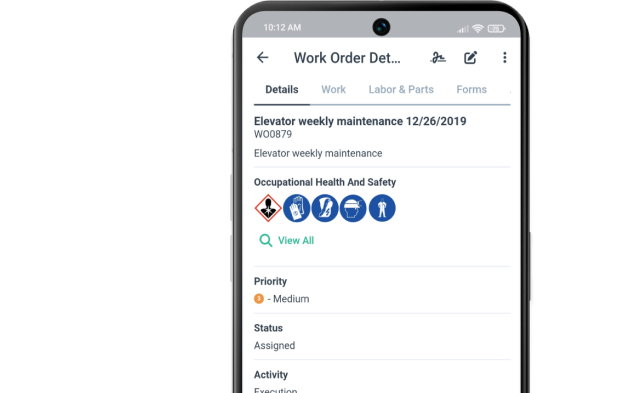


Blog

Operations & Maintenance
Importance of Maintenance Digitalization
Maintenance digitalization is changing how companies maintain their equipment. Businesses can streamline maintenance processes and enhance operational efficiency by leveraging digital technologies such as IoT and machine learning. This new approach helps companies save money and avoid problems. Digital technologies let workers spot issues before they become big headaches. They can fix things faster and […]
Maintenance digitalization is changing how companies maintain their equipment. Businesses can streamline maintenance processes and enhance operational efficiency by leveraging digital technologies such as IoT and machine learning. This new approach helps companies save money and avoid problems.
Digital technologies let workers spot issues before they become big headaches. They can fix things faster and keep machines running smoothly. This means less downtime and more productivity.
Smart systems can even predict when parts will wear out. This helps companies plan and order supplies at the right time. It’s a smarter way to manage maintenance that keeps businesses ahead of the game.
[ez-toc]
Evolution of Maintenance in the Digital Era
Maintenance practices have changed a lot over the years. In the past, companies fixed things only when they broke down. This was called reactive maintenance.
Then came preventive maintenance. Companies started doing regular checks and repairs to avoid breakdowns. This worked better but wasn’t perfect.
The digital age brought new tools and methods. Sensors and data collection became common in factories, leading to predictive maintenance.
Predictive maintenance uses data to spot problems before they happen. It’s more efficient than older methods. Companies can fix issues at the right time, not too early or too late. Computerized maintenance management systems (CMMS) play a crucial role in modern maintenance by enabling real-time monitoring and predictive analytics.
Source: Blog CARTIF
Key benefits of digital maintenance:
Less downtime
Lower costs
Longer equipment life
Better safety
Optimized Maintenance Process
Improved Maintenance Practices
Today, maintenance is getting even smarter. Artificial intelligence and machine learning help make better predictions, and these tools can find patterns humans might miss.
The Internet of Things (IoT) connects machines to the internet. This lets companies track equipment performance in real-time. They can make decisions faster and smarter and reduce costly repairs.
Benefits of Digital Tools
Digital tools also help maintenance teams work better. Mobile apps and tablets make it easy to access information on the job, saving time and reducing errors. Maintenance managers leverage these technologies to digitize operations, improve efficiency, and reduce costs.
As technology advances, maintenance will continue to change. The goal is to make equipment last longer and work better; digital tools are key to this goal.
Benefits of Maintenance Digitalization
Maintenance digitalization brings key advantages to industries. It boosts asset reliability, enhances scheduling, enables data-driven decisions, cuts costs, and improves safety standards.
Enhanced Asset Reliability
Digital tools boost asset reliability and reduce maintenance costs. Sensors track equipment health in real time, allowing teams to spot issues early.
Predictive maintenance becomes possible. It uses data to forecast when parts might fail, helping to prevent equipment failures. Teams can fix problems before they cause breakdowns.
Digital systems also keep detailed repair histories, which help identify recurring issues and allow managers to make better choices about equipment upgrades or replacements.
Illustration: WorkTrek / Quote: Power MI
Optimization of Maintenance Schedules
Digital systems make maintenance schedules smarter. They use data to predict when maintenance is truly needed.
This approach cuts unnecessary work and prevents unexpected breakdowns. The result is less downtime and more efficient operations.
Digital schedules can also factor in production demands. This ensures maintenance happens at the best times. It minimizes disruptions to workflow.
Real-time Data Analysis
Digital tools collect and analyze data constantly. This gives teams up-to-the-minute insights.
Managers can see how assets are performing right now. They can spot trends and patterns over time.
This data helps in making quick, informed decisions. It can show which machines need attention first and reveal ways to improve overall efficiency. Real-time data analysis significantly enhances maintenance performance by identifying areas for improvement and optimizing maintenance processes.
Source: WorkTrek
Maintenance Costs Reduction and Value Creation
Digitalization cuts maintenance costs in several ways:
It reduces unexpected breakdowns
It extends equipment life
It optimizes the inventory of spare parts
It improves maintenance effectiveness
It improves safety procedures
It improves safety practices
These savings add up fast. They often outweigh the initial cost of digital systems.
Digital tools also create value. They boost productivity and quality. This can lead to higher customer satisfaction and more business.
Digital maintenance services contribute to cost reduction and value creation by utilizing real-time data and analytics to enhance equipment management and decision-making.
Safety and Compliance
Digital systems enhance workplace safety. They can:
Alert workers to dangerous conditions
Ensure safety protocols are followed
Track and report incidents automatically
Improves safety procedures
This leads to fewer accidents and injuries.
Digital tools also help with compliance. They can:
Keep accurate records
Generate required reports
Ensure all maintenance meets regulations
This reduces the risk of fines or legal issues. Additionally, strong data and communication security measures are essential to protect against data breaches and unauthorized access, ensuring the safety and compliance of digitalized maintenance operations.
Source: indimart
Digital Maintenance Technologies
Digital tools are changing how companies maintain equipment. These new technologies help predict problems, automate tasks, and provide better training. They make maintenance work faster and more accurate.
Digitalized maintenance leverages various digital technologies, such as predictive maintenance, real-time monitoring, and enterprise asset management software, to enhance maintenance performance.
Internet of Things (IoT) in Maintenance
IoT devices connect machines to the Internet and collect data on how the equipment is working. Sensors track things like temperature, vibration, and pressure. This data helps spot issues before they cause breakdowns.
IoT systems can send alerts when something is wrong and create logs of machine performance over time, which helps technicians better understand equipment.
Some IoT devices can even order parts automatically when needed. This keeps inventory stocked without human input.
Illustration: WorkTrek / Quote: ptc
Predictive Maintenance Analytics Tools
These tools use data to predict when machines might break. They examine past breakdowns and current conditions and make guesses about future problems.
Predictive analytics can tell when parts are likely to fail. This lets companies replace them before they break, reducing surprise failures and downtime.
These tools also help plan maintenance schedules. They show which machines need to be worked on as soon as possible, making maintenance more efficient.
Automation and Robotics
Robots and automated systems are taking on maintenance tasks. They can safely do dangerous or repetitive jobs, adding additional maintenance resources. For example, drones inspect hard-to-reach areas like tall towers or bridges.
Robots can also clean equipment or apply lubricants. They work consistently and don't get tired, improving the overall maintenance effectiveness.
Some systems use AI to make repair decisions. They can diagnose problems and suggest fixes without human help.
Illustration: WorkTrek / Data: RS
Mobile and Cloud Computing
Mobile apps let technicians access information anywhere. They can look up manuals, part numbers, and repair history on their phones, saving time and reducing errors.
Cloud systems store all maintenance data in one place. Teams can easily share information, and managers can see reports and track work from any device.
These tools also make it easier to update records. Technicians can log their work right away, keeping everything up to date.
Augmented Reality for Training and Support
AR adds digital information to the real world. It helps train new technicians faster. They can see step-by-step instructions overlaid on actual equipment.
Experienced workers use AR for complex repairs. It can show them where to find parts or how to take things apart, making difficult jobs easier and quicker.
AR also lets remote experts guide on-site workers. They can see what the worker sees and draw on the screen to give directions, bringing expert help to any location.
Source: Recounter
Implementing a Digital Maintenance Strategy
Putting a digital maintenance strategy into action involves careful planning and execution. It requires assessing readiness, building data systems, connecting with existing tools, training staff, and always looking for improvement.
Assessing Organizational Readiness
Companies need to assess whether they’re ready for digital maintenance. This means examining current practices and identifying gaps.
Leaders should set clear goals for what they want to achieve. They need to think about costs and benefits. Effective maintenance management is crucial in assessing organizational readiness for digital maintenance.
A readiness check helps spot areas that need work, shows where training is needed, and helps plan the rollout of new systems.
Data Infrastructure and Management
Good data systems are key to digital maintenance. Companies need ways to collect, store, and use data safely. This often means setting up sensors on machines and creating either cloud or on-premise databases to hold information.
Data quality is very important. Bad data can lead to wrong choices. Companies should have plans to clean and check data regularly.
Integration with Existing Systems
New digital tools must work with systems already in place. This could mean linking to inventory software or work order systems. The goal is to have all parts of maintenance working together smoothly.
Integration can be tricky if the software does not offer a modern API platform. It may require custom coding or special connectors. Testing is crucial to ensure everything works correctly.
Illustration: WorkTrek / Quote: Forbes
Workforce Adaptation and Skills Development
Staff need new skills for digital maintenance. This often means training on new software and tools. Workers may need to learn about data analysis or how to use mobile apps.
Training should be ongoing. As systems change, skills need to keep up. Some companies create special roles for digital maintenance experts. Practical training and skills development are crucial for achieving sustainable maintenance services.
Continuous Improvement and Innovation
Digital maintenance strategies should always be getting better. This means tracking how well the system is working. Companies should set goals and measure progress.
Regular reviews help identify areas for improvement. New technology might offer better ways to do things, and staff ideas can lead to useful changes.
Innovation is key to staying ahead. Companies should monitor new trends in maintenance tech and be ready to test and adopt helpful new tools.
Challenges and Considerations
Maintenance digitalization has many benefits, but it also has hurdles. Organizations need to address several key issues as they implement digital maintenance systems.
Cybersecurity Threats
Digital maintenance systems face cyber risks. Hackers may try to breach networks and steal data, disrupt operations, or damage equipment.
Companies must use strong security measures. This includes:
• Firewalls
• Encryption
• Multi-factor authentication
• Regular security audits
Staff training on cybersecurity is crucial. Employees need to spot phishing attempts and follow safe practices. Firms should also have incident response plans ready.
Illustration: WorkTrek / Data: Enterprise Apps Today
Data Privacy and Ethics
Digital maintenance creates a lot of data, which can include sensitive information about employees and operations. Companies must handle this data responsibly.
Privacy laws like GDPR or CCPA set rules for data use. Firms need clear policies on data collection and storage. They should only gather needed info and protect it well.
Ethical data use is key. Companies shouldn't use maintenance data to unfairly judge workers, and they need to be open about how they use the information.
Regular privacy audits help ensure compliance. Getting employee buy-in on data practices builds trust.
Investment and ROI Concerns
Digital maintenance systems can be costly. The price tag may scare some companies. Upfront costs include:
• Software licenses
• New sensors and devices
• Staff training
• System integration
Proving return on investment (ROI) takes time. Benefits like less downtime aren't always easy to measure right away.
Companies should start small and scale up. Pilot projects help show value before big rollouts, and tracking key metrics from the start is vital.
Setting realistic timelines for ROI is important. Full benefits may take months or years to appear.
Source: Inwedo
CMMS Vendor Selection and Partnership
Picking the right CMMS software can be tricky. There are many options with different features. Companies need to find a good fit for their needs.
Key factors in vendor choice include:
• System compatibility
• Scalability
• Customization options
• Support and training
• Vendor track record
Long-term partnership is crucial. The vendor should offer ongoing support and updates. They need to understand the company's goals and industry.
Careful evaluation and trials are wise. Getting feedback from other users helps, too.
Change Management
Shifting to digital maintenance is a big change. It affects many workers and processes, and people may resist new technology or working methods.
Clear communication is vital. Leaders must explain the reasons for change and its benefits. Involving staff in planning builds support.
Training is key to smooth adoption. Workers need time to learn new systems, and ongoing support helps them get comfortable.
Setting achievable goals helps build momentum. Quick wins show the value of new systems. Recognizing staff who embrace change motivates others.
Future Trends in Maintenance Digitalization
Digital twins will play a more significant role in maintenance. These virtual replicas of physical assets help predict issues before they happen. They let teams test fixes without touching actual equipment.
Artificial intelligence and machine learning will get smarter. AI will spot patterns humans can't see and better predict when machines need service.
Augmented reality will change how techs work. AR glasses will show step-by-step repair guides. This will speed up fixes and reduce mistakes.
High-speed networks will boost connectivity. Faster data transfer means quicker responses to problems; remote experts can help on-site workers in real-time.
Predictive maintenance will become more accurate. Advanced sensors and data analysis will pinpoint exactly when parts need replacement.
Robotics will take on more maintenance tasks, inspect hard-to-reach areas, and handle dangerous jobs, keeping humans safe.
Cloud computing will improve data sharing. Teams can access information from anywhere, helping companies make better maintenance choices.
Blockchain could make maintenance records more secure. It would create a tamper-proof history of all work done on equipment.
These trends will make maintenance faster, safer, and more efficient. Companies that adopt them will gain an edge over competitors.
Source: WorkTrek
Conclusion
Maintenance digitalization is changing how companies manage their assets and operations. It brings many benefits to businesses of all sizes.
Digital tools make maintenance work more accessible and effective. They help catch problems early and prevent unexpected breakdowns, saving money and keeping equipment running smoothly.
Data from digital systems provides valuable insights. It allows better planning and smarter maintenance decisions, allowing companies to focus on the most important tasks and use resources wisely.
Going digital also improves safety. It reduces human error and helps follow the rules more easily. Workers get the information they need to do their jobs safely and correctly.
The future of maintenance is digital. As technology keeps improving, so will how we care for machines and buildings. Companies that embrace these changes will be ready for what's ahead.
Maintenance digitalization is not just a trend. It's becoming essential for staying competitive and efficient in today's fast-paced world.
Illustration: WorkTrek

Operations & Maintenance
7 Benefits of Smart Maintenance
Smart maintenance is changing how companies maintain their equipment and facilities. This approach uses data and technology to prevent problems before they happen rather than fixing things only when they break down.
Smart maintenance can reduce maintenance costs, enhance operational efficiency, and make work safer, leading to significant cost savings. Companies that use it often see big improvements. They have less downtime, fewer surprise breakdowns, and lower repair costs.
The benefits of smart maintenance go beyond just saving money. It can help machines last longer and work better, reduce instances of reactive maintenance, and improve overall maintenance strategy. It can also make factories and other workplaces safer for employees. These advantages are why more businesses are starting to use smart maintenance methods.
Source: WorkTrek
Defining Smart Maintenance
Smart maintenance uses data and technology to predict and prevent equipment failures. Through proactive strategies, it aims to maximize uptime and reduce costs. Maintenance management plays a crucial role in leveraging technology to enhance operational efficiency by facilitating better scheduling, data analysis, and overall management of maintenance tasks.
Evolution of Maintenance Strategies
Maintenance approaches have changed over time. In the past, companies fixed machines only when they broke down. This led to unexpected downtime and high repair costs.
Next came preventive maintenance. Technicians serviced equipment on a set schedule. This helped but didn’t account for each machine’s unique needs.
Now, smart maintenance uses sensors and data analysis. It tracks how machines work in real-time, allowing for predictive maintenance, which fixes issues before they cause problems.
To implement predictive maintenance effectively, you will need a robust maintenance strategy. This approach helps monitor equipment in real time, analyze data for potential failures, and take proactive measures to reduce downtime and enhance operational efficiency.
Smart systems learn from past data and improve their ability to spot potential failures. This preventive maintenance plan leads to fewer surprises and less wasted effort.
Source: Endaq
Core Components of Smart Maintenance Systems
Smart maintenance relies on several key parts working together. Sensors attached to machines collect data on things like temperature, vibration, and performance.
This information goes to a central system, where powerful computers analyze it using specialized Machine Learning and Artificial Intelligence software.
The software looks for patterns that might signal future problems. Predictive maintenance technologies play an important role here, shifting from reactive to proactive strategies and significantly reducing maintenance costs, improving equipment effectiveness and machine downtime.
Data analysis helps make smart decisions. It shows which machines need attention and when. This helps teams plan their work better.
Using mobile devices lets maintenance workers see this information anywhere. They can quickly respond to alerts and fix issues. Over time, the system learns and gets even better at predicting problems.
Source: WorkTrek
Enhanced Reliability and Reduced Downtime
Smart maintenance boosts equipment reliability and cuts downtime. It uses advanced tech to spot issues early and keep machines running smoothly.
Maintenance managers can leverage data-driven insights to predict equipment failures and optimize maintenance schedules, preventing unplanned downtime and enhancing overall equipment productivity.
Predictive Analytics for Predictive Maintenance
Illustration: WorkTrek / Data: Forbes
Predictive analytics helps catch problems before they happen. It looks at data from sensors and past breakdowns to guess when parts might fail, letting teams fix things before they break.
Predictive maintenance strategies effectively reduce maintenance costs and downtime, particularly in sectors like automotive, where data from connected cars enhances maintenance capabilities.
Smart systems can tell when a machine part is wearing out. They track things like heat, vibration, and power use. When signs of trouble show up, the system sends an alert.
This reduces unexpected breakdowns and keeps work flowing. It also saves money on extensive repairs, reducing operating costs. Teams can plan fixes at reasonable times, not during busy periods.
Real-Time Monitoring and Alerts
Real-time monitoring keeps a constant eye on equipment. Sensors track how machines are working every second. If something starts to go wrong, the system knows right away. Teams can also perform maintenance based on real-time data, ensuring timely interventions. All of this can lead to minimizing downtime.
Quick alerts let staff act fast. They can stop a small issue from turning into a big problem. This cuts down on surprise breakdowns that stop work.
Smart systems can also spot energy waste. They tell workers when machines are using too much power. Fixing these issues saves money and helps machines last longer.
Real-time data helps teams make better choices. They can see which machines need the most care, helping them use their time and resources wisely.
Cost Efficiency and Return on Investment
Smart maintenance brings major financial advantages to businesses. It cuts costs and boosts returns through better planning and resource use. A preventive maintenance program reduces costs, avoids equipment downtime, and maintains operational efficiency.
Optimizing Resource Allocation and Reduce Maintenance Costs
Smart maintenance helps companies use their resources more wisely. By scheduling upkeep at the correct times, it reduces maintenance costs by 12-18% compared to reactive approaches.
Companies avoid costly emergency repairs and waste from being fixed too early. Smart systems track equipment health in real time, allowing teams to act immediately. A well-planned preventive maintenance schedule minimizes disruptions and enhances overall workplace efficiency.
Labor costs go down, too. Workers spend less time on needless checks and focus on truly important tasks. Properly maintained parts last longer, cutting spending on replacements.
Source: WorkTrek
Long-Term Financial Benefits of preventive maintenance
The payoff of smart maintenance grows over time. Studies show a 400% return on investment is possible, resulting from avoiding breakdowns and extending equipment life.
Energy bills shrink as machines run more efficiently. One case found a monthly savings of around $18,000 after fixing system faults. Productivity rises when equipment works reliably.
Smart maintenance also helps plan for the future. It provides data on asset performance over time. This guides smarter choices about when to repair or replace items. Companies avoid overspending on new equipment too soon.
Illustration: WorkTrek / Data: ROI
Operational Performance Improvements
Smart maintenance boosts operational performance in manufacturing plants. It enhances efficiency and product quality through advanced technologies and data-driven approaches.
Streamlining Maintenance Processes
Smart maintenance maximizes the lifespan of machines and equipment. It uses real-time data to predict when repairs are needed, preventing unexpected breakdowns and costly shutdowns. Additionally, preventive maintenance tasks are crucial in avoiding downtime by addressing specific asset vulnerabilities.
Automated systems constantly track equipment health and alert technicians before problems occur. This proactive approach reduces downtime and keeps production running smoothly.
Smart maintenance also optimizes maintenance schedules. It ensures repairs happen at the best times, minimizing disruptions to production and improving overall efficiency.
Digital tools help technicians work faster and more accurately. They have instant access to equipment manuals and repair histories. This speeds up maintenance tasks and reduces errors.
Illustration: WorkTrek / Data: Deloitte
Quality Assurance
Smart maintenance plays a key role in maintaining product quality. It helps detect and prevent issues that could affect output.
Advanced sensors monitor production processes in real-time. They spot deviations quickly and alert operators, allowing immediate corrections and reducing defects and waste.
Predictive maintenance improves throughput and quality. It ensures machines operate at peak performance, producing more consistent product quality and fewer rejects.
Data analysis helps identify recurring quality issues. Maintenance teams can address the root causes effectively, resulting in long-term quality improvements across production lines.
Safety and Compliance
Smart maintenance is crucial in enhancing workplace safety and ensuring regulatory compliance. It helps identify potential hazards before they become severe and keeps facilities updated with changing standards.
Minimizing Safety Risks
Smart maintenance systems use data and sensors to detect equipment issues early, preventing accidents caused by faulty machinery. For example, vibration sensors can spot loose parts before they break off and hurt someone.
Relying solely on reactive maintenance can lead to increased downtime, higher costs due to urgent repairs, and a negative impact on operational efficiency and equipment lifespan.
Regular upkeep, guided by smart systems, keeps equipment in top shape, reducing the chance of failures that could harm workers.
Predictive maintenance programs also help avoid sudden breakdowns. These could otherwise lead to dangerous situations on the work floor.
Smart systems track maintenance history. This lets managers know which machines need extra attention to stay safe. They can then prioritize fixes on high-risk equipment.
Source: JobSiteCare
Adherence to Regulatory Standards
Smart maintenance helps facilities comply with safety regulations. It keeps detailed records of all maintenance activities, making it easy to show inspectors that safety checks are done on time.
The systems can alert managers when equipment is due for required safety inspections, ensuring that nothing falls through the cracks.
Digital maintenance tools make it simple to update procedures when regulations change. New safety rules can be quickly added to checklists and work orders.
Smart systems can also track employee certifications. This ensures only qualified staff work on specialized equipment, as many safety standards require.
Source: All Voices
Data-Driven Decision Making
Smart maintenance relies on data to guide choices. This approach improves equipment upkeep and helps businesses plan for the future.
Leveraging Big Data and IoT
Data-driven decision-making uses information from many sources, including sensors, machines, and databases. The Internet of Things (IoT) connects devices to gather real-time data.
This data helps spot patterns and predict issues. For example, it can show when a part might fail. Maintenance teams can then fix problems before they cause breakdowns.
Big data analysis also helps compare different machines. It shows which ones work best and which need more attention, letting companies focus their efforts where they're most needed.
Source: Psibord
Informed Strategic Planning
Smart maintenance data guides long-term planning. It shows trends in equipment performance over time, helping to predict future needs and costs.
Companies can use this info to make better budget choices. They can plan for replacements or upgrades at the right time. This reduces the risk of sudden failures that could stop work.
Data also helps decide between repair and replacement. It shows the total cost of keeping old equipment running, making choosing the most cost-effective option easier.
Environmental Sustainability
Smart maintenance practices offer significant benefits for environmental sustainability. These approaches help companies reduce their ecological footprint while improving operational efficiency.
Energy Efficiency
Smart maintenance systems use sensors and data analytics to optimize energy use. They detect inefficiencies in equipment and suggest timely repairs. This leads to energy savings of 10-30% in many buildings.
These systems adjust heating, cooling, and lighting based on real-time needs. They also automatically turn off unused machines, which provides cost savings. Smart scheduling ensures maintenance happens at the right time, preventing energy waste from poorly functioning equipment.
Predictive maintenance catches issues early. This stops small problems from becoming big energy drains. It also extends the life of equipment, reducing the need for replacements and the associated energy costs of manufacturing new parts.
Source: Sustainability Success
Waste Reduction
Smart maintenance drastically reduces waste. It uses data to predict when parts will fail, allowing for just-in-time replacements and reducing excess inventory.
Digital work orders and reports eliminate paper waste. Remote monitoring cuts down on unnecessary site visits, saving fuel. Precise diagnostics mean fewer wrong parts are ordered or replaced.
Smart systems help track and manage hazardous materials better. This prevents spills and improper disposal. They also optimize the use of cleaning products and other consumables.
Smart maintenance extends equipment life, reducing the amount of machinery sent to landfills. It also promotes the reuse and recycling of parts when possible.
Source: WorkTrek
Future-Proofing and Scalability
Smart maintenance systems adapt to new technologies and grow with organizations. They provide long-term solutions that stay relevant as industries evolve and companies expand.
Adapting to Technological Advances
Smart maintenance keeps pace with rapid tech changes. It uses cognitive automation to stay current. These systems can self-diagnose problems and learn from past data.
As new tools emerge, smart maintenance easily integrates them. This might include:
Advanced sensors
Artificial intelligence
Machine learning algorithms
Companies don't need to overhaul their entire system when upgrading. Smart maintenance allows for modular updates. This saves time and money while keeping systems modern.
Scaling With Organizational Growth
Smart maintenance grows with a company. It handles increased workloads without major changes. As businesses expand, these systems scale up smoothly.
Key scaling features include:
Cloud-based storage for unlimited data
Flexible software that adds new assets easily
Remote monitoring for multiple locations
Virtual training solutions help staff learn new processes quickly, keeping teams skilled as the company grows. Smart systems also share data across departments, improving company-wide efficiency.

Operations & Maintenance
Setting Smart Maintenance Goals
Effective maintenance management is crucial for organizations seeking to optimize their operations and reduce downtime. A Computerized Maintenance Management System (CMMS) provides powerful tools to set and track maintenance goals, helping to mitigate equipment failures and enhance operational efficiency. Implementing SMART (Specific, Measurable, Achievable, Relevant, Time-bound) goals within a CMMS framework enables companies to enhance equipment reliability and extend asset lifecycles.
CMMS software offers work order tracking, asset management, and reporting capabilities. These tools allow maintenance teams to establish clear objectives and monitor progress over time. By leveraging CMMS data, organizations can identify areas for improvement and make informed decisions about resource allocation.
Setting SMART maintenance goals with a CMMS helps align maintenance activities with broader business objectives. This approach ensures that maintenance efforts contribute directly to organizational success, improving efficiency and reducing costs in the long run.
[ez-toc]
Source: Western North Carolina Conference
Understanding Computerized Maintenance Management System
Computerized Maintenance Management Systems (CMMS) have revolutionized how organizations and maintenance leaders handle maintenance operations. These powerful software tools streamline processes, improve efficiency, and provide valuable data insights.
Definition and Purpose of CMMS
A CMMS is a software platform designed to centralize maintenance information and facilitate the management of maintenance operations. Its primary purpose is to help organizations track, plan, and optimize maintenance activities.
CMMS software typically includes features for:
Asset management
Work order creation and tracking
Preventive maintenance scheduling
Inventory control
Reporting and analytics
Scheduled maintenance
Maintenance Workflows
Overview of maintenance work
Implementing a CMMS can optimize maintenance processes, leading to substantial cost savings, improved operational efficiency, and enhanced decision-making among maintenance teams.
A CMMS enables maintenance teams to work more efficiently and make data-driven decisions by centralizing these functions. It helps reduce equipment downtime, extend asset lifespan, and control maintenance costs.
Source: WorkTrek
The Evolution of Maintenance Management
Maintenance management has undergone significant changes over the years. In the past, organizations relied on paper-based systems and manual processes to track maintenance activities.
The advent of computers in the 1980s brought the first generation of CMMS software. These early systems digitized basic maintenance records but had limited functionality.
As technology advanced, CMMS software became more sophisticated. Modern systems offer cloud-based solutions, mobile accessibility, and integration with other business systems. They incorporate advanced features like predictive maintenance algorithms and Internet of Things (IoT) connectivity.
Today's CMMS platforms provide real-time data analysis, enabling proactive maintenance strategies. This evolution has transformed maintenance from a reactive, cost-center approach to a strategic, value-adding function within organizations.
Source: FieldCircle
The Pillars of Smart Maintenance Goals
Smart maintenance goals focus on key areas that drive operational excellence and efficiency. These pillars form the foundation for a robust maintenance strategy.
Asset Reliability and Performance
Asset reliability and equipment performance are critical for maintaining smooth operations. A CMMS helps track equipment uptime, failure rates, and overall equipment effectiveness (OEE).
Setting goals for Mean Time Between Failures (MTBF) and Mean Time to Repair (MTTR) can significantly improve asset performance. For example, aiming to increase MTBF by 15% annually pushes teams to identify and address recurring issues.
Implementing condition-based monitoring enables proactive maintenance, reducing unexpected breakdowns. Goals might include installing sensors on 25% of critical assets each quarter or reducing reactive maintenance by 20% yearly.
Source: WorkTrek
Maintenance Planning and Scheduling Efficiency
Efficient planning and scheduling maximize resource utilization and minimize equipment downtime. A CMMS provides tools to optimize these processes.
Setting goals for schedule compliance, such as achieving 90% within six months, encourages teams to complete work as planned. Tracking wrench time helps identify inefficiencies in technician productivity.
Another crucial goal is reducing the maintenance backlog. Aim to keep the backlog under four weeks of work or decrease it by 10% each month. This ensures timely completion of preventive tasks and reduces the risk of equipment failure.
Work Order Management
Effective work order management streamlines maintenance operations and improves data quality. A CMMS centralizes work order information, enabling better tracking and analysis.
Goals might include reducing averageadoption and improve real-time data capture, such as completing 80% of work orders on mobile devices within three months.
Source: WorkTrek
Setting Goals Within the CMMS Framework
Implementing a Computerized Maintenance Management System (CMMS) provides a structured framework for setting and achieving maintenance goals. This approach enables organizations to align their maintenance strategies with broader business objectives.
Illustration: WorkTrek / Data: OfficeRnD
Defining Measurable Objectives
Effective goal-setting within a CMMS framework begins with defining clear, measurable objectives. These objectives should be specific, time-bound, and quantifiable. For example:
Reduce equipment downtime by 15% within six months
Increase preventive maintenance completion rate to 95% by the end of Q3
Decrease maintenance overtime hours by 20% in the next fiscal year
Maintenance teams can track progress and make data-driven decisions by setting precise targets. The CMMS 4dccccAligning Goals with Business Outcomes
Maintenance goals should directly support broader organizational objectives. This alignment ensures that maintenance efforts contribute to the company's overall success. Key considerations include:
Cost reduction
Asset reliability
Safety improvements
Regulatory compliance
For instance, if a business aims to increase production output, maintenance goals might focus on improving equipment availability and reducing unplanned downtime. The CMMS helps track these metrics and their impact on production targets.
Benchmarking and Performance Metrics
Establishing benchmarks and key performance indicators (KPIs) is crucial for measuring progress towards maintenance goals. Common maintenance KPIs include:
Mean Time Between Failures (MTBF)
Overall Equipment Effectiveness (OEE)
Planned Maintenance Percentage (PMP)
Maintenance Cost as a Percentage of Replacement Asset Value (RAV)
Tracking maintenance metrics, in addition to KPIs, is essential for uncovering insights and steering continuous improvements in maintenance strategies.
The CMMS facilitates data collection and analysis for these metrics, allowing organizations to compare performance against industry standards or internal targets. Regularly reviewing these KPIs helps identify areas for improvement and adjust maintenance strategies as needed.
Leveraging CMMS for Proactive Maintenance
A Computerized Maintenance Management System (CMMS) enables organizations to shift from reactive to proactive maintenance approaches and implement smart maintenance goals. This powerful tool provides data-driven insights and automation capabilities to optimize maintenance strategies.
Implementing Predictive Maintenance Strategies
CMMS software facilitates predictive maintenance by analyzing equipment data to forecast potential failures. It collects and processes information from sensors, IoT devices, and historical records to identify patterns and anomalies.
This data-driven approach allows maintenance teams to schedule interventions before breakdowns occur. By setting up automated alerts and work orders, CMMS ensures timely action on potential issues.
Predictive maintenance reduces unexpected downtime, extends equipment lifespan, and optimizes resource allocation. It also minimizes the need for emergency repairs, leading to cost savings and improved operational efficiency.
Source: WorkTrek
Utilizing CMMS Data for Decision-Making
CMMS generates valuable data on asset performance, maintenance history, and resource utilization. This information empowers managers to make informed decisions about maintenance strategies and equipment investments.
Key performance indicators (KPIs) tracked by CMMS include:
Mean Time Between Failures (MTBF)
Mean Time To Repair (MTTR)
Overall Equipment Effectiveness (OEE)
These metrics provide insights into equipment reliability and maintenance effectiveness. By analyzing trends and patterns, organizations can identify areas for improvement and allocate resources more efficiently.
CMMS data also supports lifecycle cost analysis, helping organizations determine the optimal time for equipment replacement or upgrades. This strategic approach to asset management leads to better long-term planning and cost control.
Source: Cooltrack
CMMS Integrations and Upgrades
CMMS systems can be enhanced through integrations with other business software and strategic upgrades. These improvements streamline workflows and expand functionality.
CMMS integration with enterprise resource planning (ERP) systems allows for seamless data flow between maintenance and financial modules. This connection enables real-time cost tracking and budget management.
Source: Projectline
Integration with human resources software streamlines workforce management. It simplifies scheduling and ensures proper skill allocation for maintenance tasks.
Connecting CMMS to inventory management systems optimizes the ordering of parts and supplies. This integration prevents stockouts and reduces excess inventory costs.
IoT sensor integration enables predictive maintenance capabilities. Real-time equipment data feeds into the CMMS, triggering alerts and work orders based on asset conditions.
Evaluating CMMS Upgrades and Updates
Regular CMMS upgrades improve system performance and add new features. Evaluating upgrade options should focus on addressing current pain points and future needs.
Cloud-based CMMS upgrades often occur automatically, reducing internal IT burden. However, updates to on-premise systems may require more planning and downtime.
Mobile app upgrades enhance field technician productivity. New versions typically offer improved user interfaces and offline capabilities.
Assessing the return on investment for CMMS upgrades is crucial. Organizations should weigh implementation costs against potential efficiency gains and cost savings.
User feedback is valuable when considering upgrades. Maintenance teams can provide insights into which new features would be most beneficial.
Source: Taazaa
Training and Change Management
Implementing a CMMS requires effective training and change management strategies. These elements are crucial for successful adoption and maximizing the system's benefits.
Developing a Training Program for CMMS Users
A comprehensive CMMS training program should cater to user roles and skill levels. Start by identifying key stakeholders and their specific needs. Create role-based training modules that focus on relevant features and workflows.
Utilize various training methods, such as hands-on workshops, online tutorials, and documentation. Incorporate real-world scenarios and practice exercises to reinforce learning. Provide ongoing support through helpdesks and refresher courses.
Measure training effectiveness through assessments and user feedback. Adjust the program as needed to address gaps and evolving requirements.
Source: WorkTrek
Managing Organizational Change with CMMS Implementation
Successful CMMS implementation requires a well-planned change management approach. Begin by clearly communicating the benefits and reasons for adopting the new system to all stakeholders.
Identify and address potential resistance points early in the process. Involve key users in the implementation to foster a sense of ownership and commitment.
Create a transition plan that outlines steps for moving from old processes to new CMMS-driven workflows. Set realistic timelines and milestones to track progress.
Designate change champions within the organization to promote adoption and provide peer support. Regularly collect feedback and address concerns to ensure smooth integration of the CMMS into daily operations.
Monitoring and Adjusting Goals
Regular evaluation and refinement of maintenance goals are essential for optimizing asset performance and operational efficiency. A CMMS provides valuable data and insights to support this ongoing process.
Analyzing Performance Data
CMMS software collects and organizes maintenance data, enabling teams to track key performance indicators (KPIs). These metrics may include equipment uptime, mean time between failures, and maintenance costs.
Regular review of these KPIs helps identify trends and areas for improvement. Teams can compare actual performance against established goals to gauge progress.
Data visualization tools in CMMS platforms often present information in easy-to-understand formats like charts and graphs. This visual representation aids in the quick identification of patterns or anomalies.
Source: WorkTrek
Continuous Improvement in Maintenance Operations
Performance analysis insights drive continuous improvement efforts. Maintenance teams can use this information to refine strategies and set new, more challenging goals.
CMMS systems often include features for documenting and sharing best practices. This knowledge base helps teams learn from successes and avoid repeating mistakes.
Periodic review meetings allow stakeholders to discuss findings and propose adjustments to maintenance procedures. These sessions may lead to updates in preventive maintenance schedules or changes in resource allocation.
Automated alerts in CMMS platforms can notify managers when KPIs deviate from target ranges. This real-time feedback enables prompt corrective action and goal adjustment as needed.
Conclusion
Setting smart maintenance goals with a CMMS empowers organizations to optimize maintenance operations. By leveraging data-driven insights and automation, companies can enhance equipment reliability and extend asset lifespans.
Implementing a CMMS facilitates proactive maintenance strategies, reducing unexpected breakdowns and minimizing downtime. This approach leads to improved productivity and cost savings across the organization.
Regular goal evaluation and adjustment ensure continuous improvement in maintenance practices. As teams become more proficient with CMMS tools, they can refine their objectives and achieve higher operational excellence.
Effective use of a CMMS for goal setting fosters better communication between maintenance teams and management. This alignment of objectives contributes to overall business success and long-term sustainability.
Organizations that embrace CMMS-driven goal-setting position themselves for greater competitiveness in their industries. The resulting efficiency gains and cost reductions provide a significant advantage in today's fast-paced business environment.
Illustration: WorkTrek / Quote: smartsheet
Operations & Maintenance
Ultimate Guide to Smart Maintenance
Smart maintenance is changing how businesses maintain their equipment. It refers to using digital tools and data-driven methods to make maintenance and servicing more efficient. Smart maintenance uses repair data and preventive care to extract more value from equipment.
This new approach helps companies save money and time. It stops big breakdowns that can shut down work. Smart maintenance also makes machines last longer.
With smart maintenance, workers can plan better. They know when to fix things and what parts they need, keeping everything running smoothly and safely.
The Concept of Smart Maintenance
Smart maintenance uses data and technology to keep machines running smoothly. It helps companies save money and avoid problems before they happen.
By integrating digital tools, maintenance data, CMMS, IoT, predictive analytics, machine learning, and Industry 4.0 methods, smart maintenance forms an efficient and value-creating maintenance strategy.
Source: WorkTrek
Defining Smart Maintenance
Smart maintenance is a modern approach to keeping equipment in top shape. It uses sensors, data, and computers to spot issues early, automating maintenance. This method checks machines all the time, not just when they break.
Smart maintenance looks at how machines work and predicts when they might need fixing. It uses special tools to collect and study information about equipment health.
This approach helps companies plan repairs at the best times. It aims to prevent breakdowns before they happen. Smart maintenance provides a much-improved asset performance.
Downside Of Traditional Methods
A smart maintenance strategy offers significant advantages over old ways of fixing things. It helps machines last longer and work better. Companies can save money by avoiding sudden breakdowns. Integrating lean, smart maintenance principles can reduce costs and increase process flexibility.
With smart maintenance, workers can fix problems faster. They know what’s wrong before they start, so they bring the right tools and parts. This means less downtime for machines.
Smart maintenance increases productivity by keeping machines running smoothly. It also improves safety by catching dangerous issues early. Companies can plan their work better when they know their equipment is reliable.
Technologies Powering Smart Maintenance
https://www.youtube.com/watch?v=c-v1xRXr3aE
Smart maintenance relies on cutting-edge technologies to improve efficiency and reduce downtime. These tools work together to predict issues, guide repairs, and manage maintenance tasks effectively, which can reduce downtime.
The Role of Artificial Intelligence
Advanced technologies like AI plays a key role in smart maintenance. It analyzes data from machines and sensors to spot patterns and predict problems before they happen. This h nPredictive analytics, a branch of AI, uses machine data to forecast when parts might fail. This allows companies to replace components quickly, saving money and preventing surprise failures.
Source: WorkTrek
Integrating Augmented Realit to Smart Maintenance
Advanced Augmented Reality (AR) is changing how maintenance teams work. It overlays digital information onto the real world, making complex repairs easier to understand and perform.
Smart glasses are a standard AR tool in maintenance. They show step-by-step repair instructions right in the technician's field of view, helping workers fix problems faster and with fewer mistakes.
AR can also connect remote experts with on-site teams. An expert can see what the technician sees and guide them through difficult repairs. This cuts travel costs and speeds up problem-solving.
Source: ScienceSoft
Leveraging IoT and Smart Sensors
The Internet of Things (IoT) and smart sensors are key to smart maintenance. They collect real-time data on machine health, temperature, vibration, etc.
Smart sensors can detect early signs of wear or damage. They send alerts when machines need attention, helping prevent breakdowns before they happen.
Bluetooth Low-Energy (BLE) sensors are often used in smart maintenance. They're small, energy-efficient, and can send data wirelessly over short distances.
This constant stream of data helps maintenance teams make better decisions. They can focus on the most urgent issues and plan maintenance more effectively.
Source: Shangai SMEE
Computerized Maintenance Management Systems
Computerized Maintenance Management Systems (CMMS) are the backbone of smart maintenance. They encompass all technical and organizational measures aimed at using digital tools to make maintenance and servicing more efficient. CMMS stores and organizes all maintenance data in one place.
A CMMS tracks equipment history, schedules maintenance tasks, and manages spare parts inventory. This helps teams stay organized and ensures no maintenance task is overlooked.
Source: WorkTrek
Modern CMMS software can integrate with other smart technologies. It can automatically use sensor data and AI predictions to create work orders.
CMMS also provides valuable insights through reports and dashboards that can help decision-making. Managers can easily see maintenance trends and make data-driven decisions in a centralized location to improve operations.
Data-Driven Maintenance Strategies
https://youtu.be/iZddCQXSbYE
Smart maintenance uses data to improve equipment upkeep and prevent breakdowns. It helps companies make better choices about when to fix or replace parts.
A smart maintenance strategy leverages digital tools such as CMMS, IoT, predictive analytics, machine learning, and Industry 4.0 to drive insights from maintenance data and enable accurate decision-making.
Predictive vs Preventive Maintenance
Predictive maintenance uses real-time data to spot problems before they happen. Sensors track how machines work and warn about issues early.
Preventive maintenance follows a set upkeep schedule. Developing a preventive maintenance plan involves identifying a maintenance schedule and requirements for each piece of equipment. An ERP solution is often used to ensure timely and accurate maintenance processes.
Predictive methods can save money by fixing things only when needed. They also help avoid surprise breakdowns that stop work.
Companies often use both types. Predictive for complex machines and preventive for simpler ones.
Source: Tractian
Using Data for Decision-Making
Data-driven decisions help maintenance teams work smarter. They examine information from sensors, past repairs, and machine performance.
This data shows patterns that humans might miss. It can tell when a part will likely fail or which machines need the most care.
Teams use this info to:
Plan maintenance at the best times
Order parts before they're needed
Focus on the most critical fixes first
Metrics like uptime and repair costs help track how well the strategy works.
Documentation and Compliance
Good records are key for smart maintenance. They help teams learn from past work and prove they follow the rules.
Digital tools make it easier to:
Log all maintenance tasks
Track parts used and costs
Show when safety checks were done
Give maintenance managers a centralized location for all work
Reduce reactive maintenance
It gives real-time visibility into all work being performed
This info helps with audits and planning. It also makes it simpler to train new workers.
Clear records can show if the maintenance plan is working well. They also help spot areas for improvement and save money.
Source: WorkTrek
Improving Maintenance with Smart Goals
Smart goals help maintenance teams boost efficiency and performance. They provide clear targets and ways to measure progress.
Setting and Tracking Goals
Smart maintenance goals are specific, measurable, attainable, relevant, and time-bound. A good goal might be "Reduce equipment downtime by 15% in the next quarter."
Managers should set goals that align with broader company objectives. Teams need the right tools to track their progress.
Modern software can help collect and analyze maintenance data, making it easier to see if goals are being met.
Regular check-ins keep everyone focused. Teams can adjust their approach if needed.
Source: BiteSize Learning
Balancing Cost, Quality, and Performance
Smart goals help maintenance teams balance different priorities. Cost, quality, and performance all matter.
A goal to cut costs shouldn't harm quality or safety. For example: "Reduce maintenance costs by 10% while maintaining a 98% equipment uptime rate."
Quality goals might focus on reducing defects or complaints. "Decrease customer complaints about facility cleanliness by 25% this year."
Performance goals often target efficiency. "Complete 95% of scheduled maintenance tasks on time each month."
Safety should always be a top concern. "Achieve zero workplace injuries for 365 consecutive days."
Operational Impacts of Smart Maintenance
Source: WorkTrek
Smart maintenance significantly changes manufacturing operations. It substantially affects equipment performance, costs, and energy use.
Minimizing Downtime
Smart maintenance helps reduce unexpected machine breakdowns. It uses sensors and data to spot issues early, allowing repairs to be made before failures happen.
Smart maintenance impacts plant performance by cutting unplanned downtime. Predictive algorithms flag potential problems in advance, and technicians can fix them during planned stops.
Real-time monitoring also speeds up repair times. It pinpoints exact failure points quickly. This cuts diagnostic work and gets machines running faster.
Maximizing Equipment Uptime
Smart systems boost machine uptime and output. They track performance data to find the best operating conditions.
Automated maintenance schedules keep equipment in top shape. Smart technologies, such as AI, optimize these plans based on actual wear and tear.
Remote monitoring allows quick responses to issues. Experts can advise afar, avoiding travel delays. Software updates can often fix problems without stopping production.
Better uptime leads to higher throughput. Factories can produce more with the same machines.
Energy Efficiency and Cost Savings
Smart maintenance cuts energy waste and expenses. It finds inefficient machines that use too much power.
Sensors detect air leaks, bearing issues, or other problems that waste energy. Fixing these quickly can save money on utility bills.
Data analysis reveals the best times to run equipment for the lowest energy costs. It can shift power-hungry tasks to off-peak hours.
Smart systems also reduce spare parts inventory. They order only what's needed when needed, cutting storage costs and preventing overbuying.
Labor costs drop, too. Technicians spend less time on routine checks and more on critical tasks.
Source: CopperDIGITAL
Smart Maintenance in Action
Smart maintenance uses advanced tech to keep factories and vehicles running smoothly. It helps spot problems early and fix them fast.
Remote Monitoring and Maintenance
Smart maintenance lets experts fix things from far away. A wind farm uses remote access to turbines. Techs could change settings and restart systems without climbing towers.
Oil rigs use video links to get help. Rig workers connect with onshore experts, who guide repairs step-by-step. This cuts repair time and boosts safety.
Smart factories link machines to the cloud. Engineers can check machine health from anywhere. They spot trends and plan fixes before breakdowns happen.
Source: information solutions
Handling Complex Malfunctions
Smart systems help solve tricky problems. A power plant used AI to diagnose a weird noise. The AI checked sensor data and past issues. It found a rare fan problem that humans missed.
Smart maintenance tools guide repairs. Techs use tablets with 3D guides, which show how to disassemble and fix complex machines. This helps new techs work like pros.
Some systems can fix themselves. A smart building network found a broken AC unit. It switched to backup cooling and automatically ordered a new part.
The Human Element in Smart Maintenance
People play a key role in smart maintenance systems. Workers need new skills and training to use advanced technology, and they must also continue to focus on customer needs.
Training for Technical Expertise
Smart maintenance requires workers to learn new tech skills. Companies offer training on data analysis and using digital tools. This helps staff work with sensors, software, and connected machines.
Maintenance teams get hands-on practice with smart factory equipment. They learn to read data from machines and spot issues early. Workers also train to fix problems remotely when possible.
Regular updates keep skills fresh as technology changes. Online courses let staff learn at their own pace, and mentoring programs pair new workers with experienced techs.
Illustration: WorkTrek / Data: Devlin Peck
Evolving Role of Maintenance Personnel
The job of maintenance workers is changing. They now do more than fix broken machines. Smart systems let them prevent issues before they happen.
Techs analyze data trends and look for ways to improve machine performance. Problem-solving skills become more important in this new role.
Workers are teaming up more with other departments. They share insights to help make better business choices and soft skills like communication grow in value.
Some tasks become automated. However, humans still make key decisions based on data and experience.
Maintaining Customer-Service Excellence
Even with smart tech, customer service stays crucial. Maintenance teams must keep a service mindset while using new tools.
Workers learn to explain complex tech issues in simple terms. They update customers on machine status and repair progress. Quick response times remain important, aided by smart alerts.
Techs gather feedback to improve service. They use digital tools to track customer satisfaction. The human touch helps build trust in smart maintenance systems.
Teams aim to balance tech efficiency with personal care. They find ways for smart systems to enhance, not replace, good service.
Source: WorkTrek

Operations & Maintenance
7 Steps to Improve Maintenance Team Productivity
If your maintenance team is battling inefficiency and excessive downtime, there are several steps you can take to improve team productivity.
It involves developing a systematic strategy to boost its collective output, implementing a Computerized Management System (CMMS) like Worktrek, and creating a preventive maintenance plan.
In this article, we will explore seven steps designed to augment the productivity and dependability of your maintenance crew.
[ez-toc]
Define Clear Goals and Objectives for your Maintenance Teams
The first step in the process is defining clear maintenance goals and objectives. These goals should align with your company’s strategic goals and the values of the maintenance department, providing a sense of purpose and direction.
Aligning with the executive team on the company’s mission and top priorities can effectively set objectives for maintenance improvements.
SMART goals—Specific, Measurable, Achievable, Relevant, and Time-bound—play a critical role in this process. SMART goals help make informed decisions and set realistic, attainable objectives for the maintenance team.
For instance, instead of setting a vague goal like “improve maintenance,” a SMART goal would be:
Specific: Reduce equipment downtime
Measurable: By 10%
Achievable: Within the next six months
Relevant: To improve maintenance.
Time-bound: Set a specific timeframe.
By setting SMART goals, you can effectively track progress and ensure your objectives are clear and achievable.
Source: Fossil Consulting Services
Setting measurable goals enables maintenance technicians to:
Track progress
Pinpoint remaining tasks with step-by-step instructions
Evaluate performance
Uncover improvement areas and set production goals
Improve overall business operations
Reduce reactive maintenance
Improve productivity and asset reliability
Improve maintenance metrics
Time-specific goals encourage technicians to focus on each step rather than worrying about the entire process.
This structured approach boosts efficiency and morale, as team members can see their progress and celebrate short-term successes.
Implement a Computerized Maintenance Management System (CMMS)
Once you establish your objectives, the next step is to implement a Computerized Maintenance Management System (CMMS).
Modern maintenance management has evolved from tedious manual methods to utilizing advanced CMMS software for greater efficiency.
A CMMS streamlines work orders, tracks maintenance tasks, and controls inventory. All of these ar key elements in transforming maintenance operations. With the expertise of a seasoned maintenance manager, these processes are optimized for maximum effectiveness.
Implement CMMS Software
Introducing CMMS solutions like WorkTrek represents a substantial shift in managing maintenance activities.
These platforms enhance our oversight of maintenance tasks by simplifying work order management and providing real-time data on assets. CMMS tools categorize work requests, enable workforce submissions, and allow managers to oversee task allocation.
This can reduce equipment downtime and ensure that all maintenance aspects operate precisely.
Source: WorkTrek
Team Calendar View
CMMS offers intuitive calendar views tailored to various approaches to improve procedural workflows within an organization’s routine check-ups and minimize the likelihood of unexpected reactive maintenance events.
Another benefit is the centralization of all relevant documentation in a single platform. This can avoid delays commonly associated with traditional paper-based systems.
The manual work order approach often suffers from poor organizational practices, hindering quick reference during critical moments when timely resolution is crucial for overall success.
Source: WorkTrek
Develop a Preventive Maintenance Plan
The next step in the process is developing a preventive maintenance plan, which is in addition to implementing CMMS in your organization. This is part of the industry best practices.
Preventive maintenance helps improve the lifespan of assets by ensuring equipment is kept in good condition. This can reduce unexpected breakdowns, improve resource allocation, optimize resource allocation, and improve overall maintenance performance.
Scheduling maintenance in advance can significantly reduce unplanned downtime, crucial for maintaining high equipment efficiency.
Benefits of Preventive Maintenance
A preventive maintenance plan offers several benefits.
Reduce maintenance costs by eliminating emergency repairs and unplanned maintenance.
Improve health and safety practices by including clear instructions in each PM Checklist.
Maintains a safe working environment, contributing to overall team productivity.
Boosts customer satisfaction by maintaining equipment efficiency and avoiding service or product quality disruptions.
Source: WorkTrek / Data: Maintworld
Pairing CMMS with Preventive Maintenance
Using a CMMS to organize and manage preventive maintenance schedules can help reduce waste and costs associated with poor planning and neglected maintenance. A CMMS can:
Automate preventive maintenance schedules
Create customized PM Checklists
Assist the maintenance team in managing routine tasks
Improve compliance
Implement an easy-to-use reporting tool
Quickly identify areas for continuous improvement
Give maintenance managers a singular view of all work being performed
Train and Support Maintenance Team Members
A well-equipped and motivated maintenance team is the foundation of any successful maintenance department.
Evaluating each member's capabilities and proficiencies helps pinpoint educational needs, allowing for targeted training that improves their ability to perform various tasks within the field of maintenance.
By doing so, every individual in the team, including those at a supervisor level, gains proficiency in handling complex maintenance jobs with greater competence.
Illustration: WorkTrek / Data: eLearning Industry
Benefits of Cross-Training
Implementing cross-training for different maintenance tasks, such as preventive and predictive maintenance, enhances versatility and broadens skill sets across various functions.
This approach fosters agility and adaptability when encountering new challenges. Setting up mentoring programs where experienced workers pass on their knowledge to less experienced colleagues offers valuable on-the-job learning and promotes a culture of teamwork and collaboration.
Involving the workforce in practical assignments also increases hands-on experience, advancing professional development and expertise.
Source: AIHR
Continuous Feedback and Reviews
Regular feedback with the maintenance team can inspire team members to stay engaged.
Implementing a certification program improves retention and gives talented maintenance team members an upward career path.
Measure and Analyze Maintenance Performance
There are several methods you can use to track performance:
Key Performance Indicators (KPIs)
Key Performance Indicators (KPIs) are measurable values that help assess an organization's or specific activities' success in reaching key business goals. In maintenance performance, KPIs track and evaluate equipment reliability, repair efficiency, and maintenance expenditures.
By analyzing metrics like Mean Time to Repair (MTTR), Mean Time Between Failures (MTBF), and Overall Equipment Effectiveness (OEE), KPIs offer valuable insights into the effectiveness of maintenance strategies. This data-driven approach allows maintenance managers to pinpoint areas needing improvement, optimize resource allocation, and ensure maintenance activities are aligned with organizational objectives, ultimately leading to enhanced productivity and minimized downtime.
Overall Equipment Effectiveness (OEE)
The key metric, Overall Equipment Effectiveness (OEE), gauges how efficiently machinery is used by considering availability, operational efficiency, and quality output. Compliance with Preventive Maintenance measures the proportion of preventive maintenance tasks completed on time against those scheduled. Meanwhile, the Planned Maintenance Percentage compares planned versus actual maintenance work hours.
Illustration: WorkTrek / Quote: dynaway
CMMS
With a Computerized Maintenance Management System (CMMS), one can streamline the process by producing automated reports that offer deep dives into performance metrics related to KPIs and overall productivity in your facilities.
By routinely analyzing these data-driven reports aligned with their departmental objectives during transitions or periods of change, managers overseeing maintenance can track progress dynamically and adjust strategies.
Accordingly, this continual refinement aligns with the goals laid out previously. This systematic evaluation enables maintenance teams to adhere closely to targets and pinpoint prospective improvement avenues proactively.
Foster Open Communication and Collaboration
The success of a maintenance department and the creation of a supportive work atmosphere depend heavily on the practice of open dialogue and collective effort among team members.
Maintaining transparent communication within the team enhances information exchange, paving the way for easy collaboration. It also cultivates a setting where individuals are comfortable proposing new ideas or expressing concerns, fostering inclusivity.
Initiating regular morning meetings ensures that all team members are well-informed about any updates and share a common understanding of daily objectives.
Encouraging maintenance professionals to participate in making decisions instills a sense of worth and boosts their involvement. Brainstorming sessions allow them to contribute creative solutions to intricate issues, thus promoting an ethos centered around continuous improvement within the team.
Illustration: WorkTrek / Data: Blink
Recognize and Reward Team's Success
Maintaining a motivated and enthusiastic maintenance team hinges on recognizing their accomplishments and offering suitable rewards.
Acknowledging their hard work can create a positive atmosphere, boosting morale and motivation. Celebrating the team's successes instills a sense of pride, encouraging members to strive for collaborative excellence.
The success of maintenance staff can be celebrated through different gestures like providing accolades during company-wide announcements or organizing recreational events outside work premises. Offering days off is another significant gesture demonstrating gratitude for the team's exemplary dedication and effort. Public commendation of individual milestones within group settings also acts as an incentive, prompting others towards meritorious performances deserving similar praise.
Giving time off to maintenance personnel in recognition of their labor shows appreciation and is instrumental in curtailing staff burnout. This strategy contributes significantly to maintaining sustained high performance across your maintenance operations.
Source: WorkTrek
Embrace Continuous Improvement
Maintenance teams that adopt a continuous improvement strategy and integrate new technologies, tools, and best practices can optimize their operations.
Fostering a continuous improvement culture supports skill development and keeps the maintenance team motivated and engaged.
Performing a cost analysis for targeted improvement areas, especially for critical and expensive equipment, is vital for effective continuous improvement.
Implementing changes in one area and using a control group to measure the outcomes ensures the effectiveness of continuous improvement efforts before broader application. By identifying and addressing problems, maintenance teams can conserve time and resources, increasing uptime and greater productivity.
Source: WorkTrek
Summary
Improving maintenance team efficiency involves setting clear goals, implementing a CMMS, developing a preventive maintenance plan, training and supporting team members, measuring performance, fostering communication, and embracing continuous improvement. Maintenance teams can achieve higher productivity, reduced downtime, and cost savings by following these steps.
Implementing these strategies requires commitment and effort, but the rewards are worth it. A motivated and efficient maintenance team is an invaluable asset to any organization. Embrace these steps today and watch your maintenance team transform into a high-performing unit.
Fleet
How to Streamline DVIR with CMMS
Fleets can significantly enhance operational efficiency and ensure compliance by integrating Driver Vehicle Inspection Reports (DVIR) with Computerized Maintenance Management Systems (CMMS). Utilizing CMMS software to optimize DVIR processes and automate fleet maintenance processes streamlines inspections, expedites repairs, and reduces downtime.
These tools store inspection data and automate maintenance schedules based on real-time reports, providing comprehensive fleet maintenance solutions.
Using eDVIR devices, fleet managers can more effectively achieve DOT DVIR compliance. These tools simplify documentation and help maintain records effortlessly for the required periods. This ensures safety and enhances vehicle reliability, making fleet operations smoother and more predictable.
Understanding Driver Vehicle Inspection Report (DVIR)
Driver Vehicle Inspection Reports (DVIR) can maintain the safety and compliance of a fleet. They help managers adhere to federal regulations by inspecting and maintaining vehicles properly.
Source: Scribd
Significance of DVIR in Fleet Maintenance Management
DVIRs play a vital role in fleet safety. They help identify defects before they become critical issues. By conducting regular inspections, drivers ensure that vehicles are road-ready, reducing the risk of accidents.
A well-executed DVIR process also minimizes downtime. When vehicles are correctly inspected, needed repairs can be scheduled before issues escalate, keeping the fleet efficient.
Fleet managers can also use DVIRs to track and address recurring problems systematically, which can reduce the total fleet operating costs.
Additionally, integrating computerized maintenance management software (CMMS) can automate fleet maintenance tasks and streamline fleet maintenance processes. This automation saves time, improves communication, reduces downtime, and controls expenses, whether maintenance is managed in-house or outsourced.
Source: Cal/Amp
Compliance with Federal Regulations
The Federal Motor Carrier Safety Administration (FMCSA) mandates strict adherence to regulations regarding vehicle inspections. Compliance with these regulations is essential for legal and operational reasons.
Non-compliance can result in hefty fines and legal complications. Regular DVIRs ensure that fleet managers meet Department of Transportation (DOT) requirements and keep their operations within the law.
As federal regulations stipulate, this includes conducting thorough inspections at the beginning and end of each workday.
Computerized Maintenance Management System (CMMS)
CMMS software helps businesses streamline maintenance tasks and integrate with DVIR processes, enhancing overall efficiency and reducing maintenance costs.
What is CMMS?
A Computerized Maintenance Management System (CMMS) is a tool designed to manage and automate maintenance activities. Maintenance managers utilize CMMS to assign suitable maintenance tasks to the right teams, ensuring accountability, efficient task management, and immediate real-time action when faults are detected.
CMMS handles work orders, schedules preventive maintenance, eliminates manual data entry, improves fleet uptime, and manages assets. It collects data on asset performance, helping to predict and prevent failures.
This system is widely used in asset-intensive industries like manufacturing, utilities, and transportation.
Key Functions:
Work Order Management: Tracks and schedules maintenance tasks.
Asset Management: Keeps records of equipment and asset performance.
Preventive Maintenance Scheduling: Automates routine maintenance to avoid breakdowns and supports preventative maintenance to extend asset life cycles, optimize equipment uptime, and reduce maintenance costs.
By integrating these functions, a CMMS improves maintenance efficiency and reliability.
Source: WorkTrek
Benefits of Integrating CMMS with DVIR Processes
Combining CMMS with DVIR (Driver Vehicle Inspection Report) processes brings many benefits.
First, it centralizes fleet maintenance data, combining vehicle inspection records with maintenance schedules. This means fewer missed inspections and repairs, improving vehicle reliability.
It can also directly integrate with a fleet management system to create triggers and automatically track vehicle data, such as mileage.
Second, it automates workflows. When a driver submits a DVIR, the CMMS can create a work order automatically. This speeds up the response to issues, reduces downtime, can improve fleet uptime, and enhances the overall fleet maintenance program.
Third, it enhances compliance. Accurate records of inspections and maintenance activities help to meet regulatory requirements, reducing the risk of fines and improving safety.
By integrating CMMS with DVIR, companies can achieve higher efficiency, control expenses, send diagnostic trouble codes to a central system, and, more importantly, lower maintenance costs and improve regulatory compliance.
Source: WorkTrek
Optimization Strategies
Effective use of CMMS software can significantly improve the performance and efficiency of DVIR processes. Key areas include predictive maintenance, streamlined inspection workflows, and enhanced collaboration between drivers and mechanics.
Leveraging Data for Predictive and Preventative Maintenance
Predictive maintenance relies on data to forecast potential issues before they lead to equipment failure. With CMMS software and cloud technology, organizations can achieve optimized maintenance management by efficiently collecting and analyzing data on vehicle performance, usage patterns, and historical maintenance records. By doing so, they can identify trends and anomalies that signal maintenance needs.
Key Points:
Data Collection: Use sensors and telematics to gather real-time data.
Data Analysis: Identify patterns and predict future breakdowns.
Maintenance Scheduling: Plan maintenance activities to prevent unexpected failures.
Predictive maintenance helps minimize downtime and extends the lifespan of assets, ensuring higher availability of vehicles.
Streamlining Inspection Workflows
CMMS can significantly enhance the efficiency of inspection workflows by automating many tasks and providing a structured inspection process.
For example, you can use the custom form building features in CMMS software like WorkTrek to create a customized maintenance tasks list for each equipment type.
Advanced CMMS leverages modern digital maintenance practices and offers a paradigm shift in maintenance practices through sophisticated data gathering and analytical techniques.
Automated notifications remind drivers and mechanics when inspections are due, ensuring no missed inspections.
Key Points:
Automated Reminders: Ensure timely inspections with computerized alerts.
Digital Checklists: Use electronic forms to standardize inspections.
Centralized Records: Store all inspection data in a single, accessible location.
Cost Reporting: Customer reports to provide detailed cost reporting
Asset Report: Customized asset downtime reporting
Parts: Notifications for critical spare part shortages
Such features reduce the administrative burden and reduce errors, leading to faster inspection processes and better compliance with regulations.
Source: WorkTrek
Enhancing Driver and Mechanic Collaboration
Improved collaboration between drivers, mechanics, and maintenance managers can increase the success rate of any maintenance program. CMMS platforms provide tools that facilitate communication and information sharing.
Key Points:
Instant Reporting: Drivers can report issues in real time via mobile apps.
Task Management: Assign and track maintenance tasks quickly.
Feedback Loops: Create channels for drivers to provide feedback on repairs.
Repair Status: List of all repairs completed
This collaboration ensures that problems are quickly reported and addressed, leading to more efficient maintenance and better vehicle performance. Mechanics and maintenance managers are alerted to faults.
They can take immediate action in real-time, leveraging the benefits of CMMS techniques to streamline maintenance processes for enterprises of all sizes.
Technological Advancements
Innovations in CMMS software are enhancing how Driver Vehicle Inspection Reports (DVIR) are managed. The industry is seeing significant improvements through electronic DVIR (eDVIR) and mobile apps.
The Role of Electronic DVIR (eDVIR)
Electronic DVIRs (eDVIRs) streamline the inspection process. They help drivers submit reports electronically, reducing paperwork and errors. eDVIRs ensure that inspection data is accurate and timely.
Electronic Logging Devices (ELDs) integration capabilities enhance data collection and compliance. CMMS systems help manage and track these digital reports efficiently. This integration translates to better maintenance schedules and quicker issue resolution.
Using eDVIRs can also improve accountability. Drivers and maintenance teams can easily access reports, ensuring all issues are documented and addressed promptly.
CMMS Mobile Solutions: Apps and Cloud-Based Tools
CMMS Mobile apps provide access to DVIR features on the go. Apps available on iOS and Android allow drivers to complete inspections using their smartphones.
Cloud-based tools ensure data syncs across multiple devices. This is crucial for real-time updates and decision-making.
CMMS mobile apps, like WorkTrek Mobile, also support offline functionality, allowing drivers to complete reports without internet access.
Integration capabilities enhance these systems' utility. Data collected through mobile solutions can feed directly into the CMMS, ensuring a seamless workflow. This reduces manual data entry and speeds up the maintenance process.
With these mobile solutions, companies can ensure thorough inspections and compliance with regulations. They also provide a user-friendly interface for drivers, making the inspection process more efficient and reliable.
Operational Implementation
Optimizing DVIR (Driver Vehicle Inspection Reports) with CMMS (Computerized Maintenance Management System) software involves several essential practices. Key elements include customizing inspection lists, scheduling and notification systems, and ensuring proper training and user adoption.
Customized Inspection Lists and Automation
Customizing inspection lists allows companies to tailor their DVIRs to specific needs. A CMMS can help create detailed, automated inspection checklists that reflect the unique requirements of different vehicles and operations.
Automated workflows can ensure that inspection tasks are consistently completed and recorded. This improves accuracy and saves time by eliminating manual data entry. Important aspects, such as brake checks and tire pressure, can be systematically monitored.
CMMS software can also store historical data, enabling maintenance teams to track patterns and predict when specific components might fail. This proactive approach enhances overall vehicle safety and performance.
Source: WorkTrek
Scheduling and Notification Systems
Scheduling regular inspections and maintenance tasks is pivotal in maintaining vehicle health. CMMS software excels at creating and managing these schedules, ensuring no inspection is missed.
Automated notification systems alert maintenance teams and drivers when an inspection or maintenance task is due. These notifications can be customized based on the urgency and type of task.
Such proactive notifications ensure timely inspections and mitigate the risk of vehicle breakdowns. Also, they provide a clear overview of maintenance schedules, helping to balance workload and resource allocation efficiently.
Training and User Adoption
Ensuring that users are well-trained and comfortable with CMMS software is crucial for successful implementation. Training should cover both the software's technical aspects and the specific procedures related to DVIR.
Hands-on training sessions, user guides, and continuous support can facilitate smoother adoption. Training programs should focus on correctly inputting data, interpreting inspection results, and responding to alerts.
Highlighting the benefits of CMMS software in simplifying tasks and improving accuracy can further encourage user adoption. Engaged and informed users are more likely to embrace the new system, leading to better maintenance practices and compliance.
Maintenance Management
Optimizing maintenance management is crucial for improving operational efficiency and reducing costs. Key areas include scheduling, asset tracking, maintenance efficiency, cost reduction, inventory management, and work orders.
Maintenance Schedules and Asset Tracking
Maintaining an efficient schedule is essential for preventing unexpected breakdowns. CMMS software can help plan and automate vehicle maintenance schedules, ensuring that tasks are completed on time and resources are utilized effectively.
Asset management is another critical aspect. Knowing each asset's current condition helps in planning preventive maintenance, which reduces downtime and prolongs asset life. Advanced tracking features, including GPS integration with fleet management software, provide real-time asset location and status updates.
Evaluating Maintenance Efficiency and Cost-Reduction
Evaluating the efficiency of maintenance activities helps businesses identify areas for improvement. CMMS software generates detailed reports that offer insights into maintenance efficiency. These reports highlight which tasks take the most time and which assets require frequent repairs.
Effective maintenance can significantly reduce costs. By monitoring and analyzing maintenance data, companies can implement cost-reduction strategies.
Predictive maintenance uses data to predict failures before they happen, resulting in fewer emergency repairs and lower maintenance costs.
Inventory and Work Order Management
Managing inventory is key to ensuring that the necessary parts are always available. Inventory management modules within CMMS software track stock levels, order history, and parts usage. They automate reorder processes to prevent stockouts, ensuring smooth maintenance operations.
Work order management is equally essential for streamlined maintenance processes. CMMS software allows for easy creation, assignment, and tracking of work orders.
This helps prioritize maintenance tasks based on urgency and resource availability. With real-time updates and notifications, maintenance teams can stay informed and efficient.
CMMS software in these areas leads to better-organized, cost-effective, and efficient maintenance operations.
Ensuring Safety and Compliance
Ensuring safety and compliance in fleet operations involves consistently monitoring vehicle components and strict adherence to safety standards. Together, these practices help reduce accidents and enhance regulatory compliance.
Monitoring Vehicle Component Performance
Regular vehicle inspections are essential to maintaining safety. Checking components like brake connections, windshield wipers, lights, mirrors, and emergency equipment ensures they function correctly. Using a Computerized Maintenance Management System (CMMS), fleet managers can schedule and monitor these inspections efficiently.
Digital inspection reports provide a comprehensive record of each check, making it easier to identify recurring issues. For example, regular checks of the brake system and reflectors can prevent accidents and breakdowns. Tracking the performance of vehicle parts helps detect wear and tear early, allowing for timely maintenance and reducing the risk of failures.
Adhering to Safety Standards and Protocols
Compliance with safety standards and regulatory protocols is crucial. The Driver Vehicle Inspection Report (DVIR) process, mandated by the Federal Motor Carrier Safety Administration (FMCSA), requires pre-trip and post-trip inspections of each vehicle. This ensures that issues are addressed before they compromise safety.
CMMS software can streamline this process by facilitating the creation and submission of electronic DVIRs. This enhances compliance and makes record-keeping more accurate and less time-consuming. Detailed documentation of inspections, including checks of wheels, horns, and other critical components, is essential for meeting regulatory requirements and ensuring vehicle safety.
By investing in these technologies, fleet operators can ensure their operations remain safe and compliant.
Source: WorkTrek
Comparative Analysis: Before and After CMMS Implementation
Before CMMS Implementation:
Inefficient paper-based DVIR processes
High maintenance backlog
Frequent unplanned downtime
Manual data entry tracking of fleet vehicles
After CMMS Implementation:
Digital DVIR processes are streamlined
Reduction in maintenance backlog
Proactive maintenance scheduling minimized downtime
Real-time tracking and reporting for fleet managers
Real-time maintenance data
Improved vehicle performance
Improved asset maintenance
Frequently Asked Questions
Integrating CMMS software with DVIR processes can streamline inspections, improve maintenance tracking, and ensure compliance with transport regulations. Here are some common questions about optimizing DVIR with CMMS software.
How can integrating CMMS Software improve DVIR process efficiency?
CMMS software automates many tasks in the DVIR process. It helps schedule inspections, notify teams of issues, and create repair tickets immediately. This reduces the time spent on manual tasks and speeds up maintenance.
What features of CMMS Software are most beneficial for managing DVIRs?
Key features include automated scheduling, real-time notifications, and detailed reporting. These tools help ensure that inspections are carried out on time and any issues identified are addressed promptly. The software also maintains a comprehensive log of all inspections and repairs.
Can CMMS Software track and optimize the maintenance schedules based on DVIR outcomes?
Yes, CMMS software tracks all DVIR data and uses it to optimize maintenance schedules. By analyzing DVIR reports, the system can adjust maintenance schedules to focus on recurring issues or prioritize critical repairs, reducing machinery downtime.
What are the best practices for implementing CMMS Software for DVIR management?
To implement CMMS software effectively, companies should provide thorough user training, integrate the software with existing systems, and establish clear protocols for using it. Regular reviews and updates are also essential to ensure the system remains effective.
How does CMMS Software ensure compliance with transport regulations through DVIRs?
CMMS software helps maintain compliance by automatically recording all inspections and repairs. This creates an audit trail that can be reviewed if needed. The software also ensures that inspections are scheduled and completed on time, meeting regulatory requirements.
What metrics should be monitored within CMMS Software to evaluate DVIR effectiveness?
Important metrics include the number of completed inspections, the time to resolve reported issues, and the frequency of recurring problems. Monitoring these metrics helps identify areas for improvement and ensures that the DVIR process is efficient and effective.

Operations & Maintenance
How to Manage a Maintenance Team
What are some of the tips for managing a successful maintenance team? Effective management begins with setting clear SMART goals, which guide the team and ensure everyone knows their responsibilities within maintenance departments. This approach helps maintain focus and achieve desired outcomes efficiently.
Foster effective communication and collaboration among team members to build a cohesive team. Regular meetings and digital platforms for sharing insights and discussing challenges can significantly enhance teamwork.
Modern maintenance techniques and tools, such as WorkTrek CMMS, can improve the team’s productivity and reliability.
Understanding the Maintenance Landscape
To manage a successful maintenance team, understand the key elements that make up the team and the role of maintenance in maintaining production efficiency and equipment reliability.
This section covers essential components and the importance of a good maintenance strategy.
The Core Elements of a Maintenance Team
A well-structured maintenance team needs defined roles and responsibilities, good problem-solving skills, encouragement of collaboration, and the ability to follow the organization's production goals.
This includes positions like maintenance managers, technicians, and planners. Each member should have precise tasks to avoid any overlaps or gaps.
Maintenance Managers oversee the entire operation, ensuring smooth operation and the team’s compliance with policies and procedures.
Technicians perform hands-on work, such as inspections, repairs, and servicing. Their skills are vital for equipment uptime and reliability.
Planners schedule and organize maintenance tasks. They ensure that the right resources are available and that work is done on time.
Maintenance Supervisors handle responsibilities within the maintenance team, particularly in smaller teams where the maintenance manager may manage these duties.
Effective communication within the team is also vital. Regular meetings to discuss progress, issues, and plans help keep everyone aligned.
Source: IDCON
Significance of Maintenance in Production
Good maintenance practices directly impact production. Routine inspections and preventive measures help keep machinery in top condition, reducing unexpected breakdowns.
Uptime is a key metric. The longer equipment can run without issues, the more productive the operation. Regular maintenance boosts equipment reliability, ensuring that production targets are met consistently.
A proactive maintenance program can prevent problems before they occur. Modern tools like condition monitoring can help identify potential issues early. Implementing a robust preventive maintenance (PM) plan and having a backup strategy for critical equipment failures are some practical steps.
Companies can also benefit by involving key stakeholders in planning. This helps address inconsistencies and fully utilize opportunities to optimize production efficiency.
Leadership and Management
Effective leadership involves empowering team members, ensuring clear goals, and fostering a cooperative environment. Management focuses on planning, coordinating tasks, and maintaining efficient workflows.
Roles of a Maintenance Manager
A maintenance manager ensures smooth operations by overseeing daily tasks and long-term projects. They coordinate with technicians, supervisors, and planners to manage resources effectively.
Key responsibilities:
Scheduling and Planning: Ensure timely maintenance activities and minimize downtime.
Resource Allocation: Manage spare parts and tools efficiently.
Communication: Keep both team members and senior management informed.
Training: Arrange ongoing training for team members to keep skills current.
Safety: Implement and monitor safety protocols.
Tracking maintenance metrics such as mean time to repair (MTTR), planned maintenance percentage (PMP), and time vs. cost metrics is crucial for improving maintenance operations over time. A CMMS with advanced reporting capabilities can help analyze and act upon these metrics.
Maintenance managers play a critical role in building a high-performing team. They ensure the team's success by emphasizing efficient planning, clear communication, and leveraging a computerized maintenance management system to organize and use necessary information.
Source: WorkTrek
Fostering a Positive Leadership Environment
Creating a positive leadership environment involves trust, respect, and engagement. Leaders encourage team members to take ownership of their tasks, fostering a sense of common purpose.
Strategies:
Empowerment: Allow team members to make decisions and solve problems independently.
Recognition: Highlight achievements and give credit where it’s due.
Open Communication: Encourage feedback and provide clear, constructive responses.
Team Building: Organize activities that build camaraderie and trust.
Ongoing Support: Provide resources and support to help team members grow.
A positive environment leads to higher engagement and a more committed workforce. Influential team leaders focus on mutual respect and clear, goal-oriented strategies to ensure everyone works harmoniously toward shared objectives.
For more in-depth insights, check out the 9 Steps to a High-Performance Maintenance Team and learn how to elevate your maintenance team's performance.
Source: WorkTrek / Data: teambuilding
Strategic Planning and Control
Effective strategic planning and control in maintenance management rely on developing a robust maintenance plan and leveraging data and KPIs for informed decision-making. These elements ensure a well-organized framework and efficient processes within the maintenance department.
Developing an Effective Maintenance Plan
A comprehensive maintenance plan is vital for any maintenance department. It should outline clear goals, responsibilities, and schedules. A maintenance planner should start by setting SMART goals: Specific, Measurable, Achievable, Relevant, and Time-bound. These goals help guide daily activities and long-term projects.
Involving key stakeholders during the planning phase can identify potential issues early. This ensures various perspectives are considered, enhancing the plan's robustness. Maintenance personnel must understand their roles and the goals they are working towards.
The plan should also include an inventory of critical spare parts and a preventive maintenance schedule to minimize downtime. Proper resource allocation ensures the team is always prepared for any situation, greatly reducing the chance of unexpected failures.
Source: WorkTrek
Using Data and KPIs for Decision-Making
Data and Key Performance Indicators (KPIs) are crucial in maintaining effective control over maintenance activities. Maintenance planners can identify trends, predict equipment failures, and make proactive decisions by analyzing data from various sources.
KPIs like Mean Time Between Failures (MTBF) and Mean Time to Repair (MTTR) provide insights into equipment performance and reliability. These indicators help prioritize tasks and allocate resources efficiently. Consistent monitoring of KPIs allows the maintenance team to adjust strategies promptly.
Data collected from daily operations should be used to evaluate the success of the current maintenance plan. A maintenance planner can continuously analyze this information to improve processes and enhance overall performance. This approach ensures the maintenance team remains adaptive and efficient, effectively meeting the organization’s goals.
Source: WorkTrek
Maximizing Team Performance
Effective team management in maintenance relies on building strong synergy within the team and promoting continuous improvement through regular training. These strategies ensure the team operates efficiently and handles maintenance activities expertly.
Building Team Synergy
Creating a synergistic team involves more than just assembling skilled maintenance technicians; keeping maintenance team members motivated and engaged is crucial. It is important to foster communication and collaboration among team members.
Regular team-building activities can help strengthen bonds and improve teamwork. Encourage open dialogue and ensure everyone understands their roles and responsibilities clearly.
Management should establish procedures that facilitate smooth workflow and coordination. Hold regular meetings to discuss ongoing maintenance activities, challenges, and solutions. Setting up a mentorship program where experienced technicians guide newer team members and provide periodic feedback to reinforce good practices and correct errors can be beneficial.
Illustration: WorkTrek / Quote: Culture Monkey
Promoting Continuous Improvement and Training
Invest in your team's continuous improvement through ongoing training and professional development to maintain high performance.
Schedule regular training sessions covering the latest maintenance techniques and safety protocols. Encouraging team members to pursue relevant certifications and further their education can also be advantageous.
Implement feedback mechanisms where team members can suggest improvements and share innovative ideas. Use performance evaluations to identify areas for improvement and tailor training programs accordingly. Encourage a culture of lifelong learning where technicians see value in continuously growing their skills through professional development opportunities.
Operational Excellence in Maintenance
Achieving operational excellence in maintenance involves prioritizing both preventive and proactive strategies. It requires focusing on efficiently and effectively handling equipment and machinery to maintain reliability and performance.
Implementing Preventive and Proactive Maintenance
Preventive maintenance can improve the longevity of machinery and equipment. Regular inspections and maintenance tasks, such as lubrication and part replacements, can prevent unexpected breakdowns, reduce downtime, and extend asset lifespan.
Proactive maintenance goes further by identifying potential issues before they become serious problems. Using technologies like predictive analysis and condition monitoring, maintenance teams can anticipate failures and address them early. This method improves overall reliability and minimizes repair costs.
A balanced approach combining preventive and proactive maintenance ensures assets remain in top condition. It fosters a culture of continuous improvement and operational efficiency.
Source: WorkTrek
Efficiency and Effectiveness in Equipment Handling
Efficiency in equipment handling means performing tasks with the least wasted time and resources. Well-planned procedures and schedules help maintenance teams stay organized, reduce idle time, and maximize productivity.
Effectiveness focuses on doing the right tasks to achieve the desired outcomes. Using the right tools and techniques when handling equipment ensures high-quality work. Proper training and clear communication among team members contribute to this goal.
Reliable systems and processes are essential for maintaining efficiency and effectiveness. Implementing standardized procedures and best practices enhances consistency and improves the maintenance team's overall performance and reliability.
By addressing both efficiency and effectiveness, organizations can achieve higher levels of operational excellence in their maintenance practices.
Resource Management and Optimization
Effective resource management can maximize productivity and control costs. This involves careful budgeting, maintenance scheduling, and resource allocation to ensure efficient operations.
Budgeting and Cost Control
Developing a budget can help keep costs predictable and under control. This should include funds for regular maintenance, unexpected repairs, and optimization efforts. Proactive maintenance approaches, like predictive maintenance, can help reduce future costs.
Allocating resources for these activities beforehand is important.
A good practice is to set improvement goals, aiming for a small progress rate, such as 1-2% per year. Tracking expenses against the budget helps identify areas where cost savings can be achieved without compromising on the quality of maintenance work.
Source: WorkTrek
Maintenance Scheduling and Resource Allocation
Proper scheduling ensures that all maintenance activities are carried out without disrupting operations. A robust preventive maintenance plan includes regular inspections and repairs of critical equipment. This minimizes downtime and extends the life of assets.
Another key aspect is efficiently allocating resources. This means assigning personnel, materials, and equipment to each task. Tools and staff should be distributed based on the maintenance schedule to avoid bottlenecks and ensure each task receives attention.
Balancing the workload among team members can prevent burnout and maximize efficiency. Relying on reliable third-party contractors for temporary needs can also help meet resource demands.
Communication and Collaboration
Effective communication and collaboration are crucial for managing successful maintenance teams. These elements ensure that team members understand their roles, can share feedback, and work together efficiently.
Enhancing Team and Cross-Department Communication
Clear communication within the maintenance team and across departments is vital. Recognizing and celebrating the team’s success through company-wide shout-outs, team-building activities, and time off can significantly boost morale and productivity.
Regular team meetings help ensure that everyone is on the same page. These meetings provide a platform for discussing ongoing projects, scheduling, and potential issues that may arise.
Using tools like a Computerized Maintenance Management System (CMMS), teams can track maintenance activities, report problems, and update task statuses in real-time. This promotes transparency and ensures that necessary information is easily accessible.
Feedback is essential. Encouraging team members to give and receive constructive feedback helps to identify and address challenges promptly, fostering a culture of continuous improvement. Clear communication channels and regular updates minimize misunderstandings and improve overall efficiency.
Illustration: WorkTrek / Quote: Rock Blog
Collaboration for Streamlined Workflows
Collaboration within the team and with other departments is key to streamlined workflows. Encouraging a culture of teamwork can help resolve complex issues more efficiently. Integrating collaborative practices into daily routines, such as joint problem-solving sessions or shared responsibilities, can enhance productivity.
Tools and technology can also support collaboration. Utilizing a CMMS can facilitate better resource planning and coordination. This system allows for scheduling work orders, monitoring equipment status, and ensuring maintenance tasks are completed on time.
Shared Goals
Shared goals and responsibilities help build a cohesive team. When all team members understand their roles and how they contribute to their success, they are more likely to collaborate effectively. Establishing these goals and regularly reviewing progress can keep everyone aligned and motivated.
Effective communication and collaboration are the cornerstones of a successful maintenance team. By implementing these strategies, teams can enhance their productivity and achieve better outcomes.
Safety and Compliance
Safety and compliance are prioritized in maintenance teams, and strict adherence to protocols and regulations is required. Proper training and regular monitoring ensure a safe and secure work environment.
Establishing and Monitoring Safety Protocols
Safety protocols can help prevent accidents and injuries. All team members must be trained in these protocols to ensure they are familiar with the procedures.
Training should cover the proper use of tools and equipment, recognizing hazards, and emergency response actions.
Regular safety drills help reinforce these protocols. Drills simulate real-life scenarios, allowing the team to practice their response. Additionally, supervisors should perform routine inspections to identify potential safety hazards.
Use safety equipment such as helmets, gloves, and eye protection. Ensure the work area is well-lit and free from hazards like spills or debris. Implementing a safety-first culture encourages team members to report unsafe conditions without fear of repercussions.
Compliance with Standards and Regulations
Compliance with standards and regulations is crucial for maintaining a high-performance maintenance team. This involves adhering to industry-specific standards, such as OSHA regulations, to ensure safety and health in the workplace.
Document all policies and procedures. This documentation serves as a reference for team members and helps maintain compliance. Regular audits and inspections ensure that all practices meet required standards and corrective actions are implemented promptly.
Equipment should be inspected regularly to meet safety standards. For example, tools should be suitable for their environment and ergonomic to prevent strain or injury.
This ensures compliance and secures a safe working environment for the maintenance team. Ensuring compliance minimizes risks and promotes a culture of responsibility and professionalism within the team.
Source: WorkTrek
Enhancing Work Culture
Building a solid work culture for a maintenance team involves fostering motivation and providing clear growth opportunities. This includes creating a supportive work environment and offering consistent recognition and development.
Creating a Motivating Work Environment for Your Maintenance Teams
A positive work environment can improve team morale. Clear roles and responsibilities help employees understand what is expected, reducing confusion and boosting confidence.
Celebrating each team member's success through company-wide shout-outs and team-building activities can significantly enhance individual motivation and overall team spirit.
Having well-maintained facilities can also contribute to a positive atmosphere.
Regular communication is essential. Effective performance reviews offer feedback and show employees how they contribute to the organization’s success. It’s important to empower team members by involving them in decision-making processes.
Providing defined roles ensures everyone knows their specific duties, which allows for better teamwork and cooperation. Regular meetings and open floor discussions can help address any issues quickly and efficiently.
Recognition and Development Opportunities
Recognition of hard work and achievements can significantly increase motivation. Publicly acknowledging team efforts creates a sense of value and encourages others to strive for excellence. Regularly scheduled performance reviews help identify outstanding contributions and areas for improvement.
Offering professional development opportunities is also important. Training programs and workshops provide employees with the skills needed to excel. Encouraging attendance at industry conferences or certification courses can further enhance their knowledge.
Setting up a structured path for career advancement keeps employees engaged. When team members see a clear route for growth, they are more likely to stay motivated and committed to the organization.
Source: Ventage Circle
Overcoming Challenges in Maintenance
Effective maintenance management requires addressing common issues swiftly and preventing team turnover. Below, we explore methods for troubleshooting and retaining skilled workers.
Troubleshooting Common Maintenance Issues
Maintenance troubleshooting involves quick and accurate problem-solving. Teams should start with a detailed inspection and diagnostics, using tools like thermal imagers or vibration analyzers to identify issues. Regular training on the latest technologies also helps staff stay updated.
Another crucial step is preventive maintenance. This means scheduling regular checks on equipment to catch problems before they escalate. By addressing minor issues early, the team can avoid costly repairs.
Documentation
Additionally, consistent documentation is vital. Keeping detailed records of past problems and solutions allows for faster detection and resolution of recurring issues. Utilizing maintenance management software can streamline this process, making it easier to access needed information.
Finally, encourage open communication within the team. Problem-solving becomes more effective when everyone can share insights and suggestions, leading to a more resilient maintenance strategy.
Strategies for Reducing Turnover and Building Resilience
High turnover can disrupt workflow and lead to productivity losses. To reduce turnover, focus on creating a positive work environment. Competitive salaries and benefits are essential to attract and retain skilled workers.
Building a sense of belonging is equally important. Regular team-building activities and recognizing achievements can boost morale. When employees feel valued, they are less likely to leave.
Clear career paths and ongoing professional development opportunities also play a key role. Offering training for skill development and career advancement can keep employees engaged.
Lastly, it fosters resilience by promoting adaptability. Encourage your team to be open to organizational changes and new approaches.
Providing the necessary support during transitions can strengthen the team and make it capable of handling future obstacles. This ensures a high-performing maintenance team that can effectively overcome challenges.
Source: WorkTrek

Operations & Maintenance
Tips to Motivate Your Maintenance Team
Motivating your maintenance team can improve efficiency and success in your operations by enhancing employee engagement. Maintenance managers play an important role in this by being clear on work expectations, providing an enabling environment, valuing contributions, and ensuring a path for growth.
A well-motivated team can increase productivity, reduce downtime, and increase job satisfaction. Team morale is a key factor in achieving these goals.
Having all the tools and equipment needed for maintenance tasks is crucial, as lacking supplies can hinder work efficiency. Clear communication, recognition of hard work, and growth opportunities are key strategies that can significantly impact.
Creating a positive atmosphere where team members feel valued and heard is essential. Self-ownership can also be pivotal, as giving employees control over their roles fosters a sense of responsibility and engagement.
Tools like maintenance software and an open-door policy can further boost morale and efficiency.
Implementing these strategies can help you build a dedicated and motivated maintenance team. This will benefit your team and improve your organization’s overall performance.
Source: WorkTrek
Understanding Team Dynamics
Motivate your maintenance crew to focus on team dynamics, analyze team strengths and weaknesses, promote effective communication, and foster a positive team culture.
Analyzing Team Strengths and Weaknesses
Start by identifying what your team does well and what needs improvement. Use tools like SWOT analysis to evaluate strengths, weaknesses, opportunities, and threats. Understanding these aspects can positively impact team morale.
Encourage team members to share their thoughts on individual and collective skills. This builds trust and provides valuable insights into areas where the team can grow.
Focus on professional development to bolster weaknesses while leveraging existing strengths.
Regular evaluations can help track progress and make necessary adjustments. Ensuring successful maintenance operations requires motivating and empowering staff through clear expectations, a supportive environment, and continuous training.
Source: BiteSize Learning
Promoting Effective Communication
Clear and open communication is key to a functioning team. Hold regular team meetings to discuss progress, challenges, and upcoming tasks, which can significantly boost employee engagement.
Use tools like instant messaging apps or collaboration platforms to keep everyone connected. Encourage feedback and make sure everyone feels heard.
Effective communication also includes listening. Make sure you understand your team’s concerns and address them promptly.
Open lines of communication can prevent misunderstandings and ensure the team works smoothly together. Defining tasks and setting expectations for maintenance technicians can enhance team efficiency.
Fostering a Team Culture for Maintenance Technicians
A positive team culture can make your team more motivated and productive. Create an atmosphere of trust and respect.
Celebrate individual and team successes to boost morale. Small rewards or public recognition can go a long way.
Make sure the team understands shared goals and works together towards them. Team-building activities can also help strengthen bonds among team members.
Promote transparency, mutual respect, and cooperation to create a thriving team environment.
Focusing on these aspects can help you build a well-rounded and motivated maintenance team. Explore resources on team dynamics and motivating maintenance staff for more ideas.
Setting Clear Goals and Expectations
Clear goals and expectations are crucial for the success and motivation of your maintenance team. These goals must be achievable and backed by accountability mechanisms to ensure everyone stays on track. Providing the necessary tools and resources is essential for quality maintenance work.
Source: SnackNation
Establishing Achievable Targets for Maintenance Operations
Setting achievable targets helps keep team members focused and motivated. Setting clear and achievable targets can also improve employee engagement by providing a sense of direction and purpose. Start by identifying specific, measurable goals that align with your overall objectives. These targets should be SMART:
Specific
Measurable
Attainable
Relevant
Time-bound
For example, instead of saying, “Improve equipment maintenance,” you could set a target like “Reduce equipment downtime by 15% in the next six months.” This gives a clear and measurable goal. Regularly review and update these targets to keep them relevant and challenging.
Building Accountability Mechanisms
Accountability ensures that each team member takes ownership of their tasks. One way to do this is by assigning clear responsibilities and deadlines. Use tools like maintenance software to track progress and set reminders.
Hold regular meetings to discuss achievements and areas for improvement. Publicly recognizing individual and team successes can also build a culture of accountability. If someone consistently misses targets, have one-on-one discussions to identify challenges and offer support.
Establishing individual and _team-based accountability helps maintain transparency and trust within the team.
Leveraging the Right Incentives
Choosing the right incentives for your maintenance team, driven by employee motivation, can significantly drive continuous improvements and organizational success. Balancing monetary and non-monetary rewards and tailoring them to individual needs for maximum impact is essential.
Source: WorkTrek
Monetary versus Non-Monetary Rewards
Everyone likes cash. Monetary rewards, such as bonuses and raises, can be powerful motivators. They provide immediate financial benefits, which can boost morale and productivity. Monetary rewards can significantly enhance team morale by recognizing and valuing employees' hard work.
However, money isn’t always the only motivator. Non-monetary rewards like extra time off, recognition, or professional development opportunities can be equally impactful.
Set Goals
Consider setting up a system where top performers receive bonuses for meeting or exceeding goals. Additionally, offering gift cards, vouchers, or other small monetary perks can keep motivation high without significant costs.
Non-monetary rewards can include public recognition in team meetings, certifications, or additional training. These rewards can help build a positive work culture and encourage long-term commitment. Mixing both types of rewards ensures a well-rounded approach to team motivation.
Customizing Incentives to Individual Needs
Understanding your team members' preferences is important in offering effective incentives. Not everyone values the same things so that personalized rewards can lead to better outcomes.
It helps to get to know your team members. Start by getting to know each team member's motivations.
Some may prefer financial bonuses, while others value flexible working hours or professional development opportunities. To gather this information, conduct surveys or have one-on-one conversations.
Tailoring Incentives
Once you have this insight, tailor your incentives to meet these needs. For instance, offer additional training for those seeking career advancement or family-related perks for those with children.
This personalized approach shows that you care about your team's needs and can result in higher satisfaction and retention.
Customizing incentives creates a more engaged and motivated team that feels valued and understood. This strategy can significantly boost overall performance and job satisfaction.
Source: WorkTrek
Investing in Training and Development
Provide your maintenance team with proper training programs and development opportunities. This can improve their technical skills, enhance their leadership abilities, and ensure they follow safety protocols.
Technical Skill Development
Your team needs up-to-date technical skills to manage modern equipment. By offering regular cross-training sessions, you enable team members to learn new techniques and take on different roles within the department.
This broadens their skill set and makes the workflow more flexible. Online courses and workshops can be beneficial. Encouraging continuous learning and professional development helps your team acquire new skills, keeping them motivated and empowered.
Continuous learning opportunities can also significantly improve employee engagement.
Encourage hands-on training and provide access to quality learning materials. Simulation software can offer real-world problem-solving scenarios, allowing your team to practice and refine their skills without consequences.
Leadership and Management Training
Investing in leadership training can help your team members take on supervisory roles. Provide courses on team management, conflict resolution, and effective communication. These skills allow them to lead projects and mentor junior staff.
Leadership training can also boost morale and job satisfaction. When team members see a clear path for career advancement, they are more likely to be motivated. Consider setting up mentorship programs where experienced leaders guide newer employees.
Safety and Compliance Education
Illustration: WorkTrek / Quote: Industrial Distribution
Safety and compliance are vital in a maintenance environment. Regular safety training ensures that all team members know the latest regulations and best practices, reducing the risk of accidents and equipment damage.
Implement routine safety drills to keep procedures fresh in mind. Provide easy access to safety manuals and compliance guidelines. This proactive approach fosters a culture of safety and responsibility within your team, ensuring everyone knows their role in maintaining a safe workplace.
Giving your team the proper training and development opportunities can significantly impact their performance and satisfaction. Technical skill enhancement, leadership training, and safety education are key areas to focus on for long-term success.
Implementing Effective Tools and Equipment
Using the right tools and ensuring they are up-to-date can significantly enhance the productivity and morale of your maintenance team. Investing in modern technology and maintaining equipment properly are key strategies.
Upgrading to Modern Technology
Switching to newer tools can improve efficiency. For instance, consider adopting maintenance software that helps track tasks and inventory. This software can save time and reduce errors. Digital diagnostic tools can help identify issues quickly, leading to faster resolutions.
Advanced machinery with automated features can also ease the workload. For example, automated lubrication systems ensure equipment operates smoothly with less manual intervention. These improvements can make your team’s job more accessible and more satisfying.
Advanced tools and technology can also enhance employee engagement by making their work more engaging and efficient.
Regular Maintenance and Inspection
Regular upkeep of tools and equipment is essential. Scheduling inspections can prevent unexpected breakdowns and extend the lifespan of machinery.
However, avoid overloading the maintenance schedule with too much preventive work, which can be counterproductive.
A preventive maintenance checklist can help ensure that all parts are inspected regularly. Routine checks for wear and tear can identify potential issues before they become significant problems. This not only keeps equipment in top shape but also ensures safety for your team.
Source: WorkTrek
Measuring Performance and Providing Feedback
To keep your maintenance team motivated, set clear performance metrics and provide constructive feedback regularly. This will help keep everyone aligned with the team's goals and promote continuous improvement.
Setting up Performance Metrics
Setting clear and realistic goals is the first step. Metrics such as response time to maintenance requests, number of tasks completed on time, and equipment downtime are valuable measures.
Track these systematically can help improve your maintenance operations. Implementing a Computerized Maintenance Management System (CMMS) helps keep accurate records. Clear performance metrics can also improve employee engagement by helping them stay focused and motivated toward their goals.
Review these metrics regularly to identify areas for improvement. This will help you make data-driven decisions that enhance the team’s efficiency.
Constructive Feedback Techniques
Constructive feedback is crucial for team improvement. Always provide feedback in a timely and respectful manner. Start by acknowledging the team's successes and then address areas needing improvement.
Use one-on-one meetings to give personalized feedback. Be specific about what needs to improve and offer actionable steps. Incorporating a feedback loop where team members can voice their concerns or suggestions can also boost morale.
Encourage an open-door policy, which allows team members to feel comfortable discussing their performance and seeking advice. This fosters a culture of continuous learning and growth.
Illustration: WorkTrek / Quote: ThoughtExchange
Encouraging Ownership and Empowerment
Fostering a sense of ownership and empowering your maintenance team can lead to higher job satisfaction and increased productivity. Here’s how to delegate responsibility and promote autonomy in decision-making.
A maintenance manager should lead the team as a mini-business unit, focusing on transforming the crew into a high-performing team.
Delegating Responsibility
Giving team members specific tasks and roles fosters accountability. When you assign responsibilities, ensure they align with each person’s skills and strengths. This can increase their confidence and make them feel more invested in their work. Additionally, delegating responsibility can significantly improve employee engagement by giving them ownership of tasks.
List of Key Actions:
Identify strengths: Match tasks to team members based on their strengths.
Set clear expectations: Clearly outline what is expected for each task.
Provide necessary resources: Ensure team members have the necessary tools and training.
Regularly review progress and provide feedback. This helps employees understand their contributions and areas for improvement.
Autonomy in Decision Making
Allowing your maintenance team to make decisions can significantly boost their motivation. Trust them to solve problems and make choices about their tasks.
Steps to Foster Autonomy:
Encourage problem-solving: Let team members approach and solve issues on their own.
Permit flexibility: Allow them to choose the methods and tools they prefer.
Support risk-taking: Encourage innovation by supporting calculated risks.
Make it clear that their opinions and decisions are valued. Hold regular meetings where team members can voice their ideas and feedback. This empowers them and leads to innovative solutions that benefit the entire team.
You create a more motivated and engaged maintenance team by fostering responsibility and autonomy.
Illustration: WorkTrek / Quote: Insperity
Facilitating Work-Life Balance
A good work-life balance is important for your maintenance team. When staff members have time for personal activities, they return to work refreshed and productive.
Flexible Schedules
Allow your team to have flexible work hours. This means letting them choose when to start and end their days as long as the work gets done. Flexible schedules can reduce burnout and improve overall happiness.
Remote Work Options
Provide remote work options for tasks that can be done off-site. This allows your team to handle personal errands without affecting their job responsibilities.
Illustration: WorkTrek / Data: Hubspot
Clear Expectations
Being clear about work expectations helps your team manage their time better. Ensure they know what is expected of them and how to prioritize tasks. This can help prevent stress and frustration.
Measures to Support Balance
There are several steps you can take to create a well-balanced workplace:
Flexible Schedules: Reduces burnout and improves happiness. Flexible schedules can also significantly boost team morale by allowing employees to manage their personal and professional lives better.
Remote Work Options: These options allow the handling of personal tasks and can improve team morale by providing the flexibility to work from home.
Clear Expectations: This can reduce and prevent stress and frustration for the team.
Encourage Breaks: Encourage your team to take regular breaks during the day. Short breaks can improve focus and job satisfaction.
Promote Physical Activity: Support physical fitness by offering gym memberships or organizing team sports. Physical activity can boost energy, reduce stress, and enhance overall well-being.
Provide Mental Health Resources: Offering access to mental health resources can help your team manage stress and maintain a healthy work-life balance. Resources might include counseling services or stress management workshops.
You foster a more engaged and efficient maintenance team by facilitating work-life balance. This leads to a happier, healthier workforce.
Recognizing and Celebrating Successes
Regularly recognizing and celebrating successes is essential to keeping your maintenance team motivated when team members feel appreciated, their engagement and dedication increase. Recognition programs can also significantly boost team morale.
One effective method is to establish a Recognition Program. This can include quarterly awards for outstanding performance, personalized certificates, or small bonuses. Rewards give employees something to strive for and acknowledge their hard work.
Celebrate Success
Celebration Events can also boost morale. Hosting a monthly team lunch or an annual awards ceremony is a great way to celebrate achievements. These events create a sense of camaraderie and build a positive team culture.
Public acknowledgment is powerful. Highlight achievements on a company bulletin board or in a newsletter. This recognizes the individual and promotes a culture of excellence within your team.
Creating and sharing a Success Wall can also be very effective. This could be a physical wall in the office where team accomplishments are posted or a digital space on your company intranet. Seeing their work visually represented can motivate employees to continue performing well.
Feedback should always be positive and constructive. When recognizing achievements, be specific about what was done well. This reinforces desired behaviors and skills.
It’s also beneficial to involve the team in decision-making processes. This makes them feel valued and integral to the organization’s success.
Make recognition a regular part of your routine. Whether through formal awards or simple thank-you notes, consistent acknowledgment of your team’s efforts can lead to sustained motivation and engagement.
Maintaining Safe and Positive Work Environments
A positive working environment is essential for boosting morale and job satisfaction among your maintenance team. Ensure all team members have access to necessary tools and resources, which helps them do their job effectively.
Clear Communication: Consistently share information about workplace safety and procedures. When everyone knows what is expected, the workplace runs smoothly.
Proper Training: Offer regular training sessions on safety protocols. This keeps everyone updated on the latest safety standards.
Fair Policies: Implement fair and equitable policies. It’s important to be flexible and considerate of individual needs while maintaining clear guidelines.
Key Elements of a Safe and Positive Work Environment
Clean Work Areas: Keep maintenance areas tidy and free from hazards.
Protective Gear: Provide appropriate protective equipment and ensure its regular use.
Open Door Policy: Foster an atmosphere where team members feel comfortable discussing concerns. A positive work environment can significantly improve employee engagement.
Benefits
Increased Morale: A positive work environment boosts team morale and job satisfaction.
Higher Productivity: Employees who feel safe and valued are more productive.
Reduced Injuries: A safe workplace lowers the chance of accidents, saving time and resources.
Ensuring your team's physical safety and emotional well-being can significantly impact their motivation and performance. For more strategies, refer to 7 Ways to motivate your maintenance team.
Enabling Continuous Improvement
To ensure your maintenance team excels, focus on enabling continuous improvement. Begin by fostering a culture where feedback is regular and constructive.
Create an Open Dialogue
Encourage team members to share their ideas. An open-door policy can make communication effortless.
Train Regularly
Provide both technical and soft skills training. This keeps the team updated with the latest industry practices and improves collaboration.
Celebrate Small Wins
Acknowledge improvements and accomplishments. Simple gestures of appreciation boost morale and motivate further effort.
Set Clear Goals
Establish clear, measurable objectives. When team members know what they are aiming for, their focus sharpens.
Use Technology
Invest in modern tools and technology. This can streamline maintenance tasks and increase efficiency.
Engage Employees
Actively involve the team in decision-making processes. This can lead to higher engagement and job satisfaction.
Monitor Progress
Regularly track and assess team performance. Use data to identify areas for improvement and to celebrate successes.
Encourage Problem-Solving
Promote a problem-solving mindset. Equip your team with the skills to identify and fix issues proactively.
Provide Growth Opportunities
Offer paths for career advancement. A clear pathway for growth motivates employees to stay and excel.
By implementing these strategies, you can create an environment where continuous improvement is a natural part of your team’s workflow. For more insights, consider exploring best practices in industrial maintenance.
Source: WorkTrek
Frequently Asked Questions
This section covers important aspects of motivating your maintenance team, including strategies to boost productivity, inspire performance, create a positive work environment, and improve job satisfaction with clear points and actionable tips.
What are effective strategies for increasing productivity in a maintenance team?
Establish clear work expectations and goals to increase productivity. Implement new tools and technology, like maintenance management software, to streamline tasks. Review performance regularly and adapt practices as needed to keep the team efficient.
How can I inspire my maintenance staff to improve performance and efficiency?
Inspire your maintenance staff by setting a clear vision and providing regular feedback. Encourage open communication and actively involve team members in decision-making processes. Recognize and celebrate small and big successes to boost morale.
How can team leaders foster a positive work environment for maintenance crews?
Team leaders can foster a positive work environment by creating an atmosphere of respect and cooperation. Offer support and resources needed to perform tasks effectively. Promote teamwork and foster strong relationships among team members.
What are the key factors contributing to high job satisfaction among maintenance employees?
High job satisfaction often comes from fair compensation, work-life balance, and growth opportunities. Enable access to proper tools and training. Ensure that work expectations are clear and realistic to prevent burnout and disengagement.
How do recognition and rewards impact the morale of maintenance workers?
Recognition and rewards significantly impact morale. Simple gestures like "Employee of the Month" can boost motivation. Financial incentives or additional time off can also serve as powerful motivators.
What training and development opportunities can lead to greater engagement for maintenance teams?
Offering regular training sessions and development programs can lead to greater engagement. Encourage employees to gain certifications and attend workshops. Promote from within to show that there are growth opportunities in their careers.

Operations & Maintenance
Top 10 Tips for Building a High Performance Maintenance Team
Want to improve your maintenance team’s performance? This guide covers the 10 best practices for an excellent maintenance team, including hiring, defining roles, using technology, and ensuring safety. Learn how to build and sustain an efficient and reliable team.
This article will provide you with a detailed guide on how to create an excellent maintenance team.
1. Hire the Right Maintenance Technicians
Hiring the right employees can be challenging for any organization. It is sometimes impossible to gauge a person's ability to do the job without working with them for a set period. The technicians' skills, experience, and dedication are the foundation of your maintenance department's success.
One of the first steps during an interview process is evaluating technical prowess and character traits. Neglecting either aspect can increase operational costs through overtime and outsourcing, ultimately impacting your facility’s overall performance.
Creative Recruiting
Employing creative recruiting methods like social media advertising, referrals from your existing employees, and industry trade shows are just a few methods for attracting top talent.
Some of these web platforms can help you reach a wider audience of potential candidates, increasing your chances of finding the perfect fit for your team.
Additionally, offering attractive incentives like 401(k) matching, training, childcare reimbursement, gym memberships, and office snacks can make your job openings more appealing to skilled professionals.
Remember, investing in the right people from the start can save you time and resources, minimize downtime, improve asset performance, and improve the organization's performance.
Source: WorkTrek
Evaluate Technical Skills
When evaluating candidates' technical abilities, don't just look at their resumes. Develop and put potential candidates through practical assessments and tests to gauge their hands-on skills.
These evaluations will offer insight into a candidate’s competence with different hand and power tools, essential skills for any maintenance technician.
Another tip is to include scenario-based questions that present real-world challenges applicants might face on the job. This strategy enables you to discern applicants who possess the required knowledge and can apply it effectively within your facility’s operations.
Cultural Fit
A cultural fit is as important as technical skills when selecting the ideal maintenance technician in many situations. When assembling your maintenance team, weigh cultural fit as heavily as technical abilities. Conducting in-person interviews during recruitment events can help gauge an applicant’s character and potential compatibility with the current team dynamic.
Additionally, have the candidate meet as many team members as possible. The ability of any candidate to work well with others is more important than technical skills.
Finding the right person with the correct cultural fit can sometimes be more important than technical skills. If the candidate has the aptitude, ability, and cultural fit, they can be trained with the correct technical skill set.
Illustration: WorkTrek / Data: Forbes
2. Establish Clear Roles and Responsibilities
Once you have assembled your ideal maintenance team members, defining their precise roles and responsibilities is the next critical step.
This process is important for maintaining an orderly maintenance department and elevating operational efficiency.
When all maintenance team members clearly understand their tasks and contribute to the collective objective, confusion can be reduced, and maintenance efforts can be optimized.
Role Clarity
Define each team member's role as clearly as possible. This requires developing comprehensive job descriptions that reflect and support your company's objectives.
These detailed outlines should clearly define each team member’s duties and demonstrate how their functions interrelate with others in their department.
Adopting mechanisms such as RAPID (Recommend, Agree, Perform, Input, Decide)can significantly help clarify each person’s role during decision-making. This method allows every member to gain a clearer insight into their unique contributions and how they connect with those around them, leading to improved unity and productivity.
Source: The Bridgespan Group
When all members are conscious of their contribution to the collective goal, pinpointing areas needing enhancement is simplified while allowing for agility amidst evolving requirements in maintenance tasks.
Accountability
Defining clear roles establishes the foundation for accountability, a pivotal component of an excellent maintenance team.
Implementing robust accountability measures ensures tasks are assigned and executed correctly and on time. This involves tracking completed assignments and responsibilities, which can be facilitated using a Computerized Maintenance Management System (CMMS), as discussed in more detail later.
An important metric is the maintenance backlog, which represents the labor required to complete all pending maintenance tasks.
By regularly monitoring this backlog and holding team members accountable for their assigned duties, you can improve overall team performance, reduce delays, and enhance the efficiency of your maintenance operations.
3. Implement a Computerized Maintenance Management System (CMMS)
As more companies go through digital transformation, implementing a CMMS system for your maintenance organization can significantly enhance productivity, improve routine maintenance management, and increase overall efficiency and equipment health.
CMMS can be the primary hub for upkeep activities, boost coordination, enhance communication, and significantly increase operations' overall efficiency.
Advantages of CMMS
Implementing a CMMS can provide several benefits and advantages to any maintenance organization. It can reduce operational bottlenecks, improve asset performance, implement preventive maintenance tasks, and give maintenance managers a centralized view of all work activity.
Automate Work Orders
For instance, CMMS can autonomously set in motion service orders preemptively upon particular triggers like machine usage counts or through condition monitoring sensor inputs. This approach and key performance indicators, viewed in CMMS apps, can improve routine maintenance, reduce equipment failures, and organize all maintenance work.
Source: WorkTrek
Alerts
Alerts about upcoming routine services or notifications signaling the need to replenish stock can ensure that maintenance operations run smoothly.
CMMS can also provide alerts through mobile devices or email and SMS to everyone involved in the maintenance process.
Source: WorkTrek
Work Order Management
One of the top benefits of CMMS is its ability to enhance and automate work order management. Some of the benefits include:
Organizing and monitoring maintenance requests
Streamlining work order assignments to maintenance technicians
Improve equipment health and asset performance
Define custom workflows to meet every business requirement
Develop and employ industry best practices to work orders
Reduce manual maintenance efforts
Suppose you are still using paper-based or manual work orders. In that case, a CMMS can greatly improve your maintenance operations, reduce errors and equipment failure, and give the maintenance manager and maintenance supervisor full visibility to all tasks.
Additional CMMS benefits
There are a lot of other benefits to implementing a CMMS. Some of those benefits include:
Removing inefficiencies in document management since all work orders, manuals, and safety documents are stored online
Automating duplicate checkers for work orders can reduce team member error
Organizing various tasks in one place while automating routine procedures conserves time, bolsters precision, and holds your maintenance team more accountable.
Asset Tracking
A CMMS excels by delivering instantaneous insights into the condition and performance of an organization's assets.
IoT devices, QR Codes, or even bar codes can simplify tracking critical assets. Paired with a CMMS mobile app, maintenance technicians can scan and obtain critical information about each piece of equipment.
Source: WorkTrek
Health and Safety
This information can include health and safety protocols, equipment manuals, and product diagrams. There is no longer a need to manage.
With its asset tracking features, your team can take informed steps when determining what demands priority attention regarding upkeep activities, allocating resources wisely, and planning strategies for long-term asset care.
Source: WorkTrek
4. Prioritize Preventive Maintenance
Most successful maintenance strategies are anchored in an effective preventive maintenance process. Commitment to regular preventive care reduces the likelihood of equipment failure, minimizes unexpected shutdowns, and amplifies the durability of your assets. This method involves routine activities such as:
Examinations
Cleansing operations
Lubrication tasks
Filter and other consumable replacements
Spare parts management
Benefits of Preventive Maintenance
It is always advisable to perform preventive maintenance before the system breaks down. This approach will reduce operating costs, minimizing downtime, and can lead to operational success.
Implementing a robust preventive maintenance program requires deliberate planning and reasonable allocation of resources.
One of the first steps in any preventive maintenance strategy is identifying the company's most important assets and critical components.
Directing your preventative efforts towards key equipment crucial to operations (“critical assets”), you can enhance the effectiveness of any provided services under these protocols while ensuring optimal utilization outcomes from investing funds into it. Yielding better investment returns considering what’s at stake here: those integral parts themselves!
Schedule Regular Inspections
Regularly scheduled inspections are effective preventive maintenance for the maintenance team. These programs can:
Prevent minor issues from developing into more significant, costly problems through early detection, ultimately conserving time and financial resources.
Analyzing historical data can enhance the scheduling of future inspections, helping to discern patterns regarding equipment reliability and breakdown frequencies.
Facilitate a strategic approach for establishing optimal preventative maintenance intervals that can lead to notable cost reductions.
With a Computerized Maintenance Management System (CMMS) you can precisely monitor equipment usage patterns and accurately determine when preventive maintenance is necessary. You can also easily create PM checklists that can optimize your maintenance process.
These standardized procedures guarantee uniformity among different technicians and locations, thus safeguarding quality control and efficiency within your organization’s preventive maintenance endeavors.
Source: WorkTrek
Failure Mode Analysis
Incorporating Failure Mode Analysis (FMA) is a fundamental part of an effective preventive maintenance plan. This systematic process aids in detecting potential root causes behind equipment malfunctions, enabling your maintenance team to take anticipatory action.
With FMA as part of their approach, teams can prevent recurring machinery issues and significantly enhance asset dependability.
The practice requires an in-depth analysis of each item’s operation, examining every imaginable scenario for malfunction and its subsequent impact. By pinpointing vulnerabilities in how the equipment operates or is designed, FMA shapes more precise and beneficial maintenance approaches.
When you weave FMA into your regular maintenance activities, you mitigate the risk of unforeseen failures and maximize efficiency across all maintenance work by ensuring that resources are invested wisely where they will have the most significant effect.
5. Foster Continuous Improvement
Implementing a continuous improvement culture and process can greatly enhance your maintenance team.
This approach constantly looks for avenues to refine the various facets and overall functioning of maintenance processes and strategies. By adopting cutting-edge technologies, like CMMS software, and best practices, your maintenance department can stay at the forefront of industry changes and needs.
Beyond Continuous Improvement
Source: WorkTrek
Continuous improvement extends beyond just addressing immediate issues. It involves preemptively pinpointing opportunities for progress and executing strategies that bolster efficiency and productivity.
Involving all team members to evaluate current methods can help continuous improvement. Their hands-on experience provides valuable insights that can streamline processes and address ongoing challenges.
Here are a few things you can do to improve communication between team members:
Empower staff members to put forward their suggestions for enhancements
Establish mechanisms through which employees can relay grievances or reservations
Promote transparent dialogue by encouraging everyone’s input
Benefits of Open Communication
Not only does such open communication help spot inefficiencies, but it also heightens employee engagement and satisfaction levels.
Concentrating on core processes or items where focused attention could substantially benefit your augmentation endeavors.
Training and Development
Fostering a culture of continuous improvement within the maintenance team requires a commitment to ongoing training and skill development.
Regular instruction keeps your technicians up-to-date with industry best practices, equipping them for the dynamic nature of maintenance tasks.
Crafting bespoke educational initiatives to plug specific proficiency or knowledge gaps can ensure optimum impact. These initiatives could be vendor-specific training or generalized training offered by local educational institutions.
Training Options
Provide additional training incentives to reward exceptional work performance, which can boost motivation and keep staff updated with industry advancements. There are several avenues for enhancing learning, including:
Accredited certification paths
Interactive workshops and symposiums
Web-based instructional courses
Structured mentorship arrangements
By providing employees with pathways for professional growth, you can build a team that constantly learns, tackles any problem, and champions ongoing improvement across operational procedures.
Source: WorkTrek
Embrace New Technologies
As the facilities management landscape continues to evolve, staying abreast of emerging technologies is crucial for maintaining a competitive edge in the industry. Leveraging the latest technological advancements, such as CMMS software, can significantly enhance your maintenance team’s effectiveness, optimize efficiency, and reduce costs.
For example, adopting project management software offers a streamlined method for enhancing communication and overseeing maintenance tasks.
These platforms typically offer a centralized hub that allows team members to collaborate effortlessly, share timely updates, and collectively address challenges in real time.
Modern Tools
Whether you’re considering sophisticated diagnostic equipment, IoT sensors geared towards predictive maintenance, or even AI-infused systems designed for orchestrating maintenance schedules, selecting appropriate technology can revolutionize your organization’s approach to upkeep procedures.
Successfully introducing new tools relies heavily on comprehensive training and effective change management. This ensures that your staff can fully utilize these innovations in their roles.
By continuously supporting new technical solutions and integrating them into daily practices, you guarantee that your facility’s management efforts align with recognized best practices in this ever-evolving field.
6. Promote Open Communication
Effective communication channels are essential for maintaining a top-tier maintenance team. Such an environment enhances collaboration, improves problem-solving capabilities, and fosters a more cohesive workforce.
When team members are encouraged to share ideas, raise concerns, and voice any apprehensions, it creates a proactive mindset where emerging issues can be identified and addressed quickly before they escalate. Ensuring this seamless exchange of information is crucial for maintaining equipment reliability and operational efficiency.
Open Accessible Policy
Establishing an accessible policy where workers feel at ease discussing their perspectives with management is key to championing open dialogue among staff members. This strategy nurtures confidence between colleagues at all levels, indicating that contributions from every member are respected.
Having direct avenues for conveying messages enables prompt identification of concerns or complications, leading to quicker actions and significantly reducing system idle time.
Creating an environment that prizes attentive listening is as important as speaking out. This leads to enhanced outcomes regarding machinery upkeep, amplified employee morale, and greater satisfaction in their professional roles.
Team Meetings
Consistent and clear communication within a maintenance department is essential, typically achieved through scheduled team meetings.
These meetings can help evaluate task progress, set future goals, discuss key performance indicators (KPIs), and provide a collaborative problem-solving and innovation platform.
These sessions should be used to achieve several objectives.
Update everyone on the status of current assignments
Look ahead at upcoming plans for equipment care routines
Communicate shifts in approaches related to managing facilities
Urge members of your crew to convey their struggles, triumphs, or unique insights
Detect issues promptly, which permits faster response times with more resourceful resolutions
To maximize efficiency during these discussions, consider adopting methods that best align with your team’s dynamics and available resources. Visualizing progress or incorporating educational segments into your regular meeting agenda might be helpful. The goal is to ensure these meetings are informative and engaging for everyone involved.
Feedback Mechanisms
Establishing a dynamic and responsive maintenance team depends on robust feedback mechanisms. These channels enable personnel to raise concerns, propose enhancements, and participate in continuously improving their maintenance processes and methods.
Cultivate an atmosphere of open communication so that everyone feels empowered to provide frank and constructive opinions. This could be facilitated through various means, such as confidential suggestion boxes, systematic private meetings between supervisors and employees, or online forums for sharing and debating ideas.
7. Develop a Comprehensive Maintenance Plan
Creating a comprehensive maintenance schedule helps steer your team toward effective maintenance management.
This plan is a proactive strategy to prevent malfunctions, reduce costs, and enhance overall equipment efficiency.
By identifying assets, determining maintenance needs, and designing preventive maintenance schedules that align with your organization’s specific requirements, you create a structured approach to maintenance that supports your infrastructure's goals and operational demands.
Below are a few suggestions for creating a comprehensive maintenance plan:
Assess current maintenance practices to identify strengths and areas for improvement.
Establish maintenance goals centered around equipment reliability, cost reduction, and adherence to industry standards.
Choose appropriate maintenance strategies for various assets by considering their criticality and likelihood of failure. This might involve a combination of preventive, predictive, and reactive maintenance approaches.
Short-Term Maintenance Tasks
You must incorporate short-term maintenance tasks into your routine schedule to ensure operational efficiency.
These tasks focus on keeping equipment in good working order and include daily inspections and routine checks to catch and resolve minor issues before they become significant problems.
Daily maintenance might involve monitoring fluid levels in machinery, checking for wear or damage, and performing basic cleaning operations.
Source: WorkTrek
Weekly Tasks
These tasks may be expanded weekly with more thorough assessments, such as verifying electrical systems’ performance, lubricating parts to prevent frictional deterioration, and adjusting settings to hinder excess wear.
By executing these preventative maintenance actions frequently each week, you can substantially lower the incidence rate of sudden equipment failures while increasing the longevity of your machinery.
Ongoing scrutiny provides valuable insights that can shape broader maintenance strategies, leading to more efficient use of management resources.
Teams must understand that preventive maintenance activities shouldn't be considered mundane chores. Instead, they are critical elements of a proactive approach that ensures continuous reliability and efficiency in the facility's operations.
Source: WorkTrek
Long-Term Goals
While short-term tasks ensure daily operations run smoothly, setting long-term maintenance goals to maintain your facility's assets' sustained efficiency and longevity.
These goals typically focus on increasing equipment lifespan and maintaining high production efficiency over extended periods.
Long-term objectives might include implementing advanced predictive maintenance techniques, upgrading critical equipment to more efficient models, or developing comprehensive staff training programs to enhance overall maintenance capabilities.
Another key element of long-term planning is scheduling major equipment overhauls and replacements, which are crucial for sustaining operational efficiency.
Replacing critical assets can be costly and requires careful planning, budgeting, and collaboration among all team members.
Remember, aligning these long-term maintenance goals with your organization’s broader business objectives ensures that your maintenance efforts contribute directly to the company’s success.
Source: WorkTrek
8. Monitor Key Performance Indicators (KPIs)
Key Performance Indicators (KPIs) help guide and sustain continuous improvement in your maintenance organization. KPIs provide tangible data points that facilitate evaluating how well you meet maintenance objectives and pinpoint areas requiring enhancement.
Critical metrics for gauging the efficiency of maintenance teams include Mean Time Between Failures (MTBF), Mean Time To Repair (MTTR), and Planned Maintenance Percentage. These metrics offer insight into equipment reliability, effectiveness in carrying out repairs, and the current approach to conducting maintenance activities' proactive versus reactive nature.
Measure KPIs
Two important things to track with KPI's are reliability and availability matrix. The former assesses an item’s likelihood of functioning correctly over a given duration without breaking down.
Conversely, availability calculates the proportion of time a piece of equipment remains ready for use, thus reflecting operational readiness levels.
Tracking machine downtime is also essential, as it illuminates just how much production efficiency can be influenced by diligent or negligent execution of upkeep tasks.
Source: WorkTrek
Estimated Replacement Value Percentage
Finally, yet important, is analyzing Maintenance Costs against the Estimated Replacement Value percentage (MC/ERV). This specific ratio aids in making more grounded judgments about whether it’s financially smarter to maintain or replace assets.
Regularly reviewing these indicators during meetings keeps everyone aligned with collective goals and enhances overall maintenance performance.
This data should be collected and strategically applied in decision-making, fostering continuous improvements within the scope of operations managed under your care.
Equipment Uptime
Tracking equipment uptime helps monitor maintenance performance and enhance operational efficiency.
Using a Computerized Maintenance Management System (CMMS), facilities can significantly reduce downtime caused by equipment failure or poor maintenance planning.
This proactive approach allows for more accurate scheduling of maintenance activities and helps prevent unexpected breakdowns.
Implementing condition-based maintenance strategies can further boost equipment uptime by addressing potential issues before they lead to failures.
Every minute of downtime translates to lost production and potential revenue, making equipment uptime a crucial metric for assessing the effectiveness of your maintenance program.
Regularly analyze your uptime data to:
Identify patterns or recurring issues that might be affecting equipment reliability
Focus on improving equipment uptime
Enhance operational efficiency
Contribute directly to your organization’s bottom line through reduced repair costs and increased productivity.
Cost Savings
Identifying and monitoring cost savings are vital components of maintenance management, and they have direct consequences on your organization’s financial health.
An effective maintenance program can enhance machinery longevity and diminish cumulative upkeep expenditures.
Monitoring Maintenance Costs as a percentage of estimated replacement value (MC/ERV) is crucial for assessing whether persisting with an asset’s maintenance or procuring its replacement is more economically viable.
CMMS for Expense Tracking
Employing a Computerized Maintenance Management System (CMMS) can track expenses associated with various aspects, such as labor and parts involved in maintenance processes.
This can help unearth potential efficiencies and areas where spending could be optimized.
Creating tailor-made reports can identify areas that can hinder production schedules.
Source: WorkTrek
9. Maintain a Positive Work Environment
Creating and maintaining a positive work environment can improve the performance of your maintenance team.
This approach increases morale, productivity, and job satisfaction among team members. When they feel recognized and valued, these individuals exceed expectations, offer creative solutions, and enthusiastically engage in teamwork. More importantly, it helps keep the team focused on shared objectives.
Rewarding your maintenance team members
Acknowledging, rewarding, and recognizing your maintenance team members can help nurture a positive work environment.
Verbal commendations or public recognition can be equally meaningful. Continuous recognition for diligence and excellence cultivates an environment where high standards are pursued.
This approach can cultivate an environment where ongoing high standards are pursued by setting up continuous recognition for diligence and excellence.
Source: WorkTrek
Recognition and Rewards
To foster an enthusiastic maintenance team that excels, incorporate a robust system of acknowledgment and incentives.
While physical rewards like monetary bonuses or gift vouchers can serve as solid motivators, the potency of spoken praise or open commendation should not be overlooked. Often, these gestures carry more weight in boosting morale over time.
Establishing structured appreciation programs for standout employees demonstrates their value to the enterprise.
A particularly effective means of recognition involves inviting maintenance staff into decision-making spheres. This validates their expertise and instills an enhanced sense of responsibility toward their work.
Break Rooms and Amenities
Often overlooked, comfortable break rooms are equally important in creating a supportive environment for your maintenance team.
A thoughtfully arranged break room provides a sanctuary where maintenance staff can unwind, rejuvenate, and partake in casual conversations that frequently lead to creative solutions.
To equip these spaces adequately, consider including:
Cozy seating options
Adequate lighting
Facilities like a fridge, microwave oven, and coffee machine
Leisurely items such as televisions or gaming tables to promote relaxation during downtime
Investing in these key areas shows your support for the comfort and happiness of your team members, which significantly enhances morale and job satisfaction. Remember that when a maintenance team's welfare is prioritized, its members often reciprocate with heightened dedication to their roles—positively impacting overall facility management objectives.
Source: WorkTrek
10. Ensure Safety Protocols are Followed
Safety should be the primary concern in any maintenance task. Establishing and adhering to solid safety protocols is essential for protecting team members, safeguarding assets, and preserving high operational efficiency.
These protocols require regular updates incorporating industry best practices and adjustments corresponding to changes within your operations.
Merely having safety guidelines is insufficient. Every team member should be regularly trained on safety protocols and procedures.
Another approach is to hold regular safety drills so all personnel involved in maintenance thoroughly understand what actions must be taken during emergencies. Such exercises help staff internalize procedures geared towards keeping them safe, enabling automatic responses when faced with stressful conditions.
Provide easy access to adequate PPE (Personal Protective Equipment) and conduct periodic audits pertaining to security measures at work.
By consistently emphasizing securing a hazard-free environment, you’ll not only shield workers from harm but also show dedication to their welfare—this can lead to substantially improved spirits among employees alongside enhanced job contentment.
Safety Training
Ensuring the safety and efficiency of maintenance operations hinges on continuous and comprehensive safety education.
Such training must encompass a broad spectrum, extending from general to specialized practices tailored to your facility's distinctive machinery and processes.
It’s important for your program to continually keep the maintenance workforce abreast of evolving standards as well as industry best practices in various domains, including:
Correct utilization of personal protective equipment (PPE)
Management of hazardous substances
Safety regarding electrical systems
Protocols for emergencies
Lock-out and Tag-Out Procedures
Place heightened emphasis on critical safety measures such as lock-out tag-out procedures that prevent injuries when maintaining equipment.
Adopt diverse instructional approaches, such as classroom learning, practical exercises, and digital courses, that accommodate distinct educational preferences while promoting a thorough grasp of crucial information. Regularly scheduled refresher trainings play an indispensable role in keeping key concepts fresh and briefing staff on modified guidelines.
Committing to continual instruction about safe conduct meets legal obligations and cultivates an ethos where conscientiousness about security resonates through every dimension of your maintenance tasks.
Source: WorkTrek
Emergency Procedures
Establishing clear-cut emergency protocols is can mitigate hazards and ensure efficient, synchronized action in dire circumstances. These plans must encompass a variety of urgent scenarios, such as:
Malfunctions in equipment
Acts of nature causing widespread disruption
Fire-related crises
Health-related urgencies
Security breaches
Such strategies ought to be customized for your establishment's particular requirements. It’s important that every member of the maintenance team receives comprehensive training regarding these procedures and recognizes their specific responsibilities during assorted crisis events.
Safety Workshops
It’s vital to conduct regular safety workshops that focus on the established protocols and promote knowledge about spotting dangers and evaluating risks.
Workers should be adept at swiftly identifying and neutralizing immediate threats when an emergency arises—this could mean ceasing machinery operations or initiating evacuations from hazardous zones.
Developing readily available guides or checklists for emergencies can offer quick references that team members may turn to amidst stressful conditions.
Illustration: WorkTrek / Data: Bearing and Machine Ltd.
Summary
To conclude, developing and sustaining a superior maintenance team hinges on strategic planning, unwavering effort, and an ethos of continuous improvement.
By incorporating these essential top 10 best practices—from selecting competent technicians to defining precise roles, embracing technological advancements, emphasizing preventive maintenance strategies, and cultivating a positive work environment—you can substantially boost your maintenance operations’ productivity and competence.
Adopting these individual practices into a unified approach can help support your organizational objectives.
Maintenance crews have the potential to evolve into an exemplary model of effectiveness, resilience, and ingenuity within the maintenance industry.
Make your work easier.
Try for free.
Book a demo