

Blog

Operations & Maintenance
6 Biggest Challenges of Wind Turbine Maintenance
Key Takeaways: Wind energy is one of the fastest-growing renewable energy sources globally, and for good reason. Predictive maintenance is playing an increasingly vital role in maximizing its efficiency and reliability. It’s clean, increasingly cost-effective, and has massive potential to meet the world’s energy demands. In 2022, wind turbines operating across all 50 U.S. states […]
Key Takeaways:
Operation and maintenance costs for wind turbines can account for 20-35% of the total levelized cost per kWh over the turbine's lifetime.
75% of asset owners rate new wind turbines as only "fair" or "poor" for reliability, with widespread early-life failures in blades, gearboxes, and main bearings.
Predictive maintenance powered by IoT and AI can reduce unplanned downtime by 25-30% and significantly lower repair costs across wind farms.
Wind energy is one of the fastest-growing renewable energy sources globally, and for good reason. Predictive maintenance is playing an increasingly vital role in maximizing its efficiency and reliability.
Illustration: WorkTrek / Data: Praxie
It's clean, increasingly cost-effective, and has massive potential to meet the world's energy demands. In 2022, wind turbines operating across all 50 U.S. states generated more than 10% of the country's total energy, adding $20 billion to the economy.
However, maintaining wind turbines presents unique challenges that can significantly impact energy production, operational costs, and overall efficiency.
From remote locations and extreme weather conditions to complex mechanical systems and aging infrastructure, wind farm operators face a constant battle to keep turbines spinning reliably.
In this article, we'll explore the six biggest challenges of wind turbine maintenance and examine how modern solutions, including advanced CMMS platforms, are helping the wind energy industry overcome these obstacles.
1. Working at Height in Remote Locations
One of the most fundamental challenges in wind turbine maintenance is simply getting to the equipment that needs servicing.
Wind turbines are typically installed in remote locations where wind resources are strongest—on offshore platforms, mountain ridges, or in isolated rural areas. This geographic isolation creates significant logistical hurdles for maintenance teams.
Source: WorkTrek
Wind turbine service technicians, often called "windtechs" or "skyworkers," must regularly climb towers that can exceed 300 feet in height to perform inspections, repairs, and routine maintenance. This work requires specialized skills, physical fitness, and strict adherence to safety protocols.
The Bureau of Labor Statistics recognizes wind turbine service technicians as the fastest-growing U.S. job of the decade, with nearly 150,000 (2023) people currently working in the wind industry across all 50 states. This growth reflects the expanding wind energy sector, but it also highlights the increasing demand for skilled workers willing to take on this challenging role.
The combination of height and remote locations means that even routine maintenance tasks become complex operations. Technicians must transport tools, spare parts, and equipment to sites that may lack proper road access. Weather windows for safe climbing are limited, and emergency repairs can be delayed for days or weeks, depending on conditions and accessibility.
Many wind farms are located in areas where routine checkups require workers to travel long distances, so inspections don't happen as frequently as they should. This infrequency can lead to small problems escalating into major failures, increasing both downtime and repair costs.
The challenge is particularly acute for offshore wind turbines, where maintenance visits can cost upwards of $20,000 each, and weather conditions often restrict access to just a few days per month.
Proper planning and scheduling become essential to maximize the efficiency of each site visit and reduce the number of trips required.
2. Harsh Environmental Conditions and Weather Extremes
Wind turbines are designed to operate in the very conditions that make them productive. This is high winds, exposed locations, and variable weather. However, these same environmental factors accelerate wear and tear on turbine components, creating ongoing maintenance challenges.
Temperature Swings
Temperature fluctuations are a significant concern. Turbines in colder climates face issues with ice accumulation on blades, which reduces aerodynamic efficiency and can create dangerous imbalances. The weight of ice buildup can also damage turbine blades and other components, requiring specialized de-icing systems and more frequent inspections during winter months.
Salt
In coastal and offshore environments, salt spray and moisture create corrosive conditions that attack metal components, electrical systems, and protective coatings.
Sand and Debris
Blade erosion from wind-blown sand, rain, and debris is a constant battle, with even small imperfections in blade surfaces reducing energy output and potentially leading to larger structural problems.
Lightning
Lightning strikes pose another serious threat to wind turbines, particularly taller structures that naturally attract electrical discharges.
Illustration: WorkTrek / Data: Windtech International
A single lightning event can damage control systems, sensors, and other electronics, leading to costly repairs and extended downtime. Wind turbine maintenance costs can skyrocket when turbines are constantly damaged by lightning strikes, making proper lightning protection systems essential.
General Component Fatigue
According to research, aging turbines naturally experience component fatigue, with the likelihood of failures increasing significantly after around six to seven years of operation.
Harsh offshore environments can include exposure to saltwater, high winds, storms, and lightning strikes, which accelerate wear and increase failure rates compared to onshore installations.
The challenge of environmental stress is compounded by the fact that wind turbines are expected to be in motion for approximately 66% of their lifespan.
Considering that the average lifespan of a wind turbine today is about 20 to 25 years this means turbines are expected to be in motion for 13.2 years or almost 80,000 hours. This is clearly an enormous amount of operational stress on moving parts and components.
Faulty sensors are another common issue, particularly in extreme environments. Temperature sensors, vibration monitors, and other diagnostic equipment can fail or provide inaccurate readings, making it difficult for maintenance teams to assess actual turbine conditions and plan appropriate interventions.
3. Complex Mechanical Systems and Component Failures
Wind turbines contain hundreds of moving parts working in concert to convert wind energy into electricity. This mechanical complexity creates numerous potential failure points, with some components proving more problematic than others.
Gearbox Failures
Gearboxes are among the most critical and failure-prone components in wind turbines. They're responsible for increasing the rotor's relatively slow rotation (typically 10-20 RPM) to the high speeds needed for efficient power generation (around 1,500-1,800 RPM for many generators).
Research shows that gearboxes are replaced at a rate of about 5% during the first 10 years of operation, making them "the most common and most critical failure" in wind turbines. Gearbox failures, along with generator failures, cause the most downtime and greatest economic losses of all failure types.
Illustration: WorkTrek / Data: Soar
Most gearboxes don't make it past ten years of operation, falling short of their 20-year design lifespan.
The bearings and gears account for 96% of the failing components in the gearbox. Contributing factors include dirty or water-contaminated lubrication, improper bearing settings, significant temperature fluctuations, infrequent or improper maintenance, and transient loads that cause sudden accelerations.
When a gearbox fails, it's an expensive incident.
Typically, the gearbox accounts for 13% of the turbine's overall cost and requires specialized equipment. This often requires a heavy-lift vessel (HLV) for offshore installations to replace it.
During replacement, the turbine may be offline for anywhere from a few days to several months, depending on parts availability and weather conditions. Every day the turbine isn't spinning means lost revenue for wind farm operators.
Blade Damage and Maintenance
Turbine blades are the face of wind energy, but they're also vulnerable to a wide range of problems. As the wind industry pushes for greater energy output, rotor blades are growing larger, some of which are now reaching arcs of up to 262 feet (80 meters).
While larger blades produce more power, they also present greater maintenance challenges.
Blade defects from manufacturing, transport damage, and excessive loading during operation are driving higher downtime and spiraling maintenance costs, often far beyond what project models originally anticipated.
Even small imperfections in blade surfaces can grow over time, compromising structural integrity and aerodynamic performance.
Blade erosion is particularly problematic on the leading edges, where wind-blown particles constantly strike the surface at high speeds. This erosion creates rough spots that disrupt airflow, reducing efficiency and potentially creating stress concentrations that can lead to cracks or other structural damage.
Source: WorkTrek
Regular blade inspections are difficult due to the size and height of modern turbines.
Traditional visual inspections require technicians to rappel down blade surfaces, a time-consuming and dangerous process.
Thankfully, new technologies like drone inspections are becoming more common, but they still require skilled operators and favorable weather conditions.
Blade repairs and replacements are among the most expensive maintenance activities in wind energy.
For example, an average blade repair can cost upwards of $30,000, while replacing a single blade might cost around $200,000.
Crane mobilization for major blade repairs can add up to $350,000 per week, making it crucial to detect and address blade issues early before they escalate.
Generator and Electrical System Issues
The generator is the heart of any wind turbine. It converts mechanical energy from the rotating shaft into electrical energy, making it essential for power production. When the generator fails, no power is produced, costing wind farm operators valuable revenue.
Several factors can cause generator failures, including wind loading, weather extremes, and thermal cycling.
Mechanical or electrical failure of the bearings, excessive vibration, voltage irregularities, and cooling system failures can lead to excessive heat and even fire. Additional risk factors include manufacturing or design faults, improper installation, lubricant contamination, and inadequate electrical insulation.
Research covering 44.2 GW of wind turbine data shows that generator failures involve multiple failure modes and contributing causes.
Common issues include:
Rotor winding interconnection problems (particularly in doubly-fed induction generators)
Slip ring scoring
Magnetic slot wedge failures
Electrical equipment is the most common cause of stoppages, with approximately 5.5 incidents per 10 machine-years, according to German Wind Energy Measurement Programme data. While electrical failures may be more frequent, they typically result in shorter downtime compared to major mechanical failures.
Hydraulic and Yaw System Problems
Hydraulic systems control various functions in wind turbines, including blade pitch adjustment and braking. These systems must operate reliably under varying conditions and loads.
Hydraulic fluid leaks, contamination, and component wear can all lead to system failures that affect turbine operation.
Illustration: WorkTrek / Data: zipdo
Yaw systems are particularly challenging to maintain. The yaw component of a wind turbine facilitates the orientation of the rotor towards the wind, ensuring optimal energy capture. Yaw brakes secure the position of the nacelle after re-orientation.
The difference in yaw brake caliper weight can range from 60 to 200kg, and some turbines feature up to 20 yaw brakes to control their position.
This places substantial strain on maintenance personnel, especially given the scale of modern wind farms and the fact that many turbines lack built-in elevators.
Yaw brake dust is another concern. Braking systems produce harmful dust that contaminates the local environment and poses health risks to maintenance personnel who come into close contact with it during servicing.
Large installations with multiple turbines require careful selection of environmentally-friendly brake pad materials and proper disposal procedures.
A phenomenon known as "glazing" can result in noisy yaw brakes. When there is no wind and low usage, yaw brake discs collect dirt, rust, and moisture as temperatures fluctuate.
When the wind returns and braking resumes, this detritus is collected by the brake pad and pressed into the pad and disc surfaces under high braking force, creating glazing. This reduces braking performance, compromises safety, and creates excessive noise that can disturb both local residents and wildlife.
4. High Maintenance Costs and Budget Constraints
The financial impact of wind turbine maintenance is substantial and often underestimated in initial project planning.
Understanding the true cost structure is essential for wind farm operators who want to maximize their return on investment while ensuring reliable power generation.
For a new turbine, operation and maintenance costs may account for 20-25% of the total levelized cost per kWh over the turbine's lifetime.
If the turbine is fairly new, this share may only be 10-15%, but it can increase to 20-35% by the end of the turbine's lifetime as components age and failures become more frequent.
Wind Turbine O&M Market
The wind turbine operations and maintenance market was valued at $23.8 billion in 2024 and is expected to grow at a CAGR of 8.2% from 2025 to 2035. This growth reflects both the expansion of installed capacity and the increasing sophistication of maintenance practices.
Corrective Maintenance
Corrective maintenance accounted for approximately 35% of the market share in 2024, driven by mechanical wear, environmental stress, and unplanned failures.
These reactive interventions are significantly more expensive than planned preventive maintenance, with emergency repair costs including premium labor rates, expedited parts shipping, and extended downtime.
Offshore Turbine Costs
Offshore wind turbines cost about three times as much to operate and maintain as their onshore counterparts. The cost of operating and maintaining an offshore wind farm accounts for around 40% of the project's total life-cycle cost.
Illustration: WorkTrek / Data: Wind Turbine Operations & Maintenance Market
The difficulty and expense of offshore maintenance have increased with the advent of large-capacity turbines that require specialized vessels and equipment.
Cost of Poor Maintenance
Poor maintenance strategies can cost $800- $1,600 per day in unnecessary downtime for offshore wind operations. For offshore wind farms where a maintenance visit runs $20,000 or more, every inspection needs to count. Gearboxes and blades now account for over two-thirds of scheduled O&M costs, underscoring why these components are so often flagged in reliability assessments.
Raising Cost of Material
Rising material and labor costs compound the challenge. Components are becoming more expensive to procure, and the specialized skills required for wind turbine maintenance command premium wages. Turbine technicians must be trained in electrical systems, mechanical repair, hydraulics, and advanced safety procedures—all while working at extreme heights in challenging conditions.
Cost Increase of Wind Turbines
Original equipment manufacturers (wroktrek-wind-turbine-maintenance-aging-equipment) have been raising turbine prices due to cost increases and rising interest rates. In 2022, Nordex raised its prices by approximately 12%, and other manufacturers followed suit. These price increases affect both new installations and replacement parts, putting additional pressure on maintenance budgets.
Some costs are less obvious but equally important. Insurance premiums, land rental fees, administrative overhead, and the cost of holding spare parts inventory all contribute to the total cost picture. When these hidden costs are factored in, the true financial burden of wind turbine maintenance becomes clear.
5. Aging Infrastructure and Limited OEM Support
As the wind energy industry matures, a significant challenge is emerging: aging infrastructure and declining support from original equipment manufacturers for older turbine models.
Illustration: WorkTrek / Data: GoCodes
Recent findings from industry reports show that 75% of asset owners rate their new turbines as only "fair" or "poor" for reliability.
Early Failures
Performance data confirm widespread early-life failures, particularly in critical components such as blades, gearboxes, and main bearings. Many of these failures stem from the fast pace of turbine innovation, as OEMs push for bigger, lighter, more efficient designs that often cut safety margins thin.
Support for Aging Equipment
At the same time, OEM support for older platforms is declining. Mature turbines—those between five and fifteen years old—are being deprioritized, even though they remain stable, well-understood machines.
With the right approach, these assets could deliver significant value. However, without access to spare parts or engineering support, many are becoming harder and more expensive to maintain.
Parts Availability
This creates a challenging situation for wind farm operators managing mixed fleets of different turbine models and ages. Parts availability becomes unpredictable, and when components do fail, finding suitable replacements can require extensive lead times or expensive custom fabrication.
The problem is particularly acute in regions where the offshore wind industry is still developing and supply chains are immature. Wind farm operators in these areas may struggle to source even common replacement parts, leading to extended downtime and lost revenue.
Comprehensive Maintenance Schedule
Maintenance schedules become more critical as turbines age. Without proactive intervention, aging turbines experience accelerated degradation. Component fatigue becomes more likely after about six to seven years of operation, making regular inspections and condition monitoring essential.
The challenge extends beyond physical parts. Many older turbines use control systems, software, and monitoring equipment that is no longer supported by manufacturers.
Cybersecurity Concerns
Cybersecurity vulnerabilities in outdated systems can't be patched, and integration with modern predictive maintenance tools may be difficult or impossible.
For wind farm operators looking to maximize the value of aging assets, the path forward often involves working with independent service providers who specialize in legacy equipment maintenance. These companies can often source or fabricate replacement parts, retrofit modern monitoring systems onto older turbines, and provide engineering support that OEMs no longer offer.
However, this approach requires careful planning and often higher maintenance budgets. The trade-off is that keeping older turbines operational can still be more cost-effective than premature decommissioning and replacement, particularly for wind farms in good locations with otherwise sound infrastructure.
6. Safety Risks and Technician Shortages
Safety, like in any maintenance operation, is paramount in wind turbine maintenance.
However, the nature of the work creates inherent risks that must be carefully managed. Working at heights of 300 feet or more, often in adverse weather, with heavy equipment and electrical systems demands constant vigilance and rigorous safety protocols.
Potential Falls
Falls from height are the most obvious danger, but they're far from the only concern.
Technicians face risks from electrical shock, arc flash, confined spaces, rotating machinery, heavy lifting, extreme weather, and the physical demands of climbing ladders that can extend for hundreds of feet.
The European Agency for Safety and Health at Work has published comprehensive guidance on occupational safety and health in the wind energy sector, covering hazards throughout a turbine's life cycle from manufacturing and installation through operation, maintenance, and decommissioning.
This reflects the industry's recognition that safety must be built into every aspect of wind energy operations.
Labor Shortage
Despite growing awareness and improving safety practices, the wind industry faces a critical challenge: a shortage of qualified technicians. The U.S. Bureau of Labor Statistics projects that wind turbine service technicians will be the fastest-growing job in the decade, but the current workforce can't keep pace with industry expansion.
Training Technicians
Training new technicians is time-consuming and expensive. They need technical skills in mechanics, hydraulics, and electrical systems, plus specialized training in working at height, confined space entry, and emergency rescue procedures.
Many training programs take 12-18 months to complete, and even then, newly certified technicians need several years of field experience before they can work independently on complex repairs.
High Physical Demands
The physical demands of the job also limit the pool of potential workers. Climbing hundreds of feet multiple times per day, working in cramped nacelles, and handling heavy tools and parts requires excellent physical fitness. Many experienced technicians eventually move into supervisory or planning roles as the physical toll becomes unsustainable.
Staff Retention
Retaining skilled workers is challenging when they can earn similar or better wages in other industries without the risks and physical demands of wind turbine work.
Some companies are addressing this by improving compensation packages, offering career development opportunities, and optimizing scheduling to improve work-life balance.
Technologies to Improve Safety
The wind energy industry is also investing in technologies that can reduce safety risks and labor requirements. Remote monitoring systems enable some diagnostics and troubleshooting without site visits.
Automated inspection technologies, such as drones, can perform visual blade inspections without requiring technicians to work at height. Robotic systems are being developed for some maintenance tasks in hazardous or difficult-to-reach areas.
However, these technologies complement rather than replace skilled technicians. The human expertise to interpret diagnostic data, make repair decisions, and perform complex maintenance tasks remains essential.
The challenge is to ensure there are enough trained, qualified, and motivated workers available to meet the growing demands of the wind energy sector.
Conclusion
The biggest challenges of wind turbine maintenance are: remote locations, harsh environments, complex mechanical systems, high costs, aging infrastructure, and safety concerns. These issues are not going away.
As wind energy continues its rapid growth, these challenges will only become more critical to address.
What's changing is how the wind industry approaches these challenges. Modern maintenance practices emphasize early detection, predictive analytics, and proactive intervention rather than running equipment to failure.
Advanced technologies like condition monitoring, drone inspections, and AI-powered diagnostics are providing unprecedented insight into turbine health.
Illustration: WorkTrek / Data: Cornell University
Digital tools, particularly CMMS platforms like WorkTrek, are transforming how maintenance teams plan, execute, and optimize their work.
By centralizing information, automating routine tasks, and providing data-driven insights, these systems help wind farm operators get the most value from every maintenance dollar while maximizing energy production and turbine availability.
With proper planning, modern tools, and a commitment to continuous improvement, wind farm operators can keep their turbines spinning reliably for decades, delivering clean energy and strong returns on investment.

Operations & Maintenance
6 Best Practices for Successful Conveyor Maintenance
Key Takeaways:
Unplanned downtime from conveyor failures can cost manufacturers up to $250,000 per hour.
IoT-enabled predictive maintenance systems can reduce unplanned downtime by up to 32%.
Companies using CMMS for conveyor maintenance report 65% better visibility into maintenance operations and reduced unexpected breakdowns.
When your conveyor system goes down, everything stops. Production halts, deadlines get missed, and costs spiral out of control.
Yet despite the critical role conveyor systems play in material handling processes, many facilities still treat conveyor maintenance as an afterthought rather than a strategic priority.
That's a costly mistake.
According to the National Institute of Standards and Technology, unplanned downtime can cost manufacturers upwards of $250,000 per hour. For operations running 24/7, even a single conveyor belt failure can eat into profits faster than most realize.
Illustration: WorkTrek / Data: Scops.ai
The good news is that most conveyor-related accidents and costly breakdowns are preventable with the right maintenance approach.
In this article, we'll walk you through six essential best practices for successful conveyor maintenance that will help you minimize downtime and extend equipment life.
Best Practice 1: Implement Regular Visual Inspections
Start with visual inspection, which is the foundation of effective conveyor belt maintenance. It's simple, cost-effective, and catches problems before they escalate into expensive failures.
During routine inspections, maintenance teams should check belt and conveyor systems for visible signs of damage, including cuts, cracks, fraying, or excessive wear. These daily visual checks take just a few minutes but can prevent hours or even days of unexpected downtime.
Source: WorkTrek
What should you be looking for during regular maintenance tasks? Focus on these critical areas:
Belt misalignment
Belt slippage
Unusual wear patterns that indicate improper belt tension
Misaligned belts
Belt tracking issues are particularly common
When belts drift off-center, they create uneven wear and can eventually lead to belt splices failing or the entire belt coming off the system. Catching belt alignment problems early through visual inspection prevents these more serious failures.
Material buildup is another critical aspect to monitor
Excessive material buildup or accumulated debris on the belt, pulleys, and rollers reduces efficiency and can interfere with proper belt tracking. Regular cleaning during inspections prevents these buildups from becoming problematic.
Electrical components also require attention
Check for loose connections, frayed wiring, or any signs of overheating in motors and control panels. These issues may not be immediately obvious, but can cause sudden failures during normal conveyor operation.
Listen for unusual noise during inspections
Strange sounds often indicate worn components, misalignment, or insufficient lubrication. A well-maintained conveyor system should operate relatively quietly, so any grinding, squealing, or rattling should be investigated.
Document inspection findings
Creating a maintenance log helps track patterns over time and provides valuable data for optimizing maintenance schedules.
Source: WorkTrek
According to Aberdeen Research, over 70% of companies aren't fully aware of when their equipment is due for maintenance, upgrade, or replacement.
Regular visual inspections create that awareness and establish a baseline for normal conveyor operation, making it easier to spot deviations.
The frequency of visual inspections depends on your operation. High-speed conveyors handling heavy loads may require daily checks, while lighter-duty systems might be fine with weekly inspections. The key is consistency.
Best Practice 2: Maintain Proper Belt Tension and Alignment
Proper belt tension and belt alignment are fundamental to conveyor system maintenance. When either is off, even slightly, it creates a cascade of problems that reduce efficiency and accelerate wear.
Belt tension directly affects how your conveyor belt systems perform
Too much tension puts excessive stress on the belt, causing premature wear and potentially damaging bearings and motor components. Too little tension leads to belt slippage, preventing materials from moving smoothly and causing the belt to wander off track.
The signs of improper tension are usually visible
If you notice belt slippage where the belt moves but the materials don't, that's a clear indicator of insufficient tension. On the other hand, if you see excessive wear on belt edges, stretched belts, or hear unusual noise from strain on the drive system, you're probably dealing with over-tensioning.
Check belt tension regularly as part of your preventive maintenance program
Most manufacturers provide specific tension requirements in their documentation, typically specified as deflection over a set distance or measured with a tension meter. Following these specifications ensures optimal performance without causing unnecessary wear and tear.
Belt alignment is equally critical for smooth operation
Properly aligned belts run straight down the center of the conveyor frame, making even contact with pulleys and rollers. When belt misalignment occurs, the belt drifts to one side, causing uneven wear that significantly shortens belt life.
Misaligned belts also create operational headaches beyond just wear
Material spillage increases as products fall off the sides of a wandering belt. This creates cleanup issues, potential safety hazards from slippery floors, and wasted product. In food processing or pharmaceutical applications, material spillage can also create contamination risks.
Several factors contribute to belt tracking issues
Pulley alignment problems are common culprits—if pulleys aren't perpendicular to the belt's direction of travel, they'll push the belt off-center. Worn pulleys with uneven surfaces or material buildup can also cause tracking problems.
The conveyor frame itself needs to be level and square
If the frame has shifted or wasn't installed correctly, even perfect belt tension and pulley alignment won't prevent tracking issues. Check that all frame components are properly secured and aligned during maintenance procedures.
Tension adjustment should be part of your regular maintenance plan
Many conveyor systems include take-up units that allow for easy tension adjustment. These can be gravity-powered, screw-driven, or hydraulic. Understanding your system's tension adjustment method helps your maintenance team make corrections quickly and accurately.
Source: WorkTrek
When adjusting tension, make changes gradually
Small adjustments followed by a test run let you fine-tune tension without overshooting the target. Document the settings that work best for your specific application—this knowledge saves time during future adjustments.
For belt alignment corrections, start by checking pulley alignment
Use a straight edge or laser alignment tool to ensure pulleys are properly positioned. If pulleys are aligned but tracking is still off, small adjustments to the steering pulley or snub pulley can often correct the problem.
Remember that proper tension and alignment work together. You can't properly align a belt that's incorrectly tensioned, and perfect tension won't help if the belt is running off-center. Address both as part of your comprehensive maintenance activities.
Best Practice 3: Establish a Proactive Maintenance Strategy
Reactive maintenance, when you only fix things when they break, is the most expensive maintenance approach you can take. A proactive maintenance strategy flips this script, addressing potential issues before they cause costly downtime.
Preventive maintenance involves regularly scheduled maintenance tasks based on time intervals or usage metrics.
Source: WorkTrek
This might include monthly lubrication, quarterly belt inspections, or annual motor servicing. These routine inspections and maintenance procedures catch wear before it leads to failure.
But modern best practices for conveyor systems go beyond simple preventive maintenance. Leading facilities are adopting predictive approaches that use data to forecast when maintenance is actually needed.
According to Deloitte's 2024 Future of Manufacturing report, predictive maintenance using IoT-enabled sensors can reduce unplanned downtime by up to 30%.
These smart sensors monitor critical parameters such as vibration, temperature, and belt speed in real time, detecting anomalies before they cause failures.
Consider the difference in cost. Lafayette Engineering reports that routine conveyor maintenance typically costs $7,500 to $20,000 annually, depending on system size.
Emergency repairs and downtime? That can run $10,000 to $100,000+ per incident—and that doesn't account for lost orders or damaged customer relationships.
A comprehensive proactive maintenance strategy includes several components.
Develop a maintenance plan
Start with a detailed maintenance plan that documents every maintenance task required for your conveyor components. This should specify what needs to be done, how often, and by whom.
Source: WorkTrek
Your maintenance plan should cover all critical conveyor components, including belts, pulleys, rollers, bearings, motors, and electrical components.
Each component has its own maintenance requirements and lifecycle, so your plan needs to address them individually.
Schedule Maintenance During Planned Downtime
Whenever possible, schedule maintenance during planned downtime. For operations that run around the clock, coordination with production schedules is required to minimize impact. Some facilities schedule maintenance during shift changes or weekends to avoid disrupting peak production times.
Keep critical parts on hand
Stock critical spare parts to minimize repair time when issues do occur. Effective spare parts management and knowing which components fail most frequently in your operation helps you maintain an appropriate inventory without tying up excessive capital in parts that rarely need replacement.
Analyze component lifecycle
Consider component lifecycles when planning replacements. Rather than waiting for a bearing to fail, replace it when it reaches 80% of its expected lifespan. This prevents unexpected breakdowns while maximizing component use.
Train the maintenance team
Training is essential for a successful proactive maintenance strategy. Your maintenance team needs to understand proper maintenance procedures, safety protocols, and how to identify early warning signs of problems. Well-trained technicians catch issues during routine inspections that less experienced workers might miss.
Document everything
Documentation plays a crucial role in proactive maintenance. Maintain detailed maintenance logs that track every inspection, repair, and component replacement. If you use a CMMS like WorkTrek, this process can be significantly simplified. For more guidance, check out these 10 tips for an effective maintenance plan.
Modern maintenance teams increasingly rely on technology to support their proactive strategies. A Computerized Maintenance Management System (CMMS) like WorkTrek can automate scheduling, track maintenance history, manage spare parts inventory, and generate reports that demonstrate the value of your maintenance program.
Best Practice 4: Prioritize Proper Lubrication and Cleaning
Proper lubrication and thorough cleaning might seem like basic maintenance tasks, but they are critical for conveyor belt systems.
Neglecting either leads to premature component failure and costly repairs.
Lubrication reduces friction between moving parts, minimizing wear and preventing overheating. Without proper lubrication, bearings seize, motors strain, and components fail long before their expected lifespan.
Use the right schedule
Bearings typically need regular greasing, with the frequency depending on operating conditions. In this scenario, monthly lubrication is common for continuously running systems. Motors and gearboxes have specific oil requirements detailed in manufacturer documentation.
Use the correct lubricant
Using appropriate lubricants is essential. The wrong lubricant can cause as many problems as no lubrication at all. In food processing applications, food-grade lubricants are mandatory. High-temperature environments require lubricants rated for those conditions. Consult manufacturer guidelines or work with a lubrication specialist to ensure you're using the right products.
Illustration: WorkTrek / Data: Noria
Over-lubrication can be just as problematic as under-lubrication. Excess grease attracts dirt and debris, creating an abrasive paste that accelerates wear. It can also cause seals to fail and contaminate products in food or pharmaceutical applications. Follow manufacturer specifications for lubrication quantities.
Cleaning equipment
Cleaning complements lubrication in maintaining optimal performance. Material buildup on belts, pulleys, and rollers interferes with smooth operation and can lead to belt tracking issues, increased wear, and even safety hazards.
The type of cleaning required depends on what your conveyor handles. Systems moving dry, non-sticky materials might only need periodic brushing or compressed air cleaning. Conveyors handling wet, sticky, or oily products require more aggressive cleaning methods.
Regular cleaning prevents excessive buildup of material, which becomes increasingly complex to remove over time. A quick daily cleaning takes minutes, while eliminating hardened buildup can take hours and potentially damage components in the process.
Focus on material accumulation
Pay particular attention to areas where material tends to accumulate. Return rollers under the belt often collect material that falls through. Pulleys can build up material in grooves or on surfaces. Belt scrapers and cleaning systems need regular inspection and cleaning to function effectively.
Cleaning also provides an opportunity for inspection. When you clean a component, you get a close look at its condition. This helps identify wear, damage, or other issues that might not be visible under a layer of material buildup.
Regulatory requirements
In some industries, sanitation is a regulatory requirement rather than just a best practice. Food processing facilities must follow strict cleaning protocols to prevent contamination. Pharmaceutical operations have similar requirements. Understanding and following industry-specific cleaning standards is essential for compliance and product safety.
Best Practice 5: Train Your Maintenance Team and Operators
Even the most sophisticated conveyor belt system won't run smoothly without skilled people maintaining and operating it. Employee training is one of the most overlooked yet impactful best practices for conveyor maintenance.
Your maintenance team forms the front line of defense against conveyor failures. Their ability to spot early warning signs, perform routine maintenance correctly, and troubleshoot problems effectively determines how well your maintenance program performs.
Comprehensive training should cover both the technical and safety aspects of conveyor maintenance. Technicians need to understand how conveyor systems work, what regular operation looks like, and how to identify deviations that signal developing problems.
Take advantage of manufacturer training
Many manufacturers offer training programs specific to their equipment. Taking advantage of these opportunities ensures your team understands the particular requirements and quirks of your conveyor systems.
Safety Training
Safety training is equally critical. Conveyor systems have numerous pinch points, rotating components, and electrical hazards that can cause serious injuries if proper safety protocols aren't followed. Lockout/tagout procedures, proper use of personal protective equipment, and awareness of common safety hazards should be regularly reinforced.
Source: WorkTrek
According to Martin Engineering, a wise mining leader once said: "If we're not running, we're training." This mindset recognizes that investing in team development during downtime pays dividends in operational success.
Cross Training
Cross-training provides additional benefits. When multiple team members can perform critical maintenance tasks, you're not dependent on a single person. This includes coverage during vacations, illnesses, or departures while also giving team members broader skills and career development opportunities.
Staggered expertise
Consider establishing different levels of training expertise. Entry-level training covers basic safety and simple maintenance tasks. Intermediate training might include more complex repairs and diagnostics. Advanced training could focus on specialized systems or predictive maintenance technologies.
Mentoring
Illustration: WorkTrek / Data: Keevee
Mentoring programs pair experienced technicians with newer team members. This hands-on learning complements formal training and helps transfer knowledge about your specific systems, operating conditions, and maintenance challenges that may not be covered in generic training programs.
Best Practice 6: Monitor and Track Maintenance Data
What gets measured gets managed. Monitoring and tracking maintenance data transforms maintenance from guesswork into a data-driven operation that continuously improves.
Maintenance Logs
Maintenance logs provide the foundation for data-driven maintenance. These records document every inspection, repair, component replacement, and maintenance task performed on your conveyor belt systems. Over time, this data reveals patterns and insights that optimize maintenance effectiveness.
Track Costs
Tracking costs provides valuable insights into maintenance efficiency. When you know that a particular conveyor section requires significantly more maintenance than others, you can investigate why. Perhaps that section handles heavier loads, operates at higher speeds, or has environmental factors that accelerate wear.
Comparing maintenance costs against downtime costs demonstrates the value of preventive maintenance. When you can show that a $15,000 annual preventive maintenance program prevents $100,000 in emergency repairs and downtime, justifying that expense to management becomes much easier.
Optimize Schedules
Data also helps optimize maintenance schedules. If you've been changing belts every six months based on manufacturer recommendations, but your data shows they consistently last nine months in your application, you can extend the interval and save money. Conversely, if components are failing before their scheduled replacement, you can shorten intervals to prevent unexpected breakdowns.
Implement IoT
Modern maintenance practices increasingly rely on real-time monitoring through sensors and IoT technology. According to Markets and Markets, more than 26,000 conveyor systems were equipped with IoT-enabled diagnostics in 2024, reducing unplanned downtimes by up to 32%.
These smart sensors continuously monitor conditions like vibration, temperature, belt speed, and load. When parameters drift outside normal ranges, the system alerts maintenance teams before a failure occurs. This predictive approach catches problems early when they're easier and less expensive to fix.
Vibration analysis identifies imbalances, misalignment, loose components, and bearing wear. The vibration signature of a properly functioning conveyor differs distinctly from that of one with developing problems. Monitoring these patterns enables early intervention.
Belt monitoring systems can detect rips, tears, or splice failures before they cause belt failure. Some advanced systems use imaging or embedded sensors to monitor belt condition continuously, providing early warning of damage that visual inspections might miss.
Implement a CMMS
A Computerized Maintenance Management System (CMMS) like WorkTrek brings all this data together in one platform. Rather than tracking information in spreadsheets, paper logs, or tribal knowledge, a CMMS centralizes maintenance data and makes it accessible and actionable.
According to UpKeep's 2024 State of Maintenance Report, 65% of companies now use a CMMS to manage maintenance activities and optimize costs. Users report better visibility into completed work, reduced unplanned downtime, and improved team communication.
Data analytics capabilities help identify trends that might not be obvious from individual maintenance events. Maybe belt failures cluster in summer months when temperatures are higher, or perhaps failures increase during production peaks when conveyor systems run longer hours.
Benchmark
Benchmarking your maintenance performance against industry standards provides context. Are you experiencing more failures than similar operations? Do your maintenance costs align with industry averages? This comparative data highlights areas for improvement.
The key to successful data monitoring is making it actionable. Collecting data is pointless if no one analyzes it or acts on the insights it provides. Regular review of maintenance metrics should be built into your management processes, with clear accountability for addressing identified issues.
Conclusion
Successful conveyor maintenance isn't complicated, but it does require commitment and consistency.
The six best practices we've covered: regular visual inspections, maintaining proper belt tension and alignment, implementing a proactive maintenance strategy, prioritizing lubrication and cleaning, training your team, and monitoring maintenance data, work together to create a comprehensive maintenance program.
Source: WorkTrek
Each practice reinforces the others. Visual inspections catch problems that proper tension and alignment would prevent. Proactive scheduling ensures lubrication and cleaning happen consistently. Training helps technicians spot issues during inspections. Data monitoring shows whether your practices are effective and where improvements are needed.
Modern tools make these best practices easier to implement and sustain. A CMMS like WorkTrek automates scheduling, tracks data, manages inventory, and provides the visibility needed to improve continuously. It transforms maintenance from a reactive, administrative burden into a strategic, data-driven operation that directly contributes to your facility's success.
The question isn't whether you can afford to implement these best practices. It's whether you can afford not to.

Operations & Maintenance
Conveyor Maintenance: What You Need to Know
Key Takeaways:
Reactive maintenance costs 3-4 times as much as preventive maintenance over the equipment's lifespan, and unplanned downtime costs industrial manufacturers an estimated $50 billion annually, according to the U.S. Department of Energy.
Most conveyor failures are preventable through consistent visual inspections that take just 10-15 minutes per shift
Proper belt tension can extend belt life by up to 50% while reducing energy consumption, and even small misalignments cause significant wear, leading to premature failure and unexpected downtime.
Conveyor systems are the backbone of modern manufacturing and distribution operations. When your conveyor belt stops running, so does your production line. Yet many facilities treat conveyor maintenance as an afterthought, waiting for breakdowns to happen before taking action.
Illustration: WorkTrek / Data: Business Research Insights
That reactive approach is costing manufacturers billions in lost productivity. According to research from the U.S. Department of Energy, unplanned downtime costs industrial manufacturers an estimated $50 billion annually, with conveyor failures ranking among the most common culprits.
The good news? Most conveyor problems are entirely preventable. With the right maintenance approach, you can keep your belt and conveyor system running smoothly while extending equipment lifespan and reducing unexpected downtime.
This guide walks you through everything you need to know about conveyor maintenance, from daily inspections to advanced preventative maintenance strategies that actually work.
Understanding Your Conveyor System Components
Before diving into maintenance procedures, you need to understand what makes your conveyor system tick.
A typical belt-and-conveyor system consists of several critical components that work together to move materials efficiently.
The conveyor belt itself is the most visible part, but it's just one piece of the puzzle. Drive motors provide the power, while pulleys and rollers support the belt and control its movement. Bearings reduce friction at connection points, and idlers support the belt along its length.
Source: WorkTrek
Electrical components control the entire operation, from motor speed to emergency stops. The gearbox transfers power from the motor to the drive pulley, and proper tension mechanisms keep everything aligned and prevent belt slippage.
Each component plays a specific role in normal conveyor operation. When one element fails or operates inefficiently, it creates a cascade effect that impacts the entire system. That's why comprehensive conveyor maintenance requires attention to every part, not just the obvious ones.
The Real Cost of Poor Conveyor Maintenance
The numbers tell a sobering story.
For a mid-sized manufacturing facility operating 24/7, a single conveyor breakdown lasting just four hours can cost $25,000 or more in lost production. That doesn't even account for emergency repair costs, overtime labor, or the ripple effects throughout your supply chain.
Illustration: WorkTrek / Data: Noreside Engineering Group
Material buildup alone causes significant problems. When debris accumulates on rollers, pulleys, or the belt surface, it creates uneven load distribution and increased wear. This seemingly minor issue leads to belt misalignment, unusual noise, and eventually, complete system failure.
Reactive maintenance costs three to four times as much as preventive maintenance over the equipment's lifespan. Yet many facilities still operate in reactive mode, essentially throwing money away on problems they could have prevented.
Daily Visual Inspection Checklist
It all starts with consistent daily visual inspections. Your maintenance team should complete these checks at the start of each shift, taking just 10-15 minutes to spot potential problems before they escalate.
Start by watching the conveyor belt during operation. Look for any wobbling, swaying, or irregular movement that indicates alignment issues.
The belt should track straight and centered on the pulleys without drifting to either side.
Check for material buildup on the belt surface, rollers, and pulleys. Even small accumulations of debris can throw off belt alignment and create uneven wear patterns. Note any areas where product spillage occurs regularly, as these spots need more frequent cleaning.
Source: WorkTrek
Listen carefully during the operation. Unusual noise often signals problems with bearings, misalignment, or loose connections. A healthy conveyor system produces a consistent, steady sound. Any squealing, grinding, or rattling deserves immediate attention.
Inspect the belt surface for cuts, tears, or excessive wear. Check belt tension by pressing down on the slack side of the belt between pulleys. It should give slightly but feel firm and resilient. If it feels loose or sags excessively, you'll need to adjust belt tension soon.
Look at drive motors and electrical components for signs of overheating, unusual vibration, or loose connections.
Check that all safety guards remain in place and functioning correctly. These simple daily checks catch most problems while they're still minor and inexpensive to fix.
Essential Weekly Maintenance Tasks
Weekly maintenance goes beyond daily visual inspection, targeting components that require regular attention but don't require daily service. Schedule these tasks for slower production periods or during planned downtime.
Belt Alignment and Tracking
Belt alignment is important for smooth operation and preventing increased wear. Misaligned belts create uneven load distribution, cause edge damage, and significantly shorten belt life.
To check alignment, let the conveyor run empty and observe the belt's tracking. It should remain centered on all pulleys and idlers without contacting the frame or guards. If the belt drifts to one side, you'll need to adjust pulley alignment.
Most conveyor systems use adjustable take-up pulleys to correct tracking. Small adjustments go a long way.
Turn the adjustment bolt on the side where the belt is moving away from in quarter-turn increments, allowing the belt to complete several revolutions between adjustments.
Roller and Idler Inspection
Rollers and idlers support your conveyor belt and ensure smooth operation. When they fail, they create flat spots on the belt and cause irregular motion.
Check each roller by spinning it by hand during shutdown. It should rotate freely without grinding, squealing, or resistance. Sticky or seized rollers need immediate replacement before they damage the belt.
Look for material buildup around roller bearings and idlers. This debris restricts rotation and creates hot spots that accelerate wear. Clean thoroughly with appropriate tools and solvents based on your material type.
Lubrication Schedule
Proper lubrication reduces friction and extends bearing life throughout your conveyor system. Different components require different lubricants and frequencies.
Source: WorkTrek
Bearings typically need greasing every 500-1000 operating hours, though this varies by manufacturer and operating conditions.
Use the lubricant type specified in your equipment manual and recommended by the manufacturer.
Over-lubrication causes as many problems as under-lubrication, so follow recommended quantities precisely.
Chain-driven conveyors need regular chain lubrication to prevent slippage and wear. Apply lubricant to the inside of the chain while it's running slowly, allowing it to penetrate all contact points.
Gearbox oil levels need weekly checks. Low oil causes overheating and premature gear failure. Check for leaks around seals and gaskets, as these indicate maintenance needs before they become major repairs.
Monthly Comprehensive Inspections
Monthly inspections provide opportunities to examine components that wear gradually and need systematic tracking. These deeper dives catch developing problems before they cause unexpected downtime.
Belt Tension Assessment
Belt tension directly affects conveyor performance and component life. Too loose, and you get belt slippage. Too tight, and you create excessive load on bearings and motors, shortening their lifespan.
According to research from the Conveyor Equipment Manufacturers Association, proper belt tension can extend belt life by up to 50% while reducing energy consumption.
Most belt and conveyor systems use one of three tensioning methods: gravity take-up, screw take-up, or automatic tensioning systems. Check your manufacturer's specifications for the correct tension measurement for your specific belt type and width.
For manual systems, adjust belt tension when slack exceeds 2-3% of the center span between pulleys. Make small adjustments and allow the belt to run for several hours before rechecking, as tension changes with temperature and belt stretch.
Electrical System Checks
Electrical components control your entire conveyor operation but are often overlooked during maintenance rounds. Monthly inspections should include thorough reviews of the electrical system.
Check all electrical connections for tightness, corrosion, or damage. Loose connections create resistance, generate heat, and eventually fail. Tighten any loose terminals and clean corroded connections.
Inspect motor wiring for fraying, cracking, or exposure. Damaged insulation creates short circuit risks and safety hazards for your team. Replace damaged wiring immediately rather than waiting for failure.
Test emergency stop functionality monthly. Every e-stop button and pull cord should bring the conveyor to an immediate halt. Non-functioning safety systems create liability risks and violate OSHA requirements in most jurisdictions.
Pulley Examination
Pulleys guide your conveyor belt and transfer drive force from the motor. When pulleys wear unevenly or develop coating buildup, they cause belt slippage and tracking problems.
Inspect the drive pulley for worn lagging or coating. The pulley surface should feel slightly tacky with even texture. Smooth, glazed areas indicate wear that reduces traction and leads to prevent slippage problems.
Source: WorkTrek
Check tail and snub pulley alignment using a laser alignment tool or straightedge. Pulleys out of parallel by even 1/4 inch create significant belt wear and tracking issues. Adjust mounting bolts to bring pulleys into proper alignment.
Look for material build up on pulley faces. Debris creates uneven surfaces that throw off belt tracking. Clean pulleys thoroughly during shutdown, taking care not to damage lagging or coatings.
Seasonal and Quarterly Deep Maintenance
Some conveyor maintenance tasks need less frequent attention but require more extensive work. Schedule these during planned shutdowns or slower production periods.
Complete Belt Inspection
Every three to six months, conduct a comprehensive belt inspection. This means running the empty conveyor slowly while examining every inch of belt surface for damage.
Look for longitudinal cracks, gouges, tears, or areas where plies have separated. These defects weaken the belt and lead to catastrophic failure if left unchecked. Mark damaged areas with chalk and photograph them for documentation.
Measure belt thickness at multiple points to track wear patterns. Uneven wear indicates alignment or loading issues that need correction. Most belts should be replaced when they've lost 20-30% of their original thickness, though this varies by application.
Check splices carefully for signs of separation or weakness. Most belt failures occur at splices, so this inspection is critical. Watch for gaps between plies, adhesive failure, or mechanical fastener looseness.
Bearing Replacement Schedule
Bearings are wear items that need periodic replacement regardless of apparent condition. Studies show that scheduled bearing replacement reduces unexpected failures by up to 70% compared to run-to-failure approaches.
Track bearing operating hours for each critical location in your system. Replace high-load bearings (drive pulley, high-tension idlers) every 15,000-20,000 hours of operation. Less critical bearings can often run 25,000-30,000 hours before replacement.
When replacing bearings, always replace seals simultaneously. Old seals allow contaminant entry and lubricant escape, negating the benefits of new bearings.
Consider upgrading to sealed bearings in harsh environments. Though initially more expensive, sealed bearings last longer and reduce maintenance frequency in dusty or wet conditions.
Drive Motor Maintenance
Drive motors power your entire conveyor system, yet they're often neglected until they fail. Quarterly maintenance keeps motors running efficiently and prevents unexpected downtime.
Check motor mounting bolts for tightness. Vibration loosens mounting hardware over time, allowing motors to shift position and throw off belt alignment.
Source: WorkTrek
Measure motor current draw during normal operation. Compare readings to nameplate specifications. Current draw significantly above rating indicates motor problems or excessive system load.
Inspect motor cooling fans and vents for debris accumulation. Blocked cooling passages cause overheating and premature motor failure. Clean thoroughly with compressed air, being careful not to damage fan blades.
Test motor insulation resistance annually using a megohmmeter. Readings below one megohm per 1,000 volts of motor rating indicate insulation breakdown and impending failure. Address low readings immediately to prevent unplanned motor replacement.
Common Conveyor Problems and Solutions
Even with excellent preventative maintenance, problems occasionally arise. Recognizing symptoms quickly and knowing how to respond minimizes downtime and repair costs.
Belt Slippage Issues
Belt slippage occurs when the drive pulley can't grip the belt sufficiently to move the load. You'll notice the motor running, but the belt moving slowly or intermittently.
The most common cause is inadequate belt tension. Adjust the belt tension according to the manufacturer's specifications. Remember that new belts stretch during initial operation and need retensioning after the first few weeks.
Worn or contaminated pulley lagging also causes slippage. Oil, grease, or product buildup on the drive pulley creates a slippery surface. Clean the pulley thoroughly and consider relagging if wear is excessive.
Overloading causes slippage even with proper tension. Review your system's rated capacity and ensure loads don't exceed design specifications. If increased capacity is needed, you may need a larger drive motor or gearbox upgrade.
Mistracking and Alignment Problems
Mistracking happens when the belt drifts to one side instead of running centered on the pulleys. This creates edge wear, increases friction, and can cause the belt to rub against the frame.
Start by checking pulley alignment. Use a laser alignment tool or straightedge to verify all pulleys are parallel. Adjust mounting bolts to correct misalignment, making small changes and checking results.
Uneven loading causes mistracking even with perfect pulley alignment. Ensure material feeds onto the belt center, not off to one side. Adjust chutes, hoppers, or loading points to center material properly.
Check for buildup on rollers or idlers. Material accumulation makes one side higher than the other, pushing the belt off-center. Clean all rollers thoroughly and inspect for damaged or seized units.
Excessive Noise and Vibration
Unusual noise signals a problem that needs immediate attention. Different sounds indicate different issues, so learning to distinguish them helps diagnose problems quickly.
Squealing typically indicates bearing failure or belt slippage. Check all bearings for roughness when spinning by hand. Test belt tension and adjust if needed. Inspect for debris that could cause the belt to rub against guards or frames.
Grinding sounds usually mean bearing failure or foreign objects caught in moving parts. Shut down immediately to prevent additional damage. Locate the noise source precisely and inspect for failed bearings or trapped debris.
Rhythmic thumping or knocking often indicates damaged splices, flat spots on rollers, or loose mechanical connections. Inspect the belt for splice separation. Check all rollers for flat spots or rough rotation. Tighten loose bolts and mounting hardware.
Excessive vibration points to imbalance, misalignment, or looseness somewhere in the system. Check motor and pulley mountings for tightness. Verify pulley alignment and balance. Inspect for eccentric rotation in pulleys or rollers.
How CMMS Transforms Conveyor Maintenance
Traditional paper-based or spreadsheet maintenance tracking falls apart quickly in real-world operations. Technicians miss scheduled tasks during busy periods, inspection data gets lost, and you have no visibility into emerging patterns that signal developing problems. Learn how predictive maintenance tools can help prevent these issues.
Automated Maintenance Scheduling
CMMS software automatically generates work orders based on time intervals, operating hours, or meter readings. Your daily visual inspections, weekly lubrication tasks, and quarterly deep maintenance all appear on technician schedules without manual tracking.
Source: WorkTrek
The system can be configured to send reminders before tasks come due, preventing the "oops, we forgot" scenarios that lead to equipment failure.
Complete Maintenance History Tracking
Every inspection, repair, and part replacement gets documented in your CMMS. This historical data becomes invaluable for troubleshooting recurring problems and optimizing maintenance frequencies.
When a conveyor belt fails prematurely, you can review maintenance records to identify root causes. Was lubrication performed on schedule? Did inspection note developing cracks? Has this belt location failed multiple times?
These insights help you move from reactive repairs to proactive improvements.
Inventory Management Integration
CMMS tracks spare parts inventory and alerts you when stock levels run low. For conveyor maintenance, this means having belts, bearings, pulleys, and other critical components on hand when needed.
According to a study by Reliable Plant, unplanned parts procurement adds an average of 4-6 hours to repair times, extending downtime and increasing costs. CMMS prevents these delays by ensuring parts availability.
The system also tracks part usage patterns, helping optimize inventory levels. You'll know which components fail most frequently and ensure adequate stock without tying up excess capital in slow-moving parts.
Mobile Accessibility for Technicians
Source: WorkTrek
Modern CMMS platforms offer mobile apps that put maintenance information in technicians' hands wherever they work. Your team can access work orders, equipment manuals, and inspection checklists right at the conveyor location.
Performance Analytics and Reporting
Source: WorkTrek
CMMS aggregates maintenance data into dashboards and reports that reveal system performance trends. You can track key metrics like mean time between failures, maintenance costs per conveyor, and planned versus unplanned maintenance ratios.
Why WorkTrek is the Ideal CMMS for Conveyor Maintenance
WorkTrek delivers CMMS capabilities specifically designed for manufacturing operations. The intuitive platform enables maintenance teams to achieve productivity within days, with a straightforward mobile app requiring minimal training.
Customizable checklists adapt to conveyor maintenance needs—from daily inspections to monthly reviews. The asset hierarchy organizes maintenance by conveyor line while tracking individual components. Real-time dashboards display compliance rates and emerging issues across all systems.
Integration capabilities connect with existing inventory and SCADA controls. WorkTrek scales effortlessly from five conveyor lines to fifty, supporting increasingly sophisticated strategies as programs mature.
Manufacturing facilities report significant improvements in conveyor reliability and maintenance efficiency.
Conclusion: From Reactive to Proactive
Conveyor maintenance doesn't have to be complicated, but it must be systematic. The difference between smooth operation and costly, unexpected downtime comes down to consistently executing fundamental practices.
Your conveyor system will tell you what it needs if you listen—unusual noise, irregular movement, and gradually declining performance all signal developing problems. Catching them early through regular inspections and preventative maintenance is always cheaper than dealing with catastrophic failures.
The facilities that excel at conveyor maintenance share common characteristics:
They schedule maintenance based on data rather than waiting for problems to arise.
They empower technicians with proper tools, training, and information.
They use technology such as WorkTrek CMMS to automate scheduling and track results.
Additionally, they treat maintenance as an investment rather than an expense.
Take control of your conveyor maintenance today. Your production schedule, your maintenance budget, and your sanity will all benefit.

Operations & Maintenance
The Full Guide to Emergency Maintenance
Key Takeaways:
Emergency maintenance is one of the most expensive maintenance strategies, costing 2–5 times more than planned work.
Proactive practices like preventive maintenance can reduce unscheduled incidents by up to 41%.
Tools like WorkTrek automate maintenance schedules and centralize data to provide timely alerts and prevent emergency breakdowns.
When critical equipment fails unexpectedly, it can plunge your entire business into chaos.
Such situations, which stop production or disrupt services, require immediate, unscheduled attention.
This is known as emergency maintenance.
If you are a facility or maintenance manager looking for better ways to handle these high-pressure situations effectively, this article is for you.
Let’s explore what emergency maintenance is and how and when to perform it.
What Is Emergency Maintenance?
Before anything else, let's explain exactly what emergency maintenance is.
It’s important to clearly distinguish this type of maintenance from proactive, planned maintenance, and from semi-reactive approaches like run-to-failure strategies.
While run-to-failure practices involve intentionally allowing non-critical components to fail before repair or replacement, emergency maintenance is never planned.
Source: WorkTrek
As our definition suggests, this is a reactive, unplanned form of maintenance.
But it’s important to emphasize that it occurs only in specific, unexpected, and critical situations.
One example would be a situation where a vital piece of equipment breaks down on a production line and prevents operations from continuing at a manufacturing plant.
Or, it could involve an HVAC system failing during extreme weather, creating unsafe temperature conditions for employees.
Either way, for a task to be classified as emergency maintenance, it usually requires one or several specific criteria to be met.
Some of these criteria are shown below.
Source: WorkTrek
Simply put, emergency maintenance requires a faster or even instant response to the issue because it involves very high stakes regarding safety, environment, or profit.
As such, it is a practice that is rarely used.
Why Emergency Maintenance Should Be a Last Resort
While emergency maintenance is sometimes necessary to fix critical failures, it should never be your primary strategy.
Relying on it brings significant downsides that can hurt your business, which we will explore in the following sections.
Let’s take a look at three of the main disadvantages of this practice.
Unpredictable Costs
For starters, let's talk about the cost.
It is well-known in the industry that even reactive maintenance costs significantly more than planned maintenance.
According to a report from Nexus Controls, unplanned maintenance can be 2–5 times more expensive than planned maintenance practices.
Illustration: WorkTrek / Data: Nexus Controls
With that in mind, we can safely assume that emergency maintenance sits at the higher end of this cost range.
This is because, unlike standard reactive fixes, maintenance technicians must respond immediately to these types of issues.
Workers might be called in outside of regular working hours, meaning you pay overtime rates and use far more resources than you would during a standard repair.
And that’s not all.
These costs are further compounded when spare parts for critical equipment aren’t available, requiring urgent sourcing and replacement.
Unfortunately, this worsens an already existing problem concerning sourcing equipment parts.
According to data from Limble, maintenance crews regularly run out of parts, and they often experience corresponding increases in inventory costs.
Illustration: WorkTrek / Data: Limble
When you combine missing inventory with the need for expedited shipping during an emergency, you create a very expensive process.
You end up spending money reactively and going far outside your planned maintenance budgets.
It is an unpredictable and costly scenario, to say the least.
Increased Safety Risks
Emergency maintenance typically arises when something has gone seriously wrong, meaning the equipment may be in a potentially hazardous condition.
What does this mean?
Consider situations involving chemical leaks, electrical failures, or severely damaged equipment with structural issues.
It could also involve overheating machinery or high-pressure bursts.
All of this poses significant safety risks to maintenance workers and other employees nearby, and can even lead to environmental issues.
One case worth highlighting is the June 2024 incident at the Honeywell Facility in Louisiana, where a worker was seriously injured during maintenance due to not wearing sufficient personal protective equipment (PPE).
Source: Inspectioneering
It’s important to note that no details are known about the nature of the maintenance work and whether it was an emergency job or planned maintenance.
However, with safety incidents like these occurring regularly, the risk increases when a crucial piece of equipment needs immediate repair.
There is no simple solution to this issue, as panic-driven environments in emergency situations often reduce technicians’ ability to follow proper safety protocols.
OSHA regularly publishes the standards that are the most frequently violated.
These pose the greatest risk during rushed maintenance, when workers might cut corners to get equipment running again.
Here’s the top 5 safety standards cited in 2024:
RankSafety StandardViolations1Fall Protection: General Requirements (1926.501)7,0362Hazard Communication (1910.1200)3,2773Control of Hazardous Energy – Lockout/Tagout (1910.147)2,9674Ladders (1926.1053)2,8975Respiratory Protection (1910.134)2,835
Although these standards should ideally be followed even during emergencies, the best approach is to prevent this type of maintenance altogether.
In scenarios where that is unavoidable, the guiding principle should be safety, which shouldn’t be sacrificed for a speedier resolution.
Major Operational Downtime
Unexpected failures can grind operations to a halt.
Whether it is shutting down production lines or interrupting essential services, the result can be major downtime.
Unfortunately, since emergency work is unplanned, every minute counts.
And, as the 2024 MaintainX report shows, every minute of downtime can be extremely costly.
Illustration: WorkTrek / Data: MaintainX
This report cites an average cost of $25,000 per hour of unplanned downtime, rising to as much as half a million dollars for larger organizations.
Some reports may indicate even higher numbers, but even conservative estimates show that downtime can substantially affect your bottom line.
And these costs make sense, considering the consequences that can arise.
You lose production output, you might miss delivery deadlines, and you still have to pay staff and overhead costs while nothing is being produced.
As an example, take a look at the effects of a mill breakdown at a major cement manufacturer, Pacific Cement Limited.
Source: Fiji Times
The issue occurred earlier this year, when one of Fiji’s major cement manufacturers had to cease production for two to three months due to a mill breakdown.
The issue was so large that the company was looking at importing cement in anticipation of the potential shortage.
Considering how much a single day of downtime might cost, the financial loss from months of halted operations is bound to be staggering.
Extended downtime creates a ripple effect that damages both revenue and reputation, but avoiding emergency maintenance helps prevent these costly interruptions.
How to Reduce Emergency Maintenance
Now that the high costs and risks of emergency maintenance are clear, the question is: how can they be reduced?
The goal is to move from reacting to problems to preventing them.
So, here are three practical strategies to help you reduce the frequency of emergency maintenance in your facility.
Implement Preventive Maintenance
The obvious solution to a reactive, chaotic maintenance process is to focus more on prevention.Preventive maintenance is one of the most reliable ways to reduce the number of emergencies.This is achieved through regularly scheduled equipment inspections, which catch small problems before they escalate.
It also involves proactively addressing repairs, part replacements, and other maintenance tasks rather than waiting for complete failures.
The results of this approach speak for themselves.According to 2024 Siemens data, organizations reported roughly 25 downtime incidents a month per facility, down from 42 in 2019.
Illustration: WorkTrek / Data: Siemens
The report attributes this 41% reduction in incidents to the rise of predictive maintenance, which has enabled manufacturers to maintain machines proactively.
For organizations looking to get started with these preventive maintenance strategies, it is worth tracking your Planned Maintenance Percentage (PMP).
Take a look at the formula for PMP below.
Source: WorkTrek
Industry standards suggest that a world-class PMP should be at or above 80%.
If the percentage is lower, it might indicate that your maintenance practices are mostly reactive.
By switching to a more proactive practice, issues can be caught early, preventing them from escalating into hazardous or catastrophic failures.
And, with time freed from constantly putting out fires, maintenance crews can focus on improving operations.
Over time, shifting to proactive approaches can stabilize the entire facility and make operations smoother.
Use a CMMS
One of the most effective ways to implement preventive maintenance and organize maintenance work overall is by using a CMMS.
CMMS is a software solution that centralizes maintenance information and simplifies maintenance workflows.
According to industry data, most companies are already utilizing CMMS to streamline their maintenance operations.
Illustration: WorkTrek / Data: MaintainX
Considering the benefits, it is no surprise that adoption is high.
To illustrate this point, let’s take a look at WorkTrek, a modern CMMS platform.
This tool allows teams to store digital maintenance logs for all equipment, including equipment condition, repair history, and necessary documentation.
With all this data in one central location, it is easier to monitor the status of your assets than with paper files or spreadsheets.
Plus, when any equipment needs servicing, WorkTrek lets you create detailed work orders, like the one shown below.
Source: WorkTrek
And these don’t need to be one-off requests.
For instance, a water treatment plant could use a CMMS like WorkTrek to schedule recurring maintenance for a high-pressure pump every 500 operational hours.
When maintenance is due, the system can instantly alert the assigned technician
These alerts and reminders can also be sent directly to a mobile device.
Source: WorkTrek
Timely alerts like these help prevent emergency maintenance by ensuring routine checks are never forgotten or skipped due to human error.
Ultimately, by centralizing data and automating maintenance schedules, you ensure consistent care for your assets, thereby drastically reducing the odds of a surprise breakdown.
Train Operators to Spot Early Warning Signs
Equipment operators play a crucial role in preventing emergency maintenance.
After all, they are the ones who interact with the equipment daily, so they are often the first ones to detect when something is wrong.
In fact, training operators to spot early warning signs that indicate a piece of equipment is failing is a big part of a practice called Total Productive Maintenance (TPM).
TPM is a strategy that involves everyone in the organization in the maintenance process, rather than leaving it solely to the maintenance technicians.
So, by design, TPM requires strong involvement from operators.
This can be a tough process to implement and even harder to pitch to executives.
For example, Keith Mobley, an executive advisor and thought leader in the field of predictive analytics, explains how he once proposed this very idea to a leadership team:
Illustration: WorkTrek / Quote: Plant Services
He recalls that this was met with some resistance or confusion from these executives.
However, he explains that this practice is the very essence that enables a more autonomous and proactive maintenance practice.
Unfortunately, even if leadership gets involved, this practice may face resistance from the operators themselves.
After all, you are essentially introducing a new responsibility into their job description.
They may feel that fixing machines is the technician's job, not theirs, and view it as an unfair burden.
For that to work, operators need to be trained, provided with sufficient resources, and made aware of why this practice helps them and the company.
When implemented correctly, operators will view equipment monitoring as routine, with regular maintenance tasks becoming a natural part of their job.
In general, these routine tasks do not involve complex repairs.
Instead, they focus on using the senses to inspect the machine during normal operation.
Source: WorkTrek
For example, an operator might notice a new rattling noise or excessive vibration, which can indicate a loose bearing or misalignment.
Or, they might spot abnormal pressure readings on a gauge that could indicate a blockage in a pipe.
While seemingly small tasks, they play a huge role.
By catching these subtle signs early, the operator can alert the maintenance team before the issue becomes a catastrophic emergency that requires immediate, rushed maintenance.
Conclusion
We have now covered what emergency maintenance is, why it is always a last resort, and the practical steps to reduce its frequency.
We hope this guide helps you focus on proactive, planned maintenance rather than waiting for chaotic equipment failure.
Use these insights to improve your asset reliability and convert unscheduled downtime into predictable, managed workflows that keep your operations running smoothly.
Operations & Maintenance
The Complete CNC Maintenance Checklist
Key Takeaways:
Regular preventive maintenance can reduce CNC machine downtime by up to 30% and extend equipment lifespan by 20%
Unplanned CNC machine breakdowns cost approximately 5 times more than implementing a structured preventive maintenance plan
Precision manufacturing demands that CNC machines maintain accuracy within 0.0001 inches, making proper maintenance critical for consistent quality
When your CNC machines go down unexpectedly, production stops, deadlines get missed, and costs spiral out of control. But here's the thing: most CNC machine breakdowns are entirely preventable with the right maintenance approach.
CNC machines are the workhorses of modern manufacturing, capable of incredible precision and operating for thousands of hours. Yet despite being rugged machines built to withstand harsh environments, they still need regular attention to maintain accuracy and prevent costly repairs.
Illustration: WorkTrek / Data: KELCH UK
In this guide, we'll walk you through everything you need to know about CNC maintenance, from daily tasks to annual inspections, and show you how the right computerized maintenance management system can transform your preventive maintenance program.
Why CNC Machine Maintenance Matters
Before diving into specific maintenance tasks, let's discuss why proper CNC machine maintenance is critical to your operations.
Modern CNC machines, whether they're lathes, mills, or CNC routers, represent a significant capital investment.
According to a 2024 study by Grand View Research, the global CNC machine market is expected to reach $128.4 billion by 2030, reflecting the critical role these machines play in manufacturing.
But here's where it gets interesting: that same investment can quickly turn into a liability without proper maintenance.
The Real Cost of CNC Machine Breakdown
When a CNC machine operates without regular maintenance intervention, several things happen. As machine operations become less precise, the cooling system may fail, the hydraulic oil may degrade, and, eventually, the machine will break down.
Research from Plant Engineering magazine reveals that unplanned downtime in manufacturing can cost anywhere from $10,000 to $250,000 per hour, depending on the industry and production requirements.
For most CNC machines in a machine shop, even a few hours of unexpected downtime represent thousands in lost revenue.
But like everything in life, there's more to it than just the immediate costs.
When maintenance teams ignore proper maintenance schedules, several compounding problems occur:
Precision drifts beyond acceptable tolerances, leading to scrap parts and rework
Energy consumption increases as components work harder to overcome friction and wear
The likelihood of catastrophic failure rises exponentially
Tool holders and cutting tools wear unevenly, requiring premature replacement
The machine bed develops inaccuracies that are expensive to correct
The Preventive Maintenance Advantage
The good news? A solid preventive maintenance plan changes everything.
According to research by Deloitte, manufacturers who implement preventive maintenance programs typically see:
25-30% reduction in maintenance costs
70-75% decrease in equipment breakdowns
35-45% reduction in downtime
20-25% increase in production capacity
These aren't just random numbers; they represent real improvements that directly impact your bottom line.
Illustration: WorkTrek / Data: CNC Machining Center
When you schedule maintenance properly and follow a comprehensive maintenance checklist, you're not spending money on upkeep; you're investing in consistent quality, minimal downtime, and machine longevity.
Think about it this way: would you rather spend 15 minutes every morning on daily maintenance tasks, or deal with a multi-day shutdown and emergency machine replacement?
Understanding Your CNC Maintenance Needs
Not all CNC machines are created equal. You should focus your maintenance approach on the specific demands of your equipment and production environment.
Factors That Influence Maintenance Requirements
What are the factors that influence your maintenance strategy of CNC machines?
Machine Usage Intensity
A CNC lathe running three shifts per day, five days a week, needs more frequent attention than one operating eight hours daily.
The Manufacturing Technology Insights report suggests that high-utilization machines may need certain checks performed twice as often as standard schedules recommend.
Operating Environment
Machines in dirty, humid, or temperature-varying environments require more aggressive maintenance schedules. Dust collection systems, for example, need more frequent filter replacement in environments with high particulate matter.
Material Being Machined
Cutting exotic alloys, abrasive materials, or producing fine powders all accelerate wear on various components. Your preventive maintenance checklist should account for these material-specific demands.
Machine Age and Design
Modern CNC machines often feature automated sensors that monitor conditions in real-time, while older machines may require more hands-on inspection.
However, age doesn't necessarily mean higher maintenance. Sometimes older, simpler designs are easier to maintain than complex multi-axis systems with fancy electronics.
The Role of Your Valued Maintenance Professional's Knowledge
Here's something that often gets overlooked: the expertise of your maintenance teams is just as important as any checklist.
A seasoned technician who knows how a CNC machine operates when it's functioning correctly can detect subtle changes before they become serious problems. They notice when the cooling unit sounds slightly different, recognize when hydraulic pressure fluctuates beyond normal ranges, and can tell when a machine inspection reveals early warning signs invisible to the untrained eye.
This is why documentation matters so much. Every maintenance intervention, every observation, every minor repair should be logged. Over time, this data reveals patterns that help predict future maintenance needs and inform machine replacement decisions.
Daily CNC Maintenance Checklist
Let's get practical. Your daily maintenance routine forms the foundation of optimal machine performance. These tasks typically take 10-15 minutes per machine and should be completed before production begins each day.
Visual Inspection and Cleaning
Start every day with a thorough visual inspection. This isn't just about cleanliness, though that matters; it's about catching problems before they escalate.
Machine Bed and Surfaces
The machine bed should be free of chips, coolant residue, and debris. Metal chips left overnight can cause scoring on precision surfaces or jam moving components. Use a brush or shop vacuum to remove chips. Try to avoid using compressed air, which can force debris into places it shouldn't go.
Chuck and Spindle Area
Inspect the chuck or spindle for any buildup. Most CNC machines require that this area remain clean to maintain proper toolholder grip and prevent runout. Any contamination here directly affects part accuracy.
Way Covers and Bellows
These protective covers prevent chips and coolant from reaching sensitive slideways. Check that they're intact, properly positioned, and moving freely. A torn bellows can lead to the rapid deterioration of precision surfaces underneath.
Source: WorkTrek
Fluid Level Checks
Proper fluid management is critical for machine operations. Your daily tasks should include:
Coolant Tank Inspection
Check coolant levels and top off as needed. But don't just add coolant mindlessly, look at the concentration. According to Machining Cloud's maintenance research, maintaining proper 4r5 helps prevent bacterial growth while ensuring effective cooling and lubrication.
Look at the coolant quality too. Does it smell bad? Is there visible contamination? These signs indicate the coolant systems need more than just a top-up.
Hydraulic Fluid Levels
Inspect the hydraulic tank and check hydraulic fluid levels against the sight glass. The hydraulic system is what generates the clamping force for chucks and powers many machine functions. Low hydraulic oil can lead to weak clamping, potentially causing parts to shift during machining. This can be dangerous and lead to an expensive problem.
Lubrication Unit Status
Modern CNC machines typically have automatic lubrication systems, but you still need to verify they're functioning correctly. Check that the lubrication levels are adequate and that the system is actually delivering oil to the slideways. Some machines have indicator lights or counters showing the last lubrication cycle.
Source: WorkTrek
Pressure and System Checks
Hydraulic Pressure
Use the machine's pressure gauge to verify that hydraulic pressure is within the specified range (typically around 4.5 MPa for most systems, though always consult your machine manual). Low pressure indicates a leak or pump problem that needs immediate attention.
Air Filters and Pneumatic System
Check the pneumatic air pressure at the regulator. Most CNC machines require clean, dry air at 80-100 PSI for proper operation. Inspect air filters for contamination and drain any moisture from the air tank or filter/regulator assembly. Moisture in the pneumatic system can cause erratic operation and damage precision components.
Source: WorkTrek
Safety and Operational Verification
Emergency Push Buttons
Test all emergency push buttons to ensure they immediately stop machine operations. This isn't just a safety formality since malfunctioning emergency stops can lead to serious accidents.
Limit Switches
Verify that limit switches are triggering properly. These prevent the machine from over-traveling and potentially crashing.
Electrical Connections
Look for any loose wires, frayed cables, or signs of overheating around electrical enclosures. Check that the cooling fans for the control cabinet are running.
Temperature Sensors
If your machine has accessible temperature sensors, verify they're reading within normal ranges. Overheating is a leading cause of electronic failures in CNC controls.
Source: WorkTrek
Tool and Fixture Inspection
Tool Holders
Inspect tool holders for any damage, excessive wear, or contamination in the taper. Clean the tool holder tapers and the spindle taper before installing tools. Even a small chip or contamination can cause runout problems.
Chuck or Fixture Condition
Check that chucks are securely mounted and that jaws move smoothly. For machines with quick-change fixtures, verify that locating pins and surfaces are clean and undamaged.
Chip and Coolant Management
Chip Conveyor Operation
If your machine has a chip conveyor, verify that it moves freely and removes chips from the coolant tank effectively. Chips that settle in the coolant tank can damage the pump and contaminate the coolant.
Chip Accumulation
Clear any chips from around the machine base, doors, and access panels. Chips can prevent doors from closing properly or damage precision surfaces if they get trapped in moving joints.
Weekly CNC Maintenance Tasks
While daily tasks keep your machines running, weekly maintenance digs a bit deeper to catch issues before they can impact production.
Thorough Cleaning and Inspection
Complete Machine Wipedown
Use this opportunity to clean all surfaces more thoroughly than the daily wipedown. Clean the machine enclosure windows, control panel screen, and any sight glasses. Being able to see clearly inside the machine makes it easier to spot problems.
Slideway and Linear Guide Inspection
Carefully inspect all slideways and linear guides for any signs of scoring, unusual wear, or insufficient lubrication. These precision surfaces are critical to maintain accuracy. Look for any dry spots where lubrication isn't reaching.
Coolant Nozzle Cleaning
Coolant nozzles can become clogged with chips or buildup, reducing cooling effectiveness. Remove and clean all coolant nozzles, ensuring they're directing coolant exactly where it's needed.
Source: WorkTrek
Mechanical System Checks
Belt Inspection
Many CNC machines use belts for spindle drive or axis motion. Inspect belts for proper tension, alignment, and any signs of wear, cracking, or glazing. A failing belt can cause positioning errors or variations in spindle speed.
Coupling Inspection
Check all flexible couplings between motors and leadscrews or ballscrews for any signs of wear or looseness. A worn coupling can introduce backlash, which can harm positioning accuracy.
Tool Changer Mechanism
If your machine has an automatic tool changer, lubricate the tool changer mechanism according to the manufacturer's recommendations. Check that tools lock securely in the spindle and that the magazine rotates smoothly.
Electrical System Verification
Control Cabinet Cleanliness
Open the electrical cabinet and inspect for dust accumulation, loose connections, or any signs of overheating (discoloration of components or wiring). Use filtered compressed air or a vacuum to gently remove dust from circuit boards and components.
Cooling Fan Performance
Verify that all cooling fans are running smoothly and producing no unusual noise. Check that the cooling fans for the spindle motor, servo drives, and control cabinet are all operational.
Cable Condition
Inspect cables in cable chains or trays for any damage, excessive bending, or wear. Cable failures can cause intermittent problems that are hard to diagnose.
Hydraulic System Maintenance
Hydraulic Filter Check
Inspect the hydraulic filter indicator. Many systems have a visual indicator that changes color when the filter needs replacement. Even if not indicated, note the filter condition in your maintenance log.
Leak Detection
Carefully inspect all hydraulic connections, hoses, and the hydraulic tank for any signs of leakage. Even small leaks can lead to contamination and pressure loss.
Hydraulic Oil Condition
While you're checking levels daily, take time weekly to assess oil quality. Look for any signs of contamination, milky appearance (indicating water intrusion), or unusual smell.
Monthly Maintenance Requirements
Monthly maintenance tasks are more involved and may require taking the machine out of production for several hours. Schedule these during slow periods or planned downtime to minimize impact.
Coolant System Overhaul
Coolant Concentration Testing
Use a refractometer to measure coolant concentration accurately. Maintaining proper concentration is crucial for preventing bacterial growth, ensuring adequate lubrication, and providing effective cooling. Most machining operations require 5-10% concentration, but check your coolant manufacturer's recommendations.
Coolant pH Testing
Coolant pH should typically be between 8.5 and 9.5. pH outside this range can indicate bacterial contamination or coolant breakdown. Low pH can cause corrosion, while high pH may indicate bacterial growth.
Tramp Oil Removal
Floating oil on the coolant surface should be skimmed off. This "tramp oil" comes from hydraulic system leaks, way lubrication, or machine oil and promotes bacterial growth if left in the coolant.
Filter Replacement and Cleaning
Air Filter Replacement
Replace air filters for the pneumatic system and machine enclosure. Clean or replace filters according to usage intensity—high-dust environments may require more frequent changes.
Hydraulic Oil Filter
Depending on machine usage and manufacturer recommendations, the hydraulic oil filter may need replacement monthly or quarterly. Don't wait for the indicator to show it's clogged. That can mean that contaminants have already been circulating.
Coolant Filter Cleaning
If your machine has coolant filters (bag filters, magnetic filters, or paper filters), clean or replace them according to the manufacturer's schedule. A clogged filter reduces coolant flow, affecting both cooling performance and chip washing.
Lubrication System Maintenance
Lubricant Level and Quality
Check not just the level but also the condition of the lubricant. If the lubricant appears contaminated or has an unusual consistency, it may need replacement rather than just a top-up.
Lubrication Line Inspection
Verify that lubrication is actually reaching all points. Sometimes, lubrication lines can become kinked, clogged, or disconnected, leaving equipment problems without proper lubrication even though the reservoir is full.
Precision and Calibration Checks
Inspect Belts and Adjust Tension
Thoroughly inspect all drive belts and adjust tension to manufacturer specifications. Belts that are too loose slip, causing positioning errors. Belts that are too tight put unnecessary stress on bearings.
Backlash Testing
Use the machine's diagnostic software or MDI (Manual Data Input) to test for backlash in each axis. Rapid reverse movements should be crisp without any "lost motion." Increasing backlash indicates wear in the ballscrew assembly or couplings.
Spindle Runout Check
Use a dial indicator to check spindle runout. Excessive runout (typically more than 0.0002" for precision work) indicates bearing wear or contamination in the spindle taper and requires immediate attention.
Semi-Annual and Annual Maintenance Plans
Some maintenance tasks are too involved for monthly schedules but are critical for long-term machine longevity and maintaining precise operations.
Semi-Annual Maintenance
Deep Coolant Tank Cleaning
Every six months, completely drain the coolant tank, remove all settled chips and sludge, and clean the tank thoroughly. This is also the time to inspect the coolant tank for any bacterial growth or biofilm formation that needs to be addressed.
According to Blaser Swisslube's coolant management guide, bacterial growth in coolant systems is one of the most common causes of coolant degradation. It can lead to offensive odors, skin irritation for operators, and reduced cooling performance.
Replace Hydraulic Oil Filters
Even if the indicator hasn't shown its time, semi-annual filter replacement is good practice for hydraulic systems. At this time, also sample and test the hydraulic oil for contamination.
Battery Backup Inspection
Many CNC controls have battery backups that maintain settings and programs during power outages. These batteries typically need replacement every 2-3 years. Check battery voltage and replace it if it's declining.
Annual Maintenance Plan
Your annual maintenance plan should be comprehensive, addressing items that don't require frequent attention but are critical to avoiding machine replacement and maintaining optimal machine performance.
Complete Hydraulic Oil Change
Drain the entire hydraulic system, clean the hydraulic tank, and refill with fresh hydraulic oil. This is also the time to inspect the hydraulic pump for any wear or damage.
Spindle Bearing Inspection
Have a qualified technician inspect spindle bearings for wear, excess play, or any indications of impending failure. Spindle failure is one of the most expensive repairs on a CNC machine, so early detection is crucial.
Ballscrew and Linear Guide Inspection
Inspect ballscrews and linear guides for wear, pitting, or any signs of inadequate lubrication. Measure backlash and compare it to baseline measurements. Increasing backlash indicates wear that will eventually require ballscrew replacement.
Complete Machine Calibration
Perform a complete machine calibration, including:
Axis travel accuracy verification
Spindle alignment check
Tool changer repeatability
Backlash compensation adjustment
Many machine shops use a laser interferometer or ballbar system for this annual calibration to ensure the machine still meets its original accuracy specifications.
Software and Control System Backup
Back up all machine parameters, programs, and control settings. Software corruption or control failures are rare, but when they happen, having a complete backup can mean the difference between hours of downtime versus days.
Professional Service Consideration
For annual maintenance, many machine shops bring in the machine manufacturer's service technician. This professional has specialized knowledge, diagnostic tools, and access to detailed service manuals specific to your machine model.
A manufacturer's technician can perform tasks that require specialized equipment:
Precision alignment of ballscrews and slideways
Spindle bearing preload adjustment
Servo motor alignment
Control system firmware updates
Comprehensive diagnostic testing
While this service has a cost, it's typically far less expensive than the potential downtime and repairs from an undiagnosed problem that develops into a major failure.
How CMMS Software Powers Successful Preventive Maintenance
Now here's where things get really interesting. Everything we've discussed so far, which includes all those daily tasks, weekly inspections, and monthly overhauls, becomes dramatically easier and more effective with the right Computerized Maintenance Management System like WorkTrek.
The Problem with Manual Tracking
Let's be honest: maintaining paper checklists for CNC maintenance is tedious and error-prone. Technicians forget to document tasks, paperwork gets lost, and there's no easy way to analyze trends or predict when problems might occur.
A 2024 survey by Plant Engineering found that 67% of maintenance teams still rely on some combination of paper records, spreadsheets, or memory to track maintenance activities.
The result? Missed scheduled tasks, inability to track parts usage accurately, and zero visibility into which machines are consistently problematic.
How WorkTrek Transforms CNC Maintenance
This is where WorkTrek changes the game for preventive maintenance programs. As a modern CMMS platform built specifically for manufacturing environments, WorkTrek makes it effortless to manage every aspect of CNC machine maintenance.
Automated Preventive Maintenance Scheduling
WorkTrek automatically generates preventive maintenance work orders based on calendar time, operating hours, or custom triggers. Your maintenance teams never miss a scheduled task because the system proactively reminds them when maintenance is due.
For example, if your CNC lathe requires monthly coolant concentration testing, WorkTrek creates that work order automatically on the first of each month.
The assigned technician receives a notification, opens the work order on their mobile device, completes the task, and documents the results. The best part is that they can do all this without touching a piece of paper.
Comprehensive Maintenance Checklists
WorkTrek lets you create detailed, step-by-step maintenance checklists specific to each machine type. Your daily maintenance checklist for a CNC router differs from that for a CNC lathe, and WorkTrek handles that complexity effortlessly.
Each checklist item can include:
Detailed instructions for the task
Photos or diagrams showing what to inspect
Acceptable parameter ranges
Links to related procedures or manuals
Required tools or materials
When a technician opens a preventive maintenance work order, they see exactly what needs to be done, how to do it, and what standards the results should meet.
Real-Time Asset Health Visibility
WorkTrek provides complete visibility into the condition of every CNC machine in your facility. You can instantly see:
When each machine last received maintenance
Outstanding maintenance tasks
Maintenance history and trends
Parts consumption by machine
Mean time between failures
Overall equipment effectiveness (OEE)
This visibility helps you make informed decisions about machine replacement versus repair, identify machines that need more frequent attention, and optimize your preventive maintenance plan based on actual performance data.
Intelligent Parts Management
Remember those daily tasks of checking coolant, hydraulic oil, and lubrication levels? WorkTrek automatically tracks parts and consumables usage and alerts you when inventory is running low.
Let's say you're checking the coolant tank and need to add five gallons of coolant. You document that in the work order, and WorkTrek automatically:
Deducts five gallons from coolant inventory
Updates the reorder point if inventory is getting low
Tracks which machine used the coolant
Builds a consumption history to predict future needs
No more emergency runs to the supplier because you ran out of critical supplies. No more stockrooms filled with unnecessary inventory because you're ordering "just to be safe."
Mobile Accessibility for Maintenance Teams
Your technicians don't need to walk back to an office computer to complete paperwork. With WorkTrek's mobile app, they can:
Access work orders directly on the shop floor
View maintenance checklists and procedures
Attach photos documenting conditions or repairs
Log time and parts used
Update work order status in real-time
This eliminates the common problem of technicians completing maintenance tasks but forgetting to document them, leaving gaps in your maintenance history.
Powerful Analytics and Reporting
WorkTrek's reporting capabilities transform your maintenance data into actionable insights. You can generate reports showing:
Maintenance costs by machine or department
Preventive vs. reactive maintenance ratios
Most frequent failure modes
Maintenance team productivity
Compliance with preventive maintenance schedules
Source: WorkTrek
These reports help justify maintenance budgets, identify training needs, and demonstrate the value of your preventive maintenance program to management.
Common CNC Maintenance Challenges and Solutions
Even with the best preventive maintenance plan and the right CMMS, CNC maintenance comes with challenges. Let's address the most common ones and how to overcome them.
Challenge 1: Coolant Management and Bacterial Growth
Coolant-related problems are among the most common maintenance issues in machine shops. Bacterial growth leads to foul odors, reduced coolant performance, and potential health concerns for operators.
The Solution: Implement a comprehensive coolant management program that includes:
Regular concentration and pH testing
Prompt removal of tramp oil
Proper coolant mixing (never add concentrate directly to the tank)
Periodic use of biocides when necessary
Complete tank cleanouts on a semi-annual schedule
Master Chemical Corporation's research indicates that maintaining proper concentration (typically 5-10%) and pH (8.5-9.5) can extend coolant life by 3-4 times compared to poorly managed systems.
Challenge 2: Hydraulic System Leaks and Pressure Issues
Hydraulic leaks are messy, create environmental concerns, and often result in inadequate clamping force, which can compromise safety and part quality.
The Solution:
Implement weekly visual inspections of all hydraulic connections
Use dye-based leak detection for slow leaks that are hard to spot
Replace hydraulic hoses before they fail (typically every 3-5 years depending on usage)
Maintain proper hydraulic oil filtration to prevent component wear
Address any leak immediately rather than just adding more oil
A proactive approach to hydraulic maintenance prevents the majority of pressure-related issues before they impact production.
Challenge 3: Inconsistent Maintenance Documentation
When maintenance tasks aren't properly documented, you lose the ability to analyze trends, predict failures, or demonstrate compliance with quality standards.
The Solution: This is where a CMMS like WorkTrek becomes indispensable. By making documentation automatic and mobile-friendly, WorkTrek ensures maintenance activities are captured consistently without adding burden to technicians' workload.
Source: WorkTrek
Create a culture in which completing the documentation is as important as completing the task. WorkTrek's mobile interface makes this so easy that there's no excuse for incomplete records.
Challenge 4: Balancing Production Demands with Maintenance Needs
This is perhaps the most common complaint from maintenance managers: "Production won't give me time to maintain the machines."
The Solution: Frame maintenance in terms that production managers understand: uptime and output. Show them that:
15 minutes of daily maintenance prevents hours of unplanned downtime
Preventive maintenance is scheduled during natural breaks or shift changes
The cost of preventive maintenance is 1/5 the cost of reactive repairs
Use WorkTrek's reporting capabilities to document how preventive maintenance has reduced downtime and costly repairs. Nothing convinces production managers like data showing improved overall equipment effectiveness.
Challenge 5: Keeping Up with Multiple Machine Types
A typical machine shop might have CNC lathes, vertical machining centers, CNC routers, and wire EDMs each of which have different maintenance requirements.
The Solution: WorkTrek excels here by allowing you to create machine-specific preventive maintenance templates. Each machine type gets its own customized maintenance checklist based on manufacturer recommendations and your operational experience.
The system automatically assigns the right checklist to the right machine, ensuring technicians always follow the appropriate procedures regardless of which equipment they're maintaining.
Challenge 6: Skill Gaps in the Maintenance Team
As experienced technicians retire, newer technicians may lack the deep knowledge of CNC machine operations that comes from decades of hands-on experience.
The Solution: Use WorkTrek's knowledge base features to capture institutional knowledge. Document procedures with photos, videos, and detailed instructions. When an experienced technician discovers a tricky repair technique or identifies an early warning sign of failure, that knowledge gets captured in WorkTrek and shared across the entire team.
Additionally, implement a structured training program that pairs new technicians with experienced technicians on complex maintenance tasks. Document these training sessions in WorkTrek to build a complete record of each technician's skills and certifications.
Conclusion
Maintaining CNC machines at peak performance isn't complicated, but it does require consistency, attention to detail, and the right tools to manage the process effectively.
Your daily tasks keep machines clean and identify obvious problems. Weekly and monthly maintenance catch developing issues before they cause breakdowns. Annual overhauls address long-term wear and maintain precision.
And throughout all of this, a comprehensive CMMS like WorkTrek ensures nothing falls through the cracks.
Your CNC machines are capable of incredible precision, remarkable productivity, and decades of reliable service. Give them the maintenance attention they deserve, supported by the right technology, and they'll reward you with optimal machine performance year after year.
Ready to take your CNC maintenance program to the next level? Schedule a demo of WorkTrek and discover how easy preventive maintenance can be when you have the right CMMS supporting your maintenance teams.
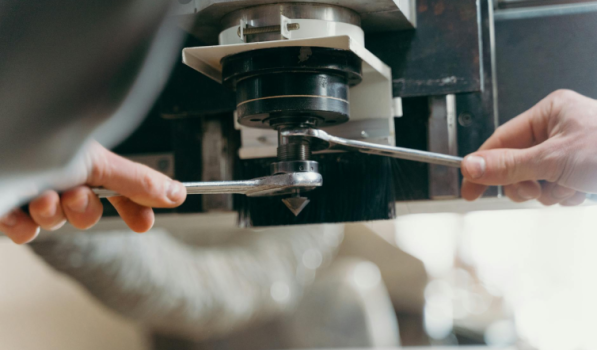
Operations & Maintenance
8 Common CNC Maintenance Issues (And How to Fix Them)
Key Takeaways
Common CNC maintenance issues include power supply problems, tool wear, programming errors, overheating, vibration, lubrication failures, debris accumulation, and calibration drift—each with distinct warning signs and solutions.
82% of companies have experienced unplanned downtime in the past three y
ears, yet most CNC machine failures are preventable with proper care and proactive maintenance scheduling.
CNC machines can last 15-25 years with regular maintenance, but neglect can dramatically shorten that lifespan and destroy operational efficiency.
Computer numerical control (CNC) machines have revolutionized manufacturing. These precision workhorses run around the clock, producing everything from aerospace components to medical devices with remarkable accuracy.
But here's the reality: even the best CNC machines break down. And when they do, the costs add up fast.
The International Society of Automation reports that manufacturing facilities lose 5-20% of their productive capacity annually to unplanned downtime.
Illustration: WorkTrek / Data: Gitnux
For CNC operations, that translates directly into missed deadlines, scrapped parts, and frustrated customers.
The good news? Most common CNC maintenance issues follow predictable patterns. Understand those patterns, and you can catch problems before they shut you down with effective preventive maintenance.
This guide breaks down the eight most common CNC maintenance challenges, explains their causes, and provides practical solutions to keep your machines running at optimal performance.
Whether you're a machine operator troubleshooting a spindle problem or a maintenance manager building out preventive schedules, you'll find actionable strategies here.
1. Power supply problems can stop production instantly
Few things halt CNC machine operation faster than electrical issues. When your power supply fails, everything stops. Which, to those managing the equipment, means no warning, no gradual decline, just sudden silence on the shop floor.
The culprits behind power supply problems vary widely.
Incorrect voltage settings top the list, especially after machine relocations or facility changes. Power surges damage sensitive electrical components without visible evidence. Blown fuses hide in power distribution boards, making them easy to miss. And fluctuating power input from aging facility infrastructure creates intermittent problems that drive technicians crazy.
Warning signs to watch for
Display screens are flickering or failing. Axes are moving sluggishly during startup. Inconsistent machine behavior that comes and goes. LED indicators on power supplies dimmed or were completely dark.
Source: WorkTrek
Troubleshooting approach that works
Start by verifying that the power input matches your machine's specifications. The correct voltage matters enormously.
Check the output side of each power supply using a meter, not just the LED indicators (they can lie).
If readings come up low, disconnect output wires with the machine powered down, then power up again and reassess.
Remember that CNC machines have multiple power supply locations: behind CRT screens, in door interlock circuits, on I/O cards, and in individual drive units.
Prevention comes down to infrastructure. Surge protectors and UPS systems pay for themselves after a single prevented failure.
Keep electrical cabinets clean since dust accumulation near electrical components causes more problems than most people realize. And schedule regular inspections with a certified electrician who understands CNC equipment.
2. Dull tools destroy surface finish and accuracy
Tool wear might be the most common CNC maintenance issue. It is also something that is often ignored until it's too late.
Cutting tools don't fail catastrophically. They degrade gradually, producing slightly worse results each cycle until someone finally notices the parts look terrible.
Machine operators running inappropriate cutting tools for their material compound the problem. So does ignoring manufacturer specifications for feed rates and spindle speeds.
When coolant delivery to the cutting zone fails, friction increases and tool life plummets. Running tools beyond their recommended hours practically guarantees problems.
The symptoms appear in your parts
Rough edges that should be smooth. Visible cutter marks across machined surfaces. Burn spots are appearing on the corners. Dimensional variations that creep larger with each run. And that distinctive sound—experienced operators can hear when a tool is struggling.
Illustration: WorkTrek / Data: CNC Machining Center
Effective troubleshooting starts with inspection.
Examine cutting edges under magnification for chips, wear patterns, or damage. Verify the tool geometry matches the material being cut.
Measure runout with a dial indicator.
Remember that excessive runout accelerates wear and kills surface finish.
Check that coolant actually reaches the cutting process, not just the general vicinity.
Research from MachineMetrics demonstrates that systematic tool wear monitoring can save $72,000 per machine annually. That's real money left on the table when shops run tools to failure instead of proactively managing tool life.
3. Programming errors turn expensive machines into expensive problems
Human error in CNC programming causes more problems than most shops want to admit.
A single wrong digit in a G-code or M-code command can crash a tool into a workpiece, gouge a fixture, or produce hundreds of parts that go straight into the recycling bin.
The root causes trace back to training gaps and process failures. Operators who don't fully understand programming fundamentals make mistakes when modifying programs.
Incorrect tool offset entries send tools to the wrong positions. Software bugs in outdated CAM systems generate faulty toolpaths. And rushed job setups skip verification steps that would catch errors before they cause damage.
Incorrect programming issues
Parts that don't match design specifications. Unexpected tool movements during cycles. Error messages are flooding the control screen. The sickening sound of a collision. Dimensions that drift consistently in one direction.
The fix requires systematic verification.
Validate every program for syntax errors before running. Most modern controls automatically highlight problems.
Run new programs in single-block mode, watching each movement.
Use simulation software to preview toolpaths virtually.
Verify tool offsets and work coordinates are entered correctly.
Cross-reference programs against original CAD designs when dimensions seem off.
Building a culture of program verification prevents most programming errors.
Peer review of new programs before production runs catches mistakes that the original programmer missed.
Standardized templates reduce variation.
Comprehensive training in G-code and M-code fundamentals gives machine operators the knowledge to spot problems before they escalate.
4. Machine overheating shortens component life dramatically
Heat is the silent killer of CNC machine precision. When spindles, motors, and drives run too hot, thermal expansion throws off tolerances. Bearings wear faster. Electrical components degrade. And eventually, thermal shutdowns interrupt production at the worst possible times.
Overheating problems usually stem from cooling system failures. Clogged air filters restrict airflow to heat sinks. Blocked coolant lines starve the cutting zone. Failing pumps reduce circulation. Debris buildup insulates components that need to dissipate heat.
Running aggressive feeds and speeds continuously pushes thermal limits. Poor ventilation in the workshop compounds everything.
Proper ventilation and cooling system maintenance are non-negotiable.
CNC spindles should typically run between 85 and 95°F. Temperatures exceeding 150°F indicate serious problems requiring immediate attention. Thermal shutdown alarms, unusual heat radiating from motor housings, and coolant evaporating during operation all signal overheating.
Source: WorkTrek
Troubleshooting overheating requires checking the entire cooling chain.
Verify coolant levels and circulation, including flow rate and pressure. Inspect air filters and ventilation paths for blockages.
Confirm chiller units are functioning correctly.
Monitor spindle load during operation to catch excessive cutting forces.
Check ambient temperature and shop environments against specifications; stress-cool systems.
Daily checks of coolant levels take thirty seconds and prevent hours of downtime. Weekly air filter cleaning maintains proper airflow.
Monthly coolant system flushes remove accumulated contamination.
5. Machine vibration and chatter ruin parts and accelerate wear
That distinctive chattering sound during cutting isn't just annoying. It can destroy your surface finish, prematurely wear out tools, and potentially damage spindle bearings.
Machine vibration problems create a cascade of issues that extend far beyond the immediate noise.
Vibration sources fall into several categories.
Tool-related causes include excessive overhang, worn cutting edges, and incorrect flute counts for the application. Workholding problems, such as insufficient clamping pressure or poor fixture design, allow workpieces to shift.
Machine condition issues can include worn ball screws, loose components, and bearing play, which can create mechanical resonances.
And process parameters sometimes hit unfortunate sweet spots where cutting forces excite natural frequencies.
Chatter leaves distinctive evidence
Wave-like patterns across machined surfaces. Rapid tool wear or sudden breakage. Visible tool deflection during cuts. Squealing sounds are particularly in corners and during direction changes.
Diagnosing vibration requires isolating the source
Is chatter coming from the tool, workpiece, or machine itself?
Check workpiece clamping security first—loose parts cause obvious problems.
Inspect tool holders for proper grip and measure runout.
Verify machine components are tight, particularly gibs and bearing preloads.
Try adjusting spindle speed by 5-10% in either direction to move away from resonant frequencies.
Prevention strategies focus on maximizing rigidity throughout the system. Use the shortest possible tool overhang. Select the largest appropriate tool diameter.
Consider variable-pitch or variable-helix end mills that disrupt harmonic vibration patterns.
Hydraulic expansion tool holders provide dampening that reduces chatter under challenging applications. Modern CAM strategies that maintain constant engagement reduce the force variations that excite vibration.
6. Lubrication failures cause the most expensive repairs
Proper lubrication keeps CNC machine components moving smoothly.
Without it, metal contacts metal directly. Friction skyrockets. Heat builds. Wear accelerates exponentially. And components that should last years fail in months.
Source: WorkTrek
Lubrication problems stem more often from neglect than from equipment failure. Depleted lubricant levels because nobody checked. Contaminated fluids contain metal particles and cutting fluid. Clogged distribution lines prevent oil from reaching critical points.
Using the wrong lubricant type or viscosity. Irregular manual lubrication when automatic systems need attention.
The symptoms of lubrication problems progress predictably
First come low-level alarms that get dismissed. Then unusual noises—squeaking, grinding, roughness in movement. Heat increases in moving parts. Leaks appear on the floor. Axis movements become erratic. Chuck clamping loses force. Eventually, something seizes.
Systematic inspection catches problems early
Check oil levels daily; it takes seconds and prevents disasters.
Observe lubricant color: transparent to light yellow indicates healthy fluid; black or cloudy fluid needs immediate replacement.
The hand-twist test reveals contamination: rub a small amount between fingers and feel for grit or metal particles.
Verify that oil actually reaches lubrication points by manually triggering the pump and checking each location.
SKF's Reliability Maintenance Institute research demonstrates that properly lubricated CNC machines achieve 300% longer component life with 90% fewer unplanned shutdowns.
Hydraulic pump failures alone can sideline machines for days while replacement parts arrive. A few minutes of daily lubrication verification prevents thousands in repair costs.
7. Dust and debris accumulation cause subtle but severe damage
CNC machines generate debris constantly. Metal chips, cutting fluid mist, fine particles from certain materials—all of it accumulates on machine parts, sensors, and electronics. The problems develop gradually, making debris accumulation one of the sneakier common CNC maintenance issues.
The accumulation accelerates when chip evacuation systems struggle or cleaning schedules slip.
Machining aluminum, composites, or graphite produces fine particles that penetrate everywhere. Neglected air filters and coolant filters stop working effectively.
Opening machine doors during operation invites contamination. And every minute of cutting without proper cleanup adds to the problem.
Debris causes multiple failure modes
Contaminated linear guides lose positioning accuracy. Clogged air filters cause overheating. Dirty sensors generate false readings or fail. Buildup on ball screws increases wear.
Chips packed around the way covers eventually penetrate the protection and damage precision surfaces.
Prevention requires consistent cleaning discipline.
Daily tasks include:
Removing chips from work areas and chip pans
Clearing coolant drains
Wiping down way covers.
Weekly task include:
Cabinet air filters
Chip conveyors
Areas around the spindle housings
Monthly tasks include:
Coolant tank sludge
Fixture buildup
Accumulated grime in enclosure corners.
8. Calibration drift makes accurate parts impossible
CNC machines lose calibration over time. It's inevitable. Ball screws wear. Bearings develop play. Thermal cycling expands and contracts components. Even the machine foundation settles. The question isn't whether calibration drifts—it's whether you catch it before producing out-of-tolerance parts.
Multiple factors contribute to alignment and calibration problems. Normal mechanical wear accumulates over thousands of operating hours.
Temperature changes cause predictable dimensional shifts. Sometimes a single degree Celsius can cause steel components to move by 10-12 micrometers.
Machine crashes, even minor ones, shift alignment that may not be visible. Backlash in drive systems creates positioning errors when axes reverse direction.
Calibration drift shows up in your parts
Dimensions that slowly creep out of tolerance. Features are positioned incorrectly relative to each other. Poor repeatability, where the same program produces different results. Multi-axis movements that create skewed geometry.
Verifying calibration requires measurement.
Dial indicators check individual axis positions
Ball bar testing (using tools like the Renishaw QC20) reveals circular interpolation accuracy and can detect bearing problems
Bent shafts and loose components.
Laser interferometry provides the highest accuracy for critical applications
Practical test cuts confirm that theoretical accuracy translates to actual parts
Regular calibration schedules follow manufacturer recommendations. This is typically an annual comprehensive calibration with more frequent checks on critical dimensions.
Always verify alignment after any crash or hard stop, even if damage isn't visible. Post-repair verification ensures new components haven't introduced new errors. Software-based backlash compensation can correct minor issues without mechanical adjustment.
How CMMS supports CNC preventive maintenance success
Managing CNC maintenance across multiple machines, shifts, and technicians creates complexity that spreadsheets and paper logs can't handle effectively. That's where a modern CMMS solution transforms maintenance from reactive firefighting into strategic asset management.
Preventive Maintenance Scheduling
A CMMS like WorkTrek automatically generates work orders based on calendar schedules or equipment runtime hours. Daily coolant checks, weekly filter cleaning, and monthly lubrication system inspections—all scheduled automatically and assigned to the right technicians. Nothing falls through the cracks because the system tracks completion and flags overdue tasks.
Source: WorkTrek
Work Order Management
When a machine operator notices unusual vibration, they can submit a work order from a mobile device in seconds. The maintenance manager sees the request immediately, assigns it to a qualified technician, and tracks progress through completion.
Source: WorkTrek
Every maintenance activity becomes part of the machine's permanent record, building the data foundation for smarter decisions.
Asset tracking provides visibility into machine history and costs
Source: WorkTrek
Which CNC machines require the most attention? What spare parts get consumed fastest? Where should capital investment focus? A CMMS answers these questions with data rather than guesses. Understanding actual maintenance costs per machine enables informed decisions about repair versus replacement.
Reporting Capabilities
Source: WorkTrek
When the same machine repeatedly overheats every August, a CMMS can surface that correlation.
It can do that by suggesting a seasonal maintenance adjustment, among other predictive maintenance recommendations.
When tool consumption on one machine exceeds that of similar equipment by 40%, the data points toward investigation. These insights improve operational efficiency across the entire shop.
Inventory Management
Tracking spare parts inventory, setting automatic reorder points, and maintaining vendor information means critical components are available when failures occur. For CNC maintenance specifically, having spindle bearings, lubrication system components, and electrical parts on hand dramatically reduces downtime duration.
According to Siemens research, companies implementing structured maintenance management reduce unplanned downtime by up to 50% and cut maintenance costs by 40%.
For CNC operations where a single hour of downtime can cost tens of thousands in lost production, those improvements deliver substantial ROI.
WorkTrek specifically addresses CNC maintenance needs with an intuitive interface that machine operators and maintenance technicians actually use. For further guidance, refer to these top 10 tips for spare parts management.
Mobile access enables real-time updates from the shop floor. Customizable maintenance checklists ensure nothing gets missed during routine inspections. And cloud-based architecture means your maintenance data remains accessible and secure without IT infrastructure headaches. Learn more about the benefits and advantages of an effective maintenance workflow.
The proactive approach enabled by CMMS transforms maintenance from a cost center into a competitive advantage.
This means that: machine maintenance best practices
Machines run longer between failures
Parts maintain product quality consistently
Maintenance staff accomplish more with better organization
Management gains visibility into one of the largest operational cost categories.
Conclusion
CNC machines represent significant capital investments. Protecting those investments through proper maintenance is good practice and can lead to higher product quality, lower cost of production, and keeping production on schedule.
The eight common CNC maintenance issues covered here, starting with power supply problems, tool wear, programming errors, overheating, vibration, lubrication failures, debris accumulation, and calibration drift, account for the vast majority of CNC machine problems.
Each follows identifiable patterns. Each produces warning signs before catastrophic failure. Each responds to proactive intervention.
Building a maintenance culture that catches problems early requires three elements:
Trained machine operators who recognize warning signs
Systematic preventive maintenance schedules that address issues before they escalate
Tools to manage the complexity of multi-machine operations.
CMMS software like WorkTrek provides that third element, turning maintenance from a reactive burden into a manageable system.

Operations & Maintenance
CNC Maintenance: The Full Guide
Key Takeaways:
Unplanned CNC machine breakdowns cost 5 times more than implementing a preventive maintenance plan.
Manufacturing facilities face an average of 800 hours of equipment downtime per year—more than 15 hours weekly.
Predictive maintenance strategies can reduce CNC cutting machine downtime by up to 50% through sensors and data analytics.
When your CNC machines are down, nothing gets done. It's that simple.
But here's what's not so simple: keeping those computer numerical control powerhouses running smoothly day after day, shift after shift, without unexpected breakdowns that bring your whole manufacturing process to a grinding halt.
Whether you're running a small machine shop or managing dozens of CNC machines across multiple production lines, the reality is the same: Proper maintenance isn't optional. It's the difference between hitting your production targets and explaining to customers why their orders are delayed.
The good news? CNC machine maintenance doesn't have to be overwhelming.
With the right approach and tools, you can move from reactive firefighting to proactive prevention. This guide walks you through everything you need to know about maintaining CNC equipment, from daily maintenance routines to building a comprehensive preventive maintenance plan that actually works.
Understanding CNC Machines and Why Maintenance Matters
CNC machines are among the most precise and expensive equipment on your shop floor. These computer numerical control systems can achieve tolerances within 0.0001 inches—but only when they're correctly maintained.
Think about what happens inside a CNC machine during a typical production run. The spindle rotates at thousands of RPM. Ball screws move with incredible precision. Coolant systems pump fluid continuously. Electrical components work in harmony to execute complex machining processes. All of this generates heat, friction, and wear.
Illustration: WorkTrek / Data: KELCH UK
Without regular maintenance, small issues compound quickly:
A slightly worn ball screw affects positioning accuracy.
Contaminated coolant reduces tool life.
Dirty air filters cause the cooling system to work harder, leading to overheating.
Before you know it, what started as minor, preventable issues has snowballed into costly repairs and unplanned downtime.
According to research from Aberdeen, 82% of companies have experienced unplanned downtime over the past three years. For CNC equipment specifically, these unexpected breakdowns don't just halt production; they create a domino effect throughout your entire operation.
The Real Cost of Poor CNC Maintenance
Let's talk numbers, because that's where the urgency of proper CNC maintenance becomes crystal clear.
When CNC machine breaks down unexpectedly, you're not just looking at repair costs. Unplanned downtime can cost manufacturers up to $260,000 per hour, according to industry research. For many operations, even a few hours of machine breakdown means:
Lost production time that can't be recovered
Rush shipping costs for emergency parts
Overtime labor to catch up on delayed orders
Potential penalties for missed deliveries
Damaged customer relationships
The average manufacturer confronts 800 hours of equipment downtime per year. That's more than 15 hours every single week.
When you multiply that by your hourly production value, the numbers become staggering.
But here's the kicker: an unplanned CNC machine breakdown typically costs about 5 times more than implementing a preventive maintenance plan. You're either paying for maintenance on your schedule, or you're paying much more for repairs on the machine's schedule.
Beyond the immediate financial impact, consider the operational chaos that follows a machine breakdown.
Your production schedule gets thrown off. Quality may suffer as you rush to catch up. Team morale takes a hit when people are constantly firefighting instead of executing planned work.
The manufacturing process doesn't wait. Parts need to be machined, deadlines need to be met, and customers expect reliability.
This makes preventive maintenance essential for staying competitive.
Types of CNC Maintenance Approaches
Not all maintenance strategies are created equal. Understanding the different approaches helps you build a preventive maintenance plan that matches your operational needs and budget.
Reactive Maintenance
This is the "run it until it breaks" approach. You perform maintenance tasks only when CNC machine performance degrades or components fail.
While this might work for non-critical equipment, it's a risky strategy for CNC machines. According to GE research, reactive approaches average 8.43% unplanned downtime annually. This is the highest of any maintenance strategy.
The apparent short-term savings quickly evaporate when you factor in emergency repairs, rush orders for parts, and production losses.
For most operations, reactive maintenance is essentially choosing to fail at the worst possible time.
Preventive Maintenance
This proactive approach involves performing maintenance tasks at predetermined intervals, regardless of whether the machine shows signs of trouble.
Source: WorkTrek
It's like performing regular oil changes for your car to avoid long-term problems.
A solid preventive maintenance system includes:
Daily checks of coolant levels, lubrication, and machine cleanliness
Weekly inspections of key components
Monthly filter replacements and deeper cleaning
Quarterly reviews of mechanical components
Annual comprehensive servicing
Preventive maintenance reduces unplanned downtime to about 7.96% annually, according to the GE study.
More importantly, it gives you control. You schedule maintenance during planned downtime rather than having breakdowns dictate your schedule.
Predictive Maintenance
This advanced strategy uses real-time data from sensors and monitoring systems to predict when maintenance is actually needed. Instead of changing a component at a fixed interval, you replace it based on its actual condition.
Predictive maintenance can reduce CNC cutting machine downtime by up to 50% by catching issues before they cause failures. With an unplanned downtime rate of just 5.42% annually, it's the most effective approach.
The best maintenance programs combine these approaches strategically.
Preventive maintenance forms your foundation, with predictive techniques layered on top for critical systems and expensive components.
Essential CNC Machine Components That Need Regular Attention
CNC machines are complex systems with multiple interdependent components.
The first step is understanding which parts need regular attention. This helps you build practical maintenance tasks into your preventive maintenance plan.
Coolant System
The coolant tank and coolant system work harder than almost any other component. Coolant removes heat from the machining process, lubricates cutting tools, and washes away chips.
Source: WorkTrek
But coolant degrades over time. Concentration levels drift, bacteria grow, and contaminants accumulate. A failing cooling system quickly leads to poor surface finish, excessive tool wear, and even damage to CNC machines.
Key maintenance needs:
Daily checks of coolant level and concentration
Regular coolant filter replacement
Periodic complete coolant tank cleaning
Monitoring for bacterial growth or rancidity, and efficient spare parts management to minimize equipment downtime
Electrical Components and Connections
Electrical systems are the nervous system of your CNC equipment. Loose connections, corroded terminals, or failing components can cause erratic behavior, false alarms, or complete shutdowns.
Regular machine inspection of electrical connections catches problems early. Look for:
To reduce issues such as:
Loose wiring or connections
Signs of corrosion on terminals
Damaged cable insulation
Overheating indicators on electrical panels
it is important to implement preventive maintenance alongside routine inspections.
Shop vibrations naturally loosen connections over time, making this a critical area for preventive maintenance.
Lubrication Systems and Ball Screws
Ball screws, linear guides, and other mechanical components need proper lubrication to function smoothly. Without adequate lubrication, friction increases, accuracy suffers, and wear accelerates dramatically.
Source: WorkTrek
Modern CNC machines often have automatic lubrication systems, but these still need monitoring. Check:
Oil levels in automatic lubricators
Manual lubrication points
Ball screw condition and movement
Signs of oil leaks or excessive consumption
Cooling Systems and Air Filters
While coolant handles the cutting zone, your CNC machine has separate cooling systems for electronics, hydraulics, and the spindle. These systems need clean airflow to function correctly.
Replace air filters regularly. Dirty filters force systems to work harder, increase energy costs, and can lead to overheating failures.
Tool Changer and Cutting Tools
The tool changer mechanism handles dozens or hundreds of tool changes per shift. It needs to work flawlessly to maintain production flow.
Regular maintenance prevents:
Tool dropping or mispositioning
Excessive cycle times
Damage to the tool magazine
Spindle contamination
Cutting tools themselves require attention, too. Monitor tool wear patterns, inspect for damage, and replace cutting tools before they fail mid-cut.
CNC Drive Systems
The drive systems, which include servo motors, amplifiers, and feedback devices, control all CNC machine motion. These systems require careful attention because even minor issues affect accuracy.
Watch for:
Unusual motor sounds or vibration
Servo alarms or errors
Degraded positioning accuracy
Excessive heat in the drive components
Daily Maintenance Tasks for CNC Machines
Daily maintenance forms the foundation of your preventive maintenance program. These quick checks take 10-15 minutes per machine but prevent the most common problems.
Morning Startup Checks
Before running the first part, walk through these essential steps:
Check lubrication levels. Verify the automatic lubrication system has adequate oil. If your machine uses manual lubrication points, apply grease or oil according to the maintenance plan.
Inspect coolant levels and concentration. Use a refractometer to verify the coolant mixture is correct. Top off if needed. A proper coolant concentration maintains cutting performance and prevents corrosion.
Review indicator lights and alarms. Make sure no warning lights are active. Address any overnight alarms before production starts.
Test emergency stops. Verify that all e-stops function correctly. This simple safety check could prevent injuries.
Inspect the hydraulic system. Check oil levels and look for leaks. Low hydraulic pressure can cause tool-changer issues and affect machining accuracy.
During Production
Monitor machine sounds. Experienced operators and maintenance staff know what their CNC machines should sound like. Odd noises, like grinding, squealing, or rattling, signal problems that need immediate attention.
Watch chip evacuation. Chips should clear properly from the work area. Chip buildup can damage parts, break tools, or interfere with machine components.
Check coolant flow. Verify coolant is reaching the cutting zone properly. Intermittent flow or pressure issues need investigation and may be managed more systematically with work order software.
End of Shift
Clean machine surfaces. Wipe down the exterior of the machine to remove metal chips and coolant residue. This isn't just about appearance. Sometimes accumulated chips can work their way into mechanical components, causing damage.
Empty the chip hopper. Full chip hoppers slow evacuation and can cause conveyor problems.
Inspect the work area. Look for coolant leaks, loose tools, or anything unusual that developed during the shift.
Document issues. Note any problems or unusual behavior in your maintenance log. These patterns help identify developing issues before they cause failures.
Weekly Maintenance Requirements
Weekly maintenance goes beyond daily checks, addressing components that require less frequent attention.
Filter Maintenance
Clean or replace air filters. Depending on your shop environment, air filters may need weekly attention. Dusty or dirty conditions require more frequent changes.
Inspect coolant filters. Check for excessive restriction or contamination. Replace if the flow appears reduced or if debris is visible.
Check hydraulic filters. Monitor pressure differentials across hydraulic filters. Replace when indicators show restriction.
Mechanical Inspections
Examine ball screws and ways. Look for signs of wear, contamination, or lubrication problems. Wipe down exposed surfaces and relubricate as needed.
Check spindle condition. Listen for unusual sounds. Feel for vibration or excessive heat. Spindle problems rarely announce themselves until it's too late. With regular monitoring, issues are caught early.
Inspect the tool changer operation. Run through several tool changes and verify smooth operation. Check gripper fingers, tool retention, and magazine rotation.
Coolant System Maintenance
Test coolant concentration. Weekly testing catches concentration drift before it affects machining quality.
Check for bacterial growth. Rancid coolant smells terrible and damages both parts and machines. Bacterial growth accelerates in warm weather.
Clean coolant tank strainers. Remove accumulated sludge and chips that bypass the main filtration.
Chip Conveyor
Inspect and clean conveyors. Chip conveyors work hard in demanding conditions. Remove any jammed chips, check for proper operation, and lubricate chains or moving parts.
Monthly and Quarterly Maintenance Activities
Monthly and quarterly maintenance addresses components that don't need constant attention but are too important to neglect.
Monthly Tasks
Deep clean the machine. Go beyond daily surface cleaning. Remove panels to clean internal components, blow out electrical cabinets (with appropriate precautions), and thoroughly clean all accessible areas.
Complete coolant system service. Check coolant lines for leaks or damage. Clean or replace spindle coolant delivery nozzles. Verify coolant pump operation and flow rates.
Inspect electrical connections. Check all accessible electrical connections for tightness. Look for corrosion, damaged insulation, or signs of overheating.
Review and update checklists. Make sure your maintenance tasks list reflects current needs. Update based on any recurring issues or manufacturer recommendations.
Grease chains and conveyors. Apply proper lubricant to chip conveyor chains, pallet changer mechanisms, and other moving parts.
Quarterly Maintenance
Chuck maintenance. For turning centers, remove and thoroughly clean the chuck and jaws. Inspect for wear or damage. This prevents workpiece movement and ensures part accuracy.
Spindle taper inspection. Check the spindle taper for damage, contamination, or wear. A damaged taper can affect tool holding and destroy expensive tooling.
Axis backlash testing. Run positioning tests to verify axis accuracy hasn't degraded. Excessive backlash indicates worn mechanical components that need maintenance.
Review preventive maintenance effectiveness. Analyze maintenance records to identify patterns. Are specific components failing prematurely? Are there recurring issues? Adjust your annual maintenance plan accordingly.
Conduct training refreshers. Schedule training sessions to keep your team up to date on maintenance procedures and safety protocols.
Annual Maintenance Plan Essentials
Your annual maintenance plan represents the most comprehensive service interval. While some tasks can be performed internally, others may require the services of CNC machine manufacturers' service technicians or specialized equipment.
Major System Overhauls
Complete coolant system service. Remove the coolant tank completely. Clean out all sludge, chips, and contamination. Inspect the tank interior for damage or bacterial growth. Flush all coolant lines and clean or replace filters. Refill with fresh coolant at the correct concentration.
Hydraulic system maintenance. Test hydraulic oil for contamination or degradation. Replace filters. In some cases, completely drain and refill the system with fresh oil.
Lubrication system overhaul. Drain and clean automatic lubrication units. Replace oil with fresh lubricant. Check all delivery lines for proper function. For more guidance on achieving effective maintenance management, review these essential tips.
Mechanical Component Service
Drawbar tension verification. Proper drawbar force is critical for tool holding. Use appropriate tools to verify tension meets manufacturer specifications.
Chuck cylinder inspection. For lathe systems, thoroughly inspect and service the chuck actuating cylinder. Replace seals if needed.
Way and ball screw service. This major task involves carefully cleaning all ways and ball screws, inspecting for wear, and applying fresh lubrication. On machines with replaceable components, evaluate whether parts have reached their service life.
Axis gibs adjustment or replacement. Run diagnostic programs to check for backlash. Adjust or replace X and Y axis gibs as needed to maintain accuracy.
Electrical and Control Systems
Software and firmware updates. Check with CNC machine manufacturers for any recommended software updates. Apply updates during scheduled downtime to improve functionality and address known issues.
Backup critical data. Backup programs, parameters, and configuration data. Store backups securely off-machine in case of failures.
Inspect control panels. Check for any signs of overheating, damaged components, or deteriorating connections inside electrical cabinets.
Documentation and Planning
Update equipment records. Document all maintenance performed, parts replaced, and issues addressed. This history proves invaluable for predicting future needs.
Review machine performance metrics. Analyze uptime, breakdown frequency, and maintenance costs. Use this data to refine your preventive maintenance plan.
Plan next year's maintenance schedule. Based on usage patterns and performance history, schedule next year's preventive maintenance activities.
Evaluate machine replacement needs. CNC machines typically provide reliable service for 15-20 years with proper maintenance. Annual reviews help identify when machines approach the end of their useful life.
Common CNC Maintenance Challenges and How to Solve Them
Even with the best preventive maintenance plan, you'll face challenges. Here's how to handle the most common ones.
Balancing Production and Maintenance
The eternal conflict: production wants maximum uptime, maintenance knows machines need servicing. When production pressures push maintenance to the back burner, everyone loses.
Solution: Schedule preventive maintenance during natural production breaks. This can include shift changes, weekends, or planned low-volume periods. Use a CMMS to demonstrate how preventive maintenance actually improves overall uptime by preventing unplanned breakdowns.
Inconsistent Maintenance Execution
When maintenance tasks depend on individual initiative, things get missed. Different shifts do things differently. Critical checks get skipped when people are busy.
Solution: Implement standardized preventive maintenance checklists accessible via mobile devices. Use a CMMS like WorkTrek to track completion and send alerts for overdue tasks. Make compliance visible to management.
Lack of Proper Documentation
Without good records, you're flying blind. You don't know when parts were last replaced, which machines are problem children, or whether your maintenance program is actually working.
Solution: Adopt a CMMS that makes documentation easy and automatic. Every completed work order, every part replaced, every hour of downtime gets recorded without extra effort.
Training Gaps
CNC machines are complex. New operators and maintenance staff need proper training, but training takes time and costs money. The result? People learn on the job, mistakes happen, and maintenance quality suffers.
Solution: Develop structured training programs for both operators and maintenance personnel. Document best practices. Use your CMMS to attach procedures and work instructions to specific maintenance tasks.
Parts Management
Source: WorkTrek
Nothing derails maintenance faster than not having the right parts. You schedule a bearing replacement, but the bearing isn't in stock. Now you're waiting days or paying premium shipping while the machine sits idle.
Solution: Use your CMMS to track spare parts inventory. Set reorder points for critical components. Analyze parts usage to identify items worth keeping in stock versus ordering as needed.
Machine-Specific Expertise
Maybe you have one technician who really knows your particular CNC equipment. When they're not available, problems take longer to diagnose and fix.
Solution: Document machine-specific knowledge in your CMMS. Include troubleshooting guides, diagnostic procedures, and lessons learned. Cross-train multiple people on critical equipment.
How CMMS Transforms CNC Preventive Maintenance
A computerized maintenance management system changes everything about how you handle CNC maintenance. Instead of chasing paper checklists, hunting for parts, and wondering if maintenance got done, you have complete visibility and control.
Automated Preventive Maintenance Scheduling
Your CMMS automatically generates maintenance tasks based on time intervals, machine hours, or cycle counts. When a CNC machine hits 500 operating hours, the system creates a work order for the appropriate preventive maintenance tasks. No one needs to remember. Nothing gets missed.
Source: WorkTrek
WorkTrek takes this further by supporting both time-based and condition-based scheduling.
If you have sensors monitoring vibration or temperature, maintenance triggers automatically when conditions warrant attention.
Mobile Accessibility for Technicians
With WorkTrek's mobile app, technicians access everything they need right from their phone or tablet:
Complete work orders with step-by-step procedures
Equipment history showing past maintenance and issues
Parts lists and inventory availability
Photos and diagrams for reference
Ability to document work and close tickets on the spot
This eliminates the back-and-forth between the shop floor and office. Technicians start work with complete information and finish with automatic documentation.
Comprehensive Asset Management
Every CNC machine in your operation has a complete digital record in WorkTrek:
Equipment specifications and serial numbers
Maintenance history and work performed
Parts replaced and costs incurred
Failure patterns and reliability metrics
Manufacturer documentation and manuals
This centralized information means anyone can quickly understand a machine's status and history, not just the senior technician who's been there 20 years.
Parts Inventory Integration
WorkTrek connects maintenance tasks directly to parts inventory. When you create a preventive maintenance work order, the system shows which parts are needed and whether they're in stock.
As technicians complete work orders and consume parts, inventory automatically updates. Set minimum stock levels for critical components like coolant filters, ball screws, or electrical components, and the system alerts you when it's time to reorder.
Work Order Management That Actually Works
Traditional paper-based or basic digital systems create more work than they save. WorkTrek streamlines the entire work order lifecycle:
System automatically generates preventive maintenance work orders
Work orders route to appropriate technicians based on skills and availability
Technicians receive mobile notifications
All work gets documented with photos, notes, and time tracking
Supervisors monitor progress in real-time
Completed work automatically updates asset history
No phone tag. No lost paperwork. No wondering if maintenance got done.
Data-Driven Decision Making
WorkTrek turns your maintenance data into actionable insights:
Which CNC machines have the highest maintenance costs?
Are preventive maintenance tasks effectively preventing failures?
How does actual vs. planned downtime compare?
Which components fail most frequently?
Where should you focus improvement efforts?
These analytics help you continuously refine your preventive maintenance plan, shifting resources to where they deliver the most value.
Compliance and Documentation
For operations requiring ISO certification, customer audits, or regulatory compliance, WorkTrek provides bulletproof documentation. Every maintenance task, inspection, and calibration automatically generates records showing:
What work was performed
When it was completed
Who did the work
What parts were used
Any issues discovered
This comprehensive audit trail eliminates scrambling when inspectors ask questions or customers request maintenance records.
Scalability Across Your Operation
Whether you're maintaining three CNC machines or three hundred, WorkTrek scales to fit. The same system that handles your milling machines also manages your lathes, grinders, and auxiliary equipment.
As your operation grows, you're not outgrowing your maintenance management system and starting over with a new one. WorkTrek grows with you.
Conclusion
CNC maintenance isn't complicated, but it requires consistency and the right tools to succeed.
The stakes are clear: proper preventive maintenance means machines run when you need them, producing quality parts on schedule. Poor maintenance means expensive breakdowns, missed deadlines, and frustrated customers.
The most successful operations have moved beyond paper checklists and reactive firefighting. They've implemented systematic preventive maintenance programs supported by modern CMMS technology, such as WorkTrek.
Your CNC machines are major investments that should deliver years of reliable service. Give them the attention they deserve with a comprehensive preventive maintenance plan, and they'll reward you with optimal performance and minimal unplanned downtime.
The question isn't whether you can afford to implement proper CNC maintenance. It's whether you can afford not to.

Operations & Maintenance
6 Essential Tools for Maintenance Supervisors
Key Takeaways:
62% of companies reported using a CMMS in 2024.
Small tools are the most frequently stolen items at construction sites.
BlueScope avoided 2,000 hours of downtime after implementing predictive maintenance.
Being a maintenance supervisor comes with big responsibilities, but the job doesn’t have to feel like a constant uphill battle.
In this article, we introduce six digital tools designed to make your work easier, more accurate, and more efficient.
Each tool supports a different aspect of the job, from workforce planning to inventory management, and is suitable for a wide range of industries and sectors.
So, read on, and you may find one that becomes a complete game-changer for your own workflows.
Maintenance Management Software
Let’s start with the most essential tool: a maintenance management platform.
Whether it’s a CMMS or an EAM system, having software that centralizes all upkeep activities and asset information is no longer optional.
These systems automate nearly every aspect of maintenance operations, giving supervisors full visibility and control while reducing errors across the board.
According to the 2024 survey by the Institution of Mechanical Engineers, CMMS adoption continues to rise, while EAM usage is slowing.
Illustration: WorkTrek / Data: Institution of Mechanical Engineers
And it makes sense.
CMMS (Computerized Maintenance Management Systems) are purpose-built for maintenance teams, whereas EAM systems have a broader focus.
As a result, CMMS platforms are often preferred by maintenance supervisors because they’re more intuitive and user-friendly, yet still deliver all the features they need.
For instance, our own CMMS, WorkTrek, offers:
Work Order ManagementCreate, assign, track, and prioritize WOs from anywhere. Capture key details with customizable required fields.Work Request ManagementSubmit requests through multiple channels: app, email, or request portal. Automatically notify stakeholders of updates, and collect feedback once work is completed.Asset ManagementRecord and update all asset information, including physical location, performance history, warranties, maintenance logs, and costs.Inventory ManagementTrack parts using barcodes or QR codes to reduce manual entry. Receive low-stock alerts to avoid delays.InvoicingGenerate invoices from work orders in just a few clicks. Minimize errors by pulling accurate data directly from completed tasks.AnalyticsUnlock insights into your business with reports, KPIs, metrics, and customizable dashboards.
With WorkTrek, decision-making becomes faster, smarter, and more data-driven across every aspect of maintenance.
Take work orders, the heart of all maintenance efforts, as an example.
Without a CMMS, the WO process often looks like this:
Information is unstandardized and scattered across papers, making it easy to get lost.
Field technicians make unnecessary trips to and from the office.
Supervisors have limited visibility into task progress.
It’s inefficient, error-prone, and leads to overlooked tasks and neglected assets.
With a CMMS like WorkTrek, that entire workflow transforms.
You can assign, prioritize, and track all work in one place:
Source: WorkTrek
Technicians can access everything they need, from instructions to asset history, right from their phone.
They can also take photos, leave comments, close work orders, and collect multiple signatures onsite.
Source: WorkTrek
That’s a major boost in productivity and accuracy.
All in all, CMMS solutions have been around since the 1960s for a reason: maintenance work has always needed structure, organization, and traceability.
As these systems become more advanced, they’ve become indispensable tools in every supervisor’s toolkit.
QR Code-Based Asset Tracking
QR codes are a simple yet highly effective way to add visibility and accountability to daily maintenance operations.
Here’s how they work:
You start by creating an asset profile (shown below) in your CMMS that includes all relevant information about that asset, then generate a QR code linked to that profile.
Source: WorkTrek
After printing and attaching the code to the equipment, anyone can scan it with a smartphone or tablet to instantly access the asset’s digital record.
This includes details such as:
Location
Warranty information
Usage history
Maintenance history
Serial numbers
PPE requirements
Authorized users can also update this information on the spot, right from their phone.
A system like this boosts accountability in two significant ways.
First, it ensures that technicians always complete their work properly.
The system records who performed the task, when, where, and what was done.
It also shows all relevant instructions for that particular asset, such as LOTO procedures or PPE requirements:
Source: WorkTrek
This prevents technicians from taking shortcuts and ensures they always follow appropriate steps when working.
No more “I didn’t know” or “I forgot”.
Second, QR codes help ensure the responsible use of MRO tools and materials.
These items, often small and inexpensive, tend to get misplaced or stolen.
The 2025 BauWatch survey even found that small tools and materials are among the most frequently stolen items on construction sites.
Illustration: WorkTrek / Data: BauWatch
By tagging supplies with QR codes, you can easily track their location, who used them, and whether they were returned to the right place.
This acts as a strong deterrent to theft and greatly increases the likelihood of recovering missing items.
Additionally, when technicians know items are tracked, they’re far more likely to return them rather than leave them scattered across the site.
Overall, QR code systems are versatile and powerful yet cost-effective and simple to use.
That’s why they’ve become a go-to choice for supervisors looking to improve asset record accuracy and protect valuable equipment.
IoT Sensors
IoT (Internet of Things) sensors are internet-connected devices attached to equipment to collect real-time data on operating conditions.
They can measure a wide range of variables, including:
Vibration
Temperature
Pressure
Humidity
Electrical current
Motor speed
Fluid levels
With these devices, maintenance supervisors can monitor asset health 24/7, even remotely.
This makes all the difference.
IoT data helps detect anomalies the moment they occur, enabling what is known as condition-based maintenance.
In other words, maintenance is performed only when it’s truly needed, rather than on a fixed schedule that risks under- or over-servicing assets.
It’s no surprise, then, that supervisors across industries are adopting this technology.
For example, the 2025 Ecotrak survey reports that many facilities in the food service and similar sectors are already using, or planning to use, sensors to track temperature, humidity, and more.
Illustration: WorkTrek / Data: Ecotrak
IoT sensors are also widely used in heavier industries.
Take, for instance, the Volvo Group manufacturing facility in Lyon, France.
Producing large engines for trucks, industrial power systems, and boats, their manufacturing process relies heavily on Autonomous Guided Vehicles (AGVs), which are depicted below:
Source: Volvo Group
So, to proactively monitor AGV health and prevent unplanned shutdowns, the Volvo team installed LoRaWAN sensors on every AGV.
These devices send periodic voltage data, helping detect low battery levels or battery failures.
You can see one such sensor in the image below:
Source: Volvo Group
The system also sends automatic notifications to the maintenance team, giving them enough time to move AGVs to a charging station before they block the production line.
In environments like these, where production uptime is vital, these devices are invaluable.
They ensure that critical assets receive maintenance exactly when required, keeping them in top condition without causing unnecessary interruptions.
This is why IoT sensors have become so popular among supervisors working in manufacturing, in particular.
Predictive Analytics
IoT sensors go hand-in-hand with predictive analytics.
This technology combines historical data, IoT sensor readings, machine learning, and statistical models to predict when a piece of equipment is likely to fail.
By doing so, it further optimizes maintenance schedules and boosts overall operational efficiency.
In fact, the 2022 Deloitte study has already confirmed that predictive maintenance can significantly reduce downtime and costs while increasing productivity.
Illustration: WorkTrek / Data: Deloitte
Of course, not every maintenance supervisor will find this kind of system beneficial.
The upfront investment is considerable, so it’s mainly suited to industrial environments where equipment downtime comes at a high price.
That’s where predictive maintenance shines.
Take it from BlueScope, an Australia-based global leader in metal coatings and steel products.
In 2022, the company implemented a predictive maintenance system that monitors and analyzes data such as vibration and pressure to detect early warning signs of asset failure.
Within seven months, the results were clear.
In total, BlueScope avoided approximately 2,000 hours of downtime and prevented 53 full process interruptions worldwide, saving valuable time and materials.
Colin Robertson, Digital Transformation Manager at BlueScope, commented:
Illustration: WorkTrek / Quote: Manufacturers’ Monthly
On top of that, the system made work safer by reducing risky manual interventions, like handling steel strips during unexpected stoppages.
The main takeaway is this: predictive analytics isn’t just the latest tech fad. It delivers real results.
In industries where every second counts and machinery is expensive, it’s an invaluable tool that keeps production running smoothly, costs down, and workers safe.
Employee Scheduling Tools
As the name suggests, employee scheduling tools automate workforce scheduling, track labor costs, and manage PTO, improving workforce planning and increasing overall productivity.
In industrial maintenance, these tools are more necessary than ever.
According to recent research, over half of facilities cite labor shortages and skill gaps as key drivers of increased downtime.
Illustration: WorkTrek / Data: MaintainX
With experienced workers retiring and fewer new workers entering the field, maximizing the productivity of existing staff has become the number one priority in maintenance.
Scheduling tools help you do just that.
They ensure effective workforce allocation, thereby preventing budget overruns and reducing time theft.
You can think of them as the “control center” for managing people, just as a CMMS is the control center for managing assets and maintenance activities.
Nowadays, these solutions typically include mobile apps that allow technicians to clock in and out directly from their phones, often with a geofencing feature.
This means you can set up a parameter for where employees can clock in, ensuring they are always in the right place at the right time.
Source: Sling
All of that makes it easier to monitor attendance across multiple workers and even various locations.
Scheduling itself becomes more streamlined as well.
You can view workforce availability across sites, plan shifts with intuitive drag-and-drop interfaces, use templates, and even copy schedules from prior weeks to save time.
Some tools allow staff to swap or offer shifts to more qualified coworkers, further boosting efficiency.
Additionally, these systems maintain accurate records of working hours in one centralized location, simplifying approvals for time off, overtime, and other requests.
Source: Zoho
At the end of the day, maintenance operations are only as effective as the technicians on the ground.
Experienced supervisors know this.
They also know that effective scheduling is a key factor in maximizing team performance, turning a team of individuals into a highly coordinated, productive unit.
With employee scheduling software, you can finally unlock your team’s full potential, while also saving time on repetitive, low-value administrative tasks.
Industrial Vending Machines
If you’ve been struggling with supply shortages or overordering, industrial vending machines could be the solution you need.
These automated dispensing units provide 24/7 access to tools, PPE, and consumables while helping control inventory and automatically reordering parts.
In short, they save time by automating stock management, ensuring technicians always have the tools they need, and preventing budget overruns caused by overordering.
A true win-win-win.
In the video below, you can learn more about how it all works from Kevin Wedge, Director of Metalworking at Würth Industry, a provider of such vending solutions.
https://www.youtube.com/watch?v=ptTP9lZ9xCQ
Source: Würth Industry USA on YouTube
Würth Industry’s solutions help manage everything, including ordering, delivery, storage, and point-of-use accessibility with a consumables program tailored to your facility.
Their vending machines even allow you to set employee usage restrictions by department, product, or machine, giving you complete control.
Simply put, these systems handle all inventory-related tasks, boosting productivity, lowering operating and administrative costs, and reducing product consumption.
In fact, according to Wedge, new customers typically see 20–40% savings thanks to the inventory optimization these vending machines provide.
Illustration: WorkTrek / Data: Würth Industry USA on YouTube
Yes, they can be that efficient.
So, if inventory and/or budget optimization are your priorities, consider industrial vending solutions.
They could be exactly what you were looking for.
Conclusion
While all these tools can greatly improve your maintenance operations, there’s no need to feel pressured to adopt them all.
Instead, start by analyzing your processes, talking with colleagues, and identifying the most urgent problem to solve.
Maybe you’re stuck in a reactive cycle, dealing with excessive unplanned downtime. Or perhaps you’re overspending on MRO supplies.
Once you clearly understand the core issue, you can focus on finding a solution that addresses it.
But before making any final decisions, be sure to test the solution thoroughly.
Read online reviews and take full advantage of free trials.
Remember, a tool that looks great on paper isn’t always the right fit for your specific needs.
Ultimately, this careful research will be well worth the effort.
You’ll end up with a solution that truly delivers, saving money, improving efficiency, and boosting productivity.

Operations & Maintenance
7 Best Practices for Using Preventive Maintenance Checklists
Key Takeaways:
• 71% of companies use preventive maintenance as their primary strategy—here's how to do it right with effective checklists.
• Every $1 spent on preventive maintenance saves $5 in other expenses, making it one of the highest-ROI investments in facilities management.
• Companies with structured PM programs experience 33% less equipment failure and 25% fewer safety incidents compared to reactive approaches.
Picture this: It's 3 AM, and your production line has ground to a halt. A critical motor just seized up, and your maintenance team is scrambling to find the problem. The emergency repair will cost thousands, your production schedule is shot, and customers will be furious about delayed orders.
Now imagine a different scenario:
Your maintenance technician spotted unusual vibrations during a routine checklist inspection last week. The motor was serviced proactively during a regular scheduled downtime. This was performed at a fraction of the cost of an emergency repair, and production never missed a beat.
That's the power of preventive maintenance checklists done right.
The numbers tell a compelling story.
Preventive maintenance saves 12-18% in costs compared to reactive maintenance, according to the U.S. Department of Energy. Even more impressive, unplanned downtime costs Fortune Global 500 companies approximately $1.5 trillion annually—losses that comprehensive preventive maintenance checklists can significantly reduce.
But here's the catch: Not all preventive maintenance checklists are created equal. A poorly designed checklist can actually waste time and resources while still missing critical issues. A practical preventive maintenance checklist, on the other hand, becomes the backbone of your entire maintenance program.
In this guide, we'll walk you through the best practices for using preventive maintenance checklists that actually work.
From creating customized checklists for different equipment types to implementing digital solutions that maximize efficiency. Whether you're running a manufacturing plant, managing a facility, or overseeing maintenance operations, you'll learn how to build a successful preventive maintenance program that reduces downtime, extends equipment lifespan, and saves significant money.
Let's get started!
What Makes an Effective Preventive Maintenance Checklist
A solid preventive maintenance checklist isn't just a random list of tasks. It's a carefully designed tool that guides maintenance technicians through every critical step needed to keep equipment running reliably.
Think of it as a recipe: except instead of baking a cake, you're preventing costly equipment failures.
Essential Elements Every Checklist Needs
A comprehensive preventive maintenance checklist should include these core components:
1. Asset Identification
Source: WorkTrek
Start with the basics: equipment name, unique ID number, precise location, and the date maintenance is being performed. This might seem simple, but clear asset identification prevents confusion when you're managing dozens or hundreds of pieces of equipment across multiple locations.
2. Clearly Defined Maintenance Tasks
Each task should be specific and actionable.
For example: Instead of writing "check motor," a practical preventive maintenance checklist specifies "inspect motor bearings for unusual noise or excessive heat" or "measure motor vibration using vibration analyzer."
Source: WorkTrek
The best maintenance activities break complex procedures into individual steps that even a less experienced technician can follow confidently.
3. Maintenance Frequency and Last Completion Date
Source: WorkTrek
Document how often each task should be performed—daily, weekly, monthly, quarterly, or annually. Include the date when maintenance was last completed so technicians can verify they're performing routine maintenance on schedule.
4. Assigned Personnel
Source: WorkTrek
Specify which maintenance team members are responsible for each task. Some preventive maintenance tasks require specific certifications or expertise, particularly for electrical systems, HVAC systems, or safety equipment.
5. Sign-Off Section
Source: WorkTrek
Create space for signatures and notes confirming task completion. This accountability measure ensures that maintenance personnel actually perform the work and provides documentation for compliance audits.
6. Safety Protocols
Source: WorkTrek
Include required lockout/tagout (LOTO) procedures and necessary personal protective equipment (PPE). Safety should never be an afterthought in maintenance processes.
7. Required Tools and Parts
Source: WorkTrek
List all necessary tools, replacement parts, and materials. This preparation prevents maintenance technicians from wasting time hunting for equipment mid-task.
8. Visual Aids
Source: WorkTrek
Where appropriate, include photographs, diagrams, or schematics. Visual references are especially valuable for complex equipment or when training new maintenance team members.
9. Time Estimates
Provide realistic duration estimates for planning purposes. Accurate time projections help maintenance managers schedule maintenance effectively without disrupting operations.
Pass/Fail vs. Step-by-Step Format
Your preventive maintenance checklist format should match the task's complexity.
Pass/Fail Checklists: work best for simple condition monitoring. For example, checking if air filters are clean (pass) or dirty (fail), or whether electrical connections are tight (pass) or loose (fail). These binary inspections enable quick, routine inspections and clear documentation.
Source: WorkTrek
Step-by-Step Checklists: are essential for multi-step repairs and complex maintenance procedures. When you're performing HVAC system maintenance or rebuilding a motor, you need detailed sequential instructions that ensure nothing gets skipped.
The key is to match the format to the task's complexity. You need to strike a balance where you don't overcomplicate simple inspections, while avoiding oversimplifying complex preventive maintenance tasks either.
Types of Preventive Maintenance Strategies
Not all preventive maintenance works the same way. Understanding different types of preventive maintenance helps you build more effective checklists and choose the right approach for each asset.
Time-Based Preventive Maintenance
Time-based maintenance schedules work at regular, predetermined calendar intervals regardless of equipment condition or usage.
Source: WorkTrek
You've probably encountered this approach in your personal life. For example changing your car's oil every three months or replacing HVAC filters every 90 days, whether you've driven much or not.
When time-based preventive maintenance makes sense:
Equipment with predictable usage patterns
Components that deteriorate over time regardless of use (fluids, rubber seals, belts)
Regulatory compliance requirements with specific time commitments
Failure modes that are clearly age-related
Pros: Highly predictable and easy to schedule. Your maintenance team knows exactly when preventive maintenance tasks are coming.
Cons: Can lead to over-maintenance. You might service equipment that doesn't actually need attention yet, wasting resources on unnecessary maintenance.
Usage-Based Preventive Maintenance
Usage-based maintenance triggers on equipment usage metrics—operating hours, production cycles, miles traveled, or units produced—rather than calendar dates.
Source: WorkTrek
Think of this like aircraft maintenance scheduled after a specific number of flight hours, or forklift inspections performed every 200 operating hours
When usage-based maintenance works best:
Equipment with irregular or variable usage patterns
Assets where wear correlates directly with use
Fleet vehicles and material handling equipment
Any situation where you can accurately track usage metrics
According to the U.S. Department of Energy, proper maintenance scheduling based on actual equipment usage is a key factor to achieve cost savings in preventive versus reactive maintenance approaches.
Pros: Matches maintenance to actual wear and tear, preventing both over-maintenance and under-maintenance.
Cons: Requires tracking systems to monitor usage metrics accurately.
Condition-Based Maintenance
Condition-based maintenance takes a smarter approach: perform maintenance when equipment condition indicates it's actually needed.
Source: WorkTrek
Instead of guessing based on time or usage, you monitor equipment health through sensors, inspections, and diagnostic testing. When measurements exceed preset thresholds, the system triggers maintenance.
Common monitoring methods:
Vibration analysis for rotating equipment
Oil analysis for contamination or wear particles
Thermography to detect overheating
Ultrasound testing for leaks or electrical issues
Pressure monitoring for hydraulic and pneumatic systems
Research shows that organizations using condition-based approaches experience significantly fewer unexpected breakdowns than those using purely calendar-based preventive maintenance programs.
Pros: Minimizes unplanned downtime, avoids unnecessary maintenance, and performs service at the exact moment it's needed.
Cons: Requires investment in sensors, monitoring equipment, and specialized training for maintenance personnel.
Predictive Maintenance: The Evolution of PM
Predictive maintenance represents the cutting edge of maintenance strategies, using machine learning, IoT sensors, and advanced analytics to predict failures before symptoms even appear.
While predictive maintenance adoption decreased slightly from 30% to 27% between 2024 and 2025, this likely reflects organizations realizing it requires more sophisticated infrastructure than they initially anticipated.
Here's how predictive maintenance connects to your preventive maintenance checklists:
Predictive algorithms analyze data continuously and can trigger checklist-based inspections when they detect concerning patterns. Meanwhile, data collected during routine maintenance tasks feeds back into predictive models, improving their accuracy over time.
The research is compelling: Predictive maintenance can reduce machine downtime by 30-50% and increase equipment life by 20-40%, according to McKinsey & Company.
The most successful maintenance programs combine these approaches strategically.
Use time-based maintenance for components with predictable wear, usage-based maintenance for variable-use equipment, and condition-based or predictive maintenance for critical assets where the investment in monitoring technology pays off.
How to Create Customized PM Checklists
Generic, one-size-fits-all checklists don't work. The most effective preventive maintenance checklists are tailored to specific equipment, operating conditions, and organizational needs.
Here's how to build preventive maintenance checklists that actually prevent failures.
Start with Manufacturer Guidelines
Your first resource should always be original equipment manufacturer (OEM) documentation. Manufacturers know their equipment best and provide baseline recommendations for maintenance frequencies and procedures.
Ignoring OEM recommendations can void warranties, leaving you financially exposed when equipment fails.
Assess Equipment Criticality
Not all assets deserve equal attention. A production-critical machine that would halt operations if it failed needs more frequent and thorough maintenance than a backup compressor that rarely runs.
Create a criticality matrix based on:
Impact on production if equipment fails
Safety consequences of failure
Customer satisfaction effects
Repair costs and complexity
Availability of backup equipment
Your most critical assets should have the most comprehensive preventive maintenance checklists with shorter inspection intervals.
Review Maintenance History and Failure Patterns
Your maintenance records contain valuable insights about what actually goes wrong with your equipment.
Pull historical data and look for patterns:
Which components fail most frequently?
What warning signs appeared before past failures?
Are failures clustered at specific intervals or usage levels?
What could routine inspections have caught earlier?
Add inspection points to your preventive maintenance checklist that specifically target these recurring issues.
Gather Frontline Knowledge from Technicians
Your maintenance technicians work with equipment daily and often know things that never make it into formal documentation.
Talk to the people actually performing maintenance tasks. They'll tell you:
Which steps in existing checklists waste time
What warning signs they've learned to watch for
Which tools or information would make their jobs easier
Where unclear instructions cause confusion
This collaboration ensures your checklists reflect real-world conditions, not just theory.
Consider Your Operating Environment
Equipment operating in harsh conditions, such as extreme temperatures, dusty environments, high humidity, or corrosive atmospheres, deteriorates faster than manufacturer specifications might assume.
A conveyor in a clean office environment and one in a dusty manufacturing plant need different maintenance schedules. Adjust your preventive maintenance checklist frequencies to match actual operating conditions.
Determine the Right Maintenance Frequency
Setting appropriate maintenance intervals is crucial. Too frequent and you waste resources; too infrequent and you miss developing problems.
Key factors for determining frequency:
1. Failure Developing Period (FDP): The time between when you can first detect a problem and when equipment actually fails. Best practice: inspect at FDP/2 (half this period) to catch issues with a safety margin.
2. Mean Time Between Failures (MTBF): Historical data showing average operating time before repair is needed. Use this to establish baseline inspection frequencies.
3. Equipment Usage Intensity: High-utilization equipment needs more frequent attention than occasionally-used assets.
4. Criticality Level: Your most critical assets warrant more frequent inspections, even if failure data doesn't strongly support it.
Pro tip: Start conservatively with shorter intervals, then extend them as you gather performance data showing equipment remains reliable. Target completing preventive maintenance tasks within 10% of planned intervals for optimal scheduling.
Document Everything Clearly
The best checklist in the world fails if technicians can't understand it.
Write instructions clearly enough that a relatively new maintenance team member could follow them with minimal supervision. Avoid jargon where possible, define technical terms when necessary, and break complex procedures into logical sequential steps.
Source: WorkTrek
Keep individual steps brief. Don't combine multiple actions into a single checklist item. "Inspect and clean motor bearings, check alignment, and verify lubrication" should be three separate steps, each with its own sign-off.
Equipment-Specific Checklist Best Practices
Different equipment types require different maintenance approaches. Here's what your preventive maintenance checklists should include for common critical systems.
HVAC Systems
HVAC system maintenance directly impacts energy efficiency, occupant comfort, and indoor air quality. According to ENERGY STAR, proper maintenance also ensures your system operates as efficiently as intended.
Essential HVAC maintenance tasks:
Monthly or Quarterly:
Clean or replace air filters (every 30-90 days, depending on the environment)
Check thermostat settings and calibration
Inspect visible ductwork for damage or disconnection
Listen for unusual noises from equipment
Source: WorkTrek
Semi-Annually (Spring and Fall):
Clean evaporator and condenser coils
Check and clear condensate drain lines
Inspect electrical connections and tighten as needed
Measure voltage and current on motors
Lubricate all moving parts per manufacturer specifications
Check refrigerant levels (requires certified technician)
Inspect fan blades for damage and clean if dirty
Source: WorkTrek
Annually:
Comprehensive inspection of heat exchangers (critical for safety—cracks can leak carbon monoxide)
Check gas connections, pressure, and burner combustion
Test safety controls and limit switches
Inspect and clean blower assemblies
Verify proper airflow throughout system
Source: WorkTrek
Seasonal considerations matter: Prep your cooling system in spring before demand peaks, and tune up heating equipment in fall before cold weather arrives. This proactive maintenance prevents failures during periods when you need equipment most.
Electrical Systems
Electrical maintenance carries serious safety implications. Always follow lockout/tagout (LOTO) procedures, and ensure only qualified personnel perform electrical work.
Critical electrical inspection points:
Main breaker and distribution panels
Circuit breakers for proper operation
Electrical connections for tightness (loose connections cause fires)
Wiring for fraying, damage, or deterioration
Grounding systems for continuity
GFCI outlets for proper trip function
Emergency lighting and exit signs
Testing requirements:
Insulation resistance testing is performed annually
Infrared thermography scanning is performed quarterly to detect hot spots
Ground fault testing
Circuit breaker exercise testing every 1-3 years
Safety note: OSHA regulations require specific maintenance and inspection protocols for electrical systems. Your preventive maintenance checklist should incorporate these compliance requirements.
Material Handling Equipment (Forklifts and Powered Industrial Trucks)
OSHA regulation 29 CFR 1910.178 mandates specific inspection requirements for material handling equipment.
Source: WorkTrek
OSHA requires forklifts be examined:
At least daily before being placed in service
After each shift for round-the-clock operations
Defects must be immediately reported and corrected
Never operate unsafe equipment
Your forklift daily preventive maintenance checklist should include:
Pre-operation walk-around:
Visual check for damage, leaks, or abnormalities
Tire inspection: proper inflation, wear, damage
Fork and mast: bends, cracks, excessive wear
Load backrest extension secure and undamaged
Fluid level checks:
Engine oil
Hydraulic oil
Coolant
Brake fluid
Battery electrolyte (if applicable)
Functional tests:
Brakes (service and parking)
Steering responsiveness
Horn and backup alarm
Lights (headlights, taillights, warning lights)
Hydraulic controls (lift, tilt, side shift)
Seatbelt condition and operation
Fire extinguisher present and charged
Weekly or monthly deeper inspections should cover:
Battery terminals and connections
Hydraulic hoses for wear or damage
Chain tension and lubrication
Overhead guard condition
Load capacity plate legibility
Manufacturing Equipment
Manufacturing equipment represents a significant capital investment and directly impacts production capacity. Equipment failure in a manufacturing plant creates costly production disruptions.
CNC machines require particularly careful maintenance:
Daily preventive maintenance tasks:
Clean machine bed and remove metal chips
Check coolant level and condition
Inspect cutting tools for wear
Verify automatic lubrication system operation
Check hydraulic pressure gauges
Weekly tasks:
Clean way covers and linear guides
Check and clean air filters
Inspect the pneumatic system for leaks
Verify program backup procedures
Monthly maintenance activities:
Test hydraulic oil quality
Clean coolant tank filters
Grease the chuck and rotary components
Check safety interlocks and emergency stops
Inspect cable carriers and cable condition
Quarterly preventive maintenance:
Deep clean coolant system
Clean chuck jaws thoroughly
Check machine leveling
Inspect ball screws for backlash
Annual comprehensive inspection:
Complete accuracy verification by certified engineers
Replace hydraulic oil and filters
Full electrical system inspection
Replace worn way covers
Update control software if needed
According to equipment maintenance research, proper CNC maintenance significantly extends machine lifespan and maintains precision tolerances essential for quality production.
Safety Equipment
Safety equipment maintenance isn't optional—it's a legal and moral obligation to protect your workforce.
Fire extinguishers (OSHA 29 CFR 1910.157):
Monthly: Visual inspection checking location, pressure gauge, seal integrity, and physical condition
Annually: Professional maintenance by certified inspector
6-year: Internal inspection for stored pressure dry chemical extinguishers
12-year: Hydrostatic pressure testing
Emergency eyewash stations and safety showers (ANSI Z358.1-2014):
Weekly activation: ANSI standards require all units be activated weekly to verify operation and flush stagnant water
Annual: Full compliance inspection
Location requirement: Within 10-second travel distance (approximately 55 feet) from hazard areas
Water temperature: Must provide tepid water (60-100°F) to prevent thermal shock
First aid kits and AEDs:
Monthly inspection of contents and expiration dates
Immediate replacement of used supplies
Regular training refreshers for designated responders
Safety equipment must be 100% reliable when needed. Don't cut corners on these critical systems.
Digital vs. Paper: Choosing the Right Approach
One of the most impactful decisions you'll make about your preventive maintenance program is whether to use paper checklists or go digital.
Let's be honest about the trade-offs.
The Paper Checklist Reality
Paper preventive maintenance checklists have served organizations for decades. They're simple, require no technology, and work anywhere without batteries or internet connectivity.
But paper checklists have serious limitations:
Time-consuming and error-prone: Handwritten notes can be illegible. Technicians sometimes check boxes without actually performing work. Data entry from paper to computer doubles workload.
Risk of loss or destruction: That clipboard with three months of maintenance records? It's sitting in a puddle after yesterday's rainstorm. Critical documentation is gone forever.
Difficult to track and monitor: You can't see overall program compliance without manually reviewing every paper checklist. Patterns and trends remain invisible.
No real-time feedback: When a technician discovers a critical issue at 2 AM, notifying management means finding a phone and making calls, not instantly alerting everyone who needs to know.
Can't easily retrieve history: Finding past maintenance records means digging through filing cabinets. "What did we find during the August inspection three years ago?" is a multi-hour research project.
Digital Checklist Advantages
Modern computerized maintenance management systems transform preventive maintenance checklists from static paper documents into dynamic, intelligent tools.
Accessible anywhere, anytime: Mobile apps put comprehensive preventive maintenance checklists directly in technicians' hands. Access asset history, reference manuals, and submit completed inspections from the shop floor.
Real-time data capture and updates: Record observations instantly. Take photos documenting conditions. Updates appear immediately in the central system, where managers can see them.
Automatic notifications and reminders: No more missed inspections because someone forgot to check the schedule. The system automatically notifies maintenance personnel when preventive maintenance tasks are due.
Centralized documentation: Everything lives in one searchable database. Finding historical data takes seconds, not hours.
Multimedia support: Embed photographs, videos, and equipment diagrams directly in checklists. Visual references make complex procedures clearer.
Better compliance documentation: Digital systems create automatic audit trails. Timestamp verification proves work was completed on schedule, satisfying compliance requirements.
Analytics and reporting: Track completion rates, identify recurring problems, measure technician productivity, and optimize maintenance schedules based on actual data rather than guesswork.
The impact is significant: Organizations using digital checklists see 20% improvement in maintenance team productivity compared to paper-based workflows.
When Paper Still Makes Sense
Despite digital advantages, paper checklists remain appropriate in specific situations:
Very small operations with just a few pieces of equipment
Environments where electronics aren't practical (extreme temperatures, water exposure, explosive atmospheres)
Simple single-asset checks where digital overhead isn't justified
Emergency backup when technology fails
For most modern operations, though, digital wins decisively.
Making the Transition
If you're currently using paper and considering going digital, approach the transition strategically:
Start with pilot programs: Choose a few high-value assets and convert their checklists first. Learn lessons on a small scale before rolling out organization-wide.
Involve technicians in design: The people who use checklists daily should help design digital workflows. This buy-in is crucial for adoption.
Provide thorough training: Don't assume everyone is tech-savvy. Some maintenance personnel may need significant support during the transition.
Maintain paper backup temporarily: Keep paper checklists available for the first few months as a safety net while users gain confidence with digital systems.
Measure results: Track completion rates, downtime reduction, and time savings to quantify the return on your digital investment.
How CMMS Software Transforms Checklist Management
A computerized maintenance management system takes preventive maintenance checklists from good to exceptional by automating workflows, centralizing information, and providing powerful analytics.
Let's look at how CMMS transforms every aspect of checklist management.
Standardized Templates That Ensure Consistency
CMMS platforms let you create master preventive maintenance checklist templates for each equipment type. When you add a new asset, you attach the appropriate template—ensuring every similar piece of equipment receives identical maintenance procedures.
This standardization eliminates variation that can arise when technicians cut corners or forget steps with paper checklists. Everyone follows the same comprehensive maintenance plan.
Automated Work Order Generation
Instead of manually creating work orders for each scheduled maintenance task, your CMMS automatically generates them based on your preventive maintenance schedule.
The system can trigger work orders based on:
Calendar dates for time-based preventive maintenance
Meter readings for usage-based maintenance
Sensor thresholds for condition-based maintenance
Maintenance team members receive automatic notifications when preventive maintenance tasks are assigned, eliminating the excuse "I didn't know it was due."
Mobile Access at Point of Service
Modern CMMS platforms like WorkTrek include mobile apps that put full system capabilities in technicians' pockets.
Source: WorkTrek
When a technician arrives at equipment needing maintenance, they can:
Scan a QR code to pull up the asset record instantly
Access complete maintenance history
View equipment manuals and technical documentation
See photos from previous inspections for comparison
Follow the step-by-step checklist instructions
Record findings and measurements directly into the system
Take photos documenting current conditions
Mark work orders complete with digital signatures
Research shows 37% average productivity increases in the first year after implementing mobile CMMS capabilities.
Comprehensive Data Tracking and Analytics
Digital systems automatically capture vast amounts of data that were previously untrackable with paper checklists.
Key metrics CMMS tracks automatically:
Mean Time Between Failures (MTBF): Average operating time before equipment needs repair
Mean Time to Repair (MTTR): Average time to restore equipment to service
PM Compliance Rate: Percentage of scheduled maintenance completed on time
Work Order Completion Rate: Percentage of assigned tasks actually finished
Planned vs. Unplanned Maintenance Ratio: How much time you spend preventing problems versus fighting fires
Overall Equipment Effectiveness (OEE): Comprehensive measure of manufacturing productivity
These metrics reveal patterns invisible with paper checklists, enabling data-driven optimization of your entire maintenance program.
Integration with Other Maintenance Operations
Standalone checklists exist in isolation. CMMS integrates preventive maintenance checklists with every other aspect of maintenance management:
Work order management: Preventive maintenance checklists automatically generate work orders with all necessary instructions, parts lists, and labor estimates embedded.
Source: WorkTrrek
Inventory management: The system tracks parts used during maintenance activities and automatically flags inventory levels requiring replenishment, reducing carrying costs by 15-25%.
Source: WorkTrek
Asset management: Complete equipment hierarchies link checklists to specific assets, tracking maintenance history, warranty information, and lifecycle costs in one place.
Source: WorkTrek
Scheduling optimization: The system balances preventive maintenance tasks with corrective work, production schedules, and maintenance personnel availability.
WorkTrek: Built for Modern Maintenance Teams
A CMMS like WorkTrek brings all these capabilities together in an intuitive platform explicitly designed for maintenance operations.
WorkTrek's preventive maintenance features include:
Flexible scheduling options: Set up time-based, meter-based, or condition-based triggers for automatically generating work orders. The system accommodates the full range of preventive maintenance strategies.
Customizable checklists: Build detailed checklists with pass/fail items, measurements, text descriptions, and photo documentation. Include equipment-specific instructions and safety procedures.
Source: WorkTrek
Mobile-first design: Native iOS and Android apps give maintenance technicians full functionality in the field, including offline capability for areas without connectivity.
Comprehensive analytics: Pre-built reports and customizable dashboards track over 30 maintenance KPIs, giving you complete visibility into program effectiveness.
Source: WorkTrek
Easy integration: WorkTrek connects with existing ERP systems, IoT sensor platforms, and other business software to create a unified maintenance ecosystem.
Organizations implementing WorkTrek report better visibility, control, and organization of maintenance activities, with regulatory audits becoming significantly easier thanks to comprehensive digital documentation.
Measuring and Improving Your PM Program
Creating an effective preventive maintenance checklist is an ongoing process, not a one-time project. The best maintenance programs continuously measure performance and refine approaches based on data.
Key Performance Indicators to Track
Focus on these critical metrics to evaluate preventive maintenance effectiveness:
1. Preventive Maintenance Compliance (PMC)
Formula: (Completed PMs ÷ Scheduled PMs) × 100
Target: 70-90%
This metric shows the percentage of scheduled preventive maintenance that is completed. A score below 70% indicates serious problems. It means that either you're planning too much maintenance, or execution discipline is lacking.
2. Planned Maintenance Percentage (PMP)
Formula: (Planned maintenance hours ÷ Total maintenance hours) × 100
Target: 80-90%
World-class organizations spend most of their maintenance time on planned activities rather than on emergency firefighting. Low PMP means you're stuck in reactive mode.
3. Mean Time Between Failures (MTBF)
Formula: Total operating time ÷ Number of failures
Tracks reliability. Rising MTBF means your preventive maintenance program is working—equipment runs longer between failures.
4. Mean Time to Repair (MTTR)
Formula: Total repair time ÷ Number of repairs
Measures maintenance efficiency. Falling MTTR indicates improving technician skills, better parts availability, or more effective maintenance procedures.
5. Overall Equipment Effectiveness (OEE)
Combines availability, performance, and quality into a single metric.
World-class benchmark: 85% Average: 60% Low performers: 40%
Research shows that 90% of organizations practicing preventive maintenance see improved OEE compared to reactive approaches.
6. Maintenance Cost per Unit Produced
Tracks whether maintenance expenses are appropriate relative to output. Rising costs may indicate aging equipment or ineffective maintenance approaches.
Review and Update Process
Effective preventive maintenance checklists evolve based on experience and changing conditions.
Establish regular review cycles:
Quarterly reviews: Look at completion rates, recurring issues, and technician feedback for each major equipment category. Make minor adjustments to frequencies or procedures.
Annual comprehensive reviews: Deep dive into all checklists systematically. Compare predicted failure modes against actual failures. Update based on a full year's operational data.
Event-triggered reviews: Any unexpected equipment failure should trigger an immediate checklist review. What could have been detected earlier? What inspection points are missing?
Change-triggered reviews: Whenever you modify equipment, change operating parameters, or alter production processes, review related preventive maintenance checklists.
Continuous Improvement Actions
Illustration: WorkTrek / Quote: KaiNexus
Don't just collect data—act on insights:
Optimize task frequencies: If equipment consistently shows no issues during inspections, consider extending intervals. If you're catching problems late, increase frequency.
Add or remove tasks: Include new inspection points targeting recurring failure modes. Eliminate tasks that never reveal issues and provide no value.
Improve instructions: When technicians consistently ask questions about checklist steps, clarify the instructions. Add photos or diagrams where procedures remain unclear.
Update acceptance criteria: Refine pass/fail thresholds based on what actually predicts failures versus false alarms.
Pilot test changes: Before implementing major modifications organization-wide, test with a small group. Confirm improvements before full rollout.
Share lessons learned: When one team improves a checklist, extend successful changes to similar equipment across your organization.
Conclusion: Building a Preventive Maintenance Program That Actually Works
The data clearly demonstrates the value of a solid preventive maintenance checklist. Organizations with structured preventive maintenance programs experience 33% less equipment failure, 25% fewer safety incidents, and significant cost savings compared to reactive maintenance approaches. Every dollar invested in preventive maintenance typically returns five dollars in avoided costs.
But these benefits only materialize when you apply best practices consistently:
Comprehensive preventive maintenance checklists should be tailored to specific equipment and operating conditions.
Choose the right maintenance strategy for each asset type. Time-based, usage-based, condition-based, and predictive maintenance each have appropriate applications.
Leverage technology strategically. For most modern operations, computerized maintenance management systems dramatically improve compliance, efficiency, and visibility compared to paper-based approaches.
The alternative to preventive maintenance is reactive firefighting costs. Manufacturing facilities face average downtime costs of $260,000 per hour. Those losses are preventable through proper preventive measures.
Make your work easier.
Try for free.
Book a demo