

Blog
Operations & Maintenance
How to Manage the Risk of Equipment Failure
Key Takeaways: When equipment fails, everything stops. Production lines go dark, costs pile up, and workers face unnecessary risks. The ripple effect can touch every part of your operations. Managing the risk of equipment failure isn’t about reacting faster when things break. It’s about stopping failures before they happen and building systems that keep critical […]
Key Takeaways:
Equipment failures cost factories 5% to 20% of their productivity annually, translating to millions in losses.
Preventive maintenance is nearly three times more cost-effective than reactive maintenance.
Predictive maintenance can reduce planning time by 50% and increase uptime by 20%.
65% of companies now use a CMMS to monitor and optimize maintenance operations.
When equipment fails, everything stops. Production lines go dark, costs pile up, and workers face unnecessary risks. The ripple effect can touch every part of your operations.
Managing the risk of equipment failure isn't about reacting faster when things break. It's about stopping failures before they happen and building systems that keep critical equipment running.
Source: WorkTrek
According to the International Society of Automation, factories lose between 5% and 20% of their productivity due to downtime. For some companies, that translates to thousands or even millions of dollars in losses.
This guide breaks down effective strategies for managing equipment failure risk: from understanding what causes equipment to fail to building a maintenance program that actually prevents problems.
Understanding Equipment Failure Risk
Equipment failure happens when machinery stops working as intended. Sometimes equipment malfunctions completely. Other times, it keeps running but performs below standard.
Risk-based maintenance prioritizes interventions based on the consequences of failure, not just their frequency.
Either way, the consequences are real: unplanned downtime, safety hazards, financial losses, and disrupted operations.
Most equipment failures fall into predictable categories.
Excessive wear and tear breaks down components over time
Improper use of machines
Poor maintenance lets small problems escalate into major breakdowns.
There are many situations that can also lead to failures. Control system failures can shut down entire production lines. Electrical failures pose both operational and safety risks. Mechanical failures in critical systems can cascade through your facility.
The most common types of equipment failure share one thing in common: they can be prevented with the right approach.
The True Cost of Equipment Failure
In most cases, equipment failure costs more than the repair bill. The financial impact can include lost production, emergency repairs, expedited shipping for spare parts, and overtime labor costs.
A 2024 Siemens study found that automotive plants lose approximately $695 million annually due to unplanned downtime. That's 1.5 times higher than just five years ago.
Illustration: WorkTrek / Data: Sumitomo Drive Technologies
For heavy machinery operations, the annual cost per plant can reach $59 million.
But the numbers tell only part of the story.
Equipment failure can create safety risks for workers. In addition, production delays damage customer relationships. Non-compliance with regulations can lead to fines and legal exposure.
With a critical asset failure, the effects can spread throughout your entire operation.
Key Strategies to Manage Equipment Failure Risk
The best defense against equipment failure is a combination of several proven approaches. Those approaches include:
Regular Inspections and Monitoring
Necessary inspections catch problems before they cause failures. Pre-use checks verify equipment is safe to operate. Scheduled inspections track wear patterns and identify components nearing the end of their useful life.
The key is making inspections part of a systematic process and not just random.
Equipment-specific checklists ensure technicians look for the right warning signs. Documentation creates a record that helps predict when failures might occur.
Regular inspections also improve workplace safety. Workers spot hazards like frayed cables, leaking fluids, or loose components that could lead to accidents.
One strategy that a lot of companies employ is to implement IoT sensors for continuous monitoring.
Using IoT sensors and AI allows for real-time, data-driven maintenance decisions.
These devices track vibration, temperature, pressure, and other critical parameters in real time. When readings fall outside normal ranges, maintenance teams get immediate alerts.
Digital Twins and AI are increasingly used to analyze incident data for trends and simulate failure scenarios without disrupting live operations.
Illustration: WorkTrek / Data: Anvil Labs
This approach is most valuable for critical equipment, where unexpected failures have the greatest impact on operations.
Implement Preventive Maintenance
Preventive maintenance is when you service equipment based on a schedule and preferably before breakdowns occur.
Some preventive maintenance tasks include lubrication, filter changes, belt adjustments, and component replacements based on manufacturer recommendations or usage patterns.
A 2022 survey found that unplanned downtime from equipment failure had the greatest negative impact on plant productivity.
Zach Williams, Engineering Manager at Kito Crosby Australia, explains the business case: "Preventive maintenance is nearly three times more cost-effective than reactive maintenance."
The approach works because it shifts your focus from emergency repairs to planned interventions.
The goal is to have maintenance happen during scheduled downtime, not in the middle of a production run. Parts arrive through normal ordering, not overnight shipping at premium prices.
Modern CMMS platforms can simplify and automate preventive maintenance scheduling. WorkTrek can trigger work orders based on time intervals, meter readings, or usage patterns.
Embrace Predictive Maintenance
Predictive maintenance takes prevention a step further. Instead of maintaining equipment on a fixed schedule or following OEM recommendations, you service it based on actual condition.
Strict adherence to OEM guidelines for workloads and service intervals helps avoid overworking machinery.
This strategy uses sensor data and historical performance to predict when equipment will fail. Maintenance happens just before problems occur, not too early or too late.
Research by Deloitte shows predictive maintenance can reduce planning time by up to 50% and increase uptime by 20%.
Illustration: WorkTrek / Data: IIoT World
BMW's Regensburg plant uses AI-powered predictive maintenance on its conveyor systems. Project manager Oliver Mrasek reports that they avoid around 500 minutes of production disruption per year by detecting potential faults before they cause failures.
The investment in sensors and analytics platforms pays off through fewer emergency repairs and longer equipment life. For companies with critical assets where downtime costs are high, predictive maintenance delivers strong returns.
Train Your Team Properly
Operational errors can be the cause of a lot of equipment failures. For example, overloading machines, skipping safety procedures, or operating without proper training puts unnecessary stress on equipment.
With additional employee training, these risks can be reduced.
Training should focus on equipment specifications, proper operating procedures, and early warning signs of problems. The process should teach technicians how to use machinery within design parameters and what to do when something seems wrong.
Regular review of risk assessments is essential in risk-based maintenance to adapt to evolving conditions.
Training should cover more than basic operation. Maintenance teams need expertise in troubleshooting, repair procedures, and safety protocols. Cross-training creates flexibility when specialists aren't available.
According to research on equipment longevity, properly trained users operate equipment more efficiently, reducing wear and tear while minimizing energy consumption.
Regular training keeps knowledge current, especially when equipment is upgraded or procedures change.
Maintain Proper Spare Parts Inventory
Having the right spare parts available prevents small issues from becoming extended downtime events. When a component fails, you can replace it immediately instead of waiting days or weeks for delivery.
Source: WorkTrek
The challenge is always balancing inventory costs with availability.
Stockpiling every possible part ties up capital and warehouse space. But running too lean means critical repairs get delayed.
Smart inventory management focuses on critical components—parts that fail predictably or have long lead times. Historical data shows which items need to be on hand and which can be ordered as needed.
Source: WorkTrek
Proper inventory management means tracking usage patterns, setting reorder points, and maintaining relationships with reliable suppliers. A CMMS helps by automatically tracking parts usage and triggering reorder alerts when stock falls below minimum levels.
Follow Manufacturer Guidelines
Something as simple as an equipment manual can contain essential information on maintenance requirements, operating limits, and troubleshooting procedures. Manufacturers are experts and understand how their equipment works and what it needs to stay reliable.
Following recommended maintenance schedules helps maintain warranties and ensures equipment performs as designed.
Deviating from these guidelines often leads to premature wear, unexpected failures, and voided warranties.
Manuals also provide critical safety information and proper repair procedures. They specify which parts to use, how to test components, and when to replace items.
As an example, Haas Automation's lathe manuals include detailed maintenance schedules showing exactly when to service each component. This level of specificity takes guesswork out of maintenance planning.
Keep manuals accessible to maintenance teams, whether in paper form or digital format. Consider storing them in your CMMS so technicians can access procedures while working on equipment.
Building a Risk Management Culture
To effectively address equipment failure, you need more than just good procedures. The organization needs a top-down commitment.
Leadership sets the tone.
When senior management prioritizes maintenance and invests in proper tools, teams take equipment reliability seriously.
However, when budgets get cut and maintenance gets deferred, failures increase.
Communication matters too.
Operators need clear channels to report issues. Maintenance teams need to share findings about equipment condition. Managers need visibility into maintenance metrics and failure trends.
Regular reviews of maintenance data help identify patterns. Are certain assets failing repeatedly? Do failures cluster around specific times or conditions? This analysis reveals where to focus improvement efforts.
Creating a culture of reliability means celebrating prevention, not just fast repairs. Teams should be recognized for catching problems early, not praised for heroic emergency fixes.
How CMMS Technology Reduces Equipment Failure Risk
A Computerized Maintenance Management System centralizes all maintenance activities in one platform.
Instead of depending on scattered spreadsheets and paper records, everything lives in a single system that tracks assets, schedules work, and analyzes performance.
Source: WorkTrek
According to UpKeep, 65% of companies now use a CMMS to monitor and optimize maintenance operations. Teams using these platforms report better visibility into completed work, reduced unplanned downtime, and enhanced collaboration.
How WorkTrek Helps Manage Equipment Failure Risk
WorkTrek provides the tools maintenance teams need to prevent failures and minimize downtime.
The platform automates preventive maintenance scheduling based on time, usage, or condition triggers. Work orders are automatically created and assigned to the right technicians. No manual scheduling, no forgotten tasks.
Asset management features track equipment history, maintenance records, and failure patterns. When equipment fails, technicians can review past issues and solutions. This knowledge prevents recurring problems and speeds up repairs.
Source: WorkTrek
Real-time alerts notify teams when equipment parameters fall outside normal ranges or when scheduled maintenance is due. Issues get addressed before they become failures.
The mobile app gives technicians instant access to work orders, equipment manuals, safety procedures, and maintenance histories. Everything they need is available at the point of work, reducing errors and improving efficiency.
Parts inventory management tracks spare parts automatically. When technicians complete work orders, the system deducts used parts from inventory. Low stock triggers reorder alerts, so critical components stay available.
Detailed analytics show which assets consume the most maintenance resources, where failures occur most often, and how actual costs compare to budgets. This visibility helps managers optimize maintenance strategies and justify investments in equipment reliability.
Source: WorkTrek
WorkTrek integrates with condition monitoring systems, creating a complete picture of equipment health. Sensor data flows into the platform, triggering maintenance actions when thresholds are exceeded.
Source: WorkTrek
For companies serious about reducing equipment failure risk, WorkTrek delivers the automation, visibility, and control that modern maintenance operations require.
Common Equipment Failure Patterns to Watch
Understanding how equipment typically fails can help you intervene before breakdowns occur.
Aging equipment shows increasing failure rates as components near the end of life. Bearings wear out, seals deteriorate, and electrical insulation breaks down. The solution is condition-based replacement before complete failure.
Illustration: WorkTrek / Data: GoCodes
Wear and tear from normal use gradually degrades performance. Regular inspections catch this early. Preventive maintenance replaces worn components before they fail.
Environmental factors accelerate equipment degradation.
Extreme temperatures, humidity, dust, and vibration all contribute to premature failure. Controlling operating conditions and matching equipment to the environment reduces this risk.
Inadequate lubrication causes friction and heat buildup. Following lubrication schedules and using correct lubricants prevents this common failure mode.
Electrical issues often start with minor problems—loose connections, dirty contacts, or voltage fluctuations. Regular electrical system checks catch these before they cause complete failures.
Measuring Your Equipment Failure Management Success
You can't improve what you don't measure. Track these metrics to evaluate how well you're managing equipment failure risk:
Mean Time Between Failures (MTBF) shows how long equipment typically runs before failing. Higher numbers mean more reliable equipment.
Mean Time to Repair (MTTR) measures how quickly you restore equipment to service. Lower numbers indicate efficient repair processes.
Planned vs. Unplanned Maintenance Ratio reveals how proactive your maintenance is. More planned work means better control.
Maintenance Cost as Percentage of Replacement Value helps identify over-maintained or under-maintained assets.
Overall Equipment Effectiveness (OEE) combines availability, performance, and quality into a single metric showing how well equipment performs.
Downtime Hours tracks lost production time. Breaking this down by equipment and failure type shows where to focus improvement efforts.
Regular review of these metrics identifies trends and guides resource allocation. Most CMMS platforms generate these reports automatically.
The Path Forward
Managing equipment failure risk requires commitment with substantial payoffs.
Less unplanned downtime means higher productivity. Fewer emergency repairs reduce costs. Safer equipment protects workers. Better reliability improves customer satisfaction.
Start by assessing your current maintenance practices.
Where do most failures occur?
Which assets are most critical?
How much downtime costs your operation?
Use the information that you gather to prioritize improvements.
Implement preventive maintenance for critical equipment first.
Add condition monitoring where it delivers the highest return. Train teams on proper operating procedures.
Invest in tools that support your maintenance strategy.
A modern CMMS eliminates manual work, improves data accuracy, and provides visibility that helps you make better decisions.
Conclusion
Companies that treat maintenance as a strategic investment rather than a cost center see real results: less downtime, lower costs, safer workplaces, and higher productivity.
The strategies covered here are proven and work.
Regular inspections catch problems early
Preventive maintenance stops failures before they happen
Predictive maintenance optimizes when you service equipment
Proper training reduces operational errors
Smart inventory management keeps repairs fast.
But none of this works without the right tools and commitment.
Modern CMMS platforms like WorkTrek automate the heavy lifting, giving you visibility and control over your maintenance operations. They turn data into action and help teams work smarter.
Source: WorkTrek
Start small if you need to.
Pick your most critical assets and implement better maintenance practices there first. Track your results. Build on what works.

Operations & Maintenance
Planned Maintenance Optimization (PMO) Guide
Key Takeaways:
43% of companies struggle to recruit maintenance staff.
Preventive maintenance costs 2-5 times less than reactive maintenance.
CMMS solutions improve visibility, reduce downtime, and strengthen communication.
By now, most companies understand the value of an effective preventive maintenance (PM) program.
They recognize that it can deliver significant cost savings, improve operational efficiency, and reduce unplanned downtime, ultimately enhancing customer experience and brand reputation.
Yet despite these benefits, many organizations still struggle to implement preventive maintenance effectively, whether due to limited knowledge, inadequate tools, or poorly defined processes.
This is where Planned Maintenance Optimization (PMO) comes in.
PMO is designed to improve your existing PM programs by leveraging asset failure history and current maintenance workflows.
Compared to more resource-intensive methodologies such as Reliability-Centered Maintenance (RCM), PMO requires less time to develop while still delivering measurable, high-impact results.
Read on to learn more.
What is Planned Maintenance Optimization
In the simplest terms, planned maintenance optimization is a structured framework for improving your existing maintenance program.
It analyzes asset failure history along with current workflows and routines to determine which tasks to eliminate, what to improve, and what’s already working well.
The ultimate goal is to strike the right balance between over-maintaining, which wastes time and resources, and under-maintaining, which increases the risk of unexpected failures.
It’s all about doing the right maintenance at the right time.
While improving operational efficiency and extending equipment lifespan are always core objectives of PMO, there are several approaches used to achieve them:
Judgment-based PMOLeverages the deep experience of frontline technicians, combined with operational data and asset criticality, to refine maintenance tasks and schedulesReliability-centered maintenance–derived PMOApplies core RCM principles, such as failure modes and effects analysis, but focuses only on the most critical assets or the most common failure typesFailure Reporting, Analysis, and Corrective Action System (FRACAS)Requires teams to report and analyze every failure to identify root causes, then use those insights to create or modify preventive maintenance tasks
In practice, the most effective PMO programs integrate all three methods, combining RCM principles, FRACAS data, and the practical knowledge of experienced personnel.
Benefits of Planned Maintenance Optimization
When all these elements come together, the PMO program starts unlocking significant value.
Let’s go over some of its benefits.
Improved Maintenance Efficiency
With PMO, maintenance work is completed faster, with fewer errors, less rework, and more efficient use of labor and materials.
This is because PMO moves organizations away from reactive or rigid time-based maintenance and instead prioritizes work based on asset criticality, condition, and failure history.
India Gibson, Launch Leader at Schneider Electric, a French multinational specializing in digital automation and energy management, explains why that matters:
“Rather than spending time and money and having downtime to do a reactive approach or check the box on a typical maintenance protocol, we can respond quicker to changes that require immediate attention.”
The biggest issue with traditional methods is that they fail to reflect how equipment performs in real-world conditions.
Time-based maintenance often leads to over-servicing assets that are still operating well, wasting labor and resources.
Reactive maintenance, on the other hand, allows early warning signs to go unnoticed, resulting in unplanned downtime and rushed repairs.
Conversely, PMO directs your focus and effort where they’re needed most, preventing disruptions while keeping assets in optimal condition without unnecessary waste.
As a result, work quality improves, repeat failures decline, and maintenance teams can manage more assets using the same resources.
It’s a much smarter way of working.
And for many maintenance teams today, working smarter is the only path forward.
A recent ABB survey found that 43% of companies struggle to recruit maintenance staff, as experienced workers retire and fewer young professionals enter the field.
Illustration: WorkTrek / Data: ABB
On top of that, maintenance work is becoming more complex, material and tool costs continue to rise, and budgets seem to only be shrinking.
In other words, the pressure is high, and there’s little room for error.
PMO provides modern maintenance teams with a solution that allows them to maximize their existing resources, reduce operational disruptions, and maintain reliability without burning out the workforce.
Increased Asset Uptime
PMO also tackles the biggest enemy of any asset-heavy operation: unplanned downtime.
It does this by analyzing each asset and identifying which potential failures have the greatest impact on uptime.
This enables you to focus resources where disruptions would be most severe and harmful to the operation.
Typically, Failure Modes and Effects Analysis (FMEA) is used for this kind of evaluation.
Below is an example of an FMEA worksheet with its core terms, giving you a clearer idea of how the method works:
ItemA broken asset in questionPotential failure modeThe specific manner or way by which a failure could occurPotential causeThe underlying cause or sequence of causes that lead to a failure modeLocal effects of failureThe failure consequences as it applies to the item under analysis.Next higher level effectThe failure effect as it applies at the next higher indenture level.ProbabilityThe likelihood of the failure occurring.SeverityThe consequences of a failure mode. Severity considers the worst potential consequence of a failureDetectionThe means of detection of the failure mode by the maintainerRisk levelSeverity (of the event) × probability (of the event occurring) × detection (probability that the event would not be detected before the user was aware of it)MitigationProposed mitigation or actions used to lower a risk or justify a risk level or scenario
As you can see, FMEA involves a detailed analysis of components, assemblies, and subsystems to identify possible failure modes, their causes, and their effects.
It may seem slightly complex, but it’s highly effective.
The method clearly highlights where the greatest risks lie, so you can be confident your decisions are data-driven and not based on guesswork.
Now, this isn’t to say that PMO neglects less-critical assets.
Instead, it applies the most appropriate maintenance strategy to each, based on risk, failure type, and cost.
For example:
Reactive MaintenanceFor low-cost, non-critical assets where downtime is acceptable (e.g., lightbulbs, garden tools)Time-Based MaintenanceFor assets with predictable wear patterns (e.g., HVAC filters, vehicle oil changes)Usage-Based MaintenanceFor assets with variable workloads (e.g., forklifts, production robots)Condition-Based MaintenanceFor high-value or complex assets where monitoring is feasible (e.g., turbines, elevators)
Ultimately, when each asset receives the care it needs, when it needs it, the risk of unplanned stoppages drops significantly.
According to the businesses surveyed by Cheqroom, this is the key to high productivity, improved reputation, and increased customer satisfaction.
Illustration: WorkTrek / Data: Cheqroom
That’s why PMO is so valuable.
It ensures assets are maintained proactively, available when needed, and perform reliably, helping companies meet their production goals.
Reduced Maintenance Costs
When maintenance is efficient, strategic, and data-driven, cost savings follow naturally.
The biggest benefit of PMO is that it puts proactive maintenance front and center.
This ensures maintenance is performed regularly and consistently, enabling you to detect early signs of degradation and intervene before costly emergency repairs or complete asset replacement occur.
This alone can lead to significant cost reductions.
Steve Schumacher, Owner of Boston Landscape Co., agrees:
Illustration: WorkTrek / Quote: Boston Landscape Co.
However, we’ve already noted that PMO goes beyond simply following a rigid maintenance schedule.
In other words, it doesn’t mandate maintenance at fixed intervals without paying attention to an asset’s condition.
Instead, it leverages historical data and reliability models to determine the optimal timing for each task, ensuring maintenance is performed only when needed, thus avoiding wasted labor, parts, and downtime.
In the end, there is such a thing as too much maintenance, and it can be just as costly as too little.
Tien Ha, Associate Expert at Hanwha Corporation, a major South Korean conglomerate spanning industries from explosives and energy to aerospace and finance, warns:
Illustration: WorkTrek / Quote: LinkedIn
PMO helps you avoid both extremes.
It customizes maintenance schedules to each asset’s unique needs, maximizing reliability while preventing overspending on unnecessary work or spare parts.
The result: well-maintained assets, smoother operations, and, ultimately, lower costs.
Planned Maintenance Optimization Best Practices
To unlock the above-mentioned advantages, follow these best practices.
They’ll ensure you identify any mistakes in your program early and implement PMO without additional stress on your team.
Reduce Reactive Maintenance
Although some reactive maintenance is inevitable in any upkeep strategy, your goal should be to reduce it as much as possible if you want your PMO program to succeed.
Reactive maintenance is often the most expensive and least efficient type of upkeep, frequently causing downtime, secondary damage, and unnecessary costs.
Don’t risk it.
Reduce reactive work and improve asset reliability, labor efficiency, safety, and budget predictability through a more proactive approach.
Anna Waters, Director of Asset Management at EDP Renewables, a company that develops and operates wind farms, solar parks, and more, perfectly summarizes the value of preventive maintenance:
Illustration: WorkTrek / Quote: Solar Power World
Before you start cutting reactive maintenance in favor of preventive measures, you need to decide exactly how much you need to cut.
Start by tracking the percentage of reactive versus planned work.
You’ll find the data needed for your calculations in your maintenance log, where you can see total hours spent on each type of activity.
Digital maintenance management systems go a step further, often automatically calculating these percentages for you, like so:
Source: WorkTrek
Once you understand the current state of your operations, you can work with the entire maintenance team to set a realistic target for minimizing reactive work, expressed as a percentage.
Defining your goal clearly and numerically not only keeps the team focused but also makes it easy to track progress month over month to ensure you’re on the right path.
Measure the Effectiveness of the Program
You can’t truly know whether your PMO program is delivering real value if you aren’t actively tracking its progress and outcomes.
Without objective measurement, results become subjective and anecdotal rather than grounded in reality.
This ultimately renders the entire effort ineffective, especially in the eyes of senior leadership, who are primarily interested in concrete benefits and measurable results.
When you diligently monitor your program’s progress, on the other hand, there’s no room for opinions or guesswork.
If the program is working, it becomes clear how and where it’s delivering value.
And if it isn’t, the data quickly shows where to focus your efforts to course-correct.
This is supported by a 2023 Databox survey, which found that the majority of companies report improved performance through consistent monitoring and reporting.
Illustration: WorkTrek / Data: Databox
“What gets measured, gets improved” may be an overused phrase, but it endures for a reason.
When launching your PMO program, ensure you also define clear, easy-to-measure KPIs that allow you to track progress effectively.
Start with a small, but relevant set of metrics. This should provide meaningful insight without overwhelming your team.
Consider including some of the following:
Percentage of Subjective TasksThe proportion of tasks performed without clearly defined standards. A high percentage signals the need for better task definition and standardization.Percentage of Condition MonitoringThe share of maintenance activities based on monitoring techniques such as vibration analysis or oil analysis. A higher percentage reflects a shift toward proactive, advanced maintenance practices.Unplanned Downtime HoursThe total hours of unexpected equipment downtime. A reduction in this metric indicates that PMO efforts are effectively improving equipment reliability.Manpower Hours RequiredThe total labor hours spent on maintenance activities. Tracking this helps ensure work is optimized and resources are focused on value-added tasks.
Over time, you can refine these KPIs or introduce new ones as your program matures.
It’s only natural that your PMO objectives and needs change over time. Just make sure your KPIs reflect that.
Use CMMS
A PMO relies on accurate data, repeatable processes, and continuous improvement, all of which a CMMS directly enables.
These systems serve as central hubs for all maintenance-related tasks, from work orders and spare parts to PM schedules and asset profiles.
It’s no surprise, then, that research shows CMMS platforms deliver significant improvements, including better visibility into completed work, reduced unplanned downtime, and stronger team communication.
Illustration: WorkTrek / Data: UpKeep
When you have clear insight and control over every aspect of your operations, it becomes much easier to identify inefficiencies and determine the best course of action for optimization.
Our CMMS, WorkTrek, was built with this exact philosophy in mind: better visibility, better control, and better outcomes.
Our PM scheduling feature, for example, helps standardize and control PM execution by allowing you to create recurring maintenance work orders based on different trigger types.
Source: WorkTrek
You can define planned durations, set end rules, assign work to specific personnel, and include all relevant details, such as instructions, descriptions, hazard warnings, and task reminders.
This ensures planned work is never overlooked and is performed consistently every time, thereby eliminating unnecessary rework or errors.
Once the work is completed, technicians can capture signatures, upload photos, log labor hours, record spare parts used, and close out work orders directly from their mobile devices.
Source: WorkTrek
All of this data is stored in the system and can later be analyzed to measure the effectiveness of your program.
WorkTrek takes care of this part of the process, too.
Its reporting capabilities include more than 50 pre-built reports and over 20 pre-built KPIs, enabling you to monitor your entire maintenance operation and pinpoint areas for improvement.
For instance, you may track planned vs actual maintenance expenses, reactive vs preventive work, overdue WOs, and so much more.
The bottom line is this: a CMMS like WorkTrek provides the structure, data, and control required to design, execute, measure, and continuously improve your PMO.
Attempting to implement a PMO program without a tool like this would be a significant missed opportunity.
Conclusion
In the end, the most important thing to know about PMO is that it relies heavily on data.
You need a clear picture of your failure histories, current workflows, routines, and the details of each asset, to analyze and compare.
What does this mean for you right now?
If you decide to move forward with this program, the first step is to evaluate your data.
Review your logs for accuracy, completeness, and consistency, and ask yourself whether they tell the whole story.
Only once you’re confident in your data will you have a solid foundation for a successful PMO implementation.

Operations & Maintenance
6 Common Equipment Failure Patterns
Key Takeaways:
Only 15% of equipment failures are age-related, while 85% follow random failure patterns that require different maintenance approaches.
United Airlines' landmark study identified six distinct failure patterns, with infant mortality accounting for 68% of all component failures.
Organizations using condition-based maintenance to address random failures can reduce unplanned downtime by up to 50% while extending asset life.
Equipment doesn't just randomly fail. Even though it may seem that way. Behind every breakdown lies a predictable pattern that, once understood, can transform your entire maintenance strategy.
For decades, maintenance teams operated under a simple but flawed assumption: the older the equipment, the more likely it is to fail. This belief led to expensive time-based overhauls, excessive maintenance, and unnecessary component replacements that did little to improve equipment reliability.
Illustration: WorkTrek / Data: IspatGuru
Then researchers discovered something that changed everything.
Multiple studies, including the groundbreaking work by F. Stanley Nowlan and Howard F. Heap, for United Airlines in 1978, revealed that equipment failures follow distinct, measurable patterns. More importantly, they found that only a small percentage of failures actually occur due to aging.
Understanding these common equipment failure patterns isn't just an academic exercise—it's the foundation of modern reliability-centered maintenance. When you know how and why assets fail, you can develop targeted maintenance strategies that prevent failures, reduce downtime, and avoid unnecessary costs.
What Are Equipment Failure Patterns?
Equipment failure patterns are recurring trends that describe how the conditional failure probability changes over a component's operating age. Think of them as the characteristic "signatures" that different types of equipment leave behind as they move through their lifecycle.
Before the 1960s, maintenance thinking relied heavily on fixed overhauls and defined maintenance periods. The prevailing wisdom suggested that regular scheduled maintenance would keep equipment running reliably. However, in-service experience showed little improvement in asset performance despite diligent adherence to planned maintenance schedules.
According to research published by Nowlan and Heap, this traditional approach was ineffective and mostly counterproductive.
Their study of United Airlines' commercial aircraft revealed that many maintenance interventions actually increased the probability of failure by introducing new defects or infant mortality failures during the initial phase after component replacement.
To improve equipment reliability, organizations needed to understand the root causes behind failures. This led to three landmark studies that identified distinct equipment failure patterns:
United Airlines Study (1978): Nowlan and Heap's analysis of civil aviation maintenance data formed the foundation of reliability-centered maintenance and advanced approaches to maintenance diagnosis to identify the root causes of equipment failures
Swedish Study (1992): Broberg's research validated similar patterns across different industries
SUBMEPP Study (1998): The Naval Sea Systems Command analyzed submarine maintenance data, generating age and reliability curves that allowed the Navy to eliminate many time-directed overhauls
These studies revealed a surprising truth: different components subject to different operating conditions exhibit unique failure behaviors.
Some wear out predictably over time, while others fail randomly throughout their lifecycle. Understanding which pattern your equipment follows determines whether preventive tasks will actually improve equipment reliability or simply waste resources.
The six failure patterns these researchers identified account for virtually all equipment failures in industrial operations. Each pattern reflects a different relationship between a component's operating age and its failure probability, which has direct implications for your maintenance strategy.
The Six Failure Patterns Explained
Pattern A: The Bathtub Curve
The bathtub curve is the most recognized failure pattern, and for good reason—it's what most people intuitively expect from equipment performance.
This pattern shows three distinct phases:
Infant Mortality Phase: High failure rates at the start of operating life due to manufacturing defects, installation errors, or other early-stage issues
Useful Life Phase: A long period of stable, low random failure probability
Wear-Out Zone: Increasing failure rates as the component ages and deteriorates
Source: WorkTrek
The curve represents the ideal scenario in which components can be replaced before entering the wear-out zone, thereby avoiding failures. However, organizations must first overcome the increased risk of initial failure before settling into a consistently low random failure probability.
According to the United Airlines study, only 4% of components conformed to the bathtub curve failure pattern. Subsequent studies by Broberg found 3%, while SUBMEPP reported 6%.
Common examples of components that exhibit bathtub failures include:
Electrical components like computer hard-disk drives or current relays that, once "burnt in," run at low failure rates until they wear out from age and use
Sleeve bearings in large diesel engines, where early failures occur due to bedding-in problems before settling into long operational periods
Pattern B: The Wear-Out Curve
The wear-out failure pattern shows a stable, low level of random failures for most of a component's life, followed by a sharp increase in failure probability toward the end of its useful life. In effect, this is the bathtub curve without the infant mortality phase.
Source: WorkTrek
This lack of infant mortality might result from rigorous manufacturing quality systems that eliminate defective components before they reach the field, or simply from the nature of the component itself.
Replacing components subject to this pattern before they enter the wear-out phase is an effective way to improve equipment reliability. The defined break point makes planning preventive maintenance straightforward—you know exactly when intervention will provide value.
Research shows that 2% of components in the UAL study showed the wear-out failure pattern, 1% in Broberg's study, and a significantly higher 17% in SUBMEPP's research.
Classic examples include phosphor-bronze or white-metal bushes. These components operate well when properly lubricated and maintained, but as they age, shaft clearances increase, accelerating wear until vibration or leakage occurs. The pattern reflects a clear relationship between operating age and failure probability.
Pattern C: The Fatigue Curve
The fatigue curve represents a constant increase in failure probability as the component ages. Unlike the wear-out curve, there's no defined break point before which you can plan replacement with certainty.
Source: WorkTrek
Components subject to cyclical loads gradually accumulate damage over time. Each stress cycle brings the component closer to failure, but predicting exactly when it will fail is challenging. The failure increases steadily rather than remaining stable until a specific age.
With this pattern, you replace the component once the failure probability reaches an unacceptable level for your business operations. This requires continuous monitoring rather than simple time-based maintenance.
This pattern accounts for 5% of failures in the UAL study, 4% in Broberg, and 0% in the submarine service (likely due to different operating conditions and component types).
Components that commonly exhibit this pattern include:
Gear teeth subjected to repetitive loading
Springs that experience constant compression and extension cycles
Drive shafts handling variable torque loads
These mechanical systems accumulate fatigue damage over their operational life, making vibration analysis and other condition-monitoring techniques essential for detecting early warning signs before catastrophic failure.
Pattern D: The Break-In Curve
The break-in curve shows a very low probability of failure at the beginning of a component's life. The failure probability increases during the early stages, then settles to a constant conditional probability for the remainder of the component's life.
Source: WorkTrek
This pattern is counterintuitive—the component is actually more reliable when brand new, and its reliability decreases slightly as it breaks in before stabilizing. Consequently, there's no value in replacing this component to improve reliability. The initial phase of slightly elevated failures represents such a small percentage of the overall component's life that preventive replacement would be counterproductive.
According to research, 7% of failures at UAL followed this pattern, 11% in the Swedish study, and 0% in submarine service.
Examples of components exhibiting break-in failures include:
Capacitance level sensors, where manufacturers capture manufacturing defects before shipping, but in-service environmental factors cause some early failures before the population settles intoa random failure mode
Various electrical components that experience similar break-in behavior
Pattern E: The Random Failure Pattern
The random pattern shows constant failure probability throughout a component's entire lifecycle. Unlike age-related failures, the curve represents equipment whose failure probability doesn't increase or decrease with time—it remains constant regardless of operating age.
Source: WorkTrek
No optimum time exists to replace components following this pattern. Preventive replacement provides zero benefit because a new component has the same failure probability as the existing one. In fact, replacement might increase risk by introducing installation errors or initial-phase issues.
This pattern might seem rare, but it actually accounts for 14% of UAL failures, 15% at Broberg, and an impressive 42% at SUBMEPP.
Common scenarios include:
Random events like pump suction debris, operator errors, or external damage
Solid-state memory chips with implicit self-correction mechanisms
Components that fail due to seemingly infinite external causes
When these random events are aggregated across a large population, they produce a constant failure rate. Many organizations mistakenly apply preventive tasks to components following this pattern, wasting resources on unnecessary maintenance that doesn't reduce the conditional probability of failure.
Pattern F: The Infant Mortality Curve
The infant mortality curve mirrors the start of the bathtub curve, exhibiting high failure probability during the initial phase of life before settling into a steady random failure probability for the remainder of the component's operational life.
Source: WorkTrek
This is the most common failure pattern—and the most misunderstood. Components following this pattern are actually more likely to fail when new or recently serviced. The failure increases dramatically in the early stages before stabilizing.
Preventive replacement of components following this pattern doesn't just provide zero benefit—it actually increases failure probability by introducing a new infant mortality phase. Every time you replace the component, you restart the cycle of elevated risk.
This pattern is strikingly prevalent: 68% of all Nowlan & Heap's components exhibited infant mortality behavior, along with 66% in the Swedish study and 29% of submarine service components.
Components that typically follow this pattern include:
Complex equipment without dominant failure modes, where the assembly of multiple components creates an infant mortality period, even if individual parts might follow other patterns
CPUs and video processing chips that exhibit early failures before settling into constant low-level failure rates
Integrated systems where multiple failure modes combine to create initial instability
Age-Related vs. Random Failures
Understanding the distinction between age-related and random failures fundamentally changes how you approach maintenance.
Source: WorkTrek
Age-Related Failures (Patterns A, B, and C) represent approximately 15% of all equipment failures. These are components where failure probability increases once the part reaches a certain age, operating hours, or cycle count. Wear and corrosion are typical root causes of age-related failures.
For these components:
Time-based preventive maintenance delivers clear value
You can define a component's useful life with reasonable accuracy
Replacing components before the defined break point improves overall reliability
Predictive maintenance based on operating age makes economic sense
Random Failures (Patterns D, E, and F) account for approximately 85% of all components. These failures occur independently of age, often due to manufacturing defects, random events, or environmental factors during the initial phase.
For these components:
Time-based preventive maintenance provides minimal value and may actually harm reliability
Scheduled overhauls introduce unnecessary costs and potential installation errors
Condition-based maintenance offers better results than calendar-based schedules
Continuous monitoring helps detect potential failure before it occurs
This 85/15 split reveals why traditional time-based maintenance strategies often fail to deliver expected improvements in equipment reliability. The majority of your equipment simply doesn't benefit from age-based interventions.
According to research from Deloitte's study on predictive maintenance, organizations that shift from purely time-based to condition-based approaches see 10-40% reduction in maintenance costs and 50% reduction in downtime for assets subject to random failures.
How Understanding Failure Patterns Improves Maintenance Strategy
Knowing your equipment failure patterns transforms maintenance from reactive firefighting to proactive asset management. Instead of applying the same maintenance approach to all equipment, you can match strategies to actual failure behaviors.
Targeting Preventive Tasks Where They Matter
For the 15% of components exhibiting age-related failures (Patterns A, B, C), preventive maintenance delivers measurable value. You can establish clear maintenance schedules based on operating hours, calendar time, or production cycles.
For instance, components subject to the wear-out pattern benefit from scheduled replacement before entering the wear-out zone. A well-designed preventive maintenance program for these assets reduces unexpected breakdowns and improves operational efficiency.
However, applying preventive tasks to the 85% of components with random or infant mortality patterns wastes resources. These components require different approaches, like condition-based maintenance, continuous monitoring, or run-to-failure strategies, depending on their criticality.
Reducing Excessive Maintenance
Many organizations perform far more maintenance than necessary. When you understand failure patterns, you can identify and eliminate preventive tasks that don't improve equipment reliability.
Components following the infant mortality curve (Pattern F) are a prime example. Every preventive replacement restarts the infant mortality phase, actually increasing failure probability. For these assets, the best strategy is often continuous monitoring with replacement only upon evidence of imminent failure.
A study by the Institution of Mechanical Engineers found that organizations optimizing their maintenance based on failure patterns reduced their maintenance burden by 30% while improving asset reliability by 25%.
Implementing Condition-Based Maintenance
For components with random failures, condition-based maintenance offers the best approach. Rather than servicing equipment on a fixed schedule, you monitor for early warning signs that indicate increasing failure probability.
Source: WorkTrrek
Condition monitoring techniques include:
Vibration analysis to detect bearing wear, imbalance, or misalignment
Oil analysis to identify contamination or component degradation
Thermal imaging to spot electrical hotspots or mechanical friction
Ultrasonic testing to find leaks or bearing issues
These techniques help detect early signs of failure in mechanical systems before a breakdown occurs, allowing you to plan replacements during scheduled downtime rather than face emergency repairs.
Planning Predictive Maintenance
Combining condition-monitoring data with machine learning enables predictive maintenance, in which analytics engines assess all possible failure modes and predict how long a component will continue operating.
According to Siemens' research, organizations implementing predictive maintenance report:
20% reduction in unplanned downtime
25% increase in equipment uptime
10% decrease in maintenance costs
20% improvement in downtime forecasting accuracy
Predictive maintenance is particularly valuable for components following random failure patterns, where traditional time-based approaches fail to improve equipment reliability.
Avoiding Common Pitfalls
Understanding failure patterns helps avoid several maintenance pitfalls:
Over-maintaining infant mortality components: Replacing these creates more problems than it solves
Under-maintained wear-out components: These need scheduled replacement before failure
Applying universal maintenance schedules: Different patterns require different strategies
Ignoring warning signs on random failures: Condition monitoring is essential for these assets
The key is matching your maintenance strategy to each component's actual failure behavior rather than applying a one-size-fits-all approach to every asset.
How CMMS Software Helps Manage Equipment Failure Patterns
Effective failure pattern management requires consistent data collection, analysis, and action—tasks that quickly overwhelm manual systems. This is where a modern CMMS becomes essential for operational excellence.
Tracking Failure History and Patterns
A CMMS platform automatically logs every work order, inspection, and meter reading against specific assets. Over time, this creates a comprehensive failure history that reveals which pattern each component follows, supporting a predictive maintenance strategy.
Source: WorkTrek
For example, if a pump consistently fails within 30 days of replacement despite varying operating hours, it likely exhibits an infant mortality pattern. Conversely, if failures cluster after a specific hour threshold regardless of calendar time, you're seeing a wear-out pattern.
WorkTrek excels at capturing and organizing this asset reliability data. Every maintenance activity, from routine inspections to emergency repairs, gets timestamped and linked to the specific equipment. This creates a complete picture of each asset's life cycle and failure modes.
Implementing Condition-Based Maintenance
For the 85% of components with random failures, traditional scheduled maintenance doesn't improve reliability. These assets require condition-based strategies, where maintenance is performed based on actual equipment condition rather than fixed intervals.
WorkTrek supports both time-based and condition-based preventive maintenance scheduling. You can set up automated work orders triggered by:
Calendar intervals for age-related failures
Meter readings (operating hours, cycles, production counts)
Sensor thresholds for temperature, vibration, or other indicators
Inspection findings that identify early signs of deterioration
This flexibility ensures you're applying the right maintenance strategy to each component based on its actual failure pattern.
Detecting Early Warning Signs
Components rarely fail without warning, even those exhibiting random patterns. Subtle changes in vibration, temperature, or performance often precede failures. The challenge is detecting these warning signs consistently across your entire asset base.
WorkTrek's inspection and checklist features enable technicians to systematically capture condition data during routine rounds. They can log observations, attach photos, and record measurements directly in the mobile app.
Source: WorkTrek
When readings fall outside acceptable ranges, WorkTrek automatically generates work orders, ensuring potential failures get addressed before they cause unplanned downtime. This transforms your maintenance team from reactive responders to proactive problem-solvers.
Optimizing Preventive Maintenance Schedules
Not all preventive maintenance is created equal. Tasks that reduce failures for wear-out components (Pattern B) may actually increase failures for infant mortality components (Pattern F).
WorkTrek's analytics help identify which preventive tasks actually improve equipment reliability versus those that just consume resources. By analyzing failure rates before and after specific maintenance activities, you can optimize your PM program to focus on high-value interventions.
For instance, if bearing replacements on Pattern F components consistently trigger failures within the infant mortality phase, you might shift to condition-based replacement instead. This data-driven approach eliminates excessive maintenance while reducing unexpected breakdowns.
Managing Spare Parts Inventory
Understanding failure patterns also informs your spare parts strategy. Components with predictable wear-out patterns require different inventory approaches than those with random failures.
For age-related failures, you can forecast part requirements based on operating hours and planned replacements. For random failures, you need strategic stock levels based on failure frequency and component criticality.
Source: WorkTrek
WorkTrek automatically tracks part usage and triggers reorder notifications when inventory falls below defined thresholds. This ensures critical spares are available when needed without tying up excessive capital in unnecessary inventory.
Connecting Teams and Data
Effective failure pattern management requires collaboration between maintenance technicians, reliability engineers, and operations staff. Everyone needs access to accurate asset information and failure history.
WorkTrek provides a centralized platform where:
Technicians access detailed work instructions and asset histories via mobile devices
Engineers analyze failure trends and optimize maintenance strategies
Managers monitor key metrics like Mean Time Between Failures (MTBF) and Mean Time To Repair (MTTR)
Operations staff submit work requests and track issue resolution
This connectivity ensures knowledge doesn't get siloed in spreadsheets or lost with personnel changes. Your understanding of failure patterns becomes institutional knowledge that improves over time.
Enabling Continuous Improvement
The best maintenance programs evolve based on actual results. WorkTrek's reporting and analytics make it easy to track improvements in equipment reliability, maintenance costs, and asset reliability over time.
Custom dashboards display the metrics that matter most to your organization. This could be KPIs related to reducing unplanned downtime, extending asset life, or minimizing maintenance costs. You can segment data by equipment type, location, or failure mode to identify specific areas for improvement.
This visibility into operational excellence enables data-driven decisions about where to invest maintenance resources for maximum impact. Rather than spreading efforts equally across all assets, you focus on improvements that deliver measurable results.
Conclusion
Understanding common equipment failure patterns is practical information that directly impacts your maintenance effectiveness and operational efficiency.
The research is clear: only 15% of equipment failures are truly age-related, while the vast majority follow patterns that don't benefit from traditional time-based maintenance. When you recognize which pattern each component follows, you can eliminate unnecessary costs, reduce downtime, and extend asset life.
The shift from time-based to pattern-based maintenance represents a fundamental change in maintenance strategy. Instead of asking "when should we service this equipment?" you ask "what failure pattern does this equipment exhibit, and what maintenance approach best addresses that pattern?" To explore solutions for implementing pattern-based maintenance management, you can book a demo of WorkTrek.
Modern CMMS platforms like WorkTrek make this pattern-based approach practical and scalable. By centralizing asset data, automating condition monitoring, and optimizing maintenance schedules based on actual equipment behavior, these systems help you move from reactive repairs to proactive asset management.
Many organizations continue operating under outdated maintenance philosophies, performing excessive maintenance on some equipment while neglecting others that need attention. The failure patterns identified decades ago by Nowlan and Heap remain relevant today—but only a fraction of organizations apply this knowledge effectively.

Operations & Maintenance
6 Tips for Better Maintenance Record-Keeping
Key Takeaways:
Meaningful feedback makes employees fully engaged and more productive.
53% of maintenance software users rate mobile accessibility as the most critical feature.
One-third of MRO parts in manufacturing never end up being used.
Few maintenance teams move beyond tracking their work on paper or spreadsheets.
And why would they?
These methods are cheap, easy, and familiar. They’ve worked so far, so why change?
Poor maintenance record-keeping is a surefire way to lose money, overlook critical tasks, and create operational inefficiencies without realizing it until it’s too late.
That’s why, in this article, we outline what to do instead.
Keep reading for six tips that can boost your record-keeping efficiency and help you make faster, smarter, data-driven decisions.
Establish a Standardized Record-Keeping System
There’s no efficient record-keeping without a standardized system.
When everyone uses the same format and process for documenting maintenance activities, the information becomes easier to read, compare, and analyze.
Standardization also prevents missing or incomplete records, which is one of the biggest obstacles to agile, data-driven decision-making.
According to the 2021 EDH Technology survey, 41% of manufacturing workers struggle to find the information they need.
This is because these important documents are often mislabeled, stored in the wrong folders, or lost entirely, the respondents report.
Illustration: WorkTrek / Data: EDH Technology
That’s exactly what happens when there’s no unified system to organize data and serve as a reliable single source of truth.
As a result, technicians waste valuable time searching for information instead of doing their work and keeping equipment running smoothly.
The most effective solution is implementing a CMMS or similar maintenance management system.
These platforms serve as a central hub for all maintenance activities, bringing consistency to data entry and storage.
Take our own CMMS, WorkTrek, for example.
It includes built-in templates for:
Work requests
Work orders
PM schedules
Invoices
Requests for quotes
Purchase orders
The templates are customizable, enabling you to set required and optional fields.
If a required field isn’t completed, the form can’t be submitted, which ensures all workers follow a consistent data entry structure.
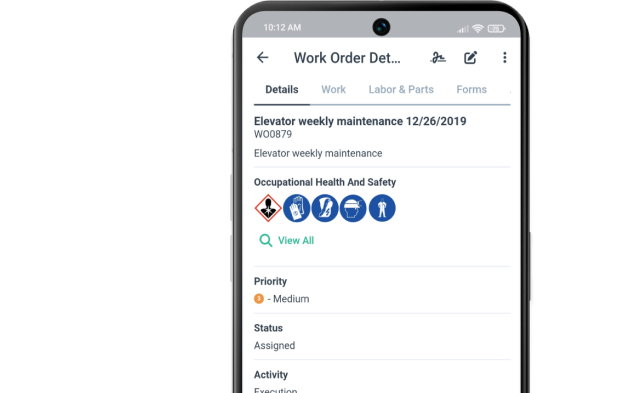
Below is our work order template.
Source: WorkTrek
It comes with all the essential fields, including the asset and location, problem description, planned expenses, and spare parts.
Health and safety details like PPE requirements and potential hazards can be added as well.
This way, WorkTrek ensures no detail is ever overlooked.
Workers get all the information they need to perform their tasks efficiently, while supervisors gain complete, accurate records for informed, data-driven analysis and planning.
Train Staff on Record-Keeping Procedures
Once the system has been established, it’s important to provide training so all team members understand how, when, and what to document.
Aaron Zimmerman, a Partner at the construction defect law firm Berding & Weil, points out a common record-keeping problem that occurs when multiple people are involved:
Illustration: WorkTrek / Quote: Facilities Net
Good training helps prevent this. It cuts down on errors, reduces inconsistencies, and increases accountability.
To ensure the training sticks and to give workers a way to refresh their knowledge when needed, it’s best to create SOPs they can consult at any time.
These documents should outline all the correct steps and record-keeping requirements in a clear, easy-to-follow format.
Here’s what to include.
Start by briefly describing the purpose and scope of the SOP.
This provides more context and helps the team understand why efficient record-keeping matters in the first place.
You may also clarify any technical terms used throughout maintenance records, such as preventive maintenance or condition monitoring.
Then, establish procedures for each step of the record-keeping process:
Creation of RecordsSpecify what details must be documentedRecord FormatsIf not using a CMMS, include templates for different types of documentsStorage of RecordsExplain where and how records are stored (e.g., CMMS, physical file cabinets)Retention PeriodsDefine how long records must be kept, based on legal, regulatory, or company requirementsAccess ControlIdentify who is allowed to access, modify, or delete records
To make it even more practical, include examples of what good and bad record-keeping look like. A few real-world scenarios will make your expectations instantly clear.
Additionally, make sure this information is easy to access.
If employees have to sift through piles of paper, they’ll eventually stop trying.
Abid Sulayman, Business Process Improvement and Automation Specialist at Autotek.io, a provider of digital solutions for the automotive industry, offers helpful advice:
Illustration: WorkTrek / Quote: LinkedIn
Just as digitizing maintenance data improves accessibility, digitizing SOPs does the same.
When a technician can pull up a procedure in a couple of clicks, they’re much more likely to follow it.
Over time, that kind of convenience shapes habits, and those habits build a culture of consistent, reliable, and efficient record-keeping.
Regularly Update Maintenance Records
All maintenance details should be documented immediately, or at least as close to task completion as possible, to keep information accurate and up to date.
The longer a technician waits to record details, the more likely they are to forget or misremember critical information, leading to incomplete or incorrect entries.
An occasional delay is completely fine, but when they become routine, the cumulative impact is unreliable records and, ultimately, poor decisions.
Christopher Risher, Chief Transformation Officer, Senior Director of Consulting and Digital Innovation at RedHelm, an IT management services provider, explains:
Illustration: WorkTrek / Quote: Business.com
To ensure your data stays current and supports smart decision-making, have supervisors periodically review records.
These reviews can be daily, weekly, or monthly, depending on your record volume and operational needs.
You may also want to consider creating a checklist to ensure nothing is overlooked.
For example:
Verify all completed work orders are closed and signed
Confirm PMs are completed on schedule
Check that tasks are correctly prioritized
Ensure all mandatory fields are filled out
Review issue descriptions for clarity
When done consistently, this doesn’t take long and is one of the most effective ways to reveal emerging bad habits before they become standard practice.
Just ensure you pair these reviews with timely feedback.
This includes positive reinforcement for behaviors you want to encourage and constructive feedback for behaviors that need improvement.
Yes, both matter equally if you want real improvement.
According to Gallup, 80% of employees say that meaningful feedback makes them fully engaged.
Illustration: WorkTrek / Data: Gallup
In other words, employees want to know what they’re doing well and where they can improve.
Provide that guidance, and they will be more likely to meet expectations, keeping your records fresh and accurate.
Ensure Mobile Access
Another way to ensure records are complete, up-to-date, and accurate is to enable technicians to view and update them from phones or tablets in the field.
Mobile access saves time dramatically and makes critical information more accessible, which encourages technicians to comply with your record-keeping requirements.
Therefore, it’s no wonder that 53% of maintenance software users rate mobile accessibility as critical, according to Gartner.
Illustration: WorkTrek / Data: Gartner
Instead of driving in and out of the office to collect and update paperwork, workers can simply pull out their phone in the field, update records, or request additional information as needed.
Many solutions now even allow signatures to be collected via mobile devices, meaning the entire work order lifecycle can be completed on the spot.
This reduces wasted time and minimizes errors.
Source: WorkTrek
Technicians and supervisors alike appreciate this level of efficiency and convenience, and a Glean survey reveals why.
As it turns out, 43% of employed Americans would consider leaving their job if their company didn’t provide an efficient way to access the information and people they need.
This is hardly surprising, given that they typically spend two hours a day, or 25% of their workweek, searching for documents, information, or colleagues needed to complete tasks.
Illustration: WorkTrek / Data: Glean
A mobile app can significantly reduce this time, helping technicians track vital information, connect with their coworkers, and make timely updates.
Just be sure your app offers an offline mode.
For workers in the field or remote areas, this feature is a lifesaver, allowing records to be updated regardless of internet connectivity.
Create Equipment Identification System
Each asset should be assigned a unique ID and clearly labeled so technicians can identify items quickly and accurately.
This system works best when integrated with a CMMS, as each asset label then becomes a gateway to a detailed asset profile, like the one you see below.
Source: WorkTrek
Technicians can simply scan the code with their smartphone to instantly access information such as warranty details, LOTO procedures, maintenance history, and more.
Authorized personnel can also add new information directly to the profile.
This is particularly valuable when managing multiple similar assets.
It eliminates confusion between machines, making it easier to search for records and link data to the correct equipment, reducing the risk of costly errors.
When it comes to choosing identification labels, there are numerous options out there.
According to the 2025 Cheqroom survey, asset managers use a range of technologies, from simple barcodes and QR codes to advanced GPS and IoT devices.
Illustration: WorkTrek / Data: Cheqroom
Each comes with its own advantages and limitations.
QR codes, for example, are cost-effective and user-friendly, requiring minimal training since most people are already familiar with them.
However, they do not offer advanced features like, for instance, condition monitoring. They simply connect users to the asset profile.
IoT sensors, by contrast, provide these advanced monitoring capabilities but are more expensive and may require additional training.
Ruan Kruger, Executive Head at Rugged SA, a provider of rugged technology solutions, notes:
“When it comes to choosing which system is right for your business needs, you’ll want to consider what you’re tracking, how secure you need the information you’re tracking to be, how and where your inventory tracking will take place, and your budget for these processes.”
Therefore, before implementing an identification and tracking system, evaluate all the options against these factors.
Your chosen solution should be simple enough for the team to use and fit within the budget, while still meeting all your operational needs.
Track Spare Parts
It’s also important to maintain an accurate inventory of all your tools, spare parts, and other materials used in maintenance tasks.
This includes details on what you have, quantities, storage locations, current users, and any other relevant information.
Here’s an example of what that might look like:
Source: WorkTrek
The more complete and precise your records, the easier it is to plan future inventory.
Accurate planning is a must, as it helps prevent stockouts that cause unnecessary downtime and overstocking that wastes money and space.
Taha Zinifi, Co-Founder and Chief Product Officer of the asset recovery firm, Amplio, highlights the shocking impact of inventory waste:
Illustration: WorkTrek / Quote: MRO Magazine
Careful, data-driven planning can reduce this percentage, but only if your records are reliable.
Therefore, to ensure complete accuracy, perform occasional physical stock counts rather than relying solely on system data.
While these counts can be quite time-consuming, you can minimize disruption by scheduling them based on asset criticality.
This approach, known as ABC analysis, categorizes inventory into three groups: A, B, and C.
Source: WorkTrek
“A” items are the most critical and counted the most frequently, “B” items are moderately important, and “C” items are the least critical and counted the least often.
This will enable you to maintain inventory accuracy in a more efficient way, ultimately supporting more strategic planning and procurement decisions.
Conclusion
It’s understandable that record-keeping often takes a back seat in upkeep operations, not because workers don’t want to do it, but because there are simply too many competing priorities.
In environments where every minute of downtime leads to significant losses and taking a break feels like a luxury, stopping to fill out paperwork or count spare parts just seems impractical.
What many don’t realize, though, is that good record-keeping is exactly what helps prevent those high-pressure situations.
Accurate data provides better visibility into your assets, workforce, budgets, and tasks, enabling more strategic planning and smoother operations.
Ultimately, the goal isn’t to spend more time on record-keeping.
It’s to make the time you do spend on it count.
That’s where centralized systems, properly trained staff, and technology that streamlines the process make all the difference.

Operations & Maintenance
6 Key Benefits of an Equipment Maintenance Log
Key Takeaways:
A poor onboarding experience often makes employees leave the company.
43% of companies currently face challenges in recruiting maintenance staff.
OSHA recently increased its penalties for violations.
Maintenance costs are expected to increase by 17% by Q4 2029.
Maintenance logs are hardly a new concept.
For as long as maintenance work has existed, technicians have tracked the tasks performed, the associated costs, the responsible personnel, and more.
Yet despite their long history, many still fail to recognize the full extent of their operational impact and therefore neglect to keep them properly.
In this article, we go over the six most important benefits of maintenance logs to help you avoid that very mistake and ensure you don’t miss out on valuable cost savings and efficiency gains.
Let’s begin.
Helps Optimize Your Preventive Maintenance Program
A maintenance log tracks a wealth of valuable information, such as service dates, equipment condition, parts replaced or lubricated, technician notes on wear, and more.
Over time, this creates a data history for every asset, as shown below:
Source: WorkTrek
That history enables maintenance teams to schedule service based on real usage trends and asset condition, instead of relying on guesswork and risking under- or over-maintenance.
Ultimately, with such an efficient PM program, technicians catch issues before they escalate, reducing unplanned downtime and unnecessary repair costs while extending asset lifespan.
Keith Schafer, now retired from TC Energy, an energy infrastructure company that develops and operates natural gas pipelines, knows this better than most.
He implemented preventive maintenance throughout his career and has seen its effectiveness firsthand.
In the 1980s, his company used engine analyzers (oscilloscopes) connected to engine flywheels.
These devices revealed vibration and pressure traces for a single engine revolution, showing what was happening inside the cylinders.
They had no digital storage at the time, but Schafer understood the value of data long before it was easy to collect.
That’s why he documented everything with Polaroid photographs, building reference catalogs that showed normal signatures for each engine.
This is how they caught issues in the making, he explains:
Illustration: WorkTrek / Quote: Reliable Plant
Over the decades, the technology and processes improved, and so did the results.
Preventive schedules became more precise, ensuring equipment runs smoothly for longer.
Schafer recalls:
"When they pulled [the engines], they were clean as a whistle. No carbon buildup. No excessive wear. They just ran forever."
That’s the power of a well-run preventive maintenance program: more savings, less unplanned downtime, longer asset lifespans.
And it all starts with the data you find in your maintenance log.
Improves Root Cause Analysis
The data in your maintenance log not only supports more strategic PM scheduling but also helps pinpoint the source of repeating failures.
When you consistently capture what was repaired, how it was done, and what the outcome was, you dramatically improve your ability to identify patterns and trace issues back to their origin.
Modern digital logs add even more context by allowing you to include photographs (shown below) and integrate data from condition-monitoring tools.
Source: WorkTrek
This information can then be analyzed and presented in an easy-to-understand format using built-in reporting features, making root cause analysis more data-driven than ever before.
According to Kervin Jeanlouis, Head of Engineering, Maintenance, and Utilities at the global biopharmaceutical company Kedrion Biopharma, that’s exactly what root cause analysis should be:
Illustration: WorkTrek / Quote: LinkedIn
You might have a sense that something is off, but a maintenance log gives you proof.
Maybe failures always happen under specific conditions, during a certain shift, or with one particular component.
Whatever the cause, the trends become impossible to overlook.
Pete Bradley, Head of International Technical Training and Association Affairs at Hella Gutmann Solutions, a failure diagnosis systems manufacturer, explains why that matters:
Illustration: WorkTrek / Quote: Auto Service World
In short, data-driven root cause analysis leads to better repair decisions.
Ultimately, this eliminates repeat issues, saving money on unnecessary repairs and ensuring smoother operations.
Supports Efficient Employee Onboarding
With a detailed, easily accessible maintenance log, technician onboarding becomes a breeze.
It enables new team members to quickly review asset or repair history and better understand common equipment problems, quirks, best practices, hazards, and more.
Chris Simon, EVP of Operations for Atlanta-based apartment manager The RADCO Cos., notes:
Illustration: WorkTrek / Quote: Multifamily Dive
Your maintenance log is that support.
Instead of new employees having to ask questions, make guesses, or rely on verbal instructions, they have documentation that trains them automatically.
It’s a win for everyone: veteran employees aren’t constantly interrupted with questions, and new technicians get up to speed faster.
However, the benefits of efficient onboarding go far beyond this.
According to the 2024 Enboarders survey, a strong onboarding experience makes employees more productive, more successful, and even more loyal.
Conversely, poor onboarding can cause employees to regret taking the job and immediately start looking for another one.
Illustration: WorkTrek / Data: Enboarders
In other words, onboarding has a major impact on employee retention, which, given today’s maintenance labor shortages, matters more than ever.
A recent ABB survey found that 43% of companies currently face challenges in recruiting maintenance staff.
Illustration: WorkTrek / Data: ABB
A well-maintained maintenance log can be a surprisingly effective tool in combating this issue.
It helps new hires learn quickly, become more independent, and build confidence.
And when your team feels capable and valued, they’re far more likely to stay with the company.
Ensures Safer Operations
Maintenance logs are the foundation of a strong safety culture among technicians.
They typically contain information that helps workers perform their jobs safely and avoid accidents.
This includes safety procedures, instructions, reminders about field hazards, and more.
Digitized maintenance management systems like WorkTrek take safety to the next level.
WorkTrek enables you to upload safety rules, LOTO procedures, instructions, checklists, and PPE reminders into a centralized system and attach them to specific assets or work orders.
Source: WorkTrek
So, when a worker is assigned a task, they can immediately access a work order on their phone, complete with all the necessary information, including spare parts and costs, to relevant health and safety guidelines.
There’s no need to dig through scattered paperwork anymore.
Everything is in one easily accessible location, which significantly improves adherence to safety protocols.
After all, when instructions are easy to find, it’s easier to follow them.
This naturally translates into fewer safety incidents, reduced injuries, and a happier, more loyal workforce.
One Vector Solutions survey confirms this, showing that safety concerns often make hiring difficult and cause experienced workers to leave.
Illustration: WorkTrek / Data: Vector Solutions
It makes sense. If workers don’t feel safe at their workplace, why would they stay?
Moreover, a strong safety culture protects companies just as much as it protects employees.
Safety incidents can easily lead to lawsuits, reputational damage, and hefty fines from regulatory bodies.
For example, OSHA just recently increased its maximum penalties from $16,131 per violation in 2024 to $16,550 per violation in 2025.
Source: OSHA
That’s a steep price to pay, especially for something that can often be prevented by making employees better informed about relevant protocols and possible threats.
This is exactly what a maintenance log does.
Improves Inventory Management
Maintenance logs, especially when integrated into a digital maintenance management system, give you more control over your inventory.
They provide real-time insights into stock levels and detailed information about each part, including location, make, model, price, and user manuals.
Source: WorkTrek
Some systems even allow you to track parts by serial number, giving you their complete history, from initial warehousing to installation and eventual disassembly.
This kind of data ensures you know exactly how each part is used, which, in turn, supports more effective inventory management.
Put simply, it helps you maintain the right stock levels without overspending on unnecessary items.
Take Alstom SA, the French multinational manufacturer of rail transport systems, as an example.
After merging with Bombardier Transportation in 2021, their global operations significantly expanded.
Naturally, their inventory grew as well.
Therefore, to manage this growth, they decided to digitize their maintenance records to unlock better inventory planning and more accurate availability tracking.
According to Alexandre Domingues, Chief Digital Services Officer at Alstom, the results were amazing:
Illustration: WorkTrek / Quote: Celonis
Such a system is especially valuable when inventory is spread across multiple locations.
Instead of managing each location separately, digital logs enable easy communication between sites, allowing parts to be shared as needed.
That’s exactly what Alstom did, resulting in significant cost savings and reduced waste.
Because, in the end, you can’t truly control what you can’t see.
Enhances Budget Planning
Historical repair data recorded in your maintenance log allows you to predict future maintenance expenses and plan capital expenditures more accurately.
By understanding how much it costs to maintain each asset and how frequently certain repairs occur, you can make maintenance costs more predictable and reduce unexpected expenses.
Today, this might be more necessary than ever, given the growing pressures experienced by the maintenance sector.
Dr. David Crosthwaite, Chief Economist at Building Cost Information Service (BCIS), explains:
Illustration: WorkTrek / Quote: Facilitate Magazine
Indeed, safety regulations are tightening, fines are increasing, and maintenance costs continue to rise.
For example, the 2025 BCIS Facilities Management Forecast predicts that maintenance costs, as measured by the BCIS All-in Maintenance Cost Indices, will increase by 17% by Q4 2029.
Illustration: WorkTrek / Data: BCIS
This is, in part, driven by equipment becoming more advanced and therefore more expensive to maintain.
Industrial environments, in particular, now rely on numerous sensors that monitor asset conditions in real time and AI-driven systems that analyze this data.
Implementing and maintaining these technologies comes at a high cost.
To make matters worse, maintenance budgets are not keeping pace.
In fact, they are shrinking in many cases.
According to the 2025 SFG20 report, almost half of organizations have reduced their facilities management budgets compared to the previous year.
Illustration: WorkTrek / Data: SFG20
Across industries, companies are cutting operational costs, and maintenance is no exception.
Maintenance managers face the challenge to do more with less, and strategic, data-driven budget planning is the most effective path forward.
When you diligently maintain your records, you gain better insight into anticipating costs, plan effectively, and keep operations running smoothly.
Conclusion
Your maintenance log is a truly valuable asset.
In it, you’ll find everything you need to make better decisions, plan strategically, and unlock significant benefits across your maintenance operations.
So, keep your records organized, accurate, complete, and up-to-date.
Instill a culture of diligent document management within your team, and use digital tools for easy access and consistency.
When you invest in your maintenance data, it delivers long-term ROI, ultimately saving you money, extending asset life, and boosting efficiency across the board.

Operations & Maintenance
Maintenance Invoice: A Quick Guide
Key Takeaways:
An elevator manufacturer and maintenance provider was fined $617,000 for false billing.
The majority of consumers wish companies were better at addressing their needs.
Brand consistency can boost revenue by 10–20%.
In this quick guide, we cover everything you need to know about maintenance invoices.
You’ll learn about best practices for managing them effectively, the key elements every invoice should include, invoice templates, and tools that can streamline the invoicing process.
Keep reading to discover how these seemingly simple documents can help boost your reputation, profitability, and operational efficiency.
Maintenance Invoice Management Best Practices
First, let’s explore some best practices that will keep your invoice management processes efficient, minimize risk, and improve your customer relationships.
Prioritize Efficient Record-Keeping
Diligent record-keeping is the foundation of effective maintenance invoice management.
Invoices should be stored consistently, well-organized, and easy to search and retrieve, like in the example below.
You can clearly see key details for each document:
Source: WorkTrek
After all, invoices are official proof of services rendered.
They document the work performed, the completion date, who performed the task, and where it took place.
This kind of documentation is essential for tax compliance and serves as evidence if disputes arise with clients over, for instance, the scope of work or claims that a service was not completed.
In other words, having these records can save you from hefty fines.
Take it from Otis Elevator.
This American elevator manufacturer and maintenance provider was recently required to pay $617,000 for false billing after charging a utility company for services it didn’t provide.
Commenting on the case, U.S. Attorney for the Eastern District of Tennessee Francis M. Hamilton III stated:
"This settlement with Otis demonstrates that the United States Attorney’s Office and federal partners like TVA’s Office of the Inspector General are using all tools available to address fraud, waste, and abuse and protect public funds."
His message is clear: compliance isn’t optional, and misconduct can be costly.
Diligent record-keeping is your first line of defense, as it demonstrates that work wasn’t performed.
However, a critical lesson from the Otis Elevator case is that keeping invoices alone isn’t enough.
They tell only part of the story.
You should ensure you also have all supporting documentation, such as work orders, service reports, photos, and other related records:
Source: WorkTrek
If a client disputes an invoice, claiming, for example, that work wasn’t performed, these documents can quickly resolve disagreements and protect your business and reputation.
Leverage Invoice Data for Decision-Making
Once an invoice is paid, don’t just store it and forget about it.
Make a habit of tracking and analyzing the data it contains, and you may be surprised by how much insight these documents can provide.
Among other things, invoices can reveal which clients are the most frequent, high-value, or reliable payers.
This information can help you prioritize client relationships, tailor service offerings, or even develop loyalty programs.
Similarly, invoices can show which services are most in demand, enabling you to allocate resources more strategically to meet customer needs.
A 2022 Accenture survey found that the majority of consumers wish companies were better at addressing their needs.
Illustration: WorkTrek / Data: Accenture
By leveraging your billing data, you can begin doing exactly that, better understanding customer behavior, and creating more relevant experiences that increase their loyalty.
In addition, historical invoice data can help you evaluate whether your pricing is competitive and sustainable.
This enables more informed decisions about rates to maintain or improve profitability.
According to Simon-Kucher, companies that increased profit margins in 2024 used a range of strategies, from raising prices to increasing sales volume or shifting toward higher-margin offerings.
Illustration: WorkTrek / Data: Simon-Kucher
In other words, there is no one-size-fits-all approach. Every business must determine what works best for its specific situation.
To identify what would work best for you, begin by analyzing your invoices.
Review costs, labor hours, and material usage to uncover opportunities to boost profits without pricing yourself out of the market.
For best results, clearly define the metrics you want to track before beginning any analysis.
For example:
Revenue MetricsTotal revenue per month, quarter, or year; revenue per client or service typeService MetricsNumber of jobs completed per period; breakdown by service typeCost MetricsMaterial costs per job; labor costs per job or per technicianPayment MetricsPercentage of invoices paid on time versus overdue; average time to receive paymentOperational MetricsAverage job duration; frequency of repeat issues or recurring maintenance needs
Establishing these KPIs from the get-go ensures focus and consistency in your analysis, rather than reviewing invoices without a clear objective.
Over time, trends and patterns will emerge, helping you identify areas for improvement and develop stronger strategies for future performance.
Align the Invoices With Your Brand
Even though invoices are primarily financial documents, they can also serve as a valuable communication tool that reflects your brand.
That’s why it’s worth ensuring they feature consistent logos, colors, fonts, tone, and layout that match your other customer-facing materials.
This may seem like a minor detail, but it can have a significant impact on your business.
In fact, research from Marq shows that brand consistency can boost revenue by 10–20%.
Illustration: WorkTrek / Data: Marq
When you consider the purpose of branding, it makes sense.
Consistent branding communicates reliability and attention to detail, reinforcing professionalism and credibility, and ultimately building customer trust.
Consistent branding also strengthens recognition.
By including the same logos, colors, fonts, and tone in every client interaction, even routine invoices, you make your brand more memorable.
Over time, clients begin to associate your brand with quality, which increases the likelihood of repeat business.
You don’t need to do anything elaborate here.
Simply include your logo and brand colors, and use a clear font consistent with your other documents, like in the example below:
Source: WorkTrek
How you present information also plays a role here.
Ensure you add all key details, use professional language, and present information in a well-organized, easy-to-read layout.
These small touches are subtle but highly effective ways to reinforce your brand identity without overwhelming the document.
They signal that you pay attention to detail and care about quality across every part of your operations, from your documents to the service you provide.
Standardize Your Invoices
Ensuring every maintenance invoice follows the same structure and terminology also plays a big role in how clients perceive your business.
When you standardize your invoices, you significantly reduce the risk of missing vital information, which leads to fewer disputes and faster payments.
At the same time, this kind of consistency conveys reliability and attention to detail, improving your brand image and, ultimately, building customer trust.
According to an Adobe survey from 2021, consumers reward that trust in many ways, including increased purchases, recommendations, and positive online reviews.
Illustration: WorkTrek / Data: Adobe
In other words, consistency pays off.
So, to ensure your invoices support you in building client relationships, first define the essential fields every document should include.
The most common ones are:
Client information
Payment terms
Your contact details
Price breakdown
Once you’ve outlined all necessary information, create a reusable invoice template.
This allows you to quickly fill in details without starting from scratch each time, ultimately saving you time, minimizing mistakes, and ensuring every invoice is professional, on-brand, and complete.
To help you get started, we provide a couple of invoice templates in the next section and explain the key elements every invoice should contain.
Maintenance Invoice Template
Most invoices follow a similar structure, regardless of the specific type of maintenance you provide.
What really matters is that each invoice contains all the important details to prevent confusion, disputes, or non-compliance.
Starting with the header, you should include your company name and logo, along with the invoice title clearly labeled as “Invoice” and a unique invoice number for tracking purposes:
Source: WorkTrek
Immediately following the header, add your contact details, the client’s information, the invoice number, and the date.
How you arrange it is up to you, but aim for clean, clear, and easy-to-read. Yes, including all essential details is important, but you should never sacrifice readability.
Next, onto the core of any invoice: the pricing section.
List itemized charges, such as labor, materials, and the name of specific services, along with any additional fees like travel or disposal charges:
Source: WorkTrek
Then, clearly display the subtotal, applicable taxes, any discounts, and the total amount due.
Make sure this section is prominent and easy to spot, and always double-check your figures before sending the invoice.
Additionally, don’t forget to include payment information. This can include your accepted payment methods, bank details if necessary, and payment terms specifying when payment is expected.
Finally, you can also include a brief customer-focused message, such as “Thank you for choosing [Company Name]!”:
Source: WorkTrek
This isn’t necessarily a must-have, but it adds personality, reinforces your brand, and can help strengthen client relationships.
In the end, a well-crafted invoice should meet two main criteria: it must include all essential information and present it in a visually appealing, professional way.
Tick those two boxes, and you significantly improve client communication, reinforce brand perception, and streamline internal decision-making.
How WorkTrek Can Help
What if you didn’t have to worry about losing your invoices ever again?
What if you could save time on data entry while minimizing errors?
That’s exactly what WorkTrek makes possible.
WorkTrek is a CMMS designed to give you full control over your maintenance operations, from work requests and orders to spare parts and preventive maintenance schedules.
Naturally, it also streamlines invoice management.
With WorkTrek, you can create invoices in just a few clicks using pre-built templates and data pulled directly from work orders:
Source: WorkTrek
This means no more manual copying or re-typing.
Billing information comes straight from the maintenance records you’ve already entered, thereby reducing errors and saving time.
You can also apply predefined price markups, discounts, and tax rates, or use pricing terms from your catalog or contracts to ensure consistency and compliance.
Forget creating and tracking invoices in Word and Excel.
WorkTrek integrates invoicing with the entire maintenance workflow, ultimately improving accuracy, team communication, and efficiency.
Source: WorkTrek
All invoices are easily accessible, so you can quickly see which work orders have been invoiced and which are pending.
This level of efficiency doesn’t mean sacrificing your brand identity.
WorkTrek enables you to customize invoice templates with your logo, fonts, and colors, and send them directly from your work email in PDF, Word, or Excel formats.
In short, WorkTrek ensures your invoices are accurate, consistent, traceable, and insightful.
This directly translates into faster billing cycles, fewer disputes, more transparent financials, and stronger customer relationships.
WorkTrek doesn’t just make invoice management easier. It makes it better.
Conclusion
Overall, maintenance invoices deserve far more attention than they often receive.
By replacing manual processes, investing a bit of effort in their design, and actively analyzing the data they provide, businesses can unlock significant benefits thanks to these documents.
When done right, invoices signal professionalism, attention to detail, and a commitment to quality to your clients.
At the same time, they provide your teams with insights into financial performance, the most profitable services, and areas for improvement.
This means maintenance invoicing delivers wins across the entire organization, not just the maintenance function.
Operations & Maintenance
Best Practices For Industrial Boiler Maintenance
Key Takeaways:
Industrial boilers have an average lifespan of 15-25 years, but proper maintenance can extend this significantly
Poor water quality causes 90% of boiler system failures, leading to scale buildup and reduced efficiency
Annual inspection costs are 3-5 times less expensive than emergency repairs from boiler failure
Industrial boiler maintenance is one of those operational necessities that facility managers can't afford to overlook.
When properly maintained, boilers operate efficiently, keep production running smoothly, and keep energy costs under control. Neglect them, and you're looking at costly repairs, unexpected breakdowns, and potential safety hazards.
Illustration: WorkTrek / Data: Research and Markets
The good news?
Establishing a comprehensive boiler preventive maintenance program doesn't have to be complicated. With the right practices in place, you can maximize boiler efficiency, extend equipment life, and ensure safe operation for your entire facility.
In this guide, we'll walk you through essential best practices for industrial boiler maintenance to help you avoid costly surprises and keep your boiler system running at optimal efficiency.
Understanding Your Industrial Boiler System
Before talking about maintenance procedures, it's important to understand the basic components of your industrial boiler system.
Modern industrial steam boilers consist of several critical elements that work together to generate steam or hot water for various industrial processes.
Source: WorkTrek
Anatomy of a Boiler system
The heart of any boiler system is the combustion chamber, where natural gas or other fuel sources burn to create heat. This heat transfers through boiler tubes and heat exchanger surfaces to convert water into steam. The burner assembly, complete with its ignition system and burner's pilot tube, controls the combustion process and ensures efficient combustion.
Your boiler's control system monitors everything from boiler pressure to water levels, adjusting operations automatically to maintain optimal efficiency. Safety valves and pressure relief valves serve as critical safeguards, preventing dangerous pressure buildup in the steam system.
According to industry experts, understanding how these components interact helps facility managers identify potential issues before they escalate into major problems. Small issues left unchecked can lead to unsafe conditions, higher fuel costs, or even costly repairs that could have been prevented with proper maintenance.
The flue gas vent piping system safely removes hot combustion gases from the boiler room, while the water treatment system ensures that boiler feedwater meets quality standards.
Water Quality
Poor water quality is responsible for roughly 90% of boiler failures, making this system absolutely critical to your equipment's longevity.
Modern industrial settings often feature multiple boilers working in tandem, with sophisticated control systems managing load distribution and efficient operation across the entire fleet.
This modular approach provides redundancy and allows for scheduled maintenance without complete system shutdowns.
Daily Inspections: Your First Line of Defense
Daily inspections form the cornerstone of any effective boiler preventive maintenance program. These routine checks help catch problems early, maintain warranty compliance, and support safe, efficient operation.
Confirm Water Levels
Start each shift by checking the water gauge glass to confirm water levels are within the safe operating range.
Low water conditions can cause serious damage to boiler equipment and create dangerous situations. Research shows that water level issues are among the most common causes of unexpected breakdowns in industrial settings.
Boiler Pressure Monitoring
Monitor boiler pressure and temperature readings throughout the day, watching for unusual fluctuations that could indicate control system issues. Your boiler operation should show consistent patterns, and any deviation from normal parameters warrants immediate attention.
Unusual Noises
Listen for unusual noises during operation. Banging, whistling, or grinding sounds often signal issues with boiler tubes, scale buildup, or combustion air piping problems. These auditory cues can alert you to developing issues before they appear in performance metrics.
Burner Flame
Inspect the burner flame during startup and operation. A proper burner flame should be steady and blue. Yellow or flickering flames indicate incomplete combustion, which wastes fuel and can produce carbon monoxide. This can also be a serious safety concern.
Source: WorkTrek
Fuel Supply
Check the fuel supply system daily, ensuring adequate fuel is available, and that delivery systems are functioning correctly. Interruptions in fuel supply can cause unsafe conditions and require time-consuming restart procedures.
Safety Devices
Illustration: WorkTrek / Data: HongZe Boiler
Verify that safety devices are operational, including low-water cutoffs and pressure relief valves. These critical components protect your facility from catastrophic failures and must function reliably.
Detailed Record Maintenance
Finally, maintain detailed records in your maintenance log. Document all readings, observations, and any corrective actions taken. This historical data becomes invaluable for identifying trends and planning proactive maintenance interventions.
Water Treatment: The Foundation of Boiler Longevity
As explained earlier, water quality is one of the biggest factors affecting boiler efficiency and equipment lifespan.
Poorly treated water causes scale, corrosion, and carryover, which significantly reduce heat transfer, waste fuel, and shorten equipment life.
Reduce Scale Buildup
Illustration: WorkTrek / Data: Hydrocell
Scale buildup on heat exchanger surfaces acts as an insulating barrier, forcing your boiler to work harder to generate the same amount of steam. This reduced efficiency translates directly to higher fuel costs and increased wear on boiler components.
Industry research indicates that even a thin layer of scale can reduce heat transfer efficiency by 10-15%.
Water Treatment System
Your water treatment system should address several key concerns.
First, it must remove dissolved minerals that cause scale buildup on boiler tubes and other internal surfaces. Calcium and magnesium are the primary culprits, forming hard deposits that impair heat transfer and can eventually lead to tube failures.
Second, proper water treatment prevents corrosion by controlling pH levels and removing dissolved oxygen. Oxygen pitting occurs when non-condensable gases enter the boiler system and attack metal surfaces, eventually leading to leaks and costly repairs.
Regular maintenance and chemical treatment of your boiler feedwater prevent these issues from developing. Over time, impurities in city or well water can accumulate in your boiler system, creating serious problems if left unaddressed.
Water Chemistry Monitoring
Monitor water chemistry daily, testing for hardness, alkalinity, and dissolved solids. Keep detailed records of test results and chemical additions, as these logs help you identify trends and adjust treatment programs proactively.
Blowdown Schedule
Implement a blowdown schedule to remove concentrated solids from the boiler system. Controlled surface blowdown keeps dissolved solids in check, while bottom blowdown removes sludge and sediment buildup that settles at the bottom of the pressure vessel. Done correctly, this practice safeguards efficiency, water quality, and boiler longevity.
Automatic Chemical Feeders
Modern water treatment systems often include automated chemical feeders that continuously maintain optimal water quality. These systems reduce the risk of human error and ensure consistent treatment even during off-hours or when trained personnel aren't available.
Regular Cleaning and Maintenance Tasks
Beyond daily inspections, industrial boilers require periodic cleaning and maintenance to ensure efficient combustion and prevent long-term damage.
Source: WorkTrek
Developing a regular maintenance schedule helps prevent unexpected failures and extends the operational life of your boiler equipment.
Test Low-Water Cutoff
Weekly maintenance tasks should include testing the low-water cutoff system to verify that it shuts down the burner when water levels drop too low. This safety device is your first line of defense against catastrophic failure, and testing it weekly ensures it remains functional.
Cleaning Gauges
Clean the water level gauge glass weekly to ensure accurate readings. Mineral deposits and residue can obscure the true water level, potentially leading operators to misjudge critical safety parameters.
Burner Components
Inspect and clean burner components monthly, including the pilot ignition system and fuel nozzles. Proper burner maintenance ensures efficient combustion and prevents fuel waste. Clean burners also reduce emissions and help maintain environmental regulatory compliance.
Checking Vents and Piping Systems
Check combustion air piping and vents for blockages or restrictions. Adequate airflow is essential for complete combustion and safe operation. Restricted air supply can lead to carbon monoxide production and dangerous operating conditions.
Examine the flue gas vent piping system for signs of corrosion or leaks. Hot combustion gases must vent safely from the boiler room, and any deterioration in this system poses serious safety risks.
Safety Valve Testing
Test safety valves and pressure relief valves according to manufacturer recommendations, typically quarterly. These critical safety devices must operate reliably, and regular testing ensures they'll function when needed.
Boiler Tubes
Inspect boiler tubes and internal surfaces during scheduled shutdowns. Use boroscopes to perform internal tube checks and identify corrosion, scale buildup, or other damage that could compromise system integrity. Industry best practices recommend scheduling tube inspections during planned outages rather than waiting for suspected leaks.
Cleaning Procedures
Clean soot and debris from heat transfer surfaces annually or as needed based on fuel type and operating conditions. Accumulated soot reduces heat transfer efficiency and forces your boiler to burn more fuel for the same steam output.
Safety Inspections and Testing
Safety should always be the top priority when maintaining industrial boiler systems. Regular safety inspections help identify potential hazards before they can cause accidents or equipment damage.
Safety Devices
Test safety devices systematically and document all results. Low-water cutoffs, flame safeguard systems, and emergency shutdown controls must all function reliably. Implement a testing schedule that regularly covers each safety component.
Testing Combustion Efficiency
Conduct combustion efficiency tests quarterly to ensure your boiler operates at optimal levels. These tests measure the ratio of fuel consumed to heat produced, identifying opportunities to improve energy efficiency and reduce fuel costs. Professional combustion analyzers can detect problems that aren't visible during routine inspections.
Check Safety and Pressure Relief Valves
Verify that all safety valves and pressure relief valves are properly set and functioning. These devices prevent dangerous pressure buildup in pressure vessels, which could lead to catastrophic failures. Never disable or adjust these components without proper authorization and expertise.
Inspect the combustion chamber and refractory lining for damage. Damaged refractory leads to heat loss and tube overheating, while poor insulation increases operating costs. Use infrared thermography during operation to spot insulation damage without shutting down the system.
Improve Ventilation
Ensure proper ventilation in the boiler room at all times. Burners need adequate combustion air to prevent carbon monoxide production, which poses serious health risks to operators. Keep the boiler room clear of unnecessary items that could restrict airflow or present fire hazards.
Emergency Procedures
Review and update emergency procedures regularly with all personnel who work in or near the boiler room. Everyone should know how to respond to common emergency scenarios, including fire, steam leaks, or equipment malfunctions.
External Inspectors
Partner with certified inspectors to comply with ASME and NBIC standards for annual examinations. These professional inspections provide an objective assessment of your boiler's condition and help maintain compliance with environmental regulations and safety standards.
Annual Inspection and Compliance
Industrial boilers are subject to strict safety and environmental regulations that require annual inspections by certified professionals. These comprehensive inspections go beyond routine maintenance to thoroughly assess your boiler system's condition and compliance status.
According to industry standards, annual inspections by certified inspectors are often mandated by regulatory bodies. These inspections ensure your equipment meets current safety codes and operating standards.
Detailed Examination of Boiler Components
During an annual inspection, certified technicians conduct a thorough internal and external examination of all boiler components. This includes inspecting pressure vessels for corrosion, checking boiler tubes for scaling or damage, and verifying that all safety systems function properly.
Reviewing Maintenance Records
Inspectors also review your maintenance records, water treatment logs, and operational data. This documentation demonstrates your commitment to proper maintenance and helps identify any patterns that might indicate developing problems.
Maintenance Window
The inspection process typically requires a complete shutdown of the boiler system. Plan these shutdowns strategically to minimize disruption to your facility's operations. Some modern boiler systems, such as modular designs, allow staged inspections, where individual units can be taken offline while others continue operating.
Compliance
Annual inspections also verify compliance with environmental regulations regarding emissions and efficiency. Many jurisdictions have specific requirements for NOx emissions and thermal efficiency that your boiler must meet.
Keep detailed records of all inspections, including any deficiencies noted and corrective actions taken. These records are essential for regulatory compliance and provide valuable historical data for planning future maintenance activities.
Budget Considerations
Budget appropriately for annual inspections and any repairs they might reveal. While inspection costs may seem significant, they're far less expensive than emergency repairs resulting from undetected problems.
Research shows that annual inspection costs are typically 3-5 times less than the cost of emergency repairs due to equipment failure.
How CMMS Software Streamlines Boiler Maintenance
Managing all these maintenance requirements manually can be overwhelming. That's where a Computerized Maintenance Management System (CMMS) becomes invaluable for facility managers overseeing industrial boiler operations.
Modern CMMS platforms like WorkTrek centralize all aspects of boiler maintenance in one comprehensive system. Instead of juggling spreadsheets, paper checklists, and scattered maintenance records, everything you need is accessible from a single dashboard.
Automate Preventive Maintenance
Illustration: WorkTrek / Data: DHR
WorkTrek automates preventive maintenance scheduling for your entire boiler system maintenance program. Set up recurring tasks for daily inspections, weekly testing, monthly cleaning, and annual inspections. The system automatically generates work orders at the appropriate intervals, ensuring nothing falls through the cracks.
Work Order Management
Source: WorkTrek
Work order management becomes significantly more efficient with a CMMS. When technicians complete tasks, they can log details, attach photos of potential issues, and record meter readings directly from their mobile devices. This real-time documentation creates a comprehensive maintenance history for each piece of boiler equipment.
Spare Parts Management
Source: WorkTrek
Track critical spare parts and supplies through integrated inventory management. Know exactly when to reorder safety valves, burner components, water treatment chemicals, and other essential items. WorkTrek can automatically flag low inventory levels and generate purchase orders, preventing unexpected parts shortages that could delay critical repairs.
Key Performance Indicators
Source: WorkTrek
Monitor key performance indicators to identify efficiency trends and potential problems. Track metrics like fuel consumption, water treatment costs, and combustion efficiency over time. This data-driven approach helps you spot developing issues before they cause unexpected breakdowns or reduced efficiency.
Document Storage
Source: WorkTrek
Store all compliance documentation in one secure location. Upload inspection reports, water quality test results, and certification documents. When regulators request records, you can produce comprehensive documentation instantly instead of searching through filing cabinets.
Conclusion
Key elements of an effective maintenance program include daily inspections, rigorous water treatment, regular cleaning, safety testing, and annual professional inspections.
Modern CMMS platforms like WorkTrek make managing these requirements much easier, automating scheduling, centralizing documentation, and providing the data insights you need for continuous improvement.
Remember that every dollar invested in preventive maintenance saves you several dollars in avoided breakdowns, emergency repairs, and lost production time. The cost savings from improved energy efficiency alone often justify a comprehensive maintenance program.
Whether you're managing a single boiler or a complex multi-boiler system across multiple facilities, the principles remain the same.
Operations & Maintenance
Industrial Boiler Maintenance Checklist: The Complete Guide
Key Takeaways:
Without proper maintenance, boilers lose approximately 5% of their efficiency per year, directly increasing fuel consumption and energy costs.
The global industrial boiler maintenance market was valued at $20.9 billion in 2023 and is projected to reach $32.7 billion by 2032.
Upgrading to high-efficiency boilers through proper maintenance can reduce natural gas consumption in commercial buildings by up to 30% annually.
Industrial boilers are the workhorses of manufacturing, healthcare, hospitality, and countless other sectors. They generate the steam and hot water essential for heating, power generation, and critical industrial processes that keep operations running smoothly.
But here's what many facility managers overlook: even the most reliable boiler systems require consistent, structured maintenance to operate safely, efficiently, and reliably.
Without it, you're not just risking unexpected breakdowns and costly emergency repairs. Additionally, you're also watching energy efficiency decline, fuel consumption rise, and your equipment's lifespan shorten.
According to research from W.H. Riley & Son, a poorly maintained boiler can lose about 5% of its efficiency each year. That means higher energy bills, increased fuel consumption, and more wear on critical components.
This guide provides a comprehensive industrial boiler maintenance checklist based on industry best practices, manufacturer recommendations, and insights from maintenance experts. Whether you manage a commercial boiler in a hospital, a steam boiler in a manufacturing plant, or multiple boiler systems across facilities, this checklist will help you maintain optimal performance and prevent costly downtime.
Why Regular Boiler Maintenance Matters
Before diving into the checklist, let's examine why routine boiler maintenance deserves your attention and investment.
Safety First: Preventing Catastrophic Failures
Boiler safety isn't just about compliance—it's about protecting lives and property.
According to Joel Amato, Executive Director at The National Board of Boiler & Pressure Vessel Inspectors (NBBI), poor maintenance practices and defective low water cutoffs are the primary culprits behind most boiler incidents, including serious events that result in injuries and building damage.
Illustration: WorkTrek / Data: ICW Group
The consequences of neglecting maintenance can be severe.
Boiler explosions, though relatively rare, typically result from pressure buildup when safety systems fail or maintenance is deferred. Regular inspection of safety valves, pressure relief valves, and operating controls helps prevent these potentially catastrophic events.
Beyond explosions, poorly maintained boilers pose other serious safety risks, including carbon monoxide leaks from cracked heat exchangers or faulty venting systems. This is why safety checks must be central to any preventive boiler maintenance program.
Energy Efficiency and Cost Savings
Energy efficiency directly impacts your bottom line.
Research from the American Council for an Energy-Efficient Economy (ACEEE) shows that upgrading to high-efficiency boilers and maintaining them properly can reduce natural gas consumption in commercial buildings by up to 30% annually.
Illustration: WorkTrek / Data: AR Plumbing & Heating Chelmsford
Even without replacing your entire system, proper maintenance delivers substantial savings. A well-maintained boiler operates efficiently, consuming less fuel to produce the same amount of heat or steam.
Regular cleaning of burner assemblies, heat exchangers, and flue gas vent piping prevents the buildup of soot and scale that forces your boiler to work harder.
Tuning combustion air and fuel oil levels ensures optimal combustion, while testing and calibrating operating controls keep everything running at peak performance.
These maintenance activities translate directly to cost savings through reduced fuel consumption, lower energy bills, and fewer emergency repairs.
Equipment Longevity and Reliability
The global industrial boiler maintenance market was valued at $20.9 billion in 2023, demonstrating how seriously organizations worldwide take equipment preservation.
Regular maintenance extends boiler life significantly. Commercial boilers typically last 15-20 years with proper care, but neglect can cut that lifespan in half.
When you consider that boiler replacement costs range from $3,700 to $12,000 for most systems, and considerably more for large industrial installations, the investment in preventive maintenance becomes obvious.
Scheduled inspections catch small issues before they escalate into major failures. A worn gasket identified during routine inspection might cost $50 to replace. That same gasket, if left unchecked, could fail during operation, causing water damage, extended downtime, and hundreds or thousands of dollars in emergency repairs.
Understanding Your Boiler System Components
Before implementing a maintenance checklist, you need to understand the key components that require regular attention.
Critical Safety Components
Safety Relief Valves and Pressure Relief Valves
These critical safety devices regulate pressure levels in your boiler system. The safety release valve automatically opens to release excess pressure when the system exceeds safe operating thresholds, preventing dangerous pressure buildup. Regular testing ensures these valves function properly when needed.
Low Water Cutoff Devices (LWCO and ALWCO)
Source: WorkTrek
The low water cutoff automatically shuts down the burner when water levels drop too low, preventing catastrophic damage to the boiler. The auxiliary low water cutoff (ALWCO) provides additional protection. Testing these devices regularly is essential—many boiler failures occur when LWCOs malfunction.
Safety Controls and Operating Controls
Every boiler has maximum pressure and temperature limits enforced by safety controls. If these thresholds are exceeded, the fuel supply automatically cuts off. Operating controls manage routine functions like burner control switches and system valves, ensuring smooth operation within normal parameters.
Heat Generation and Transfer Components
Burner Assembly and Combustion Chamber
The burner assembly mixes combustion air with fuel (natural gas, fuel oil, or other sources) and ignites it in the combustion chamber, generating the heat needed to turn water into steam or hot water. The burner flame should burn cleanly and consistently—irregularities indicate problems with fuel supply, air dampers, or burner controls that require attention.
Heat Exchanger
The heat exchanger transfers heat from combustion gases to the water or steam. In fire-tube boilers, hot gases pass through tubes surrounded by water. In water-tube boilers, water flows through tubes exposed to combustion gases. Scale buildup or damage to the heat exchanger dramatically reduces boiler efficiency.
Flue Gas Vent Piping and Venting System
The venting system safely removes combustion byproducts from the boiler room. Proper maintenance of flue gas vent piping prevents dangerous gas buildup and ensures the boiler operates efficiently. Blockages from debris, ice, or snow can cause poor combustion and safety hazards.
Water and Steam System Components
Boiler Hydronic Piping and Steam Piping
This network of pipes distributes hot water or steam throughout your facility and returns condensate back to the boiler. Regular inspections for leaks, corrosion, and proper insulation help keep your heating system functioning reliably.
Water Level Glass Gauge
The gauge glass provides a visual indication of water levels inside the boiler. Maintaining proper water levels is crucial—too little water can damage the boiler, while too much reduces efficiency and can cause water hammer.
Condensate System and Blowdown Separator
The condensate system collects and returns condensed steam to the boiler, improving efficiency. The blowdown separator removes impurities from the boiler, preventing scale buildup and maintaining water quality.
The Comprehensive Industrial Boiler Maintenance Checklist
Now, let's break down the specific maintenance tasks you should perform at different intervals. This checklist combines recommendations from industry experts, manufacturer guidelines, and established best practices, as well as insights from HVAC maintenance statistics that highlight the benefits of preventive maintenance.
Source: WorkTrek
Daily Maintenance Tasks
Performing these quick daily checks takes less than 30 minutes but can prevent major issues:
Visual Inspection of Boiler Equipment
Walk around your boiler system each day, looking for water leaks, unusual vibrations, or abnormal noises.
Check boiler equipment, components, and piping for any signs of water pooling, rust stains, or mineral deposits. Early detection of leaks prevents water damage and identifies failing gaskets or connections before they cause major problems. Following a preventive maintenance checklist can help ensure these issues are caught early and addressed promptly.
Check Fuel Oil Levels and Fuel Supply
For oil-fired boilers, verify that the fuel oil level is adequate in your tank. Running out of fuel can introduce air into the system, requiring burner purging and potentially damaging fuel pumps. For natural gas systems, ensure proper gas pressure and that all automatic draft controllers function correctly.
Monitor Water Level Glass Gauge
Check the water level glass gauge to ensure the water level remains within the manufacturer's recommended range. Proper water levels are essential for safe boiler operation—too low risks damage to the heat exchanger, while too high reduces steam quality.
Record Pressure Gauge and Temperature Readings
Document boiler pressure and temperature readings in your logbook. These records help identify trends that might indicate developing problems. Ensure all readings fall within the manufacturer-specified operating ranges.
Inspect Burner Flame
Examine the burner flame through the sight port. The flame should burn cleanly with consistent color and pattern. A yellow or sooty flame indicates poor combustion, while an irregular flame suggests problems with burner controls, fuel delivery, or air dampers.
Source: WorkTrek
Check Venting System
Visually inspect the flue gas vent piping and venting system to ensure no blockages from debris, ice, or snow obstruct proper venting. Check the combustion air opening for obstructions that could affect air inlet flow.
Verify Display Panel and Service Codes
Check the display panel for any error codes or service notifications. Modern boilers alert operators to potential issues through diagnostic codes—promptly addressing these prevents minor problems from escalating.
Test Safety Valves
Ensure that all safety valves, including the boiler relief valve, remain free from obstruction and ready to operate if needed.
Weekly Maintenance Tasks
Weekly tasks require more detailed attention to critical components:
Test Low Water Cutoff Operation
Open the boiler blowdown valve to remove rust and sediment from the boiler mud leg or drum. Observe the burner—it should shut off automatically when the water reaches the low-water point in the sight glass. Record this test in your logbook. Testing LWCO and ALWCO operation weekly ensures these critical safety devices function when needed.
Inspect Pilot Assembly and Burner Components
For systems with pilot lights, check the pilot assembly. Center the ignition electrode in the igniter body, inspect and clean the ignition electrode if necessary, and examine the high-tension wire between the transformer and electrode for deterioration.
Test Control Circuit Operation
Verify all phases of the control circuit operate properly. Test the burner control switch and other burner controls to ensure they respond correctly to temperature and pressure changes.
Operate Manual Shutoff Valves
Exercise all burner manual shutoff valves to verify they work freely and properly. Lubricate system valves if necessary. Valves that sit unused can seize, preventing emergency shutdown when needed.
Clean Oil Filters
Illustration: WorkTrek / Data: Ecol
For oil-fired systems, clean oil filters at least twice weekly. Clogged oil filters restrict fuel flow, causing poor combustion and potentially damaging fuel pumps.
Inspect Air Filters and Air Inlet
Check and clean air filters that supply combustion air to the burner. Restricted air flow affects combustion efficiency and can cause incomplete combustion, producing dangerous carbon monoxide.
Check Electrical Components
Inspect visible electrical connections, switches, and wiring for signs of wear, corrosion, or damage. Loose electrical connections can cause intermittent operation or complete system failure.
Monthly Maintenance Tasks
Monthly tasks involve more intensive inspection and adjustment:
Inspect Boiler Hydronic Piping
Conduct a thorough inspection of boiler hydronic piping, checking for leaks, corrosion, or signs of stress. Look for water stains or mineral buildup that indicate slow leaks.
Examine Burner Flame Characteristics as part of your equipment assessment, and consider utilizing predictive maintenance tools to enhance reliability and prevent downtime.
Beyond daily visual checks, monthly inspections should analyze burner flame color, shape, and consistency for any abnormalities that might indicate developing problems with combustion air piping, fuel supply, or burner assembly.
Test Automatic Draft Controllers
Verify that automatic draft controllers maintain proper draft pressure throughout the combustion cycle. Improper draft affects combustion efficiency and can cause poor boiler performance.
Check Gauge Glass and Water Treatment
Clean the water level glass gauge to ensure accurate readings. Test water treatment systems to verify proper chemical levels that prevent scale and corrosion.
Inspect Condensate System
For steam boilers, check the condensate system, including return lines, pumps, and receivers. Verify the blowdown separator operates correctly.
Test Burner's Pilot Tube and Ignition System
Inspect the burner's pilot tube for blockages or damage. Test the complete ignition sequence to ensure reliable startup.
Clean Air Filters and Combustion Air Piping
Replace or thoroughly clean air filters. Inspect combustion air piping for obstructions or damage that could restrict airflow.
Recalibrate Operating Controls with work order software
Monthly recalibration of thermostats, pressure controls, and level controls maintains boiler efficiency. Use calibrated instruments to adjust controls to manufacturer specifications.
Inspect Burner Refractory Material
Check burner refractory material in the combustion chamber for cracks, fallen chunks, or deterioration. Damaged refractory affects combustion efficiency and heat transfer.
Review Manufacturer Recommended Maintenance and learn how to build a predictive maintenance program
Review the manufacturer's operation and maintenance manual to ensure all manufacturer-recommended maintenance tasks are up to date. Different boiler systems may have specific requirements beyond general guidelines.
Periodic Maintenance (Quarterly/Seasonal)
Quarterly or seasonal inspections address issues that develop over longer periods:
Test Water Levels Using Low Water Cutoff Devices
Conduct comprehensive testing of all low-water cutoff devices to ensure they operate within the manufacturer's recommended levels under various conditions and to support the continuous operation of critical equipment.
Clean Control Piping Plugs
Remove, inspect, clean, and reinstall plugs in the control piping to prevent blockages that affect system operation.
Reset Combustion Using a Combustion Analyzer
Use a combustion analyzer to measure oxygen, carbon monoxide, and nitrogen oxide emissions. Adjust air-to-fuel ratios and other settings to optimize combustion efficiency. This periodic maintenance task significantly impacts fuel consumption and operating costs.
Check Scaling and Corrosion
Inspect inside boiler components for scale buildup and assess corrosion levels in the boiler and transport tubes. Scale acts as insulation, reducing heat transfer and forcing the boiler to consume more fuel to achieve the same output.
Inspect Boiler Pumps
Check the operational characteristics of various boiler pumps, including feedwater pumps, circulation pumps, and condensate pumps. Listen for unusual noises and verify proper operation.
Verify Gas Train Components
For gas-fired systems, inspect the gas train, including valves, regulators, and pressure switches, to ensure safe, reliable fuel delivery.
Test Air Damper Operation
Verify that air dampers open and close properly throughout their full range of motion, maintaining proper combustion air flow under all operating conditions as part of your plant maintenance routine.
Annual Maintenance (Professional Service)
Annual maintenance tasks typically require certified technicians and more extensive system access:
Comprehensive Burner Inspection and Tuning
Have qualified service representatives thoroughly inspect, clean, and tune the burner assembly. This includes adjusting combustion for optimal performance, cleaning all burner components, and verifying proper valve operation.
Hydro Test Boiler
For efficient facility management, consider tools that streamline maintenance and inspection routines for hydro test boilers.
Conduct hydrostatic testing to verify boiler structural integrity. This test involves filling the boiler with water and pressurizing it above normal operating pressure (but not exceeding design pressure) to identify leaks in tube joints and piping.
Inspect and Clean Heat Exchanger
Professional cleaning of the heat exchanger removes soot and scale buildup from both fireside surfaces (combustion side) and waterside surfaces. This annual cleaning can restore significant efficiency losses.
Thoroughly Inspect Electrical Components
Technicians should check all electrical connections, switches, controls, and wiring throughout the boiler system. Test the amperage draw of electrical components and compare to the nameplate data.
Perform Non-Destructive Testing
Conduct non-destructive testing on critical boiler component materials to assess thickness, identify stress points, and detect hidden defects before they cause failures.
Inspect and Test Safety Relief Valves
Pressure vessel inspectors should pop-test safety relief valves annually to verify they open at the correct pressure settings and reseat properly. This testing ensures these critical safety devices will protect the boiler if operating pressure exceeds safe limits.
Clean and Inspect Refractory
Remove and replace any damaged burner refractory material and inspect fire brick linings for cracks or deterioration.
Comprehensive Cleaning
Professional service should include cleaning oil filters, air filters, flame sensor assemblies, and all accessible components. For oil-fired systems, clean and inspect fuel oil pumps and strainers.
Verify All System Valves
Test all manual and automatic valves throughout the system, including fuel supply valves, water feed valves, and steam or hot water distribution valves.
Check Steam Pressure and System Capacity
For steam boilers, verify that the system maintains proper steam pressure under various load conditions and that the steam pressure controls function correctly.
Review Emergency Preparedness
Annually review emergency procedures with staff and verify that all emergency shutoff switches, including the burner control switch, operate properly.
How CMMS Software Transforms Boiler Maintenance
Maintaining a comprehensive industrial boiler maintenance program, including daily, weekly, monthly, and annual tasks, can quickly become overwhelming. This is even more difficult if you manage multiple boiler systems or facilities.
This is where Computerized Maintenance Management System (CMMS) software like WorkTrek makes a transformative difference. Rather than juggling spreadsheets, paper checklists, and calendar reminders, a CMMS centralizes all aspects of your boiler system maintenance on a single intelligent platform.
Automated Preventive Maintenance Scheduling
The core strength of a CMMS is its ability to automate preventive boiler maintenance scheduling.
Illustration: WorkTrek / Data: DHR
Instead of manually tracking when each boiler requires service, the system automatically generates work orders based on time intervals, operating hours, or equipment conditions. When a steam boiler reaches its weekly LWCO testing interval or a commercial boiler is due for a monthly combustion analysis, the CMMS automatically creates the work order and assigns it to the appropriate technician.
This automation ensures no maintenance task falls through the cracks. According to industry research, companies using preventive maintenance software report significantly fewer unplanned downtime incidents and improved overall equipment reliability.
Digital Checklists for Consistent Execution
WorkTrek takes preventive boiler maintenance to the next level with digital maintenance checklists accessible via mobile devices.
Source: WorkTrek
Technicians performing routine boiler maintenance receive step-by-step instructions directly on their smartphone or tablet. Each checklist guides them through every required task—checking fuel oil levels, inspecting the burner flame, testing safety valves, recording pressure gauge readings, and documenting any issues discovered.
Complete Maintenance History and Asset Documentation
WorkTrek maintains comprehensive records for each boiler in your facility.
Every inspection, repair, part replacement, and service call is automatically logged with dates, technician notes, photos, and relevant documentation. This complete maintenance history proves invaluable when diagnosing recurring issues or planning major service.
The system stores manufacturer-recommended maintenance schedules, warranty information, operating manuals, and technical specifications for instant access. When a technician needs to reference the correct procedure for testing automatic draft controllers or find specifications for replacement parts, everything is available at their fingertips.
Predictive Maintenance Through Data Analysis
WorkTrek doesn't just track maintenance—it helps you understand patterns and optimize your program.
By analyzing historical data on fuel consumption, repair frequency, and efficiency metrics, the system identifies trends that indicate developing problems. When a particular boiler shows a gradual increase in fuel consumption despite regular maintenance, it might indicate scaling in the heat exchanger or degrading burner refractory material, both of which require attention before causing a breakdown.
This data-driven approach shifts maintenance from reactive to truly preventive, catching issues in early stages when they're easier and less expensive to address.
Inventory Management for Critical Spare Parts
Effective boiler system maintenance requires having the right parts available when needed.
WorkTrek's inventory management tracks spare parts, consumables, and supplies specific to each boiler system. The software knows which parts are used in routine maintenance—oil filters, air filters, gaskets, burner components—and can automatically trigger reorder notifications when stock levels run low.
Source: WorkTrek
When an emergency repair requires a specific valve or control component, technicians can immediately check inventory availability rather than wasting time searching or ordering parts that might already be in stock.
Compliance Documentation and Reporting
Many industries face strict regulations around boiler safety, emissions, and maintenance documentation.
WorkTrek automatically generates compliance reports showing all required inspections, testing, and service activities. When pressure vessel inspectors need evidence of safety relief valve testing or auditors require proof of regular low water cutoff verification, WorkTrek produces comprehensive documentation instantly.
Source: WorkTrek
This automated compliance documentation reduces the administrative burden on your team while ensuring you meet all regulatory requirements.
Mobile Access for Maximum Efficiency
WorkTrek's mobile capabilities transform how technicians perform boiler maintenance.
Source: WorkTrek
Rather than printing paper checklists, collecting readings on clipboards, and later transcribing everything into a computer system, technicians work directly in WorkTrek's mobile app. They can:
View their assigned boiler maintenance tasks
Follow detailed digital checklists
Record gauge readings and observations
Take photos of issues or completed work
Update work order status in real-time
Access equipment manuals and technical documentation
Order parts from inventory
This mobile-first approach eliminates duplicate data entry, reduces errors, and gives managers real-time visibility into maintenance progress across all facilities.
Conclusion
Industrial boiler maintenance isn't optional—it's essential for safety, efficiency, and long-term cost management.
A comprehensive maintenance program built around daily inspections, weekly testing, monthly service, and annual professional maintenance keeps your boiler systems running reliably while preventing costly failures from deferred maintenance.
The checklist outlined in this guide provides a solid foundation, but remember that every boiler system has unique requirements based on its type, age, fuel source, and operating conditions. Always consult the manufacturer's recommended maintenance guidelines and work with certified professionals for complex tasks and annual service.
Technology has transformed maintenance management. Modern CMMS platforms like WorkTrek eliminate the manual tracking, paper documentation, and scheduling headaches that once made comprehensive preventive maintenance programs difficult to sustain.
By automating scheduling, standardizing procedures with digital checklists, maintaining complete equipment histories, and enabling mobile access for technicians, WorkTrek ensures your boiler system maintenance is consistent and complete—protecting your investment, your facility, and, most importantly, your people.
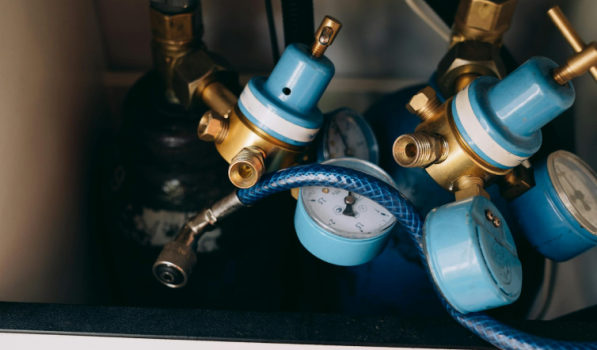
Operations & Maintenance
The Complete Guide to Industrial Boiler Maintenance
Key Takeaways:
The industrial boiler maintenance market reached $22.2 billion in 2024 and is projected to grow at 4.6% CAGR through 2034
Industrial boilers account for approximately 85% of steam production in the manufacturing sector
Without proper maintenance, boiler efficiency can drop by 10-20% within just one year
Water-tube boilers account for 60% of maintenance demand due to their use in high-pressure steam applications
Industrial boiler maintenance isn't just about keeping equipment running. It is also about protecting one of your facility's most critical assets while maximizing energy efficiency and preventing costly downtime.
Illustration: WorkTrek / Data: Intel Market Research
Industrial steam boilers power everything from manufacturing processes, hot water to heating systems, making proper boiler maintenance essential for facility managers and boiler operators alike. Yet many organizations treat boiler systems as "set it and forget it" equipment until something goes wrong.
That approach can be catastrophic.
A poorly maintained boiler not only wastes energy but also creates safety hazards, drives up energy costs, and can lead to complete system failure when you need it most. The consequences range from minor inefficiencies to major boiler emergencies that shut down entire operations.
In this comprehensive guide, we'll walk you through everything you need to know about industrial boiler maintenance, from understanding different boiler types to implementing a preventive maintenance plan that keeps your heating system running smoothly and efficiently.
Understanding Industrial Boiler Systems
Before diving into maintenance specifics, it's important to understand what makes industrial boiler systems so critical to operations.
Industrial boilers are pressure vessels designed to generate steam or hot water by burning fuel—typically natural gas, fuel oil, or biomass—in a combustion chamber. The heat from combustion gases is transferred through heat exchangers to water, creating steam or hot water for various industrial processes.
According to the U.S. Energy Information Administration, industrial boilers account for approximately 85% of steam production used in the manufacturing sector. Streamlining maintenance with solutions like work order software can help manage these industrial assets efficiently.
Source: WorkTrek
That's a staggering figure that underscores why proper boiler maintenance can't be treated as an afterthought.
Role of Boiler Technicians
Boiler service technicians conduct thorough inspections of boilers, identifying potential issues and assessing their severity. Technicians perform routine maintenance tasks, including cleaning, lubrication, and parts replacement.
Safety is paramount in boiler service, and technicians test and calibrate safety devices to ensure they function correctly. Technicians perform routine maintenance tasks, including cleaning, lubrication, and parts replacement.
Technicians maintain detailed records of boiler inspections, maintenance, and repairs to track the boiler's history and compliance with safety regulations.
Modern boiler systems include several critical components working together:
Combustion chamber: Where fuel burns to create heat
Heat exchanger: Transfers heat from hot combustion gases to water
Control systems: Regulate pressure, temperature, and fuel usage
Water treatment system: Maintains water quality to prevent corrosion and scale buildup
Burner's pilot tube and ignition system: Initiates and maintains combustion
Pressure relief valves and safety valves: Protect against excessive pressure
Each component requires specific maintenance attention to ensure the boiler's performance remains optimal.
Types of Industrial Boilers
There are many types of industrial boilers. However, they fall into two primary categories:
Fire Tube Boilers
In fire tube boilers, hot combustion gases pass through tubes surrounded by water. These are typically used for lower-pressure applications and smaller capacities.
Fire-tube boilers are simpler in design and generally easier to maintain, but they have limitations in pressure capacity and steam output.
Water Tube Boilers
Water tube boilers reverse this configuration—water flows through tubes while hot gases surround them. These boilers can handle high-pressure steam demands and are commonly found in power generation and large industrial facilities. For information on pricing plans related to asset and inventory management solutions, see the WorkTrek pricing page.
According to Global Market Insights, water tube boilers account for approximately 60% of the industrial boiler maintenance market share, driven by their ability to produce high-pressure steam efficiently.
Water tube boilers require more specialized maintenance due to their complexity, but they offer superior heat transfer efficiency and can handle much higher capacities than fire tube boilers.
Source: WorkTrek
Other Boiler Types
Beyond these main categories, you'll also encounter:
Electric boilers: Use electricity rather than combustion, eliminating the combustion chamber and reducing emissions
Condensing boilers: Recover heat from exhaust gases to improve efficiency
Packaged boilers: Pre-assembled units that arrive ready to install, offering maintenance and cost-saving opportunities
Each type has unique maintenance requirements, though the fundamental principles of regular inspection, cleaning, and preventive maintenance apply to all.
Key Components Requiring Regular Maintenance
Effective industrial boiler maintenance requires understanding which components need attention and why.
Burner and Combustion System
The burner controls the air-to-fuel ratio and ensures proper combustion. Regular burner tuning prevents inefficient fuel usage and excessive emissions.
According to Coal Biomass Boiler, improving combustion quality can increase boiler efficiency by 3-8%, resulting in substantial fuel savings and extended equipment life.
Poor combustion leads to wasted fuel, increased emissions, and carbon buildup that reduces heat transfer efficiency.
Heat Exchanger and Tubes
The heat exchanger is where energy transfer happens. Over time, scale buildup and corrosion can significantly reduce efficiency.
Research shows that every 1 mm of scale buildup results in 2-3% heat transfer loss.
This means a neglected boiler with substantial scaling can lose 10-15% efficiency or more, dramatically increasing energy costs.
Regular cleaning and water treatment are essential for maintaining optimal heat transfer efficiency.
Water Treatment and Chemical Feed Systems
Water quality directly affects boiler longevity. Poor water treatment leads to:
Corrosion that weakens boiler components
Scale buildup that reduces heat transfer
Foaming that affects steam quality
Priming issues in steam systems
A proper water treatment system includes chemical feed pumps, water softeners, and deaerators to remove oxygen and maintain proper pH levels. For businesses interested in system optimization beyond water treatment, you can also explore 15 types of inventory management systems in this comprehensive guide.
Control Systems and Safety Devices
Modern boiler control systems monitor and adjust multiple parameters:
Steam pressure and temperature
Fuel and air flow rates
Water level
Combustion efficiency
Safety devices like pressure relief valves, flame safeguards, and low-water cutoffs must be tested regularly to ensure they'll function when needed.
Malfunctioning controls can lead to reduced efficiency, unstable operation, or dangerous conditions.
The Importance of Routine Boiler Maintenance
The case for regular boiler maintenance isn't just theoretical—it's backed by compelling data.
Illustration: WorkTrek / Data: DHR
Energy Efficiency and Cost Savings
Without a proactive maintenance plan, boiler efficiency can drop by 10-20% within just one year, resulting in substantial fuel waste, costly downtime, and reduced equipment lifespans.
For a facility spending $500,000 annually on fuel, a 15% efficiency loss means $75,000 in wasted energy.
Proper maintenance, including routine boiler maintenance tasks like cleaning heat transfer surfaces, optimizing combustion, and maintaining water chemistry, can prevent these losses and keep your heating system running efficiently.
Safety Risks and Regulatory Compliance
Neglecting boiler maintenance creates serious safety hazards:
Pressure vessel failures from corrosion or overpressure
Gas leaks from deteriorated seals
Carbon monoxide poisoning from incomplete combustion
Explosions from fuel accumulation
Industrial boilers operate under high pressure and temperature, making safety protocols non-negotiable.
Regulatory bodies require annual or biannual inspections, depending on jurisdiction and boiler class. Failure to maintain proper documentation and pass inspections can result in fines, forced shutdowns, or legal liability.
Minimizing Downtime
Unplanned boiler failures cause production disruptions that far exceed the direct repair costs.
Research from Siemens found that annual downtime costs at large automotive plants can reach $695 million, driven largely by critical equipment failures, including boiler systems.
Illustration: WorkTrek / Data: Taishan
Preventive maintenance helps identify issues before they cause failures, allowing you to schedule repairs during planned downtime rather than dealing with emergency repairs when production is at stake.
Extended Equipment Life
Boilers represent major capital investments. A well-maintained industrial boiler can operate efficiently for 25-30 years or more, while a neglected system may require replacement in half that time.
Regular maintenance prevents accelerated wear, protects against corrosion, and ensures components operate within design specifications—all factors that contribute to longer equipment life.
Essential Routine Maintenance Tasks
A comprehensive boiler maintenance checklist should include tasks at various intervals.
Daily Maintenance Tasks
Daily checks keep boiler operators aware of any developing issues:
Monitor boiler pressure, temperature, and fuel consumption
Inspect the pilot light and flame quality through sight ports
Check for unusual noises, vibrations, or odors
Verify proper water levels and flow rates
Review control system readings for abnormalities
Inspect for visible leaks (steam, water, or fuel)
Test safety alarms and indicators
Source: WorkTrek
These quick checks take minimal time but can catch problems before they escalate.
Weekly Maintenance Activities
Source: WorkTrek
Weekly tasks provide a more thorough assessment:
Test water quality and adjust chemical treatment as needed
Inspect fuel supply lines and valves for leaks
Blow down the boiler to remove sediment
Test pressure relief valves and safety controls
Check combustion air intake for obstructions
Inspect insulation for damage
Review operating logs for trends
Monthly Inspection and Cleaning
Source: WorkTrek
Monthly maintenance includes a deeper inspection:
Clean burner components and check the ignition system
Inspect and clean flame sensors and thermocouples
Check electrical connections and control wiring
Inspect refractory and insulation for deterioration
Test and calibrate control instruments
Review maintenance schedules and upcoming tasks
Perform combustion analysis to verify efficiency
Semi-Annual and Annual Maintenance
Source: WorkTrek
These comprehensive maintenance schedules should include:
Complete boiler shutdown and internal inspection
Clean fireside and waterside heat transfer surfaces
Inspect tubes for corrosion, erosion, and scaling
Non-destructive testing of critical components
Inspect and test all safety devices
Overhaul or replace worn components
Recalibrate control systems
Comprehensive pressure testing
Review and update maintenance documentation
Common Boiler Problems and Solutions
Even with regular maintenance, boilers can develop issues. Recognizing problems early is key to preventing costly repairs.
Corrosion and Scale Buildup
Corrosion attacks metal surfaces, weakening pressure vessels and tubes. Scale buildup acts as insulation, reducing heat transfer efficiency.
Solution:
Implement proper water treatment with chemical dosing, maintain appropriate pH levels (typically 10.5-11.5 for boilers), and schedule regular cleaning. Deaerators and softeners help remove oxygen and hardness minerals that contribute to these problems.
Low Boiler Pressure Issues
Low pressure can result from leaks, faulty pressure controls, or insufficient water supply.
Solution:
Systematically check for leaks in the system, inspect pressure relief valves for proper operation, verify makeup water supply, and test pressure controls for accuracy. Address the root cause rather than just increasing operating pressure.
Reduced Efficiency and Higher Energy Costs
Efficiency losses typically stem from fouling, poor combustion, or air leakage.
Solution
Regular combustion analysis helps optimize the air-fuel ratio. Clean heat exchangers remove insulation created by soot and scale. Seal air leaks in the boiler shell and ductwork. Consider upgrading combustion air fans to variable-frequency drives to match load requirements.
Ignition Problems
Difficult ignition or flame instability indicates problems with the ignition system, fuel supply, or combustion air.
Solution:
Clean burner components, including the burner's pilot tube; check fuel pressure and quality; verify proper draft and airflow; and test ignition transformers and electrodes. Replace worn components as needed.
Water Level Issues
Both high and low water levels create problems. Low water can cause tube overheating and failure, while high water can lead to priming and carryover.
Solution:
Test level controls and sensors for accuracy, clean level gauge glasses, check feedwater pumps for proper operation, and inspect steam traps and condensate return systems.
Create a Comprehensive Maintenance Plan
An effective maintenance plan balances preventive tasks with reactive maintenance while documenting everything for analysis and compliance.
Establishing Maintenance Schedules
Base your schedule on:
Manufacturer's recommendations for your specific boiler model
Operating hours and duty cycle
Fuel type and quality
Water conditions
Previous maintenance history
Regulatory requirements
Higher utilization and challenging operating conditions require more frequent maintenance.
Prioritizing Critical Components
Not all components require equal attention. Focus on:
Safety-critical items (pressure relief valves, safety controls)
High-wear components (burners, igniters)
Efficiency-impacting parts (heat exchangers, tubes)
Regulatory inspection items
This risk-based approach ensures you address the most important items first.
Training and Personal Protective Equipment
Boiler maintenance requires trained personnel who understand:
Safe operating procedures
Lockout/tagout protocols
Hot work permits and fire safety
Water chemistry fundamentals
Combustion principles
Regulatory requirements
Proper personal protective equipment includes heat-resistant gloves, safety glasses, hearing protection, and respirators for working in confined spaces.
Documentation and Record Keeping
Maintain detailed records including:
Daily operating logs
Maintenance task completion records
Water treatment test results
Combustion analysis data
Inspection reports
Repair histories
Parts replacement tracking
Safety test results
This documentation proves compliance during inspections and provides valuable data to identify trends and optimize maintenance strategies.
Safety Considerations and Regulatory Compliance
Industrial boiler safety cannot be overstated. Boilers are pressure vessels operating at high temperatures with combustible fuels—a combination that demands respect and proper procedures.
Critical Safety Protocols
Before any maintenance:
Follow lockout/tagout procedures to isolate energy sources
Allow adequate cooling time
Verify zero pressure before opening
Test the atmosphere in confined spaces
Obtain necessary permits for hot work
Post warning signs and barriers
Never bypass safety devices or pressure controls, even temporarily.
Regulatory Requirements
Source: WorkTrek
Boiler operations are governed by multiple agencies:
ASME Boiler and Pressure Vessel Code: Design and construction standards
OSHA regulations: Worker safety requirements
EPA rules: Emission standards and environmental compliance
State and local codes: Inspection frequency and certification requirements
Insurance requirements: Minimum maintenance standards
Regular inspections by authorized inspectors verify compliance and maintain insurance coverage.
How CMMS Software Transforms Boiler Maintenance
While traditional paper-based systems or spreadsheets can track basic maintenance, they fall short for modern industrial boiler operations. This is where Computerized Maintenance Management Systems (CMMS) become game-changers.
Automating Preventive Maintenance Scheduling
Manual scheduling leads to missed tasks, especially with multiple boilers and complex maintenance schedules.
A CMMS like WorkTrek automatically generates work orders based on calendar dates, operating hours, or condition-based triggers. This ensures routine maintenance tasks never slip through the cracks.
For example, WorkTrek can schedule:
Daily blowdown and log reviews
Weekly water quality tests
Monthly combustion analysis
Quarterly safety valve testing
Annual internal inspections
The system sends notifications to assigned personnel, eliminating the risk of forgotten tasks that could lead to efficiency loss or safety hazards.
Centralizing Boiler Documentation
Industrial boilers generate mountains of paperwork: inspection reports, test results, repair histories, manufacturer manuals, and regulatory documentation.
WorkTrek centralizes all this information in one accessible location. Maintenance technicians can access:
Complete equipment history and specifications
Standard operating procedures
Manufacturer maintenance recommendations
Previous repair notes and solutions
Parts lists and inventory levels
Safety documentation and permits
This instant access to information speeds up troubleshooting and ensures technicians have everything they need before starting work.
Tracking Maintenance Costs
Understanding the true cost of boiler operation requires tracking more than just fuel expenses.
Source: WorkTrek
WorkTrek's comprehensive cost tracking includes:
Labor hours for maintenance tasks
Parts and materials used
Contractor and service costs
Energy consumption trends
Downtime impact on production
This data helps justify maintenance budgets, identify cost-saving opportunities, and make informed decisions about repair versus replacement.
Improving Compliance and Audit Readiness
Regulatory inspections require proof of proper maintenance. Paper records get lost, and spreadsheets lack the detail inspectors need.
WorkTrek maintains a complete audit trail showing:
When maintenance was performed and by whom
What tasks were completed
Test results and measurements
Parts replaced
Safety checks conducted
This documentation is instantly accessible during inspections, reducing stress and proving compliance.
Optimizing Spare Parts Inventory
Running out of critical spare parts during a boiler emergency can lead to extended downtime. Overstocking ties up capital in unused inventory.
Source: WorkTrek
WorkTrek's inventory management tracks:
Parts consumption patterns
Reorder points based on usage
Vendor information and lead times
Parts costs and budget impact
Critical spare part availability
When a maintenance task requires parts, the system automatically deducts them from inventory and flags low stock levels for reordering.
Enabling Data-Driven Decisions
The real power of a CMMS lies in the insights it provides.
WorkTrek's reporting and analytics capabilities help facility managers:
Identify recurring problems requiring root cause analysis
Compare boiler performance across multiple units
Track efficiency trends over time
Calculate return on investment for maintenance activities
Optimize maintenance schedules based on actual performance
For instance, if combustion efficiency data shows gradual decline between cleanings, you can adjust cleaning frequency to maintain optimal performance while avoiding unnecessary maintenance.
Supporting Mobile Maintenance Teams
Boiler operators and technicians work in the field, not behind desks.
Source: WorkTrek
WorkTrek's mobile app puts maintenance information in technicians' hands:
Access work orders and checklists on smartphones or tablets
Record readings and test results directly in the system
Attach photos of problems or completed work
Update task status in real-time
Access equipment manuals and diagrams
For more information on maintenance strategies, including reactive and preventive maintenance, visit our detailed article.
This eliminates double-entry, reduces paperwork, and ensures accurate, timely data capture.
The WorkTrek Advantage for Boiler Maintenance
What sets WorkTrek apart for industrial boiler maintenance?
Intuitive interface
Technicians can start using WorkTrek with minimal training, reducing implementation time and resistance to adoption.
Comprehensive functionality
From preventive maintenance scheduling to inventory tracking to compliance reporting, WorkTrek handles all aspects of boiler maintenance on a single platform.
Source: WorkTrek
Scalability
Whether you're managing a single boiler or a fleet across multiple facilities, WorkTrek grows with your needs.
Outstanding support
WorkTrek's implementation team ensures smooth setup and provides ongoing assistance to maximize your return on investment.
Integration capabilities
WorkTrek connects with other business systems, eliminating data silos and improving overall operational efficiency.
Organizations that implement WorkTrek for boiler maintenance typically see:
20-30% reduction in unplanned downtime
15-25% decrease in maintenance costs
Improved boiler efficiency and lower energy costs
Better regulatory compliance and faster inspections
Extended equipment life through consistent preventive maintenance
In an era where industrial facilities face pressure to reduce costs, improve efficiency, and maintain stringent safety standards, WorkTrek provides the tools to achieve all three.
Conclusion
Industrial boiler maintenance is required for efficient, cost-effective operations.
The data is clear: proper boiler maintenance prevents efficiency losses of 10-20%, extends equipment life, reduces energy costs, and protects against catastrophic failures. With the industrial boiler maintenance market exceeding $22 billion and growing steadily, organizations worldwide recognize the strategic importance of keeping their boiler systems in peak condition.
The key elements of an effective maintenance program include:
Understanding your specific boiler type and its maintenance requirements
Implementing comprehensive maintenance schedules covering daily, weekly, monthly, and annual tasks
Training personnel in proper procedures and safety protocols
Maintaining detailed documentation for compliance and analysis
Addressing problems promptly before they escalate
Investing in modern tools like CMMS software to optimize maintenance operations
Whether you operate fire-tube or water-tube boilers, burn natural gas or fuel oil, produce hot water or high-pressure steam, the principles remain the same: regular inspections, proper water treatment, combustion optimization, and proactive repairs keep your boiler running smoothly.
The alternative—reactive maintenance that addresses problems only after failures occur—inevitably costs more in the long run through emergency repairs, production disruptions, safety incidents, and shortened equipment life.
By implementing the practices outlined in this guide and leveraging tools like WorkTrek to streamline your maintenance operations, you can transform your boiler maintenance from a necessary expense into a value-creating activity that pays dividends through improved reliability, efficiency, and safety.
Make your work easier.
Try for free.
Book a demo