


Get a Free WorkTrek Demo
Let's show you how WorkTrek can help you optimize your maintenance operation.
Try for freeKey Takeaways:
- Missing parts not only delay maintenance but also often lead to repeat work.
- Maintenance costs will rise by 17% by Q4 2029.
- Compliance with OSHA’s LOTO standard prevents 120 fatalities annually in the US.
Every successful maintenance job begins long before a technician picks up a tool. In fact, it begins even before work is assigned.
Planners must first define the scope, identify the required parts, estimate labor and materials, prepare for safety, and ensure technicians have the information they need to complete the job successfully.
When this preparation is done well, maintenance becomes more efficient, predictable, and easier to manage.
In this guide, you’ll learn exactly why getting work order planning right matters and the practical steps you can take to build a planning process that’s more consistent, repeatable, and better at delivering maintenance outcomes.
Effective Work Order Planning: Key Benefits
When work order planning is skipped or rushed, the consequences show up quickly.
Technicians arrive unprepared, jobs stall, emergency work increases, and production schedules become harder to protect.
The result is often unnecessary downtime, repeated trips to the storeroom, and higher labor costs.
Investing time in planning before work begins helps prevent these issues and creates a more efficient, predictable maintenance operation.
Here are some of the biggest benefits of getting work order planning right.
Fewer Delays From Missing Parts
As a maintenance professional, you’ve likely seen technicians arriving at a job site only to discover that a required part, tool, or material isn’t available.
And you’ve also seen the subsequent delays and operational inefficiencies.
What should have been a straightforward repair quickly turns into lost time as the technician searches for the missing item, waits for it to arrive, or leaves the job unfinished.
These interruptions not only delay the repair but also often lead to repeat work.
As Kristian Steenstrup, Vice President and Research Fellow at Gartner, notes:
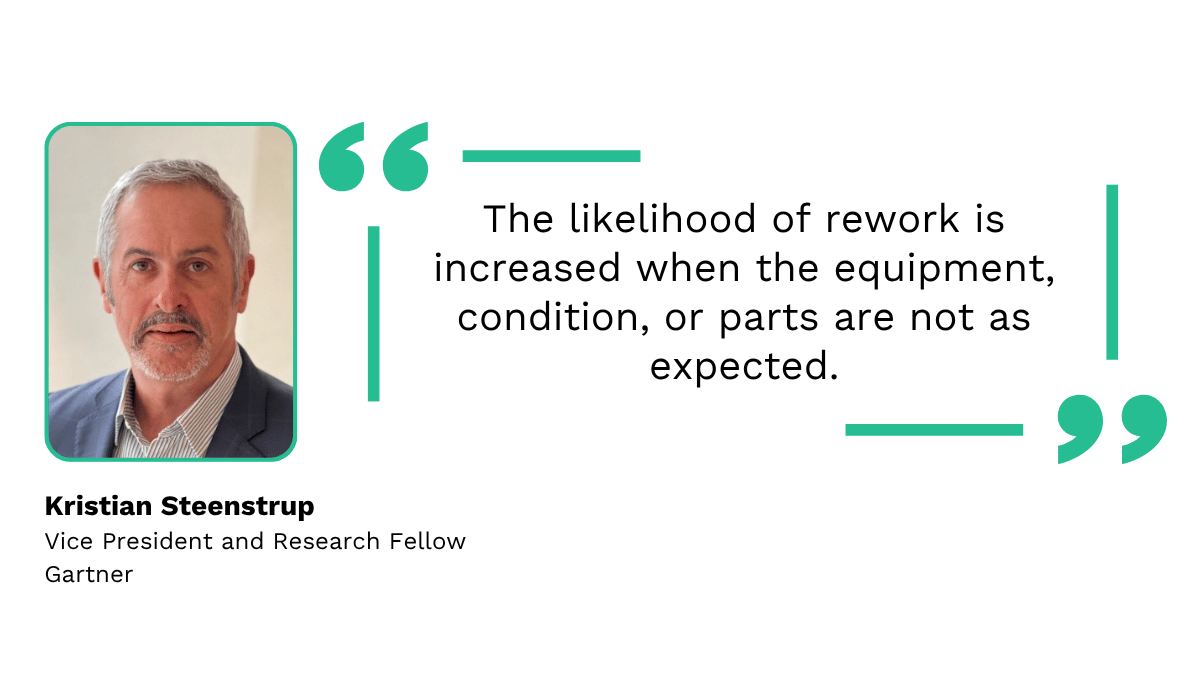
In other words, every uncertainty introduced after a work order is released increases the risk that the job will take longer than planned or require additional maintenance to correct incomplete or incorrect work.
Proper work order planning is designed to prevent these situations.
During the planning stage, you identify the exact materials, tools, and equipment needed to complete the task before assigning the work to a technician.
This includes verifying part numbers, checking inventory levels, confirming tool availability, and ensuring any specialized equipment or safety requirements are addressed in advance.
A thorough planning review should confirm:
- The exact parts, components, and consumables required for the job
- That all required materials are in stock or scheduled to arrive before work begins
- Any specialized tools, test equipment, or lifting devices needed to complete the work safely
- Required permits, access arrangements, and safety preparations
- Clear job instructions so technicians know exactly how the work should be performed
When these checks are completed up front, technicians can begin work immediately rather than stopping to resolve preventable issues.
The result is fewer delays, less rework, better schedule adherence, and more time spent performing value-added maintenance rather than searching for parts or troubleshooting logistical problems.
More Accurate Time and Cost Estimates
Effective work order planning replaces rough estimates and guesswork with cold, hard data, making budgeting much more accurate.
And with the maintenance costs constantly increasing, this matters more than ever.
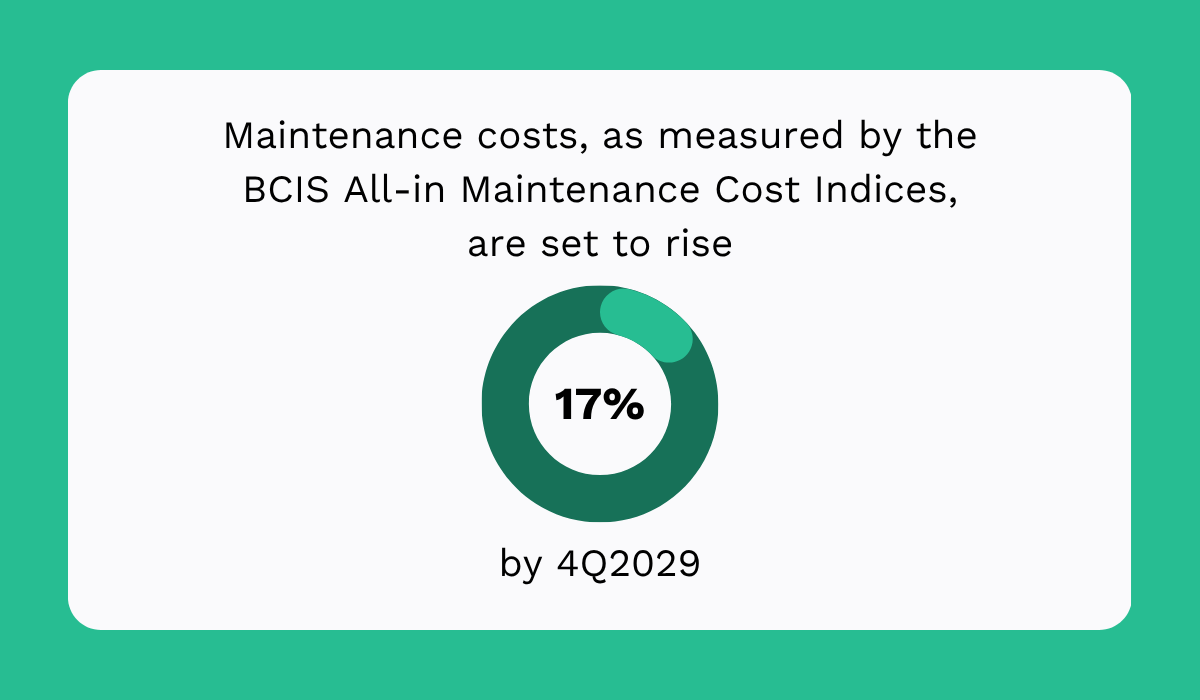
For instance, the 2025 BCIS Facilities Management Forecast predicts that maintenance costs, as measured by the BCIS All-in Maintenance Cost Indices, will rise by 17% by Q4 2029.
By estimating labor hours, parts costs, contractor support, and specialized equipment in advance, you gain a much clearer picture of the time and resources a job will require.
Developing reliable estimates typically involves reviewing an asset’s maintenance history, consulting manufacturer documentation, analyzing similar completed work orders, and assessing the complexity of the repair.
Planners also consider site-specific factors such as:
- equipment accessibility
- safety requirements
- availability of specialized skills that could affect the scope of work
Rather than estimating the job as a whole, experienced planners break it into individual tasks and estimate each step separately, producing a more accurate overall forecast.
This level of preparation improves more than a single work order.

When each planned job includes realistic labor and material estimates, maintenance managers can forecast departmental workloads more accurately, build more dependable maintenance budgets, and justify staffing and purchasing decisions with greater confidence.
Maintenance costs become more predictable because estimates are based on documented requirements rather than assumptions made during execution.
Accurate planning also lays the foundation for better forecasting.
When planners consistently compare estimated labor hours, material usage, and job costs against actual results, they can refine future estimates based on real performance data.
Over time, this feedback loop improves budget accuracy, supports smarter inventory planning, and reduces the likelihood of emergency purchases, cost overruns, and last-minute schedule changes.
Higher Technician Wrench Time
Wrench time is the percentage of a technician’s shift spent performing direct, hands-on maintenance work.
Activities such as traveling between jobs, locating parts, gathering tools, waiting for permits, or searching for technical documentation are necessary, but they don’t count toward wrench time.
A 2024 study of maintenance operations at a chemical processing plant found that technicians spent an average of 28% of their shift performing direct maintenance work, with individual crews ranging from 20% to 35%.
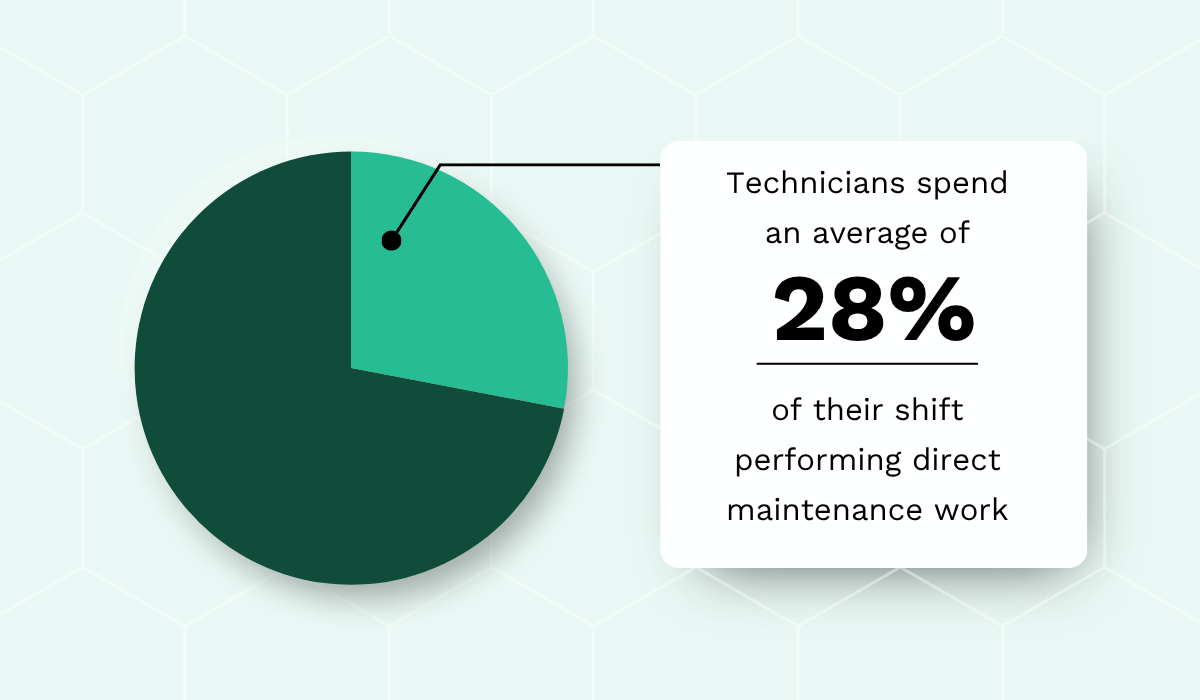
In other words, technicians spent less than one-third of their workday performing the maintenance tasks they were assigned.
The researchers identified poor job planning, parts procurement delays, and missing equipment information as leading causes of lost productive time, highlighting the critical role of planning in improving wrench time.
Many of these obstacles can be eliminated before work begins through effective work order planning.
By verifying that replacement parts are available, specialized tools are identified, technical documentation is accessible, and safety requirements are addressed, planners remove the interruptions that would otherwise slow technicians down in the field.
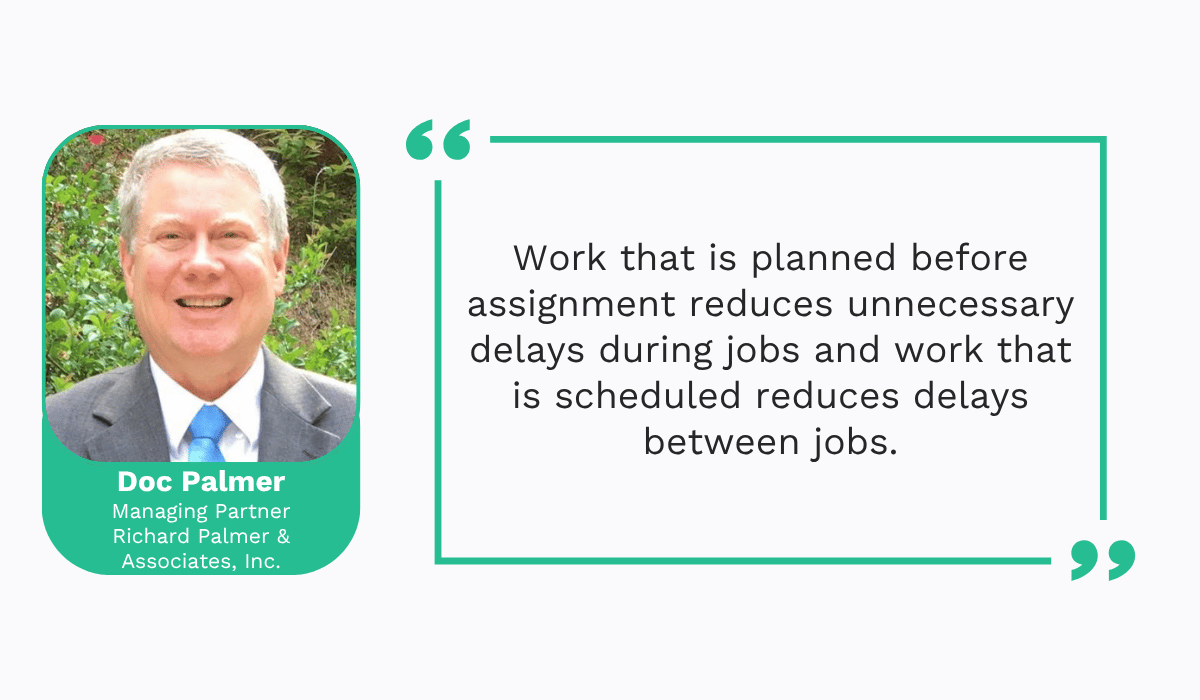
As Doc Palmer, Managing Partner at Richard Palmer & Associates, Inc., and author of McGraw-Hill’s Maintenance Planning and Scheduling Handbook, explains,
The better prepared a work order is before it’s assigned, the more time technicians can spend repairing equipment instead of resolving logistical issues.
The impact extends well beyond a single maintenance task.
When technicians spend more of their shift performing productive work, your team can complete more planned maintenance without increasing headcount, reduce the backlog of outstanding work orders, and respond to equipment issues more efficiently.
Over time, higher wrench time also improves asset reliability by enabling maintenance teams to complete preventive work as planned rather than constantly reacting to avoidable delays.
Built-In Safety Preparation
Effective work order planning enables supervisors to proactively identify the requirements needed to complete the job safely, including:
- personal protective equipment (PPE)
- lockout/tagout (LOTO) procedures
- permits
- any hazards associated with the equipment or work environment
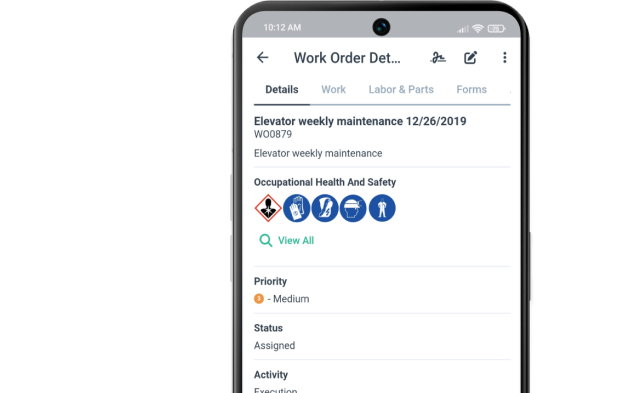
Documenting these requirements in the work order ensures technicians arrive prepared rather than having to assess critical safety considerations under time pressure.
Many safety controls require coordination before work can begin.
Energy sources may need to be isolated, confined-space or hot-work permits may require approval, and specialized PPE or gas-monitoring equipment may need to be reserved in advance.
Waiting until a technician is on-site to identify these requirements can delay the job, increase the likelihood of procedural shortcuts, or expose workers to unnecessary risks.
That’s why effective safety preparation belongs in the planning stage, not as a last-minute decision made in the field.
According to OSHA, millions of workers service machinery and equipment where the unexpected startup or release of hazardous energy can result in serious injury or death if proper lockout/tagout procedures aren’t followed.
At the same time, OSHA estimates that compliance with its lockout/tagout standard prevents approximately 120 fatalities and 50,000 injuries annually in the United States.
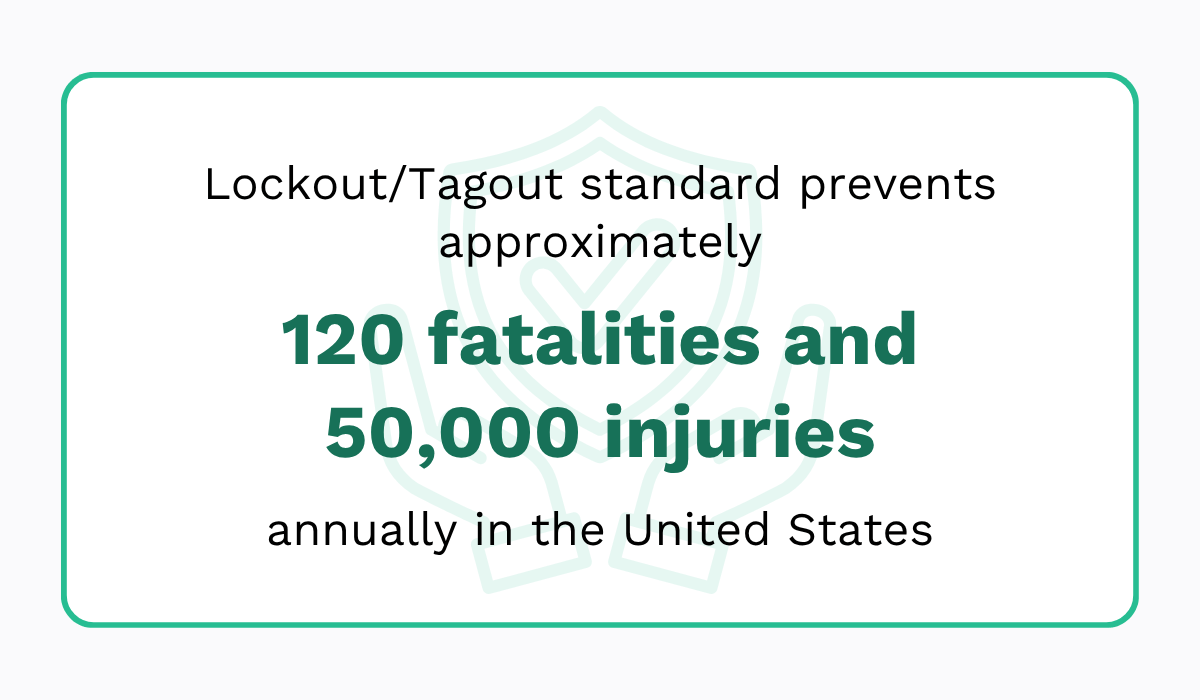
These figures underscore the importance of identifying hazardous energy sources and documenting isolation procedures before maintenance work begins, rather than during execution.
Well-planned work orders also improve consistency across maintenance teams.
Instead of relying on individual technicians to remember every safety precaution, planners can standardize required procedures, attach job-specific safety instructions, and include references to equipment manuals or standard operating procedures.
This creates a repeatable process that reduces variability and helps ensure maintenance tasks are completed safely, regardless of who performs the work.

Templates Make Planning Repeatable
Good planning shouldn’t rely on one experienced planner to remember every detail of every recurring job.
If the quality of your work order rises and falls with whoever wrote it that week, you’ve built a skill, not a repeatable process. This won’t do.
While experienced planners are invaluable, standardized processes are what enable maintenance teams to deliver consistent results as they grow.
The way to achieve that consistency is through reusable job templates, checklists, and digital work order forms that capture proven planning practices.
Instead of recreating every work order from scratch, planners can start from a documented baseline and make adjustments only when asset-specific conditions require them.
This reduces planning time, improves consistency, and helps ensure critical information isn’t overlooked.
Templates are particularly valuable for preventive maintenance and other routine tasks that follow the same basic process each time they’re performed.
Rather than redefining the scope, estimating labor, identifying replacement parts, and documenting safety requirements for every job, planners can reuse a proven plan that’s already been validated in previous work.
This is where computerized maintenance management systems (CMMS) like WorkTrek come in, centralizing templates, maintenance histories, and cost data in one place.
WorkTrek’s Service Catalog, for example, allows planners to create reusable templates for recurring jobs that include predefined labor estimates, required parts and materials, safety procedures, task instructions, and other job-specific information.
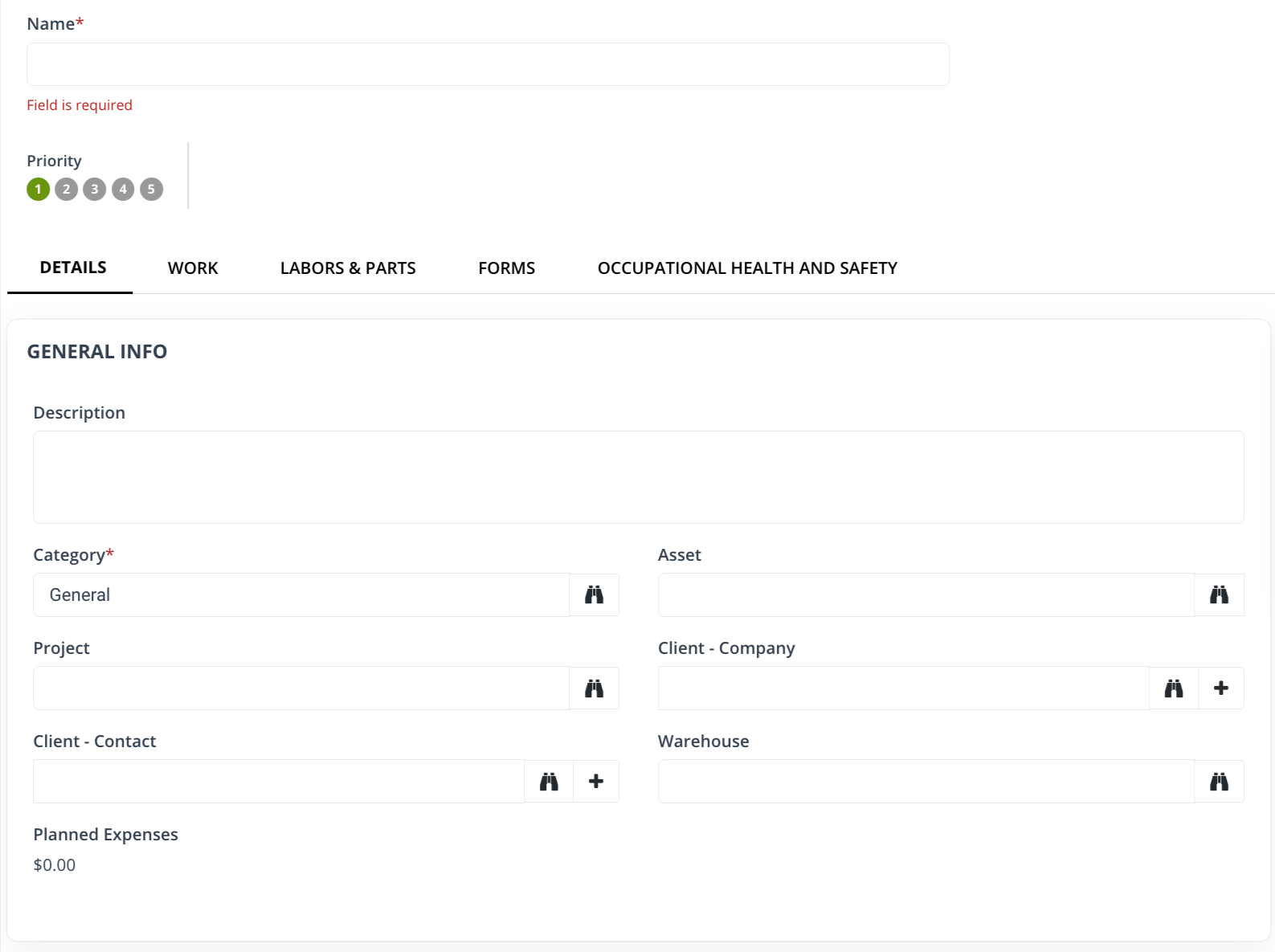
When a similar maintenance request is submitted, the appropriate template can be applied automatically, reducing planning effort while ensuring technicians receive complete, consistent work instructions.
WorkTrek also tracks actual labor hours, material usage, and job costs for completed work orders, making it easy to compare planned versus actual performance.
That feedback helps planners continuously refine their templates, improve the accuracy of future estimates, and build a planning process that becomes smarter with every completed maintenance task.
Conclusion
Since planning happens behind the scenes, it’s easy to treat it as little more than an administrative task.
Yet effective work order planning reduces delays, improves technician productivity, controls costs, prevents rework, and helps maintenance teams work more safely.
If your planning process still depends on spreadsheets, paper forms, or institutional knowledge, now is the time to rethink it.
A modern CMMS like WorkTrek helps you standardize work order planning, create reusable job templates, and capture the data needed to continuously improve maintenance performance.
With the right processes and tools in place, every work order becomes an opportunity to work smarter, not just harder.
And when every job starts with a solid plan, every maintenance outcome is more likely to succeed.