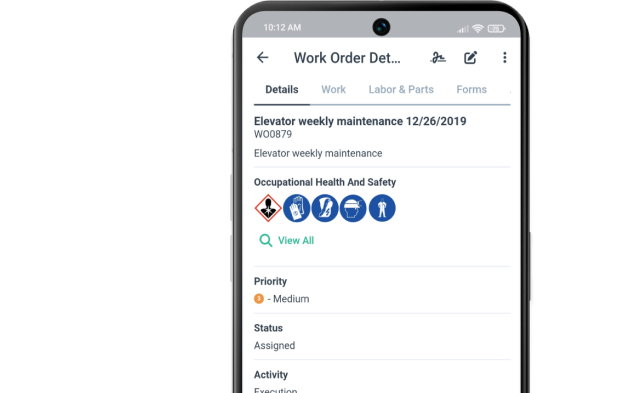


Blog

Operations & Maintenance
How to Build the Ultimate Preventive Maintenance Checklist
A preventive maintenance checklist is essential for any proactive maintenance strategy to minimize unscheduled downtime and equipment failure. This article details how to create and implement this checklist effectively, ensuring longevity for your assets and overall operational efficiency. This article outlines practical advice on everything from asset identification to task prioritization and technology integration that […]
A preventive maintenance checklist is essential for any proactive maintenance strategy to minimize unscheduled downtime and equipment failure. This article details how to create and implement this checklist effectively, ensuring longevity for your assets and overall operational efficiency.
This article outlines practical advice on everything from asset identification to task prioritization and technology integration that will keep your operations running smoothly.
Key Takeaways
Preventive maintenance checklists are essential for minimizing equipment breakdown and downtime, improving safety, and saving costs by scheduling maintenance tasks at more convenient times and preventing high expenses associated with unplanned maintenance.
A practical preventive maintenance checklist should be well-structured, logically organized, and contain detailed, clear instructions with visual aids for tasks. It should be based on asset identification and historical performance data, and tasks should be prioritized according to their impact on operational efficiency and safety.
Technological integration, notably Computerized Maintenance Management Systems (CMMS) and mobile apps, is vital in streamlining the execution and monitoring of preventive maintenance tasks, enabling real-time updates, and facilitating continuous improvement based on maintenance data analysis.
Understanding the Importance of Preventive Maintenance Checklists
Source: WorkTrek
Preventive maintenance checklists serve as the guide for maintenance management, substantially reducing the likelihood of equipment failure.
Following the effect PM checklist, you can potentially reduce 90% of mechanical failures. These checklists also enable you to schedule crucial maintenance tasks at optimal times, thus curtailing unexpected downtime.
To upgrade your maintenance strategy, even Craft preventative maintenance checklists that cater specifically to the nuances of your operations while drawing on established preventive maintenance plans and schedules as benchmarks. This practice paves the way for developing an ultimate preventive checklist.
To their role in reducing malfunctions, preventive maintenance checklists are foundational in cultivating safe work conditions—a fact underscored by their importance within lean manufacturing paradigms and Total Productive Maintenance (TPM) methodologies.
These meticulous lists contribute significantly to improvements in Overall Equipment Effectiveness (OEE), bolstering availability, performance levels, and output quality through systematic adherence to scheduled tasks and strategies.
Some examples of items to include on a PM checklist include:
Safety instructions
Network and data systems
Standardize routine tasks
Maintenance activity
Step-by-step checklists of activities
Pass or fail checklists
Cost Savings
The economic advantages of implementing preventive maintenance are pretty evident, as the data clearly shows.
Organizations can achieve substantial savings by adopting a preventive maintenance regimen and avoiding the steep costs of reactive or unplanned maintenance activities, which may be 3 to 9 times more expensive than their planned counterparts.
Preventive maintenance has an ongoing financial impact. The approach helps extend asset lifespan and consequently decreases the frequency of repairs and replacements and the associated expenses, yielding considerable cost benefits over time.
Safety Improvements
The relationship between preventive maintenance and safety is tightly interwoven. Consistently executing tasks related to safety protocols within the context of preventive maintenance strengthens health and safety measures across facilities. By embedding safety checklists and procedures into work orders through software solutions, compliance with regulations and overall facility safety are enhanced.
Routine safety evaluations are a critical component of preventive maintenance checklists. Such checks ensure conformity to health and security standards set by authoritative bodies like OSHA (Occupational Safety & Health Administration) and EPA (Environmental Protection Agency), reducing the likelihood of mishaps. To elevate levels of protection, it’s important that these maintenance checklists specifically review fire prevention systems and security installations following sector-specific regulatory requirements.
Enhanced Efficiency
Utilizing the correct instruments can significantly boost the effectiveness of a preventive maintenance program. One indispensable tool is a Computerized Maintenance Management System (CMMS), which augments maintenance efficiency by streamlining procedures, automating work orders, and refining the schedule for maintenance tasks.
The advantages offered by utilizing CMMS extend beyond essential organization. This system facilitates the timely scheduling of maintenance activities and early detection of problems, thus minimizing equipment idle time. This forward-thinking strategy results in improved equipment availability and enhanced quality of production outputs – all serving as evidence to underscore the efficacy inherent in a preventive maintenance approach.
Critical Components of an Effective Preventive Maintenance Checklist
Developing a preventive maintenance checklist requires careful consideration. To be effective, the checklist must:
Have a coherent organization
Incorporate details regarding preparations needed before starting
Encompass safety guidelines to ensure secure operations
Supply visual aids as required for better comprehension
Present explicit and comprehensive instructions that allow novice technicians to proceed with minimal oversight
Record specific equipment information, including model, serial number, and previous maintenance records, to facilitate well-informed maintenance strategies.
Provide a guide to facility infrastructure.
Asset Identification
Initiating a comprehensive preventive maintenance checklist necessitates recognizing and classifying essential assets and equipment that need maintenance. This process serves to construct a solid base for a tower. The more durable your groundwork, the stronger your structure will be.
Determining which assets merit incorporation hinges on pivotal information streams for crafting an effective preventive maintenance strategy. These include meticulous asset inventories, manufacturer guidelines, and empirical performance histories of said assets. By anchoring your checklist in well-informed judgments, you ensure its longevity and resilience.
Source: WorkTrek
Task Prioritization
After recognizing the various assets that require attention, assigning importance to each preventive maintenance task is critical. The rationale behind this is straightforward: not every maintenance task holds the same weight regarding its effect on safety and operational efficiency. Consequently, specific tasks must be elevated in priority.
Prioritizing high-impact items within your preventive maintenance checklists ensures that resources and efforts are optimally allocated for maximum improvement in operation and safeguarding measures. This strategic prioritization amplifies the benefits reaped from your comprehensive preventive maintenance program.
Clear Instructions
Having pinpointed the assets and prioritized the routine tasks, you should now supply explicit, well-defined directives. Maintenance technicians must receive preventive maintenance checklists that display tasks sequentially with designated areas for recording outcomes.
These instructions should be specific to the type of equipment, such as HVAC systems, electrical connections, hydraulic systems, air filters, or anything related to building maintenance.
The delivery of clear-cut instructions is vital to guarantee the correct execution of maintenance steps, which is particularly essential when instructing new technicians. Incorporating visual aids such as schematics and photographs can greatly facilitate comprehension. These aids must be scrutinized by a skilled technician who has an in-depth knowledge of machinery and facility details, including the manufacturer’s advice in preventive maintenance.
Integrating Technology into Your Preventive Maintenance Program
As companies have embraced digital transformation, technology has become a cornerstone of preventive maintenance. Leveraging tools like CMMS and mobile applications enables the optimization and monitoring of preventive maintenance plans, enhancing the efficiency of general maintenance activities.
CMMS Advantages
Implementing a Computerized Maintenance Management System (CMMS) revolutionizes preventive maintenance. This system streamlines the process, enabling enhanced organization and optimization of preventive maintenance routines by leveraging insights from collected data such as equipment history and work order archives.
CMMS is integral to expediting repairs and assessments to optimize preventive maintenance schedules. It achieves this by providing on-the-go access to critical details, including asset records, schematics, and the whereabouts of replacement components.
Consistent examination of the information from CMMS-produced reports allows for perpetual refinement of preventive maintenance checklists. This ensures that they evolve continuously for maximum effectiveness in maintaining equipment health.
Mobile App Solutions
Utilizing mobile technology can significantly boost the effectiveness of preventive maintenance. Maintenance personnel can effortlessly access formalized preventive maintenance checklists via mobile apps, ensuring these vital resources are always at their fingertips for immediate reference.
Maintenance staff benefit from real-time information about machinery conditions and required maintenance tasks delivered through these applications. Instant alerts on pending or delayed maintenance activities keep them well-informed through their mobile devices, guaranteeing that necessary upkeep is timely and competently executed.
Customizing Your Preventive Maintenance Checklist
Source: WorkTrek
As every business differs, so do their maintenance requirements. To ensure continuous compliance and optimal performance, it’s essential to tailor preventive maintenance checklists according to regulations specific to the industry and the distinctive operational demands of each enterprise.
Industry Regulations and Preventive Maintenance Checklists
Industry regulations profoundly influence preventive maintenance checklists, as these rules often dictate the specific maintenance activities that must be carried out to ensure compliance. For instance, regulations in the healthcare industry may require that all medical equipment undergo rigorous sterilization and calibration processes to meet health and safety standards.
Similarly, in the aviation sector, the Federal Aviation Administration (FAA) mandates regular checks and maintenance of aircraft components, such as engine inspections and avionics testing, to guarantee passenger safety.
Manufacturing plants might be subject to OSHA regulations requiring the routine examination of machinery guards and emergency stop mechanisms to prevent workplace injuries.
These examples illustrate how industry-specific rules shape the structure and content of preventive maintenance checklists, ensuring that they facilitate smooth operations and adhere to legal and safety requirements.
Industry-Specific Considerations
In every sector, the potential for equipment breakdown is a common challenge that must be tackled with tailored solutions. To mitigate these risks, preventive maintenance checklists must be explicitly adapted for different classes of assets like material handling equipment and the overall infrastructure of a facility. The design of each asset demands particular attention to develop a practical formal preventive maintenance checklist that addresses all critical areas.
A deep understanding of each industry’s unique needs offers insights into essential maintenance tasks necessary for preserving each piece of equipment’s integrity and functionality. It’s also imperative to align these preventative measures with relevant regulations and standards, ensuring that such maintenance checklists are thorough and adhere strictly to health and safety norms while complying with federal and state mandates.
Adapting to Changing Needs
Just as a river's course may change over time, so do a business's maintenance needs. Continually revising the preventive maintenance checklist is essential to ensure its adequacy and pertinence to the ever-changing operational needs.
Continual updates to include new machinery, refresh maintenance intervals, and compliance with contemporary industry protocols are pivotal in refining the efficacy of a preventive maintenance program. Opportune evaluation periods—such as high staff turnover prior to scaling up production or in response to recurring equipment problems—are vital for making pertinent revisions to the preventative maintenance checklist.
Involvement from those who comprise the company’s mainstay—their skilled workforce—is indispensable. Maintenance team members should actively evaluate and enhance this list through practical trial runs and insightful commentary on its overall user-friendliness while confirming it encompasses all vital tasks necessary for successful prevention-focused upkeep measures within their work environments.
Training and Implementation Strategies
Even the most outstanding preventive maintenance checklists will be of little benefit unless your maintenance personnel are properly trained in their application. Hence, it is vital to implement robust training methods and track advancements meticulously to seamlessly integrate and refine these protocols.
Training Techniques
Implementing preventive maintenance checklists necessitates comprehensive training for maintenance personnel. It is imperative that they:
Understand the components and use of preventive maintenance checklists
Strengthen implementation strategies
Boost effectiveness levels
Increase safety measures
Maintain consistency in executing maintenance processes.
Employing a variety of training techniques, such as practical demonstrations, educational workshops, and providing online materials, can ensure staff are well-prepared to apply these critical maintenance checklists effectively.
Monitoring Progress
Continuously assess the efficacy of your preventive maintenance checklists. This is crucial for effectively minimizing downtime and related costs.
Utilizing key performance indicators (KPIs) such as equipment uptime, mean time between failures (MTBF), and mean time to repair (MTTR) can serve as metrics to gauge the success of your preventive maintenance tasks. Commitment to ongoing enhancement is essential in maintaining the robustness of any maintenance program. To pursue continual improvement, consider these actions:
Routinely analyze machine performance data to pinpoint potential enhancements.
Keep up-to-date with advancements in technological tools and best practices for maintenance.
Gather insights from technicians who are engaged in executing preventive maintenance tasks.
Leverage this input by refining existing checklists and protocols accordingly.
Employing these methods will help ensure that preventative maintenance activities sustain and progressively enhance operational efficiency over time.
Source: WorkTrek
Summary
To sum up, maintenance checklists for preventive measures serve as an important resource for companies, helping them decrease the likelihood of equipment failure, extend asset longevity, reduce periods of inactivity, and promote a secure and productive working environment. Recognizing their significance, designing them with precision, leveraging technological advancements, tailoring these lists to meet particular requirements, and deploying impactful training strategies enable organizations to exploit the advantages of preventive maintenance checklists fully.
Frequently Asked Questions
What are the benefits of preventive maintenance checklists?
Preventive maintenance checklists are crucial in reducing equipment failure, prolonging the service life of machinery, decreasing unexpected downtime, and upholding a secure workplace setting.
How should tasks be prioritized in a preventive maintenance checklist?
Arrange the tasks on a preventive maintenance checklist by highlighting their significance to safety and operational efficiency.
How can technology enhance preventive maintenance?
Integrating technology such as a Computerized Maintenance Management System (CMMS) and mobile apps can streamline preventive maintenance schedules, enhancing overall maintenance efficiency.
How should preventive maintenance checklists be customized?
Tailor preventive maintenance checklists to align with sector-specific standards and the unique demands of operations, ensuring continual adherence to regulations and enhanced performance.
How can the effectiveness of preventive maintenance checklists be evaluated?
Regular assessment using Key Performance Indicators (KPIs), including equipment uptime, Mean Time Between Failures (MTBF), and Mean Time To Repair (MTTR), can serve to gauge the success of preventive maintenance checklists in enhancing the efficiency of maintenance activities.

Operations & Maintenance
Top 10 Steps to Improve Work Order Management Practices
How can your organization improve its best practices for work order management? The correct practices are the cornerstone to efficient operations across various industries, from healthcare to hospitality, from maintenance teams in sprawling industrial plants to IT departments in bustling offices.
Understanding and implementing best practices in work order management can transform organizational efficiency, reduce costs, and enhance service delivery.
This article provides a guide to the Top 10 things to consider to improve your work order management best practices.
Understanding Work Order Management
Work order management involves creating, assigning, tracking, and completing tasks related to maintenance or repair work. Effective work order management ensures that maintenance tasks are completed on time, within budget, and to the required quality standard.
These systems can also provide a single dashboard for a maintenance department to communicate with maintenance technicians, provide a digital work request, and track all work performed centrally.
This approach can also enhance efficiency, reduce labor hours and material costs, and ensure that necessary repairs are performed on schedule and adhere to maintenance workflows.
Source: WorkTrek
1. Implementing a Robust Work Order Management System
Adopting a robust work order management system is a game-changer for various industries, including manufacturing, healthcare, education facilities, and overall facilities management. It provides a centralized platform for managing all work orders, offering transparency and accountability in maintenance operations.
This system ensures that every task is accurately logged, assigned, and monitored, reducing the likelihood of oversight and enabling maintenance teams to respond proactively to equipment needs. A more organized workflow improves response times to maintenance requests and significantly reduces equipment downtime.
Furthermore, a robust work order management system offers powerful analytics and reporting tools that give insights into maintenance performance. Managers can track key performance indicators, such as mean time to repair (MTTR) and mean time between failures (MTBF), to evaluate the effectiveness of their maintenance strategies.
With this data, they can make informed decisions to optimize maintenance schedules, improve resource allocation, and enhance manufacturing equipment's longevity and reliability. In the long run, this strategic approach to maintenance can lead to cost savings and an increase in production efficiency.
Key Features of an Effective System:
Unified Platform: A centralized platform where all work orders are added to the schedule, created, stored, and tracked. This is also a centralized place to add work order priority and define the work order process.
User-Friendly Interface: Ensures ease of use, minimizing the learning curve for staff members.
Customizable Workflows: Allows adaptation to specific organizational needs, including outlining health and safety issues and defining standard operating procedures.
Mobile Access: This feature facilitates on-the-go updates and tracking for maintenance technicians and departments. Maintenance technicians can easily see all their work orders and track maintenance work.
Integration Capabilities: Ensures seamless integration with other enterprise systems like ERP, CRM, and inventory management.
2. Standardizing Work Order Procedures
Implementing uniform procedures for managing work orders can substantially boost efficiency and uniformity in manufacturing maintenance operations. By adopting a standardized method for processing work orders, maintenance crews can swiftly recognize, sort, and carry out maintenance tasks, reducing mix-ups and aligning team efforts. This uniformity aids in the more effective tracking and evaluation of maintenance tasks, empowering managers to discern trends, refine operations, and distribute resources with greater precision.
In addition, a standardized work order system streamlines the training process for new personnel. It provides a robust foundation for initial training and ongoing professional development, ensuring each technician is well-versed in the established workflow and their specific responsibilities. This results in quicker reactions to maintenance requests, superior work quality, and more rigorous compliance with safety standards.
Best Practices for Standardization:
Clear Work Order Templates: Define what information each work order should contain, including task identification, priority level, supplies needed, estimated time, and assigned technician.
Consistent Terminology: Use common language across the organization to avoid confusion.
Step-by-Step Guidelines: Provide detailed instructions on creating, processing, and completing work orders.
Source: WorkTrek
3. Prioritizing Work Orders
Efficiently managing work orders is paramount for enhancing operational performance in the manufacturing sector. Maintenance operations are optimized by evaluating the urgency, production impact, and available resources to prioritize tasks.
This method ensures prompt attention to pivotal equipment, maintaining peak functionality and minimizing potential downtime. Such strategic task management streamlines the maintenance process and mitigates the risk of workflow congestion, optimizing the deployment of maintenance personnel where their skills are most crucial.
Additionally, intelligent work order prioritization contributes to resource optimization and fiscal savings. It empowers plant managers to strategically assign maintenance crews and distribute spare parts following the factory's overarching production objectives.
Planning routine maintenance for times when production is low reduces interference with activities. However, urgent repairs are sometimes accelerated to circumvent expensive halts in production. This approach helps maintenance technicians plan the repair process and enhance organizational efficiency.
Prioritization Strategies:
Urgency and Impact Matrix: Classify work orders based on their urgency and potential impact on operations.
Service Level Agreements (SLAs): Define and adhere to SLAs to ensure timely response and resolution.
Automated Prioritization: Use your work order management system to prioritize work orders based on predefined criteria.
4. Streamlining Communication
Effective communication is the backbone of successful work order management across various industries. Streamlining this process ensures all stakeholders, from technicians to management, access the same information in real-time, reducing misunderstandings and delays. By implementing a centralized communication system, companies can facilitate instant messaging, updates, and feedback loops between departments. This integration allows for a more cohesive workflow, where maintenance requests, status updates, and completion reports are easily accessible, enhancing overall operational efficiency and accountability.
The ability to quickly disseminate work order details and respond to changes is crucial in many industries, including manufacturing and medical facilities. Advanced software systems offer mobile accessibility, enabling field technicians to receive notifications and access work order information from anywhere.
This expedites the resolution of maintenance issues and allows for better scheduling and resource allocation. With streamlined communication, businesses can ensure that work orders are executed promptly and effectively, improving service quality and customer satisfaction.
Enhancing Communication:
Automated Notifications: Set up automated alerts and reminders for upcoming deadlines, status changes, and required actions.
Collaborative Platforms: Utilize digital tools that allow real-time communication and updates.
Regular Meetings: Hold regular check-ins and debriefs to discuss ongoing and completed work orders.
5. Tracking and Reporting
Mastering the art of tracking and reporting is essential for the smooth operation of work order management systems in manufacturing. Maintenance crews can access instant task updates by observing and analyzing work orders, effectively prioritizing critical repairs.
Such comprehensive supervision helps ensure maintenance activities are performed promptly, curtailing the possibility of equipment failure and the following expensive downtime. Moreover, in-depth reporting allows an operational manager to discern patterns in equipment behavior, making informed decisions that can refine maintenance approaches and boost the plant's overall productivity.
Beyond the operational advantages, robust tracking and reporting systems are vital in promoting accountability among maintenance staff. A transparent and responsible work environment is cultivated by keeping precise records of work orders, detailing who completed each job and the duration. This improves the quality of maintenance work and promotes a preventative mindset. Key Metrics to Track:
Completion Time: Average time taken to complete work orders.
Backlog: Number of pending work orders.
First-Time Fix Rate: Percentage of work orders resolved on the first attempt.
Maintenance Cost: Total labor hours, materials, and other resources expenditure.
Source: WorkTrek
6. Continuous Improvement through Feedback
Continuous improvement through feedback is critical in maintenance, especially regarding work order management. Companies can refine their work order processes by actively seeking and incorporating feedback from technicians, plant managers, and other stakeholders. This leads to more accurate task prioritization, efficient resource allocation of the maintenance team, and minimized downtime. This feedback loop enhances the effectiveness of maintenance work and fosters a culture of collaboration and shared responsibility for the equipment's health.
Moreover, the iterative process of analyzing feedback helps identify recurring challenges and pain points within the maintenance workflow. Addressing these issues through targeted work order management system improvements can lead to best practices tailored to the facility's unique demands. As a result, the organization benefits from a more agile and responsive maintenance strategy, which can adapt to changing conditions and ensure that manufacturing operations run optimally.
Collecting and Implementing Feedback:
Surveys and Questionnaires: Regularly survey maintenance technicians and other stakeholders for their input.
Post-Completion Reviews: Conduct reviews after completing major work orders to discuss what went well and what could be improved.
Benchmarking: Compare your performance against industry standards or competitors to identify areas for improvement.
7. Embracing Technology and Innovation
Adopting cutting-edge technology and innovation in work order management ushers in a new era of efficiency and accuracy. Utilizing mobile devices and cloud-based platforms allows maintenance teams to receive and update work orders in real-time, ensuring immediate response to critical issues and minimizing delays.
This level of connectivity allows for a seamless flow of information between on-site technicians and management, fostering a more dynamic and responsive maintenance environment. Moreover, integrating Internet of Things (IoT) devices can automate monitoring equipment status, leading to predictive maintenance that preemptively addresses issues before they escalate into costly downtime.
Innovation in work order management also extends to using sophisticated analytics and artificial intelligence to optimize task scheduling and resource allocation. By analyzing historical data and patterns, these intelligent systems can forecast workload trends, enabling maintenance managers to plan more effectively and distribute tasks to maximize productivity while minimizing operational interruptions.
Technological Enhancements:
IoT Sensors: Use sensors to monitor equipment in real time, triggering automatic work requests when anomalies are detected.
AI and Machine Learning: Leverage AI for preventive maintenance scheduling, anticipating failures before they occur.
Mobile Apps and AR: Equip technicians with mobile apps and AR tools to access real-time information and virtual guidance.Source: item24
8. Training and Development
Training and development are pivotal in enhancing best practices of work order management. By equipping maintenance teams with the latest skills and knowledge, they can more effectively navigate the complexities of work order systems, leading to improved accuracy and efficiency in maintenance execution.
Regular training sessions ensure that all team members are proficient in Computerized Maintenance Management Systems (CMMS), enabling them to update and track work orders precisely. This not only streamlines the maintenance process but also fosters a culture of continuous improvement, where technicians are constantly seeking ways to optimize their workflows and reduce equipment downtime.
Additionally, well-trained personnel are better positioned to identify potential problems before they escalate, allowing for a more proactive maintenance approach. This proactive stance not only saves time and resources but also contributes to extending the lifespan of equipment, ultimately enhancing the organization's bottom line.
Training Strategies:
Regular Workshops: Conduct training sessions on new tools, technologies, and best practices.
Certifications: Encourage maintenance technicians to obtain relevant certifications.
Mentorship Programs: Pair experienced employees with newer ones to facilitate knowledge transfer.
9. Maintaining Inventory and Resources
Proper inventory and resource management is a cornerstone of effective work order management. By maintaining a well-organized inventory of parts and resources, maintenance teams can significantly reduce the time spent sourcing materials for each job, leading to quicker work order completion and less equipment downtime.
An accurate inventory system ensures that necessary parts are always on hand when needed, preventing delays that can occur when parts are out of stock or hard to find. This level of preparedness streamlines the maintenance process and enhances the ability to respond to emergency repairs swiftly, thereby minimizing the impact on operations.
When considering a CMMS or Work Order Management system, evaluate its parts management features closely to ensure it can handle low stock alerts and provide a clear view of all products in stock.
Inventory Best Practices:
Inventory Management System: Implement a system to track inventory levels, predict usage, and automate reordering.
Just-In-Time Inventory: Maintain optimal stock levels to avoid overstocking and understocking.
Resource Allocation: Allocate resources based on the priority and urgency of work orders.
10. Ensuring Compliance and Safety
Compliance and safety are integral to work order management best practices, ensuring that maintenance activities adhere to industry regulations and protect personnel from harm. A robust work order management system incorporates safety protocols directly into the maintenance workflow, requiring technicians to complete safety checklists and acknowledge hazard assessments before commencing any task.
This process helps prevent accidents and ensures all operations align with occupational safety standards and environmental regulations. Furthermore, by maintaining comprehensive records of all maintenance activities, including safety measures taken, organizations can demonstrate compliance during audits and reduce the risk of legal liabilities associated with non-compliance.
Compliance Strategies:
Regular Audits: Conduct regular audits to ensure adherence to regulatory requirements.
Compliance Tracking: Use your work order management system to track compliance-related tasks and deadlines.
Safety Protocols: Integrate safety checklists and protocols into work orders.
Case Study: Transforming Work Order Management in Healthcare
Consider a real-world example from the healthcare sector, where effective work order management is critical to ensuring patient safety and operational efficiency.
The Challenge
A large hospital faced significant challenges with its manual work order management process. Maintenance requests were often lost or delayed, leading to equipment downtime and operational disruptions. The lack of a centralized system also made tracking and prioritizing work orders difficult.
The Solution
The hospital implemented comprehensive CMMS software customized to meet its specific needs. The new system featured a centralized database, mobile access for on-the-go updates, and automated notifications. The hospital also standardized its work order procedures and trained maintenance technicians on the new system.
The Results
Improved Efficiency: The average completion time for work orders decreased by 40%.
Enhanced Communication: Automated notifications and mobile access improved communication between staff members and technicians.
Better Resource Management: The hospital optimized inventory levels and reduced costs.
Increased Compliance: The new system ensured all maintenance activities adhered to regulatory standards.
Final Thoughts
Effective work order management is a multifaceted process that requires the right combination of technology, standardization, communication, and continuous improvement. By adopting best practices and humanizing the process, many organizations can achieve significant gains in efficiency, cost savings, and employee satisfaction. Whether in healthcare, manufacturing, IT, or any other sector, the principles outlined in this article can help you optimize your work order management processes and drive operational excellence.
Operations & Maintenance
Maximize Uptime with Condition-Based Maintenance Strategies
Are you struggling with frequent downtime and soaring maintenance costs? Condition-based maintenance (CBM) might be the strategic pivot your operation needs. By monitoring the actual condition of your assets, CBM dictates maintenance only when essential, trimming excess costs and bolstering reliability.
While preventive, predictive, and schedule maintenance are essential parts of any maintenance plan, maintenance teams should strongly consider a condition-based maintenance strategy as a companion for maintenance.
This article provides a detailed outline of the techniques that make CBM effective, its real-world impact on your bottom line, and actionable steps to integrate it into your workflow.
Key Takeaways
Condition-based Maintenance (CBM) is a proactive maintenance strategy that leverages real-time monitoring to determine the precise condition of assets. This enables maintenance teams to perform tasks only when necessary, reducing costs and extending asset lifespans.
CBM incorporates various monitoring techniques, such as vibration, oil, and infrared analysis, with the critical use of well-calibrated sensors and predefined threshold values to ensure maintenance is done at the optimal moment, thereby avoiding unnecessary interventions and improving operational efficiency.
Implementing CBM requires careful asset criticality assessment, strategic planning, and maintenance personnel engagement to create a continuous improvement culture. It also involves understanding the differences between CBM and other maintenance strategies, like predictive maintenance, and choosing the right tools and software for successful integration and execution.
Demystifying Condition Based Maintenance (CBM)
Source: WorkTrek
A condition-based maintenance program guides maintenance strategies, guiding teams away from guesswork and towards the solid foundation of data-driven decision-making.
At its foundation lies a proactive approach to performing maintenance that utilizes real-time data analysis to determine the actual state of equipment. This enables maintenance teams through a condition-based strategy to:
Conduct necessary repairs immediately, eliminating unwarranted procedures and their associated expenses.
Increase dependability in machinery.
Drastically reduce overall costs related to upkeep
Prolong the service life of assets
Reduce asset failure
Eliminate unnecessary maintenance
Improve overall equipment maintenance
Condition Monitoring
At the heart of an effective CBM regimen are sophisticated condition monitoring techniques, which offer continuous insights into when an asset might require repair. CBM's adaptability is remarkable—it’s designed to cater to varying operational demands, ranging from plants teeming with rotating machines to those operating on compressed gas systems.
By integrating this targeted maintenance regime, managers overseeing these processes can revolutionize workflow maintenance, achieving higher efficiency and reduced costs while ensuring smooth production cycles. This strategic integration of CBM allows for a more dynamic and responsive approach to maintenance management, where decision-making is driven by actionable insights derived from real-time data.
Such an approach streamlines maintenance operations and enhances the reliability and availability of critical equipment, thereby supporting improved productivity and operational excellence.
The Critical Role of Monitoring Techniques in CBM
A collection of condition-monitoring techniques is at the core of an effective condition-based maintenance (CBM) program. These include:
Vibration analysis tools include accelerometers and spectrum analyzers to detect imbalances, misalignments, or bearing faults in rotating machinery.
Oil analysis kits allow for the sampling and testing of lubricants for contaminants and metal wear particles that indicate internal wear.
Infrared thermography cameras visually monitor and measure thermal anomalies in equipment, which can indicate issues like overheating insulation breakdowns or electrical faults.
Ultrasonic detectors identify high-frequency sounds produced by leaks or electrical discharges that the human ear cannot detect.
Motor circuit analysis equipment to assess the condition of motor windings and insulation in electric motors.
Laser alignment tools ensure proper alignment of rotating shafts, which can prevent premature wear or failure.
Corrosion probes and meters to measure material loss and corrosion rates in tanks, pipes, and other structures.
Pressure and flow meters to monitor fluid and gas pressure and flow rates in pipelines and hydraulic systems.
Acoustic emission detectors pick up the sound waves of cracks or faults in pressurized vessels or rotating equipment.
Electrical signature analysis (ESA) tools analyze the electrical parameters of motors and generators to detect issues like rotor bar defects or air gap eccentricity.
These methodologies are instrumental in maintaining industrial machinery's operational integrity and functionality. These techniques' effectiveness and precision stem from sensors designed to continuously monitor pressure levels and other crucial variables related to equipment performance.
It’s critical for these condition monitoring sensors to be both precise and calibrated adequately so they can provide reliable data on which maintenance teams depend.
Companies must carefully determine the exact threshold values appropriate for CBM interventions based on a thorough knowledge of their machines’ behavior under different operating conditions and manufacturer recommendations.
This rigorous monitoring ensures that maintenance activities are carried out only when necessary, thus achieving an ideal equilibrium between proactive maintenance and resource conservation.
Decoding the P-F Interval for Timely Maintenance Interventions
Understanding the P-F interval is critical in condition-based maintenance (CBM). This crucial period, analogous to emergency medicine’s golden hour, can dictate an equipment’s health outcome by marking the duration from when a failure begins to manifest until it becomes a functional failure.
Source: WorkTrek
Recognizing and utilizing this window effectively allows maintenance teams to optimally plan their work before catastrophic failures occur, reducing unplanned downtime incidents.
A vital role for any maintenance manager is prolonging the P-F interval through astute condition-based maintenance practices. These practices keep the machinery running longer and protect core production processes.
CBM Intervals
Advanced CBM involves setting up monitoring points with specific warning levels that signal impending issues early on—a sort of frontline defense system for assets—prompting timely action from those in charge.
These advancements in predictive maintenance technology empower companies to shift away from reactive measures toward a proactive maintenance strategy tailored uniquely to their operational flow.
The CBM Process
Condition-based Maintenance (CBM) is a systematic blend of data collection and critical analysis that informs maintenance decisions. The steps are as follows:
Data Collection: Details are gathered through sensors that measure variables like vibration, temperature, and pressure. This data collection is essential to identify trends that may indicate potential issues before they lead to equipment failure. By capturing this information, maintenance teams can make informed decisions about when to perform maintenance, effectively preventing downtime. The continuous data stream also provides a historical record that can be analyzed for long-term improvements and strategic planning.
Data Analysis: This collected data is then transformed into actionable insights. By analyzing the gathered information, maintenance teams can pinpoint the early signs of wear and tear, predict potential failures, and schedule maintenance activities promptly. The analysis process helps prevent catastrophic equipment failures and supports optimizing the maintenance schedule to avoid unnecessary service interruptions. This strategic analysis is essential for making informed decisions that contribute to improved reliability and longevity of the equipment.
Informed Decisions: These interpretations offer a clear understanding of the machinery's condition, which aids in making knowledgeable choices. By leveraging this understanding, maintenance teams can prioritize tasks, optimize resource allocation, and avoid the pitfalls of both under-maintenance and over-maintenance.This enhanced decision-making process leads to a more efficient maintenance schedule, ensuring that machinery is maintained in a state that maximizes uptime and productivity. These informed decisions also contribute to a safer working environment by reducing the risks associated with equipment failure.
What does it include?
Subsequently, the step of condition monitoring includes:
Constant observation of the health status of assets
Identification for any hints pointing towards decline or forthcoming malfunction
The generation of alerts serves as an urgent notice when specific limits are exceeded, signaling that it’s time to initiate maintenance task planning.
The process cycle encompassing Condition Based Maintenance (CBT) involves these key phases:
Planning Stage: Develop plans and arrange for necessary upkeep activities while marshaling adequate resources.
Implementation Phase: Execute scheduled repair operations.
Feedback on Results: Evaluate outcome post-maintenance activity to hone future measures taken during interventions.
Finalization Step: The CBM sequence reaches its end before recommencing from scratch.
This iterative process enhances maintenance efficiency by ensuring each phase is finely tuned to work together from initiation to completion. It forms a proactive loop of machine care based on real-time conditions rather than rigid schedules.
Developing a CBM Program: A Step-by-Step Guide
Initiating a Condition-Based Maintenance (CBM) program is comparable to planning, and systematic execution.
The structure supporting the creation of such a program steers teams through identifying appropriate assets, pinpointing possible failure modes, and navigating the complex process of analyzing gathered data.
This encompasses focusing on assets critical for production but also considers those with significant repair or replacement expenditures and those not immediately lined up for renewal.
By implementing a CBM strategy comprised of six systematic steps—starting from choosing assets and continuing to analyze collected data to steer decisions—maintenance crews can develop an enduring operation equipped to withstand future challenges.
Assessing Asset Criticality and Data Requirements
inde-Based Maintenance (CBM) program is to identify and focus on the high-value equipment that serves as the core of operations. Identifying trends and matching those to your maintenance program is also essential. All these steps help reduce overall maintenance costs, provide visibility to the maintenance team, and develop a proactive maintenance strategy.
Source: WorkTrek
Identifying the necessary types of sensors for critical assets to monitor equipment conditions continuously is an important step. The success of CBM hinges on its alignment with an organization’s unique requirements and the constraints of its maintenance budget, rendering this stage of the process pivotal. It will also be essential to match CBM with a preventive maintenance strategy.
It is essential to pinpoint critical assets whose failure would significantly disrupt operations. Therefore, it is imperative to establish systems for continuously monitoring asset performance to help improve maintenance costs and the reliability of critical assets.
Data should include auditory and digital recordings to fully capture indicators suggesting an asset is nearing a potential failure point.
Engaging Maintenance Personnel in CBM Transition
Adopting a Condition-Based Maintenance (CBM) program is not merely about changing technical procedures. It’s also about shifting the organizational culture for the maintenance team, which demands commitment and active involvement from all team members.
It is essential to involve maintenance personnel early to promote smooth integration and successful implementation of the CBM approach.
Define Gaps
Throughout this transition, gaps may emerge regarding proficiency in analyzing data and managing systems—gaps that must be addressed by providing specialized training for current employees or bringing new staff with requisite skills on board.
Resistance to change is often encountered, yet such challenges can be overcome by employing effective change management strategies that resonate with different maintenance teams.
These approaches should nurture a continuous improvement mindset within the organization’s culture.
Refining Your CBM Strategy with Continuous Improvement
The path to condition-based maintenance (CBM) is continuously evolving, demanding ongoing tuning and improvement to maintain the utmost precision of the strategy. Frequent tweaks informed by performance data and trend assessments can markedly refine the exactitude of maintenance choices. Such a proactive maintenance approach focuses on circumventing errors by detecting potential failure modes before they become serious issues.
With an emphasis on executing preventive maintenance predicated upon the machinery's real-time state, CBM substantially diminishes the chances of equipment breakdowns and unexpected operational halts. This ensures uninterrupted production processes continue smoothly.
CBM Versus Predictive Maintenance: Navigating the Differences
CBM (Condition-Based Maintenance) and predictive maintenance might intersect within the maintenance sector but navigate separate trajectories. Both employ data-centric approaches.
CBH hinges on monitoring equipment either in real-time or at regular intervals to guide when to perform maintenance tasks.
Conversely, predictive maintenance utilizes intricate data analysis and forecasting algorithms to determine optimal times for upkeep procedures. Although reactive within its proactive boundary conditions, CBM relies on specific indicators or benchmarks pointing to a need for intervention due to deteriorating function.
Predictive maintenance is designed strategically to reduce unexpected interruptions by predicting forthcoming malfunctions before they occur physically. Distinct differences emerge in their workflows: CMMS integration for CBM centers around current machinery performance, prompting immediate action from maintainers whenever necessary.
Using complex analytical tools and predictive methods, potential issues can be assessed through historical insights and ongoing operational figures.
While more straightforward by nature, as it zeroes in on discerning failure modes and pinpoints precise events for activation based on past asset behaviors, CBM lays groundwork processes. Predictive practices go beyond this preliminary level by embracing extensive assessments of accumulated information—positioning itself into what lies ahead regarding preserving systems efficiently.
Source: WorkTrek
Real-world Applications: CBM in Various Industries
Condition Based Maintenance (CBM) extends far beyond the theoretical, with its practical applications spanning various industries to enhance equipment dependability. Businesses that heavily rely on the continuous operation of their physical and substantial assets greatly benefit from adopting CBM practices.
Manufacturing, oil and gas, transportation and logistics, power generation, mining, and construction are among the industries remarkably poised for improvement through CBM.
Adopting CBM methodologies within these sectors can significantly reduce unexpected downtime, prolong machinery's life expectancy, and boost overall operational efficiency.
For instance, in specific contexts such as those in the oil industry, energy sector, or mining operations, Acoustic analysis has proven invaluable by identifying leaks in systems containing gases or liquids that might remain undetected.
Pressure analysis plays a pivotal role in condition-based maintenance strategies. It ensures systems operate at peak efficiency by maintaining the ideal flow of fluids, gases, or air. This element is crucial across a wide array of industries.
Employing electrical analysis within a condition-based maintenance framework acts as an early warning defense mechanism: It monitors circuit currents to thwart potential electric-related problems before they escalate into costly interruptions.
These instances underscore the flexibility inherent in deploying CBM approaches and how effectively they address individualized needs spanning diverse market segments.
Organizations integrating condition-based maintenance into their routine service schedules stand to capitalize significantly from real-time data paired alongside sophisticated analytics tools, which are instrumental aspects necessary for sustaining an advantageous competitive position within one’s arena.
The Intersection of Technology and CBM
The fusion of technology and Condition-Based Maintenance (CBM) is driving a new industrial revolution in which sensors and data analytics platforms become the linchpins of maintenance strategies.
Implementing IoT within CBM frameworks transforms how performance baselines are established and monitored. Deviations from these baselines prompt timely maintenance activities. This technology integration enables teams to seamlessly collect and manage the large volumes of data generated by CBM systems, facilitating advanced analytics that inform maintenance decisions.
Source: WorkTrek
Technology Challenges
However, the integration challenges are significant. Marrying different technologies, such as sensors, IoT devices, and data analytics platforms, into cohesive CBM systems requires strategic planning and execution. Infrared cameras, for instance, are utilized in CBM to detect high-temperature conditions in energized equipment, indicating potential issues before they escalate.
Moreover, IoT sensors attached to assets can initiate maintenance tasks and work orders by sending data to a CMMS through an API once predefined thresholds are crossed. This synergy of technology and maintenance strategy empowers organizations to address the health of their assets preventively, maintaining operational continuity and driving efficiency.
Using technology to reduce maintenance costs
The intersection of technology and Condition-Based Maintenance (CBM) is essential in driving down maintenance costs. By harnessing the precision of sensors and the analytical power of data platforms, CBM allows for identifying potential issues before they lead to costly repairs or replacements. This proactive approach minimizes the need for extensive maintenance work, thus reducing labor hours and material costs.
Additionally, the data collected through technology-enhanced CBM can be used to optimize maintenance schedules and resource allocation, leading to more efficient operations and further cost reductions. With technology integrated into CBM, organizations can expect a significant decrease in overall maintenance expenses, contributing to improved financial performance.
The Financial Impact of Adopting CBM
Adopting Condition-Based Maintenance (CBM) can have a profound financial impact on an organization, yielding tangible benefits such as reduced downtime and lower repair costs. By minimizing maintenance frequency, CBM helps reduce maintenance costs associated with asset failures, often leading to 15—to 30-percent cost savings.
However, it is essential to consider the ongoing maintenance costs of the CBM systems themselves, as they can affect the overall return on investment. A critical financial indicator to watch is the maintenance cost as a percent of estimated replacement value (MC/ERV), which helps determine if ongoing maintenance is more economical than replacing assets.
The initial financial hurdle when adopting CBM is the upfront investment in technology and personnel training, which must be weighed against the potential long-term savings. CBM’s impact extends beyond immediate monetary savings, enhancing operational efficiency and productivity by optimizing resource utilization.
Organizations that invest in CBM are investing in the future of their operations, positioning themselves to reap the benefits of a maintenance strategy that aligns with the evolving demands of modern industry.
Choosing the Right CBM Tools and Software
Selecting the appropriate tools and software is essential when executing a Condition-Based Maintenance (CBM) strategy. The chosen solutions need to be able to track particular failure modes while being tailored to meet an organization’s predictive requirements.
Telemetry devices and other sensors are vital components within a CBM approach. They connect with equipment to gather critical sensor data for subsequent monitoring and analytical processes. This information serves several maintenance purposes, from instigating specific actions and notifying personnel to display patterns contributing to informed maintenance planning.
A successful CBM initiative should include:
Compatibility with existing organizational systems like ERP/CMMS for smooth integration that enables uninterrupted data circulation
User-centric design in CBM applications allows straightforward interactions
Functions that offer visual interpretation of complex sensor output, making it understandable and implementable
Maintenance procedures can be efficiently automated by setting up CMMS work order rules triggered by sensor data analysis. Such configuration leads directly from identified trigger events to suitable responses within the upkeep cycle, thus refining overall workflow efficiency in routine operations.
Implementing CBM: Challenges and Best Practices
Embarking to implement condition-based maintenance (CBM) can be challenging. It is essential first to grasp the core concepts of reliability-centered maintenance, as this forms the foundation for an efficient CBM program. The following steps are crucial in this process:
Gain a deep understanding of equipment condition data and establish precise threshold levels.
Implement IoT sensors and software solutions that facilitate seamless data collection and management.
Ensure CMMS work order rules are configured to activate correct work orders during maintenance events.
Consider external factors affecting maintenance, such as travel time and scheduling constraints.
Adhering to these guidelines can significantly enhance your chances of succeeding with your CBM system and boost overall upkeep productivity.
Hurdles of CBM
Implementing condition-based maintenance comes with hurdles, such as reluctance toward change, substantial initial investment requirements, and the necessity for expertise in analytics handling capabilities, which are often faced during implementation. To conquer these challenges effectively, it’s suggested that you follow several best practices, which include but aren’t limited to:
Fostering teamwork across departments for better interpretation of collected data
Using Reliability-Centered Maintenance evaluations to pick suitable assets for applying CBM strategies
Carrying out thoughtful strategic planning activities
Investing resources into comprehensive training programs
Upholding dedication toward continual enhancements
By sticking to these recommended approaches, organizations can efficiently manage the intricacies associated with condition-based maintenance CBM application procedures and take full advantage of its possibilities to improve their day-to-day operations involving maintaining facilities or systems under their purview.
Measuring Success: KPIs for Condition-Based Maintenance
A set of crucial key performance indicators (KPIs) that reflect both maintenance actions and healthy equipment functioning can determine the success of a Condition-Based maintenance (CBM) program.
Indispensable metrics such as Mean Time Between Failures (MTBF), which shows the average time an asset runs before failing, and Mean Time to Repair (MTTR), revealing the typical duration it takes to fix an item after breakdown, are instrumental for understanding aspects like equipment availability, dependability, and upkeep productivity.
Monitoring KPIs like maintenance backlog and machinery downtime is essential in evaluating whether there’s a harmonious balance between maintenance workload and capacity. Analyzing these indicators alongside sensor data and performance statistics and identifying failure modes from various assets within their operations.
Source: WorkTrek
Maintenance Team
Maintenance teams gain valuable insight that enables them to spot trends requiring attention. Consequently, tracking these KPIs empowers organizations with actionable data to fine-tune their CBM strategies, bolstering efficiency and promoting sustained functionality across their machine inventory.
Ushering in a New Era of Maintenance with CBM
Condition Based Maintenance (CBM) is not just an evolution in maintenance practices; it represents a paradigm shift, ushering in a new era where reactive approaches give way to proactive, data-informed strategies. This shift empowers maintenance teams to:
Detect and resolve potential failures well before they escalate into costly downtimes or catastrophic breakdowns
Make intelligent decisions based on real-time data capture and analysis
Align maintenance tasks precisely with equipment needs
By implementing CBM, organizations can optimize their maintenance efforts and improve overall equipment reliability and performance.
The potential of CBM to transform industrial operations is immense, offering opportunities for significant improvements in efficiency and effectiveness. By optimizing maintenance schedules and preventing downtime, CBM extends the life of assets and ensures that they operate at peak performance.
As more organizations adopt CBM, the maintenance landscape is being reshaped, enhancing reliability and productivity that will define the industry's future.
The Role of CMMS in Condition-Based Maintenance
The significance of Computerized Maintenance Management Systems (CMMS) within Condition Based Maintenance (CBM) is crucial, as they serve as the vital processing hub that organizes and optimizes maintenance operations.
By automating work orders utilizing sensor data, CMMS equips maintenance teams with a complete perspective on machinery health and delivers an integrated platform for operation management. This automated process promotes precise and timely execution of maintenance interventions, mitigates human error risks, and increases the efficiency of overall maintenance processes.
The ability of CMMS to sync with other internal enterprise systems offers organizations several benefits.
Thorough tracking of both labor costs and parts expenses
Enhanced comprehension concerning total outlays on maintenance
Informed decision-making regarding cost-efficiency measures
Ensure that every segment, from initial condition monitoring to post-maintenance analysis in CBM initiatives, conforms meticulously to the plan.
Summary
Source: WorkTrek
Condition-based Maintenance (CBM) is critical for improving equipment dependability, operational productivity, and cost reduction. By using real-time data and sophisticated monitoring methods combined with the integration of technological advancements such as IoT and CMMS, organizations can shift their maintenance strategies from reactive to proactive stances.
Although there may be hurdles to adopting CBM, equipped with proper tools, strategic planning, and a dedication to ongoing enhancement, its advantages are significant. As industries progress dynamically, CBM emerges as an innovative lighthouse directing maintenance teams on a journey where downtime decreases significantly while efficiency soars dramatically.
Frequently Asked Questions
What is the difference between CBM and predictive maintenance?
Predictive maintenance sets itself apart from condition-based maintenance (CBM) by utilizing sophisticated data analysis and predictive modeling to project future maintenance requirements rather than relying on periodic or real-time measurements. Although both strategies are designed to guide upkeep procedures, predictive maintenance uniquely allows for predicting potential problems before they become apparent.
How do you determine which assets to include in a CBM program?
In your Condition-Based Maintenance (CBM) program, it’s essential to prioritize equipment that is highly valued and fundamental for production activities. Make decisions on prioritization considering elements like the machine’s importance to operations, costs associated with repair or replacement, and any planned schedule for replacing such assets.
What role do IoT sensors play in a CBM program?
In CBM initiatives, IoT sensors are critical as they gather data in real-time regarding variables like vibration, temperature, and pressure. This information is essential for assessing the equipment's condition and guiding maintenance decisions.
Can CBM be integrated with existing maintenance systems?
Indeed, combining Condition-Based Maintenance (CBM) with current maintenance systems like Enterprise Resource Planning (ERP)/Computerized Maintenance Management Systems (CMMS) facilitates a continuous exchange of data and efficient synchronization of maintenance operations, rendering it an advantageous approach for enhancement.
What are some common challenges when implementing CBM?
Implementing condition-based maintenance (CBB) often involves hurdles, such as combating reluctance to alter existing processes, the need for proficiency in data interpretation, and significant initial expenses.
Careful strategic planning, adequate training opportunities, and an ethos of ongoing enhancement are crucial to successfully navigating these obstacles.
Operations & Maintenance
What is planned maintenance percentage (PMP)
In maintenance management, Planned Maintenance Percentage (PMP) is an important metric that is the proportion of total maintenance hours devoted to planned maintenance tasks compared to the total maintenance hours.
This metric is essential for efficient operations, reducing downtime, and optimizing maintenance costs. This article covers the various aspects of planned maintenance percentage, its calculation, and its significance in maintenance processes.
Source: Reliability Connect
Understanding Planned Maintenance
Planned maintenance is the scheduled and systematic approach to maintaining equipment and assets, which contributes to improving maintenance schedules. This proactive strategy includes preventive maintenance tasks designed to prevent equipment failure and extend the lifespan of assets.
It also gives the maintenance technician a predictable schedule, allowing organizations to control costs better.
Since planned maintenance tasks are performed during designated maintenance hours instead of reactive or unplanned maintenance tasks, which occur in response to unexpected equipment failures, labor rates are more predictable.
[ez-toc]
Calculate Planned Maintenance Percentage
Planned Maintenance Percentage (PMP) =
Planned Maintenance HoursTotal Maintenance Hours×100Planned Maintenance Percentage (PMP)=TotalMaintenance HoursPlanned Maintenance Hours×100
PMP reflects the portion of planned maintenance hours compared to the total hours worked. A high PMP reflects a well-structured maintenance strategy in which preventive measures take precedence over-reactive work.
This metric is crucial because it directly affects reduced downtime, improved asset reliability, and savings. By prioritizing planned maintenance, an organization can schedule such work during off-peak periods, allocate resources more effectively, and enhance workplace safety.
Moreover, tracking PMP helps optimize maintenance schedules and improve the efficiency of maintenance teams. An organization with a high PMP will tend to have fewer emergency repairs, which can be expensive and disruptive.
This will enable the maintenance manager to determine the maintenance workload, prepare the necessary materials and tools, and guarantee that technicians are available and competent to do the job.
High PMP reflects that a well-planned maintenance program shows proactive asset management, leading to longer asset life cycles and better alignment with business objectives.
This formula helps the maintenance manager evaluate the efficiency of his maintenance program in showing the right balance between planned and unplanned maintenance activities.
Source: WorkTrek
Importance of PMP in Maintenance Processes
Improving Asset Reliability: A higher PMP indicates a well-maintained asset management system, reducing the likelihood of unexpected equipment failure and unplanned downtime. This leads to improved asset reliability and overall operational efficiency.
Cost Control: Planned maintenance allows for better budgeting and resource allocation, leading to controlled maintenance costs. Unplanned maintenance is often more expensive due to emergency repairs and expedited spare parts procurement.
Enhanced Maintenance Planning: By focusing on planned maintenance, maintenance teams can ensure proper planning and scheduling, leading to better resource utilization and reduced disruptions in production processes.
Planned and Unplanned Maintenance
Planned maintenance encompasses scheduled activities like inspections, lubrication, adjustments, and part replacements based on a predetermined schedule. On the other hand, unplanned maintenance refers to reactive maintenance tasks that arise unexpectedly, often due to equipment failure.
Improving planned maintenance workflows will reduce asset failure, improve asset reliability, and reduce maintenance time. It can enhance total productive maintenance and delivery times for the maintenance department.
Planning Maintenance Hours for Improved Processes
Allocating specific hours for maintenance tasks is a strategic approach that can significantly enhance maintenance. Organizations can ensure maintenance activities are conducted without disrupting the standard workflow by scheduling dedicated time slots for routine checks, repairs, and updates.
This planning also allows for better utilization of maintenance personnel, as tasks can be aligned with their expertise and availability, leading to more efficient operations and reduced downtime.
Proactive maintenance hour planning also aids in predicting and preventing potential equipment failures, thereby saving on emergency repair costs and minimizing production losses.
Furthermore, planned maintenance hours contribute to a safer working environment, allowing for thorough inspections and timely resolution of any safety issues. They also help maintain a high level of equipment reliability and performance, which is crucial for the long-term success of any operation.
By incorporating planned maintenance into their routine, organizations can streamline their maintenance processes, optimize resource allocation, and ultimately improve their bottom line through increased operational efficiency and equipment longevity.
Source: WorkTrek
Improving Planned Maintenance Percentage
Preventive Maintenance Program: A robust preventive maintenance program improves PMP. This involves regularly scheduled maintenance activities aimed at preventing equipment failures.
Proper Documentation: Ensuring adequate documentation of maintenance activities helps track and analyze maintenance data, which is crucial for improving PMP. Maintenance technicians should record all maintenance tasks, including planned and unplanned activities.
CMMS Software: Utilizing a Computerized Maintenance Management System (CMMS) software can significantly improve PMP by automating maintenance schedules, tracking maintenance hours, and providing data-driven insights for better decision-making.
Training and Development: Regular training for maintenance technicians and the maintenance team ensures they have the necessary skills and knowledge to perform planned maintenance tasks efficiently.
Continuous Improvement: Adopting a constant improvement approach allows maintenance managers to continually identify trends, analyze maintenance data, and implement necessary procedures to enhance maintenance processes.
Measuring Planned Maintenance Percentage
To measure PMP effectively, it is essential to consider the following factors:
Time Period: Define a specific period for measuring PMP, such as weekly, monthly, or annually. This helps you track trends and make informed decisions.
Maintenance Schedule Compliance: Ensure that maintenance schedules are adhered to and any deviations are recorded and analyzed.
Resource Allocation: Allocate resources, including maintenance technicians and spare parts, efficiently to planned maintenance activities.
Data Collection: Collect accurate data on maintenance hours, including planned and unplanned maintenance activities.
Challenges in Maintaining High PMP
Reactive Maintenance Culture: Organizations with a reactive maintenance culture may find it challenging to shift to a more proactive approach, which can affect PMP.
Insufficient Resources: Lack of sufficient resources, such as skilled technicians and spare parts, can hinder the execution of planned maintenance tasks.
Unexpected Equipment Failures: Frequent failures can disrupt planned maintenance schedules, leading to a lower PMP.
Benefits of a High Planned Maintenance Percentage
Reduced Downtime: A high PMP indicates a proactive maintenance approach, which reduces unplanned downtime and increases operational efficiency.
Improved Asset Lifespan: Regularly planned maintenance activities help in extending the lifespan of critical equipment and assets.
Cost Savings: A high PMP can lead to significant cost savings by reducing the need for emergency repairs and optimizing resource allocation.
Greater Control: Maintenance managers have greater control over maintenance processes, leading to improved schedule compliance and better overall maintenance management.
Implementing Effective Maintenance Programs
Developing Standard Operating Procedures (SOPs): Establish clear SOPs for all maintenance activities to ensure consistency and quality in maintenance work.
Regular Audits and Inspections: Conduct regular audits and inspections to ensure compliance with maintenance schedules and identify areas for improvement.
Collaborative Approach: Foster collaboration between maintenance teams, production teams, and other stakeholders to ensure alignment and effective communication.
Utilizing Diagnostic Tools: Employ diagnostic tools and technologies to monitor equipment health and predict potential failures, enabling timely planned maintenance activities.
Using CMMS Software to Improve Planned Maintenance Percentage
One of the primary benefits of Computerized Maintenance Management System (CMMS) software is its ability to enhance the planned maintenance percentage, which refers to the proportion of maintenance activities scheduled and performed before any issues arise, as opposed to reactive maintenance tasks that occur after a failure.
For example, a manufacturing plant can use CMMS to schedule regular inspections and servicing of conveyor belts, ensuring they are always in optimal condition and reducing the likelihood of unexpected breakdowns. This proactive approach not only prevents costly downtime but also extends the lifespan of the equipment.
Moreover, CMMS software can automatically generate work orders based on predefined maintenance intervals or equipment usage thresholds. Take, for instance, a fleet management company that implements CMMS to track vehicle usage.
The software can be configured for fleets to prompt oil changes and tire rotations based on mileage, which aligns maintenance tasks more closely with vehicle wear and tear. This leads to a higher planned maintenance percentage and a more efficient allocation of maintenance resources, ultimately decreasing unplanned downtime and increasing reliability.
Source: WorkTrek
Case Study: Improving PMP in an Automotive Factory
An automotive factory implemented a series of measures to improve its PMP. By adopting a preventive maintenance program, utilizing CMMS software, and ensuring proper documentation, the factory increased its PMP from 60% to 85% within a year. This improvement reduced unplanned downtime, cost savings, and enhanced asset reliability.
Conclusion
The planned maintenance percentage is a vital metric in maintenance management, which can directly reflect the effectiveness of a facility's maintenance program. By focusing on planned maintenance tasks, improving maintenance schedules, and utilizing modern technologies, organizations can enhance their PMP, leading to better asset management, reduced downtime, and significant cost savings.
Maintenance managers must prioritize planned maintenance activities and adopt a proactive approach to ensure their assets' long-term success and reliability.
FAQ
Q: What is the Planned Maintenance Percentage (PMP)? A: Planned Maintenance Percentage (PMP) is a metric that represents the proportion of total maintenance hours spent on planned maintenance tasks compared to the total maintenance hours.
Q: How is Planned Maintenance Percentage calculated? A: PMP is calculated using the formula: PMP=(Planned Maintenance HoursTotal Maintenance Hours)×100PMP=(Total Maintenance HoursPlanned Maintenance Hours)×100.
Q: Why is PMP important in maintenance management? A: PMP is essential because it helps improve asset reliability, control maintenance costs, enhance maintenance planning, and reduce unplanned downtime.
Q: What are the benefits of a high Planned Maintenance Percentage? A: The benefits include reduced downtime, improved asset lifespan, cost savings, and greater control over maintenance processes.
Q: How can I improve my facility's PMP? A: Improve PMP by implementing a preventive maintenance program, ensuring proper documentation, using CMMS software, providing regular training, and adopting continuous improvement practices.
Q: What challenges might affect achieving a high PMP? A: Challenges include a reactive maintenance culture, insufficient resources, and unexpected equipment failures.
Q: How does CMMS software help in improving PMP? A: CMMS software helps by automating maintenance schedules, tracking maintenance hours, providing data-driven insights, and ensuring proper documentation of maintenance activities.
Q: What is the difference between planned and unplanned maintenance? A: Planned maintenance involves scheduled tasks to prevent equipment failure, while unplanned maintenance refers to reactive tasks that address unexpected equipment failures.
Q: Why is proper documentation necessary in maintenance management? A: Proper documentation is vital for tracking maintenance activities, analyzing data, improving PMP, and ensuring compliance with maintenance schedules.

Operations & Maintenance
Implement Maintenance Software for Manufacturing Success
Are you looking to reduce downtime and streamline maintenance tasks in your manufacturing operations? Manufacturing maintenance software is designed to address these challenges, offering features that elevate production efficiency.
This article explores the software's pivotal role, from preventive maintenance to advanced analytics, and how your plant can reap tangible benefits with its adoption.
Key Takeaways
Preventive maintenance software automates maintenance tasks, minimizes equipment downtime, and integrates with other systems for improved efficiency in manufacturing operations.
Advanced analytics in maintenance software provide actionable insights to reduce equipment downtime, optimize spare parts inventory, and offer predictive insights for maintenance teams.
Manufacturing maintenance software enhances asset management, empowers maintenance teams with critical features like customizable schedules and mobile access, and delivers long-term benefits, including cost savings and improved production efficiency.
[ez-toc]
Maximizing Uptime with Preventive Maintenance Software
In the manufacturing industry, preventive maintenance software is essential for maximum uptime. It streamlines maintenance tasks by automating them, keeps records of equipment history, and works in harmony with other systems to guarantee that equipment maintenance processes are conducted smoothly.
This approach leads to a marked decrease in equipment downtime, immensely beneficial for manufacturing entities aiming to enhance efficiency and sustain uninterrupted production.
Scheduling Preventive Maintenance Tasks
By utilizing manufacturing maintenance software, operations can efficiently time preventive maintenance tasks to ensure a harmonious blend of regular upkeep and the agility to respond to immediate repair needs.
This strategic scheduling facilitates optimal resource use while fulfilling maintenance goals and minimizing any interruption in manufacturing production activities.
Source: ClassPoint
Tracking Maintenance Histories
Maintenance professionals are empowered to examine historical data and logs, allowing them to foresee potential problems and take preventive measures before these issues worsen.
Such a strategy leverages data in equipment maintenance software, shifting from merely reacting to issues as they arise to predicting them and improving maintenance goals through proactive upkeep work on equipment.
System Integration for Seamless Operations
Establishing a unified digital solution by implementing a system integration of preventive maintenance software connects with real-time equipment sensors and other departments within the facility.
This innovation affords maintenance teams immediate access to vital data, simplifies interactions between different sectors, and improves user-friendliness.
As all pertinent information is presented on one dashboard, this integration becomes an indispensable tool for boosting overall productivity in the manufacturing environment.
Source: WorkTrek
Streamlining Plant Maintenance with Advanced Analytics
Plant maintenance software, empowered by advanced analytics, is transforming the landscape of manufacturing maintenance. Interpreting extensive data sets into valuable insights gives maintenance professionals the tools to minimize downtime and optimize their operations for increased efficiency.
These cutting-edge analytical capabilities have become essential for plant managers seeking to advance their manufacturing operations. With such technology, they can drive improvement within maintenance and foster overall operational enhancements in manufacturing facilities.
Analyzing Equipment Downtime Causes
Investigating the reasons for equipment downtime, maintenance software enhanced with advanced analytics provides a detailed perspective that identifies obstacles in manufacturing equipment maintenance.
Such thorough scrutiny facilitates the formulation of preventive maintenance tasks aimed at directly tackling the underlying causes of downtime problems, which results in improved inventory management and more efficient production processes.
Predictive Insights for Maintenance Teams
Advanced analytics offer predictive insights that enable maintenance crews to:
Anticipate and prevent potential failures in equipment
Minimize the downtime of machinery
Boost the dependability of production line operations
Guarantee that all maintenance tasks align with overarching objectives to enhance efficiency.
Optimizing Spare Parts Inventory
Advanced analytics are crucial in manufacturing maintenance to manage spare parts inventory effectively. Maintenance software utilizes predictive modeling and provides real-time updates to maintain optimal inventory levels, thus preventing excessive stock and shortages.
This enables well-planned bulk ordering, ensuring that maintenance operations run smoothly without interruption.
Managing spare parts inventory is critical to maintenance operations for manufacturing facilities. CMMS software is invaluable, offering features that track inventory levels and usage patterns. It provides automated alerts when parts fall below predetermined thresholds, ensuring that maintenance teams can reorder components promptly.
This proactive approach prevents the scramble for parts during critical repairs and minimizes the risk of production delays due to unavailable components. By maintaining an optimal inventory level, CMMS software helps avoid excess stock, which ties up capital, and shortages, which could lead to costly downtime.
Source: WorkTrek
Enhancing Asset Management on the Plant Floor
An effective asset management strategy reduces equipment downtime and optimizes production output. Maintenance software is a pivotal tool in facilitating these enhancements. It provides functionalities that simplify the handling of assets—from maintaining an organized inventory to granting mobile access—thus guaranteeing precision in executing maintenance tasks.
Centralized Asset Inventory
Plant managers at a manufacturing facility can benefit from an integrated asset inventory system that delivers a detailed outline of all assets and their respective maintenance schedules.
This complete registry of equipment information guarantees the proper upkeep and tracking of each piece of equipment, thereby minimizing the risk of unexpected downtime and bolstering productivity within the manufacturing environment.
Mobile Accessibility for Technicians
Mobile accessibility in equipment maintenance software has transformed the approach of maintenance professionals toward handling maintenance tasks. Now, technicians working on the plant floor can access work orders, equipment manuals, and records of past maintenance activities via their mobile devices.
This advancement aids in simplifying the execution of maintenance work and dramatically enhances efficiency and productivity.
Accurate Completion of Maintenance Work
Maintenance software is pivotal in achieving precise execution of comprehensive maintenance tasks, which is critical for sustaining equipment performance and complying with regulations. By recording each maintenance action, this software enhances operational effectiveness and prolongs the service life of manufacturing machinery.
Empowering Maintenance Teams with Key Features
Essential characteristics of manufacturing maintenance software play a pivotal role in strengthening maintenance teams. Providing immediate entry to maintenance data, the ability to tailor maintenance timetables, and seamless interaction with different sections represent some of the instrumental tools that facilitate the fulfillment of maintenance objectives and enhance efficiency throughout manufacturing operations within production sites.
Instant Access to Maintenance Information
Having immediate and easy access to extensive asset details and maintenance logs is transformative for maintenance professionals. It empowers them to manage repairs more efficiently, facilitating decisions based on solid data that can result in substantial cost reductions.
Customizable Maintenance Schedules
Maintenance software, utilizing predictive modeling tools, facilitates the proactive scheduling of preventive maintenance tasks and allows for quick resolutions of issues. This customization of maintenance schedules is crucial for meeting the unique demands of a production line in manufacturing plants while promoting safety and compliance with standards.
Accessible Communication with Other Departments
Maintenance software delivers a host of advantages for manufacturing facilities. Notably, it streamlines interactions between maintenance teams and various other departments within the facility while promoting a collaborative atmosphere.
Mobile accessibility enables technicians to swiftly access work orders on the go, leading to expedited solutions and enhanced operational efficiency across the entire manufacturing environment.
Evaluating the Value of Manufacturing Maintenance Software
Maintenance software in the manufacturing sector immediately enhances operations and delivers enduring advantages for production companies.
Investing in manufacturing maintenance software yields significant returns in industrial manufacturing by amplifying production efficiency, reducing costs, and prolonging equipment's service life.
Cost Savings from Reduced Downtime
Manufacturing facilities greatly benefit from the financial savings associated with decreased equipment downtime. By using maintenance software to identify potential failures and perform predictive maintenance proactively, these factories can effectively forestall equipment breakdowns, thereby diminishing operational costs and contributing positively to their profit margins through reduced downtime in manufacturing processes.
Source: Starting Business
Improved Production Line Efficiency
By automating and analyzing real-time data, maintenance software is crucial in enhancing the efficiency of production lines. It allows manufacturing plants to achieve maximum productivity by optimizing procedures and overseeing production activities, ensuring operations run at peak performance with minimal interruptions for maintenance.
Long-term Benefits for Manufacturing Companies
Integrated maintenance software can reap enduring rewards for manufacturing companies. This includes achieving an optimized return on investment and heightening operational efficiency. It also allows for implementing predictive maintenance strategies and using simulation studies to improve performance.
Such software leads to notable cost savings for manufacturing firms. Over time, these companies can also expect better resource optimization due to leveraging maintenance technology in their production processes.
How can CMMS software optimize manufacturing maintenance
A computerized maintenance management system (CMMS), which is integral to enhancing manufacturing maintenance, addresses several issues by providing capabilities for:
Cutting down expenses on parts
Refining the management of assets
Streamlining processes through automation
Facilitating decisions based on robust data
Providing a single dashboard to view all work
Simplifying the preventative maintenance process
Giving maintenance teams a single view of work orders, health and safety, and documentation
CMMS software equips manufacturers with an extensive tool suite to bolster their maintenance operations. These tools focus on challenges such as reducing unplanned downtime, curtailing steep repair expenses, and refining inventory management practices.
This comprehensive approach can lead to significant cost savings for manufacturing companies.
Summary
We’ve explored maintenance software's transformative capabilities in the manufacturing sector, uncovering how it maximizes uptime, streamlines maintenance tasks, and enhances asset management.
The value of preventive maintenance software, reinforced by advanced analytics and critical features of CMMS systems, is clear.
Maintenance software is an essential ally for manufacturing companies looking to thrive in a competitive landscape. It can improve efficiency, drive significant cost savings, and bolster long-term operational success.
Frequently Asked Questions
How does preventive maintenance software prevent unplanned downtime?
Maintenance software is designed for preventive maintenance schedule tasks to avoid unplanned downtime. It predicts and addresses potential problems before they result in equipment breakdowns based on specific triggers such as time or usage.
Can maintenance software help with inventory management?
Indeed, by utilizing maintenance software equipped with advanced analytics, demand forecasting and automation of reordering procedures can be enhanced for spare parts inventory. This ensures that necessary parts are on hand precisely when required while preventing excess stock accumulation.
How does mobile accessibility improve the productivity of maintenance teams?
Enabling technicians to utilize their mobile devices on the plant floor significantly boosts maintenance teams' efficiency.
This mobile accessibility affords them instant access to work orders, streamlining their response to maintenance requirements and ensuring they have all the pertinent information at their fingertips.
What are the long-term benefits of implementing manufacturing maintenance software?
By adopting maintenance software specifically designed for manufacturing, businesses can achieve longer lifespans of their equipment, enhance the return on investment, and boost overall operational efficiency by utilizing predictive strategies for maintenance and better allocation of resources.
This shift towards strategic manufacturing maintenance furthers a company's longevity and cost-effectiveness and paves the way to enduring success.

Operations & Maintenance
Maintenance Best Practice Tips for Peak Performance
Maintenance best practices are the cornerstone for achieving peak operational performance. This article directly answers your pressing maintenance questions, laying out the tenets of preventive, predictive, and reactive care that will keep your operations running smoothly while cutting down on expenses and emergency fixes.
Effective maintenance strategies encompass preventive, predictive, and reactive maintenance, each critical for ensuring efficient operations, preventing asset failures, and optimizing lifecycle costs. Additionally, integrating CMMS software for task scheduling, enhanced team collaboration, and better decision-making facilitated by data insights and automation can streamline maintenance workflows.
Unlocking the Pillars of Maintenance Excellence
Three fundamental pillars underpin maintenance excellence:
Preventive maintenance
Predictive maintenance
Reactive maintenance
These components are essential to an effective overall maintenance strategy as they significantly enhance efficiency, forestall asset failure, prolong their useful life, and diminish expenses and operational downtime.
So, what exactly are these pillars comprised of? It’s time for a closer examination.
[ez-toc]
Embracing Preventive Maintenance
Envision the capability to avert issues before they manifest. This is the essence of preventive maintenance.
Implementing regular inspections and adhering to a scheduled regimen within a preventive maintenance program enables us to diminish equipment malfunctions, prolong the life of assets, and enhance their energy efficiency.
Adopting this proactive stance also yields significant savings on spare parts and tools, reduces expensive repair occurrences, and provides better visibility for maintenance managers.
Nevertheless, challenges do exist. Excessive maintenance might trigger potential failures requiring ongoing optimization of PM activities.
When proper Computerized Maintenance Management Systems (CMMS) are utilized effectively, we can craft a consistent and efficient preventive maintenance routine that benefits operations in the long run.
Prioritizing Predictive Maintenance for Maintenance Tasks
Predictive maintenance enhances the process of preventive maintenance by foreseeing possible equipment failure in advance.
Leveraging data and machine learning, this advanced form of maintenance allows for better-informed decisions through constant surveillance and analytical insights. This can lead to a dramatic reduction—potentially up to 90%—in unanticipated equipment failures.
The Significance of Data in Predictive Maintenance
The role of data in predictive maintenance cannot be overstated. By gathering and analyzing data from various sensors and systems within the equipment, organizations can gain critical insights into the condition and performance of their assets.
This data-driven approach allows for identifying patterns and anomalies that may indicate impending equipment failure. With such predictive capabilities, maintenance can be scheduled at the optimal time to prevent downtime rather than reacting to unexpected breakdowns.
Furthermore, accumulating historical data over time enriches the predictive models, enhancing their accuracy and reliability in forecasting potential issues.
Source: WorkTrek
Machine Learning: A Game-Changer in Predictive Maintenance
Machine learning takes predictive maintenance to a new level by enabling the automated discovery of insights within the data. This advanced technology can learn from the data to identify complex correlations that human analysis might miss.
By employing machine learning algorithms, predictive maintenance systems can adapt and improve continuously, becoming more adept at forecasting failures with greater precision.
As a result, organizations can anticipate problems before they occur, optimize maintenance schedules, and reduce the frequency and severity of equipment downtime.
Integrating machine learning into predictive maintenance represents a significant leap forward in pursuing operational efficiency and asset management excellence.
This approach is instrumental in minimizing downtime significantly.
Mastering Reactive Maintenance
Even with thorough preventive and predictive maintenance efforts, equipment can fail without warning. In such instances, reactive maintenance and corrective maintenance are essential.
These methods focus on handling sudden malfunctions effectively to reduce downtime. They rely on competent technicians and ensure a well-stocked supply of crucial spare parts through reliability-centered maintenance practices.
Streamlining Your Maintenance Workflow
We must integrate CMMS software into the system to enhance maintenance workflow and achieve top-tier efficiency. This technology will automate work orders, optimize scheduling, and guarantee that essential parts and resources are readily available.
Maintenance managers can monitor task progress by proactively managing maintenance plans with this software. They’ll be able to ensure everything is in sync with broader strategic goals and make any adjustments required to improve maintenance operations, processes, and individual tasks.
Integrating Maintenance Management Systems
Examining CMMS reveals that this digital maintenance platform accomplishes several vital functions.
It organizes and schedules maintenance tasks
Timelines for inspections are established
Distribution of work orders is handled efficiently
Encourages teamwork among staff members
It bolsters decision-making by providing up-to-date data, thereby streamlining the execution of maintenance duties. This includes arranging preventive maintenance and identifying equipment problems at an early stage.
One of its most significant advantages is optimizing maintenance cost management. It achieves this through meticulous record keeping, close monitoring of expenses, and precise administration of the spare parts inventory.
Optimizing Resource Allocation
Optimizing resource allocation is a critical element in refining maintenance procedures. It’s crucial to assign tasks according to their urgency and complexity to reduce equipment downtime and enhance the efficiency of maintenance activities. This ensures that appropriate materials, staff, and equipment are designated for particular maintenance tasks, crucial for executing projects effectively and managing expenses judiciously.
Maintenance Managers
Maintenance managers can optimize resources and better maintain equipment by implementing a strategic resource allocation plan. This involves thoroughly assessing maintenance tasks and prioritizing them based on criticality and urgency.
By doing so, managers ensure that high-priority equipment receives the necessary attention, preventing potential breakdowns that could lead to costly downtime.
Additionally, they can leverage CMMS software to track asset usage and performance, enabling informed decisions about when to allocate resources for maintenance, repairs, or replacements.
Optimizing resources also includes efficient inventory management of spare parts, ensuring that the correct parts are available when needed without overstocking, which ties up capital.
Training maintenance personnel to be multi-skilled can also increase flexibility in task assignments, allowing for a more dynamic response to maintenance needs.
By smartly managing time, personnel, and materials, maintenance managers can enhance the reliability and longevity of equipment while controlling costs.
Source: WorkTrek
Advancing with Automation
Recognizing the significance of automation is crucial to optimizing workflows. Fusing building automation systems with Computerized Maintenance Management Systems (CMMS) facilitates smoother inspections and enhances maintenance procedures.
Such integration instantaneously facilitates data exchange and supports a better-informed process for making decisions.
Cultivating a Skilled Maintenance Team
In developing an effective maintenance strategy, it is imperative to focus on creating a highly competent maintenance team. Essential attributes for such a team include experience, technical know-how, problem-solving abilities, varied backgrounds and experiences, independence in decision-making, and decisive leadership.
Fostering this type of team requires a relentless commitment to comprehensive training programs that combine theoretical knowledge with practical hands-on applications and structured onboarding processes designed to integrate new members smoothly.
Continuous Training and Development
Ongoing education and skill enhancement are essential for fostering a maintenance team with high expertise. By combining practical application with academic learning, we can ensure that the group is versatile and proficient.
This approach streamlines processes and enhances workplace safety by minimizing operational interruptions and incidents arising from personnel mistakes.
Empowering Maintenance Technicians
Empowering every member of the maintenance team is essential for nurturing them. Engaging management and staff in carrying out maintenance tasks can harness a variety of viewpoints, leading to enhanced outcomes.
Adopting this collaborative strategy has the potential to positively transform an organization’s culture by aligning it more closely with its mission and promoting a favorable shift within the organizational ethos.
Implementing Cost-Effective Maintenance Strategies
With the team assembled, it’s time to concentrate on the execution of maintenance strategies that are both economical and efficient. This includes:
Ensuring a harmonious relationship between the costs of maintenance and the performance levels of assets
Putting into action plans for preventive upkeep
Carrying out tactical planning
Managing inventory for spare components
Balancing Maintenance Costs and Asset Performance
Utilizing key performance indicators (KPIs) such as MC/ERV, MTBF, and MTTR is crucial in balancing maintenance costs with asset performance. These metrics are instrumental in assessing asset reliability, availability, and cost-efficiency.
Source: WorkTrek
Strategic Spare Parts Management
It’s essential to remember the vital importance spare parts play in maintenance strategy. Ensuring correct categorization, effective inventory management, and fostering strong supplier relationships can help us keep inventory levels at their best while minimizing carrying costs.
Measuring Success with Key Performance Indicators
We gauge the effectiveness of the maintenance strategy by utilizing Key Performance Indicators (KPIs). These essential tools assist in evaluating routines, procedures, and equipment to ensure that the organization is on track with maintenance objectives.
Defining Relevant KPIs
To accurately gauge the effectiveness of maintenance endeavors, it is imperative to establish pertinent Key Performance Indicators (KPIs). These should encompass a variety of metrics that are concentrated on multiple aspects, including:
Proficiency
Financial Expenditure
Health and Safety Compliance
Performance of Assets
Operational Interruption Time
Management of Work Orders
Regulation and Control of Inventory
Tracking and Analyzing Data
Organizations can guarantee effective decision-making and maintenance planning through data tracking and analysis by gathering comprehensive records, scrutinizing long-term maintenance data, and acquiring consistent feedback once KPIs are established.
Aligning Maintenance Goals with Business Objectives
Source: Velosi
The maintenance KPIs and objectives must support overall business goals by establishing clear deliverables, prioritizing effectively, and fostering communication across various departments. This alignment is critical to evaluating the success of maintenance efforts in a way that contributes meaningfully to broader business ambitions.
Setting Clear Maintenance Objectives
Organizations must establish distinct maintenance targets to synchronize business objectives with maintenance aims. We should employ the SMART criteria to ensure these objectives are:
Clearly defined
Quantifiable
Achievable
Appropriate
Restricted by time limits
Communicating Across Departments
Maintaining open lines of communication is crucial to aligning business objectives with maintenance goals. Successfully navigating the hurdles of interdepartmental teamwork can foster a more cohesive and affirmative company culture.
Enhancing Lifecycle Management of Assets
Now, we shall focus on the lifecycle management of assets. The process encompasses:
Enhancing operational efficiency and return on investment across the lifespans of assets
Performing analysis over asset lifecycles
Developing strategies for managing asset lifecycles
Recognizing critical assets
Lifecycle Analysis and Planning
Analyzing and planning activities throughout assets' lifespans is essential to oversee their lifecycle proficiently. This requires consistently monitoring how these assets perform, examining past data, and strategizing for eventual asset disposal to facilitate informed decisions regarding maintenance scheduling.
Identifying Critical Assets
Recognizing which assets are critical is essential for managing them throughout their lifecycle and tracking the progress of repairs. Determining their significance in everyday activities allows us to concentrate maintenance work on these critical assets.
Proactive Approach to Decrease Downtime
Recognizing assets requires adopting a proactive strategy to reduce downtime. This calls for applying preventive and predictive maintenance tactics aimed at curtailing idle periods, cutting expenses, and enhancing the overall efficiency of the equipment.
Regular Inspections and Predictive Analytics
Adopting a proactive approach involves using regular inspections and predictive analytics. This strategy is instrumental in identifying early indications of deterioration, which aids in averting unforeseen breakdowns and minimizes periods of inactivity.
Emergency Response Planning
It’s crucial to have a carefully devised response strategy in place during an emergency. This should include established channels for clear communication, designated roles for team members, and consistent training exercises to tackle unforeseen equipment malfunctions promptly.
Crafting a Robust Maintenance Plan
We are now prepared to develop a comprehensive maintenance plan, including cataloging every piece of machinery and equipment, ranking them based on their importance, and formulating precise plans for their upkeep.
Assessing Maintenance Needs
To develop a robust plan for asset maintenance, we must evaluate maintenance requirements. This evaluation process includes assigning priority levels to every asset by considering variables like:
The significance of the asset
The specific needs related to its upkeep
How often repairs are necessary
Specifications about its operation
Costs linked with maintaining each asset
Documenting and Reviewing the Maintenance Plan
After assessing maintenance requirements, we must document and scrutinize the maintenance strategy. This process includes logging all maintenance operations and consistently evaluating the plan to ensure its effectiveness while striving for continuous enhancement in upkeep activities.
Summary
In this article, we’ve explored the importance of preventive, predictive, and reactive maintenance, the role of CMMS software in streamlining workflows, the importance of a skilled maintenance team, and the significance of aligning maintenance goals with business objectives.
We’ve also delved into the lifecycle management of assets, taken a proactive approach to decrease downtime, and crafted a robust maintenance plan. As we conclude, remember this - every step taken towards maintenance excellence is a step towards cost efficiency, increased performance, and overall business growth.
A successful maintenance approach requires setting clear, measurable objectives that align with business goals, investing in continuous personnel training, and employing cost-effective practices, including strategic spare parts management and utilization of KPIs for performance measurement.
Frequently Asked Questions
What are the pillars of maintenance excellence?
Preventive, predictive, and reactive maintenance stands as the fundamental pillars of outstanding maintenance performance, collectively shaping an all-inclusive strategy for upkeep.
How can I streamline my maintenance workflow?
Consider adopting CMMS software to enhance your maintenance workflow. This technology can automate the generation of work orders, guarantee optimal scheduling, and maintain access to necessary parts and resources.
Such a move could markedly boost the effectiveness of your maintenance processes and increase overall operational efficiency.
What is the importance of a skilled maintenance team?
A skilled maintenance team is crucial for optimal asset management and maintenance success, achieved through continuous training and hands-on experience.
How can I balance maintenance costs and asset performance?
Implementing preventive maintenance, strategic planning for spare parts management, and utilizing key performance indicators such as Maintenance Cost to Estimated Replacement Value (MC/ERV), Mean Time Between Failures (MTBF), and Mean Time To Repair (MTTR) can help maintain harmony between asset performance and the costs of maintaining those assets. These strategies aid in assessing the availability, reliability, and cost-efficiency of your assets.
What is a proactive approach to decreasing downtime?
Adopting predictive and preventive maintenance strategies can enhance equipment efficiency, reduce downtime, and diminish overall maintenance costs.
CMMS
Workplace Management Using CMMS Software
If you manage workplaces, such as physical office spaces or physical spaces that are used, implementing effective workplace management can improve efficiency. One of the best tactics is to manage the workplace using a Computerized Maintenance Management System (CMMS). If utilized effectively, these powerful tools can significantly improve the management of the work environment.
This category of software solutions can help you reduce operational costs, increase operational efficiency, and ensure that the workplace runs smoothly.
This article explores the various aspects of utilizing CMMS to manage a workplace effectively, from implementation strategies to leveraging its data for strategic decisions.
Key Takeaways
Effective CMMS implementation for workplaces requires careful assessment of organizational needs, selection of appropriate software, and comprehensive user training.
CMMS enhances workflow and promotes productivity by automating maintenance tasks, providing real-time monitoring, and facilitating better team collaboration.
Data-driven insights from CMMS can guide strategic decision-making, helping predict maintenance needs and plan future asset management.
Regular evaluation of CMMS impact on business outcomes, including ROI analysis and compliance management, ensures continuous improvement and alignment with business goals.
[ez-toc]
Understanding CMMS and Its Core Functions
Computerized Maintenance Management System (CMMS) is the technological backbone of a preventive maintenance program. It is a database-driven software solution that automates the management of maintenance tasks, ensuring that all equipment and assets receive timely attention.
The core functions of a CMMS include work order management, which streamlines the creation, assignment, tracking, and completion of maintenance tasks. It also encompasses preventive maintenance scheduling, allowing for the systematic planning of routine inspections and servicing based on time or usage triggers.
Inventory management is another critical feature. It provides real-time insights into spare parts availability and usage, which aids in minimizing stockouts and overstocking. Moreover, a CMMS offers detailed reporting and analytics tools that help maintenance managers make data-driven decisions, optimize resource allocation, and forecast future maintenance needs.
By centralizing maintenance-related information, a CMMS enhances team communication, improves operational efficiency, and ultimately increases asset lifespan while reducing downtime and maintenance costs.
Source: WorkTrek
Definition and Purpose of CMMS
A Computerized Maintenance Management System (CMMS) is essential for centralizing maintenance information and automating operations. It enhances efficiency, employee productivity, engagement, and safety while reducing asset management and maintenance operations costs.
I can also boost productivity, reduce overhead costs, improve customer satisfaction, and create a positive and productive work environment. I can also help facility managers make data-driven decisions regarding space management.
Some benefits of using CMMS software for Workplace management strategy include:
Effective workplace management
Simplify workplace management
Seamless resource management
Improved inventory management of spare parts
Improve cost savings and effectiveness
Reduce operating costs
Enable data-driven decision-making
Improve overall workplace management
CMMS is pivotal in modern maintenance strategies, ensuring all activities are planned, tracked, and executed efficiently.
Key Components of CMMS
A Computerized Maintenance Management System (CMMS) is essential in implementing preventive maintenance strategies. Its key components include an asset database, parts management, work order management, and preventive maintenance scheduling.
The asset database is the cornerstone of any CMMS. It provides detailed records of all equipment and assets within an organization. It typically includes asset specifications, maintenance history, warranty details, and associated documentation.
Work order management is another vital component of CMMS and streamlining, creating, assigning, and tracking maintenance tasks. It allows maintenance managers to prioritize work orders, assign tasks to appropriate personnel, and ensure the timely completion of maintenance activities.
This module often includes features for tracking the progress of work orders in real-time and documenting any actions taken, which is invaluable for maintaining accountability and efficiency.
Preventive maintenance scheduling within a CMMS is designed to automate the planning and execution of routine maintenance tasks and create efficient workplace management. By setting up schedules based on time intervals or equipment usage, the system ensures that preventive maintenance is carried out consistently and on time.
This proactive approach helps to minimize equipment downtime, reduce the likelihood of breakdowns, and extend the lifespan of assets. Additionally, CMMS can generate reminders and alerts to inform maintenance teams of upcoming tasks, ensuring nothing is overlooked.
Source: WorkTrek
Integration with Other Business Systems
Integrating CMMS with other business systems, such as Integrated Workplace Management Systems (IWMS), enhances its functionality and scope.
This integration allows for a more holistic approach to facility management, combining maintenance with other aspects like real estate and project management.
The synergy between CMMS and other systems ensures data flows smoothly across departments, improving decision-making and operational transparency.
Workplace Management Software and the Role of CMMS
Workplace management software is designed to streamline a business's daily operations by managing resources, space, and communication. It encompasses many applications that facilitate everything from room and desk bookings to asset tracking and employee collaboration.
These tools provide valuable insights into space utilization, help reduce operational costs, and improve workplace efficiency. By leveraging such software, organizations can optimize their physical workspace, align it with their workforce needs, and thus create an environment that fosters productivity and employee satisfaction.
Computerized Maintenance Management Systems (CMMS) are often considered a subset of workplace management software focusing on operations maintenance. However, modern CMMS solutions have become more comprehensive, offering features beyond equipment and asset maintenance.
They can now assist in managing workplaces by scheduling room and equipment usage, tracking inventory levels, and ensuring compliance with safety and health regulations.
By integrating IoT devices and utilizing AI, CMMS can provide a more holistic approach to workplace management, ensuring that facilities are maintained efficiently and used effectively.
Source: WorkTrek
Assessing Organizational NeedsAI
Before selecting a CMMS, it's crucial to assess your organization's specific needs thoroughly. This involves understanding the current maintenance challenges, the scale of operations, and future growth expectations. Identifying these needs will guide you in choosing a CMMS that fits perfectly with your organizational goals.
Training and Support for Users
Effective training and continuous support are essential for maximizing the benefits of your CMMS. Ensure that the provider offers comprehensive training and has a responsive support team. This will help smooth the transition for your team and maintain high operational efficiency.
Optimizing Asset Management with CMMS
Optimizing asset management is a critical component of any preventive maintenance program, and a Computerized Maintenance Management System (CMMS) is at the forefront of this process. By centralizing data and automating many of the maintenance management tasks, a CMMS enhances an organization's ability to monitor the health and performance of its assets.
This system streamlines the scheduling of maintenance activities, tracks the history of equipment repairs, and manages inventory levels for spare parts. With a CMMS, maintenance managers can also predict future maintenance needs and budget accordingly, ensuring that assets are maintained efficiently and downtime is minimized.
CMMS supports data-driven decisions, improving asset lifecycle management and contributing to a substantial return on investment.
Preventive Maintenance Scheduling
Effective asset management begins with a robust preventive maintenance schedule. Leveraging CMMS can automate the scheduling process, ensuring that all equipment receives timely maintenance. This not only extends the lifespan of the assets but also reduces the likelihood of unexpected breakdowns.
Asset Lifecycle Analysis in Workplace Management
Understanding each asset's lifecycle is crucial. To analyze usage patterns and performance metrics with CMMS to determine the optimal replacement or upgrade timings. This strategic approach helps maximize the utility and efficiency of assets throughout their lifecycle.
Asset lifecycle analysis is an indispensable component in facilities management. It provides a comprehensive overview of an asset's journey from acquisition to disposal. This analysis offers insights into the total cost of ownership, including acquisition, operation, maintenance, and disposal fees, which are crucial for informed decision-making.
By understanding each phase of an asset's lifecycle, facilities managers can develop strategies that optimize asset use, improve performance, and extend lifespan. This proactive approach ensures that assets remain functional and efficient, reducing the likelihood of unexpected breakdowns and the associated costs of downtime and repairs.
The importance of asset lifecycle analysis in facilities management cannot be overstressed. It enables managers to anticipate future costs and plan for replacements or upgrades, ensuring equipment failure does not disrupt the facility's operations.
Moreover, lifecycle analysis supports sustainable practices by identifying opportunities to reduce energy consumption and waste, contributing to an organization's environmental responsibility. Through effective asset lifecycle management, facilities can maintain a competitive edge by minimizing costs, maximizing asset performance, and ensuring compliance with regulations and standards.
Inventory Control and Management and Workplace Management
Managing inventory efficiently is key to smooth operations. CMMS allows me to maintain real-time inventory levels and set automatic reorder points to prevent stockouts. Additionally, I can track inventory usage and costs, which aids in budgeting and forecasting.
By integrating these strategies, I ensure that asset management is not just a routine task but a strategic component of overall business efficiency.
Enhancing Workflow and Productivity
Automating Maintenance Tasks
In my experience, the ability to automate management of workplace management tasks using CMMS is transformative. By setting up automated workflows, I ensure maintenance tasks are scheduled and executed without delay, enhancing overall productivity. This automation is a cornerstone of smart workplace management.
Real-Time Monitoring and Alerts
Integrating real-time monitoring systems within a CMMS allows companies to monitor all operations. Alerts notify me immediately of any anomalies or urgent maintenance needs, ensuring I can react swiftly to prevent downtime or damage.
Improving Team Collaboration
Effective collaboration in a workplace is crucial. Workplace Management software can help teams communicate and coordinate significantly better.
A CMMS's centralized platform means that everyone—from technicians to management—has access to the same up-to-date information, which is essential for making informed decisions and maintaining a high level of operational efficiency.
Leveraging CMMS Data for Strategic Decision-Making
Source: Robin
Data Collection and Analysis
Robust data collection and analysis are the foundation of strategic decision-making in a CMMS environment. To ensure comprehensive insights, it is important to systematically gather data from every interaction and operation within the maintenance management system.
This data often includes machine uptime, failure rates, maintenance costs, and other crucial information for informed decision-making.
Generating Actionable Insights
A proficient CMMS can generate actionable insights from the data collected. Transforming raw data into understandable metrics is important to guide operational improvements. This involves using advanced data analytics tools to interpret patterns and trends that inform strategic actions.
Predictive Maintenance and Future Planning
Predictive maintenance is a strategic approach that utilizes the data to predict potential failures before they occur. This proactive method not only saves costs but also enhances machine longevity. Planning for the future with predictive analytics allows for a smoother operation and less downtime, ensuring that maintenance schedules are optimized and resources are efficiently allocated.
Maintaining Compliance and Safety Standards
Source: EQS
Regulatory Compliance Management
Any organization must effectively manage regulatory compliance. A CMMS is pivotal in documenting maintenance activities, inspections, and audits.
This documentation ensures adherence to regulatory requirements, which is essential for avoiding legal issues and fines. The system can automatically update to new regulations, making compliance seamless.
Safety Protocols and Procedures
Safety cannot be compromised, and a CMMS ensures it isn't. The system helps implement and monitor safety protocols, ensuring that all procedures are followed meticulously. This includes regular safety audits and the ability to disseminate safety updates across the organization quickly.
Audit Trails and Documentation
Audit trails in Computerized Maintenance Management System (CMMS) software play a pivotal role in equipment and facility management. They provide a comprehensive record of all maintenance activities, including when they were performed, who executed them, and the details of the tasks.
This historical data is invaluable for regulatory compliance, as it offers clear evidence of adherence to maintenance protocols and safety standards. Moreover, audit trails enable facility managers to track the effectiveness of their maintenance strategies, identify recurring issues, and make informed decisions based on trends and patterns observed over time.
Another significant benefit of audit trails within CMMS is enhancing accountability among maintenance staff. By documenting every action taken, staff members are more likely to follow procedures meticulously, knowing that their work is subject to review.
This improves the quality of maintenance work and fosters a culture of responsibility and transparency. For organizations, this means reduced errors, improved asset reliability, and decreased downtime, collectively contributing to a more efficient and cost-effective operation of equipment and facilities.
Evaluating the Impact of CMMS on Business Outcomes
Source: WorkTrek
ROI Analysis of CMMS Implementation
Conducting a Return on Investment (ROI) analysis is crucial to understanding the financial benefits of CMMS or any workplace management solution. It can quantify its value by comparing the costs of CMMS implementation to the savings from increased efficiency and reduced downtime.
For instance, a typical analysis might show a 20% reduction in maintenance costs and a 15% increase in asset uptime.
Enhancing Operational Efficiency
Enhancing operational efficiency with CMMS involves streamlining maintenance processes and reducing equipment failures. This leads to significant improvements in production uptime and overall operational performance. Key metrics like maintenance effectiveness and asset reliability are crucial indicators of success.
Conclusion
In conclusion, effectively managing a workplace using a Computerized Maintenance Management System (CMMS) can significantly enhance operational efficiency and productivity.
Integrating CMMS into your daily operations allows you to streamline maintenance processes, optimize asset management, and improve workplace safety.
Managers must leverage CMMS' full capabilities to maintain equipment efficiently and maximize the potential of their workforce and resources.
Staying ahead with a robust CMMS strategy will be key to sustaining competitive advantage and achieving long-term success as industries evolve.
Product Updates
WorkTrek Monthly Updates: May 2024
At WorkTrek, our goal is to enhance your workflow and productivity. We're thrilled to announce the release of several new functionalities that will streamline your work activities and improve your overall experience. Let's dive into the details:
1. Reminders: Stay on Top of Your Tasks
Never miss a deadline or forget an important task again with our updated Reminders feature! Now, you can easily create and manage reminders directly within our web and mobile apps. Whether it's a work order, task, request, contract, asset, or equipment, simply set a reminder and receive email and mobile app notifications to ensure you're always on track.
Source: WorkTrek
2. Create Work Orders on the Go
Managing work orders just got easier with our latest improvements. Say goodbye to the hassle of switching platforms and effortlessly creating work orders within our mobile app. Whether in the field or on the go, swiftly generate work orders, assign tasks, and keep your team organized, all from the convenience of your mobile device!
Source: WorkTrek
Source: WorkTrek
3. Forms & Checklists Revamped
We've revamped our Forms & Checklists feature to provide better flexibility and functionality. With new item types, including Date, Amount, Signature, Barcode Scanner, Asset Selection, Capture GPS Location, and Upload Image/Document, you can customize your forms and checklists to suit your specific needs. Plus, we've added the ability to attach images and documents as manuals and instructions to each form item, making providing detailed guidance and documentation easier than ever.
Source: WorkTrek
Source: WorkTrek
These updates empower you to work more efficiently, collaborate seamlessly with your team, and stay organized no matter where you are. We're committed to continually improving WorkTrek to meet the evolving needs of our users, and we're excited to bring you these latest enhancements.
Try out these new features today, and let us know what you think! Your feedback is invaluable as we strive to make WorkTrek the ultimate tool for simplifying your work processes and boosting your productivity.
As always, reach out to our Customer Support team with any questions.
Stay tuned for more updates and innovations from the WorkTrek team - we're just starting!

Compliance & Control
Ultimate Guide to Lockout Tagout Procedures
Ensuring workplace safety often involves effective Lock Out Tag Out (LOTO) practices. But what exactly is lockout tagout (LOTO), and how can it prevent industrial accidents? This comprehensive look at LOTO procedures delivers vital steps for protecting workers during equipment maintenance.
LOTO is a critical safety procedure to prevent accidental machine startup or energy release. It involves using lockout devices to physically secure energy-isolating devices and tagout devices to serve as warnings. An effective energy control program is also essential for worker safety while maintaining hazardous equipment. It requires the establishment of stringent energy control protocols, the consistent conduct of LOTO reviews, and thorough staff training.
Regular audits of LOTO practices are also essential, and leveraging technology can significantly enhance adherence to safety standards by introducing digital tracking systems and advanced lockout/tagout equipment with integrated sensors.
[ez-toc]
Understanding Tag Out Lock Out (LOTO) Basics
The LOTO system is a critical safety measure that safeguards workers from unintended releases of hazardous energy while servicing or maintaining equipment and machinery. This ensures that maintenance and servicing activities performed by authorized employees is performed safely.
It utilizes both LOTO devices to secure these power sources. Implementing a comprehensive LOTO program is paramount for minimizing risks such as injuries or even loss of life by ensuring energy isolation while machines are being repaired.
Source: WorkTrek
Mitigating Risks
Locking out isn’t solely about mitigating accident risk. It’s also integral in promoting longevity for machinery and reducing instances where operations must be halted due to unexpected machine startups during service sessions.
Consider what might happen if an individual inadvertently activated equipment under repair—such incidents would severely threaten employee welfare and the hardware's operational integrity.
In the most simplistic terms, LOTO is the management of hazardous energy. This is crucial in maintaining safety during the repair and maintenance of industrial equipment and machinery.
A Brief History of LOTO Procedures
The LOTO concept has roots in several decades and is largely driven by the need to enhance worker safety in industrial settings.
Before the establishment of formal LOTO procedures, numerous instances of severe injuries and fatalities were caused by the uncontrolled release of hazardous energy during equipment maintenance. As industrial machinery became more complex and powerful, the potential for such accidents increased, leading to a growing recognition of the need for standardized safety protocols.
Industry Adoption
Various industries began developing guidelines and procedures to effectively isolate energy sources and prevent accidental machine activation during repairs.
The evolution of LOTO procedures took a significant leap forward with the intervention of the Occupational Safety and Health Administration (OSHA) in the United States. In 1989, OSHA issued the Control of Hazardous Energy (LOTO) standard, identified as 29 CFR 1910.147, which provided a comprehensive framework for energy control procedures.
This standard was groundbreaking as it mandated specific practices for applying energy-isolating devices, employee training, and periodic inspections. Over the years, these regulations have been refined and updated to address the changing landscape of industrial work environments and technological advancements.
The LOTO standard has reduced workplace injuries and fatalities, proving the effectiveness of well-regulated safety procedures in protecting workers across various sectors.
Source: WorkTrek
Defining LOTO
In the most basic way, LOTO is an essential safety measure that ensures dangerous machinery remains inoperative while undergoing maintenance or repair.
The procedure safeguards employees from potential risks by properly shutting down and securing such equipment. This involves deactivating devices so they cannot release hazardous energy while being serviced or repaired.
LOTO's principal goal is to avert accidental equipment activation, so it plays a vital role in preventing workplace mishaps and severe harm to staff members.
Lockout Device
Securely locking out and labeling the energy source is imperative to stop hazardous energy from activating machinery unexpectedly, which can lead to devastating outcomes like amputations, broken bones, electrical shocks, or fatalities.
Understanding LOTO allows us to focus on how hazardous energy relates directly to this critical safety process during servicing and repairing dangerous equipment. This enables organizations to improve their safety profile around maintenance or repair work and to implement hazardous energy control procedures.
Energy Isolating Devices in LOTO Procedures
An energy-isolating device is a mechanical device that physically prevents the transmission or release of energy, including, but not limited to, manual disconnect switches, circuit breakers, line valves, and blocks. These devices ensure that equipment is isolated from the energy source and rendered inoperative while maintenance or servicing activities occur.
The Role of Hazardous Energy in LOTO
The process of LOTO is a critical safety measure designed to control the release of hazardous energy and reduce injuries to maintenance personnel. This encompasses numerous forms, such as electrical, mechanical, hydraulic, pneumatic, and chemical energies and thermal sources.
It’s important for employees tasked with performing service or maintenance operations to receive training that will enable them to identify both the nature and scale of the hazardous energy present in their work environment.
Online training resources are available from the Occupational Safety and Health Administration (OSHA) and educational institutions such as Purdue University.
They must learn how it can be effectively isolated or managed. Possessing this knowledge is vital for guaranteeing everyone’s safety during the implementation of LOTO procedures.
Having established an understanding of LOTO, we should explore how lockout devices differ from tagout devices within this context.
Source: ResearchGate
The Distinction Between Lockout Devices and Tagout Devices
Lockout devices are integral components of the LOTO system and are crucial for ensuring the safety of maintenance activities. They attach a lock to energy-isolating devices, which helps prevent the inadvertent commencement or release of hazardous energy during maintenance procedures.
In contrast, tagout involves affixing warning signs that caution workers against using the equipment. This method is less secure than the tangible barrier a lockout device provides.
Lockout devices offer more robust security than tagouts by creating an obstacle to machine activation or releasing potentially hazardous energy by authorized employees.
Tagouts vs Lockout
Tagouts should be considered additional precautionary measures rather than standalone protection methods and are particularly useful in scenarios where implementing a lockout is impracticable. We will delve into understanding these two distinct categories of protective tools.
Purpose of Lockout Devices
Lockout devices are employed to fasten energy-isolating devices throughout the LOTO procedure securely. Securing these devices in a position that guarantees machinery remains de-energized prevents the inadvertent discharge of hazardous energy.
Using a padlock with these lockout devices, which prohibits their unauthorized removal, heightened the safety of equipment under repair. This minimizes potential injuries or fatalities by guaranteeing each service person has a tagged lockout device governed by only one key.
For instance, once employees have completed a LOTO process at an energy isolation point, they secure the lockout device with their key, which is placed inside a lockbox. Subsequently, the employee attaches their padlock to the lockbox.
Role of Tagout Devices
Tagout devices differ from lockout devices in that they act as a clear warning rather than creating a physical barrier. The purpose of using a tagout device is to attach it to an energy-isolating device, conveying the message that controlled equipment should not be used until the tag is removed.
These tools serve as crucial communication aids within work environments. They inform machine operators and other employees impacted by maintenance tasks about active procedures and instruct them to avoid initiating any power sources for relevant machinery, enhancing overall safety standards while repairs or servicing are conducted.
Proper energy control devices and appropriate measures aligned with sound energy control procedures are essential to establishing an effective program.
Source: WorkTrek
Implementing an Effective Energy Control Program
A robust energy control program must be implemented to safeguard employees who perform maintenance and repair tasks. This program should comprise well-documented procedures for controlling hazardous energy, create a seamless process for notifying affected employees, and clearly outline the necessary authorization measures and control methods.
This strategy aims to eliminate any unforeseen activation or commencement of machines and thwart the unwarranted release of stored energy during servicing and upkeep processes.
Energy Control Procedure
The reliance on authorized employees cannot be overstated for successful execution. They are an important cog in an efficient energy control system. Essential components include detailed energy control protocols, employee training initiatives, and periodic LOTO inspections.
Crafting Energy Control Procedures
Organizations must develop and enforce an energy control procedure that effectively isolates and manages hazardous energy during servicing, repair, or maintenance. These protocols should comprehensively cover aspects such as:
The extent of the applications
The intent behind these procedures
Requirements for obtaining authorization
Rules and directives about energy control
Methods used for segregating and managing different types of energy sources
Measures in place to guarantee adherence to said procedures
Executing these hazardous energy control measures is crucial in safeguarding employees while they carry out maintenance operations by regulating potentially dangerous energies.
All equipment within a facility must have specific guidelines for external contractors and internal staff who have been granted permission to conduct work on them. Detailed records elucidate the required actions to prevent unintended machinery activations or releases of hazardous energies.
Training authorized personnel thoroughly cannot be overemphasized—it’s pivotal in ensuring safety standards are always met.
Training Authorized Employees
Employees and contractors with authorization to perform lockout tagout must undergo a training program to teach them the correct application of energy control procedures. This instruction includes lessons on:
Identifying various sources of energy
Properly applying lockout devices
Recognizing, understanding, and assessing hazardous energy risks
Ensuring authorized personnel confirm their comprehension of the machinery in question and the overarching LOTO protocol by signing off.
A notable advancement in this field is leveraging augmented reality technology to amplify the effectiveness of LOTO instructional sessions. Trainees can receive interactive experience-based learning by using virtual simulations overlayed on equipment. While this type of training is costly, the cost will decrease over time, making it affordable for organizations.
Having established how an effective energy control program operates, we shall now explore procedural steps essential for securely isolating machinery using LOTO techniques.
Steps to Safely Isolate Equipment with LOTO
The LOTO protocol involves a structured sequence of actions, which are:
Initiating shutdown
Ensuring separation from power sources
Effectively securing machines or apparatus
Affixing, detaching, and relocating LOTO devices as needed
Making necessary preparations for the process
Informing all relevant parties involved
Executing equipment shutdown procedures properly
Achieving absolute disconnection from energy systems
Dispersal of any residual energy present in the system.
Implementation of LOTO measures to prevent reactivation.
Verification that isolation is complete and effective
These key steps constitute the essential components of a comprehensive LOTO routine.
LOTO Established Protocol
The established protocols should address these specific phases within the LOTO framework.
Preparing adequately for machine cessation.
Detaching machinery from every form of an energy isolating device it’s connected with.
Placing appropriate LOTO safeguards on said devices.
Neutralizing hazardous stored energies to ensure safety.
Confirmation through examination that no power sources remain engaged after de-energization has occurred.
Ensuring insulation against any potential power source following the secure placement and tagging process remains an imperative aspect of this procedure.
Let us delve more deeply into each step outlined above.
Preparation and Notification
Before initiating any LOTO process, being prepared and informing all relevant parties is crucial. To proceed, one should:
Pinpoint the specific equipment, machinery, or procedure that will cease operation.
Recognize all energy sources linked to said equipment and comprehend the potential dangers.
Communicate with every individual impacted by the forthcoming tagout procedures regarding their implementation.
When detaching a device from its power supply for secure containment of stored energy, it is essential to utilize standard stopping methods for an orderly shutdown. Following this step involves progressing to affixing LOTO devices appropriately.
Applying LOTO Devices
Securing LOTO devices entails affixing them to energy-isolating mechanisms switched off to control hazardous energy. This is done by directly locking out the power source during machinery maintenance, guaranteeing no electrical current can reach the machine under repair.
After ensuring that all energy sources are adequately isolated and neutralized, employing individual locks and tags for LOTO procedures is important. A normal control trial operation should be conducted to confirm successful disconnection from these energy sources. After testing, always ensure these controls are returned to their off position.
OSHA LOTO standard
OSHA's LOTO standards protect workers from hazardous energy sources during equipment servicing and maintenance. The LOTO standard, outlined in 29 CFR 1910.147, requires employers to establish energy control programs and procedures to disable machinery and equipment before work begins.
This prevents the unexpected startup or release of stored energy that could lead to serious injuries or fatalities. The LOTO standard covers various hazardous energy sources, including electrical, mechanical, hydraulic, pneumatic, chemical, and thermal.
Employers must use lockout devices, such as locks and chains, to isolate the energy sources and prevent them from being re-energized. If lockout is not feasible, tagout devices like tags and warning signs can be used, but they must provide equivalent protection.
Proper training for authorized employees on LOTO procedures is also mandated to ensure they understand how to control hazardous energy safely. By following these OSHA requirements, employers can significantly reduce the risk of worker injuries and fatalities from unexpected equipment startup or energy release. Compliance with the LOTO standard is estimated to prevent around 120 fatalities and 50,000 injuries yearly.
Source: Electrical Contractor
Strategies for Managing Stored Energy
In LOTO, managing stored energy is essential. This process involves identifying any hazardous energy that might be contained within a machine and dealing with any existing residual energy. Eliminating this leftover or residual energy from machinery is termed ‘Dissipation’.
To confirm the absence of active energy, recommended practices include using a meter to test electrical elements and ensuring that pressure has been adequately released—which can typically be discerned by sound—or through attachment and operation of air tools to confirm depressurization.
When dealing with isolated machines harboring residual power, various methods should be employed, such as reconfiguration, blockage application, and fluid bleeding-out techniques, among others, to neutralize or control it.
Group Lockout Considerations
When multiple workers are involved, group lockout scenarios require increased coordination and communication because the presence of numerous individuals adds complexity. The need for a group lockout arises in situations that include:
A variety of energy sources
Multiple teams or employers participating simultaneously
Successive work shifts requiring continuity
An essential order of operations to confirm safety measures.
It is vital to appoint a responsible individual to effectively manage the group lockout procedure. This ensures systematic safety by having every worker directly engaged place their locking device onto the collective lockout system.
Navigating LOTO During Emergency Situations
Crises can arise without warning and often lead to confusion. During these times, it is crucial to maintain communication when executing LOTO procedures, especially when departing from normal protocols is necessary.
Periodic LOTO Inspections: Ensuring Continued Safety
Inspections of the LOTO procedures must occur periodically, with a minimum frequency of once per year. These reviews ensure proper adherence to energy control protocols. To carry out this task, an individual designated as the ‘inspector’ who is not actively engaged in using the energy control procedures under review must evaluate a selection of employees as they execute LOTO tasks and confirm their comprehension of their duties.
To automate and simplify this process, you can implement a CMMS system to create the schedules and assign the tasks automatically to technicians.
Employers are charged with quickly resolving any discrepancies or problems uncovered during these evaluations of LOTO practices. This step ensures compliance with established safety benchmarks. With this foundation set, we can focus on particular instances within LOTO scenarios.
Special Cases in LOTO: Exceptions and Exemptions
Sometimes, minor servicing operations essential to the production process might not fall under the LOTO regulations. To be eligible for this exemption for minor servicing, such activities must occur regularly, involve repetition, and be fundamentally necessary for the equipment’s operational use in production.
When the exception for minor servicing is applied, alternative protective measures or tools must be utilized to ensure ongoing safety against hazardous energy. We should also consider ways technological advancements can enhance adherence to LOTO protocols.
Technology and Tools for Streamlined LOTO Compliance
In today’s technologically advanced environment, complex processes are becoming more manageable. When it comes to LOTO, the implementation of software can:
Enhance oversight and monitoring of adherence to LOTO procedures
Ensure that equipment which has been powered down cannot be restarted without proper checks and authorization
Facilitate quick confirmation of whether machinery is properly isolated and authorized for use
Cutting-edge LOTO devices marry electronic padlocks with intelligent sensors, improving the efficiency of the LOTO procedure through sophisticated backend software.
Wireless technologies in LOTO employ radio frequency communication, enabling effective and simultaneous locking and tagging across various systems.
Creating a Culture of Safety with LOTO
The effectiveness of LOTO procedures is deeply rooted in the safety culture prevalent within an organization. The leaders are responsible for ensuring safety and play a crucial role in fostering and maintaining a strong emphasis on LOTO to solidify this culture.
Training
Thorough training and clear communication are vital components that enable proper understanding and execution of LOTO protocols. These protocols are instrumental not only for the successful application but also for adherence to regulatory demands.
Informal mechanisms for reporting issues with LOTO are critical in reinforcing employees' commitment to safety. They enable them to identify and report inconsistencies, guaranteeing that LOTO processes are uniformly observed.
Summary
The LOTO (Lockout/Tagout) system is essential for safeguarding employees during maintenance and servicing tasks. This article covered everything from grasping the fundamentals of LOTO to executing a successful energy control program and managing emergencies.
Adopting LOTO procedures enables companies to foster a secure and efficient work environment that protects employee health and meets regulatory obligations.
Make your work easier.
Try for free.
Book a demo