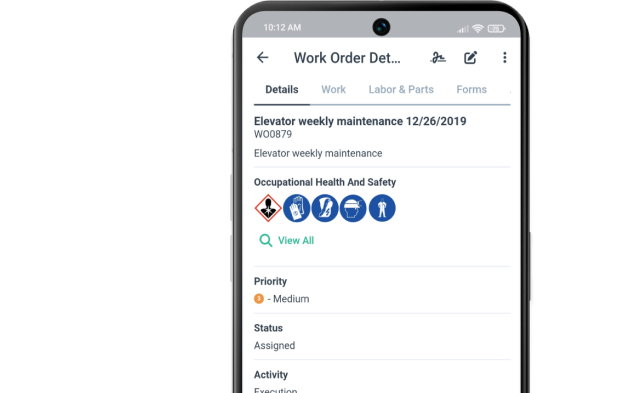


Blog

Operations & Maintenance
Benefits of Preventive Maintenance
Equipment downtime can bring your operations to a screeching halt, costing time, money, and productivity. When machinery breaks down unexpectedly, you’re left scrambling for repairs, delaying projects and driving up costs. These sudden breakdowns don’t just cause headaches—they can severely impact your bottom line. Missed deadlines, frustrated employees, and unhappy customers are just the start. […]
Equipment downtime can bring your operations to a screeching halt, costing time, money, and productivity. When machinery breaks down unexpectedly, you're left scrambling for repairs, delaying projects and driving up costs.
These sudden breakdowns don’t just cause headaches—they can severely impact your bottom line. Missed deadlines, frustrated employees, and unhappy customers are just the start. Without a plan, equipment failure can snowball into expensive repairs, rushed part orders, and costly emergency fixes.
Preventive maintenance is your secret weapon. By routinely servicing your equipment, you can catch issues before they become major problems. Regular maintenance keeps your machinery running smoothly, reduces the risk of unexpected breakdowns, and saves you from the high costs of emergency repairs. With preventive maintenance, you not only extend the lifespan of your equipment but also keep your business running efficiently and profitably.
[ez-toc]
Understanding Preventive Maintenance
Source: dynaway
Regularly executing maintenance tasks to avert future equipment breakdowns is preventive maintenance. This strategic, proactive method aims to manage assets and upkeep facilities by achieving the following objectives:
Reduce expenses
Enhance operational efficiency
Detect and address potential problems before they lead to system failures
Minimize periods of non-operation
Prolong the lifespan of assets
Its primary purpose is clear: to identify and resolve issues before they become major malfunctions, which cuts down on inactive time while increasing asset longevity.
Preventive maintenance extends equipment's use and fosters a safer environment for employees. Routine evaluations and servicing operations ensure machinery functions at peak performance levels while complying with warranty requirements.
The scope includes maintaining critical building systems such as heating, ventilation, and air conditioning units (HVAC) and safeguarding electrical standards.
It should be stated that despite its effectiveness at minimizing unexpected downtime caused by machine faults, which significantly reduces it, preventive maintenance does not completely prevent these incidents from occurring.
Adopting a blended methodology incorporating reactive measures and preventative actions often constitutes the most successful strategy-wise execution within this domain.
Preventive maintenance schedule and forms
Preventive maintenance has many advantages, which can take various forms to meet specific needs and triggers.
For example, time-based preventive maintenance is scheduled at fixed intervals to provide regular care for machinery. This might include semi-annual reviews of heating, ventilation, and air conditioning (HVAC) units or weekly checks on key production machinery as part of regular maintenance routines.
Alternatively, usage-based preventive maintenance depends on measurable factors such as the number of hours a machine has been in operation or the number of cycles it has gone through. This type of maintenance includes services like oil changes after a vehicle travels a predetermined distance or taking action based on detected levels of fluid contamination.
Advancements in technology improved predictive and prescriptive approaches to preventive maintenance.
Predictive Maintenance
Predictive maintenance uses sensors and intelligent technologies to forecast when servicing might be necessary. These systems can identify patterns indicating impending equipment failure by analyzing data trends. While predictive maintenance is not the panacea to routine maintenance and improving asset life, it does provide insight into maintenance that cannot be manually acquired.
This allows maintenance teams to address issues before they escalate, preventing costly downtime and extending the life of the machinery. Machine learning algorithms further refine the predictive capabilities, offering a dynamic and responsive approach to maintenance scheduling.
Through the integration of IoT devices, predictive maintenance not only anticipates when a piece of equipment will require service but also diagnoses potential problems, ensuring that maintenance efforts are precisely targeted and more effective.
Reactive Maintenance
Reactive maintenance, as its term suggests, is a response-based approach that kicks into gear after equipment has already failed. A regular maintenance routine has decreased overall maintenance expenses and enhanced asset longevity.
Prescriptive Maintenance
Prescriptive maintenance involves applying data analysis and artificial intelligence to predict potential issues and offer solutions and strategies that mitigate the risks associated with anticipated problems. By leveraging vast amounts of data and advanced analytics, prescriptive maintenance forecasts potential issues and provides actionable recommendations to prevent or minimize their impact.
This approach goes beyond simple predictions, offering a set of steps to avoid future problems, optimize performance, and ensure equipment reliability. It will also greatly reduce instances of unexpected equipment failures, as it takes a more holistic view of maintenance management, integrating it seamlessly with operations to improve overall outcomes.
Source: WorkTrek
Implementing a Preventive Maintenance Program
The best way to start a preventive maintenance program is to outline clear goals, such as minimizing downtime, enhancing system reliability, or cutting operational costs. Conducting an assessment of asset criticality is crucial for the effective allocation of resources.
This involves identifying which assets are essential to the core operations and which could cause the most significant disruption in case of failure.
By prioritizing assets based on their criticality, organizations can allocate maintenance efforts more strategically, focusing on high-priority areas that could impact safety, regulatory compliance, and operational continuity. This approach greatly reduces unplanned equipment failures and improves the overall maintenance processes.
This targeted approach optimizes resource use and helps formulate a more structured and effective preventive maintenance schedule.
The development of a preventive maintenance schedule is the subsequent phase. The use of a computerized maintenance management system (CMMS) can assist in this process by enabling:
Precise initiation points that adhere to manufacturer recommendations
Informed determinations about upkeep needs based on historical data from assets
Anticipation and scheduling for future requirements regarding equipment upkeep
To ensure the seamless execution of your plan, it’s imperative to gain support from all relevant parties and equip your maintenance team with thorough training.
Doing so will guarantee familiarity and skillfulness within the new preventative maintenance strategy and its associated procedures, thereby solidifying its effectiveness and productivity.
The Role of Technology in Preventive Maintenance
Technology is a crucial factor in contemporary maintenance practices. Utilizing AI and IoT has enhanced the efficiency of maintenance tasks while cutting down on needed resources. IoT devices have empowered proactive maintenance efforts through ongoing monitoring and data gathering regarding machinery operation.
The Computerized Maintenance Management System (CMMS) is crucial for orchestrating preventive maintenance schedules. It assists in several ways, including:
The allocation of work orders
Encouraging teamwork within maintenance teams
Initiating automatic creation of immediate work orders based on real-time inputs from IoT sensors, thus enabling quick reactions to possible equipment malfunctions.
Creating a preventive maintenance plan
Reducing equipment downtime and failure
Reducing costly repairs
Protecting critical assets
Simplify schedule maintenance
Increase asset lifespan
Prevent equipment failure
Protect critical assets
By deploying such technologies, organizations can ensure that their preventative measures are scheduled and adaptive to real-time conditions. This will lead to more effective long-term asset management, reduced failure modes, and improved asset maintenance.
CMMS systems also give maintenance managers a singular view of all work being performed and, more importantly, reduce the incidence of unplanned maintenance.
Source: WorkTrek
Benefits of Using Preventive Maintenance Software
Software designed for preventive maintenance offers many advantages poised to revolutionize maintenance jobs. Central to its capabilities is the ability to simplify work orders, which expedites their generation and enhances the effectiveness with which they’re handled, thereby markedly boosting operational efficiency.
One critical component of this software is its automated scheduling function, which facilitates the forward-thinking organization of tasks such as inspections, cleaning, and lubrication without necessitating human input. It improves spare parts inventory management and utilizes data analysis to bolster decision-making processes related to task implementation.
Preventive Maintenance Best Practices
Implementing best practices is crucial for the success of a preventive maintenance program. Conducting routine preventive maintenance tasks, such as systematic inspections and oil changes, helps prevent equipment failures while ensuring safety and maintaining operational efficiency.
Simple maintenance tasks, such as cleaning machinery to remove debris like dust, cannot be overstressed since they significantly extend the equipment's life expectancy. Similarly, periodic lubrication is vital in protecting machine parts from excess wear, which can lead to unexpected downtime during production processes.
Continuous training for maintenance teams enhances their abilities, making them more effective at preventive maintenance work. Engaging trained, skilled engineers in formulating preventative maintenance ensures these strategies are more efficient.
Challenges and Limitations of Preventive Maintenance
While preventive maintenance has benefits, the initial and continuous investment it demands can also hinder it. This financial pressure is exacerbated when cutting-edge digital solutions for maintenance or the additional labor costs are perceived as costly, particularly in scenarios where keeping maintenance expenses under control is a key concern.
Another hurdle is determining the precise timing of inspections and necessary upkeep tasks to prevent equipment failure. Overcommitting to preventive maintenance schedules may lead to an undue amount of planned downtime devoted solely to standard cleaning and repairs that might not suit a particular facility's distinct requirements.
To avoid fiscal waste, resources like workforce availability, spare parts inventory, and time allocation need to be carefully managed. Complicating matters are instances where scheduled maintenance efforts stack up—often referred to as “pyramiding tasks”—resulting in excessive servicing that interrupts essential preventative actions intended to prevent equipment malfunction.
Source: WorkTrek
Measuring the Success of Preventive Maintenance
Assessing the effectiveness of a preventive maintenance program is essential for its ongoing refinement. Critical performance metrics specific to preventive maintenance should include aspects such as:
Efficiency
Ratio of Planned Maintenance
Adherence to Preventive Maintenance Schedules
Frequency of Missed PM Tasks.
Evaluating these metrics can provide deep insights into how well your program functions.
Analyzing data consistently is key to enhancing a preventive maintenance program’s efficiency. Regularly examining historical data helps refine processes and foresee upcoming maintenance requirements, promoting informed strategic actions.
A comprehensive preventive maintenance checklist is an effective method for monitoring KPIs. It facilitates thorough evaluation and necessary modifications within the preventive management scheme, ensuring it retains relevance and contributes positively to organizational operations.
Preventive Maintenance Across Industries
Preventative maintenance plays a critical role across a range of industries. For instance, educational institutions maintain an environment conducive to safety and comfort for learning activities. In fleet management, proactive maintenance is essential to prevent vehicle breakdowns that could interfere with daily business activities.
In the oil and gas sector, preventive maintenance is especially important due to the potentially catastrophic impacts failures can have on the environment and local communities.
As such, entities within this field are keenly focused on instituting strategies for proactive equipment monitoring, often leveraging remote technology as one of its distinct advantages.
Industries rich in physical assets stand to gain from employing maintenance management software through several key enhancements.
Smoothing out asset management processes
Elevating productivity levels
Boosting system uptime
Enhancing return on investment
Oil and Gas Industry
Across many industries, preventive (and, by extension, proactive) maintenance is an indispensable cornerstone of their operational infrastructure. This approach is not merely a set of tasks; it's a philosophy permeating the fabric of an organization's approach to asset management.
Healthcare and Aviation Industry
From the care of medical equipment in healthcare facilities to the rigorous safety checks in the aviation industry, preventive maintenance is universally acknowledged as a critical practice.
It ensures the smooth operation of systems, the safety of personnel, and the reliability of services provided. By prioritizing maintenance, industries can avoid equipment failure's costly and disruptive consequences, safeguarding their reputation and ensuring customer satisfaction.
Preventive maintenance (PM)
Preventive maintenance (PM) is a strategic approach that involves scheduling and performing maintenance tasks to prevent equipment failures before they occur. By conducting regular inspections, cleaning, and parts replacements, PM helps ensure that machinery and systems operate smoothly, reducing the likelihood of unexpected breakdowns.
This proactive form of maintenance enhances the reliability and efficiency of equipment and extends its lifespan, leading to significant cost savings. Furthermore, PM contributes to a safer work environment by identifying potential hazards and rectifying them promptly. In essence, preventive maintenance is an investment in the longevity and productivity of an organization's assets.
Source: WorkTrek
Summary
Implementing a preventive maintenance strategy is crucial in prolonging the life of assets, cutting down expenses, and boosting operational effectiveness. This approach involves establishing an extensive plan incorporating technology and following industry best practices to forestall equipment failures, promote employee safety, and increase productivity.
While it’s important to acknowledge the complexities and constraints associated with preventive maintenance, such as considerable investment demands, strategic development needs, and ongoing refinement efforts, the advantages provided by this proactive measure considerably surpass its costs, thus rendering it an indispensable procedure for maintaining high-efficiency levels within various sectors.
Operations & Maintenance
Use KPIs to Optimize your Maintenance Strategies
Identifying the appropriate KPIs for maintenance is pivotal to your operational strategies. Efficient resource use, improved dependability, and proactive asset management are all contingent on the insightful application of these measurements.
This article outlines essential KPIs for maintenance operations, delineating their impact and offering actionable insights on leveraging them for operational excellence.
Maintenance KPIs like MTBF, MTTR, OEE, and PMP are essential for assessing equipment health and maintenance efficiency and balancing preventative and reactive maintenance. They are also critical for informing maintenance strategies and providing insights into equipment reliability, cost management, and the effectiveness of maintenance tasks.
[ez-toc]
Understanding Maintenance KPIs
Source: WorkTrek
An effective maintenance operation is grounded in the strategic selection of maintenance KPIs. These key performance indicators go beyond simple data points and steer the maintenance team toward enhanced reliability, cost savings, and longer equipment life.
These KPIs lay a foundation for developing and fine-tuning advanced maintenance strategies. They indicate how well maintenance management processes perform by shedding light on various aspects contributing to informed decision-making and strategy formation for the management team and maintenance staff.
These key performance indicators are the cornerstone of any successful organization's maintenance plans.
Maintenance performance metrics
The process isn’t about randomly choosing metrics but involves picking those pertinent to your organization’s unique goals and obstacles within its operational framework. Some examples of KPIs to track are:
Maintenance cost
Maintenance metrics
Maintenance Backlog
Asset performance metrics
Asset uptime
Preventive maintenance compliance
Choosing the appropriate set of KPIs ensures that every company action is intentional and guided by accurate data analysis, thereby making achievements measurable with precision.
What is a Maintenance KPI?
Key performance indicators (KPIs) serve as measurable values that assess and track the success of maintenance processes. They provide essential insights for maintenance professionals to gauge.
Their alignment with the planned maintenance percentage
Their capability to control maintenance costs
Their proficiency in performing their designated maintenance tasks.
These KPIs illuminate various aspects of the operational workflow, such as adherence to preventive or reactive approaches within a given timeframe.
The clarity offered by these metrics assists in formulating an effective strategy for conducting repair work and routine upkeep, all while ensuring meticulous budget management.
Why are Maintenance KPIs Important?
Maintenance KPIs are crucial tools for maintenance departments, functioning like a compass that guides their strategies and measures progress. When these KPIs align with an organization’s operational objectives, it guarantees that every action the team takes propels the company toward excellence.
The Equipment Availability KPI particularly reveals how healthy assets perform and their uptime, which can significantly affect profitability.
By focusing on pertinent KPIs, maintenance teams improve their strategic planning and practical execution. This focus nurtures an environment dedicated to ongoing enhancement and development within the department.
Source: WorkTrek
Essential Maintenance KPIs to Track
In the pursuit of exceptional maintenance management, several performance metrics are vital indicators of accomplishment. Key among these are:
Mean Time to Repair (MTTR), which measures the efficiency with which repairs are carried out
Mean Time Between Failures (MTBF), an indicator of how reliably equipment operates
Overall Equipment Effectiveness (OEE), providing a comprehensive perspective on production efficacy
Planned Maintenance Percentage (PMP) that reflects how effectively maintenance planning is being executed
These metrics collectively give a broad insight into various aspects of maintenance, ranging from the extent of pending tasks in the backlog to nuanced details related to equipment effectiveness and overall maintenance performance.
Through diligent tracking and analysis of these KPIs, maintenance managers can drive their departments toward reducing unplanned downtime while improving preventive and unplanned maintenance activities within their programs.
Mean Time Between Failures (MTBF)
The Mean Time Between Failures (MTBF) is a critical indicator of machine reliability, illuminating the longevity and robustness of your assets. It offers insight into equipment operation, anticipated operational continuity, and possible inherent design weaknesses that may precipitate unexpected failures.
MTBF adds a predictive dimension to maintenance planning by revealing the regularity with which machinery can execute its tasks without disruption. By quantifying the intervals between failures, MTBF enables maintenance teams to forecast potential downtimes and schedule preventive maintenance accordingly.
Source: WorkTrek
Most manufacturers do not publish official MTBF numbers for their equipment since it depends on variables such as operating environments that are out of their control. The best way to track MTBF is by collecting and analyzing historical data and repair history in your Work Order Management System.
This forward-looking approach helps minimize unexpected breakdowns and contributes to better resource allocation and inventory management.
Understanding equipment failure patterns through MTBF analysis can lead to more informed decisions regarding equipment replacement or upgrades, ultimately enhancing operations' overall reliability and efficiency.
Nevertheless, it’s essential to recognize the constraints associated with MTBF. It depends upon statistical means and might not accurately forecast actual failure occurrences in scenarios where breakdowns do not happen randomly.
Mean Time to Repair (MTTR)
The Mean Time to Repair (MTTR) metric provides insight into maintenance effectiveness by indicating the average time equipment remains out of service during repair periods.
This measure shows a maintenance team’s ability and the impact of strategy on equipment functionality. MTTR is not only easy to calculate but also has significant implications. It demonstrates the quickness and skill of maintenance personnel can resurrect an asset after downtime.
Monitoring MTTR gives maintenance managers valuable information for task prioritization and procedure optimization, ensuring peak operation efficiency.
Difference Between MTBF and MTTR
Understanding the difference between Mean Time Between Failures (MTBF) and Mean Time to Repair (MTTR) is crucial for maintenance teams aiming to optimize equipment reliability and minimize downtime.
Mean Time Between Failures (MTBF) is a reliability metric that measures the average time between non-scheduled maintenance incidents or failures of a system. It is a crucial indicator of how frequently a piece of equipment is likely to fail and is typically used to track the reliability of assets over time. A higher MTBF indicates better reliability and fewer disruptions in operations due to equipment failure.
On the other hand, Mean Time to Repair (MTTR) is a performance metric that represents the average time required to repair a failed component or piece of equipment and return it to operational status. This metric reflects the maintenance team's efficiency in responding to and fixing issues when they arise. A lower MTTR means that the maintenance team can quickly address failures, reducing downtime's impact on overall productivity.
In short, MTBF relates to the time equipment operates without interruption, while MTTR focuses on the speed and efficiency of returning equipment to service after a failure. Both are critical for developing a comprehensive maintenance strategy, providing insights into equipment reliability and responsiveness. By improving MTBF and MTTR, organizations can achieve a more effective and reliable maintenance operation.
Overall Equipment Effectiveness (OEE)
Source: WorkTrek
Overall Equipment Effectiveness (OEE) includes three essential elements: availability, performance efficiency, and quality. These key aspects amalgamate to create a holistic measure as the foundation for evaluating machinery's productivity.
Calculating OEE can seem complicated. However, it yields clear and practical insights—the score obtained from an OEE assessment is an immediate indicator of operational expenses and labor productivity.
OEE’s strength rests in its ability to distill multifaceted characteristics of equipment efficacy into one digestible number. This provides maintenance managers with a focused directive for curtailing operational costs while enhancing machine dependability.
Planned Maintenance Percentage (PMP)
The Planned Maintenance Percentage (PMP) indicates the equilibrium between proactive measures and emergency responses in maintenance operations. It acts as a barometer for assessing how well a maintenance department can anticipate and prepare by contrasting the number of scheduled work orders with those prompted by unexpected equipment breakdowns.
A PMP ratio that aligns with best practices indicates a maintenance strategy centered on prevention rather than just reacting to crises.
Accordingly, industry standards propose that having 90% planned maintenance compared to 10% reactive is ideal. Nevertheless, achieving an 80% planned versus 20% reactive ratio also reflects positive progress towards more foresightful operations within the maintenance team over what’s typically seen.
Implementing Maintenance KPIs: Best Practices
Crafting maintenance KPIs is a nuanced art form that demands planning and alignment with company goals. By turning abstract goals into measurable milestones—like curtailing downtime or enhancing asset reliability—the resulting KPIs become crucial navigational beacons for the maintenance crew.
Focusing narrowly on core KPIs integrated into the enterprise's strategic fabric ensures that resources and attention remain undivided, maximizing their impact.
By delineating explicit metrics accompanied by a defined schedule, maintenance managers gain a powerful tool to monitor advancements systematically. Each carefully selected KPI is an incremental advance toward achieving peak operational performance.
Set SMART Goals
Effective KPIs for maintenance hinge on the establishment of SMART goals, which are characterized by the following:
Specific
Measurable
Achievable
Realistic
Time-bound
This ensures that such goals can be acted upon and yield significant advancements. Conforming to these SMART standards provides a precise framework for setting maintenance objectives, allowing teams to craft bold and attainable strategic aims.
Incorporating SMART goals within maintenance KPIs enables teams to focus on enhancing operational dependability and reducing expenses, among other expansive targets, thereby providing distinct guidance and intent.
Source: BiteSize Learning
Monitor and Adjust
The key performance indicators (KPIs) for maintenance are dynamic and should adapt as an organization’s goals and needs transform. The maintenance team is responsible for determining which metrics most effectively reflect their achievements and fine-tuning their focus on these essential KPIs accordingly.
It’s essential to strike a balance between leading and lagging indicators. Where leading indicators predict future maintenance requirements, lagging ones offer insight into historical performance.
To remain relevant to evolving corporate objectives, it’s imperative that a mix of tools, processes, and skilled personnel consistently review and adjust these maintenance KPIs.
Involve Your Team
Involving the maintenance team in the KPI process is crucial to fostering a sense of ownership and accountability. Active participation from maintenance managers and technicians in establishing and monitoring KPIs promotes an environment of openness and teamwork, resulting in improved work completion rates and increased efficiency within operations.
By adopting this shared strategy for managing KPIs, each team member gains clarity about their contribution to meeting departmental objectives, solidifying their dedication to perpetually advancing the standards of maintenance operations through continuous improvement.
Leveraging Technology for Maintenance KPI Tracking
In today’s digital landscape, leveraging technology such as Computerized Maintenance Management Software (CMMS) is essential for efficiently tracking and observing key performance indicators (KPIs) related to maintenance.
The functionality of CMMS extends well beyond mere tracking. It empowers teams to define, compare against benchmarks, and monitor their maintenance objectives accurately.
Work Order Management Software like WorkTrek Reporting delivers various reporting dashboards within the solutions, offering insights that forecast the evolution of maintenance operations. This future-focused perspective ensures that every choice is data-driven and every approach is tuned for peak operational efficiency.
Source: WorkTrek
Benefits of CMMS Software
CMMS software provides a wealth of advantages, such as:
In-depth analyses
Intuitive dashboards designed to demystify the intricate world of maintenance metrics
Enabling enterprises to document their progress concerning maintenance KPIs
Promoting an environment where data is the cornerstone of decision-making processes.
Visibility to total maintenance costs
Access to all maintenance history and total maintenance hours
Centralized view for all maintenance backlogs
Dashboards to quickly access both preventive and scheduled maintenance tasks
Thanks to its user-friendly design, CMMS software like WorkTrek removes obstacles, allowing technicians and managers to track, document, and evaluate KPIs effortlessly. The actual value delivered by CMMS implementation extends beyond mere statistics—it culminates in enhanced maintenance results characterized by increased rates of work completion and improved equipment effectiveness.
Choosing the Right CMMS Solution
Selecting the right CMMS system is crucial for enhancing the maintenance team's productivity and meeting its key performance indicators. When making this decision, it’s essential to prioritize aspects like user support, the ability to integrate with other systems, and ease of use.
If a CMMS fits the team's requirements well and effectively augments their current workflows, your team will likely embrace and use it. This alignment significantly contributes to more effective maintenance results.
Summary
Navigating maintenance KPIs is pivotal for achieving precision, efficiency, and strategic foresight in any organization. Embedding these crucial performance metrics into the core of maintenance operations goes beyond mere comprehension. It’s about integrating them thoroughly to guide daily practices.
Critical insights from MTBF (Mean Time Between Failures) and MTTR (Mean Time To Repair), combined with the holistic perspective provided by OEE (Overall Equipment Effectiveness) and equilibrium suggested by PMP (Preventive Maintenance Percentage), serve as essential tools that steer maintenance teams toward outstanding performance.
When applied through SMART goals—Specific, Measurable, Achievable, Relevant, and Time-bound objectives—with consistent monitoring and team engagement at its heart, the result is a robust maintenance program aligned with an organization’s strategic vision.
The role of CMMS software cannot be overstated—it is a valuable technological companion that equips teams with critical data to continually surpass expectations.
As success stories circulate within this community, they illuminate pathways for other professionals eager to refine their operational tactics. They are fully equipped with indispensable knowledge that enables transformation across their processes, resulting in unprecedented achievements by these skilled teams.
Facility Management
Enhance Patient Care with Effective Facilities Management
Why is facilities management critical in healthcare environments? Healthcare facilities must maintain high patient care, safety, and operational continuity standards. Facilities managers are indispensable in navigating complex regulations, managing life-sustaining systems, and preparing for tomorrow's healthcare challenges. This article explores how effective facilities management in healthcare can be a decisive factor in delivering exceptional medical services.
Healthcare facility managers do everything: infrastructure, safety and compliance, facility and medical equipment, disease spread, patient care with the latest technology, strategic planning and future-proofing, optimizing resources, reducing costs, and improving service delivery.
[ez-toc]
Scope of Facilities Management in Healthcare
Healthcare facilities management is the critical backbone of healthcare, ensuring that healthcare institutions are well-maintained, operational, and secure. Facilities managers oversee everything from routine maintenance to coordinating extensive construction projects in pursuit of seamless healthcare service delivery.
This goes beyond simply overseeing daily tasks; it is dedicated to creating and fostering an environment where exceptional care is delivered safely and securely for patients and healthcare professionals alike.
Achieving this involves a meticulous Environment of Care strategies and rigorous compliance with regulatory requirements and safety protocols.
The Core Responsibilities of Facility Managers
Source: Health Facility Management Magazine
Professionals managing facilities within the healthcare sector play an array of vital roles. Their responsibilities include:
Guaranteeing adherence to legislation like the Americans with Disabilities Act
Maintaining ongoing certifications and accreditations
Safeguarding the well-being of practitioners in the healthcare setting
Another essential duty they perform is maintaining the physical infrastructure of their facilities. Whether it’s confirming that lighting systems are operational or assuring peak performance of HVAC systems, these managers play a pivotal role in facilitating smooth healthcare operations.
The Impact on Patient and Provider Safety
Source: WorkTrek
Safety is paramount in the healthcare sector. Facility management is crucial in establishing thorough safety policies that harmonize procedures throughout various healthcare settings. This management ensures that patients and staff are provided with an environment that’s secure but also efficient and enduring, paying particular attention to the regulation of air and water.
Consistent assessments and effective plant operations are key to diminishing risks associated with healthcare while guaranteeing an exemplary care environment. When considering the critical aspect of infection control, it becomes clear how instrumental facility management is in forestalling epidemic spread and managing microbial contamination within these institutions.
Role of Healthcare Facility Managers
Managers of healthcare facilities shoulder a wide array of responsibilities that encompass:
Promoting the well-being and safety of both patients and staff
Upkeeping the physical integrity of the facility
Inhibiting transmission of illnesses
Upholding adherence to regulatory standards as well as ensuring security within medical settings
More than just ticking off compliance checkboxes or maintaining the status quo, effective management shapes patient and visitor perceptions of their experience. It influences their sense of safety, comfort, and the overall cleanliness they notice around them. Facility managers emerge as essential players whose focus on critical aspects can significantly improve healthcare service delivery, including:
Sustaining high-quality indoor air conditions
Guaranteeing efficient functionality in heating, ventilation, and air conditioning systems
Overseeing thorough sanitation practices
Regularly checking on equipment functioning properly alongside up-to-date technologies
Managing facilities management team
Creating a safe and efficient environment for employees
Establishing safety policies
Establishing procedures for safeguarding individuals’ welfare, including emergency response protocols
In their roles at healthcare institutions, facility managers are committed to shaping environments that promote comfort and assurance, enhancing the experience for everyone who walks through the doors.
Compliance Mastery: Certifications and Regulations
Source: CleanLink
Meeting compliance regulations is an essential obligation for healthcare facilities. Healthcare institutions engaged with federal initiatives must implement a compliance program that upholds care quality and affirms their dedication to corporate integrity.
The pivotal role of facility managers in fulfilling these requirements cannot be overstated. Their expertise is fundamental in ensuring that healthcare facilities meet and exceed the standards set forth by various regulatory bodies.
This includes a deep understanding of complex healthcare laws and regulations and staying abreast of any changes or updates to these standards. Facility managers are the linchpins in a healthcare facility's ability to provide patients safe, compliant, and efficient care.
They are tasked with many responsibilities that directly impact the quality of the healthcare environment, from managing budgets and staff to overseeing the maintenance of critical life-saving equipment. Their role in the healthcare sector is paramount, as they ensure that the facilities are not just places for treatment but also sanctuaries of healing that adhere to the highest standards of care and safety.
Responsible for conducting evaluations related to various aspects such as:
Ensuring life safety
Fire safety measures
The integrity of medical gas systems
Adequate refrigeration facilities
Functionality of HVAC systems
Overall security protocols within the building
Maintaining Security
Handle routine maintenance
Facility managers must meet established regulatory criteria, obtain certifications from recognized agencies like The Joint Commission, and adhere strictly to statutes, including the Americans with Disabilities Act.
Healthcare facility managers must manage the complexity of keeping up with evolving federal regulations and maintaining certification compliance.
Security Protocols and Data Protection
Source: TATEEDA
With the advancement of technology, cybersecurity has emerged as a significant aspect of facilities management. With the expansion of technological applications and cloud services in healthcare, facility managers must stay vigilant against potential cyber threats.
The healthcare industry faces increased cybersecurity needs from both internal and external sources. From ransomware to password attacks, organizations are under constant attack.
In addition to cybersecurity, facility managers oversee real-time security and surveillance systems to safeguard the healthcare environment. They collaborate with IT departments to secure both the medical equipment and the sensitive patient information managed within the facilities.
They must also adhere to HIPPA rules that guide the confidentiality of patient records and electronic medical records.
Advancements in Technology Improving Facilities Management
Technological innovations have revolutionized healthcare facility management. The integration of advanced management systems has streamlined the organization of electronic health records and enhanced the efficiency of overall facility operations.
Preventive maintenance plans, endorsed by the Centers for Medicare & Medicaid Services (CMS), are designed to reduce service calls, prolong the lifespan of assets, and maintain optimal equipment performance.
Combining professional patient care knowledge with cutting-edge technologies like RFID tracking delivers multiple advantages. This integration not only curbs disease transmission but also improves adherence to regulations and security measures – all contributing to an enhanced patient experience within these healthcare services environments.
Tech-Enabled Maintenance Programs
The management of healthcare facilities is being transformed by the integration of technology into maintenance programs. These advanced programs are designed to accomplish several objectives, including:
Proactively preventing problems
Decreasing the number of service calls
Prolonging the life expectancy of assets
Promoting efficient functioning of equipment
Improving facility upkeep
Empowering facilities managers with the latest tools
Improving the lifespan of healthcare assets
Improving building compliance
Automating activities performed by the facilities management department
With systems like TeamDOC in place, automating preventive maintenance becomes streamlined as it meticulously logs and monitors every check-up.
Facility managers tailor the schedule for routine checks based on risk evaluations to confirm that facilities and medical machinery receive appropriate attention.
Regular maintenance is key to preventing significant issues, ensuring the steady operation of healthcare machines, and ensuring the dependability of emergency response systems.
Leveraging current technologies has become standard practice within facilities management for coordinating maintenance timetables across all equipment types, optimizing computer performance regularly, and safeguarding access control within healthcare institutions.
Innovations in Patient Room Comfort and Safety
Source: WorkTrek
Recent advancements in the architecture of patient rooms significantly improve patient safety and the level of comfort they experience. Some examples include:
Single-patient rooms for heightened infection control and privacy
Key room elements that provide ample space for family members enable access to health information and incorporate assistive devices aimed at preventing falls
Advanced ventilation systems designed to limit the transmission of infections
Adopting evidence-based designs in these facilities contributes to improved patient outcomes. Emphasizing flexible acuity-adaptable rooms accommodates patients’ evolving needs—this adaptability is essential in reducing incidents such as medication errors and falls.
Implementing innovative designs that consider human factors and underlying conditions can curtail cognitive mistakes and adverse events, significantly enhancing overall safety within a healthcare facility.
Challenges and Solutions in Healthcare Facility Management
There are several challenges associated with healthcare facilities management. Some of these challenges include:
Finding qualified personnel, especially in housekeeping roles, due to the technical proficiency and patient interaction requirements
Dealing with operational costs and budget constraints
Ensuring proper maintenance of assets and equipment
Implementing energy efficiency measures
Ensuring physical security and safety of the facility and medical equipment
Managing supply chain and inventory
Ensuring that employees have access to properly maintained equipment
These challenges require effective management strategies and solutions to ensure smooth operations in healthcare facilities.
Yet, with challenges come opportunities for innovation and progress. Facility managers have the potential to harness their purchasing power and analyze utility consumption to uncover cost-saving opportunities.
By implementing safety measures and strategic foresight, facility managers can leverage technological advancements and adapt to demographic trends, assuring a robust supply chain and efficient operations.
Resource Optimization and Cost Savings
Management's primary objectives within facilities include streamlining resource use and reducing costs. To this end, managers at these facilities diligently develop and manage operational budgets while also engaging in negotiations for service agreements with vendors to enhance resource efficiency.
Hospitals leverage bed-tracking systems that furnish immediate operational insights to augment revenue streams and amplify patient contentment.
Adopting a lean methodology focused on continuous improvement within these establishments can precipitate a substantial decrease in process wastefulness, thereby fostering an improved allocation of resources.
The importance of strategic planning regarding funding, workforce deployment, and space availability cannot be overstated. Patient demographics and overarching organizational aspirations also present demands.
Monitoring of consumption trends alongside advanced benchmarking methodologies allows facility managers to refine utility budget strategies, leading to pinpointed enhancements for cost reduction initiatives.
Maintaining a Clean and Welcoming Environment
Source: BestDoc
Maintaining a clean and inviting environment is essential in managing healthcare facilities. This aspect dramatically influences patient contentment levels.
A facility that prides itself on cleanliness and maintenance establishes a secure setting for patients and employees and improves the general experience within healthcare.
To uphold sanitary conditions, strategies such as stringent hygiene policies are implemented alongside routine, comprehensive cleaning practices and surveillance to ensure standards are met.
Facility managers collaborate closely with custodial staff by equipping them with adequate training and supplies necessary to preserve superior standards of cleanliness. The facility's state mirrors its dedication to safeguarding patient well-being and providing high-quality care.
Navigating Facilities Management in Specialized Settings
Source: Healthcare Management Degree Guide
Facilities management within healthcare encompasses a multitude of tasks, including:
Sanitation
Upkeep
Technological oversight
Adherence to regulations
Distinct environments, such as surgical centers and ambulatory care institutions, necessitate bespoke facilities management strategies that cater to their specific demands.
In specialized healthcare domains, conventional segmented approaches to facilities management have been shown inadequate for overarching planning and economization. Proactively training employees in occupational safety and ensuring a safe working atmosphere is critical.
Surgical Center Specifics
The management of facilities within healthcare, particularly in surgical centers, necessitates specialized attention to accommodate intricate medical operations traditionally performed exclusively in hospitals.
Facility managers at these healthcare venues must guarantee that the premises are thoroughly sanitized, well-kept, and furnished with essential medical apparatus.
Employing integrated facilities management strategies in the realm of healthcare facilities management has proven beneficial by:
Reducing expenses
Enhancing compliance with regulatory standards
Boosting energy conservation
Managing the introduction of cutting-edge technologies and projects
Steering modifications and augmentations of existing buildings according to service requirements
These contemporary models demonstrate greater efficiency than outdated individual campus-based management approaches for facility oversight within healthcare settings.
Ambulatory Care Adaptations
Ambulatory care centers face unique challenges that are met with innovative solutions. These centers incorporate lean design principles and process standardization to enhance patient satisfaction and streamline operations. They utilize modular and scalable design prototypes to optimize the use of space, which in turn improves operational effectiveness.
To enhance their efficiency levels, Ambulatory care centers undertake several measures.
They thoughtfully craft spaces to clearly distinguish staff-only areas from pathways used by patients
Innovative design features such as barn-style doors and dual-access walls for supplies are implemented to direct the flow of patients and staff effectively
Clinical spaces within these healthcare environments are standardized across different locations, ensuring medical professionals can work seamlessly anywhere while preserving high service quality.
Establishing centralized registration hubs in these environments is important in minimizing patient wait times and streamlining the admission process, making it more efficient.
Strategic Planning for Future-Proof Healthcare Facilities
Source: WorkTrek
As healthcare organizations look to the horizon, strategic planning becomes critical in aligning with long-term objectives and proactively adapting to evolving healthcare needs.
Managers of these facilities are responsible for guiding capital investment strategies and guaranteeing that projects within the facility conclude punctually and within financial constraints.
Substantial digital transformations in how services are organized and dispensed are imperative to preserve hospitals’ sustainability well into the future. These transformations include adopting telehealth technologies, allowing for remote patient monitoring and consultations, expanding access to care, and reducing the need for physical space.
Electronic health records and digital data management systems streamline workflows and improve communication among healthcare professionals, enhancing patient care. Integrating artificial intelligence and machine learning can also lead to more accurate diagnostics and personalized treatment plans.
As healthcare continues to evolve, embracing these digital advancements will be key to staying ahead in an increasingly competitive and technology-driven world.
Building for Tomorrow
Within healthcare facilities management, crafting a strategy is fundamentally about future-proofing. Those managing facility operations undertake forward-thinking planning for either new builds or refurbishments to meet upcoming demands in healthcare provision while also maintaining environmental sustainability.
State-of-the-art visualization technologies, including virtual reality (VR) mock-ups, are being utilized to perfect functional space configurations by integrating user feedback into early design stages.
Novel digital tools designed for site logistics are emerging that enhance collaboration among construction teams by providing real-time updates on delivery timelines and onsite requirements.
Embracing Sustainability in Health Systems
Source: Medic Academy
A key component of preparing healthcare facilities for the future involves incorporating sustainability into health systems.
Through careful planning, a facility aligns its resources with its objectives, integrating sustainability efforts that reflect the organization’s commitment to enhancing community health.
Introducing sustainable measures within healthcare operations brings various advantages, including cost reductions, enhanced patient care, and increased staff engagement.
Summary
Healthcare facilities management is a multifaceted and critical area supporting the seamless provision of medical services. Managers of these facilities navigate a broad range of duties, from ensuring regulatory adherence to embracing technological breakthroughs. Working quietly in the background, these managers are committed to the continuous functioning of healthcare settings, promoting the health and safety of everyone who enters the facility.
Source: WorkTrek
Frequently Asked Questions
What is healthcare facilities management?
Healthcare facilities management involves overseeing facilities' development, operations, security, and regulatory compliance to ensure a safe and efficient environment for healthcare delivery.
What are the core responsibilities of healthcare facility managers?
Healthcare facility managers hold the essential duty of maintaining compliance with regulations and certifications, safeguarding provider safety, and overseeing the upkeep of the healthcare facility.
How does technology enhance facilities management?
Technology plays a pivotal role in enhancing the management of healthcare facilities by deploying plans for routine maintenance, programs for managing energy consumption, and systems for RFID asset tracking. These innovations improve operational efficiencies and reduce the costs of running these complex environments.
What are some of the challenges in healthcare facility management?
Focusing on effectively optimizing resources, achieving cost savings, and upholding a sanitary environment is crucial in managing a healthcare facility. These elements are essential for the smooth functioning of the facility and ensuring high-quality patient care within the healthcare realm.
How does strategic planning future-proof healthcare facilities?
Strategic planning centers on long-term requirements and incorporates sustainable practices, ensuring healthcare facilities are prepared for the future within health systems.

Facility Management
Comprehensive Guide to Facility Maintenance
What does it take to keep a facility running smoothly, and why is regular maintenance essential? This comprehensive guide to facility maintenance will guide you through the steps you need to take to manage facilities efficiently. Do you spend a lot of time manually tracking your property maintenance tasks? As a facility manager or owner, are you looking for ways to improve building maintenance and manage work being performed by maintenance technicians?
This article outlines the critical elements for adequate facilities management that prevent costly downtime, ensure safety compliance, improve tenant experience, and sustain a productive environment.
Facility maintenance includes routine upkeep, repairs, and safety protocols in physical commercial spaces. It focuses on proactive and predictive approaches to minimize failures and optimize equipment longevity. It also depends heavily on the coordination of facility managers, maintenance technicians, and supporting staff.
These staff members utilize specialized skills and technology to meet the unique needs of different building types. This group can include internal employees, outside firms, or independent contractors.
Additionally, facility management software can improve health and safety standards by directly incorporating health and safety guides in the mobile app.
[ez-toc]
Exploring the Scope of Facility Maintenance
The facility maintenance process is designed to improve efficiency and extend a building's lifespan by caring for its capital assets, equipment, and exterior spaces. It focuses on achieving peak functionality while preserving asset longevity.
These maintenance tasks include regular servicing and repairs of machinery, equipment, furniture, and structural elements of buildings, as well as ensuring that spaces are secure, aesthetically pleasing, and operational.
Such facilities typically denote commercial structures where various activities are tailored to specific objectives. Examples include office complexes, medical centers, educational institutions, and storage warehouses.
Maintenance Strategies
Maintenance within these premises encompasses several strategies such as reactive (corrective), preventive (planned), risk-driven (risk-based), and based on actual conditions encountered (condition-based).
It serves an essential function in organizations’ operations management frameworks, allowing them to establish performance benchmarks for continuous evaluation regarding components’ health status and grounds care.
Maintaining fire safety systems forms part of this crucial activity spectrum alongside instituting security protocols that collectively uphold mandated health & safety regulations—strategizing against hazards stemming from neglected assets, thus bolstering uninterrupted facility workflows.
Source: Limble
The Role of Preventive Maintenance
Scheduled inspections, adjustments, and repairs constitute the core of preventive maintenance, an essential aspect of successful facility management. This systematic approach is designed to prevent breakdowns and prolong the life expectancy of equipment.
It bolsters asset longevity while ensuring adherence to legal requirements and minimizing operational interruptions.
Regular servicing and corrective actions taken on malfunctioning equipment significantly diminish disruptions. Such measures elevate staff morale by reducing incidents related to faulty machinery.
They clearly define team duties and accountabilities, promoting an organization's efficient distribution of resources.
Some of those activities include:
Testing fire safety systems
Check Pest control
Test security cameras and recording devices
Evaluate electrical systems
Check office equipment
Corrective Actions to Combat Equipment Failure
Source: Machinery Lubrication
Corrective or reactive maintenance falls at the opposite end of the maintenance continuum and addresses issues once they arise. Its primary objective is to return equipment to its normal operating state. The corrective approach is proactive maintenance.
This element of maintenance plays a vital role in business operations. It tackles breakdowns and malfunctions head-on, offering remedies that restore equipment functionality, thereby preserving uninterrupted business activities.
Embracing Automation in Facility Maintenance
Automation and technology have evolved across industries, and several tools can also help with facility management. Maintenance teams increasingly rely on sophisticated management systems that offer an organized and efficient method of overseeing facility upkeep to function effectively. These technological solutions simplify procedures while simultaneously minimizing human mistakes.
Take WorkTrek CMMS software, for example—it plays a crucial role in automating the scheduling of preventive maintenance tasks and monitoring the status of equipment repairs.
Incorporating such tools into pre-existing organizational systems promotes greater process efficiency and data precision for maintenance management operations.
Source: WorkTrek
Exploring Facility Management Teams
In every efficiently operated building, there are the unseen but crucial efforts of a committed collective responsible for its upkeep. This team consists of facility management professionals, including managers and maintenance workers, who are instrumental in maintaining the seamless function of the premises.
The roles within this group are distinct yet complementary. Facility managers contribute and focus on strategic aspects in orchestrating teams, formulating preventive maintenance programs, allocating work priorities, and communicating with higher-level executives.
On the operational side, facility managers handle various maintenance demands, such as equipment maintenance, cleaning schedules, building-specific equipment, and even parking lots, while upholding uniform quality standards through established protocols.
Facility Managers: The Strategists Behind Efficient Operations
Source: Eptura
Facility managers are commonly recognized as the masterminds who streamline operational efficiency within an organization’s physical premises. They are the nerve center of the operation and orchestrate the various requests related to facility maintenance.
Part of a facility manager's job is property maintenance for commercial and residential buildings. They manage a diverse maintenance team that includes employees and outside contractors. They are also responsible for ensuring that building systems run smoothly and repair requests are routed efficiently to various technicians.
Their duties also encompass maintaining a safe and healthy environment for staff members and guests. This is achieved through regular inspections, evaluating potential risks, and consistently training employees.
In addition to safeguarding individuals on-site, these professionals leverage advanced space planning techniques to improve space use while supporting adaptable working arrangements.
Facility managers also must comply with municipal ordinances, construction regulations, warranty stipulations, and permit requirements to uphold standards in commercial upkeep.
Maintenance Technicians: The Frontline of Upkeep
Source: Get Reskilled
A maintenance technician is crucial for ensuring the smooth operation of a facility by engaging in preventive maintenance. This entails regular inspections and upkeep to keep HVAC systems and other capital assets functioning properly.
To carry out these preventative measures, their responsibilities extend to addressing particular problems that arise, such as repairing leaks, swapping out electrical outlets, or painting corridors.
The daily efforts of these technicians are essential not only for uninterrupted functionality but also to help sustain an agreeable work atmosphere within the building.
Supporting Roles: Security Personnel and Cleaning Staff
A facility management team is bolstered by including security staff and janitorial workers. The security officers safeguard the premises through regular patrols and keeping a vigilant eye on surveillance cameras.
Meanwhile, custodial employees are tasked with upkeeping the internal environment of buildings by dusting, scrubbing, and waxing floors, sterilizing restrooms, refilling supplies for occupants, and cleaning surfaces that are frequently handled.
Together, these groups play an essential role in fortifying safety measures within the facility. Their collective work guarantees a secure atmosphere conducive to safe operations for everyone present.
Source: WorkTrek
Specialized Maintenance for Different Building Types
Various types of buildings, each designed for specific uses, require tailored maintenance strategies. Hospitals, restaurants, schools, warehouses, gyms, hotels, office buildings, and manufacturing plants require different upkeep approaches.
Facility managers tailor their strategies accordingly and may employ building information modeling technology to manage maintenance needs better while optimizing space usage and energy efficiency.
This is a common practice among members of the International Facility Management Association.
Maintenance activities can be categorized in several ways:
For residential spaces: Homeowners or landlords typically fund tasks that include carpentry work, plumbing services, home renovations, and fixing household appliances.
For commercial buildings: There’s an emphasis on maintaining critical office equipment and HVAC systems to uphold a professional environment within structures like hotels or museums.
Property upkeep: It’s about merging residential with commercial maintenance services according to the requisites of property owners or facility managers.
For industrial facilities: The focus is preserving capital assets essential for production processes in manufacturing, mining, or packaging operations.
Commercial Buildings: Maintaining a Professional Atmosphere
The practice of building maintenance encompasses more than basic functions like lighting and air conditioning in commercial structures. It involves diligent preservation activities that create and maintain a professional atmosphere.
This requires maintaining internal components such as HVAC systems and elevators and conducting repairs on items such as drywall and electrical installations.
Additionally, it involves attention to the building's aesthetics, ensuring that spaces are functional, presentable, and conducive to the activities they host. Regular checks and maintenance of plumbing systems, lighting fixtures, and security infrastructure are also part of the comprehensive care that commercial buildings require. These efforts create a safe, reliable, and pleasant environment for occupants and visitors alike.
In commercial facilities, maintenance activities are prioritized based on their urgency. Critical emergency repairs are prioritized to ensure continuous operations, while less critical maintenance can be scheduled later. This prioritization is crucial for maintaining the facility's seamless functioning.
For complex maintenance chores, specialized contractors with proficiency in construction and building management are called upon.
Industrial Maintenance: Keeping Production Lines Running
Maintenance in industrial environments involves complex demands, necessitating the upkeep of various components such as:
Essential capital assets
Industrial machinery
HVAC systems
Various other infrastructural systems
Ongoing maintenance, proactive preventive measures, and forward-looking predictive strategies should be employed to address these needs. The goal here is to avoid poorly maintained assets and keep everything running.
The overarching objective is more than just operational functionality. It aims at achieving peak performance through:
Minimizing periods when equipment is non-functional
Streamlining production workflows
Enhancing productivity rates within manufacturing operations
Reducing expenses tied to running facility assets
Upholding stringent safety standards for workforce welfare
Improving the lifespan of capital assets
Adopting appropriate maintenance methodologies enables industrial plants to meet these ambitious targets successfully.
Healthcare Facilities: Precision in Upkeep for Medical Equipment
Source: Intellis
Within healthcare, facility maintenance has elevated importance due to the need for meticulous upkeep of medical equipment.
This is crucial not only for safeguarding patient health but also for adhering to strict regulatory standards. Preventive maintenance becomes imperative to reduce periods when equipment is out of service and avert potential functional failures that could endanger patients.
Maintaining medical equipment can be complex and requires those responsible for maintaining this sophisticated equipment to have specific training and qualifications. Some advanced machinery requiring skilled attention are:
MRI scanners
CT scanners
X-ray machines
Ultrasound machines
Dialysis units
Respiratory ventilators
Certain office equipment
To ensure these instruments function with the highest precision—a crucial element in patient diagnosis and treatment—they must be subject to consistent, meticulous calibration and regular performance evaluations to uphold their operational excellence.
This rigorous process is vital in healthcare, where even the slightest deviation or malfunction could have significant consequences. Regular maintenance checks conducted by certified technicians ensure that these sophisticated devices operate within their specified parameters.
These procedures often involve mechanical adjustments, software updates, and checks against the latest medical standards to ensure ongoing accuracy and reliability. The goal is to maintain the integrity of these medical devices so that healthcare professionals can rely on them to deliver accurate information, which is the cornerstone of quality patient care.
Facility Management Software: A Tool for Efficiency
Incorporating facility maintenance software in facility management has become pivotal. There are several advantages:
Automating preventive maintenance schedules
Monitoring the status and repair history of equipment
Optimizing maintenance operations for better workflow
Enhancing overall efficiency
Minimizing manual mistakes
Outlining safety protocols for maintenance technicians
Improving building maintenance
Seamlessly communicating with facility maintenance professionals
Adopting this type of software enables a methodical and productive strategy for managing asset lifecycles and preparing financial plans for preventive upkeep.
Organizations that integrate such maintenance software into their current systems can refine their processes even more while guaranteeing data precision.
Features of Facility Maintenance Software
Various functionalities that enhance and simplify maintenance operations are encompassed within facility maintenance software, a specialized branch of facility management software. Its capabilities cover:
Efficient tracking and administration of assets
Streamlined scheduling and oversight of maintenance activities
Improvement in the utilization of space
Strengthening adherence to safety standards and regulatory compliance
Contemporary maintenance software brings several advantages into play:
Employing data analytics alongside machine learning techniques to automate routine tasks
Sharpening the management strategies for asset performance
Informing decisions about repairs or replacements with robust data insights
Extending the operational lifespan of assets
Enabling technicians to use mobile devices to track their requests
By integrating communication tools, facility maintenance software bolsters productive exchanges between team members and other involved parties, thereby increasing the productivity of the entire spectrum of maintenance processes.
Choosing the Right Maintenance Software
Source:WorkTrek
With so many options on the market, selecting the most suitable maintenance management software can be overwhelming. Organizations can streamline this process by identifying their unique needs and examining choices such as Integrated Workplace Management Systems (IWMS), Computerized Maintenance Management Systems (CMMS), or Enterprise Asset Management (EAM) software that provides functionalities tailored to their operational demands.
When choosing a maintenance management system, it’s essential that it:
Supports scaling in line with organizational growth
Offers customizability to align with specific facility procedures
Is intuitive for staff use to ensure widespread uptake
Critical steps in selecting vendors include checking their credibility, looking for reviews from current users, and understanding the entire cost of ownership, including initial purchase price, ongoing maintenance fees, and any necessary training expenses. Taking advantage of trial offers is beneficial when making an educated choice.
The Impact of Regular Facility Maintenance
Adherence to maintenance schedules for regular facility upkeep is crucial. Such maintenance ensures a reduction in the risk of equipment failures and system downtimes, thereby facilitating:
Consistent business operations
Enhanced production efficiency
Lower operational expenses
Optimum performance of production facilities
Smooth functioning of machinery.
Maintaining rigorous schedules for routine facility maintenance is critical to compliance with safety systems and guarantees dependable business operations during unexpected incidents.
Setting up benchmarks for equipment performance is instrumental in managing its efficiency and contributes to extending asset longevity through planned maintenance measures.
Extending Asset Longevity Through Proper Upkeep
Consistent upkeep and care of facilities through preventive maintenance significantly contribute to the prolonged use of equipment. Ensuring regular cleanliness, proper lubrication, and timely replacement of worn-out components helps prevent machinery malfunctions and promotes increased asset longevity.
This enhancement in an asset’s life is crucial for supporting operational effectiveness and achieving cost savings across different sectors.
Companies can reap several advantages by prioritizing proper maintenance, leading to extended asset service life.
Continuous and dependable business operations
Maximization of operational productivity
Reduction in expenses associated with both maintaining existing assets and acquiring new ones
Elimination of downtime due to breakdowns
Implementing a systematic approach to regular maintenance and preemptive attention to asset care is vital in attaining these advantageous outcomes.
Mitigating Risks with Fire Safety and Security Measures
Ensuring a facility's safety and security is an expansive task beyond keeping day-to-day operations running smoothly. It's about creating a secure and protected environment for all occupants.
Facility managers are responsible for rigorously testing and inspecting fire safety systems to ensure they function correctly and meet safety standards while maintaining records demonstrating compliance with safety regulations.
Regular maintenance is crucial to prevent accidents and avoid the need for expensive emergency repairs in commercial properties.
Adhering strictly to building regulations and safety codes is fundamental to maintaining these structures, ultimately securing a protected setting for everyone inside.
Source: Team Safety Services
Business Continuity Planning: Preparing for the Unexpected
Business continuity planning is an indispensable aspect of facility maintenance, designed to ensure that a company's operations can persist through unforeseen disruptions such as emergencies, natural disasters, or significant equipment breakdowns.
As a critical component of this contingency strategy, the facility management team is responsible for ensuring the seamless transfer of business functions to a designated alternative location for operations.
A thorough and multifaceted approach encompasses various elements that prepare a company to maintain its operational functions during challenging situations.
Innovations and Trends in Facility Maintenance
In the dynamic world of facility management, there's a noticeable shift as cutting-edge trends and technological innovations shape its future. Embracing green practices in facility operations is becoming more common, reflecting a dedication to environmental stewardship and a push toward sustainable practices.
Facility maintenance software is being enhanced with analytics and reporting features that enable detailed operation monitoring and informed strategic planning.
Emerging applications of virtual reality (VR) and augmented reality (AR) are revolutionizing how facility data can be interacted with—improving collaboration during meetings, increasing safety through hazard simulation, and enriching the visualization of spatial information.
Sustainability Initiatives in Facilities
Source: Resonai
A significant trend in facility management is the shift towards embracing sustainability. Smart buildings, now enhanced with Internet of Things (IoT) technologies, allow for real-time, adaptive management of environmental factors and system operations. This approach improves operational efficiency and reduces energy consumption, marking a step forward in sustainable facility management practices.
Facility management teams are progressively adopting IoT-powered HVAC systems that promote energy-efficient temperature regulation—key to their commitment to sustainable practices.
These systems enable precise control and oversight of energy use, ensuring compliance with environmental best practices and adherence to green regulatory requirements.
Energy Efficiency: Optimizing HVAC Systems and Lighting
Source: Perth Air & Power Solutions
Advanced HVAC systems embrace energy efficiency by integrating IoT technologies to decrease environmental impact and operational costs. This move towards smarter energy use is key to achieving cost-effective and environmentally conscious solutions for heating, ventilation, and air conditioning.
Predictive maintenance uses large data sets, monitoring, machine learning, and data analysis to anticipate system breakdowns before they happen. This optimizes energy utilization and plays an essential role in reducing expenses associated with unexpected repairs or downtime.
Summary
In summary, the complex field of facility maintenance is essential in maintaining a building’s safety, operability, and visual appeal. It encompasses everything from routine daily care to strategic planning critical for business continuity, underpinning operational effectiveness.
With the advancement into an increasingly digital era, groundbreaking developments like IoT (Internet of Things), AI (Artificial Intelligence), and efforts towards sustainability are continually transforming facility maintenance into a progressive and changing domain.
Frequently Asked Questions
What is facility maintenance?
Facility maintenance involves diligently caring for and managing a building's physical assets, systems, and outdoor areas to optimize the facility's functionality, safety, and efficiency. This encompasses routine maintenance regimen, urgent corrective actions, and the strategic organization of maintenance operations.
What roles do facility managers and maintenance technicians play?
Facility managers oversee strategic tasks and management teams, while maintenance technicians perform preventive and corrective tasks to maintain continuous facility operation.
How does facility maintenance software help in managing maintenance tasks?
Maintenance software designed for facilities assists in organizing maintenance duties by automating task scheduling, monitoring equipment state, and optimizing operational processes. This results in enhanced productivity and a decrease in human errors.
What is the importance of regular facility maintenance?
Maintaining facilities regularly is crucial to minimizing the chances of equipment breakdowns, ensuring seamless operations, enhancing production efficiency, and lowering operational expenses.
What are some of the latest trends in facility maintenance?
Current movements in facility management are steering towards integrating eco-conscious methodologies, implementing HVAC systems enabled by IoT for enhanced energy conservation, and applying analytical tools and reporting functions within maintenance software to monitor performance metrics and aid in informed strategic planning.
Such trends underscore an increasing focus on environmentally sustainable options and reliance on empirical evidence for facility management decisions.

CMMS
Strategies for Effective Preventive Maintenance
Preventative maintenance benefits any mechanical equipment, whether your personal car or critical equipment in factories. It is essential to increasing productivity.
This article offers a comprehensive approach to implementing preventive maintenance strategies that can help prevent equipment failure and minimize maintenance costs.
By following the straightforward, actionable steps outlined in this blog, you can improve your operation's reliability while extending the lifespan of your equipment downtime.
Preventive vs Predictive Maintenance: Understanding the Differences
While both preventive and predictive maintenance are proactive strategies designed to enhance equipment reliability and longevity, they differ significantly in their approach and execution. Preventive maintenance is a schedule-driven process that relies on regular, calendar-based checks and servicing to prevent potential equipment failures.
On the other hand, predictive maintenance leverages real-time data and advanced analytics to forecast when maintenance should be performed, aiming to predict equipment issues before they occur. This comparison highlights the distinction between maintaining equipment based on a set timetable versus using technology-driven insights to inform maintenance actions.
Preventive maintenance is a predictive approach to maintaining equipment efficiency and reliability. It helps reduce downtime, unplanned maintenance, and repair costs and improves safety and productivity through regular checks and scheduled servicing based on usage or time. An effective preventive maintenance program relies on a well-organized schedule, meticulous documentation and record-keeping, and a skilled maintenance team trained in current technologies and best practices.
Implementing a preventive maintenance plan involves identifying critical assets, setting SMART goals and KPIs, creating and adhering to a maintenance schedule, assigning team responsibilities, and continuously monitoring and adjusting the plan for effectiveness.
[ez-toc]
Understanding Preventive Maintenance
Preventative maintenance is a systematic strategy for maintaining and improving equipment conditions. It can be performed on a scheduled basis based on either usage or time-based triggers. It constitutes regular preventive maintenance tasks designed to reduce the likelihood of equipment failures and bolster long-term efficiency.
Consider these tasks for medical check-ups for machinery. They aim at identifying potential issues early on before they escalate into cost-intensive malfunctions.
Some key benefits that stem from practicing preventative maintenance include:
Boosted reliability and operational availability of equipment
Improve customer satisfaction
Reduced downtime and ensure equipment items are functioning properly
Reduced costs related to repairs and decreased periods of downtime
Increasing the lifespan of machinery
Improve safety measures for those operating or utilizing the machines
Increase productivity
Reduce unplanned downtime
Reduce reactive maintenance
Reduce instances of unexpected equipment failures
Reduce random failures and costly downtime
Improving regular maintenance upfront costs
Reduce mechanical failures
How to Reduce Unplanned Downtime
Adopting a program centered around preventive maintenance allows proactive intervention in addressing mechanical concerns and securing seamless operation.
There are two types of preventive maintenance: calendar-based procedures carried out periodically (e.g., monthly inspections) and usage-based interventions triggered by how much an item is used—like servicing vehicles after reaching specified mileage thresholds.
Improve Preventive Maintenance Tasks
Regular preventive maintenance promotes safety while reducing costly repairs. This can significantly reduce reactive remedies post-failure incidents. It also creates a more resilient infrastructure for your business where you can mitigate risks before they escalate.
This proactive approach ensures the smooth operation of facilities and instills a culture of safety and responsibility among maintenance teams. Regular maintenance checks become routine, enabling teams to identify potential hazards and inefficiencies early.
This approach allows for swift and cost-effective resolutions that maintain the integrity and reliability of the equipment. By preemptively addressing potential issues, it reduces the time and resources needed for repairs after a failure has occurred.
This proactive stance preserves the equipment's operational capabilities and ensures that maintenance efforts are less disruptive and more predictable. Furthermore, it contributes to a safer working environment by decreasing the likelihood of emergencies arising from equipment breakdowns.
Adopting such a strategy is a testament to an organization's foresight and commitment to upholding high standards of operational excellence and equipment care.
From thorough cleanings and lubrications to parts replacements, activities are grouped under preventative measures to maintain order in HVAC and electrical systems and optimize functionality in industrial environments.
Critical Components of a Preventive Maintenance Program
A successful preventive maintenance program is more than simply conducting routine checks and executing repairs. It includes a thoughtful integration of multiple elements, all critical to improved product functioning.
Key to its success are defined schedules, thorough record-keeping, employing maintenance systems, and the expertise of the maintenance team that has received proper training.
Examining these components in detail reveals their collective impact on crafting an effective preventive maintenance strategy.
Scheduling Maintenance Tasks
Establishing a schedule is crucial in preventive maintenance. It includes outlining maintenance tasks and inspections that should be performed at predetermined times or based on specific triggers, such as usage-based maintenance related to usage intervals or environmental factors.
Maintenance can be triggered by a predefined schedule, at regular periods, or depending on how much an asset has been used. For example, while an industrial machine may require servicing after a set number of hours operated, quarterly check-ups might be sufficient for an HVAC system.
Experts create these schedules to reduce production interruptions and consider various elements, including technician availability and inventory levels for parts and tools required to complete these jobs within expected timeframes.
Following planned maintenance routines helps companies reduce unexpected downtime issues and backlog accumulation in maintenance work orders, which can lead to potential miscommunication risks or accidents. Consequently, this approach can lower the overall costs related to maintaining assets.
Modern preventive maintenance extends beyond following a fixed schedule. It leverages innovative technological tools like Enterprise Asset Management software to automate the scheduling of maintenance tasks. This integration streamlines the management of work orders and enhances the standardization of documentation processes for equipment care tasks.
Source: WorkTrek
Documentation and Record-Keeping
Maintaining detailed records is an essential aspect of proactive maintenance strategies. Equipment maintenance history should also be readily available to technicians. Having this history can improve repair times and reduce unnecessary or duplicate repairs.
Suppose you can centralize these documents and serve them in an existing Work order for maintenance tasks. In that case, they provide essential structure, describing the extent of work, expectations, timeframes, authorization details, and specific responsibilities.
They guide technicians by clarifying the necessary actions to be taken along with their timing and methods.
Documentation’s importance extends beyond mere work order management. By keeping accurate and comprehensive logs of all maintenance activities, businesses can analyze spending trends and improve overall asset management efficiency.
Conversely, a lack of documentation can result in irregular maintenance histories, complicating the establishment of an ideal routine for upkeep activities.
Therefore, it's clear that meticulous documentation is more than just keeping records; it plays a pivotal role in enhancing the accuracy and effectiveness of preventive maintenance programs.
Training and Skill Development
Source: ita group
The successful implementation of a preventive maintenance plan is heavily dependent on the expertise and training of the maintenance crew. The ability to carry out maintenance tasks effectively depends significantly upon their competencies, especially as technologies evolve and best practices in equipment maintenance progress.
It is essential to carefully select technicians with the right skills for specific preventive maintenance tasks. Maintenance activities can present environmental or safety hazards, necessitating compliance with rigorous industry standards and thorough risk assessments to safeguard the health and safety of personnel and the integrity of the equipment. Focus on continuous training of the team.
A successful preventive maintenance system depends on providing clear, comprehensive instructions that enable maintenance professionals to conduct tasks with precision and efficiency.
Implementing a Preventative Maintenance Plan
Let’s dive into integrating a preventive maintenance plan, having unpacked its essential elements. Enacting this process requires multiple phases, such as:
Pinpointing assets in need of preventive maintenance
Establishing objectives for your preventative maintenance scheme
Devising a timetable for carrying out maintenance tasks
Allocating duties and training team members
Supervising progress and fine-tuning when necessary
Adherence to these steps while executing preventive maintenance tasks allows you to successfully apply a preventive maintenance strategy within your establishment.
We will now explore each phase in more detail.
Identifying Assets
Initiating a preventive maintenance plan begins by identifying the assets subject to preventative care. This is achieved through developing an inventory of assets, which includes comprehensive details such as their make, model, serial number, specific features, situated location, and tracking mechanisms like QR codes or barcodes. While this process can be cumbersome, it is critical to the success of having well-maintained equipment.
This detailed registry is critical for efficiently monitoring and maintaining each asset under the preventive maintenance program.
Nevertheless, it’s important to recognize that not every asset is equally important. Assessing each asset’s criticality depends on evaluating how its failure could affect operations, such as production downtime, safety risks, or environmental hazards.
By performing these assessments, you can prioritize preventive maintenance activities for assets whose malfunction would profoundly impact your operations.
It is essential to manage the process continuously to maximize efficiency in preventing equipment failures and stay aligned with evolving operational conditions or strategies. Regular reviews of the inventory list and reassessments of asset criticality are crucial for maintaining high-priority assets within any operation.
Source: WorkTrek
Setting Goals and KPIs
Setting clear and quantifiable objectives is essential to the effectiveness of a preventive maintenance strategy, mirroring the principles of any strategic planning. To track progress accurately, objectives should align with SMART criteria—Specific, Measurable, Achievable, Relevant, and Time-bound. An example objective might be aiming for a 20% reduction in equipment downtime over the next six months.
You must employ Key Performance Indicators (KPIs) to evaluate your preventive maintenance plan's performance. A balanced selection of leading indicators forecasting future performance and lagging indicators verifying past patterns gives a rounded picture of maintenance effectiveness. Among common KPIs utilized for this purpose are:
Percent critical scheduled maintenance
Planned maintenance ratio
Compliance with preventive measures
The overall efficiency of the equipment
The average time between failures
It is essential to apply a consistent approach to measuring these KPIs to reliably ascertain whether your preventive maintenance plan is hitting its targets.
Source: WorkTrek
Monitoring Progress and Adjusting as Needed
A preventive maintenance program must be adaptable and continually refined through data analysis to improve its success. It ought to incorporate a performance evaluation method with the flexibility to tweak procedures over time to sustain its effectiveness.
Embracing this philosophy of ongoing enhancement helps tailor scheduled maintenance activities more closely to actual equipment usage trends, thereby reducing unplanned downtime and boosting the overall efficiency of the preventive maintenance strategy.
Yet, no matter how thorough a preventive maintenance plan may be, it cannot completely rule out unforeseen equipment breakdowns.
For such eventualities, having backup plans ready—like arrangements for unplanned repair work—is crucial, as is consistently assessing how well preventive measures work.
These emergency protocols ensure quick responses when unexpected failures occur and help keep operations running smoothly without major interruptions.
Source: eLearning Industry
The Role of Technology in Preventive Maintenance
As with many other industries, technology has revolutionized preventive maintenance, significantly enhancing the efficiency of its processes.
A computerized maintenance management system (CMMS) can improve operations by enabling efficient scheduling, execution, and monitoring of work orders related to preventive maintenance tasks.
Predictive maintenance takes advantage of real-time data analysis to anticipate when equipment might need servicing—proactively issuing work orders ahead of potential failures. Capturing and analyzing maintenance data can significantly improve predictive maintenance.
Intelligent sensors and sophisticated data analysis allow for the precise timing of inspections, minimizing the resources traditionally spent on asset maintenance.
Proactive maintenance harnesses predictive insights to improve equipment reliability and ensure timely responses to potential issues. By proactively addressing these concerns, operations can avoid downtime.
Routine checks and real-time system monitoring contribute to this by consistently implementing preventive actions across all operational platforms.
Integrating new technological solutions designed to optimize these workflows is essential for maintaining seamless operations and setting the stage for future advancements in the field.
Overcoming Common Challenges in Preventive Maintenance
Source: WorkTrek
Implementing a preventive maintenance strategy can significantly enhance the longevity and reliability of assets, though it also presents some hurdles.
One primary obstacle is the initial investment in establishing a proactive maintenance program, as an immediate rise in costs could discourage organizations from adopting it.
Transitioning to a preventive maintenance approach might necessitate additional resources, including new personnel, an expanded spare parts inventory, and more time dedicated to the program’s execution. Risk assessment is integral to this framework.
Challenges associated with emergency interruptions are minimized by preemptively addressing potential asset failures through strategic planning and resource allocation.
Over 60% of routine activities in leading-edge programs consist of proactive maintenance measures. By prioritizing preventative strategies over reactive ones, enterprises experience fewer unforeseen disturbances, resulting in stable and streamlined operations.
The Impact of Preventive Maintenance on Overall Business Performance
Proactive maintenance practices don’t just preserve the integrity of equipment. They also provide significant savings. By adopting preventative measures, organizations can achieve:
A reduction in urgent service calls that typically exceed proactive maintenance expenses
A decrease in unscheduled shutdowns and catastrophic malfunctions
Diminished urgency for express parts procurement
These reductions translate into increased savings for companies.
Preventive maintenance delivers a suite of additional advantages, including:
Enhanced operational efficiency
Elevated safety standards within the workplace
Better adherence to regulatory requirements such as those set by OSHA
Fewer asset failures leading to less downtime
Saved time for the maintenance team thanks to fewer unexpected issues
Boosted dependability of assets, ensuring smoother operations with minimal interruptions
Improved functionality of machinery and equipment
Implement usage-based maintenance for critical equipment items
Simplifying routine tasks related to maintenance can lead to an uptick in overall productivity.
Real-World Examples of Successful Preventive Maintenance Programs
Source: Click Maint
Let's look at some real-world examples to understand preventive maintenance's impact fully. Preventive property maintenance is a great example involving routine inspections and repairs to avoid costly system failures and keep maintenance expenses low.
Seasonal and quarterly tasks such as winterizing pipes, cleaning gutters, and HVAC servicing are examples of time-based preventive maintenance.
On the other hand, different types of preventive maintenance can be employed for various assets. These include:
Usage-based preventive maintenance: This is used for vehicles and elevators, where servicing is scheduled based on the hours used.
Risk management preventive maintenance involves frequent inspections of high-value assets to prevent failures. For example, checking access control systems and conducting electrical inspections to avoid fires.
Augmentation maintenance: This involves making improvements and renovations to keep the building up-to-date with technological advancements. For example, installing smart lighting or keyless entry systems.
Implementing a preventive maintenance checklist can help determine which preventive actions are necessary and aid in budgeting and planning maintenance schedules.
Summary
In conclusion, preventive maintenance is an integral part of any successful operation. It involves systematically scheduling, documenting, and performing maintenance tasks to prevent equipment failures, improve safety, and save costs.
Implementing a preventive maintenance plan involves identifying and prioritizing assets, setting measurable goals, and monitoring progress. Leveraging technology can significantly enhance the efficiency and effectiveness of preventive maintenance.
While challenges exist, they can be effectively overcome, leading to significant benefits, including cost savings, improved safety, and increased productivity.
Source: Skilled Group

Operations & Maintenance
Guide to Understanding Failure Mode and Effects Analysis
Understanding Failure Mode and Effects Analysis (FMEA) can help mitigate risks and optimize performance in any industry. This powerful tool helps identify where and how a process might fail and what the repercussions could be.In our guide, we’ll explore the basics of FMEA, showcase its application across sectors, and reveal how you can leverage it to maintain control over potential setbacks.
In short, FMEA is a robust and systematic approach for identifying and evaluating potential failures in systems, products, or processes utilized across various industries to enhance performance, reliability, and safety.
There are three main types of FMEA: Design FMEA (DFMEA) for product reliability, Process FMEA (PFMEA) for manufacturing processes, and System FMEA (SFMEA) for overall system analysis; all contribute to identifying potential failures and mitigating risks. Effective implementation of FMEA involves assembling a cross-functional team, prioritizing risks using the Risk Priority Number method, and continuously updating the FMEA document to reflect changes in design or process, thus fostering ongoing improvements.
[ez-toc]
Understanding FMEA: A Comprehensive Overview
Source: Intelex Blog
Failure Mode and Effects Analysis (FMEA) systematically identifies and assesses potential system, product, or process failures. The goal is proactively tackling possible issues to enhance the system or process's performance and reliability.Originating from practices developed by the U.S. military in the 1940s, its consistent use attests to its effectiveness across various sectors. It is typically applied during new product design stages when adapting existing products for alternative applications or while devising control plans that accommodate process changes.
The value of FMEA persists well into a product or service's operational life cycle—not only at inception—and this application breadth is explored extensively within the literature on effect analysis. A notable text delving into different approaches surrounding FMEA is ‘Failure Mode and Effect Analysis: FMEA From Theory to Execution’ by D. H. Stamatis.This work elaborates on diverse methodologies related to failure mode analysis, offers detailed glossaries pertinent to key terms involved with these methods, and describes how ISO 9000:2000 standards and Six Sigma principles can be integrated within a practical FMEA framework.
Failure Mode and Effects Analysis (FMEA) systematically identifies and assesses potential system, product, or process failures. The goal is proactively tackling possible issues to enhance the system or process's performance and reliability.
Originating from practices developed by the U.S. military in the 1940s, its consistent use attests to its effectiveness across various sectors. It is typically applied during new product design stages, when adapting existing products for alternative applications, or while devising control plans that accommodate process changes.
Source: ASQ
Types of FMEA analyses
FMEA analyses are divided into three key types:
Design FMEA (DFMEA): This analysis centers on a product's reliability, probing for potential risks before the manufacturing stage begins. It scrutinizes failure modes and their root causes in terms of likelihood.
Process FMEA (PFMEA): This type zeroes in identifying potential failures within the manufacturing process and their origins. It aims to devise methods that either prevent or lessen these prospective issues.
Conversely, PFMEAs serve as tools for carefully evaluating manufacturing and assembly procedures by pinpointing likely process-related shortcomings and devising solutions. In contrast, SFMEAs examine all system components— design and production processes—to detect possible failures, ensuring overall systemic dependability.
Source: WorkTrek
Key Components of FMEA
Failure Modes and Effects Analysis (FMEA) methodology utilizes concepts such as failure modes, the effects of those failures, and a system for ranking risks to address potential issues that could arise in design or processes.Conducting an FMEA analysis focuses on exploring the repercussions of various failures by evaluating their severity, occurrence rates, and detectability.Central to FMEA's goals is directing appropriate corrective measures to mitigate or eradicate instances of failure. It emphasizes prioritization based on criticality first.Within this framework lies the Risk Priority Number (RPN) strategy that plays a pivotal role in identifying and ordering these possible concerns according to urgency. It involves utilizing scores ranging from 1, indicating minimal risk, up to 10, reflecting very high risk—evaluation typically undertaken by specialists forming part of a dedicated DFMEA team during this assessment procedure.
In its capacity as an instrument for managing risks, FMEA is an evolving record detailing presently acknowledged risks alongside interventions applied towards their mitigation—all contributing to progressive improvement within relevant domains.
Implementing FMEA in Various Industries
Source: Industrial Manufacturing
In the automotive industry, FMEA is a critical tool for assessing the robustness of new car models, mainly focusing on crucial components such as engines and brakes to ensure their reliability. Similarly, the aerospace sector applies FMEA methodologies to evaluate aircraft designs, where it plays a significant role in identifying potential failure modes, contributing to enhanced overall safety and performance.
FMEA’s versatility extends to various sectors, including:
Semiconductor manufacturing: FMEA is used to pinpoint flaws within crucial manufacturing processes.
Food processing: FMEA helps detect issues related to contamination or improper handling.
Medical devices: FMEA enhances the service and maintenance of devices for safety and reduces potential failures.
Telecommunications: FMEA is used to improve service processes and address network and billing errors.
FMEA is a versatile instrument applied throughout various sectors to proactively identify and address potential failure points, enhancing product and process safety, efficacy, and dependability. An example of its application showcases the breadth of its utility in mitigating such risks.
Source: WorkTrek
The FMEA Process: A Step-by-Step Guide
The initiation of the Failure Mode and Effects Analysis (FMEA) process involves a series of well-defined steps.
The formation of a multidisciplinary FMEA team.
Starting the FMEA early in the design phase to ensure effectiveness.
Segmenting the analysis into smaller segments if it is too broad for practical examination.
Engaging in an extensive brainstorming session with the FMEA team to list all potential failure modes for each component.
Analyzing how each potential failure could impact the end product or downstream process stages.
These procedures are designed to perform a thorough mode and effects analysis, considering potential failures and their impacts on processes or products.Every identified possible failure mode is meticulously recorded within an organized framework known as an FMEA table. Failures that score highest based on Risk Priority Numbers (RPNs) are flagged for immediate attention, leading to strategizing action plans for them specifically.Subsequently, detailed control plans defining responsibility and timelines regarding actions meant to prevent or lessen these failures’ occurrence rate—consistently incorporating re-evaluation post-implementation phases—are developed, aimed at monitoring enhancement efficacy over time.
Sorce: Spicemix
Risk Assessment with RPN
The Risk Priority Number (RPN) is a crucial metric for evaluating the significance of potential failures identified through an FMEA analysis. It is derived by multiplying three factors: severity, occurrence, and detection ratings for each possible failure. This aids in efficiently prioritizing and mitigating prospective risks.For every potential failure under scrutiny, specific ratings are given for its severity, how often it may occur, and the probability of detecting it before it leads to issues.
The severity rating reflects the degree to which the failure affects product performance.
The likelihood that a particular failure will happen is expressed via an occurrence rating.
Detection rating measures how well one can identify a pending issue or malfunction
Assigning these criteria-based values for assessing risks linked with various failures within products helps stakeholders tackle them systematically.To illustrate further, numerical scores between 1 (least severe/likely/detectable) and 10 (most severe/likely/detectable) represent severeness levels of impact on functionality, frequencyestimates regarding said event materializing into actuality—and gauging our capability atpinpointing such discrepancies beforehand respectively—to eventually calculate this riskquantification factor when multiplied together.
Source: WorkTrek
Prioritizing and Mitigating Risks
Within the framework of FMEA, a risk ranking table determines when corrective actions should be taken by evaluating the severity of potential failures, their likelihood of occurrence, and the effectiveness of their detection methods. Corrective measures are initiated for issues that register within specific RPN thresholds or exhibit particularly high levels of severity to ensure prompt attention to significant concerns.Alterations in product design or attributes necessitate modifications to DFMEA action plans so they align with updated risk assessments. The continual updating process maintains the FMEA document as an active tool in managing risks effectively, ensuring control and action plans remain relevant and up-to-date following any changes made.
Source: Centraleyes
FMEA Examples and Case Studies
FMEA has played a critical role across different sectors by bolstering design processes and minimizing problems within systems. In the software sector, for example, deploying FMEA resulted in enhanced design procedures and fewer system issues.FMEA also benefits the automotive industry, improving vehicle safety measures and lowering the chances of widespread product recalls.Process FMEAs have been essential in reducing unforeseen machine stoppages and protecting against production capacity loss by scrutinizing existing processes. The transportation and logistics industries have leveraged FMEAs to boost operational efficiency, refine processes, and mitigate logistical hurdles.
Source: Riskconnect
FMEA Tools and Techniques
Failure Modes and Effects Analysis (FMEA) methodologies include various tools, such as software programs, process flow diagrams, and databases cataloging standard failure modes.FMEA applications facilitate the pinpointing of probable points of failure within an organization’s processes. They also rank associated risks and execute preventive actions to improve quality control.These advanced programs provide an array of risk evaluation instruments, historical record-keeping functions, automated alerts for users, personalized report generation options, and capabilities for team collaboration from remote locations.Integration capabilities enable FMEA systems to work harmoniously with Enterprise Resource Planning (ERP) frameworks and Quality Management Systems (QMS), ensuring aligned operations across business platforms.The trend toward cloud-based FMEA solutions is growing because they offer convenient access from anywhere at any time and remain current in their assurances regarding data security.Automated features built into these systems reduce manual labor by streamlining entries related to data capture tasks, computation or estimation efforts regarding risk severity levels assessments, and report preparation processes necessary for strategic planning sessions.In conjunction with software utilities employed early during analysis, process flowcharts help map every component involved within the operational sequences, thereby supporting thorough evaluations carried out under FMEA guidelines.
Creating detailed records identifying recurring patterns linked to different types of failures, their origins, and potential consequences optimizes the efficiency of analysis by drawing upon established corporate wisdom accumulated over time.
Source: Advance Innovation Group
FMEA Best Practices and Common Pitfalls
Defining a precise scope for FMEA activities can optimize the discussion process and improve outcomes. Incorporating various viewpoints from stakeholders such as cross-functional teams and customers in the FMEA initiative can broaden the analysis's depth.By motivating active engagement from individuals on both the business and technical sides, you fortify the integrity of the FMEA procedure while ensuring its uniform execution across different sectors.
Employing software designed for FMEAs may result in the following:
Heightened productivity
More efficient workflows
Better quality control measures
Diminished labor expenses related to conducting an FMEA
Incorporating changes in supply chain inputs into your FMEA worksheets is essential to consider how they might influence system risks. Vigilance against common errors is crucial. Depending exclusively on Risk Priority Number (RPN) thresholds may not lead to effective risk management because it could make teams prioritize achieving lower scores over mitigating risks effectively.Selecting a suitable risk ranking table hinges upon organizational context and specific qualities inherent in product or process design details. Choices around these specifications should be made by those performing analyses or decision-makers within an organization.
Source: Entrepreneur
FMEA and Its Connection to Risk Management
While separate fields, risk management and failure modes and effects analysis (FMEA) are interrelated practices that utilize a common language and aim to enhance reliability. FMEA aids in risk management by offering vital knowledge for pinpointing potential failures and evaluating their impact as part of a broader risk management approach.Key failure modes and their impacts are incorporated into the FMEA assessment, drawing on well-established risk management procedures. The interplay between technology, risk management, and FMEA significantly shapes their evolution.Cutting-edge software designed for FMEA leverages predictive analytics and artificial intelligence capabilities to amplify the detection of risks across company operations.
Source: Ipkeys
FMEA Resources and Further Learning
Individuals aiming to expand their knowledge of FMEA have various resources. Such materials cover an extensive array consisting of:
Books
Articles
Courses
Videos
Online Training and Resources
These mediums deliver in-depth information on the methodologies, applications, and optimal practices associated with FMEA.The detailed content available within these FMEA resources comprises articles, case studies, and scholarly publications. These elements provide perspectives into how FMEA has been applied practically, as well as recent research developments and actual case studies that can act as beneficial educational references for novices and seasoned experts.
Summary
This guide thoroughly examines the Failure Mode and Effects Analysis (FMEA), elaborating on its diverse forms, essential elements, and implementation across different fields. We dissect the systematic approach to FMEA, discuss how Risk Priority Numbers (RPN) aid in evaluating risks, and outline methods for ranking and addressing those risks.By looking at real-world examples and analyses from various industries, we’ve observed FMEA’s effectiveness when applied practically. This article considered several techniques employed within FMEA and best practices to adhere to—while also cautioning against typical mistakes—all framed within the larger context of risk management strategies. We intend this document to be a foundational tool for deepening your grasp of FMEA principles while fostering Study in this field.

Fleet
Top ELD Devices for Independent Operators
As a trucking operator, having a reliable and compliant Electronic Logging Device (ELD) is crucial for your business. With the ELD mandate in full effect, choosing the correct device can streamline your operations, improve safety, and ensure compliance with the Federal Motor Carrier Safety Administration (FMCSA) regulations.
Source: Fleet Equipment
The rules for DVIR are pretty straightforward, and all commercial carriers must adhere to them. Those rules mean that any vehicle with a GVWR of over 10,000 LBS (4,536 Kilograms) must use an ELD device to track driving hours, duty status, truck mechanical condition, and overall compliance.
We researched and evaluated several ELD devices, and in this article, we'll explore the top 10 ELD devices for owner-operators.
1. Matrack ELD
The Matrack ELD is a budget-friendly option that offers a wide range of features tailored for owner-operators. It boasts an intuitive user interface, making it easy for drivers to log their hours of service (HOS) and manage compliance. Additionally, the Matrack ELD provides real-time GPS tracking, allowing you to monitor your fleet's location and optimize routes for improved efficiency.
Key Features:
Intuitive tools for fleet managers
Customizable reports and alerts
Fuel management and vehicle diagnostics
IFTA reporting and compliance
Prices start at $20 per month, depending on the features
2. GPS Trackit ELD
GPS Trackit ELD stands out for its simple fleet installation process, making it a convenient choice for owner-operators. This device can integrate with your current fleet management system, providing data and insights into your operations. GPS Trackit ELD also offers many great reporting capabilities, such as driving time, enabling you to analyze driver performance, fuel consumption, and maintenance needs.
Key Features:
Easy plug-and-play installation
Comprehensive reporting and analytics, along with hours of service
Driver driving time and behavior monitoring
Customizable service alerts and notifications
3. Gorilla Safety ELD
The Gorilla Safety ELD system is an excellent choice for owner-operators prioritizing document management and compliance. This device allows you to digitize and store essential documents, such as bills of lading, proof of delivery, and maintenance records, ensuring easy access and organization. Additionally, Gorilla Safety ELD offers advanced safety features, including real-time driver coaching and incident reporting.
Key Features:
Robust document management system
Advanced safety features and driver coaching
Detailed reporting and analytics
IFTA reporting and compliance
Prices range between $20 to $40 per month, depending on the plan
Source: Gorilla Safety
4. EROAD Ehubo ELD
EROAD Ehubo ELD is a reliable and user-friendly device that simplifies compliance for owner-operators. It offers a straightforward interface for logging HOS and real-time visibility into your fleet's operations. EROAD Ehubo ELD also provides valuable insights into fuel consumption, vehicle maintenance, and driver behavior, helping you optimize your operations and reduce costs.
Key Features:
User-friendly interface for HOS logging
Real-time fleet visibility and tracking
Fuel management and vehicle diagnostics
Customizable reporting and alerts
Prices start at $25 per vehicle
Source: Eroad USA
5. KeepTruckin ELD - (Motive)
KeepTruckin ELD is a comprehensive solution that offers advanced vehicle diagnostics and maintenance tracking capabilities. This device integrates with your existing fleet management system, providing real-time insights into your vehicles' performance, potential issues, and service hours. KeepTruckin ELD also offers robust reporting and analytics, enabling you to make data-driven decisions for your business.
Key Features:
Advanced vehicle diagnostics and maintenance tracking
Real-time fleet visibility and tracking
Comprehensive reporting and analytics
Driver behavior monitoring and coaching
Starts at $40 per month
6. Verizon Connect ELD
Verizon Connect ELD is a powerful solution that excels in reporting and analytics. This device provides detailed insights into your fleet's operations, including driver performance, fuel consumption, and route optimization. Verizon Connect ELD also offers customizable alerts and notifications, allowing you to stay informed and proactively address potential issues.
Key Features:
Robust document management system
Advanced safety features and driver coaching
Detailed reporting and analytics
IFTA reporting and compliance
Prices range between $20 to $40 per month, depending on the plan
Source: Verzion Connect
7. Azuga ELD
Azuga ELD is a flexible and scalable solution that offers a range of pricing plans to suit owner-operators' needs. This device provides comprehensive fleet management capabilities, including real-time tracking, driver behavior monitoring, and fuel management. Azuga ELD also offers customizable reporting and analytics, enabling you to tailor the solution to your business requirements.
Key Features:
Robust reporting and analytics capabilities
Customizable alerts and notifications
Real-time fleet visibility and tracking
Integration with Verizon’s fleet management platform
Start at $20 per month, depending on features
Source: Azuga a Bridgestone Company
8. Garmin ELog
Garmin ELog is a reliable and long-term solution for owner-operators. This device is built to withstand the rigors of the trucking industry, offering durability and longevity. Garmin ELog provides accurate HOS logging, IFTA reporting, and vehicle inspection capabilities, ensuring compliance with FMCSA regulations. Additionally, it offers real-time GPS tracking and routing optimization features.
Key Features:
Durable and long-lasting hardware
Accurate HOS logging and IFTA reporting
Real-time GPS tracking and routing optimization
Vehicle inspection and maintenance tracking
The device ranges in cost from $220 to $250 per unit
Source: Garmin
9. Samsara ELD
Samsara ELD is a comprehensive solution that offers reliable services and robust features for owner-operators. This device provides real-time fleet visibility, driver behavior monitoring, and advanced vehicle diagnostics. Samsara ELD also offers customizable reporting and analytics, enabling you to gain valuable insights into your operations and make data-driven decisions.
Key Features:
Real-time fleet visibility and tracking
Advanced vehicle diagnostics and maintenance tracking
Driver behavior monitoring and coaching
Customizable reporting and analytics
Prices range from $27 to $33 per vehicle
Source: Samsara
How do you choose the right ELD as an owner-operator?
Selecting the suitable ELD device for your business is crucial to ensure compliance, efficiency, and profitability. Here are some key factors to consider when choosing an ELD:
Compliance: Look for ELD devices that are FMCSA-certified and comply with the latest regulations. Look for devices with accurate HOS logging, IFTA reporting, and vehicle inspection capabilities.
Ease of Use: Consider devices with intuitive mobile apps or web portals for seamless access to data and reports.
Reporting and Analytics: Look for solutions that provide comprehensive insights into driver performance, fuel consumption, vehicle maintenance, and route optimization.
Integration: If you already have a fleet management system, consider an ELD that integrates with your existing platform.
Customer Support: Look for ELD providers that offer responsive technical support and comprehensive training resources.
Scalability: Evaluate devices that offer flexible pricing plans and the ability to add or remove features as needed.
Additional Features: Evaluate any additional features offered by the ELD device, such as real-time GPS tracking, driver behavior monitoring, vehicle diagnostics, and document management capabilities.
Cost: While cost should not be the sole deciding factor, consider the ELD solution's overall value proposition and long-term return on investment (ROI).
CMMS: Pairing an ELD device with a CMMS system can streamline work order generation and completion and give better visibility to fleet managers.
Source: Orbocomm
Conclusion
When selecting a device, consider factors such as compliance, ease of use, reporting and analytics capabilities, integration, customer support, scalability, and cost.

Fleet
What are Electronic Logging Devices
Are you running a fleet of commercial motor vehicles or trying to streamline the process of vehicle inspection reports? Do you manage commercial vehicles, struggle with compliance with federal regulations, and want to improve the visibility of your equipment?
Two critical components are at the core of this operation: Electronic Logging Devices (ELD) and Driver Vehicle Inspection Reports (DVIR).
Motor carriers play a crucial role in maintaining compliance with federal regulations that ensure the safety of their fleet through diligent use of ELDs and DVIRs. These devices are essential for the repair and maintenance of commercial motor vehicles in accordance with the Federal Motor Carrier Safety Administration (FMCSA) standards.
Source: Idealease
What is an ELD?
ELDs are mandated in many countries, and they track driving hours to ensure compliance with Hours of Service regulations. DVIRs, on the other hand, are required for any commercial motor carrier to improve the safety of the fleet.
This article explores how integrating vehicle data from ELDs and other data devices can streamline DVIR processes, improving compliance, safety, and operational efficiency in the transportation industry.
Source: ForwardThinking
A Deep Dive into Electronic DVIRs Technology
The Genesis and Evolution of ELDs
Government regulations have made electronic Logging Devices (ELDs) commonplace in the transportation industry. They are designed to provide fleet managers with rich data sets to improve compliance, report defects, and overall fleet efficiency.
In the United States, the Federal Motor Carrier Safety Administration (FMCSA) mandated using ELDs for most commercial vehicles through the ELD Final Rule, effective December 2017. Similar mandates have been adopted in other jurisdictions, recognizing the critical role of ELDs in promoting road safety and compliance to enhance the process for driver vehicle inspection reports.
Understanding the Technical Fabric of ELDs for commercial motor vehicle defects
While an ELD connects directly to the vehicle's data port to automatically record a driver's driving hours and activity, the functionality extends beyond just time tracking. ELDs can log a variety of data points essential for comprehensive fleet management, including but not limited to:
Date, time, and GEO location information
Engine hours and vehicle miles
Driver identification and log-in/log-out times for truck driver
Vehicle and motor carrier identification
Real-time driver status (On-duty, Off-duty, Sleeper Berth, Driving)
This data supports compliance with HOS regulations and provides a wealth of information that can be analyzed to optimize fleet operations, improve fuel efficiency, and enhance overall fleet safety.
One of the benefits of ELDs is that they can automate the detection of some vehicle defects using data from the CAN bus of the vehicle. Using this data, fleet managers can automate both the notification and scheduling of mechanical issues.
If you take the next step and part an ELD device with Work Order Management Software, Fleet Managers can automatically generate work orders and assign them to mechanics when a fault is detected.
Source: WorkTrek
ELDs and Fleet Management Optimization
The integration of ELDs into fleet management systems has improved the experience for fleet managers. They include:
Roadside inspections
Integration with fleet management software
DVIR form
Automating corrective action
Streamlining DOT roadside inspections for commercial motor vehicle
Reducing the overhead associated with managing inspected commercial motor vehicles
Reducing the time needed for vehicle inspections
Reducing the time needed for a driver's vehicle inspection report
Better compliance with existing federal law
The real-time data collected by ELDs enabled fleet managers to closely monitor vehicle and driver performance, identify improvement areas, and make data-driven decisions.
For instance, analyzing driving hours and break patterns can help optimize routes and schedules, reduce idle times, and improve customer service. If you want to increase driving efficiency even further, look at route optimization products that streamline the driving experience.
Additionally, the data can be instrumental in scheduling preventive maintenance, reducing downtime, and extending the lifespan of fleet vehicles.
Furthermore, if you can pair ELD devices with a WorkOrder Management system such as WorkTrek, you can provide automated work-order creation and full visibility of the repair process.
Source: Bold Business Insights
Navigating the Challenges and Embracing the Future
Despite the clear benefits, there have been a lot of challenges in the industry in adopting ELD technology. Privacy concerns, the cost of implementation, and the learning curve for technology adoption are some of the issues that organizations face.
However, the industry continues to evolve, with manufacturers and regulatory bodies working together to address these concerns and enhance the effectiveness of ELD systems.
Looking forward, integrating ELDs with other technological advancements, such as artificial intelligence, machine learning, and the Internet of Things (IoT), promises to further revolutionize fleet management.
These integrations could lead to even more sophisticated data analysis capabilities, predictive maintenance, and enhanced driver safety measures.
Comprehensive Overview of Driver Vehicle Inspection Report (DVIR)
What is a Driver vehicle inspection report (DVIR)
Driver Vehicle Inspection Reports (DVIR) are a critical component of the transportation industry's fleet management and safety protocols.
The primary goal of a DVIR is to ensure that vehicles are maintained in good working order and any issues are addressed promptly to prevent accidents, breakdowns, completed repairs, and unplanned downtime.
Source: WorkTrek
Legal Mandates Surrounding DVIR
Transportation regulatory authorities, such as the Federal Motor Carrier Safety Administration (FMCSA) in the United States, mandate the conduct of DVIRs.
These regulations stipulate that commercial vehicle operators must conduct both pre-trip and post-trip inspections of their vehicles and report the condition of various components, including brakes, steering mechanisms, lighting devices, tires, and more.
The regulatory framework ensures that all commercial vehicles on the road meet minimum safety standards, protecting not just the drivers but all road users.
The DVIR Process: A Step-by-Step Breakdown
The DVIR process involves several key steps designed to assess the condition of the vehicle systematically:
Pre-Trip Inspection: Before starting a trip, drivers are required to check the vehicle's overall condition, focusing on critical safety components.
Monitoring During Use: While ELDs primarily monitor driving hours, drivers should also be observant of any signs of malfunction or degradation in vehicle performance during operation and note these for further inspection.
Post-Trip Inspection: A thorough inspection is conducted at the end of a trip. This includes checking the engine, tires, lights, brakes, and other critical systems.
Reporting and Documentation: Any issues found during the pre-trip or post-trip inspection must be documented in the DVIR.
Review and Follow-up: Maintenance personnel review the DVIR and address any reported issues.
Record Keeping: Completed DVIRs are kept on record for a minimum of 3 months,.
Source: Geotab
Conclusion
While there are numerous benefits to integrating ELD devices with DVIR processes, there are also several challenges that you need to be aware of.
These can include technical hurdles related to data compatibility and integration, training staff to effectively use new tools and interpret data, and ensuring that data privacy and security measures are maintained.

CMMS
Top 10 Guide to Implementing Standard Operating Procedures
Organizations are establishing Standard Operating Procedures (SOPs) to improve efficiency, ensure consistency, and maintain high-quality outcomes for the overall organization. These are instructions that organizations can document to help employees perform their tasks.
SOP serves as the blueprint for executing tasks and processes, reducing variability, establishing a solid foundation for the organization, and ensuring compliance across the board.
Organizations that implement SOPs generally see an overall increase in quality. However, it does require careful planning, clear communication, and ongoing management.
An established SOP process also helps with onboarding new hires and helps new employees understand the organization's processes quickly.
This guide looks at the top 10 steps to implement SOPs in your organization effectively.
Source: WorkTrek
[ez-toc]
Why do you need SOP?
SOPs can help any organization identify areas for improvement, define non-compliance issues, and take the next step in improving efficiency.
Standard Operating Procedures (SOPs) encompass various activities, from everyday operational duties to intricate procedures. They are generally crafted in alignment with industry norms, regulatory mandates, and internal benchmarks of excellence.
Typical instances of SOPs include:
Directives for managing inventory
Protocols for customer interaction
Methodologies for financial reporting
Documenting repetitive tasks
Defining task's complexity
Streamline decision making
Keep employees on the same page
Save time in performing tasks
Improve company performance reviews
Improve overall safety considerations
Develop step-by-step instructions for new employees
Develop standard operation procedures
Adhere to industry regulations
Reduce operational costs
Document organizational prior knowledge
Steps to implement standard operating procedures
1. Conduct a Comprehensive Process Audit
The first step towards implementing SOPs is to conduct an exhaustive audit of your current processes, routine operations, and documented processes.
During this process, you must identify every process within your organization, document relevant areas, determine important parts of the operation, and provide a clear overview of where SOPs can be most beneficial.
While this process might seem labor-intensive, it can greatly aid in the overall success of implementing SOPs.
This audit should highlight areas that lack consistency, where complex processes face frequent errors or have significant compliance requirements.
Source: Unsplash
2. Prioritize Your Processes
Once the business processes have been mapped out, it is time to prioritize and create the tasks required for SOP. Factors such as the complexity of the task, its impact on business operations, frequency, and risk level should influence this decision.
In this step, focusing initially on routine procedures that, if standardized, could significantly improve operational efficiency and compliance would be helpful. Refining that process will require input from all stakeholders in the organization.
Outlining these simple steps can enhance quality and help allocate resources where the organization needs them most.
3. Assemble a Diverse Team for Standard Operating Procedure Development
Creating effective SOPs requires insights from a cross-functional team. This team should include individuals who perform the processes, those who manage them, and any other stakeholders with a vested interest in the company's outcome. Determining employee hierarchical steps in developing a standard operating procedure template is helpful.
Source: WorkTrek
4. Draft Clear and Concise SOPs
Drafting standard operating procedures involves detailing each step of the process in a clear, concise manner. The language should be simple, avoiding industry jargon that could confuse or alienate staff.
You can start with a simple SOP template and refine the document as you learn more about the organization.
This phase may also involve deciding on the format of your SOPs, including written documents, flowcharts, or video tutorials, depending on what best suits your organization's needs.
5. Review and Test the SOPs
Before finalizing your company's SOPs, review and test them to ensure they effectively achieve their intended purpose. This might involve a pilot run of the SOPs with a small group or department, allowing for real-world feedback and identifying gaps or inaccuracies.
This process is highly iterative, and incorporating feedback will likely increase the output quality and the overall program's success.
6. Formalize and Document the SOPs
After thorough testing and review, formalizing your SOPs is next. This includes finalizing the document format, ensuring accurate and up-to-date information, and making the SOPs accessible to all relevant employees.
Distribute the document among the organization and receive, evaluate, and implement feedback.
7. Train Employees on SOPs
Successfully implementing a standard operating procedure in your organization without a training program will be very difficult.
Effective training ensures everyone understands their roles and responsibilities within the SOPs, reducing errors and improving compliance.
Training can be conducted through workshops, one-on-one sessions, or e-learning modules, depending on the size and structure of your organization. There are several SOP writing guide training tools online that you can also implement in your process.
Source: WorkTrek
8. Implement the SOPs Across the Organization
With training complete, it's time to roll out the SOP across your organization. This step requires a careful and systematic process that the organization can monitor closely. At this point, you've spent a lot of time and energy developing the organization's standardized procedures, and it is important to ensure that the implementation step is handled with care.
9. Monitor Compliance and Assess Effectiveness
Ongoing monitoring of SOP is necessary to ensure the procedures are being followed and to gauge their effectiveness in improving operations.
This quality output may also involve regular audits, feedback sessions, and performance metrics to identify areas for improvement. These steps are critical in ensuring your SOP process is managed as designed across the organization.
10. Regularly Review and Update SOPs
The final step in the SOP lifecycle is regularly reviewing and updating your procedures. As your organization evolves, so too will your processes and operational needs.
Regular reviews ensure your SOPs remain relevant and effective, supporting continuous organizational improvement. As you learn more about the process, it is important to continue updating SOPs to reflect the organization better. This constant improvement of the SOP process will ensure its success in the long term.
How can a CMMS or Work Order Management Software Simplify SOP?
Suppose your company continues to depend on manual work orders to manage maintenance and facilities. In that case, implementing a Work Order Management system will greatly improve your organizational efficiency and allow your team to better adhere to the entire process of SOP.
Work Order management systems can automate much of the manual effort required for equipment maintenance. This helps standardize processes, help staff members access detailed instructions, and provide digital written instructions on how to manage all equipment.
Source: WorkTrek
Conclusion
Implementing Standard Operating Procedures is a vital strategy for any organization aiming to streamline operations, enhance consistency, and uphold quality standards.
Following a standard operating procedure in these ten steps, from conducting audits to reviewing and testing, can help any organization streamline processes.
Make your work easier.
Try for free.
Book a demo