

Blog

Operations & Maintenance
How to Develop a Maintenance Training Plan
Find out how to develop a maintenance training plan that will give your team the skills they need while making the most of your resources.
Key Takeaways:
Companies spend an average of $1,207 per employee on training in a year.
Proper training makes workers feel more confident and less likely to leave the company.
The U.S. Air Force adopted VR-based training for aircraft upkeep, thereby boosting employee retention.
A perfect storm is brewing in the maintenance industry right now.
An aging workforce is nearing retirement, taking decades of expertise with it.
At the same time, a younger generation is entering the field untrained, yet tasked with maintaining some of the most complex and expensive equipment ever.
The only solution?
Efficient, strategically planned training.
By developing a smart maintenance training plan, you can equip your team with the skills they need while making the best use of your time and resources.
Below, we outline six straightforward steps to make that happen.
1. Define Your Training Needs
First, identify the skills your maintenance team needs to meet your organization’s objectives.
This is the foundation of an effective training plan, says Emily Chipman, Principal Consultant and Executive Coach at Rusman Consulting Solutions, LLC:
Illustration: WorkTrek / Quote: AIHR
And Chipman is right.
Without a clear understanding of what training is meant to achieve, you risk wasting money and time on irrelevant or ineffective programs.
After all, workplace training is a significant investment.
For instance, Training Magazine’s 2022 research shows that companies spent an average of $1,207 per employee on training that year.
Illustration: WorkTrek / Data: Training Magazine
For organizations with entire teams of technicians, these costs can add up quickly.
So, make sure the investment counts.
Start by analyzing your performance data to pinpoint problem areas.
If you use a CMMS or similar maintenance management system, you already have access to dashboards and reports that make this easy.
Look at your downtime reports, work order completion rates, and other relevant KPIs.
Your upkeep managers can also provide insight into where improvements are needed, whether it’s excessive downtime, overspending on spare parts, or a shortage of specific technical skills.
Once you’ve identified the key issues, determine the corresponding skills required to address them.
For example:
If excessive downtime is an issue, train technicians on preventive maintenance.
If new advanced machinery is being introduced, provide training tailored to that equipment.
If sustainability is a priority, focus on teaching practices that support efficiency and environmental goals.
By aligning training with actual performance needs, you ensure that both time and resources are spent effectively, helping your team acquire the skills that truly move the organization forward.
2. Assess the Current Skills of Your Maintenance Team
Before selecting specific training methods, it’s important to evaluate the knowledge and expertise your team already has.
Understanding each technician’s current skill level enables you to design a program that builds on their strengths while addressing gaps.
Ashley Donohoo, Sales and Marketing Director at Multi-Skill Training Services, Inc., a maintenance training vendor, agrees:
Illustration: WorkTrek / Quote: Noria on YouTube
In other words, a one-size-fits-all approach rarely works.
If you’re providing technicians with training on skills they already have, that don’t apply, or are too advanced, you’re not just wasting time and money, but also risking disengagement.
Frustrated learners tune out fast, and that can hurt the success of any future training efforts.
On the other hand, when you analyze their existing skills, you ensure the training is truly relevant, which can significantly boost their overall performance.
According to an Axonify survey, employees say that if their training were more relevant, they’d feel more confident, handle tough situations better, and even stay with the company longer.
Illustration: WorkTrek / Data: Axonify
Start by understanding where your team members currently stand.
Conduct skills assessments using written tests, practical evaluations, or interviews, and create individual training profiles for each technician.
This will help you compare current competencies to the skills required to meet organizational goals.
Here, you can use skill-testing platforms that offer pre-built, role-based assessments, such as the one shown below.
Source: TestGorilla
However, always evaluate these tools carefully to ensure they’re relevant and credible.
Look into who the subject matter experts are behind the tests, and prioritize those designed specifically for maintenance or your particular industry, rather than broad, generic options.
3. Select Training Methods
Different skills and learning styles require different training approaches.
By selecting the right training method, you can significantly improve knowledge retention and ensure hands-on competence.
AJ Ruperto, Manager of Video Acquisition at KPA, a provider of safety management and workforce compliance software and services, explains:
Illustration: WorkTrek / Quote: EHSLeaders
While Ruperto specifically refers to safety training here, the same applies to maintenance training.
He adds that the most successful programs blend theoretical instruction with practical experience, helping workers understand both the “what” and the “why”.
In other words, theory builds foundational knowledge, while hands-on training ensures that technicians can confidently apply what they’ve learned in real-world scenarios.
This is key for transforming knowledge from short-term memory into real, on-the-job skills.
Ruperto’s insights also align with findings from a KPMG study, which revealed that trainees themselves prefer a mix of learning methods.
Illustration: WorkTrek / Data: KPMG
One increasingly popular method you might want to try out is virtual reality (VR) or augmented reality (AR).
These technologies offer the best of both worlds: immersive, hands-on learning experiences without the risk of real-world mistakes.
For example, the U.S. Air Force recently adopted VR-based training for aircraft maintenance.
In these programs, VR delivers interactive content, like images and videos, through headsets, computer monitors, or projected in immersive classrooms.
This allows trainees to explore, interact with, and manipulate objects in a fully realized 360-degree virtual environment.
John Sowder, their Chief of Maintenance Training Instruction, praises the impact of this technology:
“Until now, when we bring someone in who has received most of their training through PowerPoint slide presentations, trainees typically have only retained around 10% of the lesson knowledge, whereas with VR, it has been shown that retention levels are at least 35% or more.”
The takeaway is clear: how you train matters just as much as what you train.
By catering to different learning styles and embracing blended and immersive learning methods, you can boost retention, build confidence, and ultimately see real returns on your investment.
4. Ensure Skills are Used on the Floor Post-Training
If technicians don’t apply what they learn, their skills fade quickly. That’s why it’s vital to confirm their abilities on the shop floor after training.
Ashley Donohoo from Multi-Skill Training Services puts it this way:
Illustration: WorkTrek / Quote: Noria on YouTube
Her philosophy is simple: if you don’t use it, you’ll lose it. No hands-on practice, no real results.
However, scheduling this type of hands-on work without interfering with regular maintenance or other day-to-day tasks can be tricky.
There’s always too little free time and available workers, and too much to be done.
In fact, the Intertek Alchemy survey identifies finding time for training as the biggest challenge in workplace learning.
Illustration: WorkTrek / Data: Intertek Alchemy
Of course, you want your workers to retain knowledge, but not at the cost of operational efficiency.
This is where a CMMS solution like WorkTrek can help.
It provides a clear overview of past and current work, available workers, planned downtime, and more, making it easier to schedule hands-on training without interrupting critical tasks.
You can identify free time slots, assign technicians, and even designate supervisors to review completed work orders, leaving feedback to reinforce good practices or correct mistakes.
Source: WorkTrek
WorkTrek also lets you attach job aids to work orders, like checklists, SOPs, LOTO procedures, and more.
That way, technicians always have quick access to best practices when needed.
In short, with a system like this, you gain full visibility into operations, making it easier to practice new skills in real-life situations while maintaining productivity.
5. Build a Growth Plan for Each Technician
A personalized growth plan aligns individual development with company goals.
It motivates your technicians, boosts their confidence and job satisfaction, and makes them excited to engage with the training you offer.
It may even help reduce turnover.
Research from the Pew Research Center shows that in 2021, 63% of employees left their jobs due to a lack of advancement opportunities.
Illustration: WorkTrek / Data: Pew Research Center
If workers feel there’s no room to grow at your company, they will look elsewhere.
But by showing a clear, achievable career path, you give them a compelling reason to stay and grow with you.
This is especially important for today’s maintenance industry, where labor shortages are a real challenge.
In fact, the 2024 survey by the Institution of Mechanical Engineers shows that attracting and retaining talent is currently the main challenge for maintenance teams.
Illustration: WorkTrek / Data: Institution of Mechanical Engineers
Many skilled workers are nearing retirement, while fewer young workers are entering the field, creating a growing gap that’s difficult to fill.
The most effective solution is to invest in your existing workforce.
Start by creating a list of the different career paths technicians can take in your company, with clear job descriptions for each.
Here are some examples of career paths:
Technical Path:
Entry-Level/Lube Tech
C-Level Technician
B-Level Technician
A-Level/Master Technician
Leadership Path:
Lead Tech
Shop Foreman
Service Manager
General Manager
When employees can see a clear ladder, they are more likely to stay and progress.
Just remember: each step on the path should include specific expectations or milestones, such as required skills, certifications, or productivity benchmarks.
This ensures employees know exactly what is needed to advance, increasing their participation and engagement with the training you provide.
6. Develop a System for Evaluating Training Effectiveness
Lastly, it’s vital to have a way to prove ROI and ensure that training genuinely improves your workers’ performance.
Otherwise, it’s just a cost, not an investment.
Sarah Skinner, Global Head of Organizational Development and HR Business Partnering at Tait Communications, a company designing communication solutions, explains:
Illustration: WorkTrek / Quote: LinkedIn
If you fail to demonstrate that ROI, securing leadership buy-in for future training investments becomes much more difficult.
Even if it doesn’t go that far, you still want your workers to actually learn something, and continued tracking of training effectiveness is the only way to ensure this.
One widely used evaluation method is the Kirkpatrick Model, which assesses training effectiveness across four levels: reaction, learning, behavior, and results.
Let’s break it down briefly.
Source: WorkTrek
Reaction measures whether learners found the training relevant, engaging, and useful.
It’s typically gauged through a survey, often called a smile sheet, in which learners rate their experience and provide feedback.
Next, learning evaluates whether learners have acquired the knowledge or skills targeted by the training program.
This can be measured in the same way you assessed their skills at the beginning, giving you a clear “before and after” picture.
Behavior is crucial for understanding the true impact of training.
This level measures whether learners are applying what they’ve learned on the job.
Assessment takes place over time and combines data analysis with interviews or supervisor feedback, usually 30–60 days post-training.
Finally, results focus on whether the training has achieved the intended outcomes.
Here, you can use your CMMS or other maintenance software with reporting features to examine historical data on key performance indicators:
Source: WorkTrek
For example, are work order completions faster? Is preventive maintenance compliance higher?
These metrics reflect real behavior changes in technicians after successful training.
By following this straightforward yet thorough framework, you ensure that training isn’t just a feel-good activity, but a measurable investment that drives real performance improvements.
Conclusion
As you can see, an effective maintenance training plan is far more than just handing out manuals, sharing instructional videos, and administering a few tests at the end.
It requires careful planning and thoughtful analysis, taking into account each technician’s unique needs and abilities.
Yes, developing such a plan takes time and effort.
Yes, it relies on gathering and interpreting substantial data.
But in the end, that investment pays off: safer operations, fewer mistakes, smoother workflows, and a team that can handle whatever comes next.
So, don’t dismiss maintenance training as a routine task.
Treat it as the game-changer it truly can be, and commit to doing it right.
Operations & Maintenance
How to Create a Preventive Maintenance Plan in 9 Steps
Key Takeaways:
Unplanned equipment downtime costs an average of $25,000 per hour
Preventive maintenance strategies can reduce maintenance costs by up to 40%
A computerized maintenance management system like WorkTrek can streamline your preventive maintenance program, with companies reporting up to 70% more PM work order completion
Equipment failures don't just disrupt operations—they devastate bottom lines. The world's top 500 companies are losing $1.4 trillion annually to unplanned downtime. The main question isn't whether you need a preventive maintenance plan, but how quickly you should implement one.
Some think that creating an effective preventive maintenance requires a complete operational overhaul. That is not always accurate.
Source: WorkTrek
If you follow a structured approach and leverage the right tools, you can transform your maintenance operation.
This guide walks you through nine essential steps to build a preventive maintenance plan that reduces costs, minimizes downtime, and extends your equipment's productive life.
What Is a Preventive Maintenance Program?
Let's start with a sample definition: A preventive maintenance program is a systematic approach that involves scheduled inspections, routine maintenance tasks, and proactive repairs. It is the counter to reactive maintenance, where you fix things after they break.
Think of it like regular oil changes for your car. You wouldn't wait for your engine to seize before changing the oil.
The same principle applies to your facility's critical equipment. The data is clear: Organizations that use preventive maintenance report 52.7% less unplanned downtime than their reactive peers.
Why Your Preventive Maintenance Strategy Matters Now More Than Ever
The stakes for maintenance excellence have never been higher.
In 2024, the average cost of one hour of unplanned downtime hovers around $25,000 and can soar to over $500,000 for larger organizations. These numbers represent lost production, emergency repairs, overtime labor, and damaged customer relationships.
Consider this sobering reality: The average plant loses 25 hours monthly to unplanned downtime. That's three full workdays of lost productivity every month.
For automotive manufacturers, downtime costs can exceed $2.3 million per hour, a twofold increase since 2019.
Source: WorkTrek
Yet despite these compelling figures, 58% of facilities spend less than half their time on scheduled maintenance. This gap between knowledge and action represents a massive opportunity for organizations ready to embrace a structured preventive maintenance plan.
Step 1: Create a Comprehensive Asset Inventory
Before you can maintain your equipment, you need to know precisely what you're maintaining. A comprehensive asset inventory is the first step in the process and is foundational.
Start by documenting all your tangible assets that require regular maintenance.
For each asset, capture:
Asset identification number and location
Make, model, and serial number
Purchase date and warranty information
Criticality rating (more on this in Step 2)
Historical maintenance records
Operating specifications and capacity
Replacement cost and expected lifespan
Source: WorkTrek
Don't overlook smaller equipment. While that industrial printer might not seem as critical as your production line, unexpected failures of supporting equipment can still cause costly delays. Modern CMMS software like WorkTrek simplifies this process through Excel import functionality, allowing you to build your asset database quickly and maintain it effortlessly.
Step 2: Prioritize Your Critical Assets
Not every equipment needs to follow the same preventive maintenance program.
Some assets directly impact production, safety, or quality, while others play supporting roles.
Understanding this hierarchy helps you allocate maintenance resources where they'll have the greatest impact.
One of the first steps, and a critical part of a preventive maintenance best practices, should be to perform an asset criticality assessment, which involves evaluating each piece of equipment based on:
Safety impact: Could failure cause injury or environmental damage?
Production impact: Would failure stop or slow production?
Quality impact: Could failure affect product quality or compliance?
Repair complexity: How difficult and time-consuming are repairs?
Replacement cost: What's the financial impact of total failure?
Redundancy: Do you have backup equipment available?
One popular approach is to rank your assets on a scale (such as 1-5 or A-E) based on these criteria.
Your most critical equipment, typically scoring highest across multiple factors, becomes the initial focus of your preventive maintenance plan.
Step 3: Define Clear Goals and KPIs
A preventive maintenance program without measurable goals is like sailing without a compass. You might be moving, but you won't know if you're heading in the right direction.
Setting SMART goals (Specific, Measurable, Achievable, Relevant, Time-bound) transforms vague intentions into concrete targets.
Illustration: WorkTrek / Data: dynway
Some examples of goals for preventive maintenance programs include:
Reduce unplanned downtime by X% within six months
Achieve 90% preventive maintenance compliance rate
Decrease emergency repairs by 40% year-over-year
Extend average equipment life by 20%
Reduce maintenance costs by 25% within one year
Once goals are established, identify the key performance indicators that will track your progress.
PM completion is the most commonly tracked maintenance KPI, used by 56% of facilities. Other essential metrics include:
Planned Maintenance Percentage (PMP):
The ratio of planned to total maintenance hours. World-class facilities achieve 90% or higher.
Preventive Maintenance Compliance (PMC):
The percentage of scheduled PM tasks completed on time. Target 95% or above.
Mean Time Between Failures (MTBF):
Average time between equipment failures. Higher is better.
Mean Time To Repair (MTTR):
Average time to complete repairs. If, for example, MTTR increases from 49 to 81 minutes, you need to evaluate your maintenance process and find any potential bottlenecks.
Step 4: Develop Detailed Maintenance Tasks and Procedures
Now that you have your assets prioritized and your goals established, it's time to define the maintenance needed.
Start by transforming general maintenance requirements into specific, actionable preventive maintenance tasks.
Don't forget to consult the equipment manufacturer's recommendations. These guidelines provide invaluable baseline maintenance requirements, including:
Inspection points and frequencies
Lubrication schedules and specifications
Replacement intervals for wear parts
Calibration requirements
Safety protocols and lockout procedures
However, manufacturer recommendations are just the starting point and should be modified to fit your specific operating needs.
Equipment running two shifts in a dusty environment needs more frequent maintenance than the same machine in a clean, climate-controlled facility with lighter use.
For each preventive maintenance task, document:
Step-by-step procedures with safety precautions
Required tools and parts
Estimated completion time
Skill level required
Pass/fail criteria or acceptable measurements
Follow-up actions for failed inspections
Creating standardized checklists can create consistent preventive maintenance processes regardless of who performs the work.
Source: WorkTrek
These checklists are also valuable when training new maintenance technicians or when regular staff are unavailable.
Step 5: Create Your Preventive Maintenance Schedule
Timing is everything in preventive maintenance. Schedule maintenance too frequently, and you waste resources while unnecessarily taking equipment offline. Wait too long, and you risk the very failures you're trying to prevent.
Research shows that as much as 30% of preventive maintenance is performed too frequently.
Successful preventive maintenance programs typically combine multiple scheduling triggers:
Time-based maintenance:
Scheduled at calendar intervals (daily, weekly, monthly, annually). Best for tasks like safety inspections, filter changes, and routine cleaning.
Source: WorkTrek
Usage-based maintenance:
Triggered by runtime hours, cycles, or production units. Ideal for equipment with variable usage patterns. A compressor might need service every 2,000 operating hours rather than every three months.
Condition-based maintenance:
Initiated when monitoring reveals deteriorating conditions. While more advanced than basic PM, simple condition monitoring, like vibration checks or oil analysis, can prevent many failures.
When building your preventive maintenance schedule, consider:
Production schedules to minimize disruption
Maintenance team capacity and availability
Seasonal factors affecting equipment stress
Regulatory compliance deadlines
Parts availability and lead times
Step 6: Start with a Pilot Program
Launching a full-scale preventive maintenance program across all assets simultaneously is a recipe for disaster.
Instead, start with a pilot program focusing on your most critical equipment. This approach allows you to refine preventive maintenance processes, identify challenges, and demonstrate value before expanding.
Select 2-3 critical assets for your pilot, preferably ones with:
Clear maintenance requirements
Measurable performance metrics
History of failures or high maintenance costs
Supportive operators who understand PM benefits
Run your pilot for 60-90 days, closely monitoring:
Task completion rates
Time estimates versus actual completion time
Parts and tool availability issues
Technician feedback on procedures
Early indicators of improvement (fewer emergency calls, improved performance)
Document everything during the pilot phase. If you use a preventive maintenance software, like WorkTrek CMMS, the documentation will be automated.
Here is what you should look for:
What worked smoothly?
Where did technicians struggle?
Which preventive maintenance tasks proved unnecessary?
This real-world feedback is invaluable for optimizing your broader program.
Step 7: Train Your Maintenance Team
The best preventive maintenance plan can fail without proper execution.
Your maintenance team needs to understand not just what to do, but why it matters. A popular approach, followed by 61% of companies, is to invest in operator training to reduce downtime.
Comprehensive training should cover:
Program goals and expected benefits
New procedures and checklists
Documentation requirements
Safety protocols and updates
Technology tools (CMMS, mobile apps, sensors)
Communication procedures for issues discovered during PM
Don't limit training to your maintenance technicians.
Illustration: WorkTrek / Data: Facility Executive
Equipment operators who work with equipment daily often notice early warning signs, such as unusual sounds, vibrations, or performance changes. Training them to recognize and report these can help improve equipment reliability.
Consider implementing a mentorship program pairing experienced technicians with newer team members.
97% of companies talk about knowledge transfer among maintenance technicians, while only 55% have established a system
Step 8: Roll Out Your Preventive Maintenance Program
With your pilot program refined and team trained, it's time for full implementation.
However, resist the temptation to flip a switch and activate everything at once. A phased rollout ensures sustainable adoption while maintaining operational stability.
Phase 1: Critical Assets (Months 1-2)
Expand from your pilot to include all critical equipment. These assets with the highest impact on safety, production, and quality deserve immediate attention in your preventive maintenance program.
Phase 2: Important Assets (Months 3-4)
Add equipment that significantly affects operations but has some redundancy or workaround options. This might include secondary production lines or critical auxiliary systems.
Phase 3: Standard Assets (Months 5-6)
Incorporate routine equipment into your preventive maintenance program. This type of equipment rarely causes major disruptions or interrupts production cycles. Building systems, standard tools, and support equipment fall into this category.
Phase 4: Run-to-Failure Assets
Some equipment doesn't justify preventive maintenance and should use corrective maintenance. Light bulbs, inexpensive hand tools, and non-critical components might be more cost-effective to replace upon failure.
Throughout the rollout process, maintain open communication channels.
This includes regular team meetings, feedback sessions, and performance updates to keep everyone aligned and engaged. Make sure to address concerns quickly. This will reduce organizational resistance to your program.
Step 9: Monitor, Analyze, and Continuously Improve
A preventive maintenance program isn't a "set it and forget it" initiative.
Equipment ages, operating conditions change, and new technologies emerge. Continuous monitoring and optimization ensure your program evolves to meet changing needs.
Focus on your established KPIs. Some questions you need to ask are:
Are you meeting your planned maintenance percentage targets?
Has equipment downtime decreased?
Are maintenance costs trending in the right direction?
Organizations using predictive maintenance report 50% reduction in unplanned downtime
Conduct monthly reviews examining:
PM compliance rates by asset and technician
Recurring failure patterns despite PM efforts
Maintenance task effectiveness (are we preventing failures?)
Resource utilization and bottlenecks
Cost per asset trends
Annual program audits should evaluate bigger picture questions:
Are maintenance intervals optimal?
Should any assets move between criticality categories?
Which preventive maintenance tasks provide little value?
Where could predictive maintenance techniques add value?
How has the ROI compared to initial projections?
Remember, the goal is not to be perfect. Focus on a continuous improvement process to refine your process as you collect more data.
Even small changes can compound over time, transforming your maintenance operations from a cost center into a competitive advantage.
The power of CMMS Software to Supercharge Your Preventive Maintenance Program
Theoretically, preventive maintenance can be managed with spreadsheets and paper forms. But based on our industry experience, this approach quickly becomes unwieldy as your program grows.
The problem is that while 70% of plants implement CMMS or EAM systems, 49% still use spreadsheets for some of their work.
This is a clear indication that either the team is not trained to use the software or the program is not user-friendly.
A modern computerized maintenance management system like WorkTrek transforms preventive maintenance from an administrative burden into a streamlined, data-driven process. Here's how:
Automated Scheduling and Notifications
WorkTrek can automatically generate work orders based on your preventive maintenance schedule. This can be done with time-based, meter-based, or condition-triggered.
Source: WorkTrek
With WorkTrek's mobile capabilities, maintenance technicians receive mobile notifications, ensuring critical preventive maintenance tasks never slip through the cracks.
No more manual tracking or missed maintenance windows.
Complete Asset Lifecycle Management
Every asset in WorkTrek has its own digital folder containing:
Complete maintenance history
Warranty information and documentation
Parts inventory associations
Cost tracking and analysis
Performance trends and failure patterns
This 360-degree view enables data-driven decisions about maintenance strategies, replacement timing, and resource allocation.
Standardized Procedures and Checklists
WorkTrek's digital checklists give every technician the tools to follow the same preventive maintenance processes, regardless of experience level.
With detailed step-by-step instructions, required photos, and mandatory fields, eliminate shortcuts and ensure quality work. Completed checklists create an audit trail that proves compliance and identifies improvement opportunities.
Real-Time Reporting and Analytics
Forget manual KPI calculations. WorkTrek's reporting dashboard provides instant visibility into:
Preventive maintenance compliance rates
Maintenance costs by asset, location, or department
Technician productivity and workload
Parts usage and inventory levels
Failure trends and root causes
Source: WorkTrek
These insights enable maintenance teams to proactively adjust their preventive maintenance strategy before small issues become major problems.
Mobile-First Design
Maintenance happens in the field, not the office. WorkTrek's mobile app allows technicians to:
Access work orders and asset information anywhere
Complete digital checklists and forms
Capture photos and notes
Log parts usage in real-time
View equipment manuals and schematics
This mobility eliminates paperwork, reduces errors, and accelerates completion of work. Companies using WorkTrek report completing 70% more preventive maintenance work orders compared to manual systems.
Integration Capabilities
It is difficult to have a successful preventive maintenance program in isolation. WorkTrek can easily integrate with existing systems, such as ERP, procurement, and production planning. This can create a unified operational view of your organization.
Common Preventive Maintenance Pitfalls to Avoid
The most well-intentioned preventive maintenance programs can fail. An understanding of common mistakes helps you navigate around them:
Over-maintaining equipment:
More isn't always better. Excessive preventive maintenance wastes resources and introduces unnecessary failure risks. Follow data, not assumptions.
Underestimating resource requirements:
Preventive maintenance requires dedicated time and personnel. Make sure to understand the requirements and staff accordingly.
Ignoring technician feedback:
Your maintenance team knows what works and what doesn't. Regular feedback loops ensure continuous improvement.
Neglecting documentation:
Poor record-keeping undermines analysis and improvement efforts. CMMS like WorkTrek makes documentation effortless.
Source: WorkTrek
Focusing solely on equipment:
Successful preventive maintenance programs also maintain inventory, tools, and skills. A holistic approach prevents bottlenecks.
Expecting immediate results:
Benefits accumulate over time. Be patient and continue to refine your process.
Conclusion
A preventive maintenance program is more than preventing equipment failure. The goal is to transform your maintenance operation.
By following these nine steps and leveraging modern CMMS technology, you can join the ranks of world-class facilities that have conquered unplanned downtime and turned maintenance into a competitive advantage.
The path from reactive firefighting to proactive maintenance requires commitment, planning, and the right tools.
Your equipment, your team, and your bottom line are all counting on you to make the shift. The blueprint is here. The tools are available. The only question remaining is: When will you start building your preventive maintenance program?

Product Updates
WorkTrek Monthly Updates – November 2025
As the year winds down, our team has been focused on delivering features that make managing your maintenance operations even more efficient and flexible. November’s update brings improvements that help you work smarter — from faster contract setup to smarter custom fields and optimized image handling.
1. Contract Copy
Creating new contracts just got easier. With the new Contract Copy feature, you can quickly duplicate an existing contract — including all its key details — and make adjustments as needed. This saves time and ensures consistency when setting up similar agreements with clients or vendors.
Source: WorkTrek
2. Enhanced Custom Fields
We’ve completely reimagined how custom fields work in WorkTrek!The new drag-and-drop interface makes it simple to add and organize fields, while field grouping helps you keep forms clean and intuitive. You can now also define conditions to show, hide, disable, or make fields required based on other field values — giving you full control over form logic and user experience.
Source: WorkTrek
3. Improved Picture Handling (On-Premise)
For our on-premise customers, we’ve optimized how WorkTrek handles images. The system now automatically resizes uploaded pictures into three formats (small, medium, large), improving performance across both web and mobile apps. This means faster loading times and smoother browsing — even with large image libraries.
Source: WorkTrek
Ready To See These Features in Action?
We work hard to keep delivering tools that make your maintenance operations smoother and more powerful. November’s updates are all about saving time and boosting productivity — and we can’t wait for you to experience them. Start your free trial or book a demo today and take your maintenance management to the next level!

Operations & Maintenance
How to Manage Maintenance Backlog with Your CMMS
Key Takeaways:
Workers spend only 30–50% of their time actually performing their tasks.
Unexpected machine breakdowns are the leading cause of productivity loss in plants.
Knowing when to retire an asset can significantly improve backlog management.
Backlogs are an inevitable part of maintenance, regardless of the industry, sector, team size, or asset types.
They will never completely go away, and that’s fine.
What truly matters is how you handle them.
In other words, real problems arise only when backlogs are poorly managed, causing unexpected equipment failures, production delays, and unnecessary costs.
Fortunately, your CMMS can help you get everything under control.
These solutions track, organize, and systematically reduce your backlog, turning chaos into efficiency and reliability.
In this article, we’ll show you how to manage your maintenance backlog effectively and how your CMMS can support you at every step of the process.
1. Analyze Your Backlog
First, use your CMMS to assess the current situation.
The system’s dashboards display all your work orders and requests, and whether they are open, awaiting approval, completed, or pending.
Source: WorkTrek
You can also filter these by various criteria, such as status, priority level, asset, location, and more.
Ultimately, this gives you a real-time, organized snapshot of your total backlog, rather than data scattered across spreadsheets, paper logs, or emails.
Use this data to analyze the scope, size, and type of work sitting in the backlog.
Once you know how many work orders are overdue, which assets they affect, and when they’ve accumulated, you’ll be better equipped to identify the main causes of these problems.
Maybe there’s an issue with the availability of spare parts. Or, maybe you’ve been stuck in reactive mode for too long.
There are all kinds of inefficiencies plaguing modern operations.
In fact, according to McKinsey’s 2021 research, workers in most heavy industry companies spend only 30–50% of their time actually performing their tasks.
Illustration: WorkTrek / Data: McKinsey & Company
In other words, productivity is an issue for practically everyone.
However, this isn’t due to a lack of effort.
Instead, the research claims it’s due to operational complexity.
There are countless factors to coordinate nowadays: workers, materials, tools, PPE, equipment access, and so much more.
Making one wrong move can easily cause workflows to spiral out of control. Maintenance operations are no exception.
Operational inefficiencies and poor resource use are bound to lead to backlog issues.
Luckily, your CMMS minimizes that complexity, providing complete visibility into completed and pending work.
As a result, you don’t have to guess what’s causing problems and what to do about it. You see it immediately.
2. Determine Order of Task Completion
Once you’ve analyzed your backlog and understand what’s in it, the next step is deciding what to tackle first.
Your CMMS should allow you to assign priorities to each work order, helping technicians determine which tasks should come first based on factors such as safety and operational impact.
Source: WorkTrek
This step is vital.
After all, not all maintenance tasks are created equal.
Some are key for safety or production continuity, while others can wait.
Failing to distinguish between these can lead to wasted time and resources on low-impact work while high-risk issues are left unresolved, ultimately worsening your backlog.
Jason Afara, Director of Solutions Engineering at Fiix Software, agrees:
Illustration: WorkTrek / Quote: EDMS Consultants
A CMMS makes implementing this prioritization system much easier.
It gives your team immediate visibility into each task’s priority, eliminating guesswork and subjective judgment.
You just need to establish clear, consistent criteria for task prioritization first.
Therefore, assign your maintenance managers to assess and rank tasks according to factors such as:
SafetyDoes the task directly affect the safety of employees, visitors, or equipment?Operational impactWill delaying the task disrupt critical operations or cause equipment failure?ComplianceIs the task required to meet regulatory or legal standards?CostWhat are the financial implications of delaying the task? Could postponement lead to higher costs later?
After tasks have been categorized and ranked, use your CMMS to schedule and prioritize accordingly.
This will almost immediately create a more efficient and better-managed backlog.
3. Automate Preventive Maintenance Scheduling
Don’t forget your recurring work.
A strong CMMS helps you create preventive maintenance (PM) schedules based on various triggers, automatically generating work orders when these thresholds are met.
This ensures critical checkups, inspections, or minor fixes aren’t forgotten or delayed, and don’t escalate into major failures, which are a common source of backlog.
Think of it this way: neglecting preventive maintenance creates a vicious reactive cycle: missed PM → equipment failure → emergency repair → even more backlog.
The 2022 ATS research confirms this, showing that unexpected machine breakdowns are the leading cause of productivity loss in plants.
Illustration: WorkTrek / Data: ATS
But by making your team more proactive about maintenance, you can reduce unplanned downtime and smooth out workloads by scheduling maintenance predictably.
This gives you far greater control over your backlog.
Anna Waters, Director of Asset Management at EDP Renewables, a company that develops and operates wind farms, solar parks, and energy storage systems, puts it perfectly:
Illustration: WorkTrek / Quote: Solar Power World
Therefore, let your CMMS handle PM for you and ensure important tasks get done on time.
For example, with a CMMS like WorkTrek, you can schedule preventive maintenance based on time triggers or meter readings, such as usage hours, mileage, temperature, or pressure.
That means no more guessing when an asset needs servicing; WorkTrek automatically alerts your team when criteria are met, making it virtually impossible to miss PM.
Additionally, if an inspection fails, WorkTrek can automatically generate follow-up work orders, so nothing slips through the cracks ever again.
Source: WorkTrek
At the end of the day, you’ll never get your backlog under control if you’re constantly reacting to sudden equipment failures.
Get your preventive maintenance program right first, and you’ll have the breathing room to coordinate all your other activities effectively.
4. Optimize Resource Allocation
Even if your maintenance prioritization and scheduling are spot-on, it won’t matter much without the necessary spare parts and manpower to get the job done.
Therefore, you should use your CMMS to track, analyze, and optimize technician and inventory availability.
It’s simple, since the system handles most of the heavy lifting for you.
For instance, it can show which technician is assigned to which task, where they’re working, and when the job should be completed.
Source: WorkTrek
This helps you assign your workers more efficiently.
Similarly, CMMS automatically updates inventory levels, lets you set reorder points, and sends alerts when stock runs low.
All you need to do is reorder when prompted.
Location data is typically available as well, which can be a major time-saver.
Debbie Fox, Co-Founder of Fortell Automotive UK Ltd, a company delivering real-time AI voice technology to fleets, explains:
Illustration: WorkTrek / Quote: Fleet News
So, instead of wasting time searching for parts, technicians can quickly look up their exact location on a phone or computer and retrieve them in seconds.
In short, your CMMS gives you a clear view of what you have, how much, where it’s located, and when it’ll be available.
Thanks to this, you can allocate resources strategically and ensure every task has exactly what it needs. No more, no less.
5. Monitor Equipment Health
A CMMS doesn’t just track your workforce and the parts used for maintenance.
It also monitors the equipment itself, giving you access to vital asset data, including location, maintenance history, performance metrics, warranties, downtime records, and more.
Source: WorkTrek
Some systems even integrate with IoT devices to track equipment health in real time, monitoring factors such as temperature, vibration, and other key indicators.
According to the 2025 Cheqroom survey, this is precisely the kind of information most companies wish they had.
Illustration: WorkTrek / Data: Cheqroom
Which assets are used most, which break down most often, and when they require upkeep: with CMMS-powered asset tracking, you can answer all these questions with confidence.
Ultimately, this enables you to focus your resources where they matter most and avoid unexpected failures that clog your maintenance backlog.
Ken Beinhower, Director of Operations at the construction company, E.K. Services, uses his maintenance management system in exactly this way:
Illustration: WorkTrek / Quote: For Construction Pros
But he doesn’t just use this data to schedule maintenance.
He also uses it to decide when it’s time to retire an asset.
After all, every machine has a finite useful life, and a CMMS helps you pinpoint exactly when it’s time to let go by analyzing repair costs and history.
This prevents wasting resources on “black hole” assets and reduces recurring backlog caused by aging, failure-prone equipment.
6. Ensure Technicians Have All Relevant Information
You need to ensure your technicians have all the information they need to do their jobs safely and correctly.
Here’s how to achieve that using your CMMS.
Start with your work requests and orders.
Typically, they come with customizable templates that let you set required fields such as problem description, location, required materials and parts, signatures, time estimates, and more.
Source: WorkTrek
You may even be able to upload photographs of the issue.
Once these templates are in place, all task information is captured consistently, eliminating the need for technicians to call around in an attempt to understand what happened and what needs to be done.
Safety comes next.
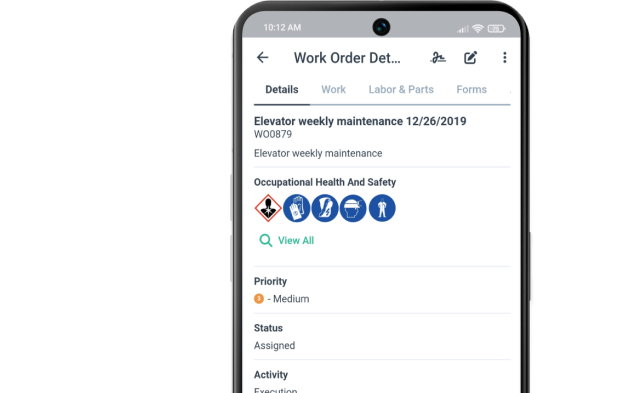
Many CMMS solutions allow you to attach reminders about potential hazards, PPE requirements, and LOTO procedures directly to work orders.
Source: WorkTrek
These details are easy to overlook, but forgetting them even once can lead to serious delays, injury, or worse.
A CMMS ensures these reminders are always visible, reducing the risk of safety incidents and workflow disruptions.
Over time, centralizing and digitizing this information drives significant productivity gains.
Take it from Cleanaway Waste Management Limited, an Australian waste management company.
They saw a measurable efficiency boost after implementing digital work orders.
Now, they have all the information they need at their fingertips, instead of having to sift through endless paper-based work orders.
Preet Brar, their Executive General Manager, explains:
“The most immediate benefit is our medium-term target of five percent increased mechanic productivity, which leads to more tool time and reduces the amount of work we need to divert to external mechanics at three times the cost.”
Simply put, more work gets done, more money is saved, and backlogs are easier to manage, all by simply making relevant information more easily accessible.
7. Regularly Track Progress
Once you’ve analyzed, prioritized, and optimized your maintenance workflows in your CMMS, you might think the hard work is over.
But it’s not.
To truly take your backlog under control for good, you need to keep tracking your progress.
Use your CMMS’s reporting features to monitor how the backlog evolves and ensure your improvements are sticking.
Consider tracking metrics such as:
Total open work orders
Overdue vs. completed tasks
Average completion time
Planned vs. actual costs
PM compliance rate
These metrics reveal how well your maintenance processes are performing, showing what’s working and what isn’t, ultimately helping you optimize further.
For example, a wrongly set reorder point for spare parts may be causing delays due to stockouts.
Or perhaps labor shortages are preventing your team from hitting PM targets, signaling it’s time to hire additional technicians.
By analyzing the data your CMMS provides, you can quickly identify suboptimal processes and investigate root causes, keeping your operations on track.
The 2023 Databox survey supports this, showing that most companies improve performance through monitoring and reporting.
The specific benefits they unlock include increased efficiency, easier trend identification, and even better financial outcomes.
Illustration: WorkTrek / Data: Databox
So, don’t skip this final step, as this could make all your previous efforts ineffective.
Pay attention to the data, and let it guide your decisions toward more efficient, cost-effective, and reliable maintenance operations.
Conclusion
Remember, the backlog isn’t the real enemy, and the goal isn’t to eliminate it.
Instead, focus on being proactive with your maintenance efforts and thinking more strategically.
Do this, and soon you’ll realize: when you rely on data and ensure your team has everything they need to do their jobs effectively, everything runs much more smoothly.
In other words, the objective isn’t necessarily to do more work, but to do better work.
And with your CMMS, you can achieve exactly that.

Operations & Maintenance
How to Choose the Right Preventive Maintenance Program
Key Takeaways
Match the maintenance program type to equipment requirements and company resources for best results
Focus on time-based, usage-based, or condition-based triggers, depending on the asset characteristic
Regular monitoring and program adjustments ensure continued effectiveness and cost savings
Choosing the right preventive maintenance program can make the difference between costly equipment failures and a productive operation.
Businesses often struggle with equipment breakdowns, unexpected repair costs, and production delays that could be prevented with the right maintenance approach.
So what is the solution?
The key to selecting the right preventive maintenance program lies in matching the program type to specific equipment needs, operational goals, and any available resources.
Developing and building the right program for your facility depends on understanding the preventive maintenance process.
For those companies that implement an effective preventive maintenance program, they can generally see reduced downtime, lower costs, and extended asset life. The right program transforms reactive maintenance into a proactive strategy that protects both equipment and budgets.
Understanding Preventive Maintenance Programs
What is part of a preventive maintenance program? Let's first start with a definition.
Definition and Core Concepts
Preventive maintenance is the ideal solution for keeping assets in good working order.
PM programs often involve scheduling maintenance tasks, such as inspecting equipment for potential issues before they become significant problems.
Source: WorkTrek
In addition, it can include policies, procedures, and tools to regularly maintain company assets. A typical program includes tasks like cleaning, lubricating moving parts, and replacing components before they fail.
Key elements of preventive maintenance include:
Asset inventory and prioritization
Scheduled maintenance activities
Regular inspections and monitoring
Documentation and record-keeping
PM contrasts sharply with reactive maintenance. In reactive maintenance, equipment is only fixed or maintained after it breaks.
Understanding Your Maintenance Strategy Options
Before you can choose the right maintenance strategy, you need to understand what's available. Each approach has distinct advantages depending on your equipment, industry, and resources.
Time-Based Preventive Maintenance
Time-based maintenance schedules maintenance tasks at fixed intervals—daily, weekly, monthly, or annually—regardless of equipment condition or usage.
Source: WorkTrek
Best For:
Equipment with predictable wear patterns
Assets subject to regulatory requirements
Operations with consistent usage patterns
Organizations new to preventive maintenance
Advantages:
Simple to implement and manage
Predictable scheduling and budgeting
Ensures compliance with regulations
Easy to track and measure compliance
Limitations:
May perform unnecessary maintenance
Doesn't account for variable usage
Can miss developing issues between intervals
Studies indicate that up to 30% of time-based preventive maintenance is performed too frequently, wasting resources without improving reliability.
Condition-Based Maintenance (CBM)
Condition-based maintenance monitors equipment performance and schedules maintenance based on actual condition rather than time or usage.
Source: WorkTrek
Best For:
Critical equipment with high failure costs
Assets with variable usage patterns
Equipment where condition indicators are easily measured
Operations seeking to optimize maintenance costs
Advantages:
Maintenance only when needed
Reduces unnecessary maintenance by 25-30%
Catches problems before failure
Extends equipment lifespan
Requirements:
Investment in monitoring systems
Technical expertise for data interpretation
Integration with maintenance software
WorkTrek's condition-monitoring features automatically generate work orders when equipment parameters exceed thresholds, ensuring timely intervention.
Usage-Based Maintenance
Usage-based maintenance triggers maintenance tasks based on actual equipment usage—operating hours, cycles, mileage, or production volume.
Best For:
Fleet vehicles
Production equipment with variable schedules
Seasonal equipment
Multi-shift operations
Advantages:
Aligns maintenance with actual wear
Optimizes maintenance intervals
Reduces over-maintenance
Improves cost efficiency
Implementation Needs:
Hour meters or cycle counters
Usage tracking systems
Flexible scheduling capabilities
Reliability-Centered Maintenance (RCM)
Reliability-centered maintenance uses systematic analysis to determine the most cost-effective maintenance strategy for each asset based on failure modes and consequences.
Best For:
Complex industrial equipment
High-value critical assets
Operations with diverse equipment types
Mature maintenance organizations
Benefits:
Optimizes maintenance resources
Reduces maintenance costs by 25-40%
Improves equipment reliability
Minimizes safety risks
Challenges:
Requires extensive analysis
Higher initial implementation cost
Needs skilled personnel
Time-intensive setup
Predictive Maintenance Integration
While technically a separate strategy, predictive maintenance often complements preventive programs by using advanced analytics to forecast failures.
Enhancement Benefits:
8-12% additional cost savings beyond preventive maintenance
30-50% reduction in machine downtime
20-40% extension in equipment life
70-75% elimination of breakdowns
Selecting the Right Preventive Maintenance Program
A strong preventive maintenance program requires three core components that work together. These elements create the foundation for reducing equipment downtime and extending asset life through organized planning and execution.
Asset Inventory and Maintenance History
An accurate asset inventory forms the backbone of any effective PM program. Teams must document every piece of equipment with key details, including manufacturer, model number, installation date, and current location within the facility.
Source: WorkTrek
Asset inventory systems should capture each item's warranty status and maintenance history. This data helps maintenance managers make informed decisions about repair versus replacement costs.
Essential inventory details include:
Asset name and equipment type
Serial numbers and specifications
Purchase or installation dates
Current condition assessments
Attached manuals and documentation
Maintenance history tracking reveals failure patterns and helps predict future issues. Teams can identify which components fail most often and adjust their maintenance schedule accordingly.
Digital systems work better than spreadsheets for managing large inventories. They allow quick searches and updates across multiple locations.
Defining Maintenance Tasks and Schedules
Clear maintenance tasks and schedules prevent equipment failures before they happen. Each task must specify exactly what work needs to be done and when it should occur.
Maintenance schedules can be time-based, usage-based, or condition-based depending on the equipment type. Time-based tasks happen on fixed intervals like monthly or quarterly. Usage-based maintenance depends on operating hours or production cycles.
Source: WorkTrek
Task definitions should include:
Specific steps to complete the work
Required tools and replacement parts
Estimated time for completion
Safety procedures and lockout requirements
Maintenance managers must balance manufacturer recommendations with actual equipment performance data. OEM guidelines provide starting points, but real-world usage patterns often require schedule adjustments.
Coordination with production schedules ensures maintenance occurs during planned downtime. This approach minimizes disruption to daily operations.
Preventive Maintenance Checklists and Work Orders
Standardized checklists create consistent work quality across different technicians and locations. Each preventive maintenance checklist should break complex tasks into simple, actionable steps.
Source: WorkTrek
Work orders track task completion and capture important details about the maintenance performed. They create a paper trail that helps with warranty claims and regulatory compliance.
Effective checklists contain:
Step-by-step procedures in logical order
Inspection points with specific criteria
Documentation requirements for findings
Sign-off spaces for quality control
Digital work orders allow real-time updates and photo attachments from mobile devices. Technicians can access procedures, report issues, and request additional parts without returning to the office.
Source: WorkTrek
Preventive maintenance programs that use digital checklists report higher completion rates and better data accuracy. The system automatically generates new work orders based on the maintenance schedule and sends notifications when tasks become overdue.
How to Select the Right Preventive Maintenance Program
Selecting an effective preventive maintenance program requires analyzing organizational needs, equipment priorities, and available resources. The decision impacts maintenance costs, equipment reliability, and operational efficiency across all facility operations.
Assess Organizational Goals and Constraints
Start by evaluating budgets, staffing levels, and operational priorities before implementing any maintenance program.
Building the right program for your facility depends on understanding what resources are available for maintenance planning.
Budget constraints can directly influence the complexity of maintenance schedules that facilities can support. Simple time-based programs require fewer resources than advanced condition-based maintenance systems.
Staffing capabilities determine whether organizations can handle internal maintenance or need external service providers. Smaller teams may benefit from streamlined pm schedules rather than complex monitoring systems.
Key organizational factors include:
Available maintenance budget
Size of the maintenance team
Technical expertise of staff
Regulatory compliance requirements
Acceptable downtime levels
Companies should also consider their growth plans and whether the maintenance program can scale with expanding operations. A preventive maintenance program that works for current needs may become inadequate as facilities grow.
Evaluating Maintenance Needs by Equipment Criticality
The level of equipment criticality determines how much attention and resources each asset should receive in maintenance scheduling. Critical equipment that stops production requires more frequent maintenance than support systems.
Organizations should classify assets into three main categories.
Critical equipment includes production machinery, safety systems, and assets that cause significant downtime when they fail.
Important equipment supports operations but has backup systems or longer acceptable downtime windows.
Non-critical equipment includes office systems and assets that don't impact core operations.
Source: WorkTrek
Reliability-centered maintenance can help identify the most effective maintenance strategy that is based on equipment criticality and failure consequences. This approach ensures resources focus on assets that matter most to operations.
Regular maintenance for critical equipment often requires multiple approaches. Facilities might use condition-based maintenance for monitoring, plus scheduled inspections for comprehensive coverage.
Deciding Between Time-Based, Usage-Based, and Condition-Based Approaches
Time-based maintenance works best for equipment with predictable wear patterns and manufacturer recommendations.
This approach schedules regular maintenance based on calendar intervals, regardless of actual equipment usage.
Usage-based maintenance aligns maintenance schedules with actual equipment operation hours, cycles, or mileage. This method suits assets with variable usage patterns, such as vehicles or production equipment.
Condition-based maintenance uses sensors and monitoring to track equipment health in real-time. This advanced approach reduces unnecessary maintenance while catching problems before they cause failures.
Time-based maintenance benefits:
Simple to implement and manage
Works well for regulatory compliance
Requires minimal technology investment
Usage-based maintenance advantages:
Aligns with actual wear patterns
Reduces over-maintenance of lightly used equipment
Better resource utilization
Condition-based maintenance strengths:
Prevents unexpected failures
Optimizes maintenance timing
Reduces total maintenance costs
Source: WorkTrek
Successful maintenance programs follow a hybrid approach.
For example, critical equipment might use condition-based maintenance while support systems rely on time-based schedules.
Your Preventive maintenance strategy should align with equipment characteristics and operational needs rather than using a single approach for everything.
Implementation Steps for Your Preventive Maintenance Program
To ensure a successful implementation, you first need to define clear role definitions, properly integrate technology, and provide comprehensive staff training.
These three foundational elements ensure smooth workflow execution and long-term program success.
Assigning Roles and Responsibilities
A clear role definition prevents maintenance tasks from falling through the cracks. Organizations should designate who will handle scheduling, execution, and oversight of preventive maintenance activities.
Typically, maintenance managers oversee program strategy and resource allocation. Their job is to coordinate schedules, track performance metrics, and ensure compliance with maintenance workflows.
Source: WorkTrek
These managers also handle budget decisions and vendor relationships.
Technician responsibilities include:
Executing scheduled maintenance tasks
Recording work completion and findings
Reporting equipment issues or anomalies
Following safety protocols during maintenance
Facility managers often serve as liaisons between maintenance teams and operations. They communicate downtime schedules and ensure maintenance activities align with business needs.
Some organizations designate maintenance coordinators to handle daily scheduling.
These coordinators manage work orders, track inventory, and coordinate between different maintenance teams. Their goal is to ensure that effective preventive maintenance programs run smoothly.
Leveraging Maintenance Software and CMMS
CMMS platforms like WorkTrek streamline maintenance management by automating schedules and tracking asset performance. The right CMMS makes or breaks preventive maintenance implementation success.
With modern maintenance software, you can automatically generate work orders based on time intervals or usage metrics.
This automation ensures technicians receive timely notifications for upcoming maintenance tasks, eliminating the need for manual scheduling.
Key CMMS features include:
Asset tracking and history management
Automated work order generation
Inventory management integration
Performance reporting and analytics
CMMS centralizes maintenance data, allowing managers to track costs, completion rates, and equipment performance trends. This data helps optimize maintenance schedules and identify problematic assets.
Mobile CMMS applications enable technicians to access work orders, update task status, and record findings from anywhere. This real-time connectivity improves communication and reduces paperwork delays.
Training Technicians and Staff
With proper training, maintenance teams can perform preventive maintenance tasks safely and effectively. Training programs must cover equipment-specific procedures, safety protocols, and software usage.
Illustration: WorkTrek / Data: Interviewer.AI
Technical training should focus on equipment maintenance procedures, troubleshooting techniques, and proper tool usage. Technicians need hands-on experience with each asset type they will maintain.
Safety training covers lockout/tagout procedures, personal protective equipment requirements, and hazard identification. This training prevents workplace injuries during maintenance activities.
Training components include:
Equipment-specific maintenance procedures
CMMS software navigation and data entry
Safety protocols and emergency procedures
Quality standards and documentation requirements
Software training teaches technicians how to access work orders, record completion data, and update asset conditions in the CMMS. This ensures accurate data collection and proper execution of the maintenance workflow.
Monitoring, Optimization, and Continuous Improvement
Successful preventive maintenance programs require ongoing tracking of performance metrics and regular adjustments based on data analysis. Organizations must establish measurement systems and foster improvement mindsets to reduce operational costs and maximize equipment reliability.
Tracking Key Performance Indicators
Organizations need specific metrics to assess the effectiveness of their preventive maintenance programs. The most critical KPIs include equipment downtime, mean time between failures, and maintenance costs.
Essential Maintenance KPIs:
Equipment downtime during unplanned maintenance
Mean time between equipment failures (MTBF)
Preventive maintenance compliance rates
Maintenance cost per asset
Overall equipment effectiveness (OEE)
Teams should track PM labor hours versus emergency maintenance hours. This ratio shows whether preventive efforts are reducing reactive work.
Monitoring key performance indicators helps identify areas that need improvement in maintenance strategies. Companies can spot patterns in equipment failures and adjust their approach accordingly.
Monthly KPI reports should compare current performance to baseline measurements. This data reveals whether the maintenance program is meeting its goals.
Analyzing Data to Refine the Maintenance Process
Data analysis transforms raw maintenance information into actionable insights. Teams must review equipment history for the past 30, 60, and 180 days to identify trends.
Key Analysis Areas:
Root causes of critical equipment breakdowns
PM frequency, accuracy and effectiveness
Rework patterns and recurring issues
Maintenance procedure effectiveness
The maintenance process improves when teams examine PM compliance rates against equipment performance. Low compliance often correlates with higher failure rates and increased operational costs.
Organizations should regularly review their current maintenance procedures. Some may need complete rewrites, while others require frequency adjustments based on actual equipment performance.
Encourage a Culture of Continuous Improvement
Effective maintenance teams need structured processes for ongoing improvement. Cross-functional teams —including operators, technicians, and engineers —should collaborate on optimization efforts.
Team Roles for Continuous Improvement:
Operators: Provide daily equipment observations
Maintenance technicians: Share hands-on repair insights
Engineers: Analyze technical data and trends
Planners: Coordinate improvement implementations
Teams should establish clear expectations and measurable goals for improvement initiatives. Regular progress reviews keep everyone focused on results.
Continuous improvement in maintenance operations requires less reactive firefighting and more proactive planning. This approach ultimately leads to lower maintenance costs and improved safety.
Organizations should share improvement results with the entire team.
Common Challenges and How to Overcome Them
Companies face three major hurdles when implementing preventive maintenance programs: employee resistance to new processes, limited budgets for technology and training, and overwhelming amounts of maintenance data that don't lead to clear action steps.
Overcoming Resistance to Change
Resistance to change remains one of the most significant barriers to the success of preventive maintenance programs. Employees often prefer reactive maintenance because it feels familiar and easy to perform.
So, how to overcome the resistance?
Show concrete benefits to maintenance teams. Present data on how preventive maintenance reduces equipment downtime by 30-50% compared to reactive approaches. Highlight reduced emergency repair calls and less stressful working conditions.
Start with willing participants. Identify maintenance staff who embrace new methods and use them as program champions. Their positive experiences will influence skeptical colleagues.
Provide hands-on training rather than just theory. Let technicians practice new procedures on non-critical equipment first. This builds confidence and competence before moving to essential machinery.
Create clear accountability measures. Use maintenance workflow tracking to show individual and team performance improvements.
Don't forget to track technician compliance with automated work-order systems that reduce manual tracking errors.
Address workload concerns directly. Many technicians worry that preventive maintenance adds to their existing duties. Show how planned maintenance actually reduces emergency calls and overtime hours.
Managing Budget and Resource Limitations
Budget constraints force many organizations to delay preventive maintenance programs. Innovative implementation strategies can overcome these financial barriers.
Start small with critical equipment. Focus on high-impact assets first rather than attempting company-wide implementation. Target machines that cause the most equipment downtime when they fail.
Demonstrate return on investment quickly. Track maintenance costs before and after program implementation. Most companies see 15-25% reduction in maintenance expenses within the first year.
Use existing resources creatively. Train current staff instead of hiring specialists. Many maintenance technicians can learn preventive procedures with proper guidance.
Prioritize based on failure impact. Create a simple scoring system:
Source: WorkTrek
Phase implementation over 12-18 months. This spreads costs while building momentum through early successes.
Avoiding Data Overload and Ensuring Actionability
Modern CMMS systems generate massive amounts of data. Without proper structure, this information becomes overwhelming rather than helpful.
Focus on key performance indicators that drive decisions. Track equipment failures, mean time between failures, and planned maintenance completion rates. Avoid collecting data that doesn't lead to specific actions.
Set up automated alerts for critical thresholds. Program systems to notify managers when equipment approaches failure points or maintenance tasks fall behind schedule.
Create simple dashboards for different audiences. Technicians need detailed work instructions while managers need summary reports. Customize data presentation based on user needs.
Establish regular review cycles. Schedule weekly equipment performance reviews and monthly program assessments. This prevents data from accumulating without analysis.
Use predictive analytics selectively. Start with condition-based monitoring on the most critical equipment before expanding to comprehensive predictive maintenance programs.
Train staff to interpret data correctly. Many maintenance teams struggle to translate reports into actionable improvements to the maintenance workflow. Provide specific examples of how data should influence scheduling and resource allocation decisions.
Conclusion
The difference between organizations that thrive and those that struggle often comes down to the selection of a maintenance strategy. The right preventive maintenance program can:
Reduce equipment failures by 70-75%
Extend equipment lifespan by 20-40%
Cut maintenance costs by 25-40%
Yet many organizations continue using ineffective strategies simply because "that's how we've always done it."
Don't let tradition or inertia dictate your maintenance future. The data, tools, and knowledge exist to choose and implement the perfect preventive maintenance program for your needs.
Start with an honest assessment. Match strategies to equipment characteristics. Invest in appropriate technology like WorkTrek's comprehensive CMMS platform.
Monitor results relentlessly. Adjust based on data.
Your equipment is waiting. Your budget is ready. Your competitive advantage depends on it.

Operations & Maintenance
What Is a Maintenance Backlog?
Key Takeaways:
A healthy backlog is essential for maximizing maintenance labor productivity, but it requires active management.
Reactive maintenance rapidly inflates the maintenance backlog.
27 days of downtime per year are due to planned or unplanned maintenance activities.
The cost of an hour of unplanned downtime has doubled in the last five years.
Is your team constantly pulled from planned maintenance to deal with urgent breakdowns?
This struggle is often a symptom of a growing and disorganized maintenance backlog.
While backlogs are unavoidable and often a necessary part of the job, leaving pending work unmanaged can directly jeopardize operations.
In this article, we’ll break down what a maintenance backlog is, why it grows, and some of the risks it poses if left unchecked.
What Is a Maintenance Backlog?
Let's start by defining exactly what a maintenance backlog is.
Like any other backlog, a maintenance backlog is simply a list of all outstanding maintenance tasks.
It includes all necessary repair, preventive, and predictive work that has been identified but not yet completed.
Essentially, this is work you know about, but your team hasn't started or perhaps hasn't even scheduled it yet.
To visualize how these tasks can be organized, take a look at the example below.
Source: WorkTrek
Of course, the specific way a backlog is tracked can vary.
Some teams use simple spreadsheets like the one shown above, while others rely on modern computerized maintenance management systems (CMMS).
Regardless of the tool, the basics are the same.
A backlog is typically calculated in man-hours, the total estimated labor hours required to complete all listed tasks.
However, keep in mind that having a backlog is not automatically a bad thing.
A healthy, well-managed backlog is actually a useful tool, as it helps you prioritize important jobs and plan your team's workload effectively.
But major issues can arise when this backlog becomes too large and grows uncontrollably.
What Causes Maintenance Backlogs?
Now, it's time to dig into why maintenance backlogs tend to grow.
There are several common culprits, often working together to create an ever-increasing list of tasks.
Lack of Resources
Balancing the resources available for maintenance work is the biggest factor contributing to a growing backlog.
When a facility operates with limited staffing, it becomes difficult to address maintenance tasks as they arise.
This inevitably causes work to pile up, ultimately adding to the backlog.
Furthermore, a lack of physical resources, such as essential spare parts, or long delivery times for specialized components, can also stall planned work.
This forces teams to delay repairs even when labor is available.
Owe Forsberg, VP of consulting services at IDCON, a company specializing in reliability and maintenance consulting, emphasizes the challenge of effectively managing this aspect.
Illustration: WorkTrek / Quote: IDCON
He elaborates that maintenance teams need to plan long-term resource demands meticulously.
This includes accurate time estimates for tasks, realistic staffing estimates, and proper scheduling.
Calculating and planning are key here, even with simple metrics like crew weeks, i.e., the total available labor hours for maintenance in a given week.
For instance, a team of 10 workers, each working 40 hours a week, has 400 available hours, which equals one crew week of capacity.
Source: WorkTrek
In general, it's recommended to maintain a backlog of about 2-4 crew weeks.
If your backlog consistently exceeds this range, it's usually a clear indicator that resources are insufficient or poorly utilized, leading to an expanding list of overdue work.
Ultimately, addressing this can mean re-evaluating staffing, improving planning, or securing additional budget, but it’s essential for reducing backlogs.
Overly Reactive Approach to Maintenance
A persistent lack of resources, combined with poor planning, often forces maintenance teams to adopt an overly reactive approach.
This means less preventive work gets done, leaving teams constantly responding to failures as they happen.
This is commonly referred to as run-to-failure maintenance, in which equipment is used until it fails, and maintenance is performed only then.
The ideal, however, is to shift towards greater proactivity and less reactivity.
According to reliability expert Ricky Smith, the goal should be zero-backlog maintenance, where more than 80% of maintenance work is proactive.
He explains that the main focus should always be on preventing issues before they occur.
Illustration: WorkTrek / Quote: PlantServices
He goes on to explain that a proactive approach includes a mix of preventive, detective, and predictive technologies to spot problems before they become critical failures.
A major part of being proactive is basing maintenance work on actual equipment conditions, often using automated reminders facilitated by a software solution.
For instance, modern CMMS solutions like WorkTrek are designed specifically for this purpose.
Source: WorkTrek
Beyond its powerful functionalities for tracking and managing your maintenance backlog, you can set up automations and notifications to streamline your work.
These can be triggers that activate after a piece of equipment has run for a set number of hours, or for specific meter readings.
Source: WorkTrek
When a piece of equipment triggers its preset threshold, the system can automatically generate a work order and add it to the schedule.
This proactive approach saves significant resources by eliminating the need for constant manual checking.
Most importantly, it provides consistency and ensures critical maintenance is done before a failure occurs, directly preventing the emergency breakdowns that build up your backlog.
Aging Equipment
The causes of maintenance backlogs extend beyond just poor planning or reactive practices.The physical equipment itself often plays a major role, especially when you are dealing with aging machinery that naturally depreciates over time.
Different types of equipment have different operational lifespans.
Source: WorkTrek
While many machines can last for years or even decades, ensuring they remain at peak performance will require increasing maintenance as they age.
This is simply because components wear out, efficiency drops, and older designs may be less reliable or tolerant to stress.
And, as senior engineer Kevin Severin explains, simply finding replacement parts for older equipment can become a significant challenge.
Illustration: WorkTrek / Quote: Control Engineering
He explains that this may be because the original manufacturer no longer exists, has stopped producing the specific parts, or the old components no longer meet new regulatory standards.
All of this contributes directly to backlog growth by slowing down repairs and extending downtime.
Ultimately, older equipment creates more work, more delays, and more complexity, making backlog growth almost inevitable without a plan in place.
While some of this increase in maintenance is inevitable, it can be mitigated through more proactive, strategic maintenance management.
Only by staying ahead of wear-and-tear can teams keep aging assets from overwhelming maintenance schedules and fueling the backlog.
Consequences of Unmanaged Backlogs
Now that we've seen why a backlog can grow, it's critical to understand the consequences.
Think of an unmanaged backlog as a list of active operational risks.
When this list gets too long, it can lead to serious problems, starting with the most visible one: downtime.
Increased Downtime
With a large maintenance backlog, teams usually focus on the most urgent, high-priority tasks first.
This means less-critical repairs and preventive maintenance tasks get delayed.
While this prioritization makes sense in the short term, the problem is that as the backlog persists, non-critical tasks start to accumulate.
Each delayed task increases the risk of an unexpected equipment breakdown.
If we look at data from Plant Engineering, 15% of all unplanned downtime is caused by a lack of time to perform maintenance.
Illustration: WorkTrek / Data: Plant Engineering
Plus, the single biggest cause of unplanned downtime, aging equipment, is also directly linked to this.
As we discussed earlier, older machines require more maintenance, and when that work is neglected, they fail more often.
These downtime occurrences are extremely costly.
They disrupt your operations, stalling production, wasting raw materials, and leaving labor idle.
To make matters worse, even planned maintenance can cause downtime.
Watco’s research shows that facilities can lose an average of 27 days per year to downtime due to maintenance activities alone.
Illustration: WorkTrek / Data: Watco
When backlogs are unmanaged, maintenance becomes more reactive and chaotic, further increasing total downtime.
Ultimately, emergency downtime forces teams to focus all their resources on the immediate breakage, pushing all other planned tasks and preventive maintenance right back onto the backlog.
It becomes an infinite loop: the backlog causes downtime, and the downtime makes the backlog grow.
More Safety Risks
When maintenance backlogs are poorly managed, equipment can quickly become unsafe.
If essential preventive maintenance is constantly pushed back due to an overwhelming backlog, you are compromising the safety of your maintenance crews and equipment operators.
Why?
Because minor faults, leaks, or structural weaknesses that would have been found and fixed during a routine inspection go unnoticed and worsen until they turn into a serious safety hazard.
Plus, certain situations can arise that pose serious risks to the environment and surrounding communities.
For example, neglected equipment that fails can cause serious environmental damage.
In one such case, unmaintained equipment failed, which resulted in significant water pollution near a Ballarat wastewater plant in Australia.
Source: Facebook
Along with the environmental danger, the resulting fines can be costly.
In this specific case, a utility company in Ballarat faced fines of over $280,000.
Because of scenarios like this, managing your backlog should be a primary safety and compliance concern, and not just an operational one.
Higher Costs
An unmanaged maintenance backlog is a guarantee of significantly higher operational costs.
Simply put, increased and unplanned downtime caused by neglected tasks translates directly into massive financial losses.
In fact, according to a 2024 Siemens study, the cost of a single hour of unplanned downtime has doubled over the last five years, with the average cost surpassing $800,000.
Source: Siemens
Despite these crippling costs, another survey by ABB reports that 21% of organizations still primarily rely on run-to-failure maintenance.
This means they only fix equipment when serious failures occur, resulting in the greatest damage and the most expensive, disruptive repairs.
So, what can you do to avoid all this?
Erik Hupjé, founder and director of Reliability Academy, explains that certain practices can be implemented to mitigate costs and organize your backlog efficiently.
Interestingly, he argues that you actually want a managed backlog to exist to reduce costs:
"In most industrial plants, you can’t afford to have maintenance crews sitting around waiting for work to come through."
The point here is clear: maintenance labor is a significant, high-value expense, and having a controlled backlog of planned work is the most efficient way to utilize your crews.
It ensures that, as soon as one job is finished, the next one is ready to go, thus maximizing work time and productivity.
Without this buffer of planned work, technicians would be idle, waiting for the next emergency or for new work orders to be created and scheduled.
So, the choice isn't between having a maintenance backlog or not.
It’s between having a chaotic, expensive one and a controlled, cost-saving one.
Conclusion
We've now explored the core concept of a maintenance backlog, digging into what drives its accumulation and the operational and safety risks of letting it spiral out of control.
We hope that you now grasp the seriousness of unaddressed maintenance and recognize its signs.
Use this knowledge to get your team to start prioritizing and tackling those tasks today, and move from reactive emergency work to proactive, planned asset maintenance.

Operations & Maintenance
How CMMS Facilitates Maintenance Training
Key Takeaways:
Scheduling is considered the single biggest barrier to workplace training.
Heavy equipment and industrial manufacturing lose £60B annually due to downtime.
Employees want to quit their work when they lack the skills to do the job effectively.
When most people think of a CMMS, they picture maintenance scheduling, inventory and asset management, and reporting on maintenance performance.
And they’re right, that’s what it’s best known for.
But here’s something you might not realize: your CMMS can also be a powerful tool for training your technicians.
It’s not a benefit that gets talked about often, but it should be.
A CMMS can make the entire process faster, more effective, and a whole lot less error-prone.
So how exactly does it work?
Keep reading to find out. We’ll break down five ways a CMMS can level up your maintenance training and show you how to put it to work in this often-overlooked role.
Enables Efficient Training Scheduling
A CMMS gives you real-time visibility into work schedules, technician assignments, and equipment availability, making it easier to slot training sessions at optimal times:
Source: WorkTrek
With built-in calendar features, you can quickly identify planned downtime windows for training, while also reviewing priority levels to ensure sessions don’t interfere with urgent tasks.
That’s extremely valuable, as nowadays, finding the right time for training seems harder than the training itself.
The 2021 Intertek Alchemy survey backs this up, revealing that scheduling is considered the single biggest barrier to workplace training.
Illustration: WorkTrek / Data: Intertek Alchemy
This is especially true in industrial environments, where productivity targets and training hours feel like they’re constantly at war.
In these sectors, many companies still operate under the belief that every minute on the clock should be spent on the line.
After all, downtime is expensive.
For instance, IDS-INDATA projects that in 2025, downtime losses could reach £60 billion in heavy equipment and industrial manufacturing and £12 billion in the automotive sector.
Illustration: WorkTrek / Data: IDS-INDATA
It’s no surprise, then, that companies hesitate to pause operations for training.
However, here’s the paradox: skipping training only makes downtime more likely.
Without well-trained teams, you risk more frequent breakdowns, slower responses, and mounting costs from unplanned outages.
That’s why CMMS tools make such a difference.
By providing full visibility into your operations, they allow you to balance training with the assets’ maintenance needs, ultimately preventing delays, skipped sessions, and conflicts with critical work.
As a result, you can finally have both: a workforce that’s properly trained and a facility that keeps running at peak performance.
Serves as a Centralized Knowledge Base
A CMMS serves as a centralized digital hub for all maintenance-related information.
This can include equipment manuals, SOPs, safety guidelines, troubleshooting guides, and even multimedia resources such as videos or annotated photos.
So, instead of technicians having to search through binders or emails, everything becomes organized, searchable, and instantly accessible on desktop or mobile devices.
This matters because technicians learn faster, gain confidence, and perform better when they can quickly find the information they need.
Yes, this boosts overall efficiency, but it also keeps your team engaged and supported.
In fact, according to the 2025 Axonify survey, when employees lack the skills or resources to do their jobs effectively, they often feel overwhelmed, embarrassed, or even consider quitting.
Illustration: WorkTrek / Data: Axonify
In other words, failure to provide essential data can directly affect your employee retention rates.
Luckily, with a CMMS, employees get the knowledge they need in seconds, whether they are in the office or in the field.
Take our own solution, WorkTrek, as an example.
With our tool, you can access complete asset data, including location, warranty details, maintenance history, and more, all within one platform available across desktop, tablet, and mobile devices.
Source: WorkTrek
You can also integrate hazard and risk information, required PPE, and lockout/tagout procedures for each asset to ensure safety and compliance.
Additionally, customizable forms and checklists can be attached to preventive maintenance, work orders, or logs.
That way, trainees can access consistent, up-to-date instructions anytime, which reinforces learning and builds independence.
Why waste time with scattered, disorganized training materials when you can make everything centralized and accessible, whenever and wherever it’s needed?
With a CMMS like WorkTrek, your people can finally spend less time searching for information and more time putting that information to work.
Enables Learning from Past Successes and Failures
A CMMS doesn’t just display current data. It also preserves valuable historical information.
Source: WorkTrek
It maintains detailed records for each asset, including when issues occurred, what caused them, how they were resolved, and which solutions proved most effective.
Such historical data forms a rich library of real-world case studies that trainers can use to highlight both best practices and mistakes to avoid.
A KPMG study has shown that trainees prefer a blend of learning approaches, from virtual workshops and hands-on learning to digital resources.
Illustration: WorkTrek / Data: KPMG
Historical maintenance data fits into this by allowing trainees to see the real-world impact of good and poor maintenance practices.
It teaches them not only the “how,” but also the “why” behind procedures, but without any of the risks of real-world errors.
Ultimately, by reviewing past decisions and their outcomes, trainees can better understand the consequences of their own actions.
Without this insight, they might repeat mistakes, miss warning signs, or underestimate the importance of preventive measures.
As Sarah Ischer, Senior Director, Expertise at What Works Institute, a research-to-practice think tank and learning community for environmental, health, safety & sustainability, points out:
Illustration: WorkTrek / Quote: ISM
Although she’s speaking about safety training here, the same principle applies to maintenance.
Workers need to understand the real consequences of poor practices for the lessons to resonate truly.
Since it isn’t always feasible to let mistakes play out in real life, historical data becomes a powerful training tool, helping teams learn from the past and become more engaged.
Streamlines Communication Between Trainers and Trainees
A CMMS provides built-in communication tools that enable trainers and trainees to interact directly within the system.
Trainers can leave comments on work orders (shown below), provide step-by-step guidance, attach instructional materials, and send reminders about upcoming tasks or deadlines.
Source: WorkTrek
Many CMMS platforms also support mobile notifications and messaging, ensuring feedback and updates reach trainees in real time, no matter where they are.
This significantly improves communication between trainers and trainees, and some recent studies even back this up.
Illustration: WorkTrek / Data: UpKeep
This is extremely important because clear communication is the foundation of effective skill development.
Without it, trainees may misunderstand instructions, make errors, or hesitate to ask questions.
Traditional methods, such as paper notes or verbal instructions, can be inconsistent and easily lost, but a CMMS centralizes guidance, documents it, and makes it accessible when it’s needed.
This fosters an environment that accelerates skill acquisition, improves retention, and builds confidence in new technicians.
The 2024 Grammarly survey supports this, showing that the majority of business leaders observed increased employee productivity and confidence due to effective communication.
Illustration: WorkTrek / Data: Grammarly
With a CMMS, communication becomes more effective than ever.
Trainees receive prompt feedback, are able to clarify any doubts right away, and their learning process becomes much smoother and more streamlined.
Helps Monitor Training Outcomes
Simply providing training to your team isn’t enough.
To build a strong maintenance culture, you need to continuously monitor, analyze, and refine your training efforts.
A CMMS makes this possible with powerful reporting capabilities that track technician performance over time across multiple metrics, such as:
Task Completion AccuracyThe percentage of maintenance tasks or work orders completed correctly without errorsTime to CompetencyHow long does it take a trainee to reach a predefined level of skill or independenceWork Order Rework or Repeat MaintenanceThe number or percentage of work orders that must be redone due to errorsEquipment Downtime Post-TrainingReduction in downtime caused by human error or improper maintenanceMaintenance Response TimeHow quickly a trained technician responds to and resolves a maintenance issue
Armed with this objective and detailed data, you can compare performance against benchmarks or senior technicians’ standards and determine whether new skills are being applied effectively.
This reveals the areas where your training program needs improvement, allowing you to provide personalized feedback and adjust the training plan dynamically.
Relying solely on observation or manual reporting makes this nearly impossible.
A CMMS and its analytics capabilities, however, ensure training is measurable, consistent, and directly aligned with actual performance needs.
The 2023 Databox survey supports this, showing that the majority of companies report improved performance through monitoring and reporting.
Specifically, they highlighted benefits such as increased effectiveness, easier trend identification, and even improved financial outcomes.
Illustration: WorkTrek / Data: Databox
The lesson is quite clear: to improve anything, you must track it over time.
Maintenance training is no different.
By monitoring trainees’ progress with accurate, up-to-date data, you can see what works, what doesn’t, and take action to enhance your program.
After all, what good is training if it doesn’t deliver the results you need?
Conclusion
Your CMMS is more than just a tool for maintaining assets.
When used to its fullest potential, it empowers your people, giving them everything they need to work efficiently, safely, and with confidence.
That’s a real game-changer.
With a well-trained maintenance team, your entire operation becomes stronger and more resilient, especially if downtime is typically a big issue for you.

Operations & Maintenance
The Full Guide to Maintenance Training
Key Takeaways:
Despite acknowledging the risk of knowledge loss, only 22% of organizations have formal processes for documenting maintenance training.
Using a CMMS helps turn maintenance documentation into a living knowledge base.
Investing in staff training reduces reliance on costly outsourced repairs.
More often than not, facility maintenance comes with a lot of unavoidable costs: from machinery repairs to staffing needs and equipment upgrades.
The last thing that maintenance managers want to add to that list is training.
But training is not just another line item that you can skip or postpone, especially in regulation-heavy industries.
It’s essential for keeping your operations running smoothly, minimizing downtime, and ensuring the safety of your people and equipment.
In this guide, we’re sharing what your maintenance training program should include, what benefits it brings, and what types of training you should consider.
What Should a Maintenance Training Program Include?
The exact definition of a good maintenance training program will vary across industries, organizations, and even specific technical roles.
For instance, maintenance training in a chemical plant should extensively cover the handling and storage of hazardous waste.
The same wouldn’t be considered highly relevant for commercial property maintenance.
However, certain key topics should be covered in every training program:
Source: WorkTrek
Identifying these key topics and training your maintenance staff on them is the first (and the biggest) step.
But even the most thorough, well-planned training won’t mean much if your maintenance processes aren’t systematically documented and easily repeatable.
Let’s explore that in more detail.
How to Document Maintenance Training Activities?
The goal of training is not just to transfer knowledge, but also to ensure that it can be applied consistently by all maintenance staff, regardless of their experience level.
Yet, many organizations are struggling with the concept of documenting training activities.
In the UK, for instance, industrial organizations lose an average of £240,000 in productivity per retiring maintenance specialist solely due to undocumented knowledge.
Although the majority of them think that knowledge loss is a business risk, only 22% follow organized knowledge documentation processes.
Illustration: WorkTrek / Data: Mainstream
To make matters worse, manually documenting proper maintenance procedures is still all too common.
Yes, using spreadsheets and paper logs might seem easier and more affordable at first glance.
But they’re not going to ensure the data's accuracy, consistency, and accessibility, which are essential for knowledge transfer.
Joel Tesdall, President of MAPCON Technologies Inc., agrees:
“If you don't have software to do that, you're doing everything on paper. That might work out to start with, but it's not going to make you very efficient.”
That is why he suggests using software tools, such as CMMS, to support the documentation process.
Take our own solution, WorkTrek, as an example.
WorkTrek provides a central platform to organize, schedule, and track all maintenance-related activities.
It allows maintenance managers to assign tasks, monitor completion rates, and ensure employees have the skills needed for specific equipment or procedures.
Source: WorkTrek
But CMMS doesn’t just improve operational efficiency. It also serves as a knowledge base.
Every task, procedure, and workflow that you enter into WorkTrek can later be referenced for training purposes.
In other words, new hires can get insight into your facility’s procedures through real-life examples.
Source: WorkTrek
In short, ensuring that all procedures are documented creates the foundation for efficient and safe maintenance operations at your facility.
Benefits of Maintenance Training
Now that we’ve covered what maintenance training should focus on, you might be wondering, “How do we convince the decision-makers that it’s worth the money?”
That can be a challenge, as training is often viewed as a budget drain rather than a core strategic investment.
With that in mind, let’s explore some of the biggest benefits of maintenance training.
Increased Maintenance Staff Retention
Maintenance training is meant to equip your staff with the technical skills they need to perform their jobs well.
But its impact extends beyond just technical competence.
Knowing which tools to use, how different systems work, and which procedures to follow, because someone took the time to educate them, instills a sense of confidence in your staff.
And when they feel capable, they also experience higher job satisfaction.
According to the 2025 State of Industrial Maintenance Report, skilled labor shortage is one of the top challenges facing maintenance leaders.
Illustration: WorkTrek / Data: MaintainX
With labor shortage being such a serious problem, ensuring that your staff feel happy and supported is critical for retaining them.
Training plays a huge role in achieving that, and it makes sense why that is the case.
Mastering the skills maintenance technicians need for day-to-day operations is bound to reduce frustration, and continuous learning helps keep the job engaging.
But most of all, knowing that the organization invests in their growth fosters loyalty among employees.
Pablo Paz, national service training manager with over a decade of experience, thinks so, too.
Illustration: WorkTrek / Quote: Multi-Housing News
However, forums like Reddit are teeming with threads in which maintenance technicians admit that formal training is more often an exception, rather than a rule.
Source: Reddit
The “no training needed” approach seems to be the norm, and it contributes to skills gaps and difficulties in retaining staff.
However, if structured maintenance training becomes the new normal, facilities can strengthen not just the expertise of their staff but also their loyalty.
Fewer Safety Incidents
Another important benefit of maintenance training is its impact on fostering safety awareness in your facility.
It emphasizes safe operating procedures and emergency protocols.
Ultimately, this builds a culture of safety where employees are less likely to make mistakes that are not just costly but also dangerous.
According to research conducted by Watco, 26% of facilities managers say that slips, trips, and falls have impacted them.
Illustration: WorkTrek / Data: Watco
The same study estimates that non-fatal workplace injuries cost companies over £500 million each year.
This includes not just injury and insurance payouts, but also hidden costs such as administration, production delays, equipment damage, and even reputational damage.
Despite all this, safety awareness remains a low priority for many.
Why?
Tim Roback, Engineering Manager at Rockwell Automation, offers an explanation.
“Number one, in many cases, people aren't comfortable interpreting and applying the safety standards. Number two, they don't see the opportunity for increased productivity with safety improvements, so it's always an educational process to explain that safety can add value. It's not just a cost.”
Simply put, too much emphasis is placed on productivity and cost savings, while not enough is given to the benefits that safety improvements can offer.
To make matters worse, ignoring safety will only end up costing you more.
Illustration: WorkTrek / Quote: Automate
The solution?
Make safety awareness a core part of your maintenance training.
The sooner you start seeing education on safety procedures as an investment, the sooner you’ll reap the benefits: fewer injuries and incidents, and fewer costs that come with them.
Reduced Downtime
Well-trained staff can detect and address maintenance issues before they escalate into costly breakdowns.
As a result, unplanned downtime is minimized and production schedules remain on track.
Things don’t always run that smoothly, though.
In reality, unexpected equipment breakdowns continue to be the most reported challenge in 2025, with 41% of maintenance teams mentioning them.
This is yet another issue that maintenance training can help overcome.
In fact, according to 27% of maintenance professionals, improving the quality and frequency of training is the most effective way to reduce unplanned downtime incidents.
Illustration: WorkTrek / Data: MaintainX
The other two approaches reported by the respondents—maintenance strategy improvements and replacing old equipment—play a significant role in reducing downtime, too.
However, these might not be as easy to implement.
Overhauling your entire maintenance strategy takes significant planning, time, and financial resources.
Likewise, replacing outdated equipment requires substantial financial investment and carries the risk of production downtime.
In comparison, improving your maintenance training program is much more manageable.
You don’t have to transform everything overnight. Start with the basics, and build momentum from there.
Doing this will help you create a culture of continuous improvement, reduce unnecessary downtime, and save you money in the process.
Lower Repair Costs
You might think that putting money towards the newest machinery and automation solutions is the smartest investment.
After all, they promise increased productivity and seamless performance, so spending on maintenance training may seem unnecessary.
But the reality is that, even with the most advanced equipment, breakdowns and malfunctions are inevitable.
No machine will work perfectly 100% of the time, so having employees who know how to identify early warning signs and perform proper upkeep is priceless.
Otherwise, you’ll be forced to outsource repairs at a premium.
Greg Wortman, Operations Manager at Redimix Companies, says that investing in your own people is undoubtedly the more affordable option.
Illustration: WorkTrek / Quote: MaintainX
As Wortman explains, relying on subcontractors to fix your equipment often doesn’t just result in additional expenses.
It also puts you at risk of repairs being done incorrectly.
This can lead to recurring issues with the equipment, reduced equipment lifespan, and more serious consequences.
The case of the Air Midwest Flight 5481 from 2003 demonstrates just how dangerous maintenance outsourcing can be.
Negligent repairs to the tail section of the plane caused the pilot to lose control, causing him to crash into a hangar at Charlotte-Douglas International Airport and killing 21 people.
Source: NBC News
As it turns out, the airline had outsourced its maintenance checks to a company in West Virginia, which then subcontracted the work to another company.
Tragic stories like this teach an important lesson: when maintenance is outsourced, especially without proper oversight, the risks far outweigh the benefits.
That is why investing in training your in-house maintenance staff is both a smart financial decision and the best way to safeguard your people and equipment.
Types of Maintenance Training Programs
There are various types of maintenance programs, each serving a different purpose depending on your team’s needs and goals.
We’ll explore three key types: skill-based, cross-functional, and industry-specific.
Skill-Level Based
Maintenance training programs are designed based on skill level, considering the worker’s career stage and level of responsibility.
This type of training can further be divided into entry-level, advanced, and management-level training.
Entry-level training focuses on educating your maintenance staff on basic technical skills and safety procedures.
This type of training is supposed to get them comfortable with performing routine maintenance tasks, but it also sets the foundation for further training as they gain more experience.
It may be tempting to dismiss entry-level skills as too simple, but in a labor market that is short on expertise, they provide the stepping stone to career growth.
In other words, once a maintenance technician has these basic skills under their belt, they can be trained up further.
As JD Solomon, Senior Consultant at J.D. Solomon, Inc., explains, that is exactly what many employers are relying on today.
Illustration: WorkTrek / Quote: UpKeep
That is where advanced training comes in.
It teaches maintenance technicians about specialized techniques and diagnostics, and exposes them to more complex systems.
At this stage, they learn to handle troubleshooting, predictive technologies, and preventive maintenance strategies.
This ultimately prepares them to solve higher-level problems and support more efficient operations.
Finally, there’s management training, such as IFMA’s Leadership and Strategy Course.
Source: IFMA
This type of training is geared toward maintenance leaders, supervisors, and managers who are responsible for overseeing teams and budgets.
Its goal is to help managers learn how to balance resources, improve uptime, and align maintenance with business goals.
Cross-Functional
With the aforementioned shortages of skilled labor, cross-functional maintenance training is becoming increasingly popular.
The goal of such training programs is to broaden employees’ skill sets beyond their primary role.
So, if a technician is trained in mechanical repairs, providing them with basic electrical diagnostics training could be beneficial.
That way, they can address a broader range of issues within the facility, meaning that you don’t have to outsource a specialist to solve them.
This type of training is a win for both the technician and your facility:
They get to expand their skillset, and your facility experiences less downtime due to a reduced dependency on outside specialists.
Woody Rogers, Maintenance Supervisor at the facilities services company Cintas, understands this well.
That is why they found a creative solution for cross-training their staff: training videos.
Illustration: WorkTrek / Quote: MaintainX
Training videos are a great way to share knowledge and cross-train.
They show technicians exactly how to perform a task, instead of just telling them, which makes it easier to understand and retain the process.
But there’s more to it: they’re also more accessible and easily revisited, which eliminates the need for repeat in-person training.
Overall, they are a less costly way to cross-train your maintenance staff, which makes skill-building more consistent and scalable.
Industry-Specific
Different industries have different equipment, compliance requirements, and safety standards, so industry-specific training is often non-negotiable.
For instance, maintenance in healthcare facilities can be especially demanding.
It impacts patient safety and infection control, but also requires compliance with strict regulations.
Key training areas for healthcare maintenance professionals include:
Medical Equipment MaintenanceServicing, calibrating, and repairing specialized devices like MRI machines, infusion pumps, sterilizers, and ventilators.Infection Control ProceduresCleaning, disinfecting, and maintaining equipment to meet healthcare hygiene standards.Life Safety SystemsTraining on fire alarms, emergency lighting, HVAC, and backup power systems.Regulatory ComplianceUnderstanding OSHA standards and state or country-specific codes.
So, how can aspiring maintenance professionals in the healthcare industry obtain this knowledge?
There is a variety of formal training programs they can pursue, along with a mix of certifications and on-the-job training.
Many healthcare facilities require certifications such as Certified Healthcare Facility Manager (CHFM) or training through organizations like the American Society for Healthcare Engineering (ASHE).
One Reddit user also recommends additional helpful resources and accreditations to consider:
Source: Reddit
But healthcare isn’t the only industry that requires specialized maintenance training.
For instance, in chemical manufacturing, maintenance technicians need to be trained in hazardous materials handling and leak detection, and they must also comply with OSHA and EPA regulations.
Those who want to work in maintenance in nuclear plants, on the other hand, require specialized training in radiation safety and advanced diagnostic skills.
The bottom line is, industry-specific training builds on the foundation of basic maintenance skills and takes them to a whole new level.
So, technicians who have the ambition to grow will benefit from mastering these specialized areas.
Conclusion
If you used to think that maintenance training was a necessary evil that might as well be skipped, we hope that this article changed your mind.
Because the truth is, maintenance training isn’t an unnecessary cost.
It’s a long-term, strategic investment in the safety and efficiency of your facility.
Of course, if training hasn’t been a priority so far, don’t feel the pressure to overhaul everything at once.
Start by focusing on the most critical skills and documenting key procedures, and build on them over time.
That way, training will slowly become a sustainable, ongoing part of your maintenance culture.
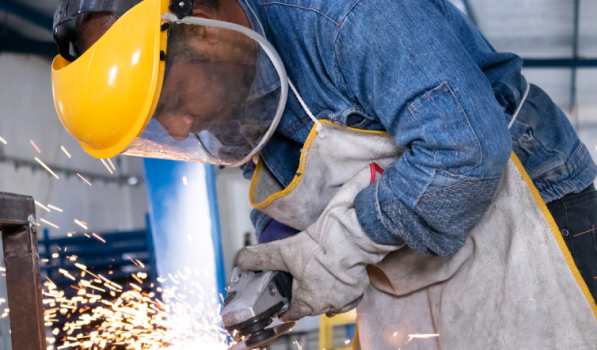
Operations & Maintenance
8 Reasons to Implement a Preventive Maintenance Program
Key Takeaways:
Preventive maintenance delivers an average 545% ROI, with every dollar invested saving up to $5 in future costs
Organizations implementing preventive maintenance programs reduce equipment failures by 70-75% and unplanned downtime by 30-50%
Equipment lifespan extends by 20-40% with proper preventive maintenance, delaying costly repairs
Manufacturing companies lose $1.4 trillion annually to unplanned downtime—preventive maintenance is the proven solution
Are you still relying on reactive maintenance, waiting for equipment to break before fixing it?
If so, you're not alone.
Research shows that 21% of facilities still operate primarily in reactive mode, treating equipment failures as inevitable rather than preventable.
But here's what that approach really costs: According to Siemens, unplanned downtime at the world's top 500 companies costs $1.4 trillion annually. In the automotive sector alone, downtime now costs over $2.3 million per hour. This is a twofold increase since 2019.
The solution is clear: implement preventive maintenance. Yet many organizations hesitate, viewing it as an added expense rather than the investment it truly is.
These eight compelling reasons to implement a preventive maintenance program will show you why proactive maintenance isn't just smart, but essential for your organization.
1. Reduce Equipment Failures and Unplanned Downtime
The immediate and most impactful benefit of implementing a preventive maintenance program is the reduction in equipment failures and unexpected downtime.
The Downtime Crisis
Unplanned downtime can potentially devastate operations across all industries. It often leads to costly emergency repairs, which can hit the bottom line.
Fortune Global 500 companies lose 11% of their yearly turnover to unexpected equipment failures. This is a staggering financial hemorrhage that's entirely preventable.
The impact varies by industry but remains consistently devastating:
Source: WorkTrek
The Preventive Solution
A successful preventive maintenance program attacks this problem head-on. Organizations implementing comprehensive preventive maintenance achieve a 70-75% reduction in breakdowns. This means that you can eliminate three out of every four potential failures.
Illustration: WorkTrek / Data: Sockeye
However, this approach is not only about preventing catastrophic failures. With regular maintenance, you can catch small issues before they become major problems:
Loose belts get tightened or inspections show wear before they snap
Worn bearings get replaced before they seize
Filters get changed before the equipment overheats
Leaks get fixed before they cause damage
WorkTrek's preventive maintenance software automates these routine tasks, ensuring nothing is missed and equipment stays operational.
2. Achieve Remarkable ROI and Cost Savings
Perhaps the most compelling reason to implement preventive maintenance service is the extraordinary financial return it can deliver.
The 545% Return Reality
Jones Lang LaSalle's comprehensive study revealed that preventive maintenance delivers an average 545% return on investment. This is an almost unheard-of return in the business world.
Illustration: WorkTrek / Data: IoT Analytics
How does this translate to real dollars?
Research consistently demonstrates that every dollar invested in preventive maintenance saves up to five dollars in future costs. Another study shows that for every $1 spent on preventive maintenance, companies save $4-5 in future repair costs.
The savings come from multiple sources:
Reduced repair costs: Planned maintenance costs 3-5x less than emergency repairs
Lower labor costs: Eptura's research shows preventive maintenance work orders take half the time of reactive ones
Decreased parts expenses: Avoiding emergency procurement and expedited shipping
Energy savings: Well-maintained equipment uses 10-20% less energy
Beyond Direct Savings
The financial benefits of preventive maintenance extend beyond obvious cost reductions:
Production Protection:
Preventing a single hour of downtime in automotive manufacturing can save $2.3 million. With one prevented failure per month, it can equal $27.6 million in annual savings.
Overtime Reduction:
Emergency repairs often require overtime labor at 1.5-2x normal rates. Preventive maintenance eliminates most of this premium labor cost.
Source: WorkTrek
Improve Customer Satisfaction
Preventive maintenance procedures can boost customer satisfaction by ensuring the quality and reliability of services or products.
Insurance Benefits:
Many insurers offer premium reductions for facilities with documented preventive maintenance programs, recognizing the reduced risk profile.
WorkTrek's maintenance management system automatically tracks all these savings, providing real-time ROI calculations that justify your preventive maintenance investment.
3. Extend Equipment Lifespan Dramatically
Equipment replacement represents one of the largest capital expenditures for most organizations. Implementing a preventive maintenance strategy dramatically extends equipment lifespan, delaying these costly replacements.
The Longevity Equation
McKinsey research found that proper preventive maintenance extends equipment life by 20-40%.
Illustration: WorkTrek / Data: LLCBuddy
For perspective, that means a chiller expected to last 15 years with reactive maintenance could operate effectively for 20+ years with preventive care, which can reduce maintenance costs.
Consider the financial impact:
$350,000 chiller lasting 5 extra years = $70,000/year in deferred replacement costs
$50,000 production equipment extended by 3 years = $16,667/year saved
$25,000 HVAC system lasting 4 additional years = $6,250/year avoided
Studies indicate that without preventive maintenance, equipment typically loses 20% of its expected life.
The Compound Effect
Extending equipment lifespan delivers compound benefits:
Technology advancement: Delaying replacement allows you to purchase more advanced equipment later
Budget flexibility: Spreading capital expenses over more extended periods improves cash flow
Sustainability: Keeping equipment operational longer reduces environmental impact
Knowledge retention: Maintenance teams develop deep expertise with long-lasting equipment
4. Create a Safer Work Environment
Workplace safety is a business necessity. Preventive maintenance plays a crucial role in preventing accidents and ensuring regulatory compliance.
Safety by the Numbers
Organizations with structured preventive maintenance programs experience 25% fewer safety incidents.
Source: WorkTrek
This reduction stems from:
Equipment operating within design parameters
Early detection of safety hazards
Proper lubrication prevents mechanical failures
Regular testing of safety systems
Preventing Catastrophic Failures
Equipment failures don't just stop production; they can pose a massive safety risk to your team.
Hydraulic system failures can cause crushing injuries
Electrical failures risk fires and electrocution
Mechanical breakdowns can eject parts at high velocity
Pressure vessel failures can cause explosions
Routine preventive maintenance identifies and addresses these risks before they materialize. Regular inspections catch:
Frayed electrical cables before they arc
Worn safety guards before they fail
Degraded emergency stops before they're needed
Compromised structural components before collapse
Source: WorkTrek
WorkTrek's maintenance checklists include safety inspection points, ensuring maintenance technicians never overlook critical safety components.
5. Boost Operational Efficiency and Productivity
A well-executed preventive maintenance can be a productivity multiplier if implemented correctly.
The Efficiency Gains
This improved availability translates directly to increased productivity:
More production hours available
Consistent output quality
Predictable scheduling capability
Reduced work-in-process inventory
Standardization Benefits
Preventive maintenance programs drive operational efficiency through standardization:
Standard Operating Procedures:
Every maintenance task follows documented procedures, ensuring consistency regardless of who performs the work.
Illustration: WorkTrek / Data: Touchpoint
Predictable Scheduling:
With a fixed schedule for preventive maintenance activities, production can plan around maintenance windows rather than scrambling during breakdowns.
Performance Optimization:
Regular maintenance keeps equipment operating at peak performance. Studies indicate that preventive maintenance improves overall equipment effectiveness (OEE) by up to 90%.
The Ripple Effect
Improved efficiency extends beyond the maintenance department:
Production hits its goals and achieves consistent output targets
Quality improves with properly calibrated equipment
Customer satisfaction increases with reliable delivery
Employee morale improves without crisis management
6. Optimize Resource Utilization
Preventive maintenance can transform how organizations use their maintenance resources. This is for both humans and equipment.
Labor Optimization
Eptura's data reveals that preventive maintenance tasks take roughly half the time of reactive work. This dramatic efficiency improvement means:
Maintenance teams accomplish twice as much with the same headcount
Skilled technicians focus on value-adding activities rather than firefighting
Training becomes more effective with predictable work patterns
Work-life balance improves without constant emergency calls
Parts and Inventory Management
Preventive maintenance revolutionizes spare parts management:
Predictable Consumption:
Knowing when parts will be needed eliminates the need for emergency procurement. Boston Consulting Group research shows this improves spare parts efficiency by 15%.
Reduced Inventory Costs:
No need to stock parts "just in case" when you know exactly when they'll be needed. You can optimize spare parts management by using a CMMS system like WorkTrek.
Bulk Purchasing Power:
Planning enables bulk orders at better prices versus emergency single-item purchases.
WorkTrek's inventory management features integrate with your preventive maintenance schedule, automatically generating purchase orders when parts are needed.
Technology Utilization
A computerized maintenance management system maximizes technology investments:
35% improvement in maintenance scheduling efficiency with CMMS integration
40% reduction in inspection time with automated routines
50% faster inspections using mobile devices
7. Ensure Compliance and Reduce Legal Risks
In today's regulatory environment, compliance is critical to all maintenance organizations. Preventive maintenance programs provide the documentation and consistency required for regulatory compliance.
Regulatory Requirements
Source: WorkTrek
Many industries face strict maintenance regulations:
FDA requirements for pharmaceutical and food production
OSHA safety standards for all industries
EPA environmental regulations
Industry-specific standards (ISO, API, ASME)
Non-compliance results in:
Regulatory fines and penalties
Forced shutdowns
Legal liability for accidents
Loss of certifications and licenses
Documentation Excellence
Preventive maintenance provides the paper trail regulators demand:
Scheduled maintenance records proving proper care
Inspection reports documenting safety checks
Repair histories showing proactive management
Training records demonstrating competency
Research indicates that 82% of maintenance managers see improved compliance with safety standards through preventive maintenance programs.
Risk Mitigation
Beyond compliance, preventive maintenance reduces legal exposure:
Fewer accidents mean fewer lawsuits
Documentation provides legal defense
Insurance companies recognize reduced risk with lower premiums
Due diligence demonstration in case of incidents
8. Gain Competitive Advantage Through Reliability
In today's competitive marketplace, equipment reliability can drive increased profitability.
The Customer Satisfaction Connection
Equipment reliability directly impacts customer experience:
On-time delivery: No production delays from equipment failures
Consistent quality: Properly maintained equipment produces consistent output
Service reliability: No service interruptions from facility equipment failures
Price stability: Lower maintenance costs enable competitive pricing
Organizations with effective preventive maintenance programs achieve 60-80% better equipment reliability than those using reactive maintenance.
Market Positioning Benefits
Reliable operations create competitive advantages:
Capacity Confidence:
Bid on all-sized contracts knowing you can deliver without equipment-related delays.
Premium Pricing:
Customers pay more for reliable suppliers who won't cause them problems.
Partnership Opportunities:
Other businesses prefer partners with stable, reliable operations that can deliver what they promise.
Growth Capability:
Scale operations confidently, knowing maintenance and your equipment won't become a bottleneck.
The Innovation Dividend
When maintenance teams aren't constantly fighting fires, they can focus on improvement:
Implementing new technologies like predictive maintenance
Optimizing processes for better efficiency
Training on advanced techniques
Contributing to continuous improvement initiatives
Overcoming Implementation Barriers
Despite these compelling benefits, some organizations remain reluctant to implement preventive maintenance due to perceived barriers.
Addressing Upfront Costs
Yes, implementing a preventive maintenance program requires initial investment.
However, ROI typically appears within 8-16 months, with mature programs delivering 300-500% annual returns.
Source: WorkTrek
Start small:
Focus on critical assets first
Use early wins to fund expansion
Leverage technology like WorkTrek's scalable platform that grows with your needs
Managing the Transition
Moving from reactive to preventive maintenance requires change management:
Involve maintenance teams in planning
Provide comprehensive training
Celebrate early successes
Share metrics showing improvement
Only 20-30% of organizations follow comprehensive preventive maintenance schedules, indicating a massive opportunity for competitive advantage.
Technology Adoption
Illustration: WorkTrek / Data: Repairist
Modern preventive maintenance software makes implementation easier than ever:
Cloud-based systems require minimal IT infrastructure
Mobile apps enable immediate adoption
Automated scheduling reduces administrative burden
Built-in analytics prove value quickly
Conclusion
Begin with these immediate steps:
Calculate your current costs: Add up emergency repairs, downtime, and overtime from the last year
Select pilot equipment: Choose 2-3 critical assets for initial implementation
Deploy technology: Implement a CMMS like WorkTrek for visibility and control
Create your first preventive maintenance schedule: Start with manufacturer recommendations
Track your results: Monitor the reduction in failures and emergency repairs
Remember, every day without preventive maintenance costs money.
Equipment that could be maintained for $100 today might fail tomorrow, requiring $500 in emergency repairs plus thousands in downtime costs.
But it's not too late. The tools, knowledge, and support exist to transform your maintenance operations from reactive chaos to proactive control.
Take the first step today. Because in maintenance, as in medicine, prevention is always better and cheaper.
Make your work easier.
Try for free.
Book a demo