


Get a Free WorkTrek Demo
Let's show you how WorkTrek can help you optimize your maintenance operation.
Try for freeKey Takeaways
- Create a comprehensive asset inventory and proper risk assessment
- Regular training and clear communication ensure that maintenance teams can execute preventive maintenance plans
- Data-driven decisions and continuous improvement help organizations optimize their maintenance programs over time
Preventive maintenance planning keeps equipment running smoothly and prevents costly breakdowns. However, many organizations make critical errors that turn their well-intentioned maintenance programs into sources of frustration and unexpected expenses.
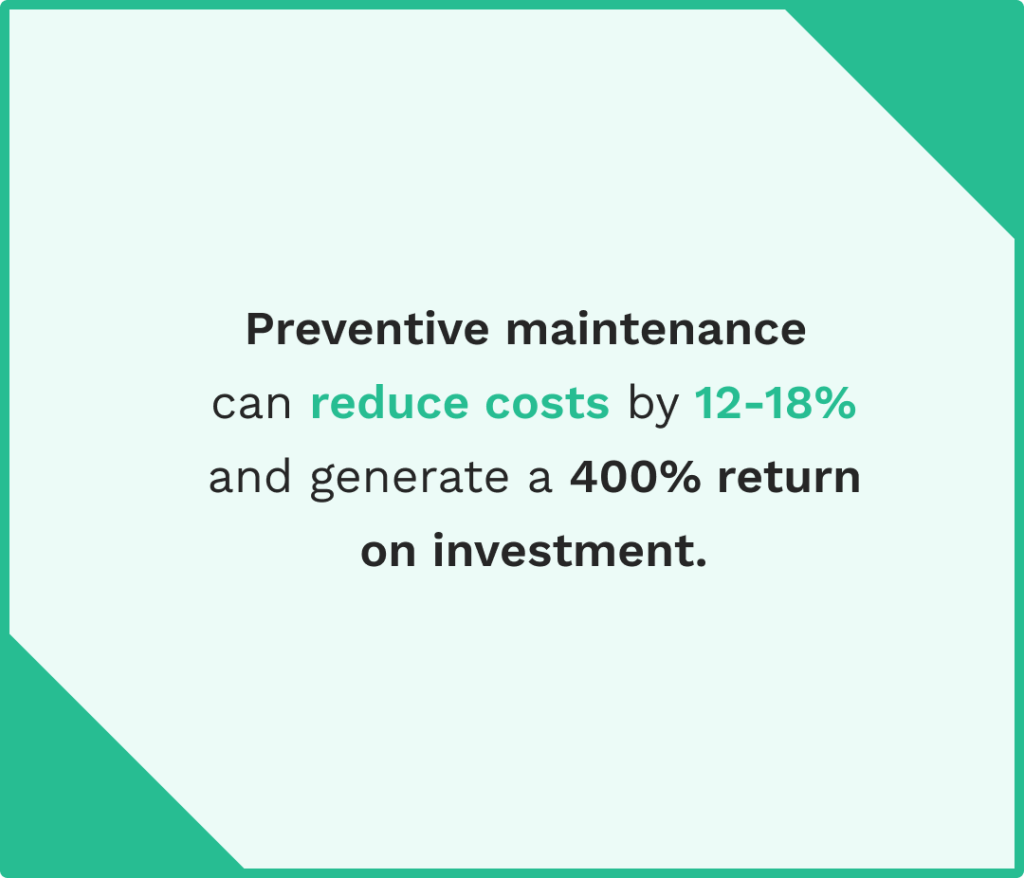
The most common preventive maintenance planning mistakes include incomplete asset inventories, poor scheduling, inadequate training, and ignoring manufacturer guidelines. These are errors that can lead to equipment failures and significant downtime.
Understanding these pitfalls helps maintenance teams build stronger, more effective programs. Common preventive maintenance planning mistakes often result from rushing implementation without proper preparation.
The difference between successful and failed maintenance programs often comes down to attention to detail and consistent execution.
Organizations that recognize and address these eight critical mistakes create maintenance systems that actually prevent problems instead of just reacting to them.
The Impact of Common Preventive Maintenance Planning Mistakes
Poor preventive maintenance planning creates cascading problems that damage equipment reliability and increase operational costs. These mistakes lead to unexpected breakdowns, shortened equipment life, and significant financial losses across manufacturing operations.
How Planning Errors Affect Reliability
Equipment reliability suffers when maintenance teams make common preventive maintenance mistakes. Incomplete asset inventories mean critical equipment gets missed during scheduled maintenance cycles.
When maintenance teams skip key equipment, the equipment can break down. This creates a chain reaction that affects other connected systems.
Inadequate risk assessment leads to poor resource allocation. Teams focus on low-risk equipment while ignoring machines that are likely to fail soon.
Incorrect maintenance frequencies can cause major reliability issues. Over-maintenance wastes resources and can damage equipment through unnecessary wear. Under-maintenance lets problems grow until equipment fails.
One mistake some organizations make is ignoring manufacturer guidelines, which accelerates equipment degradation. Components wear out faster when maintenance intervals don’t match factory recommendations. This shortens the expected lifespan of expensive machinery.
Poor training makes reliability problems worse. Technicians who lack proper skills miss early warning signs of equipment problems. They may also perform maintenance incorrectly, creating new issues.
Consequences for Asset Management
Preventive maintenance planning mistakes create serious problems for asset management programs. Without accurate asset inventories, companies lose track of maintenance schedules and equipment conditions.
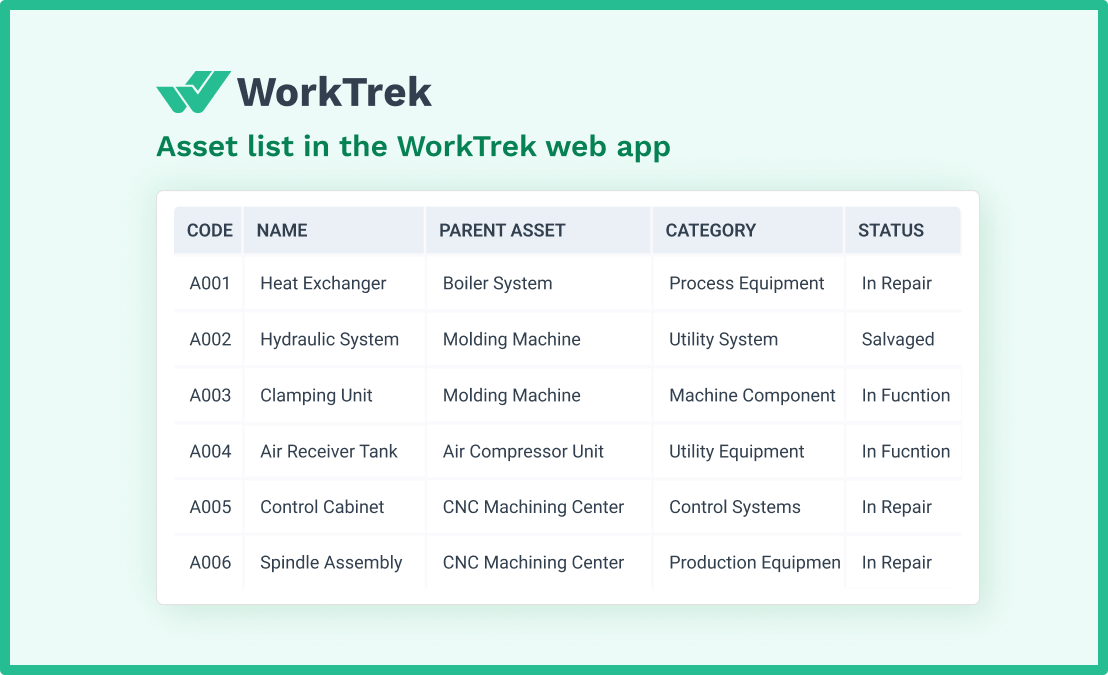
Documentation failures make asset tracking nearly impossible. Teams cannot determine when the equipment was last serviced or what work was performed.
This can lead to duplicate maintenance tasks or missed critical inspections.
Environmental factors get overlooked in many asset management programs. Equipment in harsh conditions needs different maintenance approaches than machines in controlled environments.
With poor planning, companies can struggle to optimize their maintenance budgets. Resources are wasted on unnecessary tasks, while critical equipment lacks proper care.
Asset replacement decisions become difficult without reliable maintenance data and can lead to costly repairs.
Maintenance managers cannot determine if equipment should be repaired or replaced. This often leads to keeping old equipment too long or replacing functional machines too early.
Financial and Operational Risks
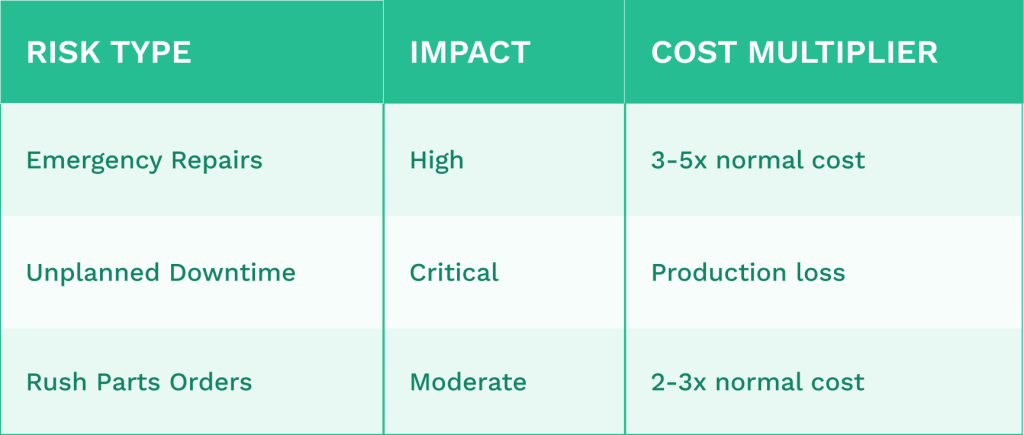
Financial losses from maintenance planning mistakes can be severe. Emergency repairs, on average, can cost three to five times more than planned maintenance activities.
Unplanned downtime creates the most significant operational risk. With disruptions in production, the delivery schedule and customer satisfaction can be affected.
Additionally, labor costs increase when maintenance teams work on emergency repairs. Overtime pay and rush parts orders add significant expenses to maintenance budgets.
Poor maintenance planning can affect equipment warranties. Manufacturers may void warranties when maintenance guidelines are not followed properly.
Additionally, regulatory compliance becomes harder when documentation is poor. Companies face fines and penalties for inadequate maintenance records in regulated industries.
Insurance costs may increase after equipment failures caused by poor maintenance. Some insurance policies require proper preventive maintenance programs to maintain coverage.
Mistake 1: Skipping Critical Equipment in Maintenance Plans
Many facilities fail to include their most important equipment in preventive maintenance plans, leading to costly breakdowns and production delays.
This oversight typically happens when organizations don’t follow an asset prioritization method or fail to assess which machinery poses the greatest operational risk.
Identifying and Prioritizing Assets
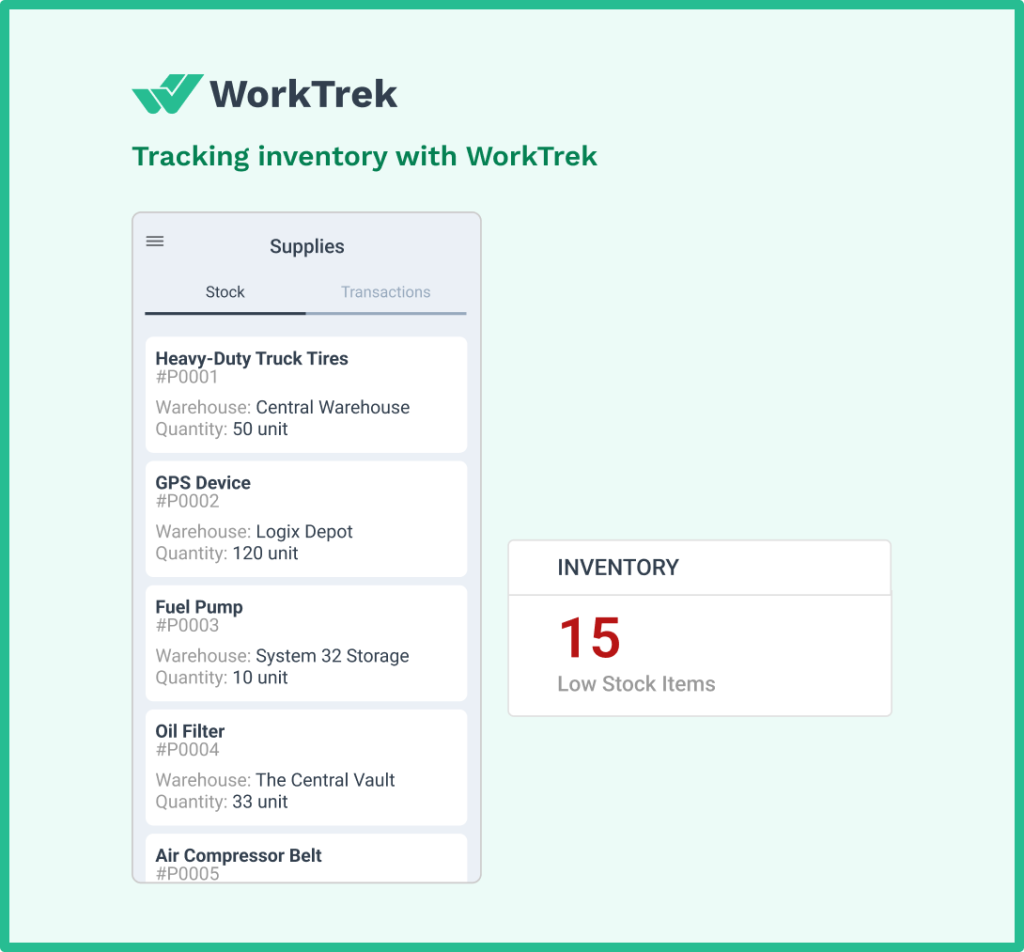
Organizations should start with a complete inventory of all equipment before building their preventive maintenance plan. This process involves cataloging every piece of machinery, from production lines to support systems.
Asset criticality ranking helps determine which equipment deserves priority attention. Critical assets are those whose failure would cause:
- Complete production shutdowns
- Safety hazards for workers
- Environmental compliance violations
- High repair costs or long replacement times
One popular method is to use a scoring system to rank assets.
The approach assigns points based on factors like replacement cost, downtime impact, and safety risks. Equipment with the highest scores gets priority in maintenance activities.
Production impact analysis reveals which machines affect the most processes.
For instance, a conveyor belt that serves multiple production lines should rank higher than a standalone piece of equipment.
Successful organizations use maintenance management programs to help track these relationships between different pieces of machinery.
Regular equipment audits ensure critical assets are not overlooked. New equipment additions or process changes can shift priorities over time.
Risks of Omitting Key Machinery
Excluding critical equipment from preventive maintenance plans creates serious operational vulnerabilities. When key machinery breaks down unexpectedly, the entire facility often stops working.
Financial consequences can multiply quickly when critical equipment fails.
Emergency repairs generally cost three to five times more than planned maintenance. Rush shipping for replacement parts adds extra expense. Lost production during downtime can cost thousands of dollars per hour.
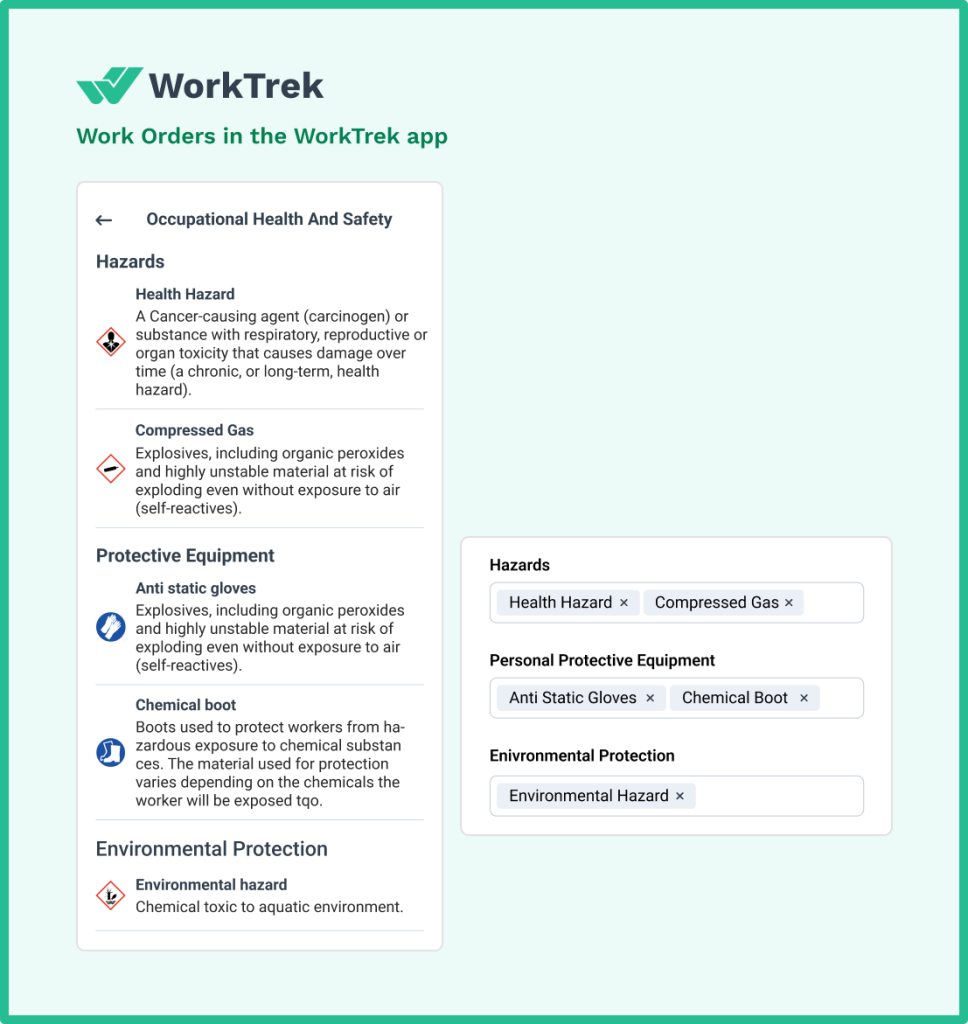
Safety risks increase when critical safety systems lack proper maintenance. Fire suppression equipment, emergency shutoffs, and ventilation systems need regular attention. Equipment failure in these areas can endanger workers and violate safety regulations.
Cascade failures happen when one critical machine breaks down and affects other equipment. A failed cooling system can damage multiple production machines.
Additionally, inadequate risk assessment often misses these interconnected relationships between systems.
Regulatory compliance issues can come up when facilities skip maintenance on regulated equipment. Environmental monitoring systems, pressure vessels, and emission controls require documented maintenance schedules.
Mistake 2: Inadequate Scheduling and Frequency of Maintenance Tasks
Poor planning and scheduling cause equipment failures and unplanned downtime. Organizations must establish proper maintenance intervals, balance scheduled work with urgent repairs, and adapt their approaches to match specific equipment requirements.
Setting Proper Maintenance Intervals
Maintenance teams often struggle with finding the right timing for maintenance tasks. Incorrect frequency of maintenance tasks leads to either over-maintenance or under-maintenance problems.
Over-maintenance wastes resources and creates unnecessary wear on equipment. Companies perform tasks too frequently, driving up costs without improving reliability. This approach ties up maintenance staff on non-critical work.
Under-maintenance allows equipment to deteriorate beyond acceptable limits. Critical components fail unexpectedly, causing production shutdowns. Emergency repairs cost significantly more than planned maintenance.
Key factors for setting intervals:
- Equipment manufacturer recommendations
- Operating conditions and environment
- Historical failure data
- Criticality to production processes
Maintenance planners should analyze failure patterns to optimize timing. Start by tracking when components typically fail and schedule work accordingly.
With this data-driven approach, as part of your preventive maintenance strategy, organizations can prevent both waste and breakdowns.
Balancing Scheduled and Break-In Work
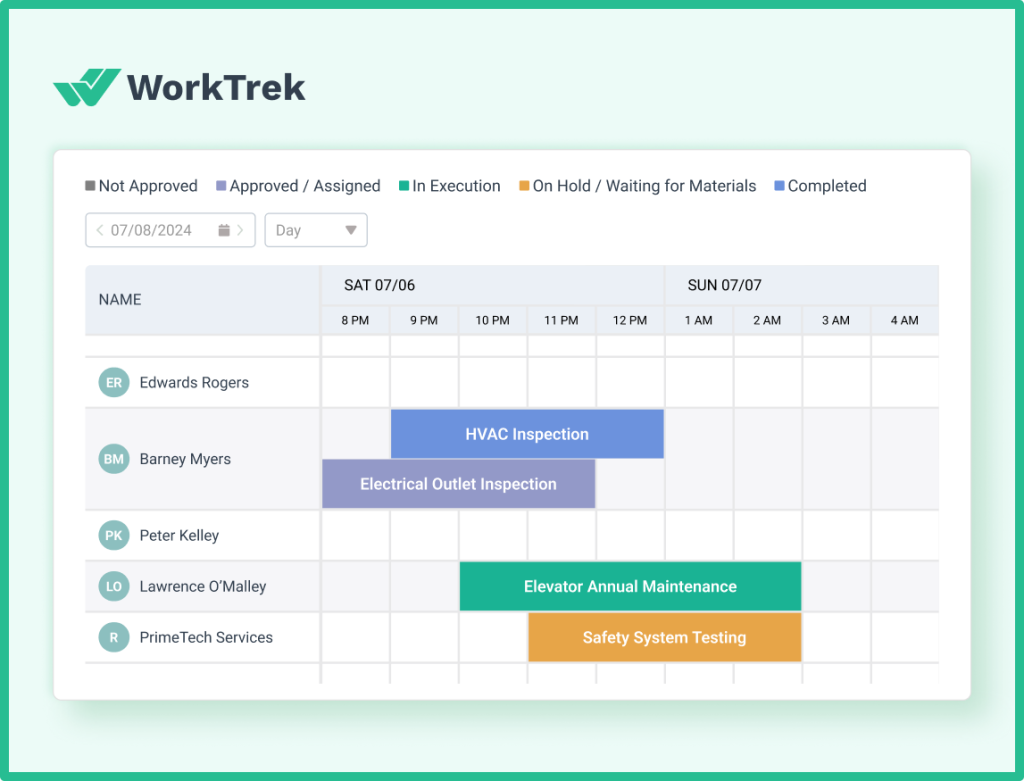
Maintenance departments are under constant pressure to handle both planned and emergency work. Good planning and scheduling processes require proper work initiation through computerized systems.
Break-in work disrupts maintenance schedules when teams lack proper balance. Emergency repairs pull technicians away from planned tasks.
This creates a vicious cycle where preventive work gets delayed, leading to more breakdowns.
One approach that organizations employ is to reserve capacity for urgent repairs while protecting scheduled maintenance time.
Most successful programs dedicate 70-80% of resources to planned work. The remaining 20-30% handles unexpected issues.
Recommended work allocation:
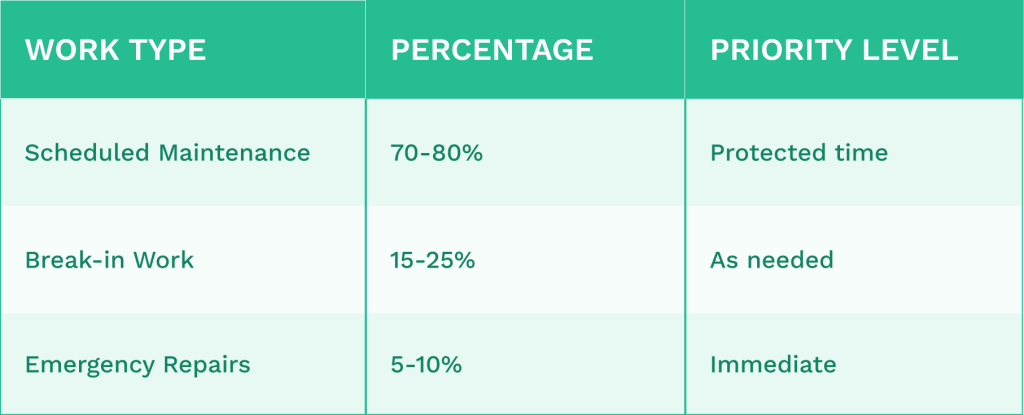
Maintenance managers must resist the urge to interrupt planned work constantly. All emergency requests should first be carefully evaluated before disrupting schedules.
Adapting to Equipment Needs
Each type of equipment is unique. Your maintenance schedule should adapt to this reality.
Generic schedules fail to address specific operational demands and environmental factors. Not customizing your approach can waste preventive maintenance efforts.
For instance, high-speed rotating equipment needs frequent vibration monitoring and lubrication. Static equipment like tanks and vessels requires less frequent but more thorough inspections. Critical production equipment demands shorter intervals than backup systems.
Environmental conditions can significantly impact maintenance frequency.
Equipment in harsh environments deteriorates faster than units in controlled conditions so adjust maintenance schedules appropriately. Dust, moisture, and temperature extremes accelerate wear patterns.
Equipment-specific considerations:
- Rotating machinery: Vibration analysis, alignment checks, bearing lubrication
- Electrical systems: Thermal imaging, connection tightening, insulation testing
- Control systems: Calibration verification, software updates, backup testing
Maintenance planners should start by creating equipment-specific task lists with appropriate frequencies.
Consider manufacturer guidelines, operating conditions, and reliability requirements. Regular review and adjustment keep schedules optimized for actual performance needs.
Mistake 3: Poor Use of Technology and Maintenance Software
Organizations sometimes fail to utilize available technology tools fully. This can lead to inefficient maintenance processes and missed opportunities for improvement.
Proper implementation of computerized maintenance management systems like WorkTrek and integration with enterprise software creates significant operational advantages for maintenance teams.
Leveraging CMMS for Effective Planning
A computerized maintenance management system serves as the nerve center and backbone of modern preventive maintenance programs.
Organizations that fail to maximize their CMMS capabilities miss critical planning opportunities.
Key CMMS features for planning include:
- Automated work order generation
- Asset tracking and maintenance history
- Maintenance scheduling tools
- Resource allocation management
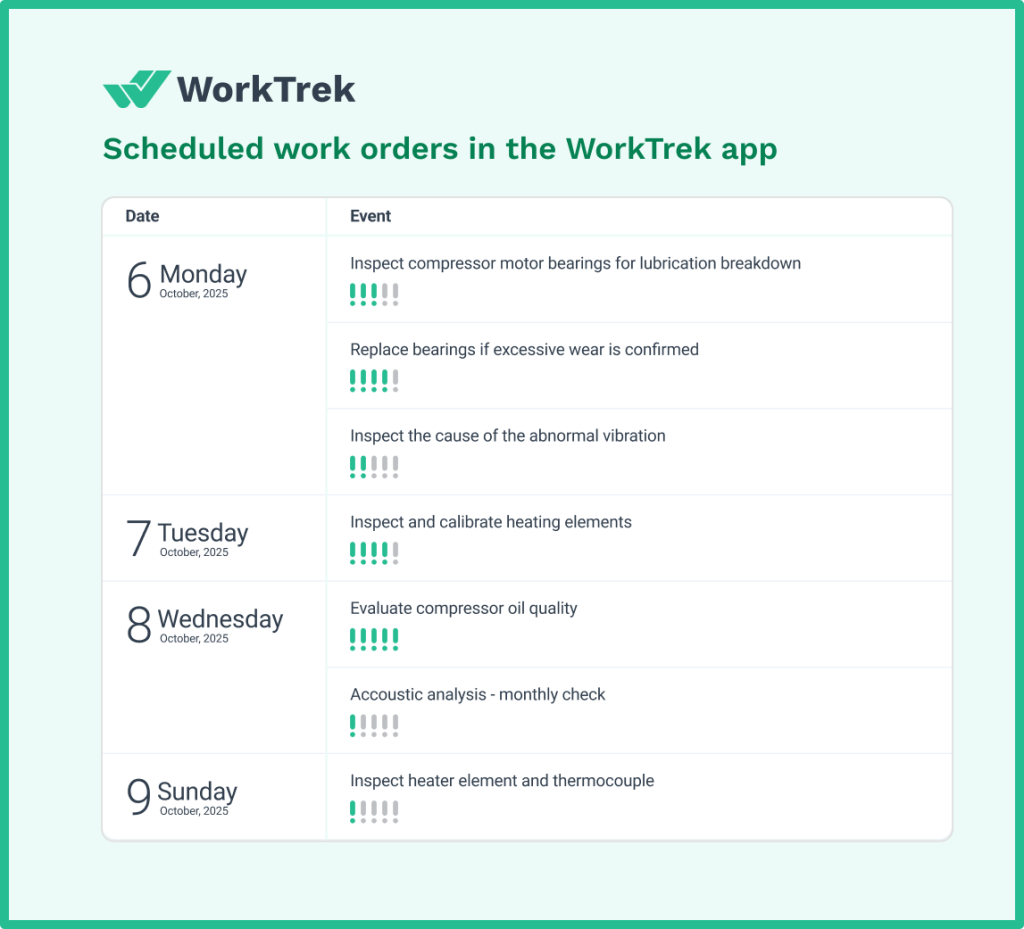
Some companies make the mistake of only using basic CMMS functions like work order creation. They tend to ignore advanced features such as predictive analytics and automated reporting.
This limits the system’s ability to make data-driven maintenance decisions.
Preventive maintenance planning requires full CMMS utilization. The system should track maintenance frequencies, monitor asset performance, and generate reports on key metrics.
Poor CMMS implementation results in incomplete data entry and inconsistent usage across teams. Don’t forget to train staff properly on all system features to ensure maximum return on investment.
Integrating EAM and ERP Systems
By integrating Enterprise Asset Management (EAM) and Enterprise Resource Planning (ERP) systems, you can create seamless data flow between maintenance and business operations.
If you operate these systems separately, you can create information silos.
Integration benefits include:
- Real-time cost tracking
- Improved procurement processes
- Better resource planning
- Enhanced financial reporting
The focus of EAM systems is on asset lifecycle management and maintenance operations.
ERP systems on the other hand handle broader business functions like finance and procurement. When connected, they provide complete visibility into maintenance costs and impacts.
Organizations without proper integration have to deal with data duplication and a lot of manual processes.
This also means that maintenance teams cannot access real-time inventory levels, track maintenance history, or purchase order status. This can lead to delays and increased costs.
Successful integration requires careful planning and technical expertise. Companies must map data flows and establish clear protocols for system communication.
Mistake 4: Neglecting Team Training and Communication
Without adequate training and communication, maintenance teams can experience confusion in maintenance operations.
Teams need clear systems, like a CMMS platform, for submitting work requests.
Develop Proper Use of Work Requests
Maintenance departments can struggle with incomplete or unclear work requests from staff members. Maintenance technicians can often submit requests without enough detail about the problem or its location.
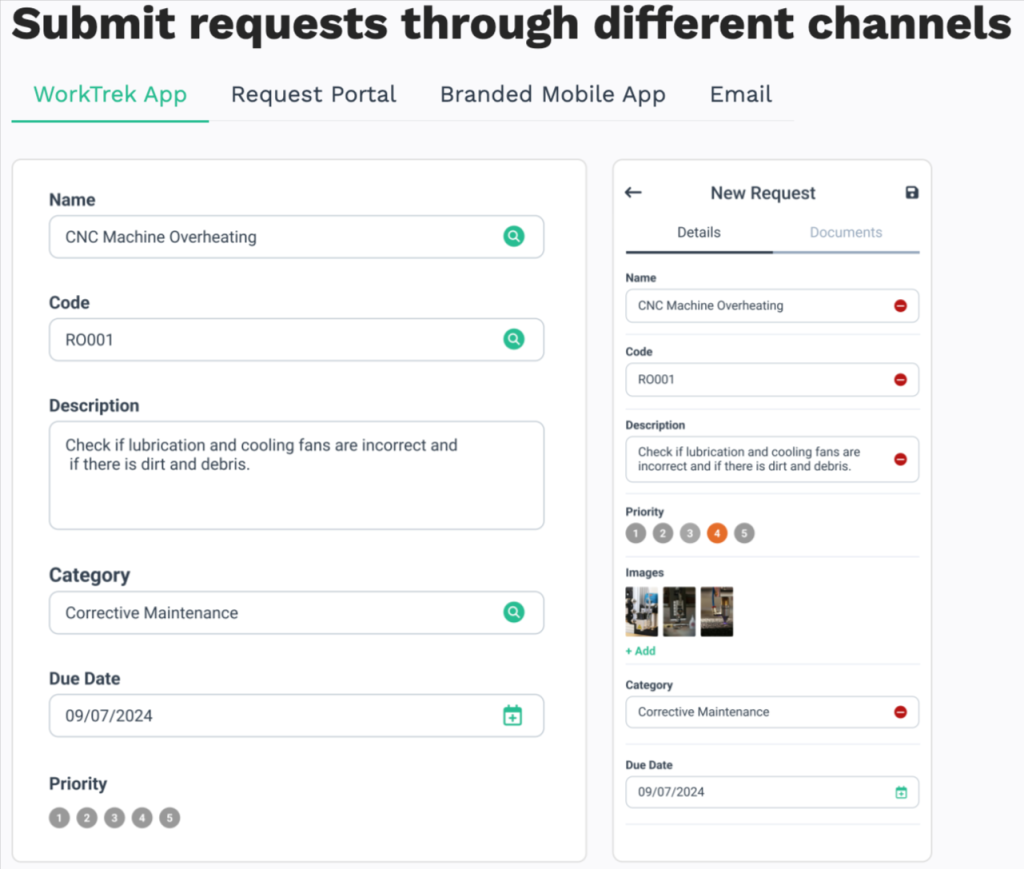
Common Work Request Problems:
- Missing equipment identification numbers
- Vague problem descriptions like “machine broken”
- Missing priority levels
- Incomplete contact information
Training all employees on proper work request procedures can save time for the organization.
Workers should learn to include specific details about what they observed and when the problem started.
The maintenance department should create simple templates that guide users through the request process. CMMS platform can automate the process and simplify data collection.
Regular training sessions help reinforce these practices for both new and existing employees.
Standarize Communication Protocols
Without consistent communication methods information can get lost or delayed.
Also if you don’t use a centralized maintenance management system like WorkTrek, technicians might use manual methods like phone calls, texts or emails.
The ideal approach is for maintenance teams to standardized on a CMMS system.
Key Communication Elements:
- Daily briefings for ongoing maintenance issues
- Standard terminology for equipment problems
- Clear escalation procedures for urgent situations
- Documentation requirements for completed work
Shift changes can be a communication challenge. The outgoing team must clearly explain any incomplete work or emerging problems to the incoming shift.
Written logs work better than verbal handoffs because they create permanent records. Digital systems allow multiple team members to access the same information simultaneously.
Rewarding Early Failure Identification
A lot of maintenance problems start small and grow worse over time. Workers who spot these early warning signs can prevent major equipment failures.
Many employees hesitate to report minor issues because they fear being blamed or creating extra work. The maintenance department should encourage these reports through positive recognition programs.
Effective Recognition Methods:
- Monthly awards for helpful reports
- Public acknowledgment in company meetings
- Small monetary bonuses for preventing failures
- Team celebrations when downtime is avoided
Training programs should include early warning signs to look for. Unusual sounds, vibrations, or temperature changes often indicate developing problems.
Quick reporting of potential issues allows the maintenance team to schedule repairs during planned downtime instead of dealing with emergency breakdowns.
Mistake 5: Failing to Act on Feedback and Continuous Improvement
A good practice that a lot of maintenance teams follow, is to collect feedback. However, the key to success is take action on this feedback to improve the maintenance process.
Incorporate Team Insights and Feedback
Maintenance technicians work directly with equipment every day. They spot patterns and problems that managers might miss from their offices.
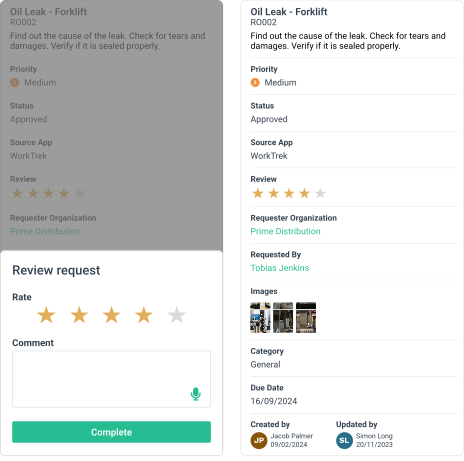
Front-line technicians notice:
- Equipment that breaks down more often than expected
- Tasks that take longer than scheduled
- Parts that wear out faster than planned
- Safety issues during maintenance work
Sucessfull maintenance organizations create formal ways to collect this information. Weekly team meetings work well for smaller teams. Digital feedback systems help larger organizations track insights from multiple locations.
The key is make the process simple. Many technicians avoid speaking up if the process is complicated or time-consuming.
Successful feedback systems include:
- Simple forms or apps for quick input
- Regular one-on-one meetings with supervisors
- Anonymous suggestion boxes for sensitive issues
- Follow up on all submitted feedback
Teams that feel heard are more likely to share valuable insights. This leads to better maintenance planning and fewer unexpected breakdowns.
Documenting and Refining Practices
Good feedback means nothing without action. Continuous improvement requires tracking changes and measuring results over time.
Documentation should capture what worked and what failed. This prevents teams from making the same mistakes repeatedly.
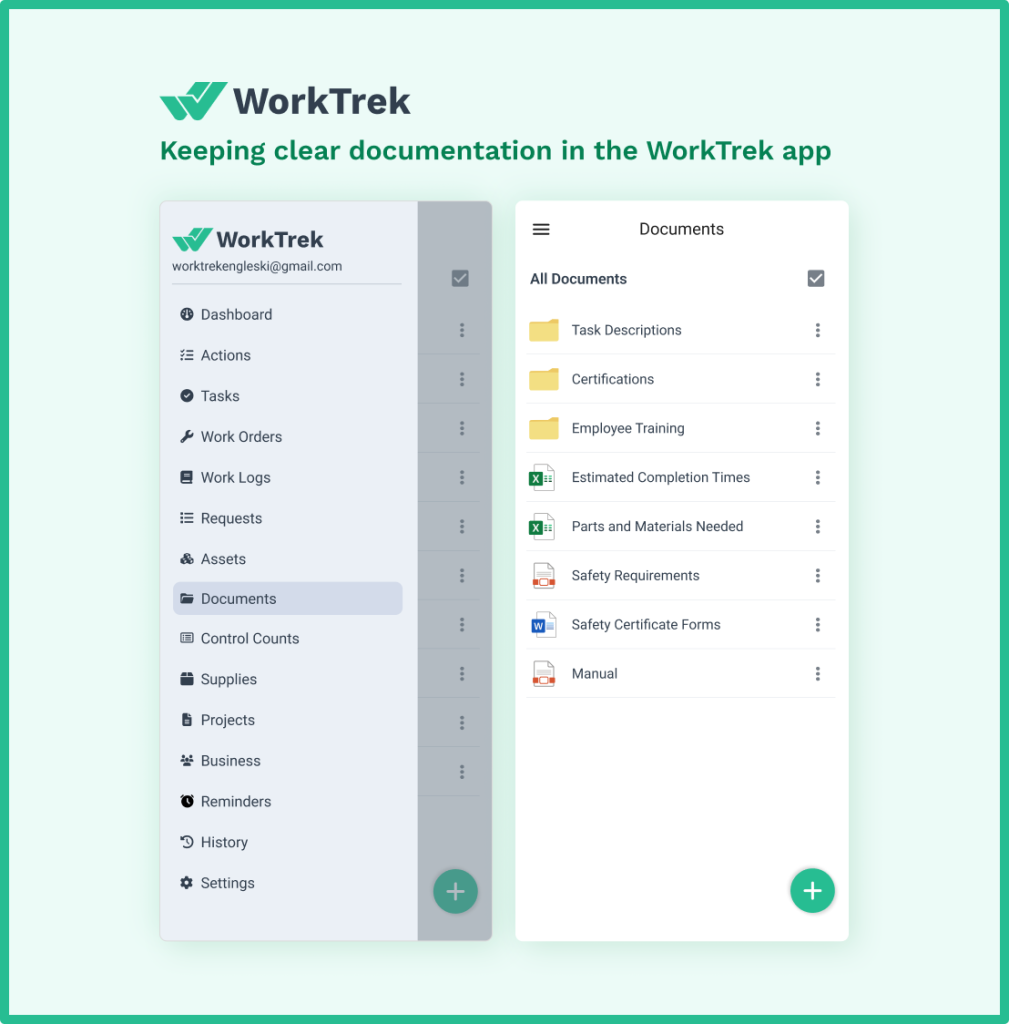
Essential documentation includes:
- Changes made to maintenance schedules
- Results of new procedures or techniques
- Cost savings from improvements
- Time reductions in maintenance tasks
Regular reviews help identify which changes actually improved performance. Monthly or quarterly assessments work better than annual reviews because problems get fixed faster.
The best continuous improvement programs focus on small, steady changes rather than major overhauls. Small improvements can add up to significant gains over time without disrupting daily operations.
Mistake 6: Overlooking Job Plan Standardization and Documentation
Proper job plan documentation creates a foundation for consistent maintenance work and continuous improvement.
Lacking standardized procedures and accurate record-keeping can cause repeated mistakes.
Reusing and Improving Job Plans
Some maintenance teams waste time by creating new job plans from scratch instead of leveraging existing ones and learning from previous experiences.
Standardized job plans should include:
- Step-by-step procedures
- Required tools and materials
- Safety requirements
- Time estimates
- Skills needed
Maintenance planning involves creating templates that technicians can use repeatedly. When a team completes a job, they should update the plan with any improvements or corrections.
The best maintenance planning approaches treat job plans as living documents. Each time workers use a plan, they can make it better for the next person.
CMMS makes this process easier. Teams can quickly copy and modify existing plans rather than starting over each time.
Maintaining Accurate Records
Poor documentation creates problems that compound over time. Inconsistent maintenance records make it hard to spot patterns and prevent future failures.
Essential maintenance records include:
- Work completed dates
- Parts used
- Time spent
- Problems found
- Actions taken
It is important for teams to document maintenance activities as they happen, not days later. Memory fades quickly, and important details get lost.
CMMS systems help standardize record-keeping by requiring specific fields to be completed before work orders can be closed. This approach creates consistent and thorough information is gathered for every preventive maintenance task.
Having consistent and easily accessible records helps maintenance planners make better decisions.
Mistake 7: Mismanaging Resources and Roles
Poor resource allocation and the lack of role definitions create chaos within maintenance operations. Without defined boundaries, maintenance departments operate without optimized workflows.
Aligning Planner and Technician Duties
Clear separation between planning and execution roles prevents workflow bottlenecks and improves maintenance efficiency. Organizations that blur these responsibilities confuse and reduce productivity.
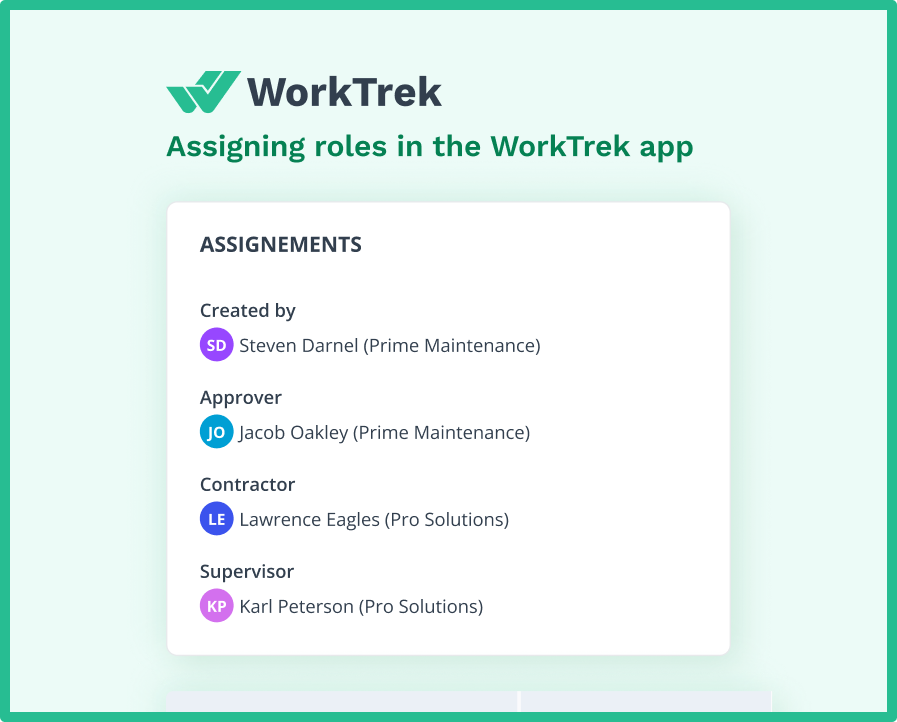
Maintenance planners should focus on:
- Creating detailed work orders with parts lists
- Scheduling tasks based on priority and resource availability
- Coordinating with purchasing for material procurement
- Analyzing equipment history and failure patterns
Technicians should concentrate on:
- Executing planned maintenance tasks
- Providing feedback on work order accuracy
- Reporting equipment conditions and anomalies
- Performing hands-on repairs and inspections
The maintenance team performs best when each role stays within defined boundaries. Planners who attempt technical work often neglect their planning duties. Technicians forced into planning roles lose valuable wrench time.
Successful organizations establish a 1:15 to 1:25 planner-to-technician ratio. This allows adequate planning support without overstaffing administrative functions.
Optimizing Maintenance Department Workflow
Streamlined workflows eliminate waste and maximize maintenance department productivity. Poor workflow design creates delays, duplicate efforts, and frustrated staff members.
Key workflow optimization strategies include:
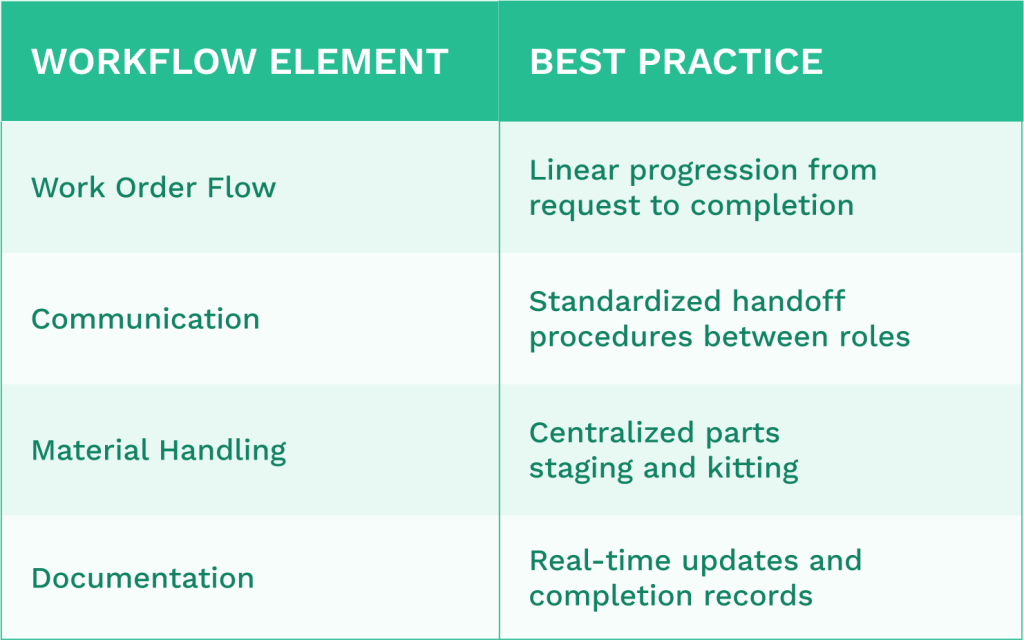
The maintenance department should define clear handoff points between the planning and execution phases. Work orders should move through predictable stages without backtracking or confusion.
Successful departments use staging areas where planners prepare tools and materials before technicians arrive. This eliminates search time and ensures job readiness.
Daily coordination meetings keep the maintenance team aligned on priorities and resource constraints. These brief sessions can prevent conflicts and optimize resource utilization across all work streams.
Mistake 8: Ignoring Data-Driven Decision Making
Sometimes maintenance teams collect data but fail to use it effectively for decision-making. However, organizations that track key performance metrics can adapt their maintenance strategies based on data insights to improve equipment reliability.
Tracking Performance Metrics
Maintenance teams need specific metrics to measure their success.
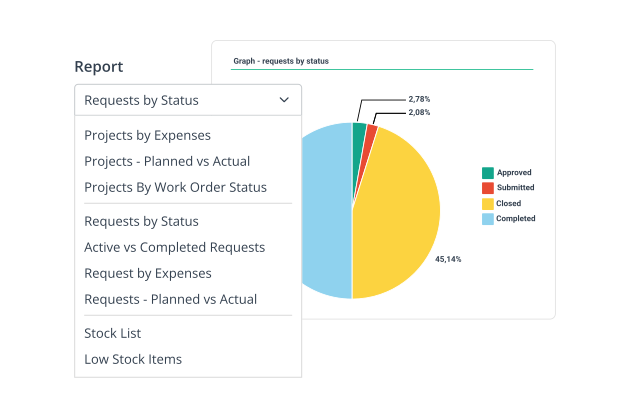
Equipment availability shows how often machines are ready for production. Mean time between failures (MTBF) indicates the average duration of time equipment operates before experiencing a breakdown.
Cost per maintenance hour helps teams understand spending efficiency. This metric includes labor, parts, and overhead costs. Teams should track this monthly to spot trends.
Planned vs. unplanned maintenance ratio is crucial for success. A good target is 80% planned and 20% unplanned work. Higher unplanned percentages indicate reactive maintenance problems.
Key Performance Indicators (KPIs) to Track:
- Equipment uptime percentage
- Work order completion time
- Parts inventory turnover
- Safety incidents per month
- Energy consumption per unit produced
Building a Proactive and Sustainable Maintenance Planning Culture
Creating a strong maintenance culture requires connecting maintenance activities to business objectives.
This approach improves equipment reliability while reducing unexpected breakdowns and costly emergency repairs.
Linking Preventive Maintenance to Organizational Goals
It helps maintenance teams to understand how their work impacts company performance. When preventive maintenance connects to business goals, workers see the value in their daily tasks.
Key Performance Indicators (KPIs) help track this connection:
- Overall Equipment Effectiveness (OEE)
- Mean Time Between Failures (MTBF)
- Maintenance cost per unit produced
- Schedule compliance rates
It would be helpful for the management team to share metrics regularly with maintenance staff. This creates transparency about how equipment reliability affects production targets and profit margins.
Training programs should focus on the business impact of maintenance decisions. For example, a delayed bearing replacement might cost $500 but could lead to $50,000 in lost production if the equipment fails during peak season.
Budget discussions should include maintenance teams. When workers understand financial constraints and priorities, they make better decisions about resource allocation and the timing of maintenance tasks.
Regular meetings between maintenance and operations teams build stronger relationships. These discussions help identify equipment issues that affect production quality and delivery schedules.
Driving Reliability Through Proactive Approaches
Proactive maintenance strategies focus on preventing problems before they occur.
Important proactive maintenance elements include:
- Condition monitoring with sensors and inspections
- Predictive analytics to forecast equipment needs
- Regular maintenance scheduling based on usage patterns
- Root cause analysis of equipment failures
Some examples of condition-based maintenance include vibration sensors that detect bearing wear early, temperature sensors that monitor and identify overheating issues before damage occurs.
Conclusion
Preventive maintenance planning requires avoiding these eight critical mistakes while building a proactive maintenance culture.
Organizations that address incomplete asset inventories, optimize scheduling frequencies, consider environmental factors, invest in training, follow manufacturer guidelines, maintain thorough documentation, clearly define roles, and embrace data-driven decisions position themselves for long-term success.
The difference between reactive and proactive maintenance directly impacts the bottom line. Emergency repairs can cost three to five times more than planned maintenance, and unplanned downtime threatens production schedules and customer satisfaction.
Moving forward, maintenance teams must view their work as integral to organizational goals rather than isolated technical tasks.
By implementing robust CMMS systems, establishing clear KPIs, and fostering collaboration between maintenance and operations teams, companies transform maintenance from a cost center into a strategic advantage. The path to equipment reliability isn’t complex—it requires commitment to systematic planning, continuous improvement, and recognition that every prevented breakdown contributes to operational excellence and competitive advantage.