

Blog

Product Updates
WorkTrek Monthly Updates: June 2025
Your CMMS Just Got Superpowers! 🚀 Three game-changing updates are going to make your maintenance team wonder how they ever lived without them. Remember when managing procurement meant drowning in paper trails and playing inventory guessing games? Those days are officially over. We’ve been cooking up some serious upgrades at WorkTrek that’ll transform how you handle […]
Your CMMS Just Got Superpowers! 🚀 Three game-changing updates are going to make your maintenance team wonder how they ever lived without them.
Remember when managing procurement meant drowning in paper trails and playing inventory guessing games? Those days are officially over. We've been cooking up some serious upgrades at WorkTrek that'll transform how you handle purchasing, warehouse ops, and compliance tracking. Are you ready to see what we've built for you?
1. Purchase Orders That Actually Make Sense
Finally, procurement that doesn't require a PhD in patience! Your new Purchase Orders module isn't just another feature—it's your procurement command center. Here's the magic:
• Create, track, and approve orders without the usual headaches
• Direct warehouse fulfillment means your inventory updates itself (no more manual data entry nightmares!)
• Full visibility from request to receipt
• Vendor communication that keeps everyone on the same page
The bottom line? Your spare parts procurement just went from chaotic to choreographed. Your CFO will love the audit trails, and your techs will love having what they need, when they need it.
Source: WorkTrek
2. Warehouse Oops-Insurance
Everyone deserves a 2nd chance for inventory mistakes! Meet your new best friend: Copy & Reversal for warehouse transactions. Accidentally logged 50 pumps instead of 5? Hit reverse. Need to recreate last month's bulk order? Hit copy. It's that simple.
• Instant transaction reversals that keep your inventory honest
• One-click duplication for repeat transactions
• Error-proof workflows that make warehouse management feel seamless
Source: WorkTrek
3. Certificate Tracking That Never Sleeps
Say goodbye to the dreaded "expired certification" surprise! Our Certificate & Expiration Tracking is like having a tireless assistant who never forgets a renewal date.
Track everything that matters:
• Asset certifications (calibrations, inspections, registrations)
• Personnel licenses (because expired permits = big problems)
• Company compliance docs (the paperwork that keeps the lights on)
Source: WorkTrek
The smart stuff:
• Automatic alerts before things expire (not after)
• Full renewal history for every certificate
• One-click reporting for audits and compliance checks
• Document storage that is easy to manage and makes sense
Here's what this means for you: No more panicked calls about expired vehicle registrations. No more scrambling when the inspector shows up. Just smooth, compliant operations that run like clockwork.
The WorkTrek Difference
While other CMMS platforms treat these as afterthoughts, we built them as core features. Because we know that in maintenance, the details aren't just details—they're the difference between planned maintenance and emergency chaos.
Ready to upgrade your maintenance game?
These features are rolling out now to all WorkTrek users. Log in to see them in action, or contact us if you want a quick walkthrough from our team.
The WorkTrek Team Making maintenance management actually manageable

Operations & Maintenance
How to Measure Your Maintenance Productivity
Key Takeaways:
Productivity compares maintenance output to time and resources used.
CMMS simplifies accurate productivity data collection.
Wrench time in most facilities is between 18 and 30%.
Leading organizations aim for at least 85% planned maintenance and less than 15% reactive work.
Everyone wants their maintenance to be productive.
But what does that mean, and how do you measure it?
Is it about how fast tasks get done? Or how much time technicians spend turning wrenches?
Yes—but there’s more to it.
Productivity is a ratio: the balance between inputs (time and materials) and outputs (uptime or reduced costs).
To measure it accurately, you need to define the right metrics, track them consistently, and address obstacles.
Let us show you how to do that.
Define Inputs and Outputs
Before measuring maintenance productivity, you need to understand what you’re putting in and what you expect to get out.
Inputs are everything you invest in maintenance work:
Technician labor hours
Spare parts
Tools
Contractor services
These are fairly straightforward to quantify.
You can track them in your CMMS or through time logs, work orders, and material usage records.
Outputs, on the other hand, are harder to pin down.
Maintenance doesn’t produce a physical product, so its value is often measured indirectly.
Maintenance outputs include increased equipment uptime, fewer unplanned breakdowns, longer asset life, lower reactive maintenance costs, and improved safety or compliance.
Source: WorkTrek
These real results matter to operations, but they take time to realize and aren’t always easy to tie to one technician or work order.
That’s why it’s essential to define these outputs clearly before you try to measure productivity.
Otherwise, you risk rewarding busywork instead of meaningful results.
And productivity is, by definition, a ratio of outputs over inputs.
As Jim Pazos, a drilling and completion fluids engineer, explains, maintenance productivity is about resource usage and value delivered.
Illustration: WorkTrek / Quote: Oges
In other words, it reflects the work's quality and its contribution to operational success.
Framing productivity this way shifts the focus from getting things done to getting the right things done efficiently and consistently.
That’s the foundation for all the KPIs and benchmarking that follow.
Set the Right KPIs
Once you’ve defined your inputs and outputs, setting the right KPIs is next.
The key is to focus on a mix of metrics reflecting the value of work.
You want to measure efficiency and effectiveness because productivity depends on both.
Here are the KPIs to consider.
Wrench Time
Wrench time is one of the most common KPIs for tracking efficiency.
It tells you the percentage of a technician’s shift spent doing hands-on maintenance work.
Here is a simple formula for calculating it:
Source: WorkTrek
According to Reliable Plant, world-class organizations typically report wrench time between 55 and 65%, but most facilities operate closer to 20 or 30% in practice.
That gap reflects the time lost to tasks such as searching for tools, waiting for permits, or walking long distances between jobs.
However, wrench time has its limits.
Just because someone is busy doesn’t mean the work they’re doing is impactful, as one Reddit user pointed out:
“I realize that time spent working doesn't automatically translate to productivity, but this helps me quickly see how diligent I've been about work.”
That’s a fair observation.
Still, while wrench time doesn’t tell you whether the work is valuable, it gives you a clear picture of how much time is spent performing it.
That makes it a useful indicator of input-based productivity.
Time Lost to Delays
If wrench time tells you how much time is spent working, this KPI shows you where time is not used productively.
You can track time lost to delays such as waiting for parts, permits, or approvals, getting tools, receiving instructions, and more.
These waiting periods may seem minor, but they add up fast and often go unnoticed, as a calculator below shows.
Source: Reliability Academy on YouTube
Tracking these times can help you identify the root causes of delays, including:
Inefficient maintenance planning
Poor inventory management
Unclear communication
With clear insights into lost time, you can start reducing delays, ultimately helping technicians stay focused, shortening job durations, and improving overall productivity.
Planned vs. Actual Time for Tasks
To examine the situation more thoroughly, you can compare the planned time for a task to the actual time it took to complete it.
Here is how to calculate that variance:
Source: WorkTrek
This KPI highlights how realistic your maintenance planning is and whether execution is on track.
If tasks consistently run over their estimated time, it might signal delays, poor planning, or inefficiencies in work performance.
Over time, this can reveal patterns that harm productivity, such as chronic underestimation, skill gaps, or logistical issues.
Schedule Compliance
Schedule compliance tells you how well your team follows the planned maintenance schedule.
The formula is simple:
Source: WorkTrek
Deviating too often from the schedule typically means that unplanned, reactive work is taking over, disrupting routines and lowering productivity by pushing aside more efficient, proactive tasks.
High compliance shows that your team can follow through with the plan, a sign of operational stability.
Planned vs. Reactive Maintenance
Just as important is the percentage of planned versus reactive maintenance.
This KPI compares the amount of work scheduled in advance to the amount that had to be handled on the fly.
Ideally, most of your maintenance should be planned, as reactive work is unpredictable, inefficient, and often more expensive.
A high proportion of reactive tasks means technicians are constantly pulled off course, which destroys productivity by creating delays, confusion, and stress.
First-time Fix Rate
It’s also helpful to track the first-time fix rate, which measures the percentage of work orders that are completed successfully on the first visit without needing to redo the job.
Here is a formula to calculate the first-time fix rate:
Source: WorkTrek
A low first-time fix rate suggests problems with training, diagnosis, or parts availability, all of which waste time and reduce output.
By improving this rate, you directly improve both productivity and asset reliability.
Work Order Completion Rate
Another valuable metric is the work order completion rate, which measures how many scheduled work orders are completed within a given timeframe.
To calculate it, use this simple formula:
Source: WorkTrek
A high completion rate suggests strong throughput and planning discipline, essential for maintaining maintenance operations productive and predictable.
This KPI shows whether your team consistently moves work forward or falls behind due to a backlog or reactive disruptions.
Mean Time to Repair (MTTR)
You should also track the mean time to repair (MTTR) to assess how well maintenance activities support uptime and restore operations.
MTTR shows how long it takes, on average, to fix an asset after a failure occurs.
A lower MTTR indicates that your team is quick to respond and resolve issues, which reduces downtime and improves operational performance.
It’s a powerful output-based measure of productivity because it directly connects your team’s actions to equipment availability.
Cost per Work Order
Finally, cost per work order ties everything together by connecting resource usage, such as labor hours and materials, to financial outcomes.
The cost per work order rises if technicians take too long on simple jobs or consume too many parts.
Source: WorkTrek
That’s a sign of inefficiency, and when viewed alongside the other KPIs, it can help you pinpoint where money and time are being wasted.
Together, these KPIs give you a full view of maintenance productivity.
Some show how efficiently work is performed, while others reveal whether that work is helping your operations run better.
No single metric tells the whole story, but combined, they help you identify gaps, optimize performance, and track progress over time.
Most importantly, they help shift your focus from simply doing the work to doing the right work, in the right way, with the best possible outcome.
Collect Useful Data
Now that you have your KPIs, it’s time to collect data to support them.
But it’s not enough to know what to track.
You also need a reliable tracking system that captures both the work being done and the resources being used, without adding unnecessary complexity to the technicians’ (and your) workflows.
A CMMS is by far the most effective way to do this.
A platform like WorkTrek allows you to log time, track spare parts, and document work orders in real time, all from a tablet or smartphone.
Source: WorkTrek
This makes it easier for technicians to record their work as they go, rather than trying to remember details at the end of the day or week.
The more effortless the process, the more likely you are to get clean, consistent data, which directly improves the quality of your productivity metrics.
For example, when a technician clocks into a work order through the CMMS, the system starts tracking how long the task takes.
Source: WorkTrek
That timestamp becomes the foundation for calculating metrics like wrench time or planned versus actual task duration.
The same applies to parts usage and costs.
If you assign parts and materials directly to a work order inside the system, you can see exactly how much was used for each job and at what cost.
Source: WorkTrek
This kind of data feeds directly into KPIs like cost per work order.
For example, think of a routine maintenance task that normally takes 2 hours and uses 3 parts.
If you notice that this same task is suddenly taking 4 hours and using 7 parts, that’s a clear sign that something is off.
By noticing it quickly through a higher-than-usual cost per work order, you can investigate whether it’s just a one-time issue, like a particularly worn-out machine, or if it’s happening regularly.
If it happens often, it might mean your team needs more training, or that the job isn’t being planned properly, so you can fix the root cause before costs and downtime grow.
Another major advantage of using a CMMS is automation.
You can set up reports and dashboards to update automatically, pulling from live data to show productivity trends over time.
If wrench time starts to drop or the percentage of reactive work begins to increase, you’ll see it immediately.
Source: WorkTrek
In short, using a CMMS is the easiest and most effective way to collect useful data for productivity tracking.
It captures the data you need for your KPIs, simplifies reporting, and creates a feedback loop that helps you continuously improve.
Benchmark Performance
Productivity data is only useful if you compare it against a clear standard.
That’s why you have to benchmark productivity to help you better understand how your team is performing.
Take wrench time as an example.
As mentioned, world-class maintenance teams typically achieve 55–65% wrench time, but most facilities report wrench time between 18 and 30%.
Illustration: WorkTrek / Data: Reliable Plant
Comparing your wrench time to this benchmark helps you see inefficiencies.
A low percentage will point out planning issues, tool availability problems, or other bottlenecks that hurt overall productivity.
Another useful benchmark is your planned vs. unplanned maintenance ratio.
Leading organizations aim for at least 85% planned work and less than 15% reactive.
Illustration: WorkTrek / Data: Reliability Web
If your ratio is flipped—or even close to 50/50—it’s a sign that emergencies are running the show.
That reactive environment makes it nearly impossible to use your team’s time effectively.
Benchmarking this ratio helps you understand how much control you have over your workload and where you’re losing productivity.
Unfortunately, benchmarking is not without its challenges, especially when it’s based on internal estimates rather than real-world data.
Sandy Dunn, a maintenance expert with over 40 years of experience, explains that many planners set task duration estimates based on gut feeling rather than evidence.
Illustration: WorkTrek / Quote: Assetivity
He further explains that when technicians consistently fail to meet the original estimates, planners often feel pressure to extend the time instead of identifying the root causes.
This results in benchmarks that look good on paper but hide the real issues.
Benchmarks have to reflect repeatable, real-world performance to be useful.
If you keep seeing the same delays on similar jobs, you’re not looking at isolated incidents but at a pattern.
And patterns point to deeper, systemic issues that need attention, which brings us to the final step.
Address Productivity Killers
Once you've identified the gaps, the final step is to address the common productivity killers behind them.
Even with strong planning, technicians often lose time waiting for permits, walking back and forth to find parts, or sitting idle between jobs due to poor scheduling.
Sometimes it's not the task itself that's the problem, but how it’s set up.
Vague instructions, missing materials, unclear priorities, or communication breakdowns can all eat into productive time without anyone realizing it.
This is where a CMMS becomes especially valuable.
A CMMS like WorkTrek can eliminate many of these issues by giving technicians everything they need in one place, from clear instructions, part assignments, and due dates to digital checklists attached to each work order.
Source: WorkTrek
That last feature is especially useful.
Checklists ensure that every task is completed in the correct sequence, reducing rework and helping technicians complete their assignments faster and more confidently.
Scheduling also becomes far more efficient.
CMMS platforms often include simple drag-and-drop scheduling tools so you can easily assign the right technician to the right job, with the right parts, at the right time.
Some systems also offer map-based views, letting you visualize where all your assets are located.
Source: WorkTrek
This allows you to group tasks by location and plan more logical routes, reducing wasted travel time between jobs and improving overall workflow efficiency.
These small adjustments in how work is planned, communicated, and executed can add up fast.
Over time, they lead to significant improvements in your team’s productivity.
Because at the end of the day, measuring productivity isn’t just about time logs or KPIs—it’s about using that information to fix what’s slowing your team down.
Once you know the bottlenecks, you’re in a much better position to remove them.
Conclusion
Measuring maintenance productivity gives you clarity.
Clarity on where time and resources go, where value is created, and where it’s lost.
So, define the right metrics, back them with reliable data, benchmark honestly, and you’ll see exactly how productive your maintenance is.
Then, use that insight to keep productivity up.
Operations & Maintenance
How to Reduce Corrective Maintenance
Your production line grinds to a halt at 2 AM. Critical equipment has failed unexpectedly, and your maintenance team scrambles to locate the necessary parts, tools, and expertise to restore operations. Meanwhile, every hour of downtime costs your business an average of $25,000.
Illustration: WorkTrek / Data: output.industries
This scenario plays out in facilities worldwide every day.
Equipment failures not only cost money but also compromise productivity, endanger safety, and erode a company's competitive edge.
When corrective maintenance dominates your maintenance strategy, you're essentially gambling with your operations.
The worst part? Most of these failures are entirely preventable with the right approach.
The good news is that you can dramatically reduce both the frequency and impact of corrective and reactive maintenance.
This comprehensive guide explores proven strategies to reduce both the occurrence and duration of corrective maintenance activities, helping you regain control of your operations and your budget.
Key Takeaways
Identify and fix root causes to reduce unplanned repairs.
Regular training and new tools enable teams to work more efficiently.
Track results and adjust strategies for better outcomes.
Understanding Corrective Maintenance
Corrective maintenance focuses on repairing equipment or systems after they have malfunctioned. It is essential in keeping machines and processes running, but can become costly and time-consuming if not appropriately managed.
This type of maintenance is necessary when emergencies occur and routine upkeep is insufficient. It can involve anything from minor repairs to complete overhauls, depending on the extent of the damage.
While corrective maintenance is sometimes planned, it is often unplanned and must be carried out right away to prevent further loss or safety risks.
There are human limitations to corrective maintenance. A quick reaction helps reduce the time required for corrective maintenance.
Types of Corrective Maintenance
There are two main types of corrective maintenance: planned and unplanned.
Planned corrective maintenance is scheduled in advance, usually when a problem is found during an inspection or routine check. The team sets a time for the repair, gathers the necessary tools and parts, and prepares detailed instructions to ensure the work is completed efficiently and effectively.
Illustration: WorkTrek / Data: Tractian
Unplanned corrective maintenance occurs when a failure happens suddenly and the repair must be done immediately. This type is more common and disruptive because it is harder to predict.
Common Challenges
Corrective maintenance can be challenging for organizations that want reliable equipment. That is mainly because unplanned repairs require parts that you might not have on hand, overtime for staff, and can potentially pose safety issues.
Some organizations make the mistake of being overly reliant on corrective maintenance.
Depending on resource availability, communication between maintenance professionals can slow down the process. It can also blow a hole in your maintenance budget and cause havoc in your maintenance processes.
Root Causes of Corrective Maintenance
One approach to reduce corrective maintenance is to find the root cause of the issues.
Some common reasons why organizations overutilize corrective maintenance include:
Overall equipment reliability
Staff errors
Technical ability
Limited data and maintenance history
Budget constraints
Corrective maintenance often results from issues that could have been avoided or reduced. Problems related to equipment reliability, planned maintenance gaps, and staff errors all play key roles.
Equipment Failure Analysis
The most common type of unexpected repair is major equipment failure.
There are several reasons why machines break down, wear out, or experience poor design or the use of substandard parts.
Aging equipment can be more prone to sudden malfunctions, causing unplanned maintenance tasks.
Companies often utilize failure analysis tools, such as Root Cause Analysis (RCA), to identify the root causes of equipment failures.
RCA investigates the specific reason for breakdowns, whether it's physical damage, repeated stress, or problems with installation.
Lack of Preventive Maintenance
Not following a structured preventive maintenance plan increases the risk of unexpected equipment failure.
One approach commonly used is the implementation of a maintenance schedule using a Computerized Maintenance Management System (CMMS), such as WorkTrek.
Source: WorkTrek
A schedule alone will not be sufficient. Your maintenance program and overall maintenance strategy should include a CMMS system that can easily track these schedules and automatically generate work orders.
CMMS systems can further automate the process by sending automatic notifications and tracking all work being performed and completed.
Identify Human Errors
Humans can make mistakes that can affect equipment uptime. These errors are generally attributed to the following:
Poor training
Procedures are not clearly defined
Poor communication
There are simple errors, such as using the wrong tools and forgetting a step in the process. There are other serious issues, such as not following LOTO and other safety procedures.
Illustration: WorkTrek / Data: Brady
To reduce human errors, focus on training staff, providing clear and concise visual documentation, and ensuring that everyone prioritizes safety procedures.
A culture that encourages reporting and reviewing mistakes without blame helps teams learn from errors.
Benefits of Reducing Corrective Maintenance
By minimizing corrective maintenance, companies can enhance efficiency, improve plant operations, and help reduce emergency work for maintenance workers.
This can directly lead to more reliable and stable operation, with fewer emergencies and surprises.
Reducing corrective maintenance can also lead to more efficient use of working hours and reduced overtime.
Maintenance technicians can focus on planned tasks instead of rushing to fix equipment when it breaks.
Fewer emergencies mean less wasted time searching for tools and spare parts. Instead, repair and maintenance work follow a schedule.
Lower Maintenance Costs
High corrective maintenance rates lead to expensive urgent repairs, overtime pay, and emergency part orders.
Illustration: WorkTrek / Data: PowerhouseDynamics
When problems are addressed proactively, parts can be ordered in bulk at lower prices, and staff hours are managed more efficiently.
Repairing equipment after failure often causes hidden costs. Damaged machines may affect other connected parts, driving up repair bills. Reducing corrective maintenance controls these extra costs.
Improved Equipment Reliability
When machines are maintained, they tend to break down less and function more efficiently.
This helps companies improve plant performance and the overall maintenance organization performance and reliability.
Another adverse side effect of unplanned corrective maintenance is that it can reduce the equipment's lifespan.
With fewer sudden failures, teams spot early warning signs before a major issue happens.
Developing Maintenance Schedules
One step in reducing maintenance costs is to develop a maintenance schedule that involves setting specific times for each maintenance task.
Most companies use calendars, software, or spreadsheets to plan out when their equipment needs attention.
Routine Inspections
Routine inspections are the cornerstone of identifying issues before they escalate into costly repairs.
Inspections involve checking equipment for signs of wear, damage, or failure.
Source: WorkTrek
Maintenance teams must be aware of what to look for during each inspection, including unusual noises, leaks, or loose parts.
Using a maintenance checklist helps make sure maintenance personnel don't miss anything.
Lubrication and Cleaning Practices
If you are looking for the highest return on investment (ROI) on your maintenance budget, then you should focus on a proper lubrication and cleaning process.
This approach offers numerous benefits, is generally inexpensive, and is easy to perform.
Keeping moving parts greased reduces friction and heat, which lowers the chance of failure.
Follow the manufacturer's recommendation since each machine has its own specific needs regarding the frequency and type of lubricant to use.
Make regular cleaning part of your maintenance operation.
Cleaning removes dirt, dust, and other debris that can accumulate and cause malfunctions, thereby reducing the need for emergency maintenance and improving operational efficiency.
Predictive Maintenance Techniques
Another way to reduce corrective maintenance is to implement a predictive maintenance program.
Source: WorkTrek / Data: NumberAnalytics
This type of maintenance is more advanced and uses a variety of IoT tools to "predict" based on algorithms when a piece of equipment is going to fail.
Some of those techniques include:
Condition Monitoring
Condition monitoring involves checking the health of machines by measuring parameters such as temperature, pressure, and noise. Sensors collect real-time data as the equipment runs.
Teams watch for any changes that could mean something is starting to fail.
For example, if a motor’s temperature continues to rise, it may require service soon. Condition monitoring can help spot hidden problems and avoid sudden breakdowns.
Vibration Analysis
Vibration analysis examines how machines move and vibrate while in operation.
All machines create some vibration, the key is to understand if a vibration is normal or excessive.
This is accomplished by using a variety of sensors that measure the frequency and strength of vibrations.
Source: WorkTrek
Unusual spikes or patterns can signal issues such as misalignment, loose parts, or balance problems.
Benefits of vibration analysis:
Finds problems early, often before noise or failure occurs
Reduces the need for emergency repairs
Extends the life of critical equipment
Vibration analysis is typically used on large motors, pumps, and manufacturing tools.
Thermography Applications
Thermography uses infrared cameras to see temperature differences on equipment surfaces.
Using data and analytics, thermography can detect problems such as poor lubrication or electrical faults.
This can be done either manually with handheld tools or with cameras that are permanently mounted in the facility.
These thermal scans quickly spot overheating parts that might otherwise go unnoticed.
Using thermography helps reduce fire risks and prevent unexpected shutdowns. Some industries use it to check wiring, motors, and even belts for early warning signs.
Technology and Tools for Maintenance Optimization
Another effective way to reduce corrective maintenance is to implement a modern maintenance management software.
Computerized Maintenance Management Systems (CMMS)
A Computerized Maintenance Management System, like WorkTrek, is software designed to organize and streamline maintenance activities.
Implementing a CMMS enables teams to schedule preventive maintenance, track work orders, monitor inventory, and maintain detailed records of equipment and repairs.
Source: WorkTrek
Many companies utilize CMMS because it streamlines the planning and tracking of all maintenance tasks in one centralized location.
When an unexpected breakdown happens, teams can quickly see work history, access repair guides, and check which spare parts are available.
A CMMS can also send reminders when equipment should be checked or serviced.
This helps prevent issues from getting worse and reduces unscheduled downtime.
Data-Driven Decision Making
Collecting and analyzing maintenance data enables teams to identify patterns and make informed decisions.
Large amounts of information can be gathered from CMMS, sensors, and work reports.
Teams can track how often repairs are needed, how long machines last between failures, and which parts fail most.
With this information at hand, maintenance teams can focus on the most critical issues first, determine when equipment should be replaced, and select the most effective maintenance methods.
This is best incorporated as part of a comprehensive preventive maintenance plan.
Common Mistakes to Avoid
Overreliance on Reactive MaintenanceMany teams wait until equipment breaks and there is unplanned downtime before addressing corrective maintenance needs. This typically results in unexpected downtime and increased costs. Instead, regular checks and preventive maintenance help keep assets running smoothly.
Neglecting Preventive TasksSkipping scheduled maintenance can make small problems become larger ones. Don't skip on simple tasks, such as cleaning, lubricating, and inspecting equipment.
Poor Scheduling and PlanningNot using maintenance schedules can lead to numerous problems. This means that critical checks are missed or resources are unavailable when they are most needed. Focus on creating a maintenance schedule, preferably as part of your CMMS system.
Using Incorrect or Low-Quality PartsCheap parts tend to break down. Don't skip on buying the wrong part or one that is not compatible with your system. Saving a few dollars now will cost you a lot more down the road.
Table: Common Maintenance Mistakes and Effects
Source: WorkTrek
Conclusion
Reducing corrective maintenance takes ongoing effort. Maintenance teams should focus on both technology and training to see the best results.
Investment in the right technology helps organizations track issues, automate workflows, and keep better records. Reliable tools also make it easier to spot problems early.
Focusing on regular inspections and preventive maintenance will help catch many problems before they worsen.
Staff training is also essential. Well-trained employees are better equipped to identify and resolve problems more efficiently. They also use equipment in safer, smarter ways.
Operations & Maintenance
The 4 P’s of Maintenance
The 4 P's of maintenance are People, Processes, Parts, and Performance, and each one is crucial to maintaining equipment reliability and efficiency.
By understanding these four elements, businesses can reduce breakdowns and lower repair costs. Each "P" brings a different focus, such as skilled teams, strong procedures, readily available parts, and clear performance tracking, to ensure equipment operates as it should.
Understanding how these areas work together helps organizations develop more effective maintenance programs that prevent problems before they occur.
Key Takeaways
The 4 P's of maintenance focus on people, processes, parts, and performance.
Each area collaborates to enhance maintenance outcomes and minimize equipment failures.
Using all 4 P's helps create a stronger and more reliable maintenance program.
Overview Of The 4 P's Of Maintenance
The 4 P's guide maintenance teams in improving operational efficiency.
Each P is intended to cover a specific area: people, processes, parts, and performance. Each one is essential for successful maintenance outcomes.
Definition And Purpose
Each part addresses a different need.
People are the trained staff who perform and manage maintenance tasks.
Processes are the methods and routines used to carry out maintenance activities safely and effectively.
Parts refer to all the materials and components needed for repairs or replacements.
Performance means watching results and tracking equipment efficiency. The goal of these four elements is to work together cohesively to enhance service management, routine maintenance, and the overall production process.
Importance of Asset Management
The primary benefit of the 4 P's is that it enables organizations to protect their equipment and investments.
Teams ensure that the right skills, tools, and parts are always available, which lowers the risk of breakdowns and costly repairs.
Source: WorkTrek
Tracking performance helps spot problems early, making it easier to plan. Based on our experience, businesses that follow the 4 P’s can keep assets working longer and avoid unnecessary expenses.
Role In Maintenance Strategies
Each P plays a special role in different maintenance strategies.
For preventive maintenance, trained personnel and established processes ensure that routine checks are conducted on time.
In predictive maintenance, tracking performance with real-time data enables the detection of issues before they escalate into failures.
As described earlier, asset management and access to the right parts when needed are crucial in corrective maintenance. This is where speed and getting the equipment up and running quickly is important.
Generally speaking, the 4 P's are flexible enough to suit any maintenance strategy.
1. Planned Maintenance
Planned maintenance is the most effective tool for preventing unexpected breakdowns. It includes tasks scheduled in advance to prevent breakdowns, improve efficiency, and lower repair costs.
Key Principles Of Planned Maintenance
The goal for any successful planned maintenance program is to reduce equipment failure.
This often includes regular inspections, cleaning, lubrication, testing, and planned repairs based on the equipment's history or manufacturer recommendations.
Source: WorkTrek
Consistency is key for key stakeholders. Teams follow set guidelines about when and how to perform each task.
Safety is also a main concern, as reliable maintenance reduces the chance of accidents.
Continuous improvement is another goal with a planned maintenance strategy. Analyze the planning process, equipment outcomes, and use that data-driven insight to improve the overall process.
The best way to analyze and implement continuous improvement is to document all repairs, preferably using a Computerized Maintenance Management System (CMMS) like WorkTrek.
Analyzing this data over time can help teams adjust maintenance plans to meet customer and assembly line demands by improving service delivery.
Scheduling And Resource Allocation
Maintenance organizations do not have unlimited resources. That is where effective scheduling and prioritization come into play.
Using a CMMS, teams create calendars or software schedules to ensure work is completed before equipment begins to wear out or break.
Scheduling can also help with picking the right resource to perform maintenance.
A simple example schedule:
Source: WorkTrek
Benefits And Limitations
As described above, there are clear benefits to planned maintenance.
This type of proactive approach can extend equipment life, reduce emergency repair costs, enhance routine maintenance, and mitigate the risk of sudden breakdowns.
Work environments stay safer, and productivity increases because equipment is less likely to fail unexpectedly.
There are still challenges with this approach.
Planning is time-consuming, and while it is preferable to reactive maintenance, it cannot eliminate equipment failure.
Planned maintenance should be part of a larger strategic planning process that incorporates a hybrid of predictive, preventive, and corrective methods.
This hybrid approach helps businesses balance costs with reliability.
2. Preventive Maintenance
Preventive maintenance is a subset of planned maintenance and is considered the gold standard. What is the difference?
Planned maintenance can be an extension of reactive maintenance, where tasks are scheduled in advance to prevent equipment breakdowns.
However, preventive maintenance is performed based on either historical data-driven insights or manufacturer recommendations, regardless of equipment condition.
It is usually performed on a set timetable, such as daily, weekly, or monthly, rather than in response to a problem that has occurred.
How Preventive Maintenance Works
Preventive maintenance involves regular inspections, cleaning, and servicing of equipment.
These activities are conducted according to a set timetable, such as daily, weekly, or monthly, rather than waiting for a problem to arise.
Source: WorkTrek
The approach relies on schedules and checklists to avoid missing important tasks.
Teams often use a calendar or tracking system to organize maintenance activities. This helps them ensure that every part gets the attention it needs.
Using data from past breakdowns and manufacturer guidelines, they can focus on parts that are more likely to fail.
Keeping detailed maintenance records enables teams to identify trends and anticipate when additional attention is required. It also helps them prepare for upcoming work, reducing the risk of surprise failures.
Keeping these records manually will be challenging. However, implementing a modern Computerized Maintenance Management System like WorkTrek (CMMS) can significantly simplify and optimize preventive maintenance.
Common Preventive Maintenance Tasks
Typical preventive maintenance tasks include:
Lubricating moving parts
Checking fluid levels
Replacing worn-out or damaged belts and hoses
Cleaning filters
Inspecting for leaks or loose connections
Tightening bolts or screws
Testing safety devices
These tasks are simple but important.
For example, changing filters keeps air and fluids clean, while checking belts and hoses helps prevent breakdowns. Performing these tasks regularly reduces the likelihood of sudden failures.
A maintenance technician often uses a maintenance checklist to ensure no steps are missed. By keeping equipment clean and making small adjustments, teams can prevent more significant repairs.
Source: WorkTrek
This attention to detail helps identify problems early and keeps systems running smoothly without unexpected downtime.
Impact On Equipment Lifespan
Preventive maintenance increases the useful life of machines by reducing wear and tear.
When parts are cleaned, lubricated, and regularly checked, they tend to fail less frequently.
This means equipment can perform at a high level for longer periods.
Routine care can also help keep warranties valid, as many manufacturers require regular maintenance for coverage.
By extending the lifespan of assets, organizations save money and time that would be spent on new equipment purchases or emergency repairs.
Equipment that is well-cared for usually runs more efficiently and safely. This not only supports better productivity but also lowers energy use and reduces the risk of workplace accidents. Regular attention through preventive maintenance is a key factor in protecting long-term investments.
3. Predictive Maintenance
Predictive maintenance is the next generation of maintenance. Instead of creating preventive maintenance checklists or performing reactive maintenance, predictive maintenance utilizes sensors and IoT devices to monitor the health of your equipment continuously.
Illustration: WorkTrek / Data: Horizant Insights
With the right predictive maintenance program in place, work orders and alerts are automated to fit actual equipment status.
Predictive Maintenance Technologies
Predictive maintenance relies on several technologies to track equipment health, mainly large data sets from a variety of devices.
Some of those devices are:
Sensors are among the most important tools because they measure factors such as vibration, heat, and pressure in real-time. This data is then uploaded to the cloud for analysis.
Infrared cameras help spot overheating parts.
Ultrasound detectors listen for unusual sounds that indicate hidden problems, and machine learning software identifies unusual patterns in the data. These tools help keep repairs focused on actual needs rather than just regular schedules.
Illustration: WorkTrek / Data: Omega Engineering
Some businesses use computer maintenance management systems (CMMS) to store and organize all the data.
These systems can be linked to sensors and other smart devices, making it easier to plan work and identify problems early.
Condition Monitoring Techniques
Condition monitoring means checking equipment for signs of wear, stress, or damage.
Some common techniques include:
Vibration analysis: Changes in vibration patterns can indicate potential problems, such as misalignment or worn bearings.
Thermal imaging: Heat pictures can reveal overheating, blockages, or faulty parts.
Oil analysis: Testing oil samples can reveal whether there is metal wear or contamination within machines.
Ultrasound testing: High-frequency sound waves can detect leaks, electrical issues, or mechanical wear before these problems become serious.
Teams set up regular checks or use ongoing, automated monitoring, which can help reduce maintenance costs and improve routine upkeep.
Data Analysis In Predictive Maintenance
Analyzing data is at the center of predictive maintenance. Specialized software collects information from sensors and other sources to spot changes from normal behavior.
This data may include temperature, pressure, sound, or chemical levels.
Machine learning, pattern recognition, and artificial intelligence look for early warning signs.
If something unusual is detected, the system can generate alerts and automatically create work orders.
With this approach in place, maintenance staff work on equipment only when necessary, rather than on a strict schedule.
Also, don't forget to use and analyze historical data to gain a better understanding of trends.
4. Proactive Maintenance
Proactive maintenance focuses on preventing problems before they occur and reducing the likelihood of equipment failure.
The primary goal of proactive maintenance is to identify and help resolve issues before they fail.
So, how does it differ from preventive maintenance?
Preventive maintenance is performed at scheduled intervals, based on time, usage, or manufacturer recommendations. It involves routine tasks such as oil changes, filter replacements, and inspections, regardless of the equipment's condition.
Proactive maintenance extends beyond scheduled tasks by utilizing real-time data, sensors, and predictive analytics to identify potential issues before they escalate into problems. It includes condition monitoring, vibration analysis, and thermal imaging to detect early warning signs.
Implementing Reliability Centered Maintenance
To carry out proactive maintenance, companies rely on reliability center maintenance. Key steps often start with creating a schedule for regular tasks and using technology to track performance over time.
Illustration: WorkTrek / Quote: MaxGrip
Examples of reliability-based tools and methods:
Condition monitoring systems for real-time data
Record-keeping for trends and recurring problems
Training for maintenance staff on best practices
Teams also conduct root cause analysis to identify and resolve the underlying reasons for issues, rather than just addressing the symptoms.
They then adjust schedules, parts inventory, or processes to prevent future breakdowns.
These steps help companies make their overall maintenance more effective and consistent.
Regularly review and update your process as equipment needs change.
Comparing The 4 P's Of Maintenance
As this article has outlined, each one addresses a different focus, from how things look to how well teams work together.
Gaining an understanding of these four areas, organizations can improve how they care for their equipment and buildings.
Differences And Similarities
Each P serves a unique function in a maintenance plan:
Presentation focuses on maintaining facilities and equipment in a visually neat and orderly condition. This includes tasks such as cleaning, painting, and minor repairs.
Protection focuses on preventing damage. It covers regular inspections, coatings, and treatments to shield assets from the elements.
Preparation involves planning maintenance activities, organizing tools, and scheduling work ahead of time to prevent issues from arising.
Partnership is about teamwork and working with vendors or staff to share responsibility for maintenance.
Each has a specific role in maintenance, with some overlap. Together, these areas form a robust maintenance strategy that encompasses appearance, safety, planning, and teamwork.
How to Select The Right Maintenance Type?
Choosing which of the 4 P’s to focus on depends on your organization’s goals and assets.
Illustration: WorkTrek / Data: ReliablePlant
A building open to the public may prioritize presentation to maintain a positive image. For sensitive equipment, protection would come first to avoid costly breakdowns.
Planning with preparation helps reduce downtime and makes sure materials and staff are ready.
Illustration: WorkTrek / Data: IndustryWeek
There are situations where all four P’s must be in balance, while others may stress just one or two.
Understanding each area enables teams to make informed decisions based on their specific needs and challenges, resulting in a maintenance plan that is both effective and practical.
How to Integrate The 4 P's In Maintenance Programs
Successful integration begins with training staff to ensure they possess the necessary skills and knowledge to perform their tasks effectively.
Successful teams work more effectively when roles are clearly defined and there is ongoing learning.
Document and standardize processes.
Checklists, scheduling, and clear instructions help reduce mistakes and delays. Using a process-driven approach helps companies track and refine steps that impact machine health.
Parts management involves maintaining the correct spares in stock.
Reliable tracking of inventory using a CMMS system helps prevent downtime by ensuring that necessary parts are readily available.
Performance should be measured using simple metrics, such as downtime, repair time, and cost. Tracking these numbers helps teams identify trends and make informed decisions about improvements.
Summary Table:
Source: WorkTrek
Summary
These four elements work together to reduce equipment breakdowns, lower repair costs, and enhance operational reliability.
The framework supports various maintenance strategies, including preventive, predictive, and corrective maintenance.
By implementing all 4 P's, organizations can protect their equipment investments, extend asset lifecycles, spot problems early, and develop more effective maintenance programs that prevent issues before they occur.

CMMS
How CMMS Improves Your Maintenance Efficiency
Key Takeaways:
Unplanned downtime costs companies $125,000 per hour.
78% of manufacturers faced shutdowns due to missing spare parts.
A CMMS helps teams shift from reactive to preventive maintenance.
Mobile CMMS cuts technician downtime and improves response speed.
When machines break down without warning or parts go missing, your entire operation pays the price.
And if you’re relying on paper checklists or scattered spreadsheets, staying ahead feels impossible.
That’s where a CMMS steps in.
Not as another tool, but as a smarter way to run maintenance.
Today, we will explore how a CMMS can boost your team’s efficiency, reduce downtime, and give you the visibility and control you've been missing.
Automates Preventive Maintenance
In many facilities, maintenance still follows a reactive approach: equipment breaks, and then the team scrambles to fix it.
But this run-to-failure model leads to unplanned downtime, safety risks, and inflated repair costs.
Preventive maintenance is the smarter approach, and statistics show that more and more professionals are embracing it.
Illustration: WorkTrek / Data: MaintainX
Still, managing hundreds of PM tasks is challenging, especially without a digital system.
Scheduling inspections, organizing checklists, and tracking usage manually simply doesn’t scale.
That’s where a CMMS like WorkTrek comes in.
A CMMS helps automate preventive maintenance based on time intervals, usage thresholds, or meter readings.
For example, you can set WorkTrek to schedule a belt inspection every 200 operating hours, trigger an oil change every six months, or create a work order whenever the HVAC supply air temperature exceeds 32°C.
Source: WorkTrek
The system sends alerts, generates work orders, and keeps tasks from falling through the cracks.
That consistency helps you catch minor issues before they spiral into costly failures.
And just how expensive are they?
According to ABB’s 2023 “Value of Reliability” survey, over two-thirds of industrial businesses suffer unplanned outages at least once per month, with the average outage costing nearly $125,000 per hour.
Illustration: WorkTrek / Data: ABB
Virve Viitanen from ABB puts that into perspective:
“There’s no typical length for an outage, but consider one that lasts a working day of eight hours. Based on the median hourly rate, it would cost a business one million dollars.”
She also emphasizes the importance of shifting away from reactive maintenance toward more strategic, cost-saving maintenance strategies.
A CMMS makes that shift possible.
A CMMS gives you the structure needed to stay ahead of failures, not chase them, by automating scheduling, organizing tasks, and delivering real-time alerts.
Fewer surprise breakdowns mean fewer delays, better production flow, and less firefighting.
And that’s real efficiency.
Streamlines Work Order Management
For a maintenance manager, just tracking the status of every task can feel like a full-time job.
But delays are common when work orders are scattered across spreadsheets, emails, or paper forms, and priorities get lost.
A 2024 survey by JLL Technologies found that 44% of facility managers spend most of their time tracking work order progress.
To make matters worse, over 55% saw a rise in work orders compared to the previous year.
Illustration: WorkTrek / Data: JLL Technologies
In highly reactive environments, staying organized becomes even harder, primarily when information is spread across disconnected systems.
That’s why centralization matters.
A CMMS brings work order management into one platform.
You can create tasks, assign them to technicians, attach photos or checklists, include safety instructions and PPE requirements, and monitor real-time progress—all in one place.
Below, you can see all the data a work order can include:
Source: WorkTrek
You can also set priority levels, link tasks to specific assets, and pull reports that show completion rates, time-to-close, and backlog trends.
The best part is that you can see all work orders in multiple views, including a list, scheduler, and a map, like in the example below:
Source: WorkTrek
In short, a CMMS eliminates paperwork, reduces admin load, improves accountability, and increases visibility.
So, it’s not surprising that 65% of maintenance professionals say the top reason they use a CMMS is to organize all maintenance data in one place, according to UpKeep’s 2025 State of Maintenance Report.
Illustration: WorkTrek / Data: UpKeep
With everything centralized, maintenance planning becomes easier, trends are clearer, and duplicate or missed work is far less likely.
Still, inaccurate or incomplete work order information remains a major issue, but it’s often the result of relying on outdated methods like paper forms or spreadsheets.
According to the same UpKeep report, 27% of teams struggle to maintain accurate work order data, directly impacting their efficiency.
Illustration: WorkTrek / Data: UpKeep
This highlights the need for digital tools, structured workflows, real-time updates, and proper training.
A CMMS supports all of that.
It enables managers to track tasks accurately, allocate resources effectively, and drive faster, more reliable, and less reactive maintenance execution.
One of the ways it does that is with mobile functionality.
Speeds Up Work With Mobile Access
On the shop floor, every minute counts.
For technicians, every extra trip to the office—whether to pick up printed work orders or check on parts—cuts into wrench time.
Before switching to mobile CMMS tools, many teams lost time retrieving instructions or waiting for updates.
Danielle Rivers, Director of Business Services at Camden Property Trust, described it this way:
Illustration: WorkTrek / Quote: RealPage
The daily back-and-forth for keys, updates, and signatures made everything more inefficient.
Mobile access changes that.
With a CMMS like WorkTrek, technicians receive work orders directly on their phones. These orders include asset history, step-by-step instructions, required parts, and even a pinned map location for the task.
Source: WorkTrek
They can update progress, add notes, upload photos, and close tickets in real time, no matter where they are.
Technicians can even create follow-up tasks on the spot when they uncover new issues during inspections.
Source: WorkTrek
The result is faster communication, fewer delays, and less reliance on memory or phone calls to report problems.
At Tulco Oils in Oklahoma, the maintenance team uses their mobile CMMS to react instantly when equipment fails.
Don Stanton, Vice President of Operations, explains:
“When a piece of equipment is not operational, we can tap in and create a work order without having to run someone down or spend time trying to contact someone by phone."
In short, a CMMS with mobile access speeds up response times, improves communication, and ensures technicians spend more time doing what matters most: fixing and maintaining equipment.
Ensures the Right Parts Are Always in Stock
Even the best maintenance plan can fall apart if spare parts aren’t available.
Without them, scheduled tasks stall, technicians wait, and downtime drags on.
In fact, 78% of manufacturers have experienced shutdowns due to a lack of spare parts, according to a 2022 survey.
Illustration: WorkTrek / Data: SDI
One real-world case, shown in the video below, drives the point home.
When a critical component wasn’t in stock, a plant faced more than 16 hours of downtime, all because of poor storeroom management and delayed deliveries.
https://www.youtube.com/watch?v=2Phfb5oVQxg&t=24s
Source: IATF 16949 Auditing on YouTube
In such situations, customers can feel the impact, too, and the price of lost production can be steep.
A CMMS helps eliminate these costly gaps by automating and organizing parts management.
When a part is assigned to a work order, the system automatically updates the inventory once the task is completed.
You can also set minimum stock thresholds to receive alerts before supplies run low, giving you time to reorder before a problem occurs.
Source: WorkTrek
A CMMS can also help you track where parts are stored, schedule reorders, and prevent overstocking, ensuring you have exactly what you need and when you need it.
And the impact is real.
A 2024 industry report found that 59% of facilities that improved parts inventory management reduced their unplanned downtime costs.
Illustration: WorkTrek / Data: MaintainX
With better visibility into what’s available and what’s needed, maintenance teams stay prepared, efficient, and in control.
Improves Labor Planning
Labor is one of the biggest maintenance expenses, and also one of the easiest places to lose money.
According to McKinsey, maintenance typically makes up 10–25% of total operating costs, and over half of that goes to labor.
Illustration: WorkTrek / Data: McKinsey
Yet many facilities still face common inefficiencies, such as:
Assigning two technicians to a one-person task
Wasting hours due to poor scheduling
Losing time tracking down parts
Whether your team is in-house or outsourced, the result is the same: you’re paying for avoidable waste.
A CMMS helps eliminate these inefficiencies by enabling smarter, more strategic labor planning.
Managers can assign tasks based on technician availability, certifications, asset criticality, and shift schedules, so no one’s overloaded, underutilized, or misassigned.
With drag-and-drop calendars, shift views, and labor utilization dashboards, CMMS platforms make it easy to balance workloads, reduce overtime, and improve first-time fix rates.
Source: WorkTrek
This way, tasks get done faster, technicians stay focused, and your team spends more time fixing, not waiting around or doubling up on work.
And while day-to-day efficiency is important, the long-term impact matters, too.
Structured labor planning drives reliability and lowers costs, without sacrificing performance over time.
Turns Maintenance Data Into Smarter Decisions
Real efficiency gains come from visibility—knowing what’s happening across your assets, team, and schedule—and using that information to make better decisions.
That’s exactly what a CMMS makes possible.
The CMMS captures data every time a technician logs a task, completes a work order, or updates an inspection.
Over time, this builds a rich history of asset performance, task durations, failure patterns, and resource use.
All of that data is stored in one searchable platform, rather than being scattered across paper logs or spreadsheets.
Source: WorkTrek
This centralized database enables real-time reporting on equipment reliability and team workload to task completion times.
You can track key KPIs, such as PM compliance, backlog size, and the ratio of planned to reactive work, and then monitor their evolution.
According to UpKeep’s previously mentioned report, 28% of maintenance teams say that gaining actionable insights is one of the top benefits of using a CMMS.
Illustration: WorkTrek / Data: UpKeep
For example, if the data shows technicians are spending hours on repeat breakdowns of the same asset, that might justify a full replacement.
Or, if PM tasks are always completed on time but never uncover issues, you can reduce their frequency, saving time without increasing risk.
This continuous feedback loop—measure, adjust, and optimize—drives long-term efficiency.
A CMMS helps you decide when to schedule work, where to assign technicians, how to refine maintenance strategies, and when it’s more cost-effective to repair or replace.
In the end, CMMS doesn’t just digitize maintenance planning and scheduling.
It transforms it by turning everyday tasks into data points, and that data into smarter, faster, and more confident decisions.
Conclusion
Maintenance efficiency is about working smarter at every step of the process, not just fixing assets faster.
From planning preventive tasks to managing parts, labor, and data, a CMMS enables maintenance teams to reduce waste, increase uptime, and deliver better results.
If you still rely on spreadsheets and guesswork, it’s time to upgrade.
Give your team the visibility, control, and confidence they need with a CMMS built for real-world maintenance challenges.
Operations & Maintenance
Corrective Maintenance vs. Preventive Maintenance
When it comes to managing equipment and assets, businesses have two main maintenance approaches to consider. Corrective maintenance focuses on fixing issues after they occur, while preventive maintenance aims to stop problems before they happen. The recommended balance for effective maintenance is 80% preventive to 20% corrective activities, which can significantly reduce unexpected downtime and extend equipment life.
Source: WorkTrek
Understanding when to apply each type of maintenance can make a huge difference in your operational costs and equipment reliability. This article outlines the differences between each maintenance strategy and offers guidance on when to select each approach.
Key Takeaways
Preventive maintenance aims to reduce unplanned downtime through scheduled maintenance, while corrective maintenance addresses issues that have already occurred.
The ideal maintenance mix is 80% preventive and 20% corrective, maximizing equipment lifespan and operational efficiency.
Implementing the right maintenance strategy requires careful consideration of asset criticality, available resources, and specific business requirements.
Defining Corrective Maintenance
Corrective maintenance addresses equipment failures after they occur, focusing on restoring functionality rather than preventing them from happening.
This reactive approach includes specific characteristics, implementation scenarios, and notable advantages and disadvantages that maintenance teams should consider.
Key Characteristics of Corrective Maintenance
Corrective maintenance, also known as breakdown maintenance, is performed after an asset has already failed or malfunctioned. The goal is to restore non-functioning or underperforming assets to their optimal operational condition as quickly as possible.
Source: WorkTrek
The process typically follows a reactive maintenance workflow:
Failure detection - identifying the breakdown
Diagnosis - determining the cause of asset failure
Repair or replacement - Performing emergency maintenance to fix the issue
Verification - ensuring proper functionality of critical assets
Corrective maintenance can be either planned or unplanned.
Planned corrective actions address issues identified during inspections, while unplanned maintenance responds to sudden, unexpected failures.
The maintenance effort focuses on reducing downtime once a failure occurs, rather than preventing the initial breakdown.
Teams often prioritize repairs for critical assets based on impact on operations.
Typical Scenarios for Implementation
Corrective maintenance is most commonly implemented in several specific situations:
Non-critical equipment where failure doesn't significantly impact operations or safety. For example, a secondary office printer or backup lighting systems.
Components with unpredictable failure patterns that don't show clear warning signs before breaking down. These items make preventive approaches less effective.
Low-value assets where the cost of regular preventive maintenance exceeds replacement costs. It's often more economical to run these items until failure.
Illustration: WorkTrek / Data: Camcode
Corrective maintenance also serves as a practical approach for organizations with limited maintenance resources or newly established maintenance programs that haven't yet implemented preventive strategies.
Advantages and Disadvantages of Corrective Maintenance
Advantages:
Lower initial costs - no investment in prevention tools or scheduled maintenance time
Maximum component utilization - parts are used until they fail entirely
Reduced planning complexity - no need for detailed maintenance schedules
Efficient resource allocation - maintenance is performed only when necessary
Disadvantages:
Increased downtime - during unexpected failures
Higher repair costs - due to extensive damage from complete failures
Potential safety hazards - from equipment breaking during operation
Disrupted production - potentially missed schedules and deadlines
Shortened equipment lifespan - from operating until failure
Corrective maintenance can create a "firefighting" work environment where maintenance teams constantly respond to emergencies rather than working proactively.
This reactive approach often results in higher long-term costs, despite the lower initial investment.
Defining Preventive Maintenance
Preventive maintenance involves planned, routine activities designed to prevent equipment failures before they occur.
This approach relies on regular inspections, component replacements, and systematic upkeep to extend asset lifespans and reduce unexpected downtime.
Core Elements of Preventive Maintenance
Preventive maintenance operates on a schedule rather than in response to failures.
The foundation includes regular inspections, during which technicians examine equipment for early warning signs of potential problems. These inspections follow detailed checklists to ensure consistency.
Illustration: WorkTrek / Data: Plant Engineering
Scheduled servicing forms another critical element, involving lubrication, calibration, and cleaning activities performed at predetermined intervals. These intervals are typically based on:
Calendar time (daily, monthly, quarterly)
Operating hours
Production cycles
Manufacturer recommendations
Component replacement happens proactively, with parts being switched out before they reach their expected failure point. This prevents the cascade of damage that can occur when parts fail during operation.
Common Preventive Maintenance Strategies
Time-based maintenance follows strict calendars, regardless of the equipment's condition. For example, changing air filters every three months or conducting quarterly inspections of conveyor systems.
Usage-based maintenance triggers activities when specific operational thresholds are reached. This includes servicing a vehicle after 5,000 miles or maintaining manufacturing equipment after 500 hours of operation.
Illustration: WorkTrek / Data: Number Analytics
Preventive maintenance strategies often incorporate condition monitoring, where teams regularly check key indicators like:
Vibration levels
Temperature readings
Oil analysis results
Sound patterns
These readings help technicians identify when intervention is necessary, even between scheduled maintenance activities.
Benefits and Limitations of Preventive Maintenance
The primary benefit of preventive maintenance is that it extends the lifespan of equipment. A comprehensive preventive maintenance plan enables maintenance technicians to perform maintenance tasks more efficiently, thereby reducing the need for reactive maintenance.
Illustration: WorkTrek / Data: workwize
Another benefit of preventive maintenance is improved reliability, a significant advantage in its own right.
Maintenance organizations that implement preventive maintenance can decrease downtime by up to 30% in organizations with robust preventive programs, resulting in less downtime and more consistent production.
You can also reduce costly repairs through fewer emergency repairs and replacement parts.
However, preventive maintenance isn't without limitations. It can sometimes lead to over-maintenance, where perfectly functional components are replaced unnecessarily.
The approach requires significant upfront planning and allocation of resources.
As a maintenance organization, you need to balance the cost of preventive activities against the risk and impact of potential failures. This will help develop an effective preventive maintenance pm.
Comparing Corrective and Preventive Maintenance
Maintenance strategies have a significant impact on equipment longevity, operational costs, and facility reliability.
Understanding the fundamental differences between reactive and proactive approaches helps organizations make informed decisions about their maintenance programs.
Key Differences and Similarities
Corrective maintenance is a reactive approach triggered after equipment failure occurs.
This method involves repairing, replacing, or restoring equipment only when it breaks down or fails to meet acceptable standards.
Preventive maintenance takes a proactive approach by scheduling regular maintenance activities to prevent failures before they happen.
Some examples of preventive maintenance include inspections, cleaning, lubrication, and parts replacement, performed at specified time intervals or based on usage.
Both approaches aim to maintain equipment functionality, but they differ in timing and philosophy.
Corrective maintenance addresses existing problems, while preventative maintenance works to avoid potential issues.
A notable similarity is that both require skilled technicians and appropriate resources.
However, preventive maintenance typically decreases the need for corrective actions over time, creating a more stable maintenance environment.
Maintenance Cost Implications
Short-term vs. Long-term Costs:
Corrective: Cost savings due to lower initial costs, but higher emergency repair expenses
Preventive: Higher upfront costs, but more cost-effective long term
Unplanned corrective maintenance appears less expensive initially because it doesn't require scheduled maintenance activities.
However, emergency repairs typically cost three to five times more than planned maintenance due to rush orders, overtime labor, and production losses.
Preventive maintenance requires consistent investment in scheduled activities, parts inventory, and maintenance planning. This approach extends asset life and prevents catastrophic failures, resulting in significant long-term savings.
Organizations often find that implementing preventive maintenance reduces total maintenance costs by 12-18% compared to relying solely on corrective approaches.
Impact on Equipment Reliability
Preventive maintenance substantially improves equipment reliability through regular care that addresses potential issues before they cause failures. This approach extends asset lifespan and maintains optimal performance levels.
Equipment maintained preventively experiences fewer unexpected breakdowns, resulting in more consistent operation.
Studies show that properly implemented preventive programs can reduce equipment failures by 30-50%.
Source: WorkTrek
Corrective maintenance, while necessary for unexpected failures, generally leads to shorter equipment lifespans. The "run-to-failure" approach means that equipment often operates in suboptimal conditions before repairs are made.
Reliability metrics such as Mean Time Between Failures (MTBF) typically improve with preventive maintenance programs. Organizations can expect more predictable equipment performance and fewer production interruptions.
Risk Management Considerations
Corrective maintenance carries significant operational risks. Unexpected equipment failures can cause:
Production stoppages
Missed deadlines
Safety hazards
Compliance issues
Customer dissatisfaction
Preventive maintenance offers better risk mitigation by addressing issues during scheduled downtime.
This approach empowers organizations to plan around maintenance activities rather than responding to emergencies.
Generally, critical equipment often benefits most from preventive strategies. This is because failures in these systems present the most significant risks to operations.
One approach for organizations is to conduct risk assessments to determine the most appropriate maintenance strategies for various asset classes.
Maintenance programs should strike a balance between these two approaches, based on the criticality of the equipment, the consequences of failure, and the availability of resources.
Some non-critical equipment may be suitable for corrective-only maintenance when the risk of failure has minimal impact on operations.
When to Choose Corrective Maintenance
Corrective maintenance is most effective in specific situations as a maintenance strategy. It works best for certain types of equipment and operational settings where preventive approaches might be unnecessary or cost-inefficient.
Appropriate Use Cases
Corrective maintenance is ideal for non-critical equipment where failure doesn't significantly impact operations.
It makes financial sense for inexpensive components that are cheaper to replace than to maintain regularly.
Equipment with random failure patterns that don't follow predictable wear schedules often benefits from this approach. In these cases, preventive maintenance can waste resources on components that aren't close to failure.
Low-consequence failures present another good use case. When equipment breakdown poses minimal safety risks, causes production delays, or results in secondary damage, waiting until failure occurs can be a practical approach.
Redundant systems with backup components enable organizations to utilize corrective maintenance, as operations can continue even when one component fails.
Operational Environments
Small businesses with limited maintenance budgets often rely on corrective maintenance for most equipment. The upfront investment for preventive programs may be prohibitive when cash flow is tight.
Organizations with minimal downtime costs can afford to wait for breakdowns to occur.
When production delays don't significantly impact revenue or customer satisfaction, reactive approaches make sense.
Companies in startup phases typically focus on corrective maintenance while establishing operations. As operations stabilize, they often transition toward more preventive strategies.
In low-utilization environments where equipment operates infrequently, corrective maintenance often proves sufficient. Equipment that runs occasionally experiences less wear and fewer opportunities for failure.
When to Choose Preventive Maintenance
Preventive maintenance delivers the most value when equipment reliability is critical and when the costs of failure significantly outweigh the costs of maintenance.
Suitable Applications
Preventive maintenance is most effective for equipment with predictable failure patterns and where breakdowns result in serious consequences.
It's ideal when equipment has a critical function in production processes or safety systems.
Equipment with high replacement costs benefits significantly from preventive care. When a machine costs thousands or millions to replace, regular maintenance becomes a smart investment.
Assets that show clear patterns of wear are perfect candidates. For example, rotating equipment, filtration systems, and mechanical components with known lifespans can be maintained on schedules that prevent failures.
Preventive maintenance is recommended to account for approximately 80% of your maintenance activities, with corrective maintenance comprising only 20%.
Implementing Maintenance Strategies
Successful maintenance programs require proper tools, technologies, and established procedures to achieve optimal results.
Organizations must assess their specific needs and assets to select appropriate implementation methods.
Necessary Tools and Technologies
Implementing effective maintenance strategies is best paired with a Computerized Maintenance Management System (CMMS) to schedule, track, and document maintenance activities.
Condition monitoring equipment, such as vibration analyzers, infrared cameras, and oil analysis kits, helps detect early signs of equipment failure.
These tools provide data that supports predictive maintenance decisions.
For corrective maintenance, diagnostic equipment and repair tools must be readily available to address failures quickly.
An inventory management system, or inventory tools built as part of a Computerized Maintenance Management System (CMMS) solution, ensures that critical spare parts are in stock when needed.
Source: WorkTrek
Mobile devices and applications allow technicians to access maintenance information in the field, improving response times.
Best Practices for Deployment
Start with a thorough asset inventory and create a prioritized list. Organizations should identify critical equipment that could cause significant disruption if it failed and then develop appropriate maintenance protocols for each.
Training maintenance staff on both strategies ensures proper implementation. Technicians need to understand when to apply corrective or preventive approaches based on the criticality of the equipment and its failure patterns.
Establishing clear maintenance procedures and checklists improves consistency and quality. These should include step-by-step instructions, safety protocols, and quality control measures.
Data collection and analysis are vital for continuous improvement. Regularly reviewing maintenance metrics helps identify trends and refine strategies over time.
Key Implementation Steps:
Start with pilot programs before full-scale deployment
Document baseline performance metrics
Develop clear roles and responsibilities
Create feedback mechanisms for technicians
Review and adjust strategies quarterly
Measuring Effectiveness of Maintenance Approaches
Evaluating the performance of maintenance strategies requires specific metrics and continuous improvement processes.
Maintenance organizations must track key indicators to determine if their maintenance approach delivers optimal equipment reliability and cost efficiency.
Key Performance Indicators
Tracking the proper metrics is crucial for measuring the effectiveness of maintenance. The ratio of Preventive Maintenance to Corrective Maintenance serves as a critical indicator of program success. A higher ratio typically suggests a more proactive approach.
Mean Time Between Failures (MTBF) measures the average time an item of equipment operates before it breaks down. Longer intervals indicate more effective maintenance strategies.
Source: WorkTrek
Overall Equipment Effectiveness (OEE) combines availability, performance, and quality to provide a comprehensive view of equipment productivity.
Maintenance costs as a percentage of asset replacement value help organizations determine if their maintenance spending is appropriate. Most industries target a 2-5% range as optimal.
Key Maintenance Metrics:
Equipment uptime percentage
Planned vs. unplanned maintenance hours
Mean Time To Repair (MTTR)
Maintenance backlog levels
Continuous Improvement Methods
Implementing systematic approaches ensures that maintenance programs evolve and improve over time.
Regular maintenance effectiveness reviews help identify gaps and opportunities.
Root Cause Analysis (RCA) identifies underlying issues rather than just symptoms, preventing recurring problems.
Teams should document findings and implement preventive measures based on these analyses.
Reliability Centered Maintenance (RCM) optimizes efficiency and reliability by focusing resources on critical equipment. This targeted approach improves overall system performance.
Illustration: WorkTrek / Data: ABB
PDCA (Plan-Do-Check-Act) cycles provide a structured method for testing improvements:
Plan: Identify changes needed
Do: Implement on small scale
Check: Evaluate results
Act: Standardize successful changes
Benchmarking against industry standards enables organizations to evaluate their maintenance performance relative to their peers, identifying areas for improvement.
Trends and Innovations in Maintenance Management
The maintenance field is evolving rapidly with new technologies changing how organizations approach equipment care.
Digital tools now enable teams to transition from basic approaches to more sophisticated strategies.
Predictive Maintenance has emerged as a significant advancement beyond traditional preventive methods.
Illustration: WorkTrek / Data: UpKepp
Using sensors and IoT devices, companies can now monitor equipment in real-time and predict failures before they occur, significantly reducing downtime.
Mobile applications are revolutionizing the way maintenance tasks are assigned and tracked. Technicians can now receive work orders, document repairs, and order parts directly from their smartphones or tablets.
Artificial Intelligence (AI) and Machine Learning are becomingincreasingly important in modern maintenance. These technologies analyze patterns from equipment data and help determine optimal maintenance schedules with unprecedented accuracy.
Key Technology Trends:
Cloud-based CMMS (Computerized Maintenance Management Systems)
Augmented reality for remote expert assistance
Drone inspections for hard-to-reach equipment
Digital twins for equipment simulation
The debate between preventive and corrective approaches continues, but many organizations now implement hybrid solutions.
These combine scheduled preventive tasks with data-driven predictive elements and necessary corrective actions.
As energy efficiency becomes more important, maintenance strategies now often include sustainability goals.
Teams not only fix equipment but also optimize it for reduced environmental impact and lower operating costs.
Conclusion
When deciding between preventive and corrective maintenance, businesses must consider their specific needs and resources. Each approach offers distinct advantages depending on the situation.
Preventive maintenance typically extends the lifespan of assets, reduces unexpected downtime, and optimizes performance. However, it requires more upfront planning and initial investment.
Corrective maintenance, although less expensive in the short term, often results in decreased asset life and potentially costly emergency repairs. It remains useful for non-critical systems or when failures would have minimal impact.
Most successful maintenance strategies combine both approaches. Critical equipment benefits from regular preventive care, while less essential items might follow a corrective approach.
The best maintenance program strikes a balance between immediate budget constraints and long-term operational stability. With careful planning, companies can develop a maintenance strategy that supports their specific operational goals.
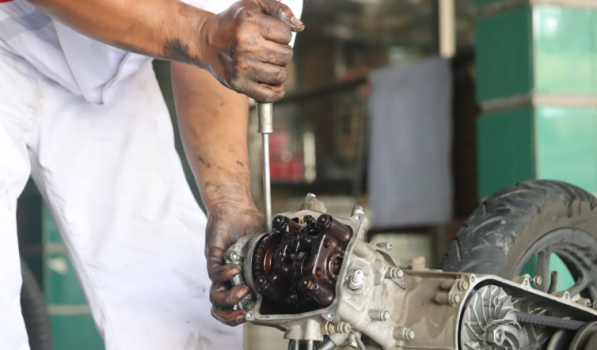
Operations & Maintenance
Ultimate Guide to Corrective Maintenance
Corrective maintenance is the practice of repairing equipment or systems when they malfunction or exhibit signs of potential problems.
This approach helps restore things to their proper working condition and is an important part of keeping any business running smoothly. Many facilities and teams rely on corrective maintenance to handle unexpected issues and minimize downtime as much as possible.
Illustration: WorkTrrek / Data: Camcode
Understanding how to perform corrective maintenance can save time, reduce costs, and help prevent problems from escalating.
Knowing the right steps and using the right tools makes the process easier and more effective. For more details about how corrective maintenance works, visit this guide to corrective maintenance.
Key Takeaways
Corrective maintenance addresses equipment issues after a problem is identified.
Clear steps and the right tools help fix issues quickly.
Combining this with other maintenance can improve results.
What Is Corrective Maintenance?
Corrective maintenance tasks are repairing equipment when it stops working. The goal is to quickly identify the problem and restore the equipment to working condition.
Definition and Purpose
Corrective maintenance is performed only after a component breaks or a defect is discovered.
The goal is to restore assets to normal working condition quickly and minimize downtime.
Some examples include fixing a leaking pipe, repairing a broken conveyor belt, or replacing a failed electrical component.
Source: WorkTrek
Since corrective maintenance typically responds to problems as they occur, it is sometimes referred to as “breakdown maintenance.”
Maintenance managers and technicians utilize corrective maintenance to ensure their operations run smoothly, minimize disruptions, and reduce associated costs.
It is a key part of any maintenance strategy for businesses that rely on machines or technical systems.
Types of Corrective Maintenance
Corrective maintenance comes in two main types: planned and unplanned.
Planned corrective maintenance is scheduled ahead of time after a problem is found, but before it causes a full breakdown. For example, if a small defect is discovered during an inspection, a repair can be planned for later.
Unplanned corrective maintenance, which is often referred to as breakdown maintenance, occurs when a failure suddenly happens and must be addressed immediately. A good example is when a machine stops working unexpectedly and needs immediate attention.
Here is a simple comparison:
Source: WorkTrek
Corrective vs. Preventive Maintenance
Corrective maintenance is different from preventive maintenance.
Corrective maintenance activities are reactive. It can also be referred to as emergency maintenance, as it addresses problems after they occur.
Most of the work begins only after a failure or defect is identified.
Preventive maintenance is proactive. It involves regular checks, servicing, and replacements to prevent issues before they occur.
The goal is to prevent unexpected breakdowns and reduce repair costs over time.
People often use a hybrid approach. Corrective maintenance addresses issues after failures, while preventive maintenance helps maintain assets in good condition and minimizes future breakdowns.
Benefits of Implementing Corrective Maintenance
Corrective maintenance helps businesses control expenses and improve safety by focusing maintenance efforts where and when they are needed most.
Increased Equipment Longevity
Corrective maintenance helps extend the equipment's lifespan by addressing problems promptly as they arise.
When workers repair faults soon after they are detected, machines experience less stress and are less likely to incur further damage.
This helps keep machines in service for longer periods without requiring early replacement, and reduces maintenance costs compared to predictive maintenance strategies.
For example, during a routine inspection, maintenance personnel detect a machine with a failing motor. Using corrective maintenance, they would create a task on the spot to address the issue.
According to industry guidelines on corrective maintenance, this approach ensures essential assets remain operational by quickly restoring them to their optimal state.
Cost-Effectiveness in Operations
Unplanned corrective maintenance often has lower up-front planning and management costs than preventive maintenance.
There is less need to schedule work in advance or buy and store supplies that may not be needed.
Businesses typically only spend money on repairs when a problem is identified, resulting in realistic and controlled expenses.
With reactive maintenance, unnecessary work is avoided, resulting in time and resource savings.
This approach primarily benefits smaller businesses or organizations with tight budgets. It enables them to keep costs manageable and improve operational efficiency while still maintaining necessary equipment.
Enhanced Workplace Safety
Corrective maintenance practices help prevent minor issues from turning into serious safety hazards.
Addressing problems right away reduces the risk of accidents caused by faulty or damaged equipment. Workers can trust that their tools and machines are safe to use, thereby reducing the likelihood of injuries.
Illustration: WorkTrek / Data: National Safety Council
According to maintenance experts, making repairs as needed prevents potential dangers from escalating. For example, fixing a broken safety guard on a machine immediately helps prevent accidents and protects employees.
Responding quickly to equipment failures also ensures that safety standards and rules are followed. This keeps workplaces legally compliant and helps maintain a safe environment for everyone.
Corrective Maintenance Steps
Defining a clear corrective maintenance process helps fix problems quickly and prevent them from causing more damage.
Following these steps in order also helps teams save time, reduce costs, and improve equipment life.
Initial Fault Detection and Reporting
Detecting faults early is the first step to preventing more significant failures.
Maintenance technicians monitoring systems should always watch for unusual noises, slowdowns, or error signals from equipment.
Reporting issues as soon as they are noticed helps prevent small problems from escalating into large repairs and unplanned downtime.
A simple reporting system, such as a digital form integrated into the CMMS system, makes it easier for staff to log problems quickly. The form should include the date, asset ID, location, and description of what went wrong. This information helps maintenance teams start solving the problem faster.
Quick reporting and clear communication are key. When information travels fast, the team can respond before equipment fails.
Diagnosis and Root Cause Analysis
Accurate diagnosis helps fix the real issue, not just the symptoms.
Maintenance staff need to inspect the affected equipment, review error logs, and consult with operators who initially reported the issue. They may run basic tests, review operating conditions, or compare current readings to normal values.
Finding the actual cause sometimes requires looking at maintenance history or patterns in similar assets. If a part continues to fail, it may indicate a deeper issue, such as design flaws or inadequate maintenance.
Root cause analysis tools, like the “Five Whys” or fishbone diagrams, are helpful.
They guide workers in asking the right questions and uncovering hidden issues.
Repair Execution and Verification
Once the cause is known, trained maintenance workers use repair manuals or standard procedures to fix the issue. They gather needed tools and replacement parts before starting the repair job, which reduces delays and mistakes.
It is essential to follow safety rules and implement lockout-tagout procedures to ensure the safety of everyone involved during repairs.
After fixing the equipment, the staff test it under real conditions to confirm that repairs were successful. Function and safety checks should be logged, including the time and the technician's details, for tracking purposes.
If the equipment works as expected, the repair is complete. Teams may use checklists or digital maintenance platforms to ensure that nothing is missed during this process.
Essential Tools and Resources
Corrective maintenance relies on utilizing the right technology and having the necessary parts readily available.
Digital platforms, such as the WorkTrek CMMS system, and a well-organized supply of spare parts are key factors for any repair team.
Maintenance Management Software
Maintenance management software helps teams keep track of equipment repairs and schedule important tasks.
These programs log repair histories, alert managers when issues are reported, and assign work to technicians. Using software makes it easier to spot patterns in equipment breakdowns.
Some platforms let users access information from tablets and phones. This means urgent problems get fixed quickly, even if the manager is not at their desk. Good software can also help share updates and instructions, so staff always know what to do next.
Source: WorkTrek
Spare Parts Inventory
Having spare parts ready is critical for fast repairs. Teams maintain a list or utilize tools to track in-stock items, thereby avoiding delays. Running out of essential parts can lead to more downtime and greater repair costs.
A spare parts inventory does not merely list the items on hand.
Source: WorkTrek
It also tracks the location of each part and when it was last ordered. Some maintenance systems directly connect with inventory lists and send alerts when items are running low.
To manage inventory, teams can:
Create lists of the most-used spare parts
Label storage locations clearly
Use software for automatic stock updates and reorders
A simple, well-organized inventory makes urgent repairs smoother and helps avoid wasted time searching for parts.
Best Practices for Successful Implementation
Corrective maintenance is most effective when it is performed by a skilled workforce, with clear routines and regular monitoring. These strategies help reduce downtime and keep equipment working properly.
Proper Training for Maintenance Teams
A well-trained team can quickly find and fix problems. Training should cover the operation of different machines and how to identify early signs of failure.
Hands-on practice is vital so workers gain real experience.
It is helpful to offer refresher courses. These keep everyone up to date with new equipment and safety rules.
Working together is easier when everyone speaks the same technical language. Clear training helps reduce errors and makes communication smoother, leading to quicker repairs.
Standardizing Maintenance Procedures
Clear procedures enable teams to repair equipment quickly and safely. Written guidelines should clearly explain each step in the repair process, from diagnosis to completion of work. These can include checklists, flowcharts, or tables.
For example, a step-by-step checklist might look like this:
Source: WorkTrek
Standard operating procedures make training new staff easier and help ensure accurate records.
Continuous Performance Evaluation
Regular checks help teams identify areas for continuous improvement in the maintenance process.
Performance evaluation should be part of your maintenance operations and any planned corrective maintenance process. This process should include a review of how fast repairs are made, how often breakdowns happen, and if repairs last.
Teams should review their performance data on a monthly basis. This can be done by tracking key numbers such as mean time to repair (MTTR) or the number of unexpected failures.
Improving performance means learning from both mistakes and successes. By utilizing this data, repairs can be completed more quickly, and the asset management process is optimized.
Integrating Corrective Maintenance with Other Maintenance Strategies
Corrective maintenance is more effective when it works alongside other planned strategies. Each approach covers gaps that the others cannot, making equipment care more reliable and cost-effective.
Combining Preventive and Corrective Approaches
Preventive maintenance strategies involve performing regular tasks, like inspections or simple repairs, to prevent equipment from breaking down.
Illustration: WorkTrek / Data: EZO CMMS
Corrective maintenance, by contrast, is used after a problem has already happened and something needs to be fixed or replaced.
Using a hybrid approach means that facilities can address sudden failures while also working to prevent them in the first place.
A mixed approach enables teams to prioritize essential equipment for preventive care, while less critical equipment may receive corrective action only when issues arise.
This balance helps manage costs, minimize disruptions, and improve equipment reliability.
Facilities often track equipment histories to identify which systems fail most frequently. Those systems may require more preventive care, while others can function well with basic corrective maintenance.
Key benefits:
Fewer emergency repairs
Less downtime for important machines
More efficient use of resources
Predictive Maintenance Synergy
Predictive maintenance utilizes sensor data, condition monitoring, or software alerts to indicate when equipment is likely to fail soon.
This is part of the next generation of maintenance strategies, which also utilize AI and Machine Learning to predict machine failure.
This allows for a scheduled fix before a breakdown happens. When combined with corrective maintenance, the team can use data to decide whether to schedule a repair or wait until a failure occurs.
When predictive tools identify potential failures, corrective actions can be taken early, and unexpected outages can be avoided.
For instance, vibration sensors on motors alert staff to growing problems. If these warnings are missed, initiating corrective maintenance is needed after a breakdown; however, predictive alerts provide an opportunity to fix issues before severe damage occurs.
Key uses:
Scheduling repairs at the best time
Minimizing unscheduled machine stops
Reducing unnecessary repairs
By linking corrective maintenance with predictive data, teams can save both time and money while keeping equipment running smoothly and efficiently.
Common Challenges and How to Overcome Them
Corrective maintenance teams frequently encounter issues that lead to prolonged equipment failures and reduced productivity.
Tackling these issues requires prompt action and good planning.
Minimizing Downtime
The goal should always be to minimize downtime for critical equipment by implementing a structured corrective maintenance process.
Downtime occurs when equipment is unavailable due to scheduled or unscheduled maintenance or repairs, which is a failure of corrective maintenance management.
This can delay work and lower production. To minimize downtime, it is important to have clear processes for quick troubleshooting and repairs.
Teams can use maintenance checklists to identify common faults and take prompt action. Keeping spare parts in stock is also helpful.
Scheduling regular equipment inspections helps identify small issues before they develop into major breakdowns.
Managing Resource Limitations
If you are a maintenance manager, then you are always dealing with resource limitations. Whether it is the personnel or a lack of spare parts, it is a constant challenge for most maintenance organizations.
It helps to create a priority list for repairs. Urgent problems should be addressed first, while less serious issues can be addressed later.
Cross-training workers can fill gaps when staff are busy or away. Another option is to partner with outside vendors for hard-to-find parts or specialized expertise, which can help prevent lengthy delays.
Key Performance Indicators for Corrective Maintenance
Corrective maintenance relies on key performance indicators (KPIs) to measure effectiveness and identify areas for improvement.
These KPIs help teams track repairs and monitor equipment health.
Common KPIs used for corrective maintenance include:
Mean Time to Repair (MTTR): Indicates how quickly a team can repair equipment after it breaks. A lower MTTR indicates that repairs are being handled efficiently and promptly.
Mean Time Between Failures (MTBF): Measures the average time equipment runs before failing. A higher MTBF suggests better reliability.
Number of Breakdowns: Tracks how often machines fail in a set period. Frequent breakdowns can indicate more significant issues.
Maintenance Backlog: Measures the number of corrective tasks that have not been finished. A significant backlog may indicate that the team requires additional resources.
Here is a simple table showing these KPIs and what they mean:
Source: WorkTrek
Examining these KPIs enables maintenance teams to refine their approach, identify areas for improvement, and ensure smooth operations.
The difference between corrective and preventive maintenance
As outlined earlier in the article, corrective maintenance and preventive maintenance are both methods for keeping machines and equipment operational, but they employ different approaches.
Corrective maintenance is performed after a component breaks or fails. The primary goal is to resolve issues as they arise, allowing the equipment to function properly again. This type of maintenance is often referred to as "reactive" because action is taken only after a problem is identified.
Preventive maintenance strategies include scheduled maintenance that is completed even if the equipment is not broken. The goal is to check, clean, or replace parts before they fail. This helps decrease the chance of unexpected breakdowns and keeps equipment running smoothly. It is a "proactive" approach.
Here is a simple comparison:
Source: WorkTrek
Corrective maintenance is often used for equipment that is not vital to daily operations or when repairs are simple. Preventive maintenance is better for equipment that is important and costly to repair.
How to perform corrective maintenance
Examples of corrective maintenance include when someone discovers an equipment problem or failure. .
Steps to perform corrective maintenance:
Identify the issue: Look for signs of malfunction or failure, such as alarms, unusual noises, or a decline in performance.
Assess the problem: Inspect the equipment and review any error messages that may be displayed. Sometimes, running simple tests can help find the cause.
Determine the cause: Identify what is broken or not working properly. This step often means checking parts, connections, or software.
Plan the repair: Gather the right tools and replacement parts. Determine if it requires a simple fix or if parts need to be replaced.
Fix the issue: Make repairs carefully. Follow the safety guidelines and any instructions provided in the equipment manual.
Test the equipment: Turn it on and verify that it functions as expected.
Document the repair: Write down what was wrong, how it was fixed, and any parts used. This helps track problems and spot trends.
A simple table can help organize the repair process:
Source: WorkTrek
Conclusion
Corrective maintenance helps restore equipment and systems after they have broken down or failed. By addressing problems as they arise, teams can avoid prolonged periods of downtime.
This type of maintenance is a straightforward way to fix issues. Workers only need to act when something isn’t working right.
Some advantages include:
Lower upfront costs since work is only done when needed
Simple scheduling because repairs are made as problems come up
Focus on urgent repairs which means issues do not get ignored
However, there are limits. Delays can occur if parts or personnel are unavailable. Repeated breakdowns may also hurt productivity in the long run.

Operations & Maintenance
8 Ways to Improve Your Plant Maintenance
Is your maintenance team constantly fighting fires instead of preventing them?
You're not alone. Plant managers across various industries face a common challenge: balancing immediate production demands with long-term equipment reliability.
Plant maintenance is the backbone of efficient industrial operations, extending equipment lifespan and reducing costly downtime.
Illustration: WorkTrek / Data: Sigga Technologies
Reactive maintenance, while cheaper, can erode your bottom line, shorten equipment life, and reduce quality.
This comprehensive guide reveals eight proven strategies for maximizing equipment uptime, extending asset life, and reducing operational costs through smarter maintenance practices without requiring massive budget increases.
Key Takeaways
There are different maintenance approaches, from reactive and preventive to predictive and reliability-centered maintenance.
Predictive maintenance relies on advanced technologies that detect equipment failures before they occur.
Effective maintenance depends on well-trained staff operating in safe conditions.
Understanding Plant Maintenance Fundamentals
Plant maintenance is the backbone of efficient industrial operations. It accomplishes this by focusing on equipment reliability and operational continuity.
Effective maintenance strategies protect assets, extend equipment lifespan, and reduce costly downtime.
Key Objectives of Plant Maintenance
If you manage plant maintenance, your primary goal is maximizing equipment uptime while minimizing operational costs.
Regular inspections and equipment replacements serve as cornerstones of effective maintenance programs.
Illustration: WorkTrek / Data: Prismecs
The primary goal of plant maintenance is to:
Prevent unexpected breakdowns that halt production
Extend equipment lifespan through proper care and servicing
Ensure workplace safety by identifying and addressing hazards
Maintain product quality by keeping equipment in optimal condition
Reduce maintenance costs through planned interventions
Another goal of proper maintenance is to support regulatory compliance and environmental standards.
This can be accomplished by analyzing past maintenance activities over 2-3 years. Organizations can use that data to quantify and refine their maintenance philosophy for better results.
Types of Maintenance Strategies
Several maintenance approaches exist, each with specific applications and benefits.
Reactive Maintenance: Addresses issues after failure occurs - simple but often costly.
Preventive Maintenance: Scheduled according to time or usage intervals to prevent failures.
Predictive Maintenance: Uses condition monitoring to predict failures before they happen.
Total Productive Maintenance (TPM): Implements standardized cleaning, inspection, and lubrication procedures with operator involvement.
Reliability-Centered Maintenance: Focuses resources on critical equipment based on the consequences of failure.
Some facilities employ a hybrid approach, which involves applying different strategies to equipment based on its criticality, replacement cost, and failure impact.
The Importance of Preventive Maintenance
Preventive maintenance is the most effective type of maintenance. It is the gold standard for organizations that prioritize equipment uptime.
It involves scheduled activities that prevent unexpected failures from occurring.
Key components include:
Routine inspections to identify early signs of wear
Regular lubrication to reduce friction and heat
Component replacement based on expected service life
Calibration checks to ensure accurate operation
Illustration: WorkTrek / Data: ReliablePlant
Best practices for preventive maintenance include developing comprehensive training programs for maintenance staff and operators. These programs ensure maintenance tasks are performed correctly and consistently.
Preventive maintenance typically reduces long-term costs despite requiring an initial investment.
Studies show that properly implemented programs can decrease downtime by 30-50% while extending equipment life by 20-40%.
Conducting Regular Equipment Inspections
Regular equipment inspections serve as the backbone of effective plant maintenance. Thorough inspections help identify potential issues before they cause costly breakdowns and ensure equipment operates efficiently throughout its lifecycle.
Establishing Inspection Schedules
A well-structured schedule is the foundation of an effective equipment inspection.
The first step is to create a comprehensive inventory of all machinery and equipment that requires maintenance. The next step is to categorize equipment based on criticality and business needs.
Those schedules and inspection frequencies should be based on the manufacturer's recommendations, the age of the equipment, and the operating conditions. Prioritize critical machinery first and most frequently, while reducing checks on less critical equipment.
Implementing a Computerized Maintenance Management System (CMMS) like WorkTrek can automate scheduling and send technician reminders.
Source: WorkTrek
This prevents inspections from being overlooked during periods of high activity.
Consider implementing both operator-level daily visual checks and more in-depth technical inspections by maintenance specialists. This multi-tiered approach catches issues at different stages.
Critical Checkpoints for Machinery
Focus inspections on key components that are commonly prone to failure or wear.
For example, when it comes to HVAC systems, regularly check air intakes, filters, motors, and ductwork. Check the condensation pans to ensure they drain properly, preventing water damage.
Look for fluid leaks, unusual noises, and temperature changes in hydraulic equipment. Inspect electrical systems for loose connections, corrosion, and damaged insulation.
Pay special attention to:
Moving parts like belts for wear, alignment issues, or lubrication needs
Structural components for cracks, rust, or deformation
Control systems for proper calibration and response times
Safety mechanisms for proper functioning
Thermal imaging can detect overheating components before they fail, and vibration analysis can help identify misalignments and bearing issues in rotating equipment.
Documenting Inspection Results
Good documentation can help you keep track of repair history. While you can do this manually, implementing a CMMS like WorkTrek can automate the document capture process.
As part of the process, develop a detailed equipment checklist and include pass/fail criteria for each checkpoint to eliminate guesswork.
Source: WorkTrek
Document all findings immediately, including machine condition, identified issues, and completed maintenance. Utilize digital tools with photo capabilities to document problems for improved communication with team members visually.
Establish a clear system for categorizing issues by severity:
Critical - Requires immediate attention
Important - Schedule repair within 1-2 weeks
Monitor - Check again at next inspection
Don't forget to analyze inspection data over time to identify consistent patterns. This historical data proves invaluable for predictive maintenance and extending equipment life.
Implementing Predictive Maintenance Technologies
Unlike preventive maintenance, predictive maintenance depends on data from IoT and other smart sensors to detect equipment failure.
This data is then analyzed using AI and machine learning techniques that can predict failure before it happens.
Vibration and Condition Monitoring
Vibration analysis is a key component of predictive maintenance programs. They can be installed on rotating equipment, such as motors, pumps, and fans.
These sensors can then help maintenance teams detect changes that can indicate potential problems.
Some other standard vibration monitoring equipment includes:
Accelerometers - measure vibration amplitude
Velocity sensors - track movement speed
Proximity probes - monitor shaft position
So, how does all this work? The vibration signature can change when equipment is about to fail, triggering a notification to the maintenance manager.
Another approach plants follow is implementing continuous monitoring systems that connect to centralized data platforms for real-time analysis.
These systems often include dashboard alerts when readings exceed predetermined thresholds.
Thermography and Ultrasound Techniques
Infrared thermography can detect things the human eye cannot see. Think of it as an X-ray for your equipment
This includes abnormal heat patterns that signal electrical or mechanical issues.
Source: WorkTrek
This non-contact technique can help detect overheating components, electrical imbalances, and insulation failures.
Key thermography applications include:
Electrical panel inspection
Motor health assessment
Steam trap evaluation
Refractory lining analysis
Ultrasonic technology complements thermography. It works by detecting high-frequency sounds produced by equipment problems that are often not audible to the human ear.
Examples of how ultrasonic technology works include detecting sounds from compressed air leaks, valve problems, or bearing failures.
More recently, when inspecting equipment not easily accessible, drones have been used. These drones are equipped with thermal cameras to inspect equipment safely in hard-to-reach areas, improving safety while reducing inspection time.
Data Analysis for Predictive Insights
The true power of predictive maintenance lies in analyzing large datasets collected by various sensors. The data generated by these sensors can be "noisy", which requires large-scale processing before the data can be useful.
Modern systems employ artificial intelligence and machine learning to identify patterns that indicate developing problems.
Practical data analysis requires:
Data cleaning - removing irrelevant information since sensors can create "noisy data"
Pattern recognition - identifying normal vs. abnormal operations
Trend analysis - tracking performance over time
That data is then integrated from multiple sources to create a detailed health profile for your equipment. These systems can also automate notifications to stakeholders when issues are detected.
Optimizing Lubrication Management
Lubrication is the lifeblood for any equipment. Proper lubrication management does not require significant investment, but can have a substantial impact on equipment reliability and lifespan.
A well-managed lubrication process can also help reduce long-term maintenance costs.
Selecting Suitable Lubricants
Start by understanding the manufacturer's recommendations and specifications for each piece of equipment.
When selecting lubricants, consider the operating conditions, including temperature ranges, load demands, and environmental factors.
High-temperature environments may require synthetic oils with better thermal stability and longer life.
Create a lubricant consolidation strategy to minimize inventory while meeting all equipment needs. This reduces storage requirements and the risk of applying incorrect lubricants.
Illustration: WorkTrek / Data: Sandvik Group
Another approach is implementing a color-coding system to identify different lubricant types and prevent cross-contamination. This visual management technique helps technicians quickly identify the correct product for each application.
One approach that many successful plant operations follow is to perform regular oil analysis. This can help you find issues with equipment that is usually difficult to detect.
The analysis typically examines contamination, metal, debris, and potential overheating to help you better diagnose your system.
Scheduling and Tracking Lubrication
Any lubrication program should start by reviewing the manufacturer's recommendations.
You might need to adjust these schedules for critical machinery, since they may require more frequent attention than secondary systems.
Document all lubrication tasks in your CMMS to ensure proper tracking and accountability.
This can create historical records for analysis and improvement.
You can also use lubrication tags or barcodes on equipment to verify task completion and track service history. These visual indicators help technicians identify which machines need attention.
Implementing a regular inspection protocol, including checking:
Lubricant levels
Leaks or damage
Oil quality and contamination
Filter conditions
Don't forget to train your staff and keep their certification up to date. This is the topic we will cover in the next section.
Enhancing Staff Training and Safety Compliance
Good maintenance practices depend on well-trained staff. Training programs and safety protocols work together to reduce accidents, minimize downtime, and prolong the equipment's lifespan.
Developing Maintenance Skills
Training maintenance staff requires a structured approach focused on both technical knowledge and practical application.
Comprehensive training programs should cover equipment-specific procedures, troubleshooting methods, and preventive maintenance techniques.
Focus on cross-training staff on multiple systems to create a more versatile team and reduce dependency on specific individuals.
This practice helps maintain operational continuity when team members are absent or leave the company.
Illustration: WorkTrek / Data: TalentLMS
Consider implementing a mentoring system where experienced technicians guide newer staff members. This approach preserves institutional knowledge and accelerates skill development.
Regular skill assessments help identify knowledge gaps and areas for improvement. Update training materials as equipment and technology evolve to keep the team's skills current with industry standards.
Safety Protocols and Best Practices
Safety policies are the cornerstone of any maintenance safety program. Document procedures for hazardous tasks, lockout/tagout protocols, and proper use of personal protective equipment (PPE).
Schedule regular safety drills, reinforce emergency procedures, and build muscle memory for critical situations. These practices help staff respond appropriately during actual emergencies.
Key Safety Measures:
Conduct regular equipment inspections
Maintain proper documentation of safety incidents
Implement a near-miss reporting system
Ensure all safety equipment is accessible and functional
Review and update safety protocols regularly
Some plants create a buddy system for new hires to provide real-time guidance during their first weeks on the job.
This practice significantly reduces the likelihood of safety incidents.
Fostering a Maintenance Culture
Developing a culture that starts with clear communication about expectations and responsibilities.
Regular maintenance meetings create opportunities to discuss upcoming projects and address concerns.
Recognition programs that reward safety compliance and maintenance excellence reinforce desired behaviors.
Acknowledge team members who consistently follow best practices.
Encourage staff to participate in continuous improvement initiatives. Their hands-on experience provides valuable insights for enhancing maintenance procedures and safety protocols.
Creating channels for safety communication allows team members to share concerns without fear of reprisal. This openness helps identify potential issues before they become serious problems.
Utilize visual management tools, such as safety dashboards, to track performance metrics and identify areas for improvement. These visual reminders keep safety at the forefront of daily operations.
Utilizing Computerized Maintenance Management Systems (CMMS)
A CMMS platform can easily centralize maintenance operations and provide real-time data for better decision-making.
These systems help maintenance teams track assets, schedule work, and analyze performance metrics.
Key Features and Benefits of CMMS
CMMS software improves maintenance efficiency and reduces costs by providing several key benefits.
The system provides comprehensive asset management, enabling teams to track equipment performance and maintenance history in a single location.
Preventive maintenance scheduling helps avoid unexpected breakdowns. Teams can set up automated schedules based on time intervals or usage metrics to ensure timely maintenance.
Illustration: WorkTrek / Data: Plant Engineering
Inventory management features track the availability and usage patterns of spare parts. This reduces overstocking and emergency purchases.
Work order management streamlines maintenance requests and assignments, ensuring efficient allocation of resources.
Technicians receive clear instructions and can update their status in real-time.
Cost-saving benefits include:
Reduced equipment downtime
Extended asset lifecycles
Lower emergency repair costs
Optimized staff utilization
Improved regulatory compliance
Workflow Automation and Reporting
CMMS systems can help standardize department workflows and eliminate manual processes.
Automated work order generation saves time by creating maintenance tickets based on predefined triggers or schedules.
Source: WorkTrek
Maintenance teams benefit from mobile access capabilities. Technicians can update work orders, check manuals, and document repairs directly from the field using smartphones or tablets.
Data-driven reporting provides actionable insights on maintenance performance. Managers can identify problem areas and make informed decisions based on metrics like:
Mean time between failures (MTBF)
Work order completion rates
Labor hours per task
Maintenance backlog size
Cost per repair
A successful practice involves regularly reviewing system settings and updating categories, priorities, and automation rules to align with evolving maintenance needs.
Managing Spare Parts and Inventory Effectively
When managing a plant, it is essential to have the necessary parts available for repairs.
Inventory Control Best Practices
Tracking parts is needed for reliable inventory management.
Organizations should implement digital tracking systems that provide real-time visibility of all spare parts locations and quantities. Most modern CMMS systems include built-in inventory management tools with low-quantity alerts.
Source: WorkTrek
Setting appropriate stock levels prevents stockouts while minimizing excess inventory. This requires analyzing usage patterns and establishing minimum and maximum thresholds for each item.
Automatic reordering systems trigger purchase orders when inventory levels reach predetermined thresholds.
This eliminates the need for manual monitoring and reduces human error.
Systematically identifying all parts with unique codes improves retrieval efficiency. A standardized naming convention helps technicians locate items quickly during maintenance events.
Regular inventory audits, which should occur at least quarterly, validate system accuracy and identify obsolete parts that can be removed from stock.
Critical Spares Identification
Maintenance teams must assess inventory needs based on the types of equipment, usage patterns, and maintenance schedules.
This assessment identifies which parts are truly critical.
Critical spare parts criteria:
Long lead time for procurement
High impact on production if unavailable
Custom or specialized components
Parts for equipment without redundancy
High-failure-rate components
Utilizing and maintaining Bill of Materials (BOM) documentation helps identify dependencies between equipment and required spare parts. BOMs should be updated whenever equipment modifications occur.
Critical spares require higher minimum stock levels and more frequent verification checks to ensure optimal inventory management. These items should be stored in secure, easily accessible locations with clear labeling.
Partnerships with key suppliers can ensure priority access to critical components during emergencies. Service level agreements should specify maximum delivery timeframes for urgent requests.
Continuous Improvement and Performance Measurement
Effective plant maintenance requires ongoing evaluation and refinement. Measuring performance and analyzing issues systematically creates a foundation for lasting improvement in maintenance practices.
Establishing Key Performance Indicators
KPIs provide a straightforward way to track maintenance effectiveness and efficiency. Begin by selecting benchmarks that align with your specific operational objectives.
Common maintenance KPIs include:
Mean Time Between Failures (MTBF)
Mean Time To Repair (MTTR)
Overall Equipment Effectiveness (OEE)
Planned vs. Emergency Maintenance Ratio
Maintenance Cost as Percentage of Replacement Value
Track these metrics consistently using a computerized maintenance management system (CMMS). Integrating your CMMS with other plant systems provides a more comprehensive dataset for informed decision-making.
Review KPIs monthly with maintenance teams. This creates accountability and helps identify trends before they become major issues.
Root Cause Analysis for Recurring Issues
When equipment failures recur, simple repairs are insufficient. Root Cause Analysis (RCA) identifies underlying problems rather than just treating symptoms.
Source: WorkTrek
The 5-Why technique works well for basic issues:
State the problem
Ask why it occurred
For each answer, ask "why" again
Continue until reaching the fundamental cause
Develop countermeasures
Utilize structured methods, such as Failure Mode and Effects Analysis (FMEA) or Ishikawa diagrams, for addressing complex issues. Don't forget to document findings in your maintenance system.
Create a Design Out Maintenance (DOM) culture where recurring problems lead to equipment modifications or replacements. This shifts focus from repeated repairs to permanent solutions.
Sustainability and Energy Efficiency in Plant Maintenance
Most plant managers are continually seeking ways to enhance efficiency and lower costs. Another factor to consider is how to integrate sustainability into plant operations.
Energy-Efficient Maintenance Practices
Regular equipment calibration and tuning significantly improve operational efficiency. When machines are optimized, they consume less energy and produce fewer emissions.
Streamlining production processes helps minimize energy waste throughout the facility.
Implementing and utilizing preventive maintenance schedules can reduce energy consumption.
For example, repairing leaks in compressed air systems can reduce energy consumption by up to 30%.
Similarly, replacing worn bearings and lubricating moving parts reduces friction and energy use.
Sustainable maintenance should be part of any employee training program. Maintenance teams should understand how their maintenance practices affect energy usage.
Key energy-saving maintenance practices:
Regular equipment cleaning and filter replacement
Prompt repair of air and steam leaks
Proper insulation maintenance
Consistent belt tension adjustments
Integrating Green Technologies
Many plants have begun to incorporate eco-friendly technologies into their maintenance programs.
Variable frequency drives installed on motors and pumps adjust speed in response to demand, significantly reducing energy consumption during periods of lower production.
LED lighting upgrades offer immediate energy savings in plant environments. These fixtures use up to 75% less energy than traditional lighting and require far less maintenance over their extended lifespans.
Smart monitoring systems detect inefficiencies before they become major problems.
Sensors track temperature, vibration, and energy usage, enabling maintenance teams to address issues promptly before they waste energy or lead to breakdowns.
Conclusion
The eight strategies outlined in this guide—from implementing predictive technologies and optimizing lubrication programs to developing comprehensive training and utilizing CMMS systems—work synergistically to transform reactive maintenance cultures into proactive, data-driven operations.
Illustration: WorkTrek / Data: E-Green Electrical
Success in plant maintenance requires commitment to continuous improvement and performance measurement.
By establishing clear KPIs, conducting thorough root cause analyses, and embracing sustainable practices, maintenance teams can achieve significant reductions in downtime while extending equipment lifecycles by 20-40%.

Operations & Maintenance
5 Keys to Improving Maintenance Productivity
Key Takeaways:
Workers across industries agree that training boosts their performance and confidence.
Tracking work orders is the most time-consuming task in facilities management.
Companies that overmaintain their assets risk damage and operational disruption.
Maintenance inefficiencies often hide in plain sight, draining your time, money, and team morale.
Luckily, there is a fix.
So, if you’re ready to transform your maintenance operations from reactive to highly productive, keep reading.
In this article, we’ll explore five keys to unlocking higher operational efficiency, cutting costs, and empowering your maintenance personnel to tackle any challenge that comes their way.
Effective Employee Skill Development
Your maintenance productivity is directly tied to the efficiency and capabilities of your staff.
When your maintenance personnel have the right technical knowledge, safety awareness, and diagnostic skills, they can perform their jobs more effectively and safely.
That’s where you come in, ensuring they receive all the hands-on training, simulations, and certifications they need to thrive.
Here's how that helps with your maintenance productivity:
Faster RepairsSkilled technicians can diagnose and fix issues more quicklyFewer ErrorsProper training minimizes mistakes, rework, and potential equipment damageBetter Use of ToolsWell-trained employees use diagnostic tools, software, and modern equipment more effectively.
SurveyMonkey research shows that even employees recognize the true value of skill development.
As it turns out, 59% of workers across industries say job training improves their overall performance, while 41% report improved time-management skills.
Additionally, 51% believe training boosts their self-confidence, another important factor in carrying out tasks accurately and independently.
Illustration: WorkTrek / Data: SurveyMonkey
That said, you may find it difficult to determine how to ensure adequate training without wasting too many resources.
After all, your time and money are finite. You want to make sure they are properly allocated.
Ashley Donohoo, Sales and Marketing Director at Multi-Skill Training Services, a company offering customized, targeted maintenance training, offers this advice:
Illustration: WorkTrek / Quote: Noria on YouTube
In other words, you need to determine what skills are mission-critical within your organization and focus only on those.
From there, you’ll want to assess individual skill levels.
This will enable you to place workers in training that fits their current capabilities.
Donohoo explains:
“We want to meet them where they’re at.”
Avoiding a one-size-fits-all mindset will ensure you don’t waste time on something they already know or aren’t ready to tackle.
With such a customized approach, you gain a much clearer understanding of your team’s and your company’s requirements.
In turn, you become much better equipped to meet those needs.
Efficient Communication
In addition to proper training, your workers must be able to communicate clearly and efficiently throughout every shift.
Most organizations already understand this to some extent.
According to the 2024 Grammarly survey, 64% of business leaders report that effective communication directly boosts productivity.
Illustration: WorkTrek / Data: Grammarly
This isn't surprising at all.
Clear, timely, and accurate information sharing between teams, shifts, and departments helps prevent unnecessary back-and-forth, misunderstandings, delays, and rework.
However, achieving that kind of seamless communication doesn’t happen by chance. It takes the right tools.
With digitized, centralized systems, you enable real-time information exchange and ensure that everyone is on the same page at all times.
Take work orders—the heart of maintenance workflows and productivity.
Without a solid work order (WO) system, teams waste hours chasing down info, fixing preventable mistakes, or simply trying to figure out what needs to happen next.
The 2024 JLL Technologies survey backs this up, revealing that 44% of facilities managers say tracking work order progress is their most time-consuming task.
Illustration: WorkTrek / Data: JLL Technologies
That’s because manual WO processes don’t support effective communication.
They make it difficult to understand who has to do what, by when, or even how.
With a centralized WO system, on the other hand, technicians and supervisors can instantly assign tasks, monitor status updates, and track progress, as shown in the example below:
Source: WorkTrek
Everybody is kept in the loop without relying on multiple phone calls, emails, or trips to the office.
Technicians can use these digital tools to share real-time updates, ask for support, and coordinate activities even when off-site.
This enables them to keep the work moving, no matter where they are.
In short, efficient communication is non-negotiable for those who want to boost their maintenance productivity.
When the right information reaches the right people at the right time, you minimize downtime, reduce errors, streamline workflows, and ultimately work smarter.
Strategic Maintenance Planning
Effective maintenance planning ensures each asset gets timely and appropriate care without wasting resources on unnecessary repairs.
This is the best way to maximize equipment performance and reduce unscheduled downtime.
In fact, research consistently shows that those who implement proactive maintenance strategies experience significantly fewer defects and reduced equipment downtime.
Illustration: WorkTrek / Data: NCBI
That’s because frequent inspections and minor routine repairs help catch small issues before they escalate into major failure—a strategy known as preventive maintenance.
However, remember that there is such a thing as too much maintenance. This can be just as damaging as neglecting upkeep altogether.
Tien Ha, Associate Expert at Hanwha Corporation, a major South Korean conglomerate spanning industries from explosives and energy to aerospace and finance, cautions:
Illustration: WorkTrek / Quote: LinkedIn
That’s why strategic planning matters.
Not all equipment needs the same level of attention.
Some assets are mission-critical and expensive. Some aren’t.
So, here’s a quick rundown of different maintenance types and when to use each:
Reactive MaintenancePerformed only after the equipment fails.For low-cost, non-critical assets where downtime is acceptable (e.g., lightbulbs, garden tools)Time-Based MaintenanceScheduled at fixed intervals regardless of condition. For assets with predictable wear patterns (e.g., HVAC filters, vehicle oil changes)Usage-Based MaintenanceTriggered by actual equipment use or runtime.For assets with variable workloads (e.g., forklifts, production robots)Condition-Based MaintenanceInitiated when indicators show signs of wear or failure.For high-value or complex assets where monitoring is feasible (e.g., turbines, elevators)Criticality-Based MaintenancePrioritized by the asset’s role in operations and risk of failure.For systems with high safety, environmental, or financial stakes (e.g., hospital generators, fire suppression systems)Seasonality-Based MaintenanceAligned with environmental conditions or seasonal demand.For climate-sensitive equipment (e.g., snowplows, irrigation systems, HVAC units)
Yes, you read that right: even reactive maintenance has its place, though it should be used sparingly and strategically.
Ultimately, a one-size-fits-all maintenance plan never works.
Take the time to understand what each asset needs, build your plan around that, and you’ll keep everything running smoothly, without overspending or overmaintaining.
Smart Lifecycle Management
Deciding whether to repair or replace an asset improves maintenance productivity.
On one hand, clinging to outdated, unreliable equipment can drain resources, increase maintenance costs, and slow your team down.
On the other hand, you don’t want to retire a machine that still has life left in it and continues to generate value.
That’s why productive businesses lean into strategic lifecycle tracking and management.
You gain a full picture of your assets' performance and risk by keeping an up-to-date asset registry, complete with all key details like age, service history, condition, and technical specs.
You can see an example of such a registry below:
Source: WorkTrek
With that insight, you can perform effective lifecycle cost analysis and decide where to invest your maintenance resources.
At Bruneel Point S Tire & Auto, a 12-store chain based in Boise, Idaho, this is exactly how they manage shop equipment like tire changers, balancers, and vehicle lifts.
They continuously monitor equipment performance and identify repair needs to guide their decisions.
Craig Bruneel, President of the company, explains:
Illustration: WorkTrek / Quote: Modern Tire Dealer
If a manager thinks it might be time to replace instead of repair, the request goes to corporate for a full review before any green light is given.
It’s a process that balances logic, cost, and long-term value.
If you are currently unsure about some of your assets, take a look at the simple cheat sheet below. It might help you make a decision.
Repair If:
Repair costs are significantly lower than replacement costs
Spare parts and support are readily available
Failures are infrequent or isolated
Downtime impact is minimal
Equipment is relatively new
Replace If:
Repair costs are 50–70% (or more) of replacement cost
Efficiency and performance have noticeably declined
Equipment has reached or exceeded its useful life
Compliance or safety is compromised
Equipment is technologically obsolete
Breakdowns are frequent
By investing a little extra effort in lifecycle optimization, you can ensure that your maintenance efforts are focused on areas that will provide the most value.
Because knowing when not to repair an asset is just as important as knowing when to repair it.
Process Automation
Those who successfully implement automation can coordinate the many moving parts of a business process, and in some cases, even integrate multiple processes into a unified workflow.
This is known as process orchestration, and it brings significant productivity gains.
For instance, a 2025 Camunda survey found that 44% of companies saw a boost in process standardization and efficiency as a direct result of process orchestration.
Additionally, 42% reported faster decision-making.
Illustration: WorkTrek / Data: Camunda
In terms of maintenance in particular, many automation tools help unlock such benefits.
Let’s explore some of them.
Firstly, IoT sensors are game-changers when it comes to real-time condition monitoring.
They can track asset temperature, vibration, humidity, pressure, and more, detecting anomalies that could indicate early signs of failure.
Bryan Siafakas, Director of Product Management at DwyerOmega, a manufacturer of tools for measuring pressure, air velocity, flow, and more, praises the technology:
Illustration: WorkTrek / Quote: Power & Motion
Ultimately, IoT enables faster issue detection and resolution while minimizing unnecessary inspections.
It’s perfect for just-in-time or condition-based maintenance.
Secondly, IoT sensors are often paired with digital twin technology, which creates a real-time virtual replica of physical assets.
This tech allows you to simulate various strategies on the digital twin before applying any changes to the real asset.
Lelio Di Martino, General Manager at Nokia, explains that this significantly improves decision-making:
“The primary role of digital twins [...] is to offer AI-powered data correlation, quantifying and predicting the impact of operational decisions across various dimensions to achieve planned business goals [...].”
As a result, you minimize trial-and-error and benefit from more accurate maintenance planning.
Lastly, let’s talk about Computerized Maintenance Management Systems (CMMS).
They have been around for some time, unlike the previous two technologies, though they’ve evolved significantly.
Take our own CMMS, WorkTrek, for example.
It digitizes, organizes, and automates all important aspects of maintenance, including:
Asset ManagementAccess detailed asset metadata, track downtime, and monitor asset conditions using meter readingsInventory ManagementStandardize parts tracking across unlimited warehouses, receive low-stock alerts, and integrate with ERP systemsPreventive Maintenance SchedulingSchedule recurring tasks based on time intervals or usage criteria (e.g., mileage, temperature). Set up automatic workflows in response to failed inspectionsReportingChoose from 50+ customizable reports or schedule them for automatic delivery via email
Most importantly, WorkTrek automates work order management.
You can create, assess, prioritize, track, and record all work from a single platform—anytime, anywhere.
With customizable fields, all key data is captured consistently.
As shown in the example below, technicians have everything they need, including task descriptions, photos, step-by-step instructions, and necessary parts.
Source: WorkTrek
No more missing information, confusion, or miscommunication.
Overall, a CMMS is ideal for automating the repetitive, time-consuming, low-value tasks and boosting accuracy and efficiency.
As a result, your team gets more time to focus on what truly matters: delivering high-quality maintenance work and helping you get the most out of your valuable assets.
Conclusion
There are no shortcuts when it comes to maintenance productivity.
It’s all about intention, precision, and the right tools in the right hands.
In other words, if you want real results, you must commit and invest in your people, processes, technology, and assets.
The payoff is well worth it.
Greater productivity leads to higher profitability, cost savings, and the agility to adapt to rapid technological change in the maintenance industry.
Put simply, better maintenance means better business.
Make your work easier.
Try for free.
Book a demo