


Get a Free WorkTrek Demo
Let's show you how WorkTrek can help you optimize your maintenance operation.
Try for freeKey Takeaways:
- In the steel industry, a critical machine failure can cost around $300,000.
- Labor is one of the highest fixed upkeep costs.
- Manufacturers are experiencing a rise in costs due to tariff-related price increases.
At first glance, industrial maintenance spending might seem straightforward.
You pay technicians, buy spare parts, fix equipment when it breaks, and move on.
However, once you look more closely, the picture becomes more complex.
Some costs stay stable year after year. Others fluctuate depending on production levels, equipment condition, or supply chain pressures.
And then there are the costs nobody wants to see: unexpected failures that bring production to a halt.
Most industrial maintenance expenses fall into four broad categories: fixed costs, variable costs, administrative costs, and failure costs.
Each one affects your maintenance budget in a different way.
Let’s start with the easiest category to understand.
Fixed Costs
Fixed costs are the expenses that stay relatively stable regardless of how much equipment is running.
Even if production slows down for a while, these costs still exist. That’s why they usually form the baseline of a maintenance budget.
One of the highest fixed costs is labor.
Maintenance teams rely on skilled technicians who understand complex equipment and systems. Their salaries don’t change just because a machine runs less this month.
According to recent data, the average industrial maintenance technician in the United States earns about $56,640 per year, or $27.23 per hour.
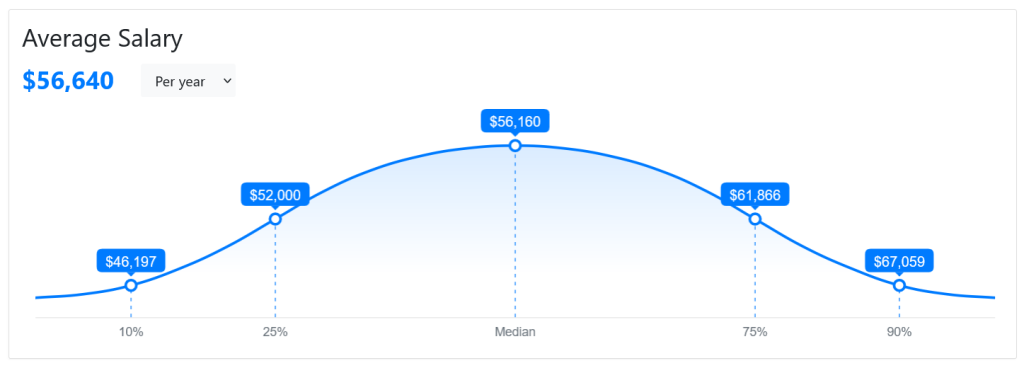
On the lower end of the spectrum, technicians earn around $46,000 annually, while the top 10% make more than $67,000.
Geography also matters here.
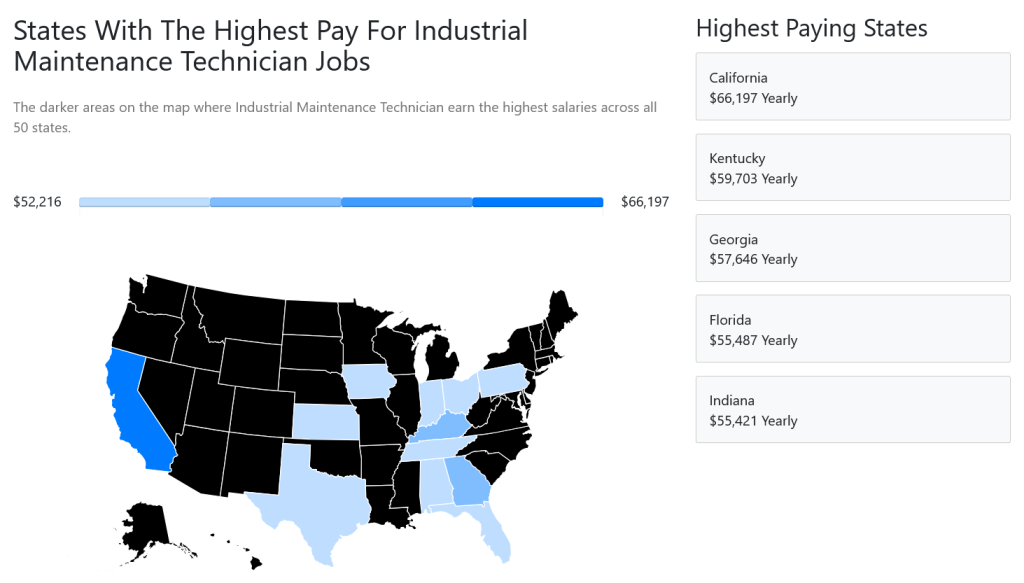
Technicians in states like California, Kentucky, Georgia, and Florida tend to earn more due to industry demand and cost of living.
However, these numbers only tell part of the story.
When technicians talk about their jobs online, you start to see the real range of salaries across industries.
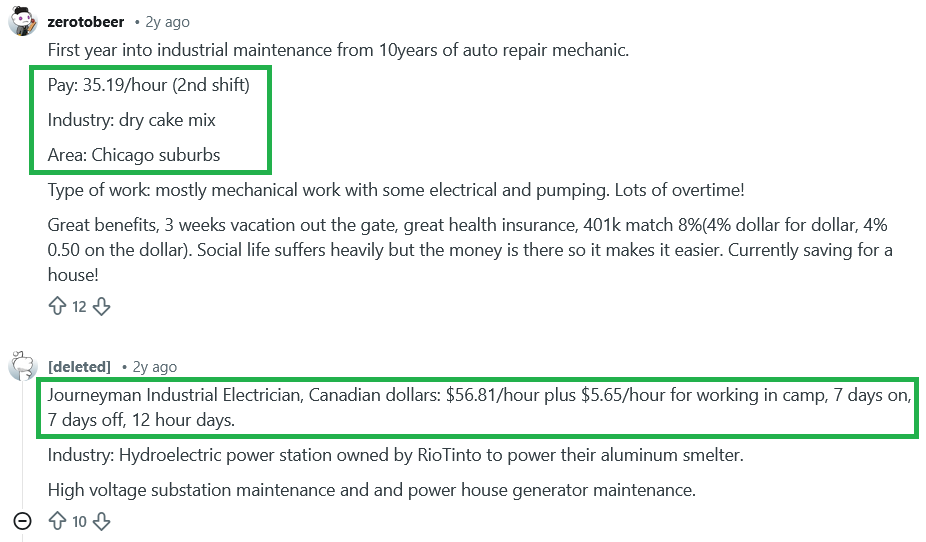
For example, one maintenance lead working in a Midwest bakery plant shared that he earns $36 per hour, handling mechanical and electrical work after transitioning from ten years in automotive repair.
A journeyman industrial electrician working at a hydroelectric power station reported earning $56.81 per hour in Canadian dollars, maintaining high-voltage substations and generators that power an aluminum smelter.
Different industries pay differently. Different regions pay differently.
But the point is the same across the board: skilled maintenance labor is a permanent cost of keeping industrial operations running.
Software is another fixed cost that has become standard in modern maintenance departments.
Many teams now rely on a Computerized Maintenance Management System (CMMS) to track work orders, schedule preventive maintenance, manage spare parts, and store asset histories.
Most CMMS platforms operate on a subscription model.
For example, WorkTrek CMMS offers a Starter plan at $29 per user per month, while the Professional plan costs $49 per user per month for larger teams.
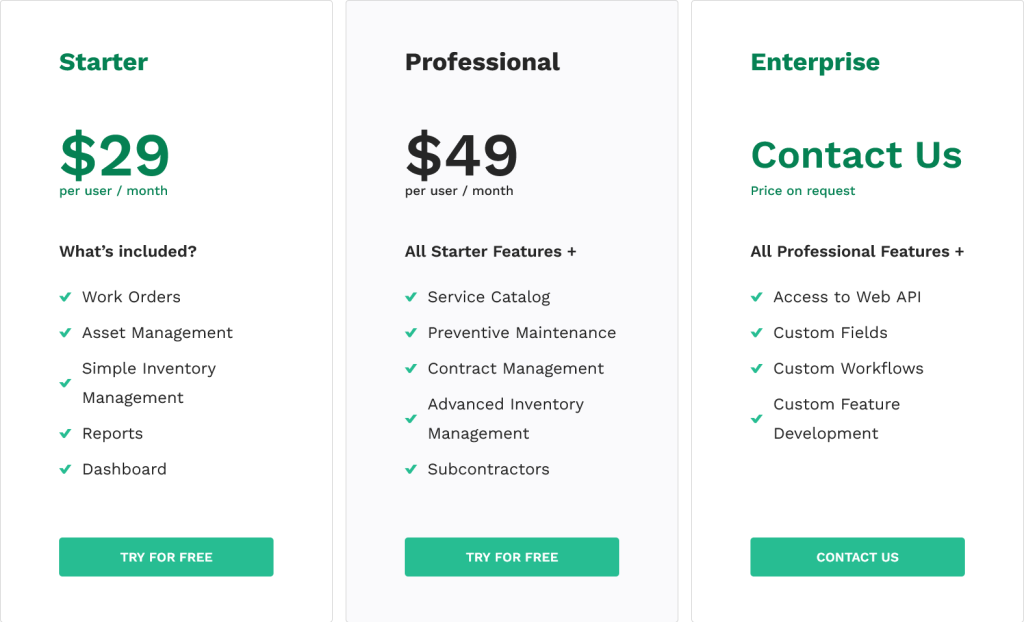
The enterprise plan offers additional capabilities.
Vendors may also offer extra modules or integrations that increase the final price. CMMS pricing can be surprisingly complex once you start comparing options.
However, from a budgeting perspective, it still behaves like a fixed cost.
Once a system is implemented, companies expect to pay for it consistently.
If you’re curious about how these pricing structures work in more detail, our CMMS pricing guide explores the topic further.
There’s one more cost that doesn’t always get discussed in maintenance conversations: equipment depreciation.
Every piece of industrial equipment slowly loses value as it ages and accumulates wear.
Accountants track that loss in value through depreciation.
Say a particular production machine costs $500,000 and is expected to operate for ten years.
In simple terms, the company may record about $50,000 in depreciation each year.
It’s not a cash payment like buying spare parts or paying technicians, but it still represents the long-term cost of owning and operating that equipment.
Since it gets spread evenly over time, it behaves like another predictable expense in the maintenance budget.
Variable Costs
Fixed costs are predictable. Variable costs are not.
These expenses change depending on how much equipment runs, how hard it works, and how quickly parts wear out.
Spare parts are the most obvious example.
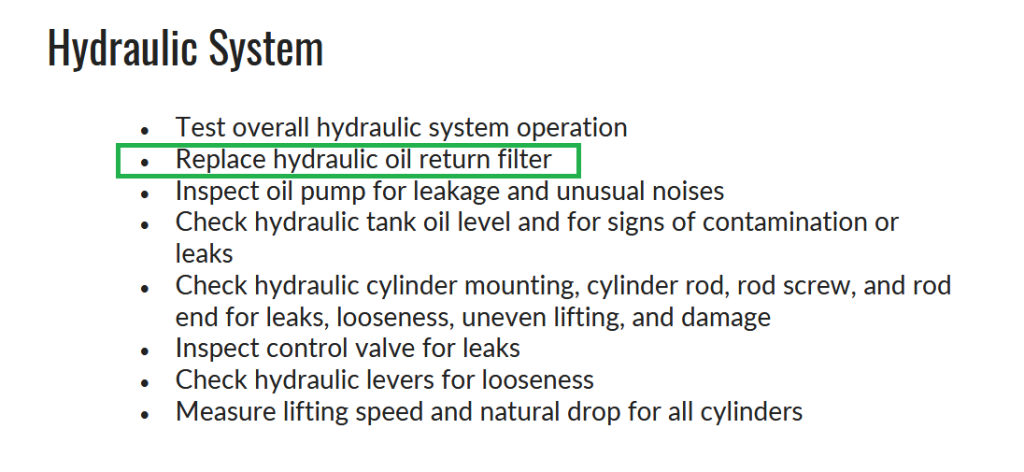
Bearings, seals, belts, sensors, filters, and lubricants all need to be replaced at different intervals.
The more equipment operates, the more frequently these components need attention:
Consumables fall into the same category.
Oils, greases, coolants, and cleaning materials may seem inexpensive on their own, but across a large facility, those small purchases add up quickly.
Then there’s labor flexibility.
During busy production periods or planned shutdowns, facilities often bring in contractors or temporary technicians to help handle the workload.
External factors can also influence these costs. Supply chains play a larger role in maintenance budgets than many people realize.
According to S&P Global’s Flash Purchasing Managers’ Index report released in March 2025, manufacturers have recently experienced a sharp rise in input costs as suppliers pass tariff-related price increases on to U.S. companies.
That means the same spare part you bought last year may cost noticeably more today.
Here’s why this matters.
When variable costs start rising faster than expected, they often signal a deeper issue.
Aging equipment, inefficient maintenance practices, or poorly managed spare parts inventories can all drive unnecessary spending.
Tracking these trends helps maintenance teams identify where improvements are needed.
Administrative Costs
Not every maintenance cost involves turning a wrench.
Administrative costs support the systems, processes, and knowledge that keep maintenance operations running smoothly.
They include the cost of:
- Training programs
- Vendor management
- Safety documentation
- Compliance efforts
- Planning tools
These expenses often receive less attention because they don’t directly fix equipment.
However, they still matter.
Training is a good example.
Industrial technology evolves constantly, and maintenance teams must stay current with new systems, software, and safety standards.
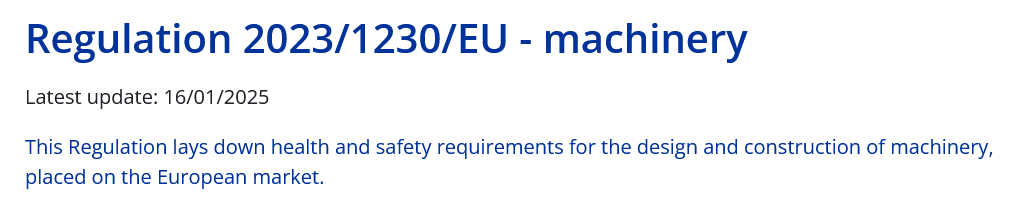
For instance, the EU Machinery Regulation 2023/1230, which will fully apply starting January 20, 2027, introduces updated requirements related to machinery safety, digital systems, and industrial cybersecurity.
Companies operating within the EU will need to ensure that their equipment and procedures meet those standards.
Training programs that explain regulatory changes such as this one cost around €590 (about $740) per participant, depending on the provider.
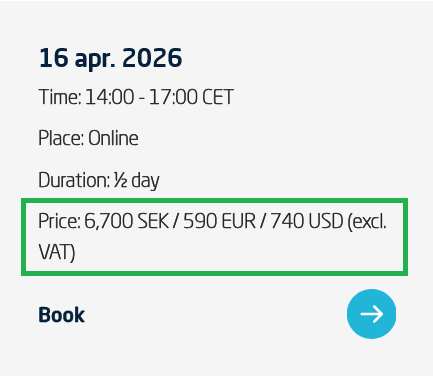
Multiply that across an entire maintenance team, and the administrative cost becomes clear.
These expenses may not grab your attention immediately, but they quietly shape how effective and compliant a maintenance program really is.
Failure Costs
Failure costs appear when equipment breaks down unexpectedly and production stops.
When that happens, the financial impact can spread quickly.
Some of those costs are immediate and fall into the direct cost category:
- Emergency repair labor
- Overtime pay
- Contractor assistance
- Expedited shipping for spare parts
However, the indirect costs, such as production delays, missed delivery deadlines, lost revenue, safety risks, and damaged customer relationships, often hit harder.
As Virve Viitanen, Global Head of Customer Care and Support at ABB Motion Services, puts it:
“On top of the obvious direct financial costs, downtime also presents businesses with several indirect costs, like reputational damage, health and safety risks, loss of team morale, and insurance premium rises.”
Industry data highlights how serious these losses can become.
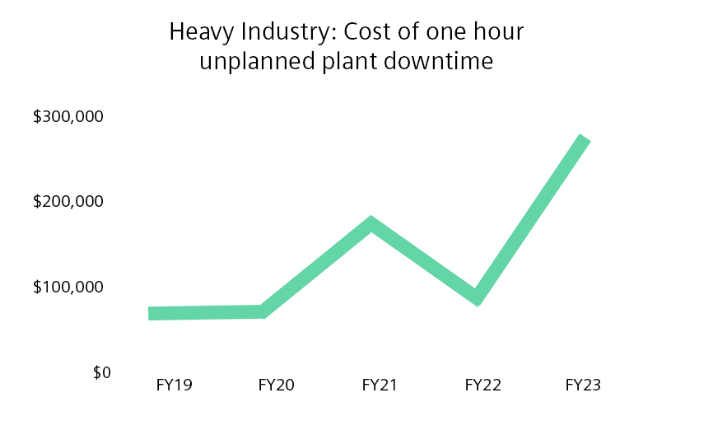
A 2024 Siemens study found that the annual cost of an idle production line at a large automotive plant has reached $695 million, which is 1.5 times higher than it was just five years earlier.
In heavy industry, the average annual downtime cost sits around $59 million, representing a 1.6-fold increase since 2019.
Even smaller failures can add up quickly.
According to ABB Motion Services, downtime in the food and beverage sector can cost anywhere from $4,000 to $30,000 per hour.
Paper manufacturers lose up to $25,000 per hour when key equipment stops running. In the steel industry, a critical machine failure can cost around $300,000.
Here’s another interesting insight.
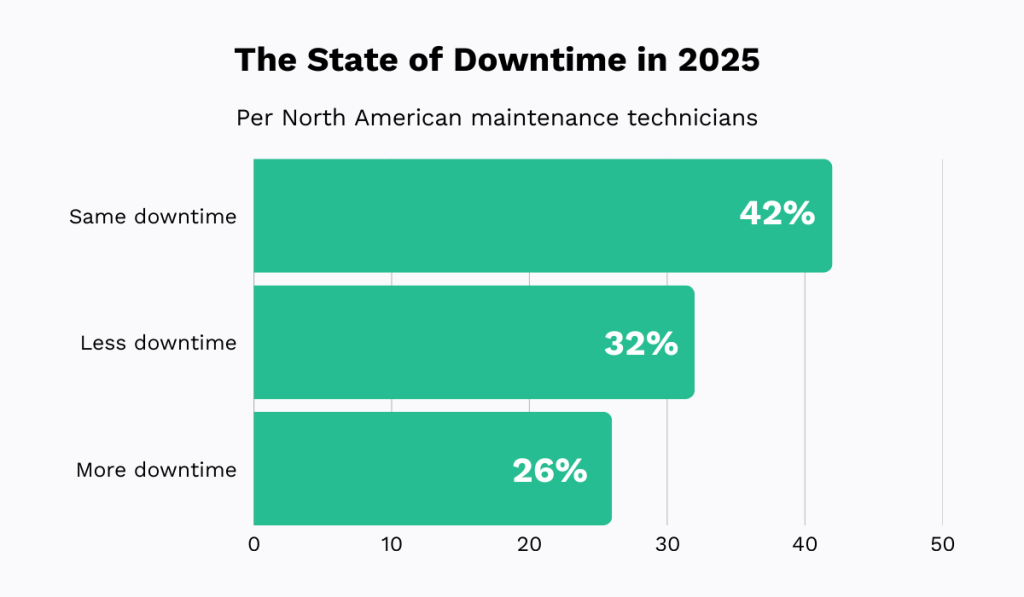
The State of Industrial Maintenance Report 2025 found that 74% of maintenance teams reported that unplanned downtime stabilized or decreased over the past year.
That sounds like progress.
But only 20% said the cost of downtime actually decreased.
In other words, breakdowns may be happening less often, but when they do happen, they are more expensive.
That’s why many organizations focus heavily on preventive maintenance and predictive strategies.
The goal is simple: catch problems early and avoid the catastrophic failures that shut down production.
Still, those strategies only work if maintenance teams have the right systems to plan work, track equipment history, and ensure preventive tasks are completed.
How WorkTrek Helps Reduce Maintenance Costs
Maintenance teams already know that preventing problems is cheaper than fixing them after a breakdown.
The difficult part is staying organized enough to consistently perform preventive maintenance.
But the goal isn’t simply to reduce spending.
As Greg Wortman, operations manager at Redimix, explains:
“It’s not about cost-cutting. It’s about training your team and maintaining your equipment so that you don’t incur the costly downtime.”
That’s really the idea behind a CMMS like WorkTrek.
The software doesn’t eliminate maintenance costs. Instead, it helps teams manage them more effectively.
In practice, the savings usually show up in three places:
- Fewer unexpected failures
- Less wasted labor
- Better long-term asset decisions
Let’s start with preventive maintenance.
Most facilities already have preventive maintenance programs in place.
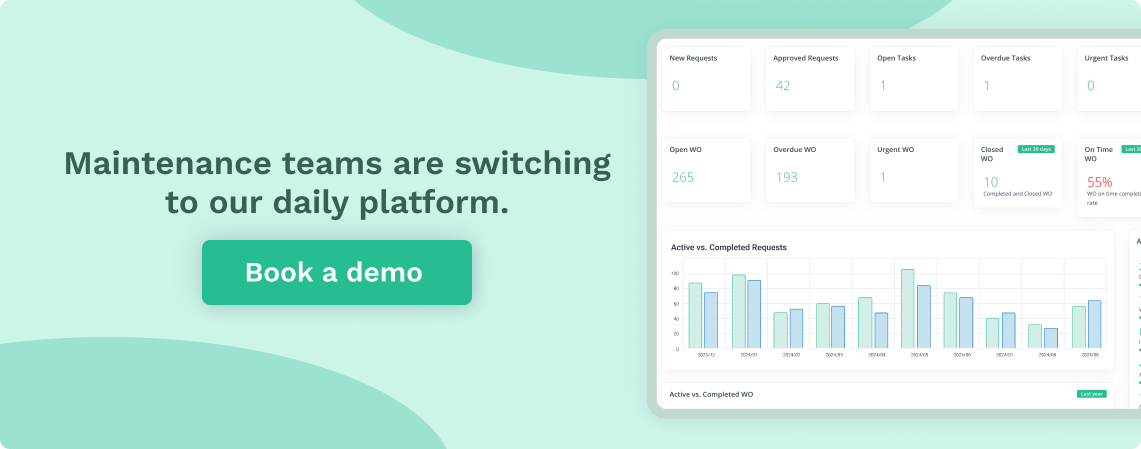
The problem is that those programs often depend on spreadsheets, emails, or paper checklists.
When production gets busy, planned inspections or lubrication tasks get postponed.
A technician might plan to check a motor next week, but the reminder gets buried in a spreadsheet or lost in someone’s inbox.
A few months later, that missed task turns into a failed bearing or overheated motor.
WorkTrek helps prevent that situation by enabling preventive maintenance scheduling.
Maintenance managers can create recurring tasks based on time intervals, equipment usage, or operating hours, and assign them to technicians.
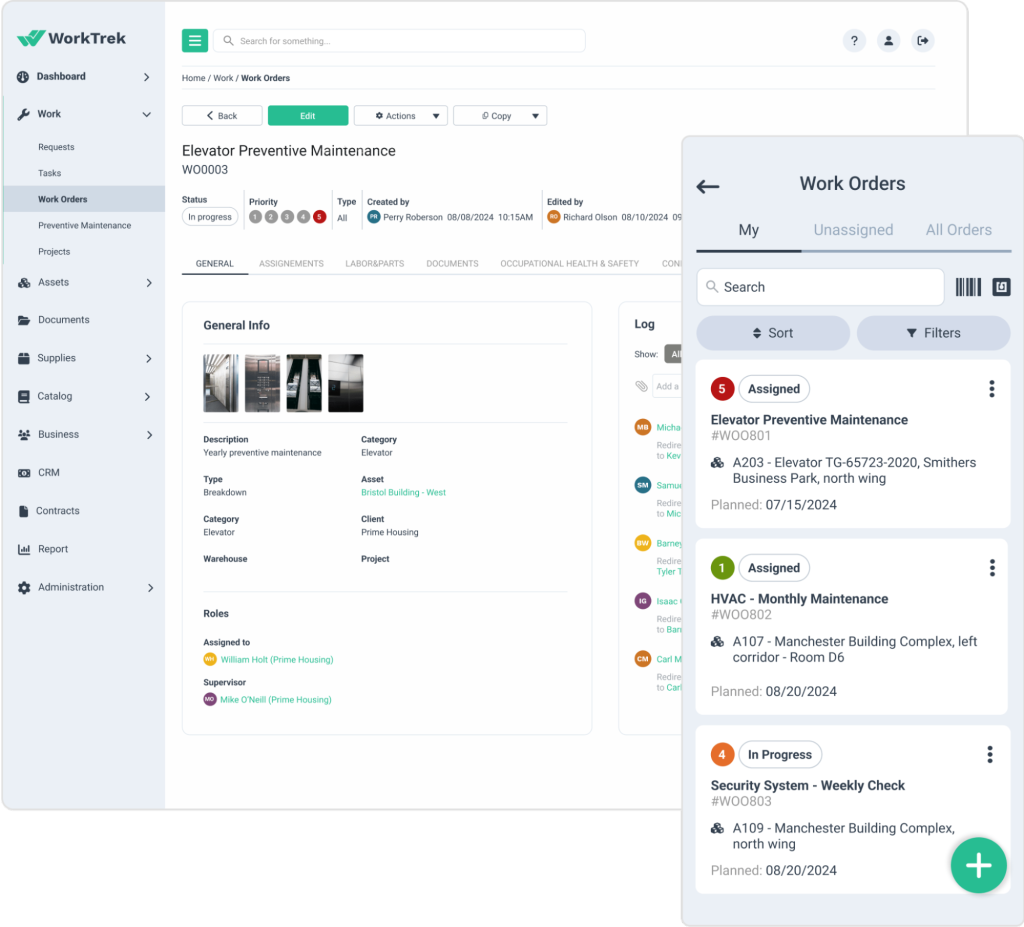
Instead of relying on memory or scattered notes, the maintenance schedule becomes part of the daily workflow.
Over time, that consistency helps reduce unexpected equipment failures.
Spare parts management is another area where maintenance costs can quietly grow.
Anyone who has worked in maintenance has seen the situation before. A machine fails, a technician heads to the parts room, and the required component isn’t there.
Now someone has to place an urgent order, often paying for expedited shipping while production waits.
In other cases, the opposite problem occurs: the same part is purchased multiple times because no one realizes it is already on a shelf somewhere.
WorkTrek helps solve this by digitizing spare parts inventories and giving teams a clear picture of what is actually in stock.
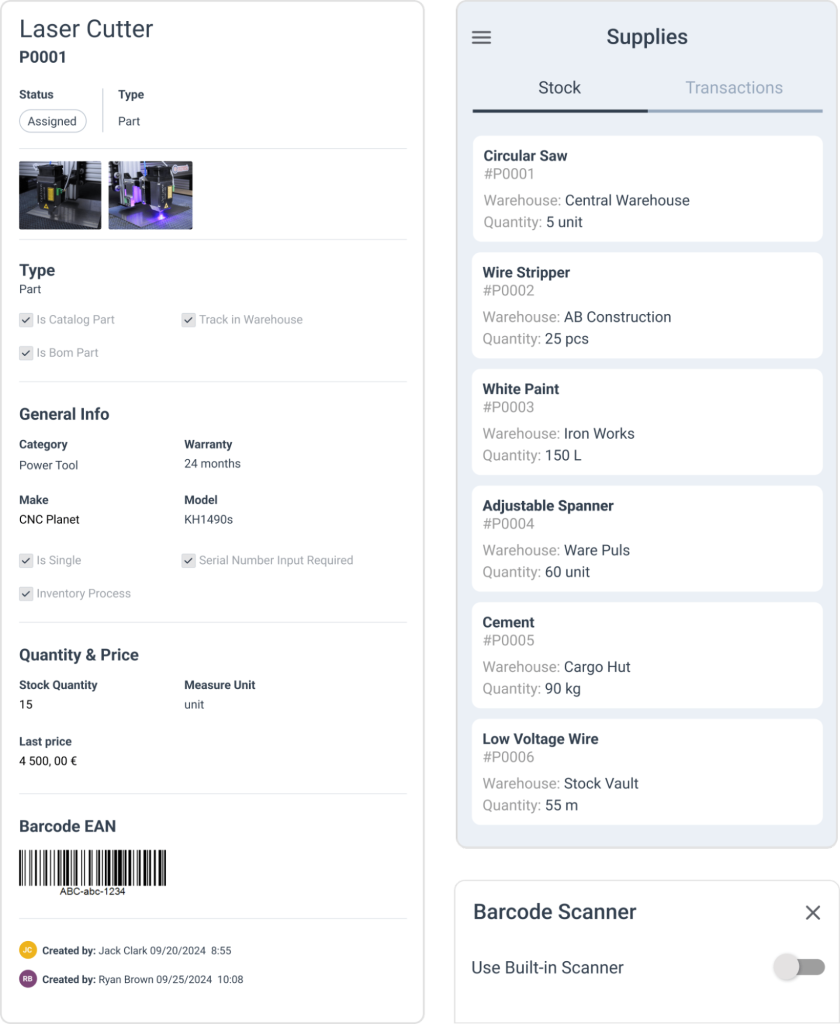
Maintenance managers can set inventory thresholds, so the system alerts them when critical components start running low.
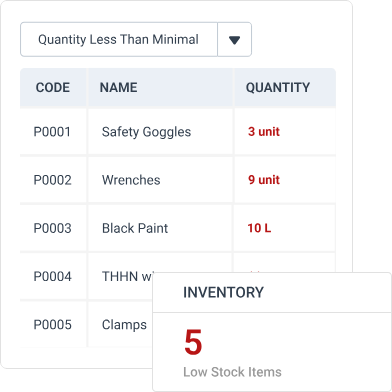
That makes it easier to reorder parts in advance and avoid expensive last-minute purchases.
It also reduces duplicate purchases and excess inventory that ties up budget and storage space.
Communication is another area where small inefficiencies can add up over time.
When maintenance teams rely on scattered notes, spreadsheets, or verbal updates, important details can easily get lost.
A technician might spend an hour troubleshooting a recurring issue without realizing someone already solved the same problem last month.
The information exists somewhere, but it isn’t easy to find.
WorkTrek keeps asset histories, work orders, and documentation in one place.
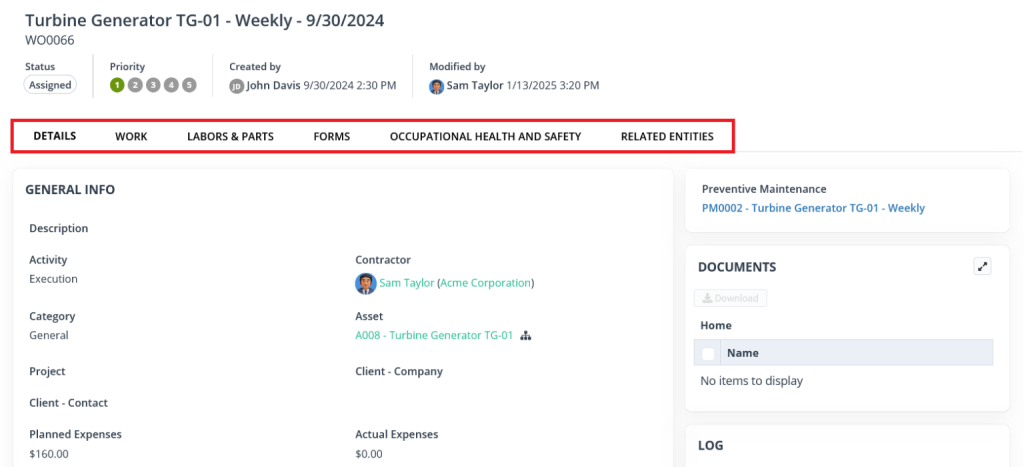
Before starting a job, technicians can quickly review previous repairs, see which parts were used, and understand the equipment’s past issues.
That saves time during troubleshooting and helps ensure repairs are done correctly the first time.
Then there’s the long-term view.
Over time, WorkTrek collects data about repairs, spare parts usage, and equipment performance, and you can easily generate various reports from that data.
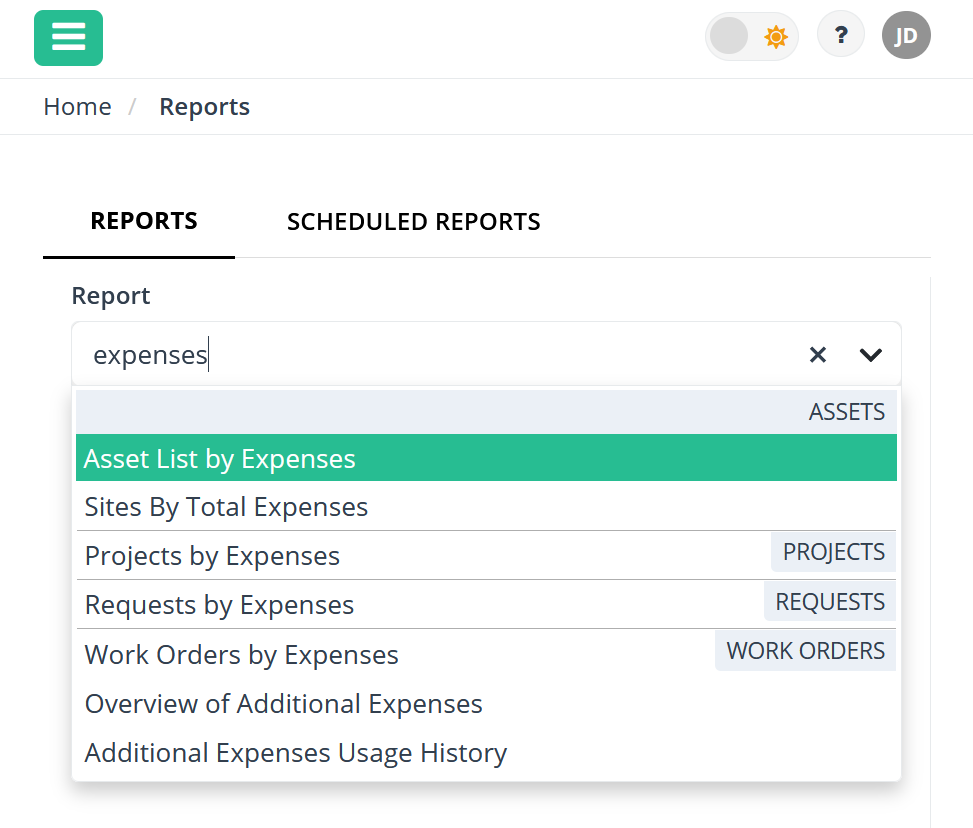
That information becomes valuable when maintenance managers start looking for patterns.
A report might show that one pump requires significantly more repairs than similar equipment. Another report might reveal that a certain motor consumes far more spare parts than expected.
With that information, you can investigate the root cause, adjust maintenance schedules, or decide when replacing an asset makes more financial sense than continuing to repair it.
With all that said, WorkTrek doesn’t reduce maintenance costs by forcing teams to spend less.
It reduces costs by helping maintenance teams stay organized, prevent failures, and make better decisions about how resources are used.
Conclusion
Industrial maintenance costs take many forms.
Some expenses remain stable year after year, such as technician salaries and software subscriptions.
Others fluctuate depending on production levels, spare parts usage, and supply chain conditions.
Administrative requirements support the maintenance program behind the scenes, while unexpected equipment failures can have the greatest financial impact.
Maintenance teams that understand these cost categories are better equipped to control them.
With clear processes, reliable data, and the right tools in place, you can reduce downtime, manage spending more effectively, and keep operations running reliably for the long term.