


Get a Free WorkTrek Demo
Let's show you how WorkTrek can help you optimize your maintenance operation.
Try for freeKey Takeaways:
- Strengthening the work order process significantly improves PM schedule compliance.
- Workers spend about 25% of their workweek looking for information.
- One company reduces its backlog by 70% by improving its WO process.
Many unplanned breakdowns in manufacturing facilities tell the same story: something was wrong before, but nobody caught it in time.
The warning signs were there.
A work request that never got prioritized, an inspection that kept getting deferred, or a repair that was completed but never properly documented.
The equipment didn’t fail randomly; the process around it did.
At the center of that process is the work order.
It’s where maintenance activities are requested, planned, executed, and documented.
Weaknesses in your work order process can affect nearly every aspect of maintenance, from technician productivity and preventive maintenance to equipment reliability and operational costs.
Understanding the work order process is the first step toward improving it.
In this guide, you’ll learn how a typical work order process works, the common challenges that undermine it, and how the right processes and technology can help your maintenance team operate more efficiently and proactively.
A Closer Look at a Typical Work Order Process
No two companies handle work orders in the same way.
Your process may include additional approval steps, a different ticketing system, or a unique escalation path.
While the exact workflow varies by industry, facility size, maintenance strategy, and maintenance tools, most organizations follow a similar sequence of steps when managing maintenance work:
| Identify the maintenance need | A work order begins when someone identifies a maintenance issue, such as an equipment failure or a safety concern. |
| Submit a request | The request captures essential information, including the asset, issue description, priority, location, and more. |
| Review and approve the request | A maintenance manager verifies the request, determines its priority, and decides whether to approve it, defer it, combine it with other work, or reject it. |
| Plan and schedule the work | Once approved, the work order is planned and scheduled based on factors such as equipment criticality and safety. |
| Assign the work order. | The job is assigned to the technician or team with the appropriate skills, certifications, and availability. |
| Complete the maintenance work | Technicians perform the task, record labor hours, document parts used, and capture any relevant observations during the repair. |
| Verify and close the work order | The work order is closed; the completed work is documented, creating an upkeep history that supports future planning and decision-making. |
These steps aren’t just theoretical.
A good example is E. & J. Gallo Winery, one of the world’s largest wineries.
The company’s maintenance team identified gaps in its reliability program, particularly around managing corrective work orders.
Before improving its approach, the team struggled to understand where maintenance resources were being spent and lacked consistency across its facilities.
To address these challenges, Gallo created a more structured word order workflow built around five key stages: approval, planning, prioritization, scheduling, and execution.
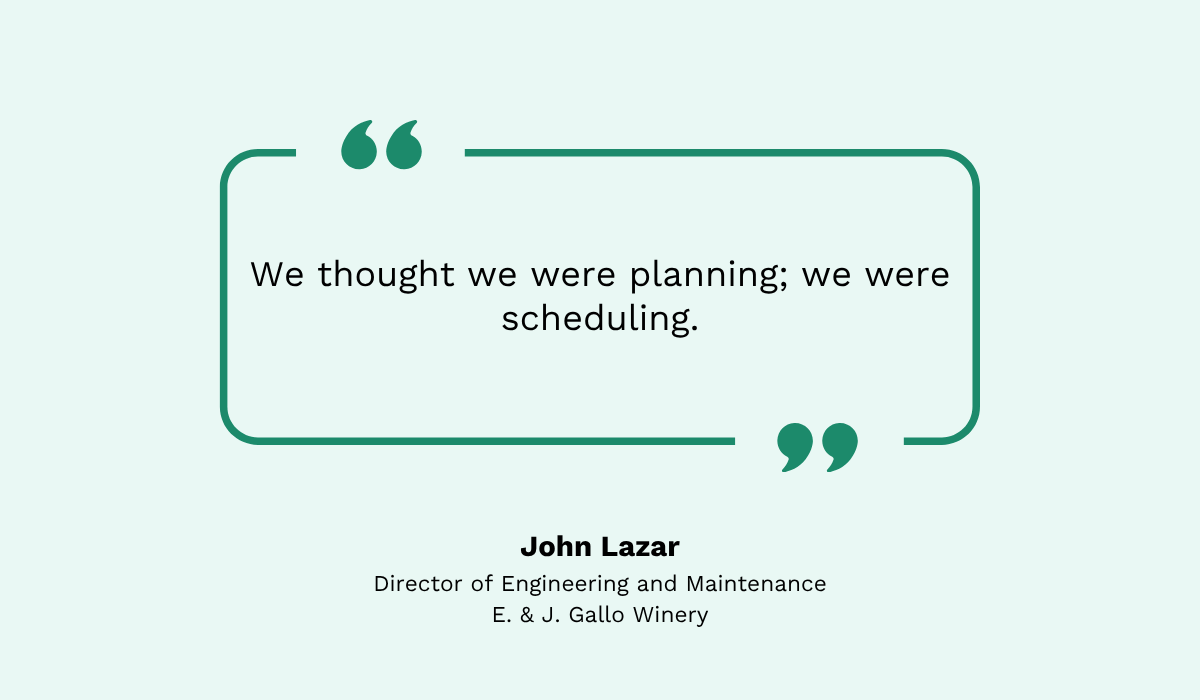
During this process, the company discovered that its team was focusing more on scheduling work than on properly planning it.
As the company’s Director of Engineering and Maintenance, John Lazar, put it:
This distinction is important.
Scheduling focuses on when a job will be completed, while planning focuses on what is required to complete it successfully, including the necessary parts, tools, procedures, and potential challenges.
By strengthening each stage of its work order process across five facilities, Gallo improved schedule compliance from 50% to 77% and gained greater control over corrective maintenance activities.
Common Work Order Problems That Sabotage the Entire Process
A work order process rarely fails because of a single mistake.
More commonly, it’s weakened by small execution gaps such as missing information, delayed approvals, or poor communication. These issues compound over time.
It’s important to understand how they affect your maintenance operation before deciding how to solve these problems.
Incomplete Work Orders
An incomplete work order might look like a minor inconvenience on paper, but it can quickly disrupt your entire maintenance process.
A technician can’t immediately begin a repair if they open a work order that’s missing an asset’s history, the required parts list, or a clear description of the problem.
Instead, they may need to track down a supervisor for more details, search through old records, or return to the equipment to diagnose the problem themselves, all before they’ve turned a single wrench.
This delays response times and shifts technicians away from productive maintenance activities toward information gathering and administrative tasks.
The impact is even greater in manufacturing environments, where conditions change constantly.
Equipment failures, production schedules, and maintenance priorities can shift throughout the day.
A delay on one work order does not occur in isolation; it can create a backlog that affects every task scheduled afterward.
This is a challenge across all industries and sectors, not just maintenance.
Atlassian’s State of Teams 2025 report found that teams spend more than 25% of their workweek searching for information.
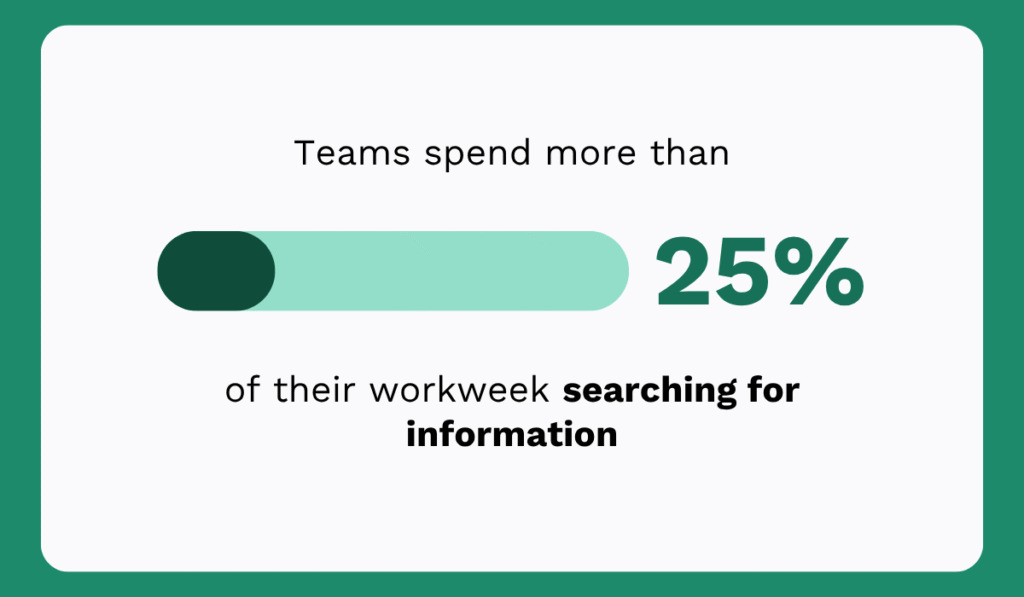
In a typical 40-hour workweek, that’s the equivalent of spending about 10 hours, more than a full workday every week, just looking for information needed to complete tasks.
For maintenance teams, this lost productivity can appear as technicians searching for equipment manuals, previous repair records, asset details, or failure history instead of performing maintenance work.
The consequences extend beyond wasted technician hours.
For example, when a technician spends even 20 or 30 minutes searching for missing information during an urgent repair, the delay can:
- Slow production recovery
- Increase operational costs
- Extend equipment downtime
Every minute spent chasing information is a minute taken away from restoring equipment and keeping operations running efficiently.
Chronic Backlog Accumulation
A maintenance backlog isn’t automatically a sign that something’s wrong.
A healthy, well-managed backlog helps maintenance teams prioritize work, plan resources, and keep technicians productive.
As Aaron Ridgway, founder of Ridgway Resilience, a maintenance and reliability training and consulting organization, explains:

The trouble starts when that backlog grows beyond what your team can realistically manage.

An excessive backlog means maintenance tasks continue to accumulate faster than they can be completed.
Over time, maintenance requests pile up, work orders remain unassigned, and lower-priority tasks are repeatedly deferred, with no one tracking how long they’ve been waiting.
Many maintenance professionals consider a backlog of roughly two to four weeks to be healthy because it provides enough planned work to keep technicians productive without overwhelming the team.
If your backlog consistently exceeds that range, it’s a strong indicator that maintenance demand is outpacing available resources or that work isn’t being managed effectively.
Once your backlog grows beyond a healthy level, maintenance teams naturally focus on the most urgent work, leaving lower-priority repairs and preventive maintenance tasks waiting.
Over time, those seemingly minor issues can develop into larger failures that require longer downtime, additional resources, and more expensive repairs.
A good example comes from this large offshore energy company that struggled with an excessive maintenance backlog across its operations.
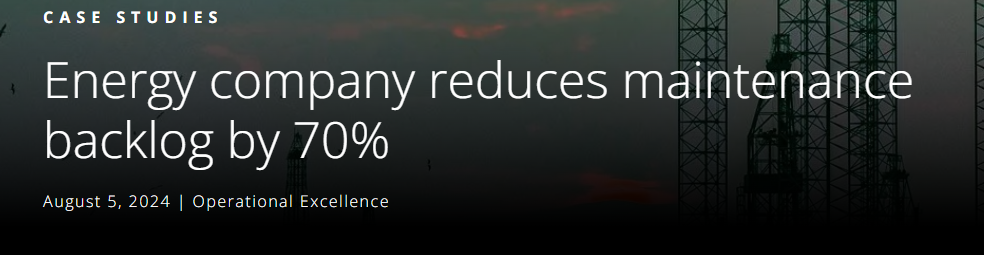
As work orders accumulated, maintenance planning became increasingly difficult, making it harder to prioritize maintenance activities and deploy resources effectively.
After redesigning its work management process and strengthening its planning and scheduling practices, the company reduced its maintenance backlog by 70%, improving operational performance and responsiveness.
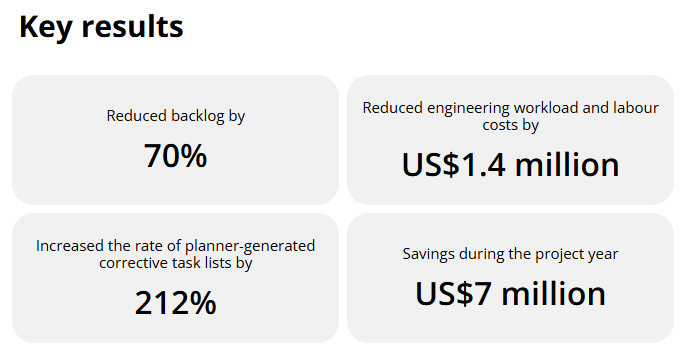
While not every organization will experience a backlog at this scale, the case illustrates how an unmanaged backlog can gradually erode maintenance efficiency until it becomes a significant operational challenge.
An unmanaged backlog also puts pressure on maintenance teams.
Faced with a constant queue of overdue work orders, technicians may rush jobs, shift priorities frequently, or focus almost exclusively on emergency repairs.
This reactive cycle makes it harder to complete planned maintenance activities and maintain long-term equipment reliability.
The impact extends beyond the maintenance department.
A growing backlog can make it harder for managers to accurately understand the true condition of their assets, forecast workload, and allocate resources effectively.
When too many unresolved issues accumulate, the maintenance team is no longer managing the backlog; the backlog is managing the team.
Poor Performance Visibility
You can’t improve what you can’t see.
Yet many maintenance teams struggle to measure performance because work order data is incomplete and inaccurate, reporting is inconsistent, or key performance metrics are missing altogether.
Without reliable data, managers are forced to make decisions based on assumptions rather than evidence.
In maintenance, this plays out in familiar ways.
A manager might assume the team is keeping up with planned maintenance because no one has raised concerns, only to discover during a budget review that reactive repairs have quietly overtaken preventive maintenance for months.
Inaccurate reporting often causes managers to overestimate how much planned work is being completed and underestimate the time lost to delays, administrative work, and recurring failures.
Ricky Smith, Vice President of World Class Maintenance, a maintenance and reliability training and consulting organization, summarizes this problem well:

Poor visibility also leads to poor resource allocation.
Without accurate, real-time data, decisions about staffing, scheduling, inventory, and budgets become educated guesses.
A manager might assign additional technicians to what appears to be an overloaded area when the real issue is that work orders are sitting unassigned or awaiting approval.
Likewise, recurring equipment failures may continue to receive reactive repairs because incomplete maintenance records hide the underlying pattern.
A metric has little value if it doesn’t drive action.
Reports become little more than paperwork, and recurring problems remain hidden when performance visibility is poor.
Overreliance on Reactive Work
Reactive maintenance isn’t inherently bad.
Equipment failures and emergency repairs are an inevitable part of running a manufacturing operation.
The problem arises when reactive maintenance becomes the norm rather than the exception.
When maintenance teams spend most of their time responding to emergencies, it often reflects deeper issues elsewhere in the maintenance operation.
Instead of preventing failures before they occur, technicians are forced into a constant cycle of responding to them.
However, reactive maintenance is more common than many organizations realize.
A McKinsey survey found that, on average, only 51% of maintenance activities are preventive, suggesting many manufacturers still devote a significant share of their maintenance effort to unplanned work.
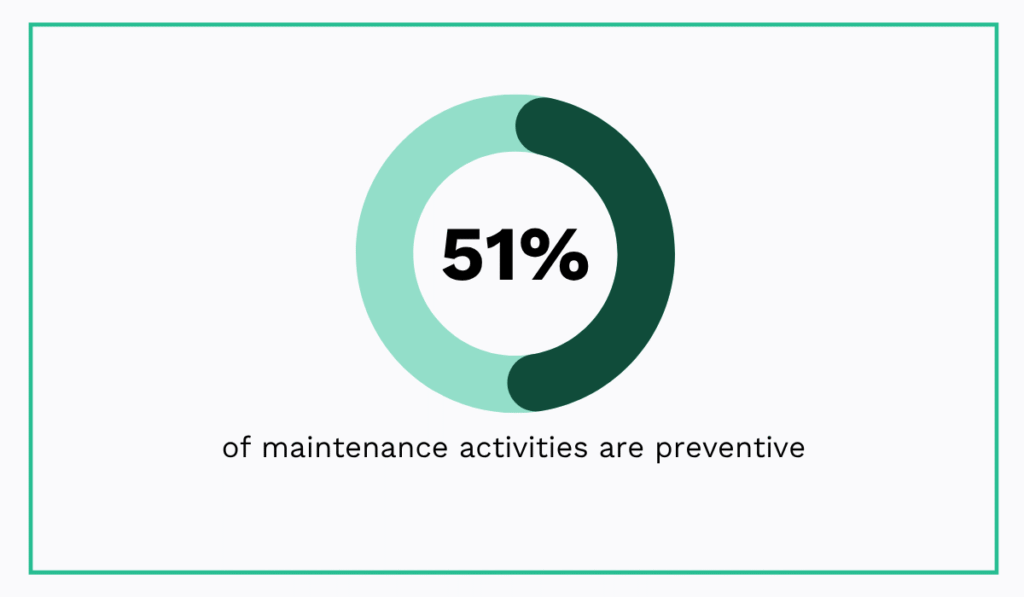
Rather than following a proactive maintenance strategy, many teams continue to spend much of their time reacting to equipment failures after they’ve already occurred.
The financial consequences can be substantial.
Organizations that rely heavily on reactive maintenance often experience more frequent and costly unplanned outages.
According to ABB’s 2023 Value of Reliability survey, the typical industrial business loses about $125,000 for every hour of unplanned downtime.
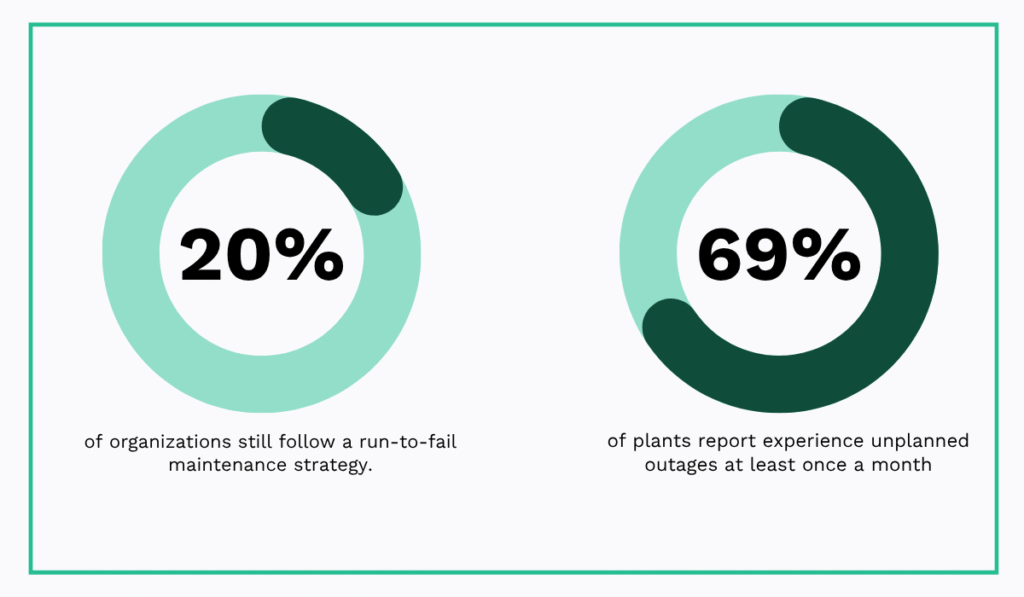
Despite these costs, the survey also found that one in five organizations still follow a run-to-fail maintenance strategy, while 69% report experiencing unplanned outages at least once a month.
The impact extends beyond productivity and cost.
Equipment allowed to operate with unresolved defects or deferred maintenance presents greater safety risks to both operators and maintenance personnel.
Minor issues left unaddressed can escalate into major failures that:

- Disrupt production
- Damage equipment
- Create hazardous working conditions
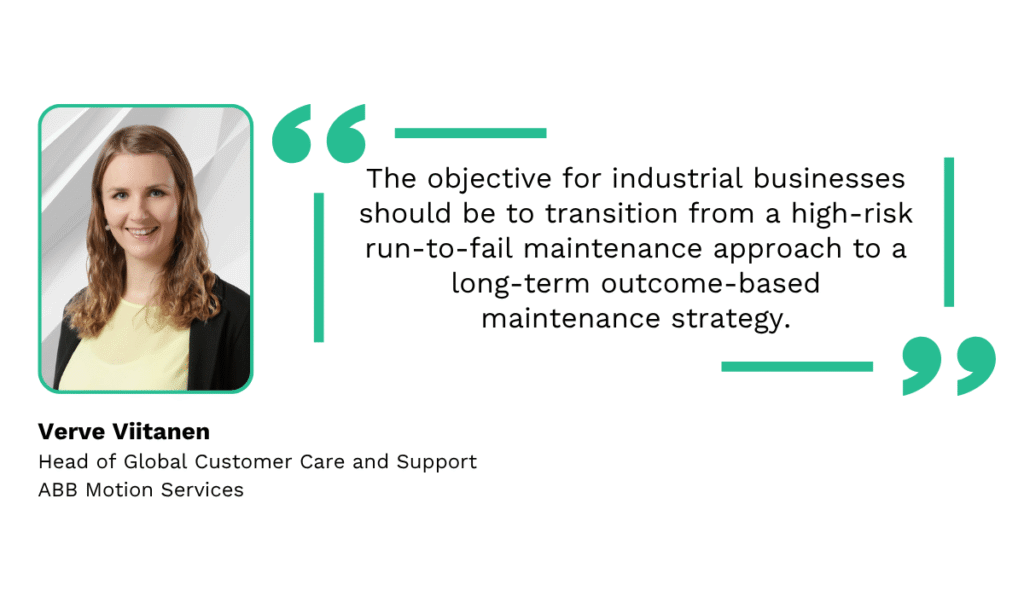
Verve Viitanen, Head of Global Customer Care and Support at ABB Motion Services, reinforces the value of a proactive approach:
Reactive maintenance will always be part of manufacturing.
The goal isn’t to eliminate emergency work, but to ensure it remains the exception rather than the strategy.
Modern CMMS: One Tool that Solves All These Challenges
The work order challenges we’ve covered are rarely isolated problems.
Incomplete work orders, growing backlogs, poor visibility, and reactive maintenance often reinforce one another, creating a cycle that’s difficult to break.
A modern computerized maintenance management system (CMMS), like WorkTrek, helps break that cycle by bringing structure, consistency, and visibility to every stage of the work order process.
It provides a centralized platform where maintenance requests, work orders, asset history, preventive maintenance schedules, inventory records, and performance data all live in one place.
That said, software alone isn’t a silver bullet.
Success still depends on:
- Well-defined workflows
- Clear responsibilities
- Consistent execution
A CMMS provides the tools to support those processes, but it doesn’t replace them.
When paired with strong maintenance practices, however, it enables teams to execute those processes more consistently and efficiently.
The process starts with better work requests.
To reduce incomplete work orders and eliminate information gaps, WorkTrek’s Work Request Management feature gives employees a standardized way to submit maintenance requests.
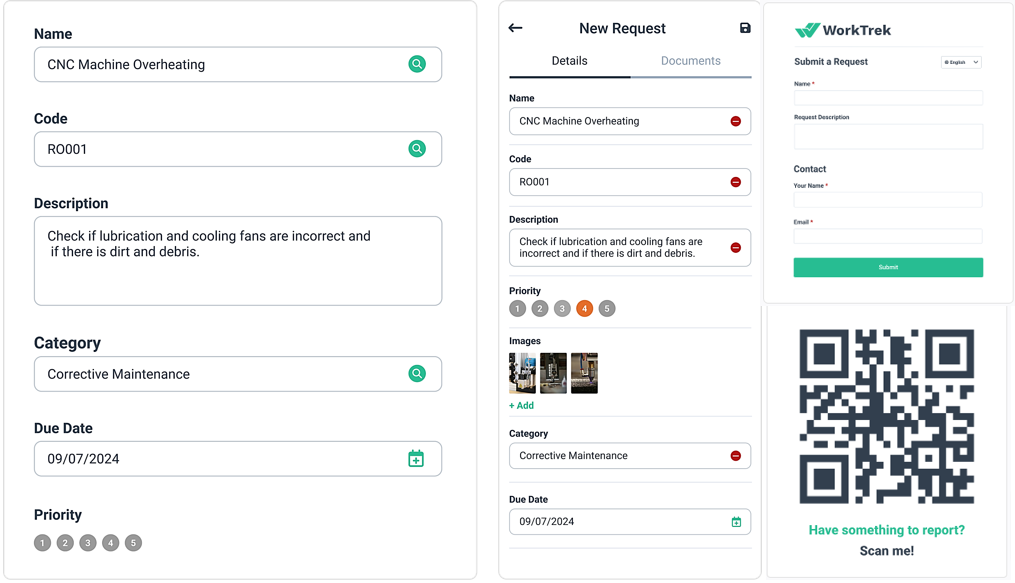
By capturing essential information such as asset details, issue descriptions, priority levels, and supporting attachments upfront, technicians spend less time chasing missing information and more time resolving the problem.
Once a request is approved, it becomes a structured work order.
WorkTrek’s Work Order Management feature centralizes everything technicians and supervisors need, including asset history, assigned personnel, labor hours, parts used, checklists, notes, and completion status.
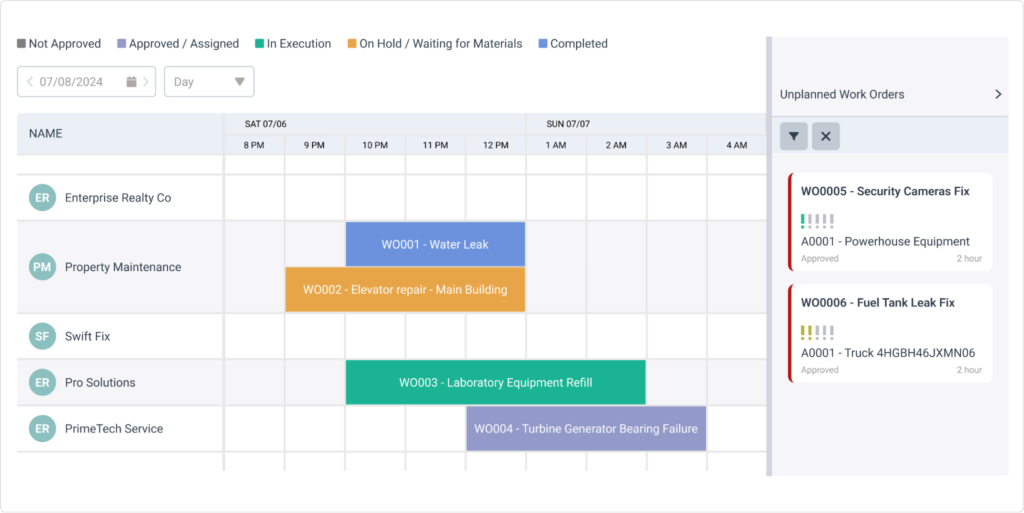
With everyone working from the same up-to-date information, technicians arrive better prepared, supervisors gain real-time visibility into work progress, and managers can make decisions based on accurate data rather than assumptions.
Effective planning also depends on having the right parts available when work begins.
WorkTrek’s Parts Inventory Management feature gives maintenance teams real-time visibility into inventory levels, parts usage, and reorder points.
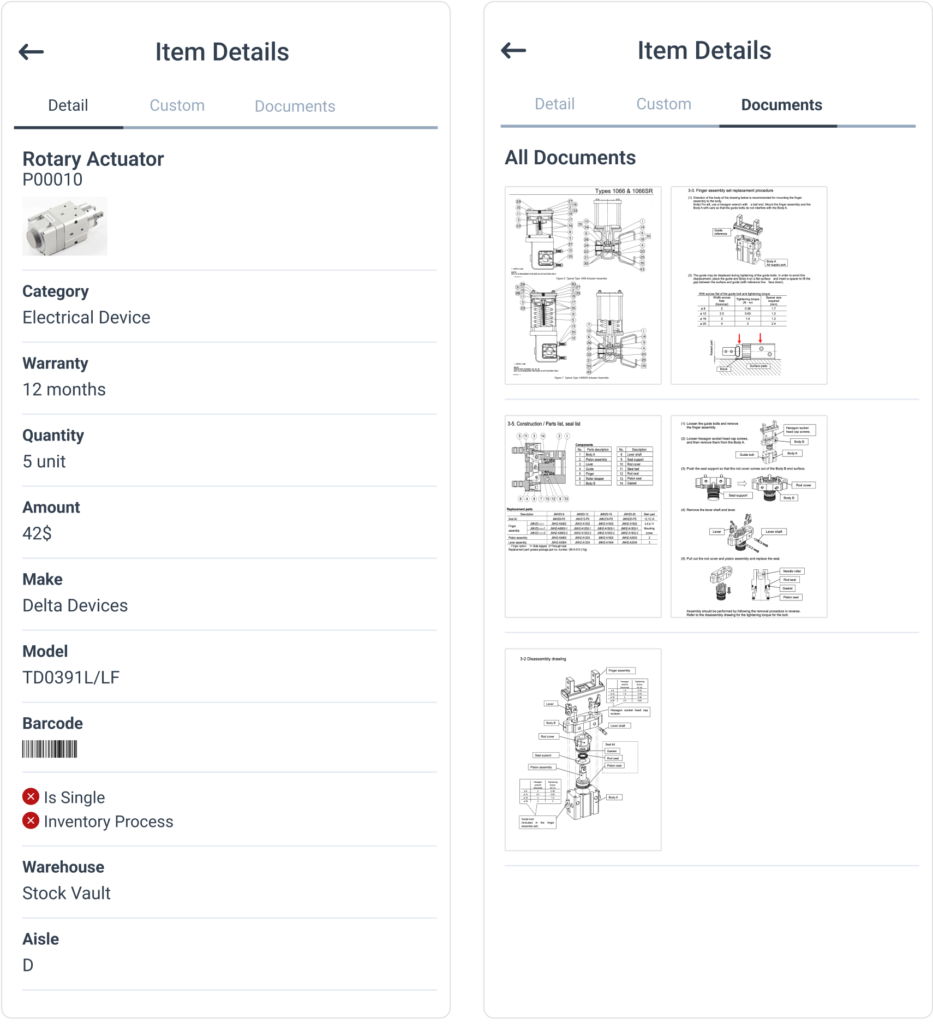
This helps planners confirm that required materials are available before scheduling work, which reduces delays caused by missing inventory, emergency purchases, or last-minute trips to the storeroom.
From there, Preventive Maintenance capabilities help shift maintenance from reactive to proactive.
WorkTrek can automatically generate recurring work orders based on time intervals, equipment usage, or meter readings, making it easier to schedule routine maintenance before equipment problems escalate into costly failures.
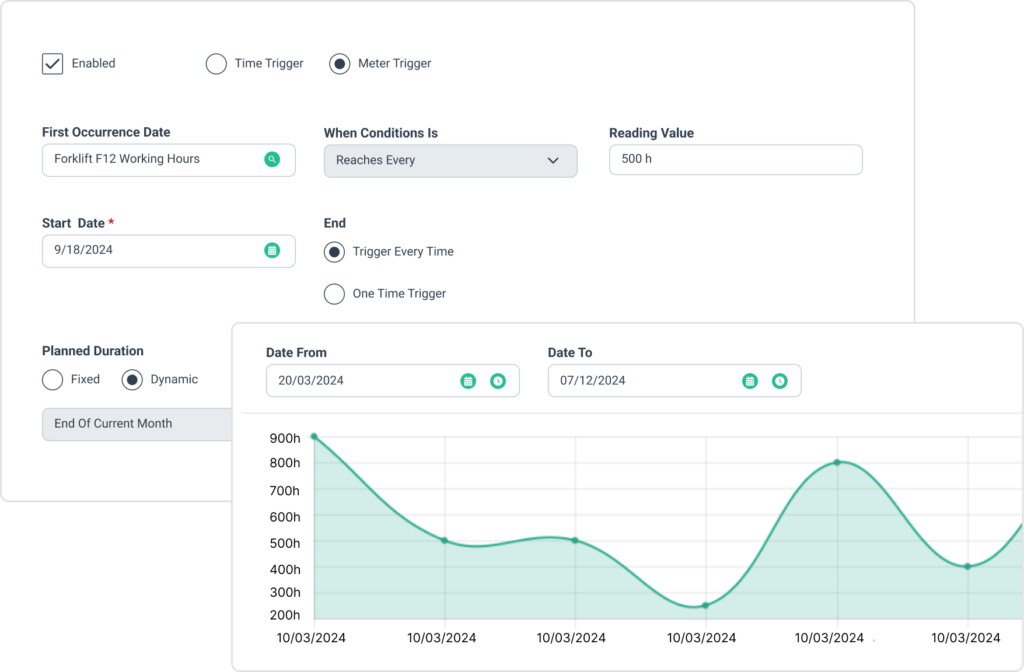
The clarity of data enables maintenance teams to consistently complete preventive work and reduce their dependence on emergency repairs.
Ultimately, a CMMS doesn’t improve maintenance simply by digitizing work orders.
It improves maintenance by making the entire work order process more structured, visible, and accountable.
Combined with well-defined processes and consistent user adoption, WorkTrek provides maintenance teams with the foundation they need to reduce reactive work, manage the backlog more effectively, improve performance visibility, and keep critical assets operating reliably.
Conclusion
The work order is the backbone of your entire maintenance operation.
When it’s ineffective, your team struggles to respond quickly, plan work effectively, allocate resources efficiently, and keep critical assets operating reliably.
Many common maintenance challenges can often be traced back to weaknesses in the work order process.
Improving that process means making sure every maintenance activity starts with the information needed to complete the job successfully.
A modern CMMS like WorkTrek supports that effort by establishing a consistent workflow and providing your team with a single source of truth for maintenance information.
But software is only part of the equation.
Lasting improvements come from the people and processes behind it, with technology helping your team execute their tasks consistently.