

Get a Free WorkTrek Demo
Let's show you how WorkTrek can help you optimize your maintenance operation.
Try for freeKey Takeaways:
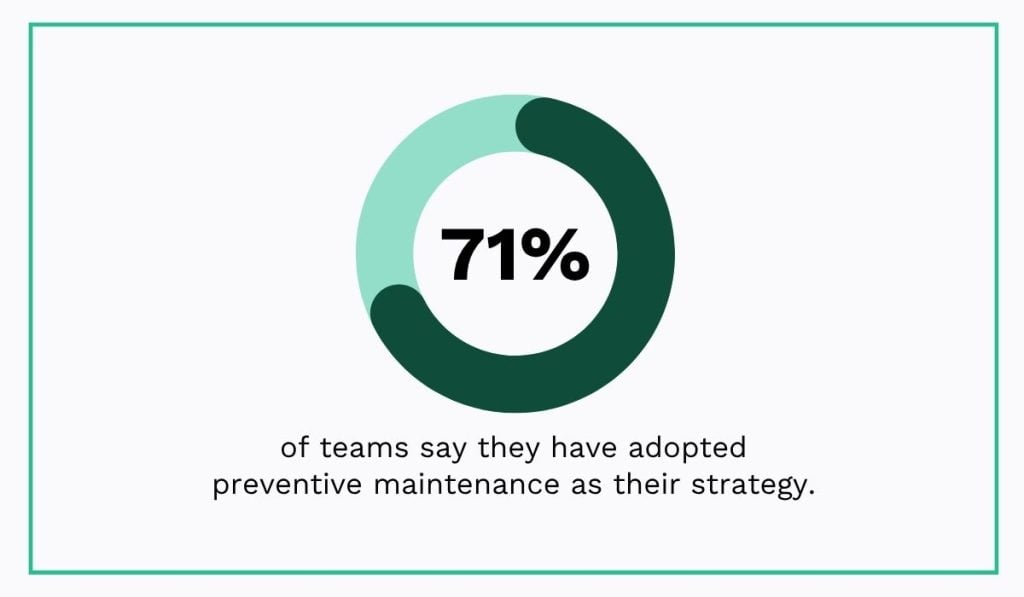
- The majority of leaders say PM is a foundational part of their strategy.
- 83% of facilities estimate that unplanned downtime costs at least $10,000/hour.
- PdM reduces breakdowns by up to 70% and lowers costs by around 25%.
Maintenance teams today are under constant pressure.
They are expected to reduce downtime, extend asset life, improve safety, and do more with fewer resources.
This is especially true in industrial environments, where even a single hour of unplanned downtime can cost thousands, if not hundreds of thousands, of dollars.
Yet, many facilities still operate reactively. That gets them nowhere.
The ones that perform better consistently don’t rely on quick fixes. They rely on proven practices.
Read on to learn about the five most important industrial maintenance practices, why they matter, and how companies benefit from them.
Build Better Preventive Maintenance
If you look at high-performing maintenance teams, one thing stands out immediately: they’re not constantly reacting.
That doesn’t mean failures don’t happen. It means they are far less frequent and rarely come as a surprise.
Preventive maintenance is what makes this possible, and most organizations already practice it in some form.
According to industry research, the majority of maintenance leaders say preventive maintenance is a foundational part of their strategy.
However, the same report shows where things start to break down in practice.
Apparently, 58% of facilities still spend less than half their time on scheduled maintenance, and fewer than 35% dedicate the majority of their time to preventive work.
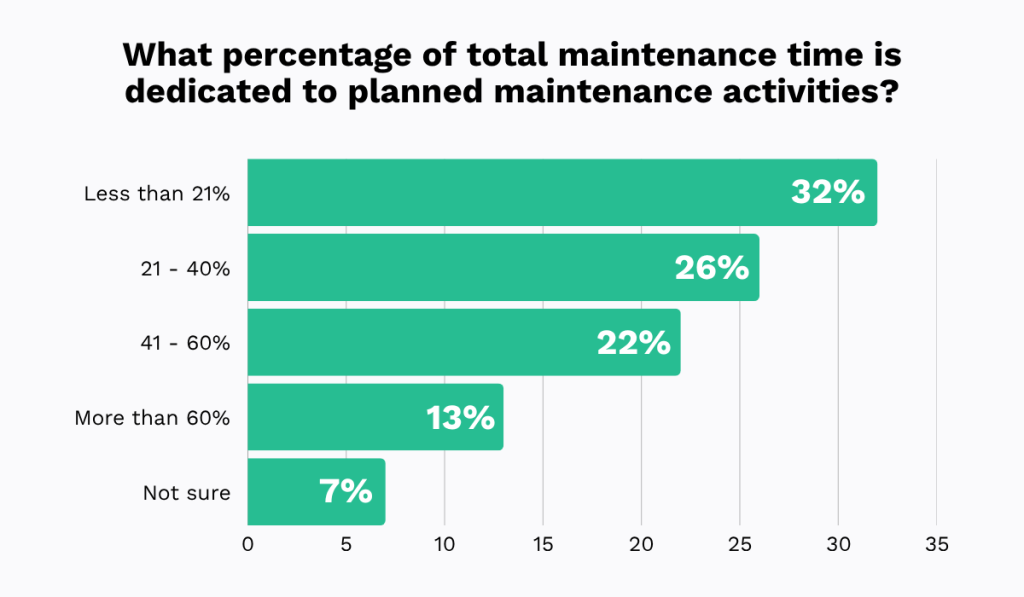
That gap is what makes PM less efficient.
Preventive maintenance is not just about having schedules, but about how consistently and intelligently you execute those schedules.
When it’s done well, the impact is straightforward: fewer unexpected failures, longer asset lifespan, and more predictable operations.
You can see this clearly in environments where equipment reliability is non-negotiable.
At Northwell Health, the largest healthcare provider in New York, maintenance teams faced a growing issue with steam systems critical for heating and sterilization.
Steam traps, small yet essential components, were failing across facilities. Each failure meant wasted energy, higher costs, and potential operational risk.
Instead of reacting to failures as they occurred, Northwell implemented a structured, preventive maintenance program.
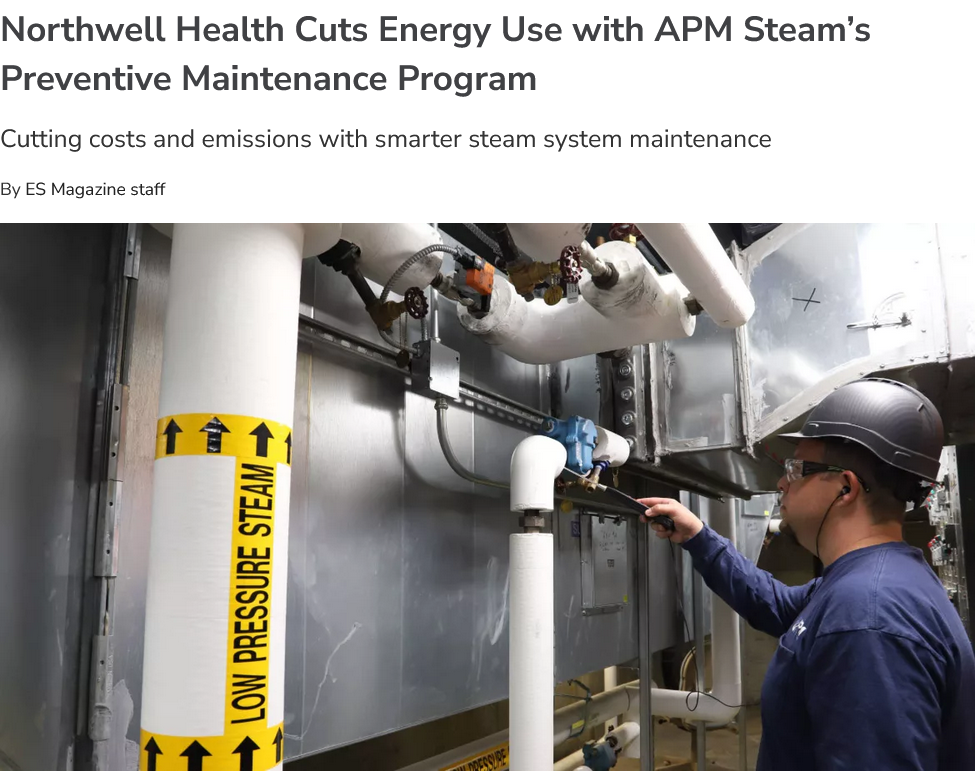
They routinely inspected steam traps, identifying early signs of failure, and repaired or replaced components before they caused larger issues.
The results were measurable.
Since 2022, the program has led to over $2.4 million in combined energy savings and reduced natural gas consumption by nearly one million therms, with a return on investment achieved in just 1.4 years.
Just as importantly, it improved system reliability across hospitals where downtime directly affects patient care.
As Haneef Khan from Northwell’s Energy Steering Committee put it:
“The energy and cost savings were staggering. Combine that with incentive funding for energy reduction by National Grid and ConEd, we can achieve payback in well under 12 months by proactively maintaining steam traps, system insulation and heat exchangers across our hospital portfolio.”
This is what effective preventive maintenance looks like in practice.
It’s not reactive work done on a schedule, but a structured effort to eliminate avoidable failures before they happen.
And once that foundation is in place, the next challenge becomes clear: executing it consistently, without tasks slipping through the cracks.
Digitize Maintenance Workflows
Having a well-structured preventive maintenance plan is one thing. Executing it consistently, day after day, is where most teams struggle.
In many facilities, schedules still live in spreadsheets. Work orders are written on paper or passed along verbally. Technicians rely on experience to fill in missing details.
If something is overlooked or done incorrectly, there’s often no clear record of what happened or why.
When relying on manual workflows, tasks get delayed, maintenance history becomes incomplete, and managers lose visibility into what’s actually happening on the floor.
This is why digitization is so important.
Instead of relying on disconnected tools and manual coordination, high-performing teams centralize their maintenance operations in a single system, often using CMMS solutions.
In a CMMS, work orders, asset history, schedules, documentation, and spare parts data all live in one place, and more importantly, they’re accessible in real time.
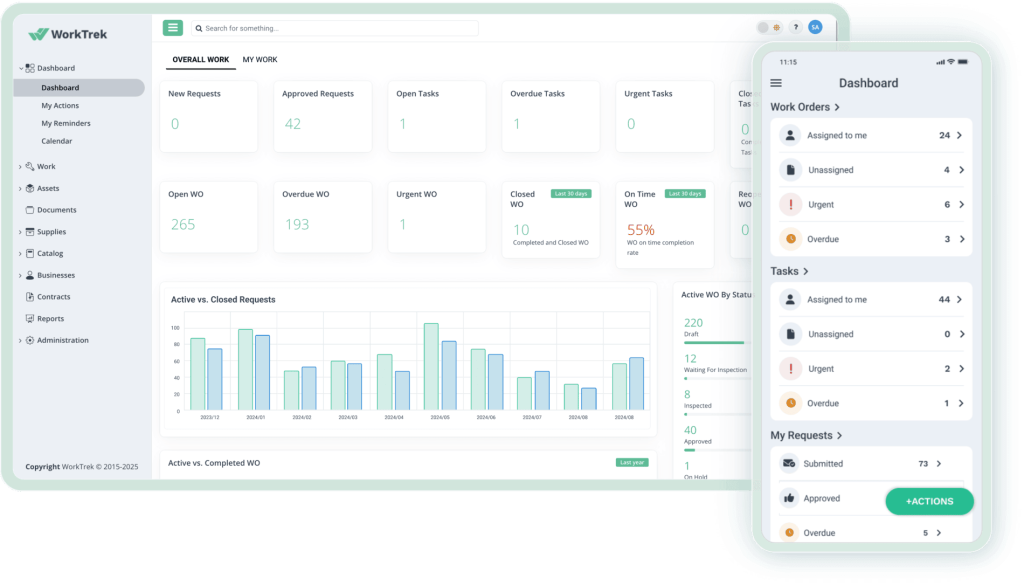
WorkTrek, our very own CMMS, is built precisely for this purpose.
In WorkTrek, you can easily maintain a complete equipment registry and schedule preventive maintenance for each asset.
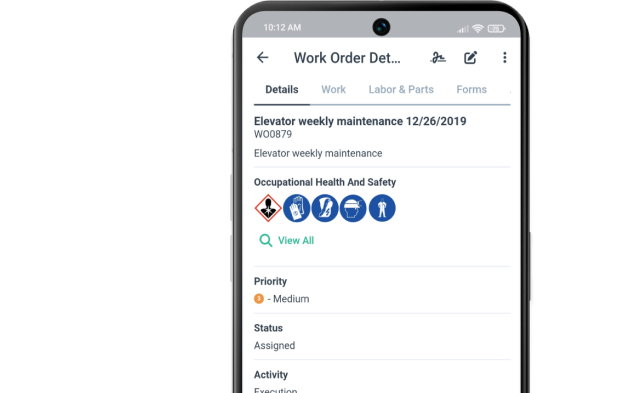
WorkTrek lets you create work orders and attach all the necessary information, including step-by-step procedures, checklists, and PPE requirements for each maintenance task.
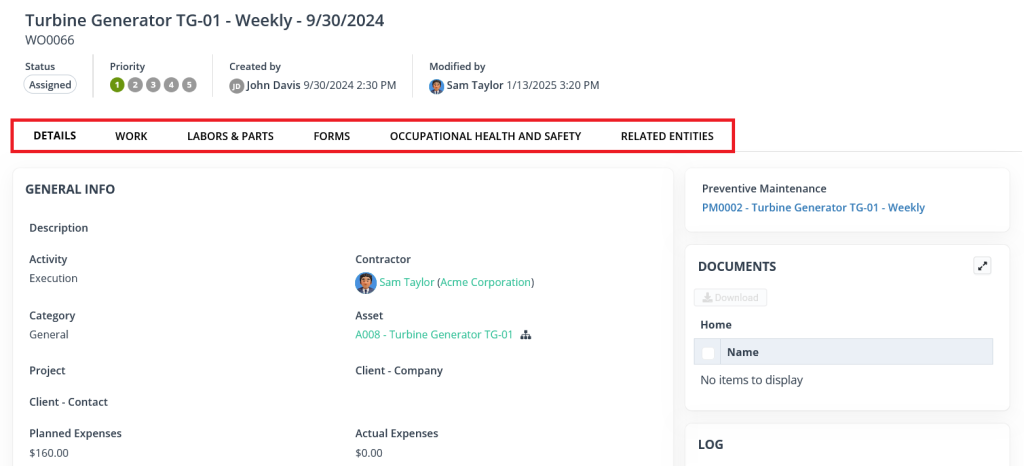
You can assign tasks to technicians, and they can see required PPE, potential hazards, and detailed procedures directly within the work order, often from a mobile device in the field.
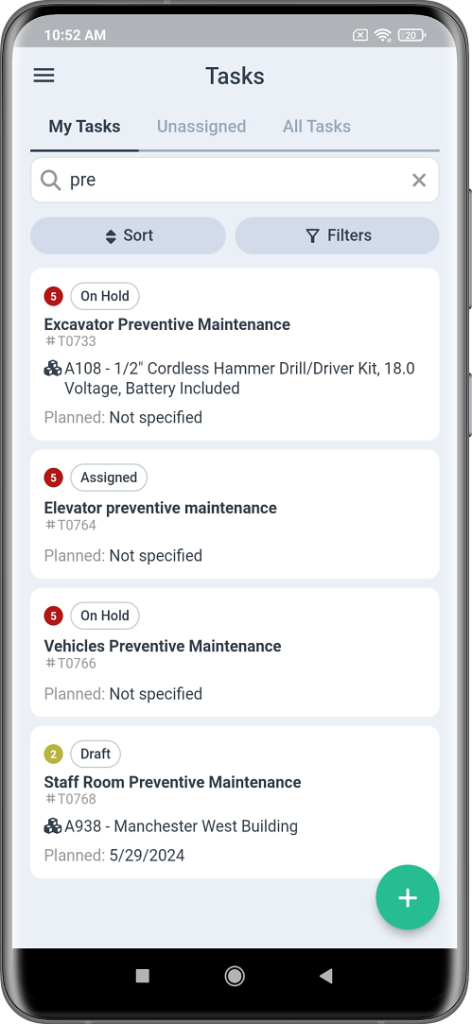
WorkTrek records every action, creating a reliable history that teams can actually use.
The impact of this kind of visibility is immediate.
Matjaž Valenčič, O&M Manager at InterEnergo, a renewable energy provider in Central Europe, describes it from experience:
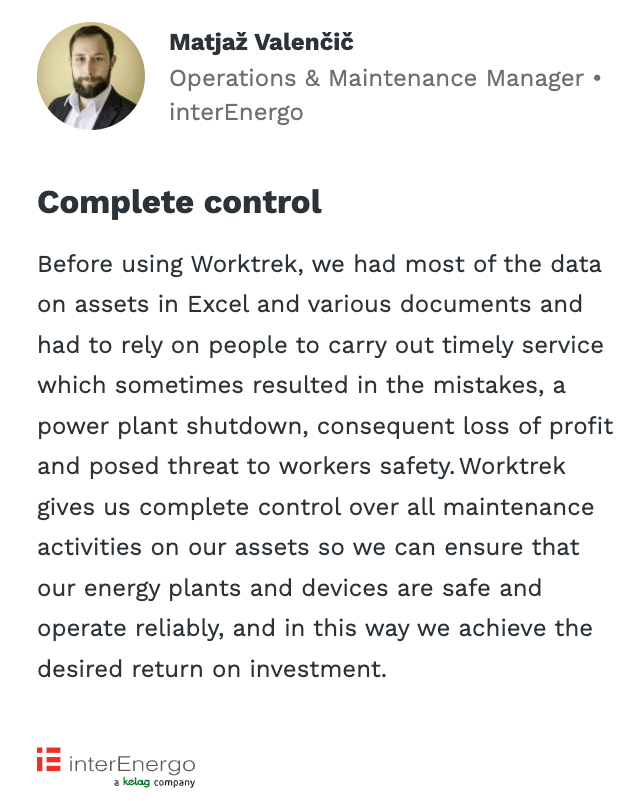
That’s the real value of digitization. It makes maintenance visible, structured, and repeatable.
Once that level of consistency has been established, something else becomes possible: you can start using the data generated by your own operations to make better decisions.
Use Data to Drive Maintenance Decisions
When you digitize maintenance workflows, you can stop relying on assumptions.
Instead of asking what might be going wrong, you can see it: which assets fail most often, how long repairs actually take, and where time and budget are being spent.
However, that visibility only creates value if it changes how you make decisions.
Many organizations collect large amounts of maintenance data and stop there.
Reports are generated, dashboards reviewed, but planning and prioritization stay the same.
High-performing teams do the opposite. They use data to continuously adjust how maintenance is executed.
They focus on a few key metrics, such as:
- Mean time between failures (MTBF)
- Mean time to repair (MTTR)
- Asset downtime
- Maintenance backlog
- Cost per asset
With a system like WorkTrek, this data is captured automatically as work is completed.
You can see how many tasks are overdue, how often work orders are reopened, whether jobs are completed on time, and how actual upkeep costs compare to what was planned:
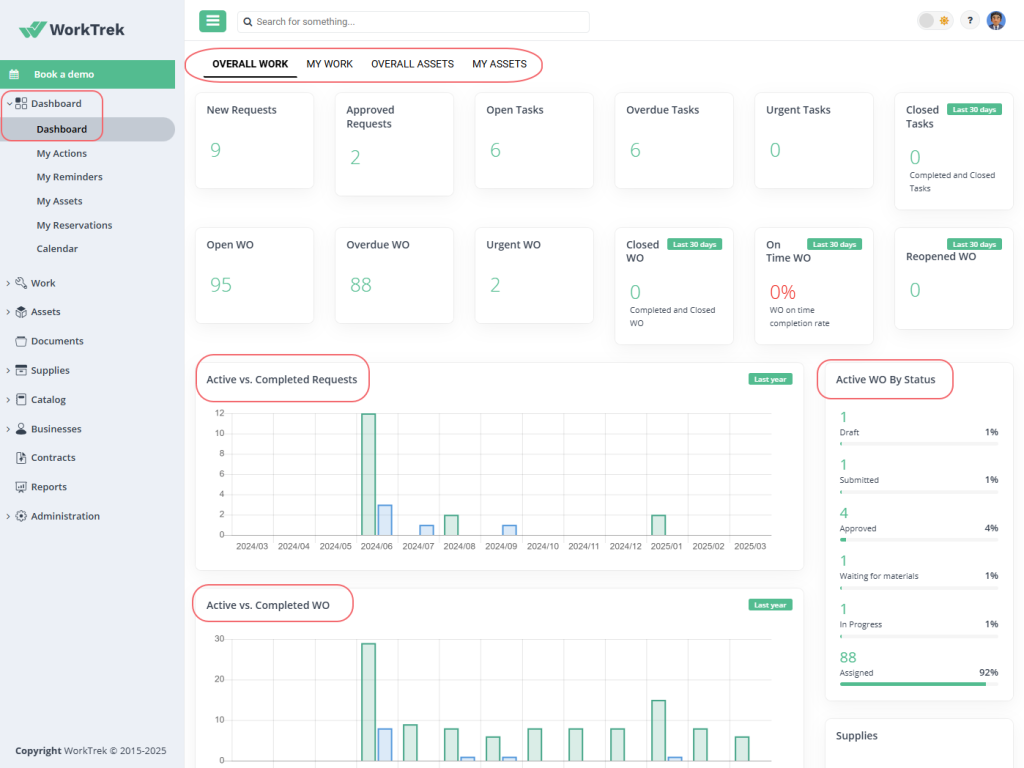
Over time, that builds a clear picture of where execution is breaking down.
However, this data alone only tells you where to look. It doesn’t tell you why things keep failing.
That’s why you need root cause analysis.
Across industrial environments, a relatively small number of issues tend to drive the majority of failures.
Research from Oxmaint shows that factors like inadequate lubrication, normal wear, improper installation, and contamination account for a significant share of equipment breakdowns, often with warning signs that appear weeks or even months in advance.
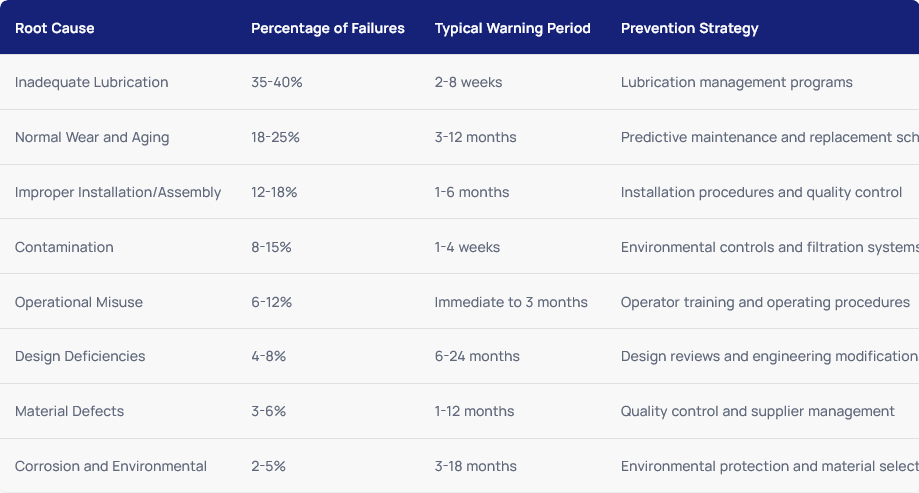
When teams take the time to investigate these patterns properly, the goal shifts from fixing the same issue repeatedly to eliminating it altogether.
So, if a component fails, you don’t just replace it. Instead, you ask what caused the failure:
- Was lubrication missed?
- Was the equipment operated outside normal conditions?
- Was the original installation flawed?
Techniques like fault tree analysis, fishbone diagrams, or simply reviewing maintenance and operating history help uncover these underlying causes.
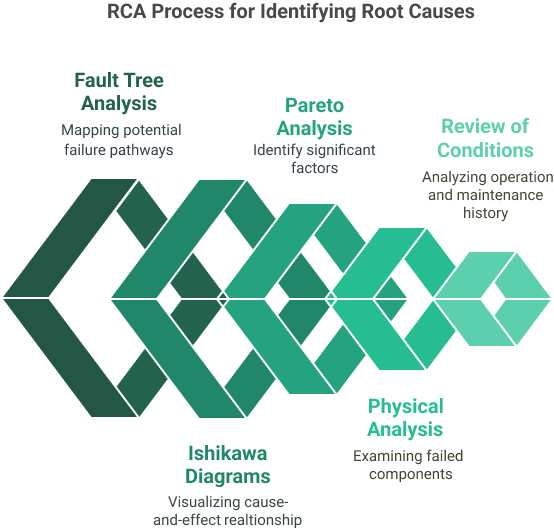
This is where data and execution connect.
If work orders are completed properly, failure causes are recorded consistently, and asset history is accurate, each intervention adds to your understanding of the problem.
And you can prevent it at the core.
Adopt Predictive Maintenance
Defining the right moment to intervene in advance is one of the main goals in industrial maintenance.
It makes sense.
If you act too early, you waste time and resources on unnecessary work. Act too late, and you’re dealing with unplanned downtime.
In asset-intensive industries, that trade-off is expensive.
According to a global report by ABB, 83% of facilities estimate that unplanned downtime costs at least $10,000 per hour, with 76% putting the figure as high as $500,000 per hour.
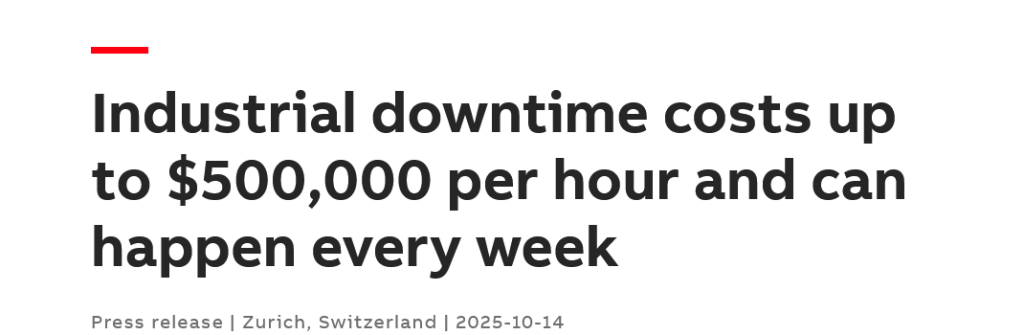
Predictive maintenance is one of the most effective ways to combat this problem.
Instead of relying on fixed schedules or historical averages, predictive maintenance uses real-time data to detect early signs of failure.
Subtle changes, such as increased vibration, temperature shifts, or abnormal energy consumption, indicate that something is starting to degrade.
The goal is not just to prevent failure, but to intervene at the optimal moment.
This is also why interest in predictive strategies has grown quickly.
The 2022 Report by ATS found that nearly half of organizations were already planning to evolve toward predictive maintenance, driven by the need to reduce unplanned downtime and improve efficiency.
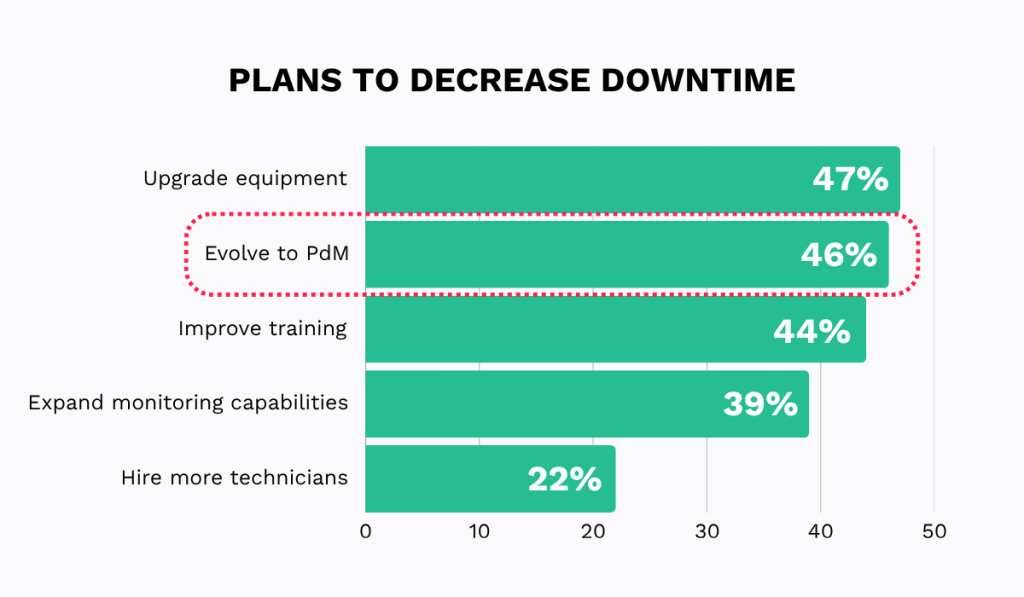
When implemented well, the results are significant.
A study by Deloitte shows that predictive maintenance can reduce breakdowns by up to 70% and lower maintenance costs by around 25%, while also extending asset lifespan.
You can see what that looks like in practice in large-scale industrial environments.
BlueScope, a global steel manufacturer, implemented predictive maintenance using Siemens’ Senseye platform across multiple sites.
By analyzing real-time machine data and applying AI-driven insights, their teams were able to detect failures before they occurred, without interrupting production.
Over three years, they avoided approximately 2,000 hours of unplanned downtime across operations in Australia, New Zealand, and Southeast Asia, and prevented more than 50 major process interruptions.
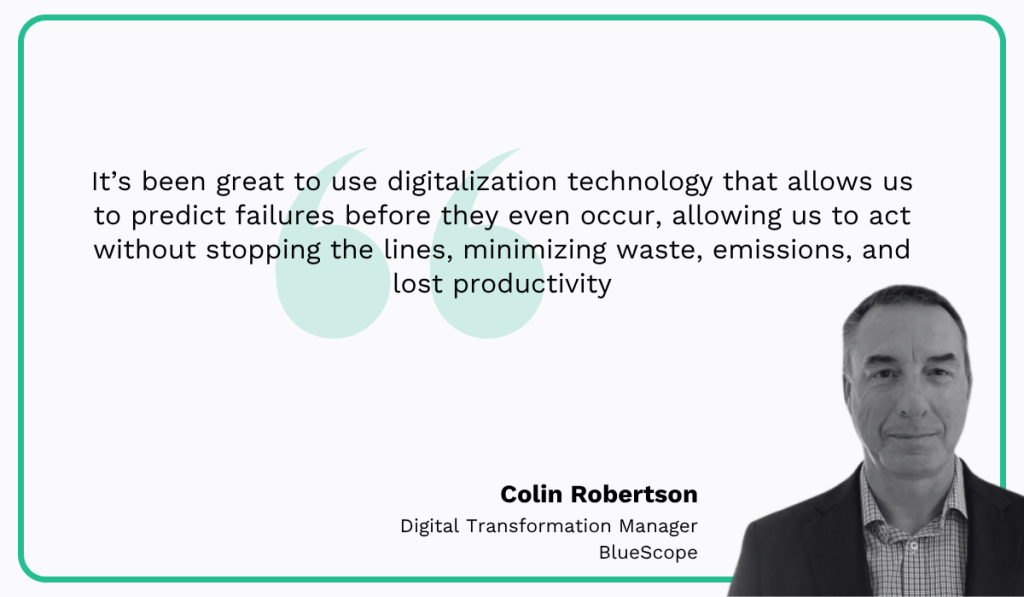
Colin Robertson, Digital Transformation Manager for Asset Management at BlueScope, explains:
The real advantage of predictive maintenance is the right timing.
Maintenance, driven by predictive technology, becomes a responsive, data-driven function that aligns with how equipment actually behaves.
In environments where downtime carries a high operational and financial cost, that level of precision makes all the difference.
Create a Reliability-Focused Culture
Even the most advanced maintenance strategy will fail if the organization doesn’t support it.
You can have preventive schedules in place, digitized workflows, accurate data, even predictive tools, but if communication is weak, training is inconsistent, or teams work in silos, you will have a problem.
For example, tasks can get done differently depending on who’s on shift. Important details don’t get shared. Problems repeat because no one connects the dots.
Over time, that erodes reliability.
This is why high-performing facilities treat maintenance not just as a function, but as a shared responsibility across operations, engineering, and leadership.
Reliability becomes part of how work is done, not just something maintenance is expected to “fix.”
A big part of that comes down to investing in people.
As Gregory Wortman, former Operations Manager at Redimix, puts it:
“When consistent training doesn’t happen, we deviate from best operational practices. This makes mistakes more likely. When you can’t maintain equipment yourself, you’re forced to pay emergency rates to subcontractors who may not know how to properly fix it.”
In other words, underinvesting in capability creates avoidable cost and risk.
But culture is also largely about how teams work together.
Facilities where reliability issues have persisted for years understand this very well.
For instance, at Rio Tinto’s aluminium operations in British Columbia, a critical piece of equipment—the carbon crusher—had been causing repeated disruptions.
Frequent blockages required constant manual intervention, sometimes every 20 minutes, creating both production losses and safety risks for frontline workers.
The problem wasn’t new. What changed was how it was approached.
Instead of treating it as a maintenance issue alone, the organization brought together operations, maintenance, asset management, and technical teams to work on it collectively.
Frontline workers dealing with the problem daily were actively included in identifying and solving the issue.
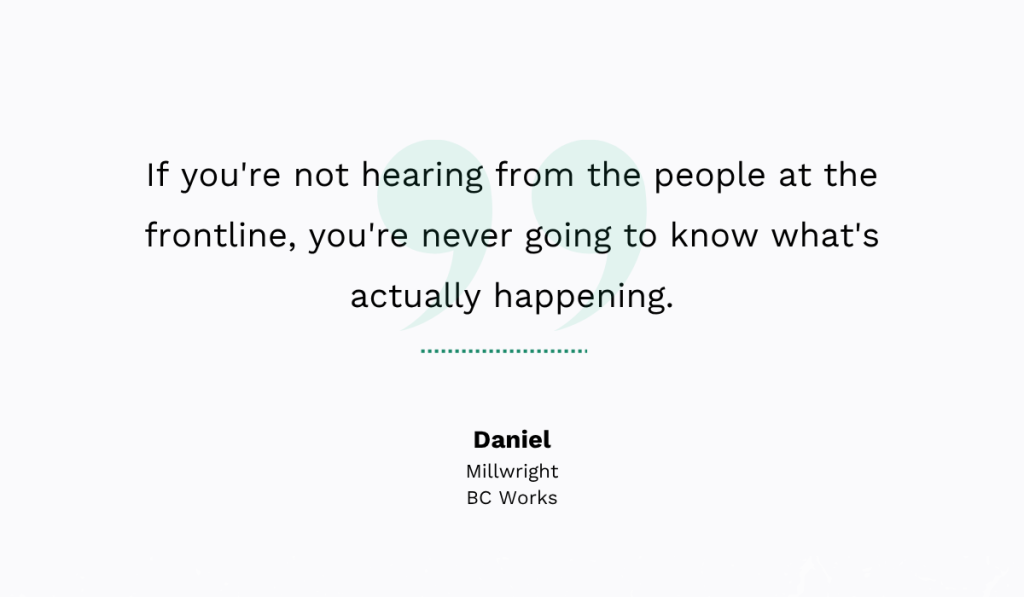
As one millwright involved in the project noted:
The shift from siloed work to shared ownership made the difference.
By combining practical field experience with structured problem-solving and engineering support, the team addressed the root causes of the issue, not just the symptoms.
The results were significant:
- Fewer stoppages
- Improved safety conditions
- More than $10 million in annual savings
This is what a reliability-focused culture looks like in practice.
It’s not built through a single initiative, but through consistent behaviors: clear communication, ongoing training, cross-functional collaboration, and a willingness to learn from the people closest to the work.
Because in the end, maintenance performance isn’t just driven by processes or technology. It’s sustained by the people who use them every day.
Conclusion
Industrial maintenance breaks down when work stays reactive, disconnected, and inconsistent, not because teams lack effort or expertise.
The practices behind high-performing teams are not complicated, but they are deliberate.
Preventive maintenance reduces avoidable failures. Digitized workflows bring structure and visibility to execution.
Data and root cause analysis eliminate recurring issues. Predictive maintenance improves timing. And a reliability-focused culture ensures all of it actually works in practice.
Together, these five best practices turn maintenance into a controlled, predictable function, one that spends less time reacting and more time keeping operations running the way they should.